


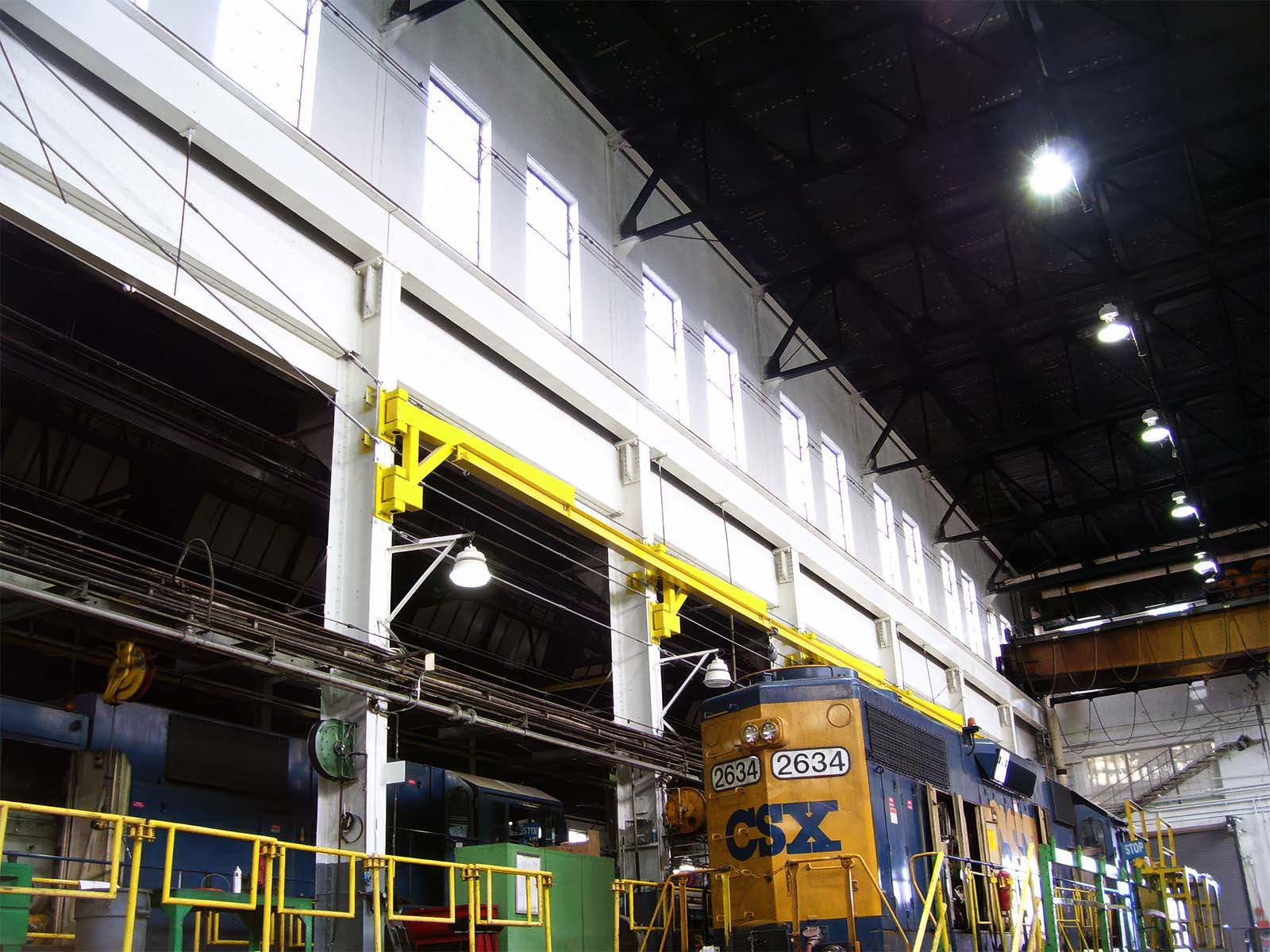

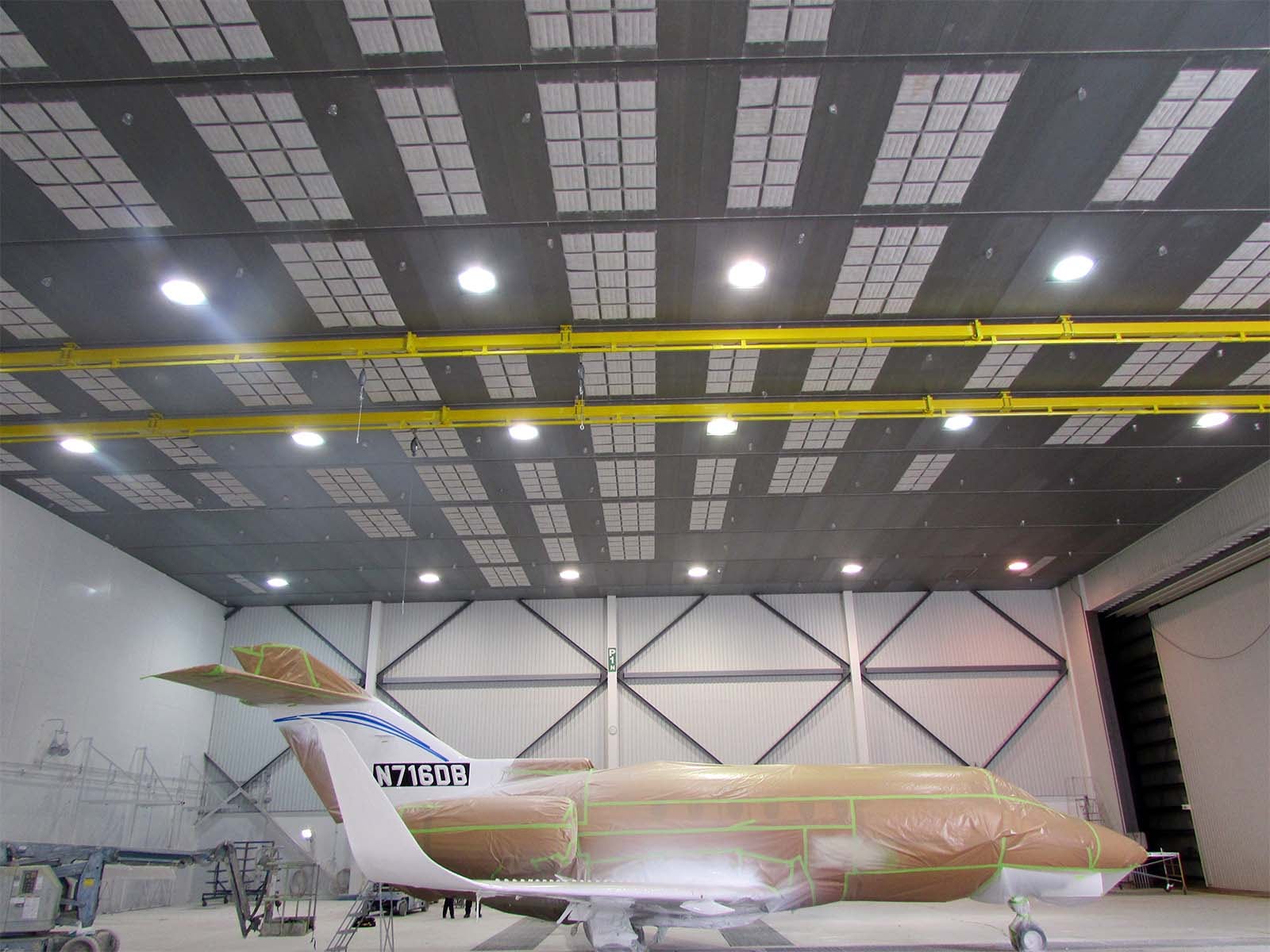
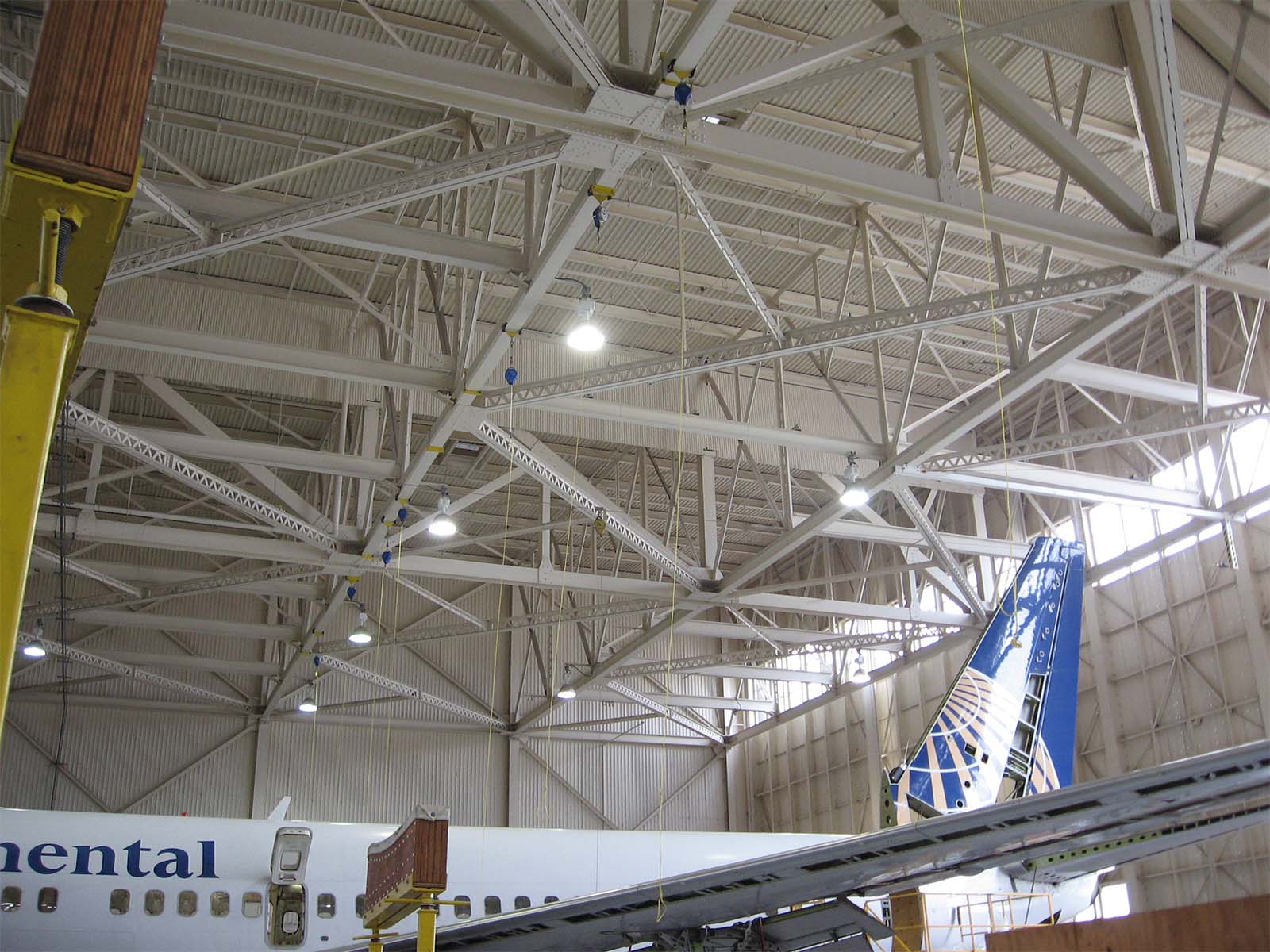
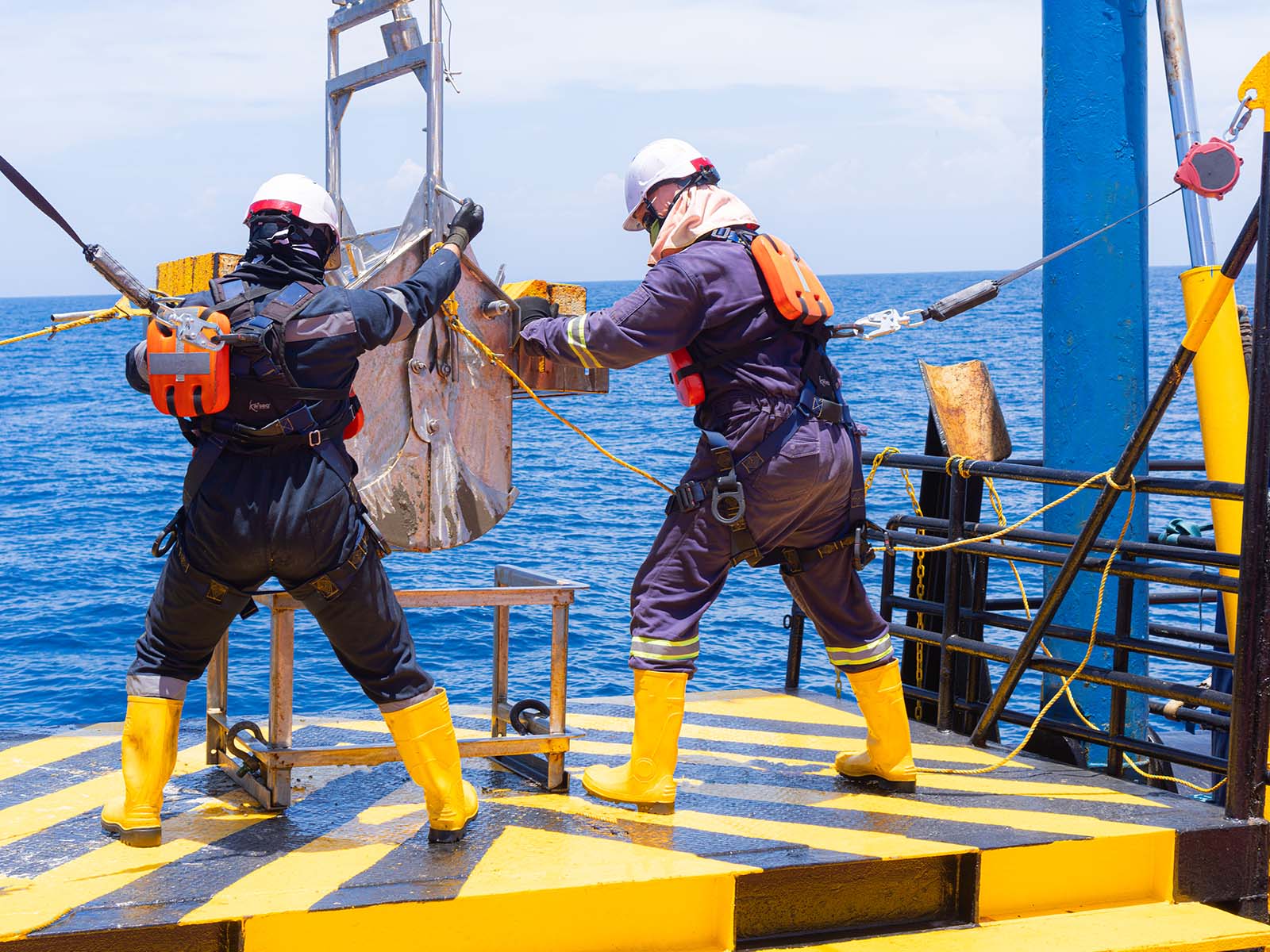
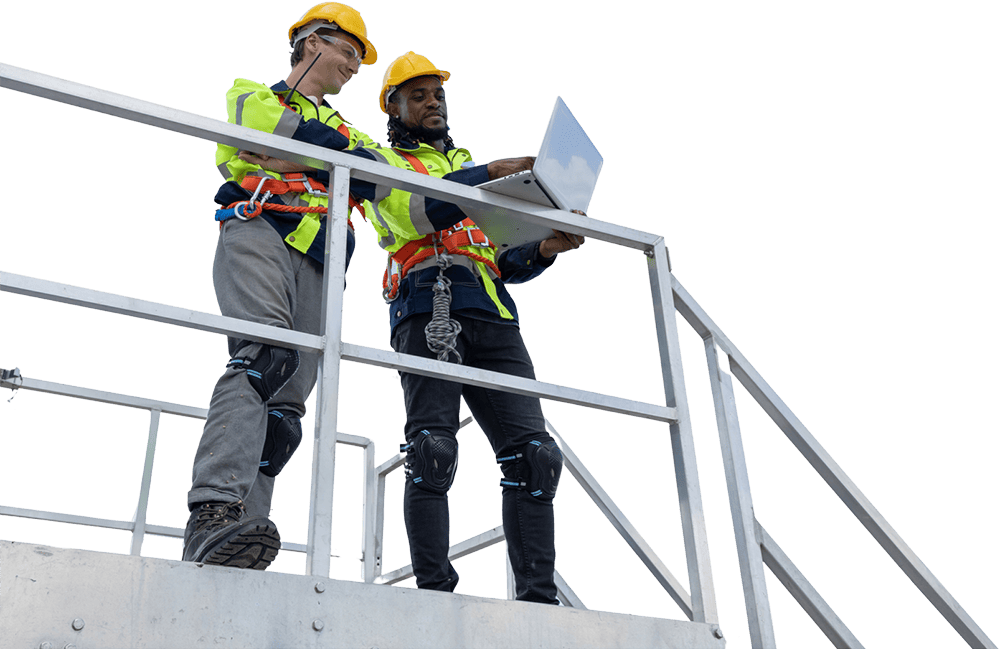
The scale, height, and motion involved demand fall protection that’s as specialized as the work itself. From rail yards to tarmacs, docks to distribution hubs, the risk of falling is constant and often amplified by weather, height, and time pressure. Fall protection systems must account for limited clearance, curved surfaces, and constantly changing conditions. Whether you’re loading, fueling, inspecting, or maintaining, operators need to keep workers protected without slowing operations.
Applied Solutions Gallery
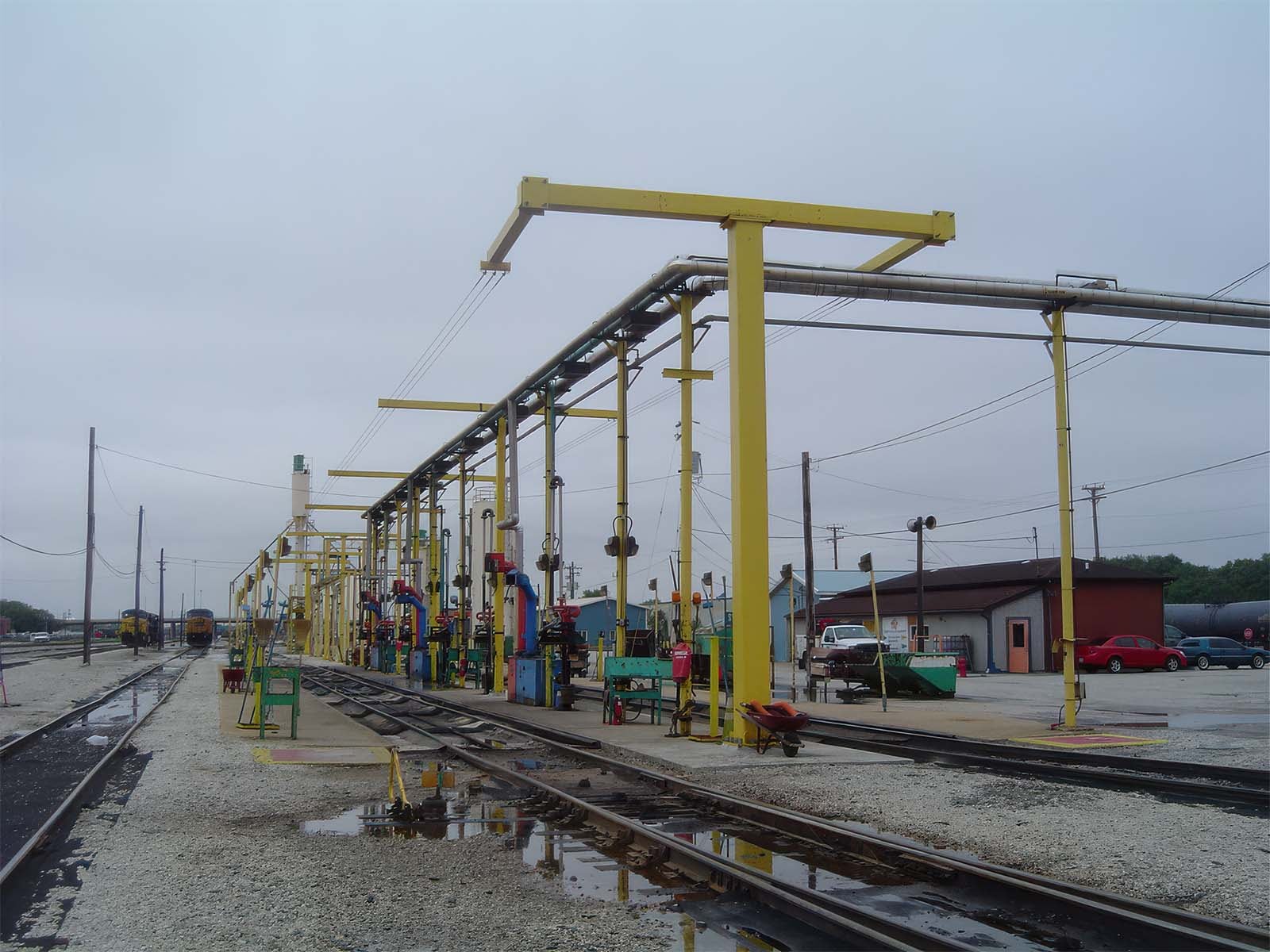
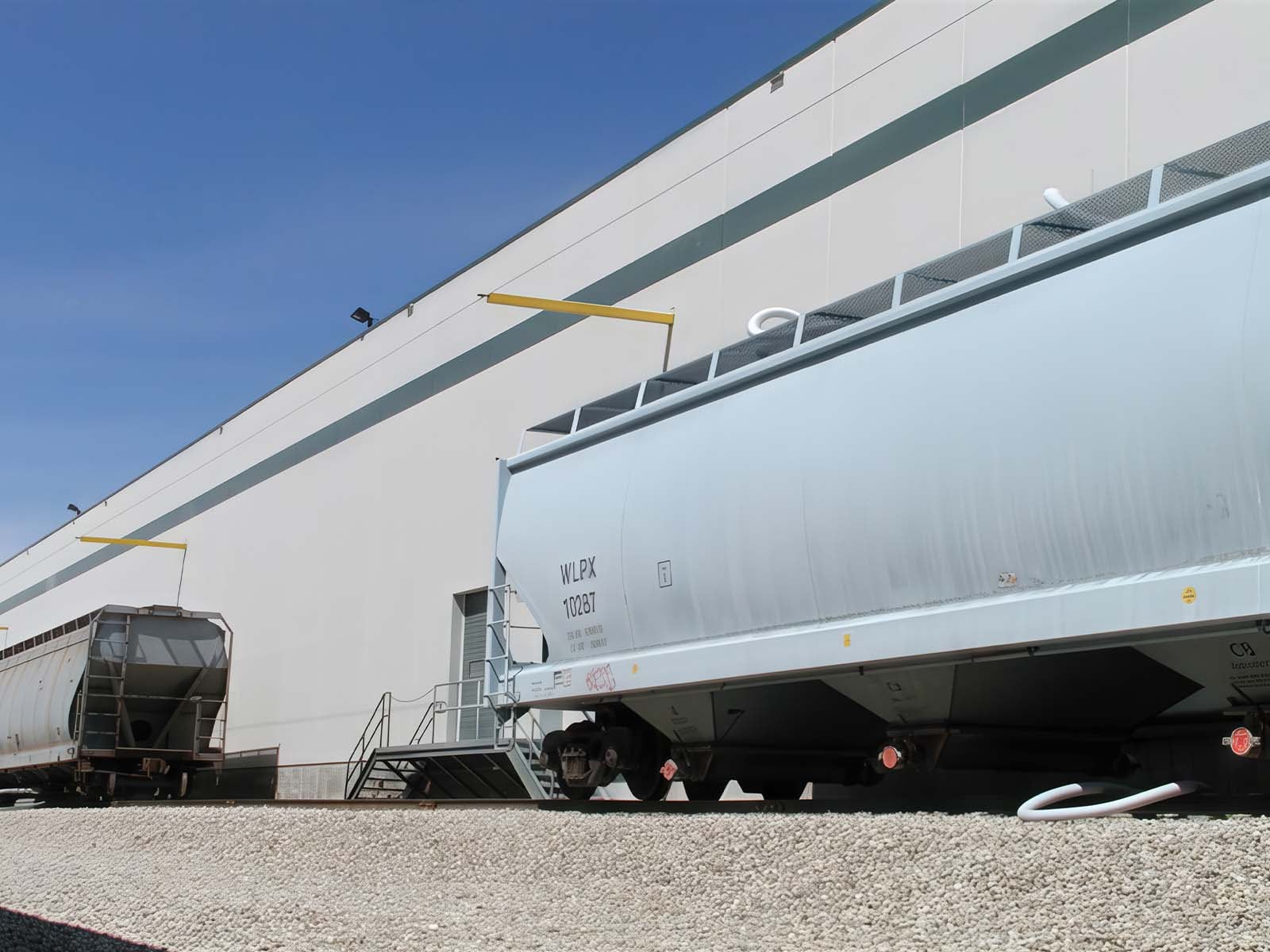
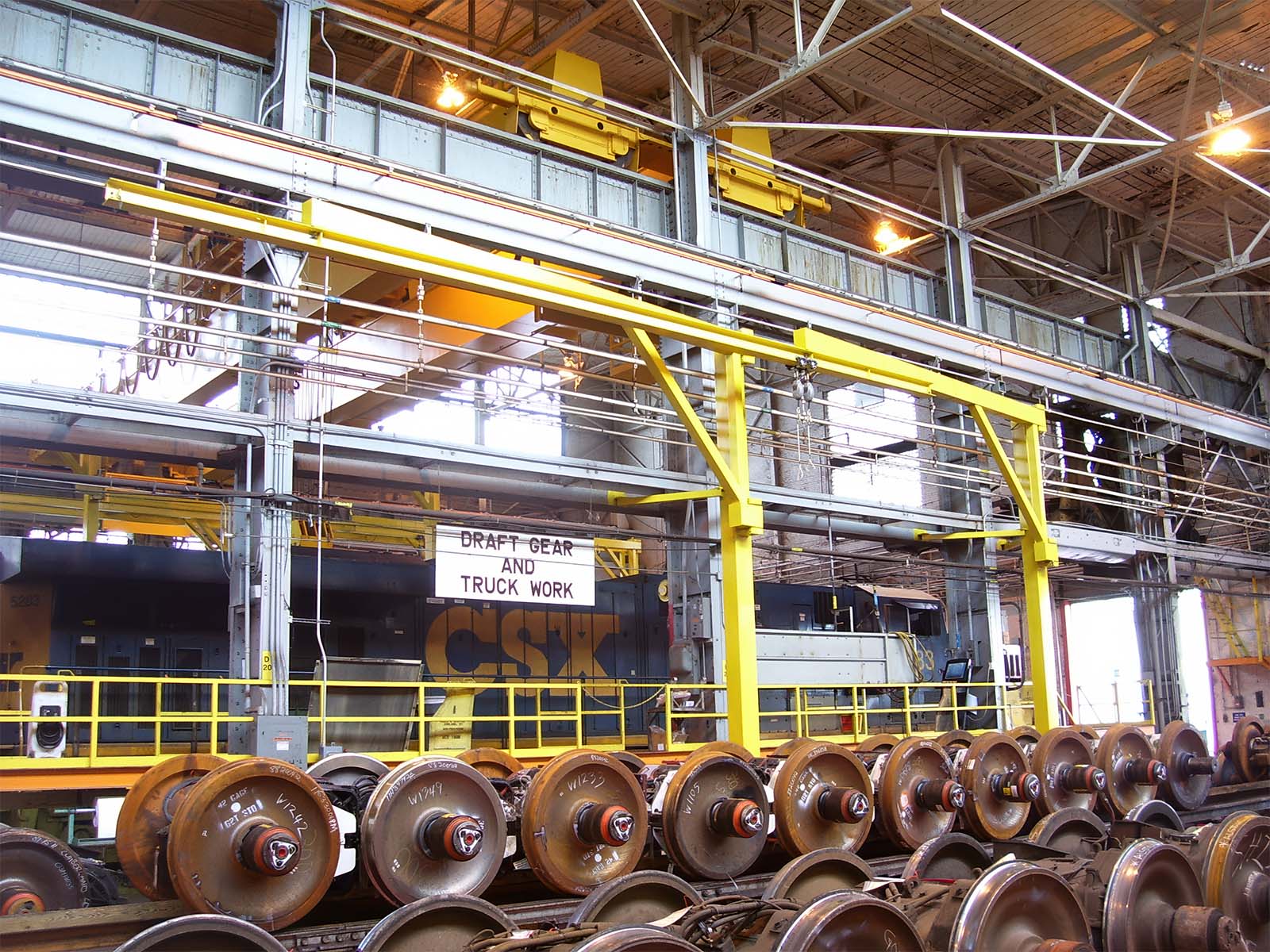
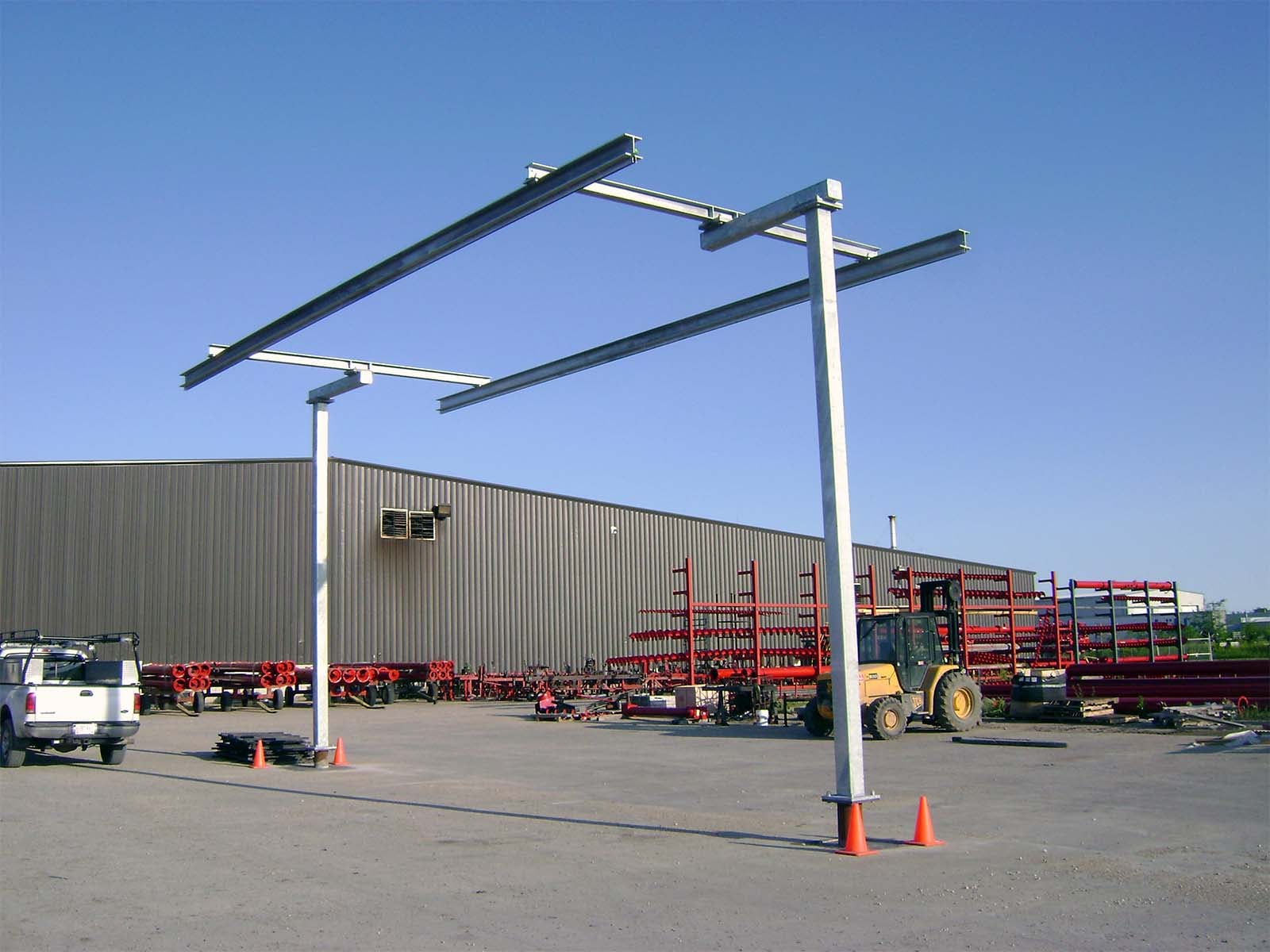




Answers to
Key Questions
What is the OSHA 4 foot rule?
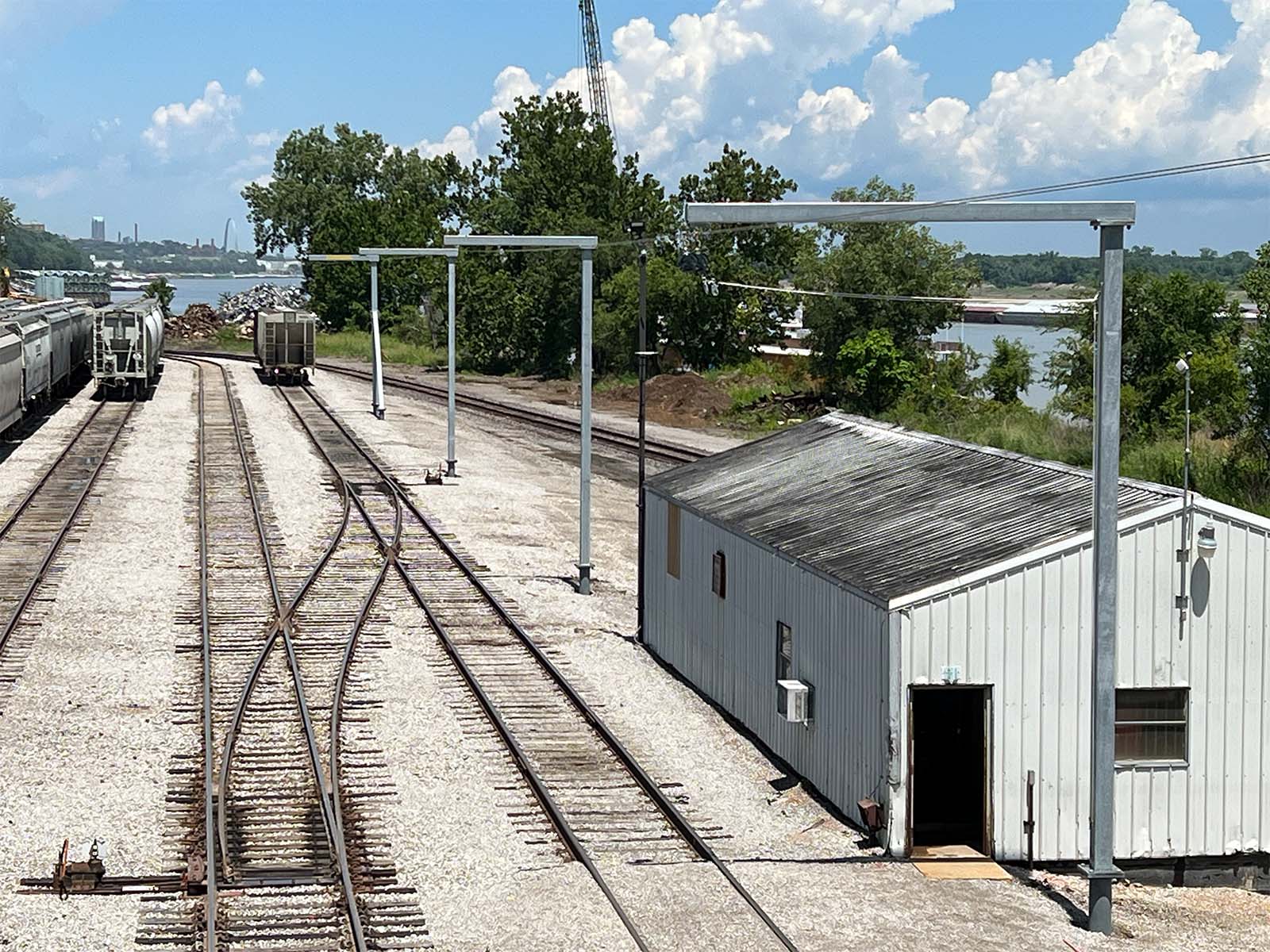
The OSHA 4-foot rule is the general industry trigger under 29 CFR 1910.28(b)(1): protection is required at 4 feet or more above a lower level. Railcar loading and maintenance is general industry work, and the top of a hopper or tank car sits well past the trigger, so crews working car tops at a loading rack or maintenance shop need engineered fall protection at every car spot.
At what height is fall protection required?
For rail and transportation facilities operating under OSHA general industry, the trigger is 4 feet above a lower level (29 CFR 1910.28(b)(1)); building a new rack or terminal is construction work and triggers at 6 feet (29 CFR 1926.501(b)(1)). Car tops, trailer tops, and loading platforms all clear the 4-foot line, and because the cars themselves move between sites, the protection has to live at the facility: gangways, platforms, and overhead systems at the spots where workers go up.
What are the 4 types of fall protection?
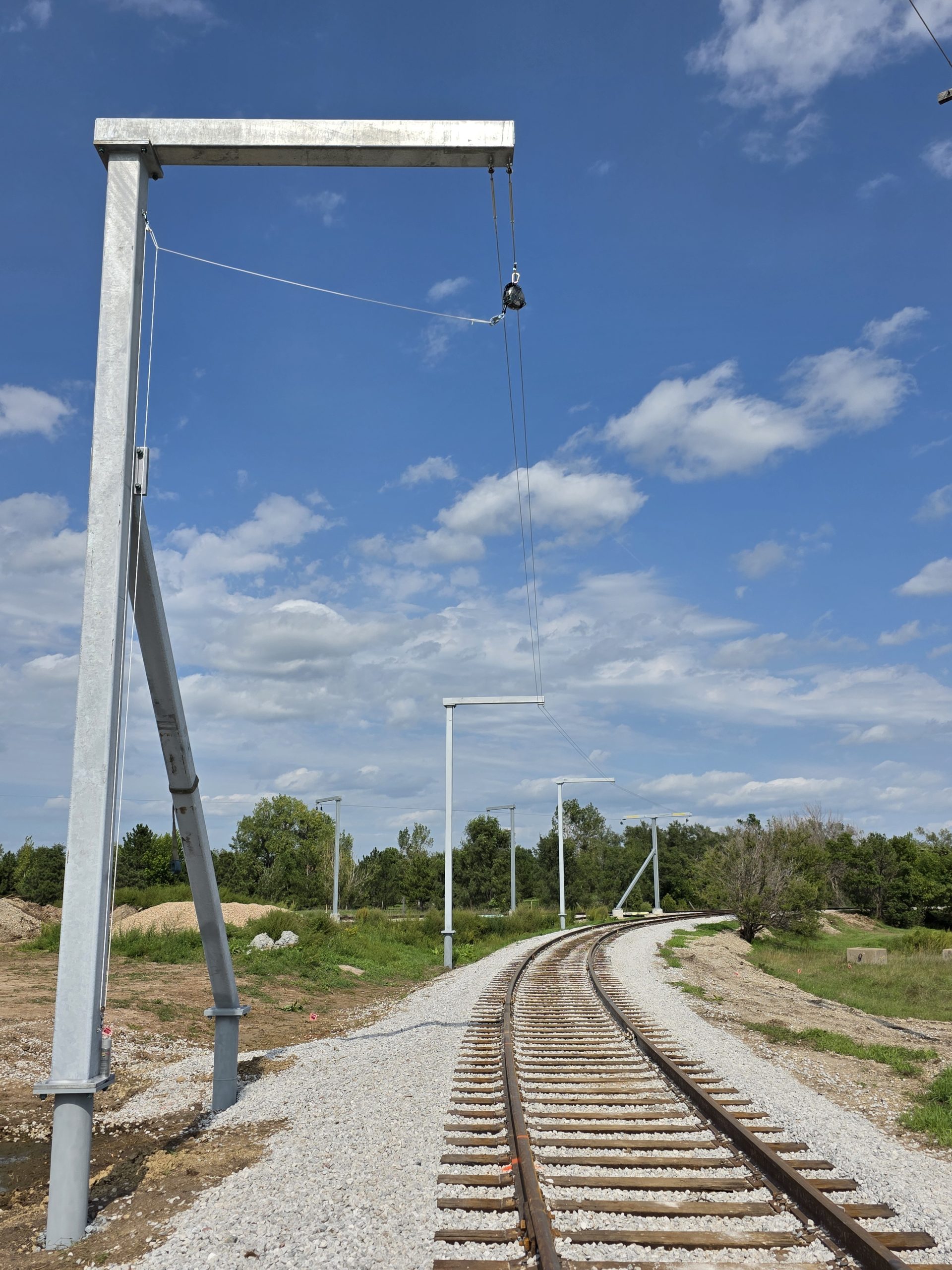
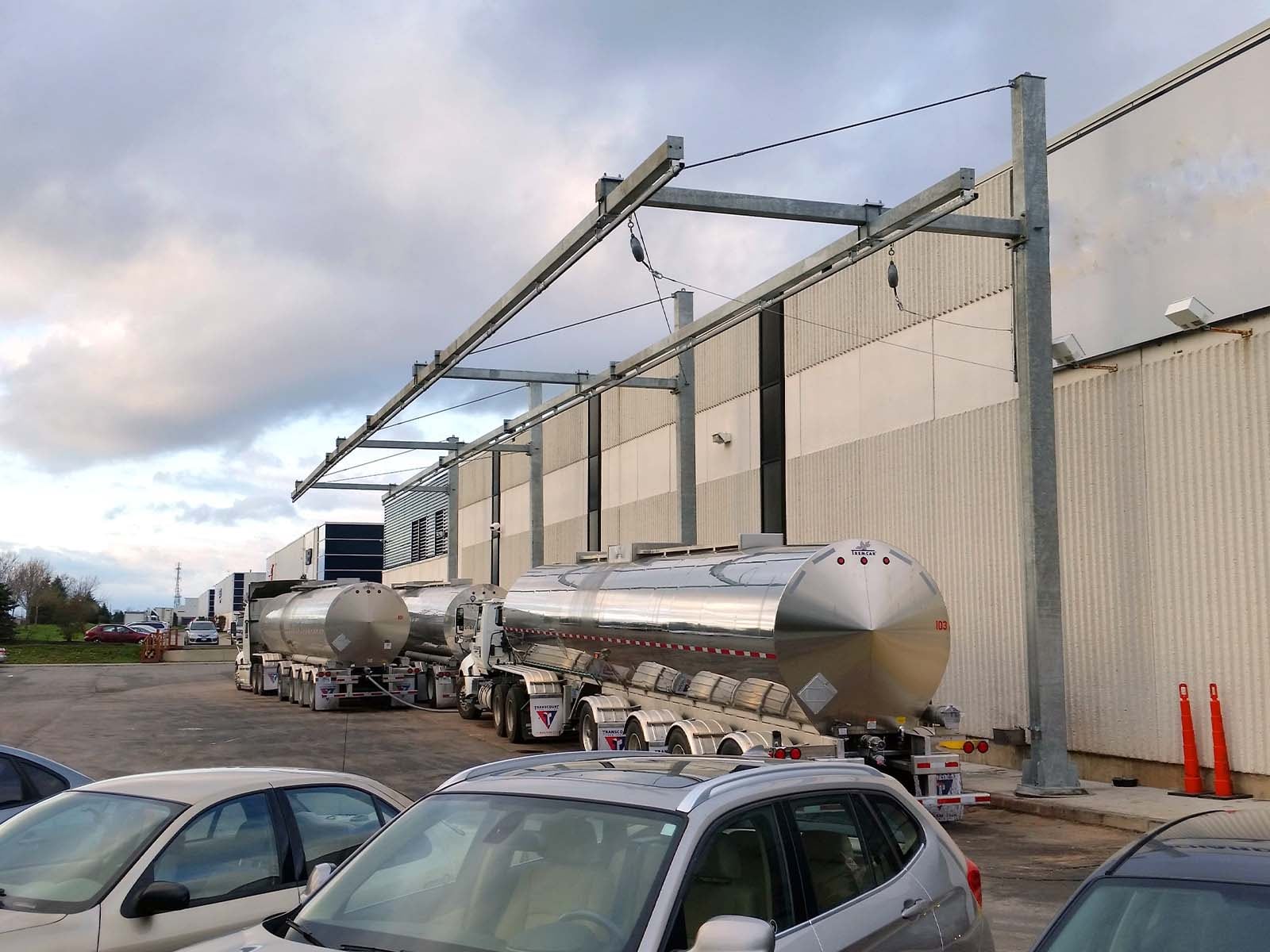
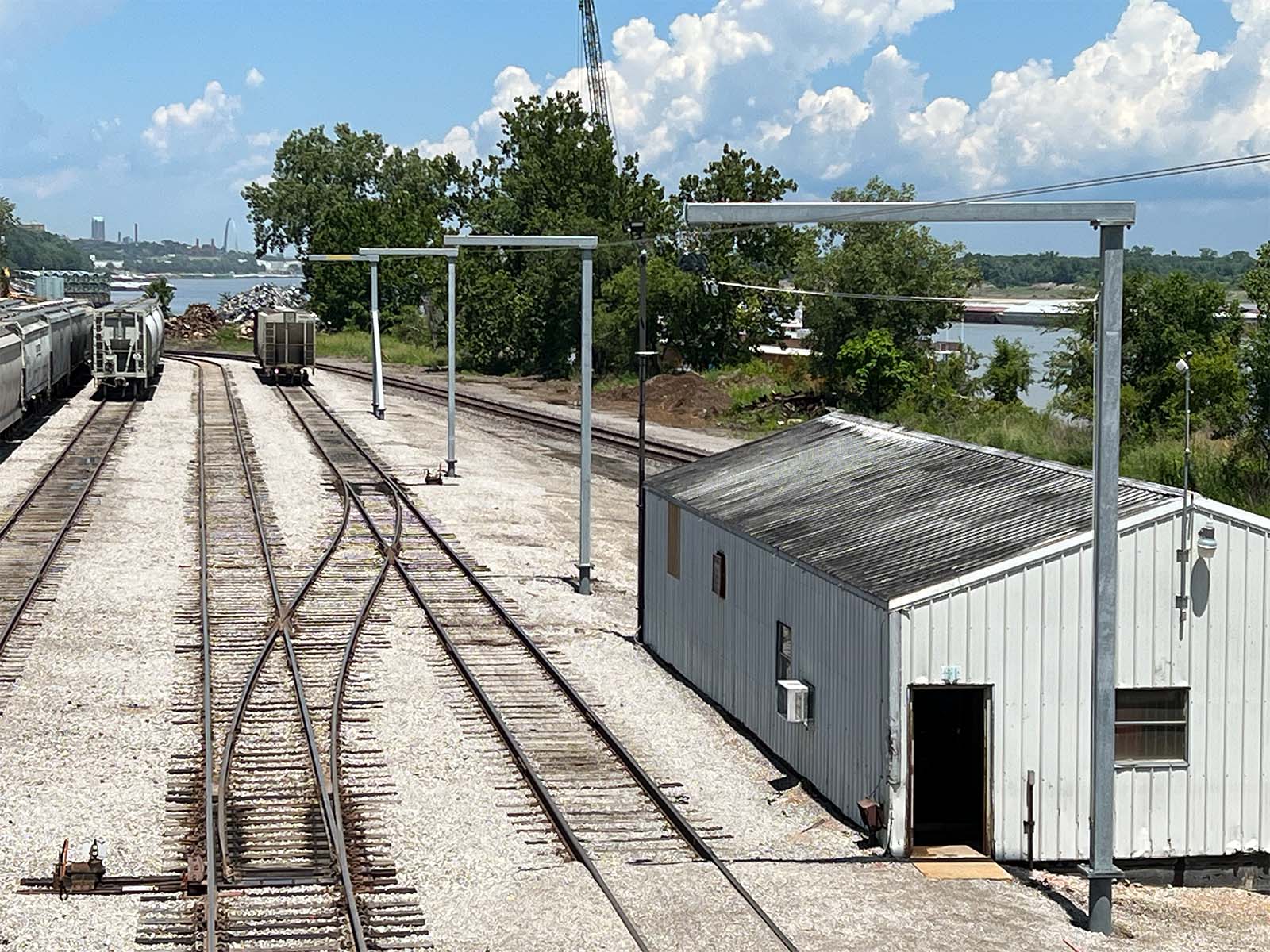
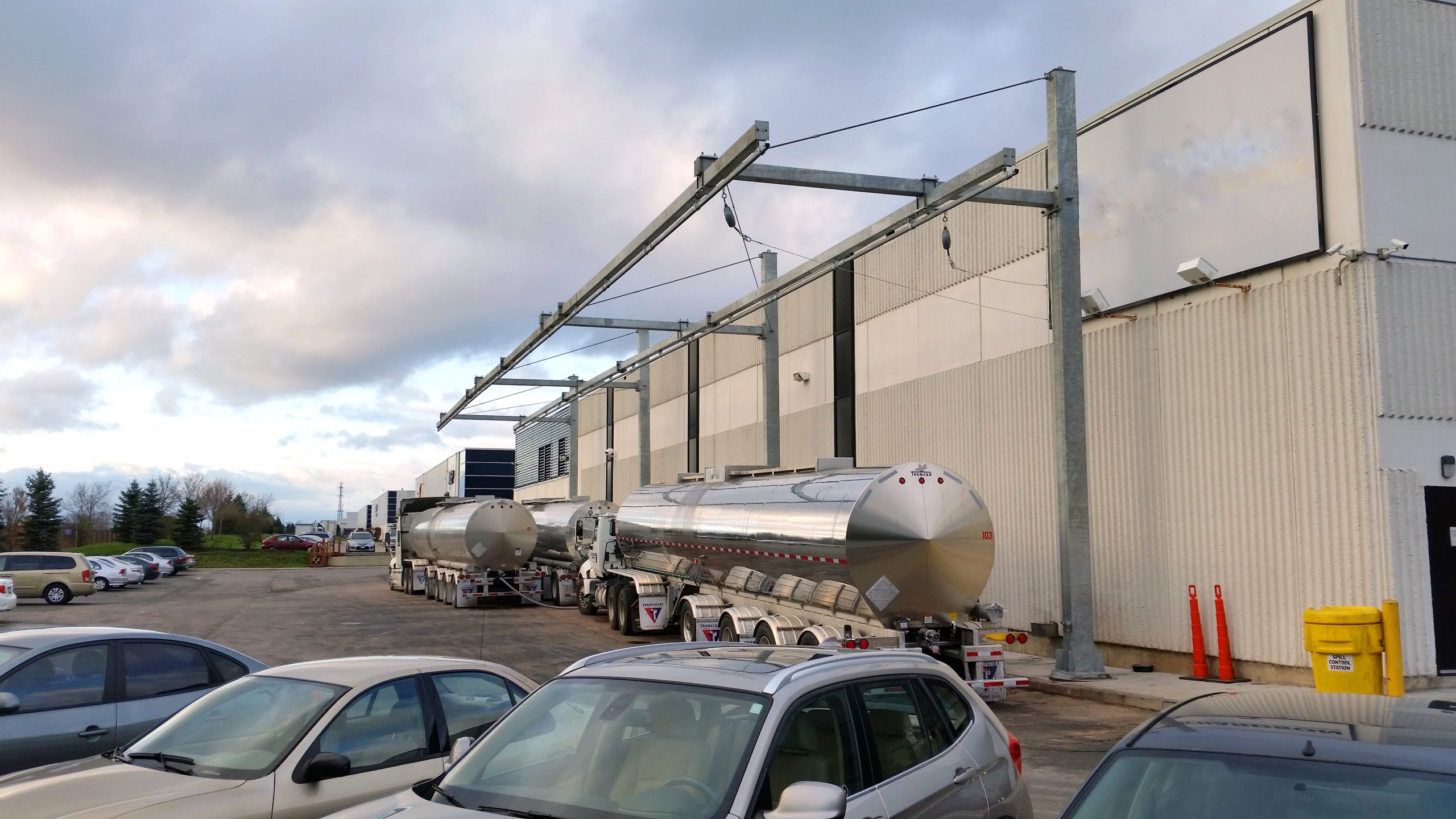
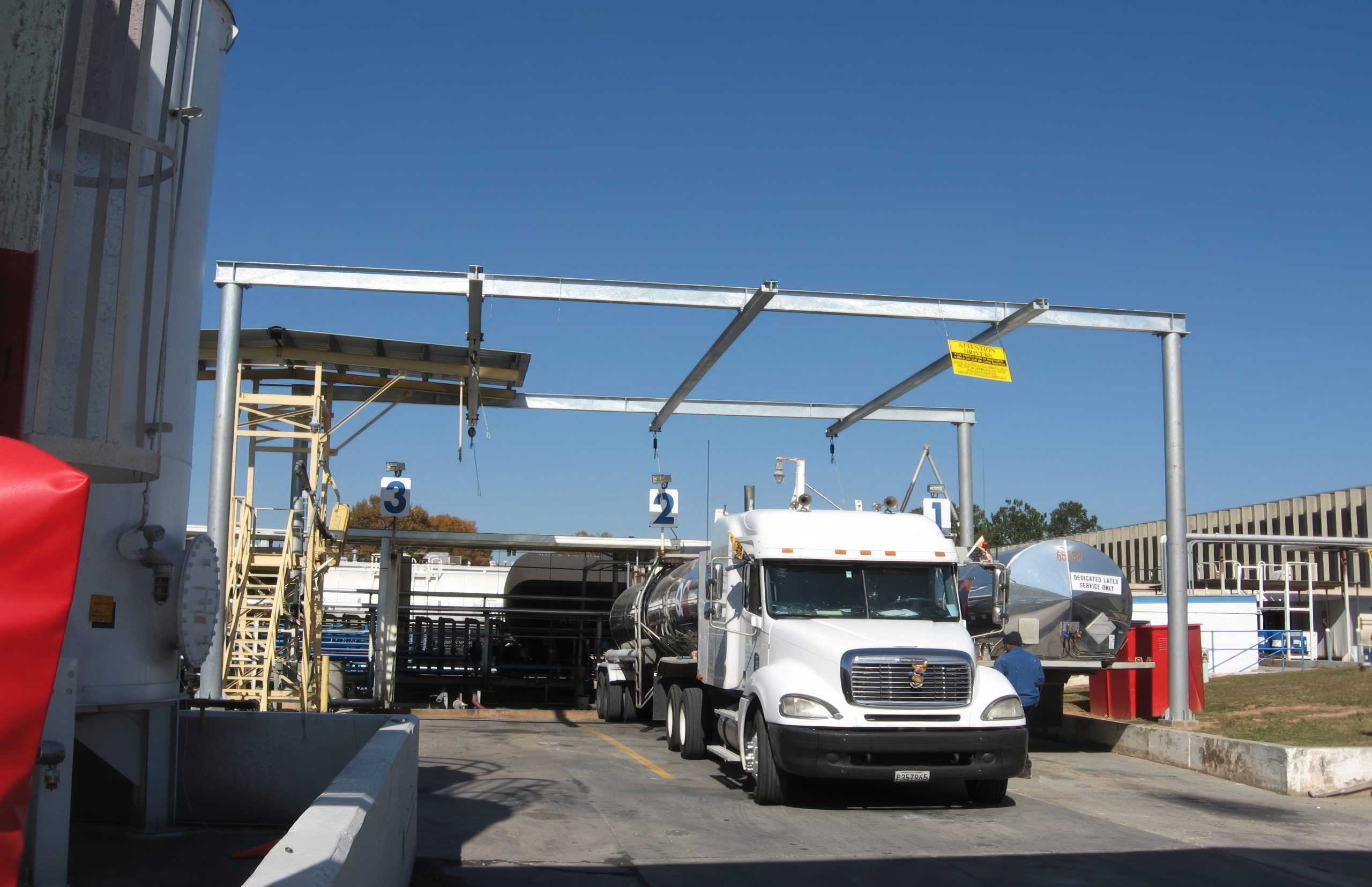
The four types are fall elimination, passive fall prevention (guardrails and covers), fall arrest (harness-and-anchor systems), and administrative controls. Railcar work uses the first two hardest: a gangway with a guarded platform removes the exposure at a fixed loading spot, and an overhead fall arrest system covers workers who have to walk the car top itself. Tritech engineers, fabricates, and installs both, sized to the cars and spotting positions the facility actually runs.