Data Centers Fall Protection
Tritech designs, engineers, installs, and certifies complete fall protection systems for data center rooftops — from the first assessment to annual recertification. One partner. One accountability.

Tritech doesn’t sell products and walk away. We partner with facility owners through a proven 6-step process that ensures your fall protection system is designed for your specific facility, installed correctly, certified to code, and maintained for the long term.
Applied Solutions Gallery
Data Centers
Data Centers Are the Fastest-Growing and Most Under-Protected Construction Segment in America
Over $88 billion in data center projects are breaking ground in 2026. Construction sites now scale to 4,000+ workers. Rooftops are dense environments crowded with cooling towers, chillers, generators, HVAC systems, and cable infrastructure that demand constant maintenance. Every one of those rooftop visits is a fall hazard. And the hazards don’t stop when construction ends — they multiply during operations, when rotating contractor crews, maintenance technicians, and facilities staff access the roof on schedules that never pause. Falls from height remain OSHA’s most-cited serious violation. Data center rooftops present every textbook fall risk: unprotected edges, roof hatches, skylights, cable obstacles, and elevated mechanical equipment. The facilities managers and EHS leaders who own these buildings own the liability too. The challenge isn’t knowing you need fall protection. It’s finding a partner who can assess your specific hazards, design a system engineered for your facility, install it right, certify it to code, and come back every year to make sure it still works.
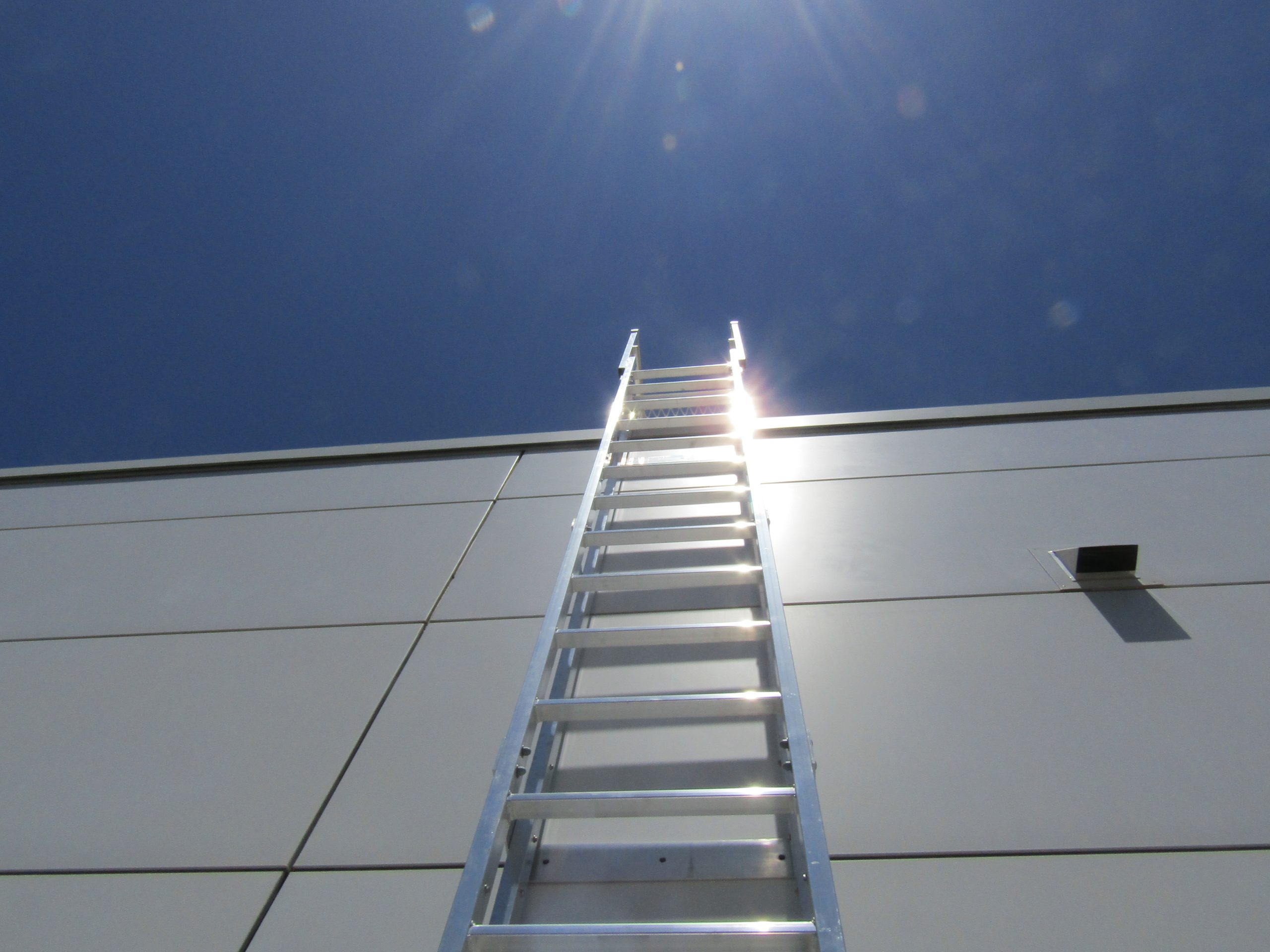
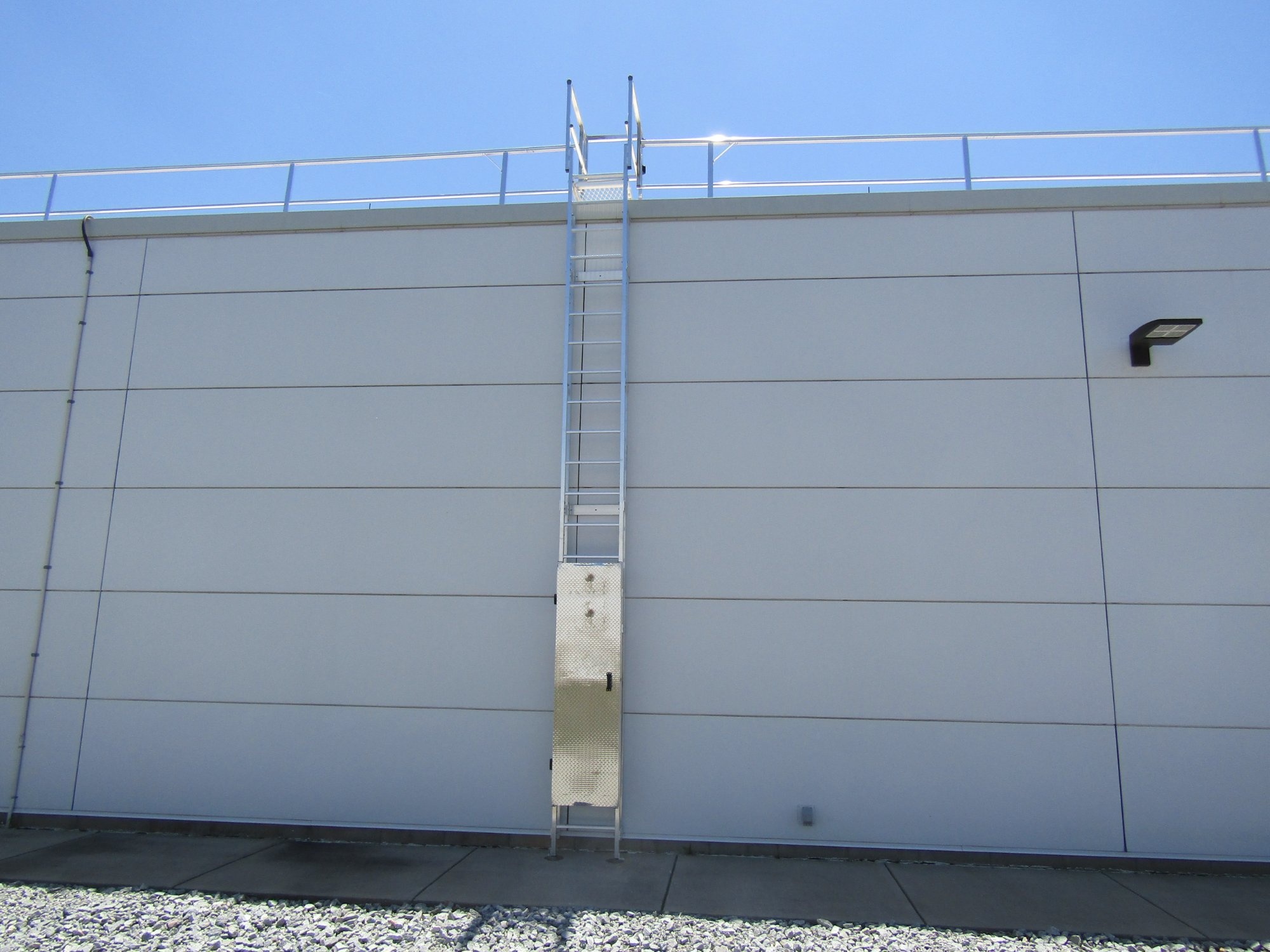
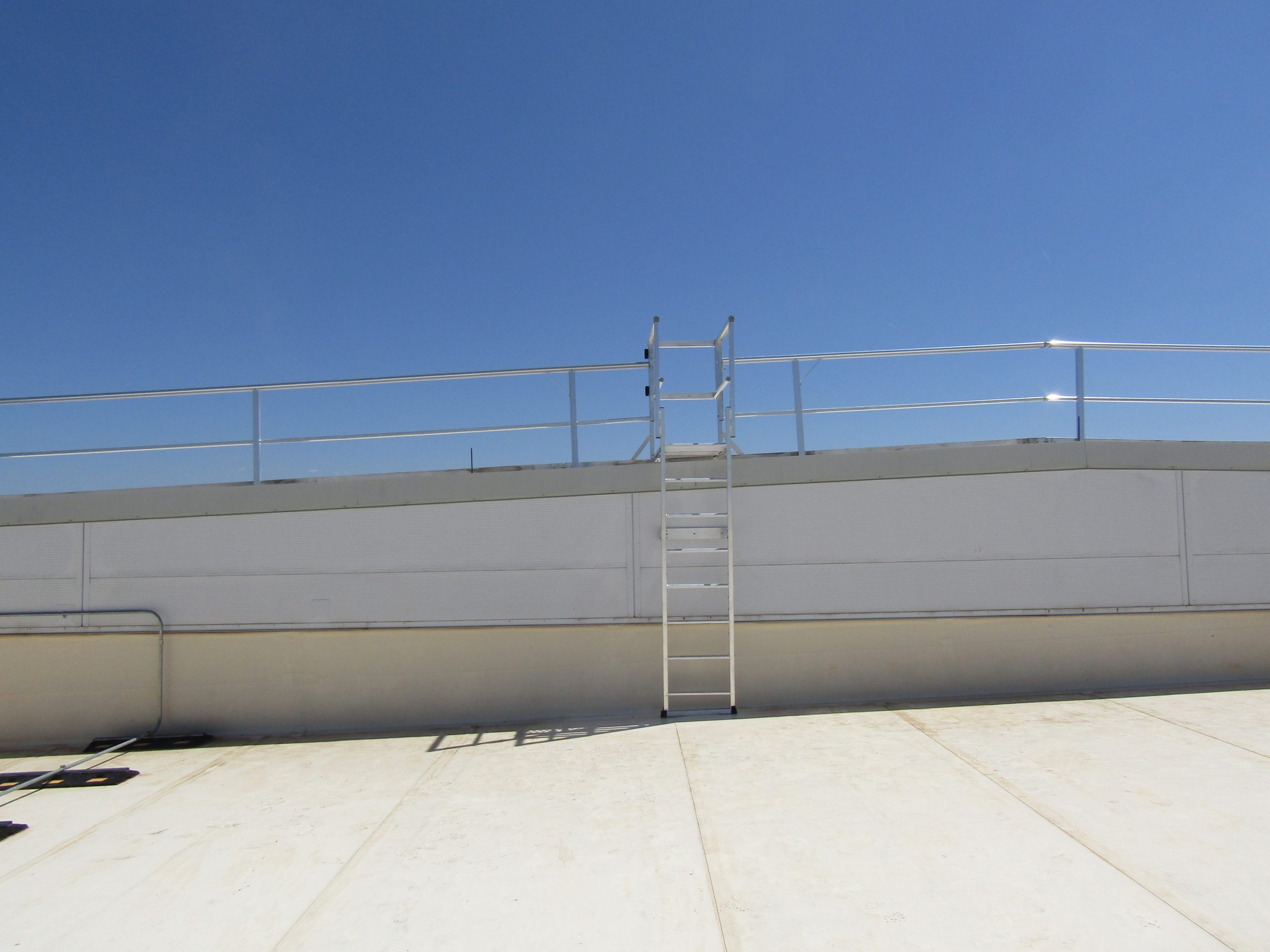
Ladder Access
Engineered access solutions designed to keep your team safe while working at height.
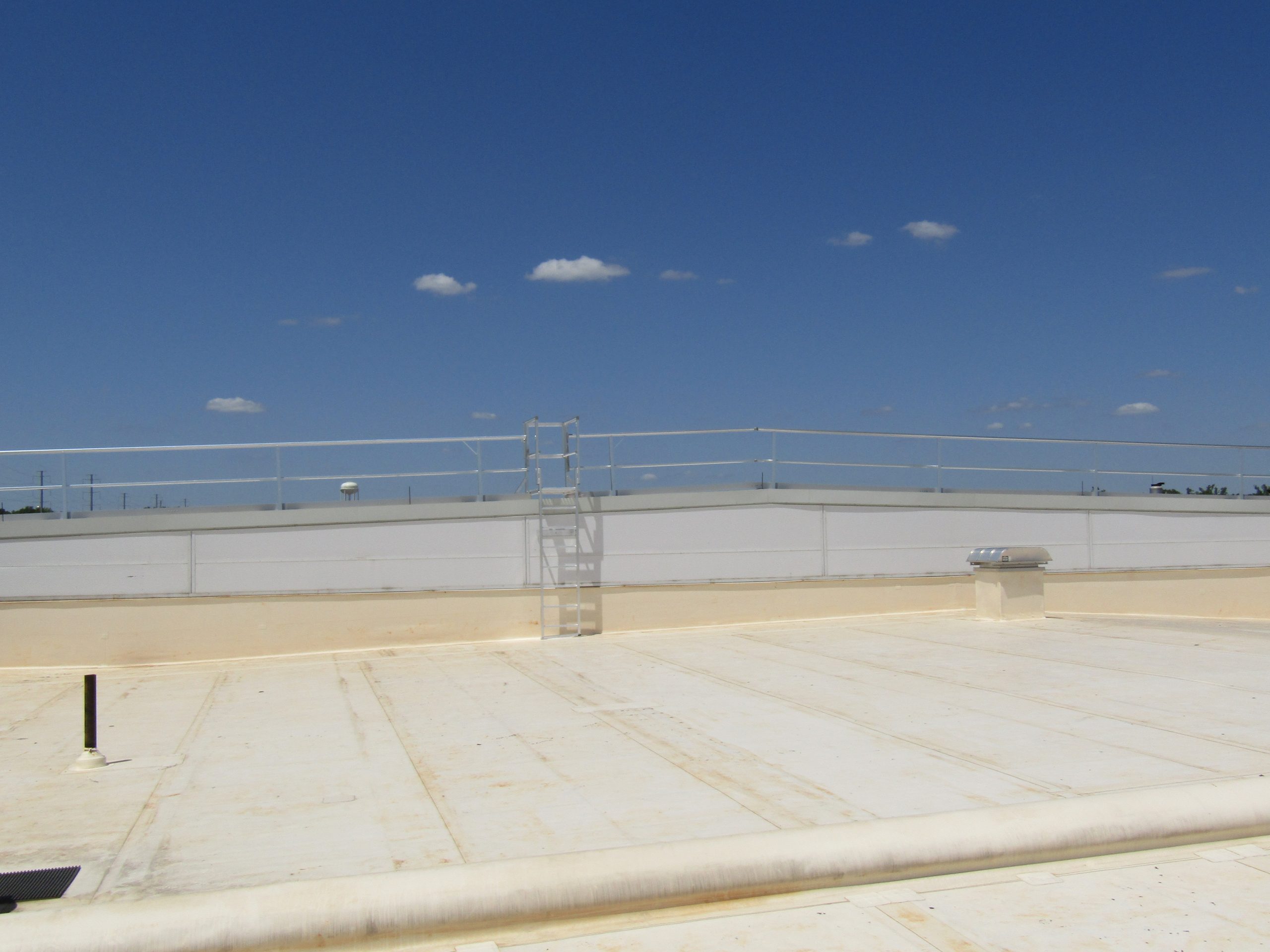
This fixed ladder system provides secure and compliant access to elevated service areas, helping reduce risk during routine maintenance and inspections. Designed with safety, durability, and ease of use in mind, our solutions ensure workers can reach rooftop equipment confidently while meeting OSHA and ANSI standards.
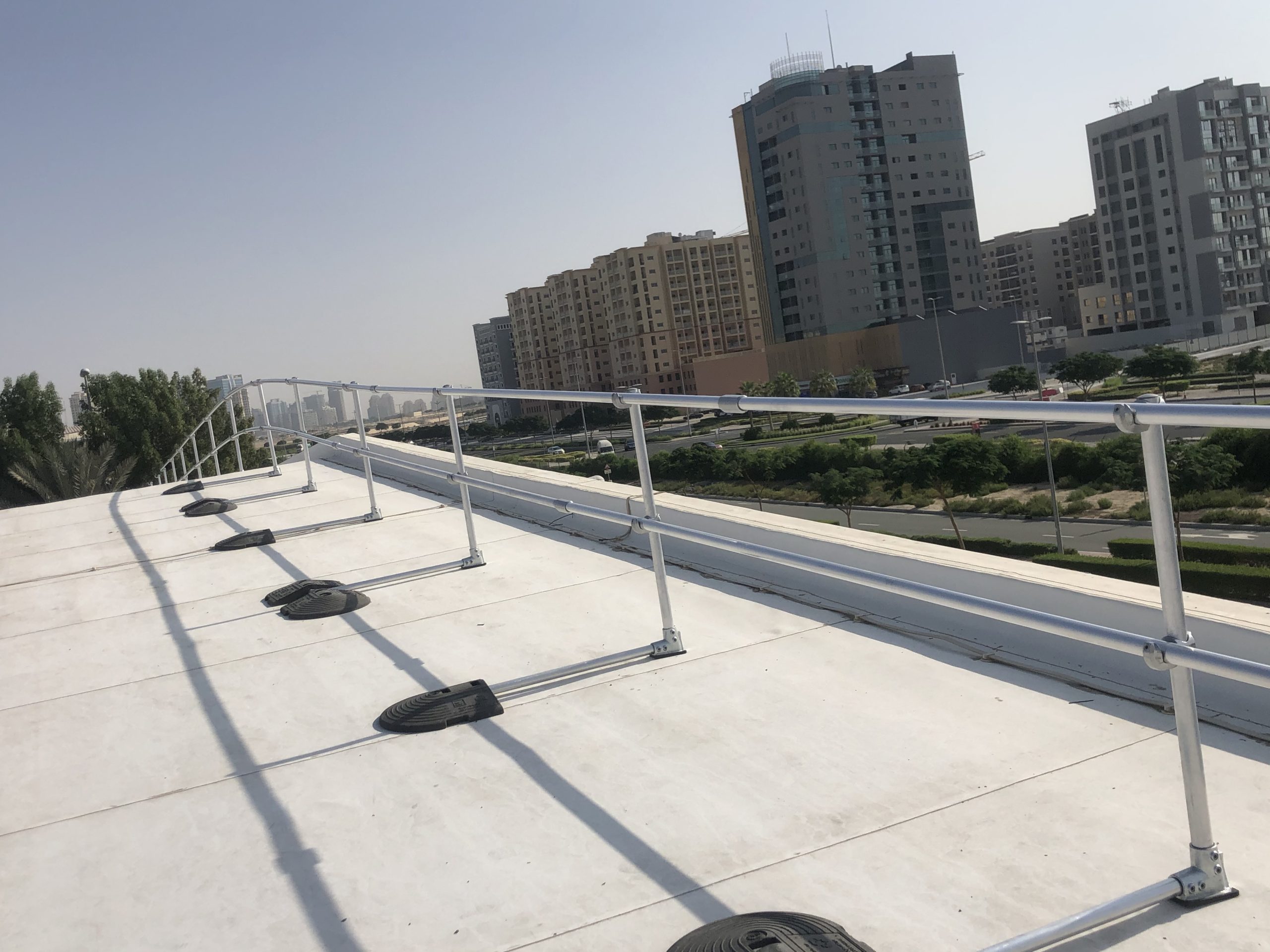
Edge Protection
Passive fall protection designed for rooftop safety.
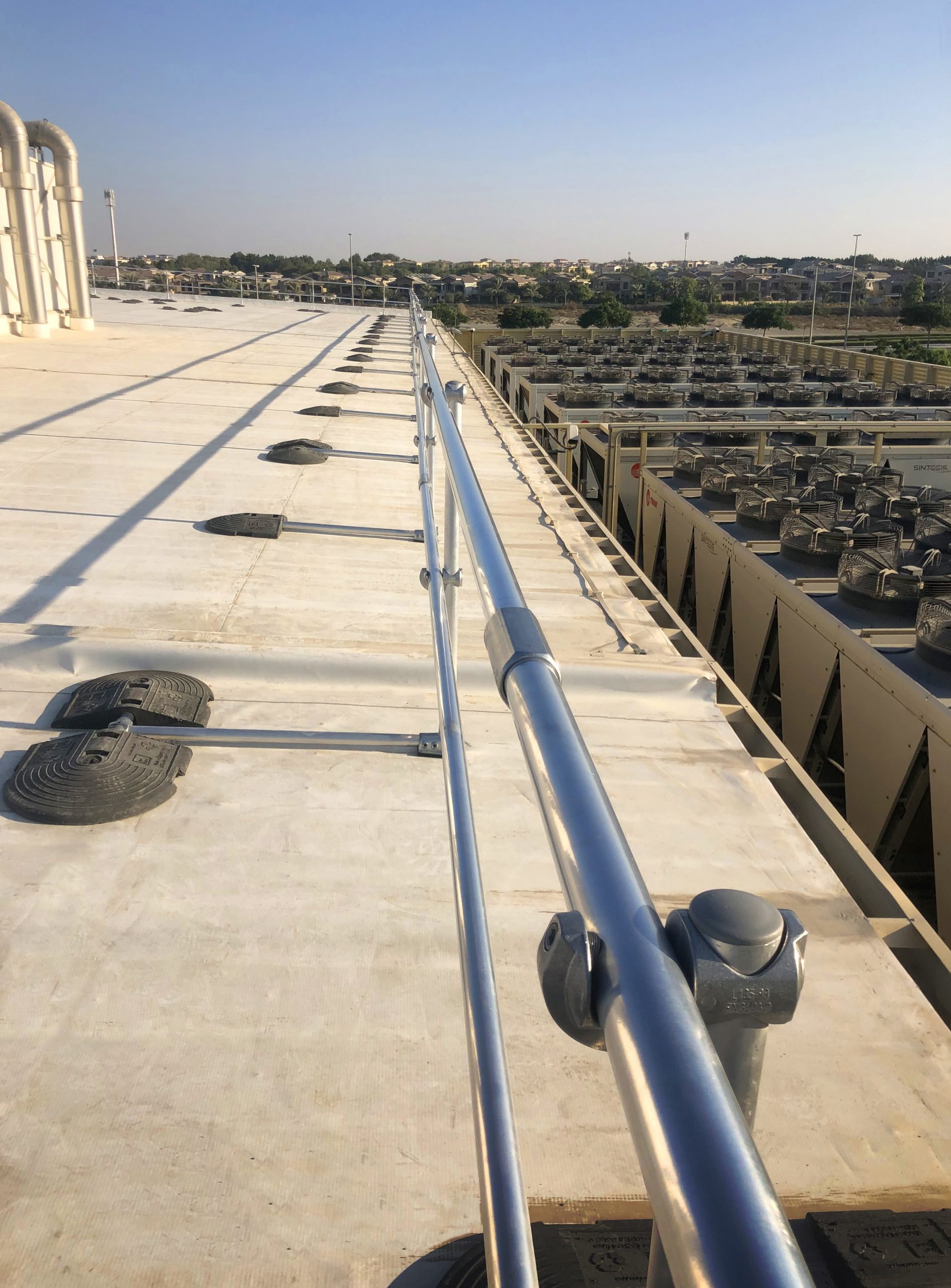
Freestanding guardrail systems provide continuous edge protection without penetrating the roof surface. Ideal for maintenance zones and high-traffic areas, this solution ensures full compliance while preserving roof integrity.
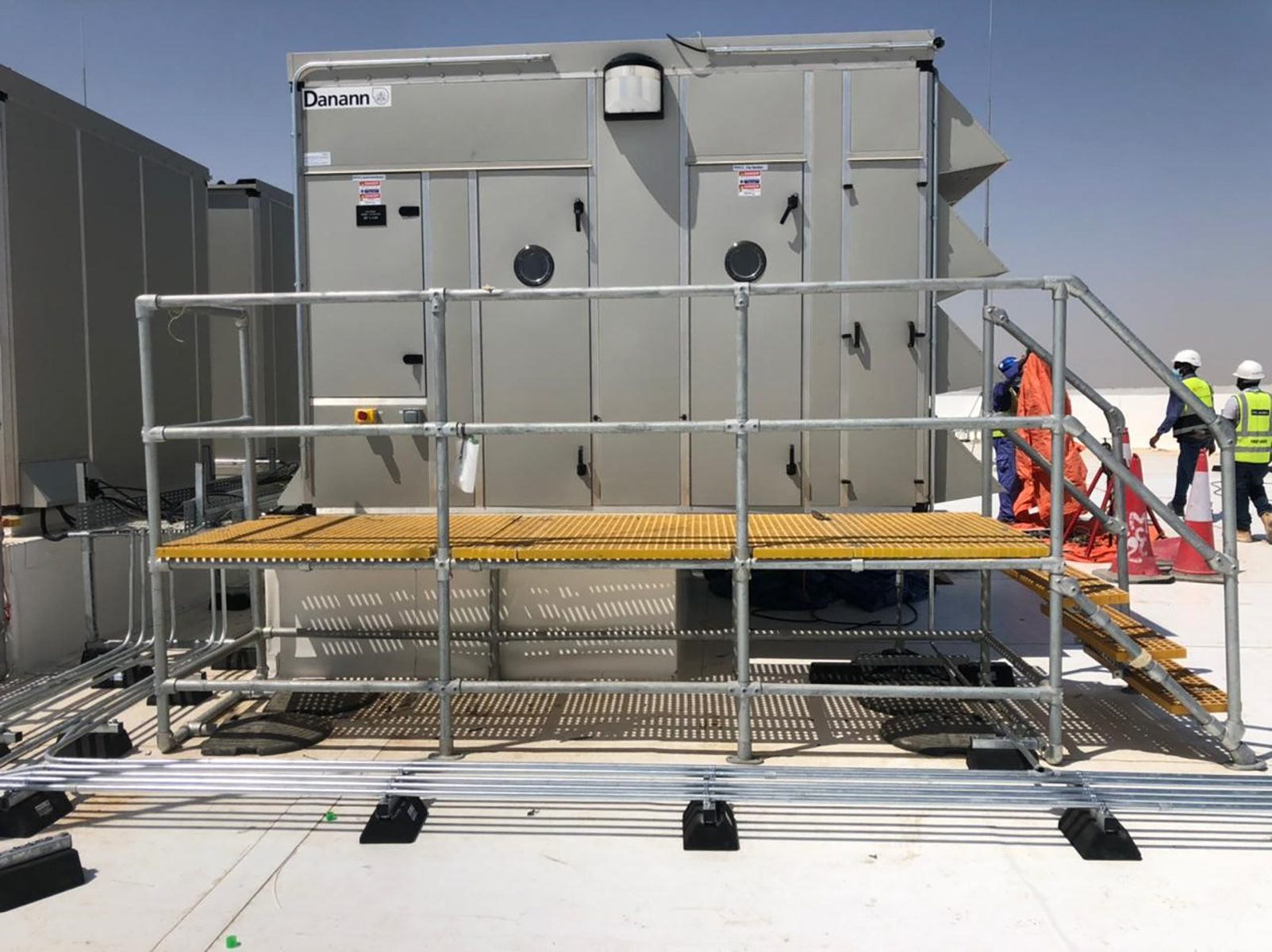
Access Platform
Safe access over rooftop obstacles and equipment.
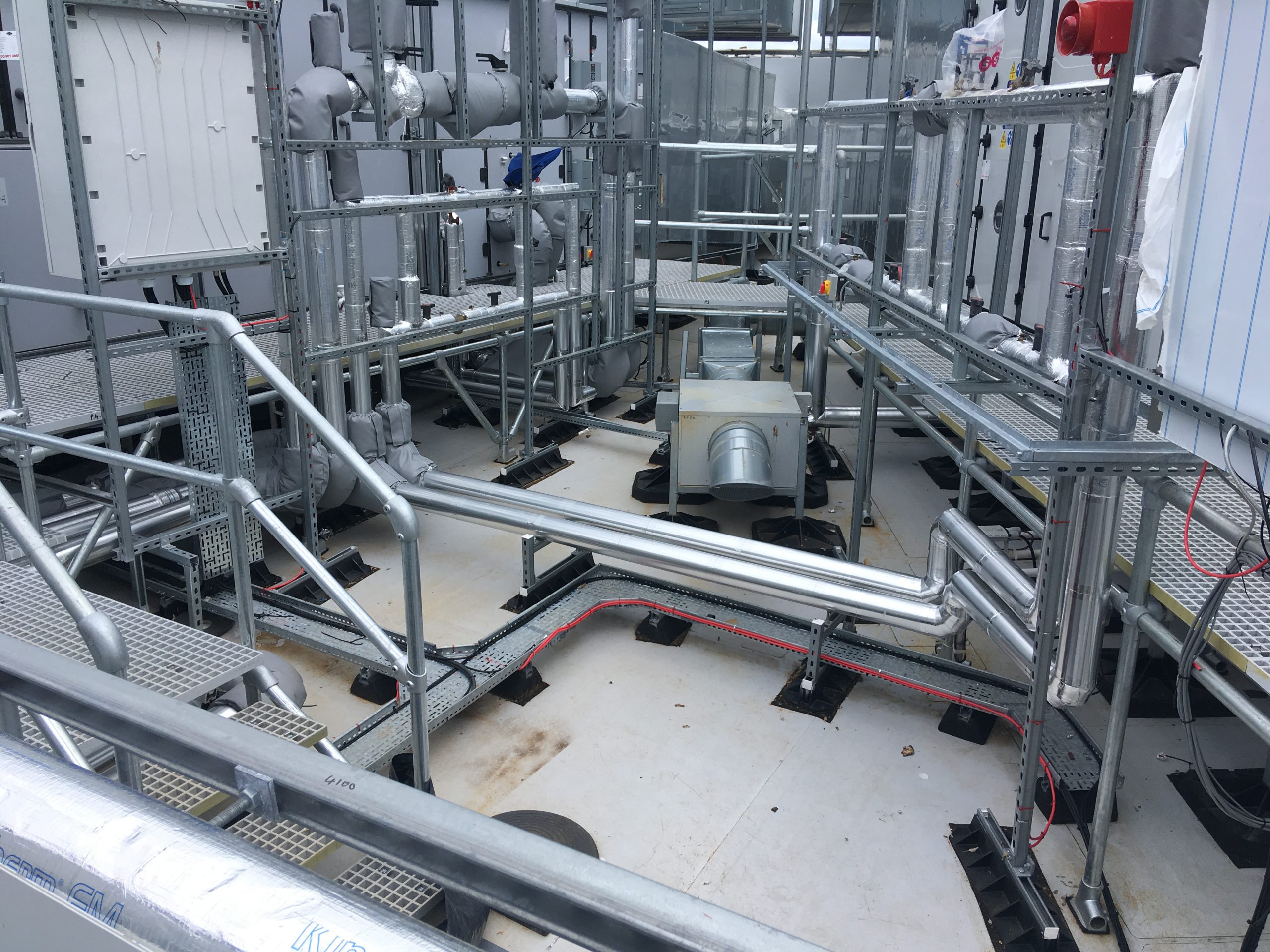
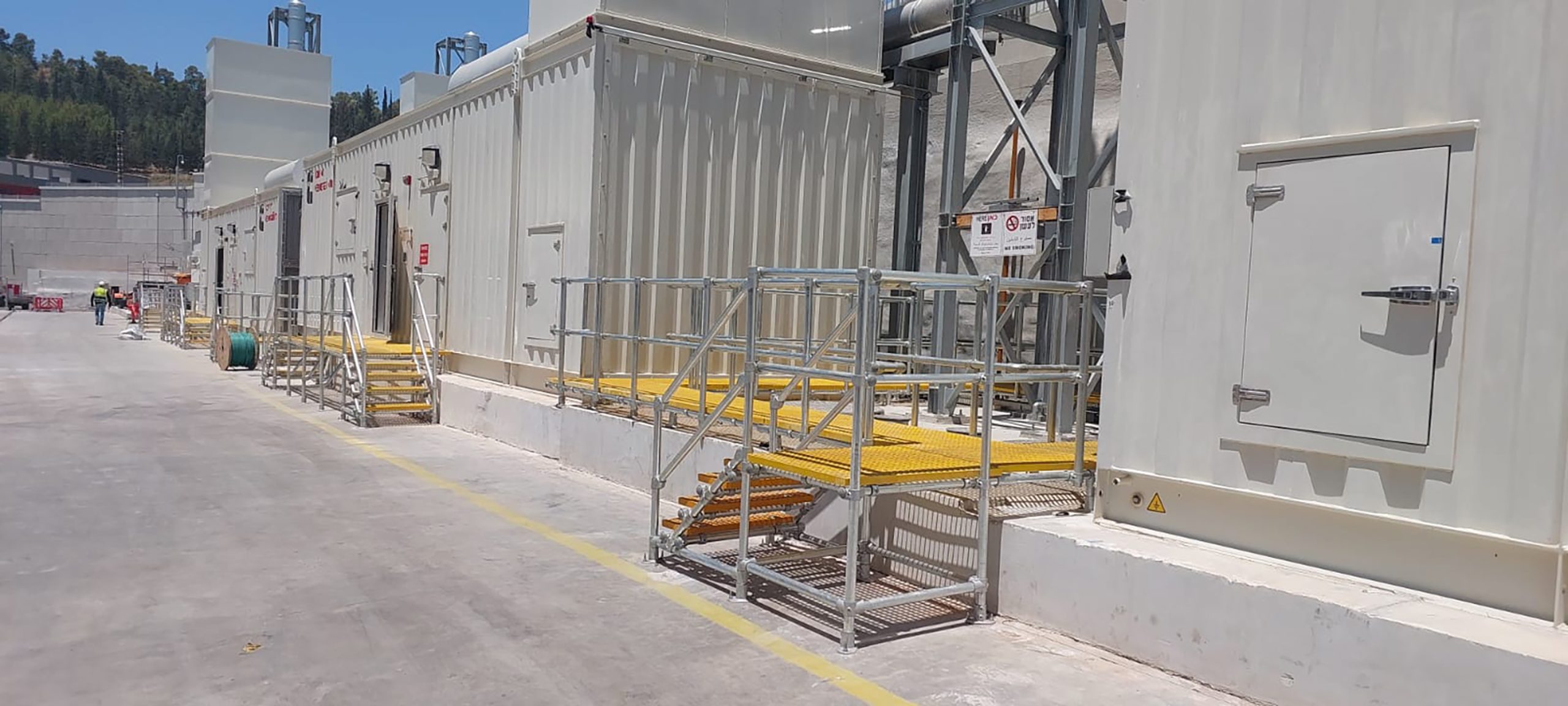
Modular access platforms allow workers to safely navigate across rooftop obstructions. Designed for stability and ease of use, these systems improve workflow while minimizing fall risks during maintenance tasks.
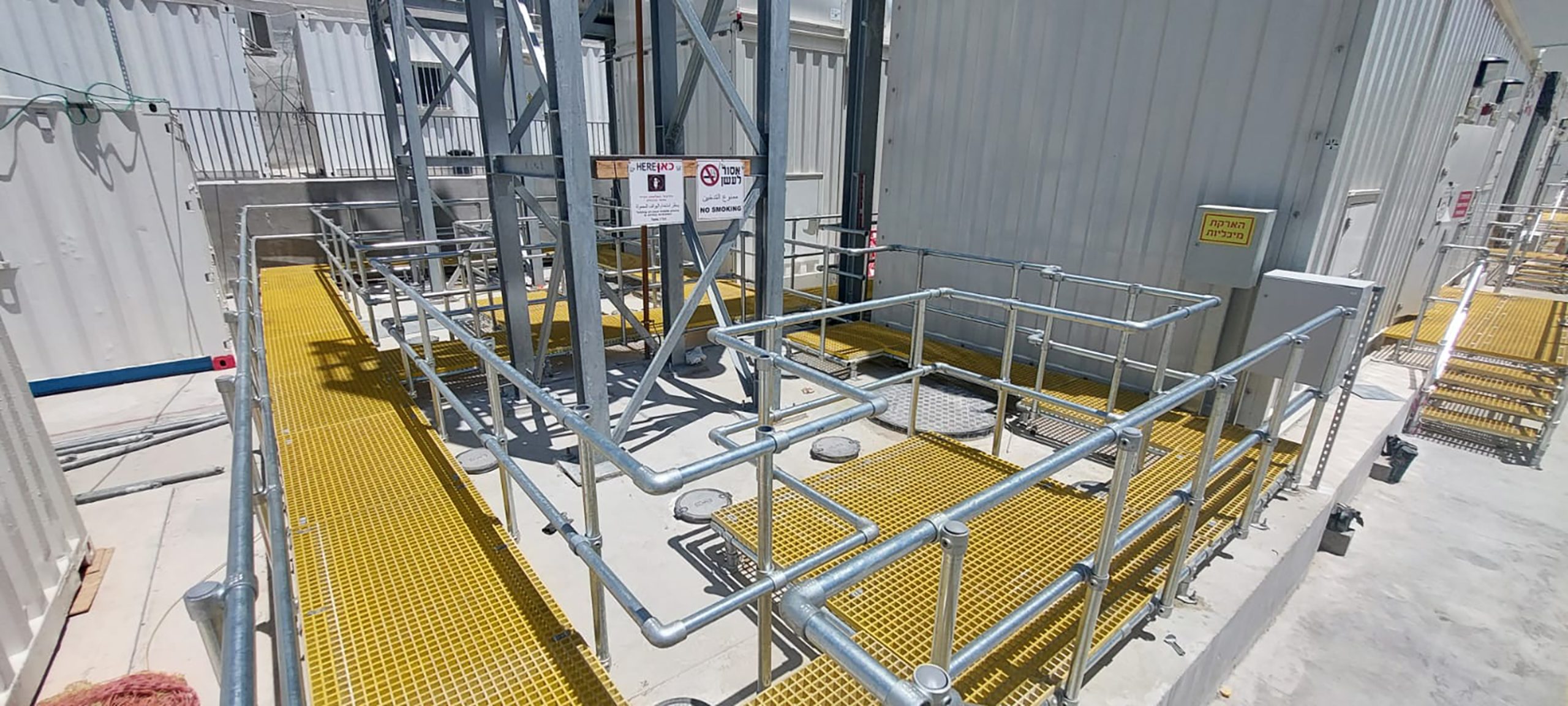
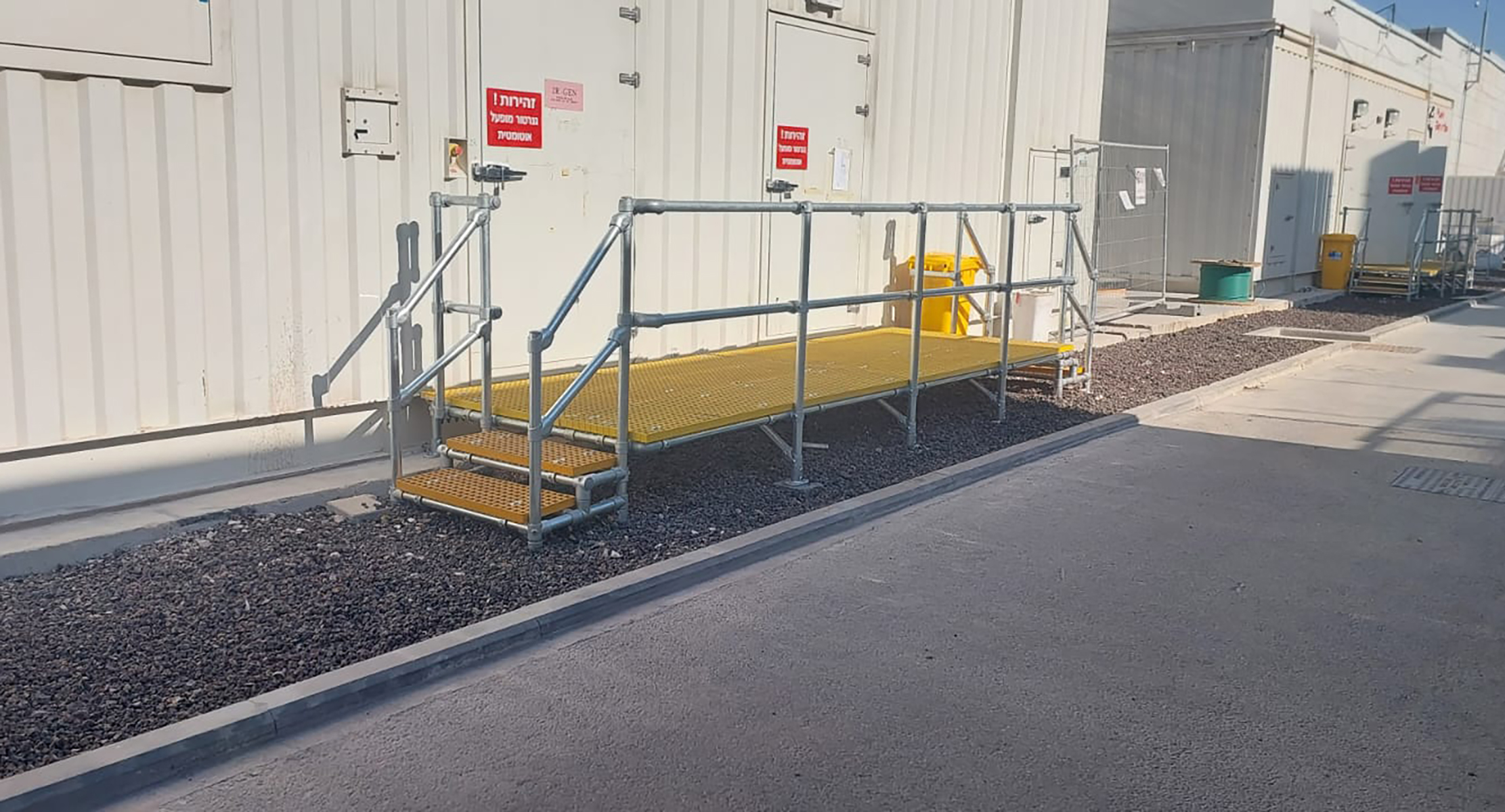
Industrial Access
Engineered solutions for safe equipment access.
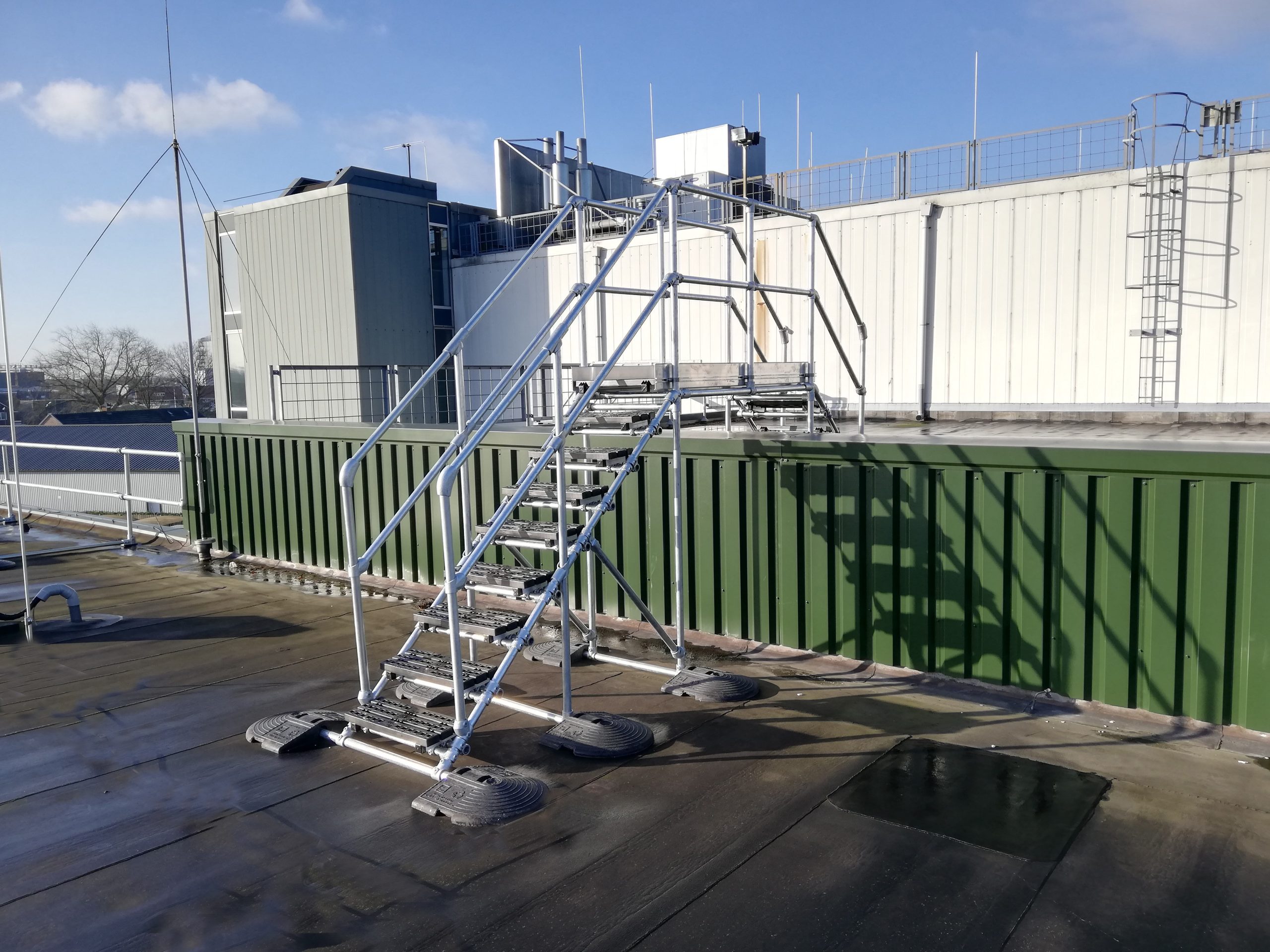
Custom access stairs and platforms ensure safe entry to industrial units and elevated systems. Built for demanding environments, these solutions enhance worker safety and operational efficiency.
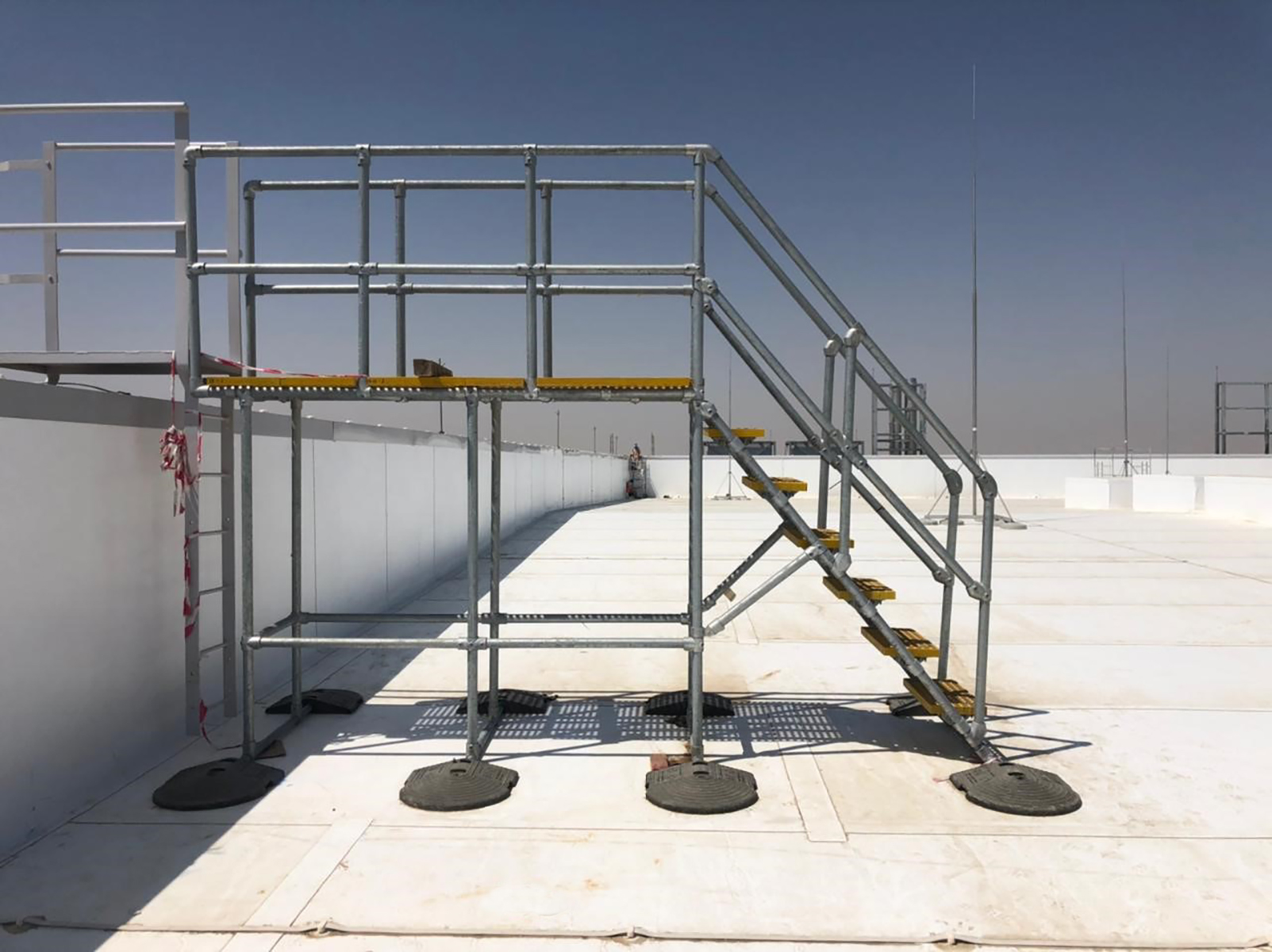
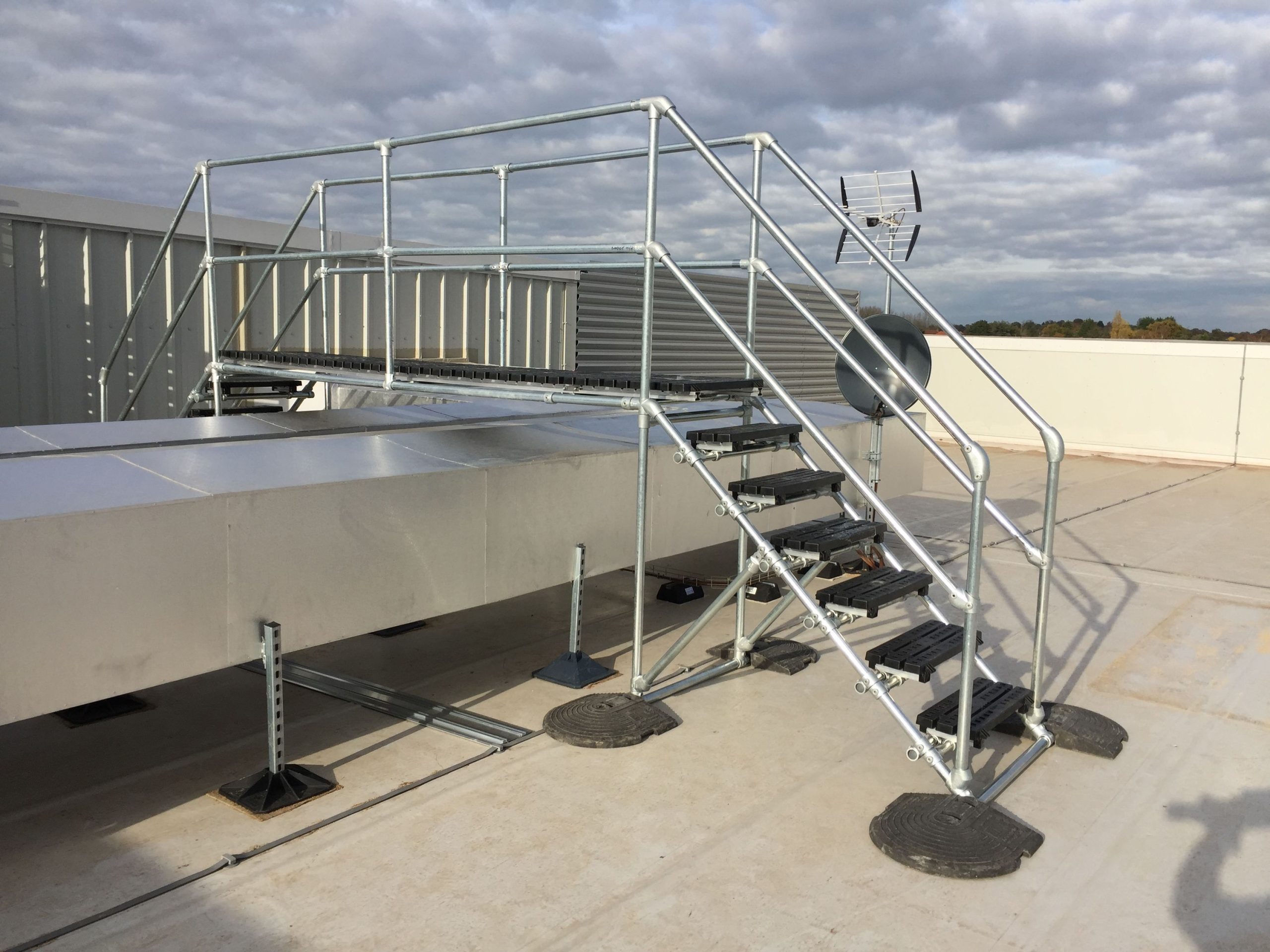
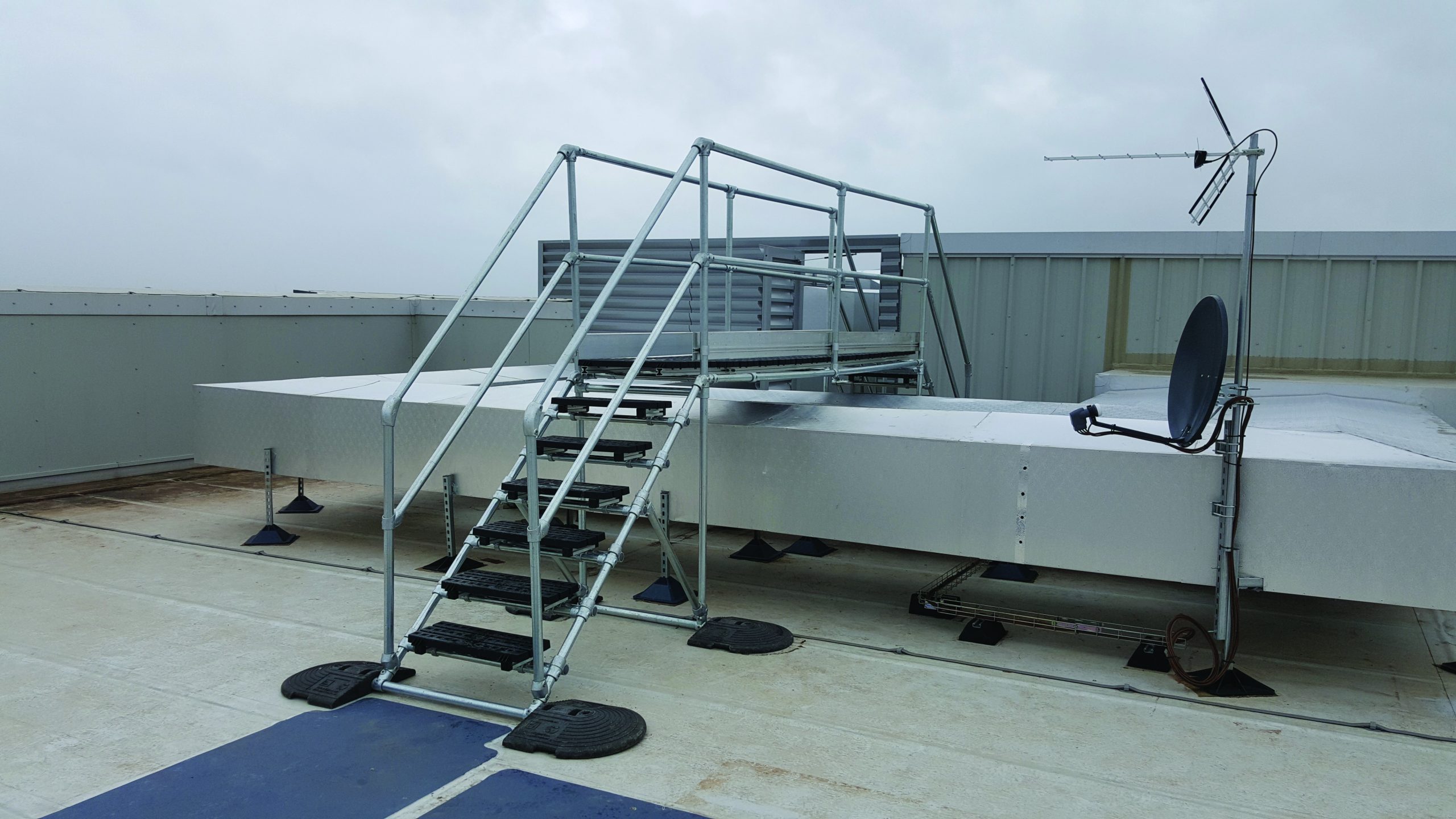
Crossover Access
Secure transitions across elevated surfaces.
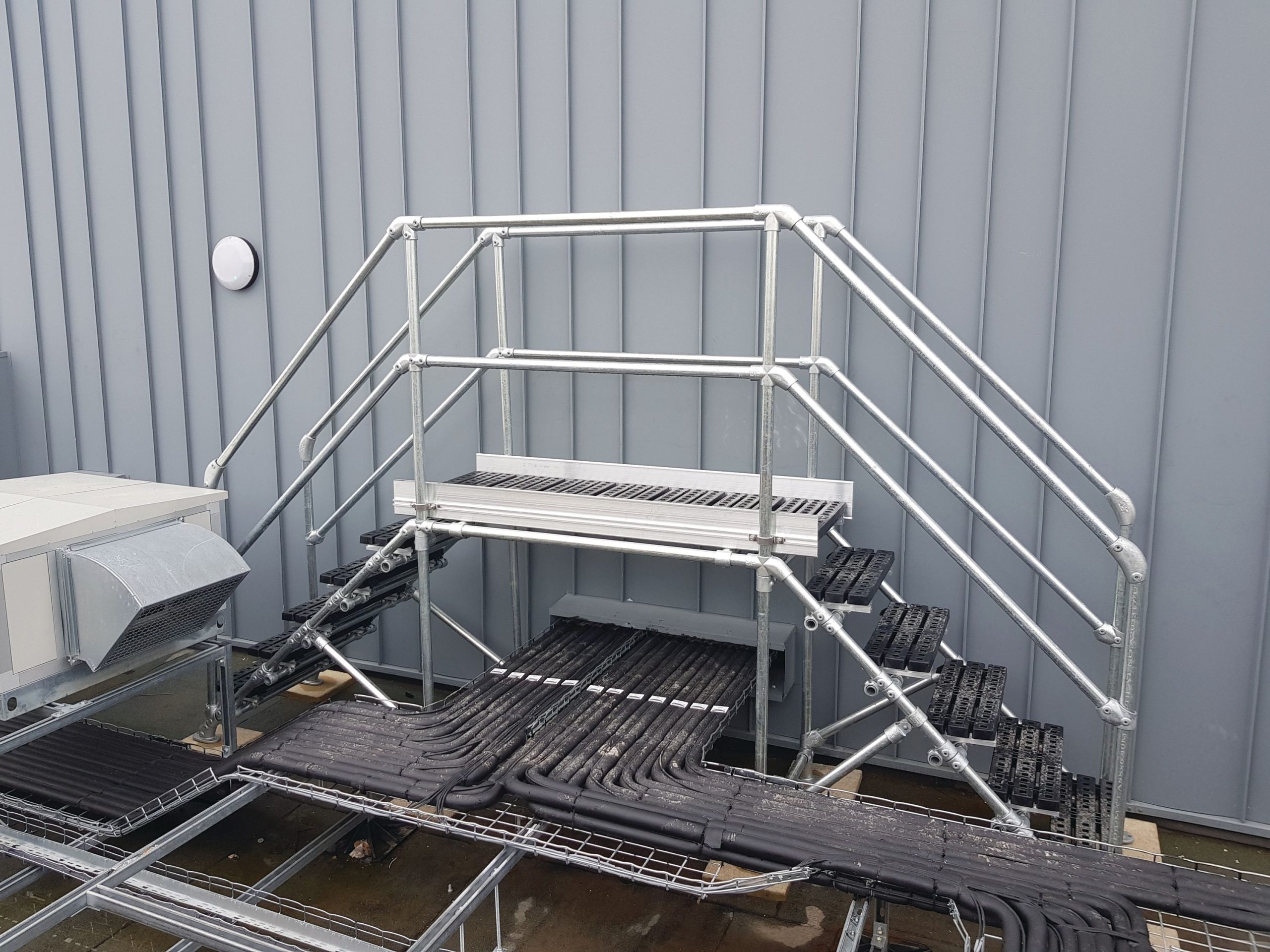
Crossover systems provide safe and efficient access over ducting, piping, and rooftop equipment. Engineered for durability and compliance, they help maintain safe pathways in complex environments.
Related Solutions
Related Applications
Industrial Equipment Access
Conveyor Maintenance, Crane Rails, Machinery, Pipe Rack, Racking and Storage Structure
Learn More
Manufacturing
Data Centers, Distilleries & Breweries, Food Production Facilities
Learn More
Railcar and Transportation
Aviation, Logistics, Marine Vessels, Railcar Loading and Maintenance, Truck / Trailer
Learn More

Protect Your Team. Protect Your Infrastructure.
Explore fall protection solutions engineered for data center environments.
Answers to
Key Questions
At what height is fall protection required?
The trigger depends on which OSHA standard governs the work. During data center construction and fit-out, fall protection is required at 6 feet above a lower level under 29 CFR 1926.501(b)(1). Once the facility is operating, rooftop and equipment maintenance falls under general industry, and the trigger drops to 4 feet under 29 CFR 1910.28(b)(1). The roof that passed during the build is held to the stricter 4-foot regime the day the facility goes live, and that handoff is where many data center operators fall out of compliance.
What are the 4 types of fall protection?
The four types are fall elimination (removing the need to work at height), passive fall prevention (guardrails and covers that need no worker action), fall arrest (harness-based systems that stop a fall in progress), and administrative controls (warning lines, training, and procedures). Passive prevention is preferred where feasible, and it fits data centers well: guardrail at roof edges and around rooftop cooling equipment protects every technician on every visit without depending on training or tie-off discipline.
What is the OSHA 4 foot rule?
The OSHA 4-foot rule is the general industry trigger in 29 CFR 1910.28(b)(1): employers must protect any worker exposed to a fall of 4 feet or more to a lower level. An operating data center is general industry, so the rule governs routine work on the roof, on equipment galleries and raised platforms, and around chillers, air handlers, and electrical gear.
What is the OSHA 6 foot rule?
The OSHA 6-foot rule is the construction trigger in 29 CFR 1926.501(b)(1): fall protection is required at unprotected sides and edges 6 feet or more above a lower level, satisfied by a guardrail system, personal fall arrest system, or safety net system. For a data center it applies during new builds and expansions; ongoing operations answer to the stricter 4-foot general industry rule instead. Tritech engineers data center systems to the 4-foot standard so the facility stays compliant after the handoff from the construction phase.