SOLUTIONS
Fall Protection System for Roof
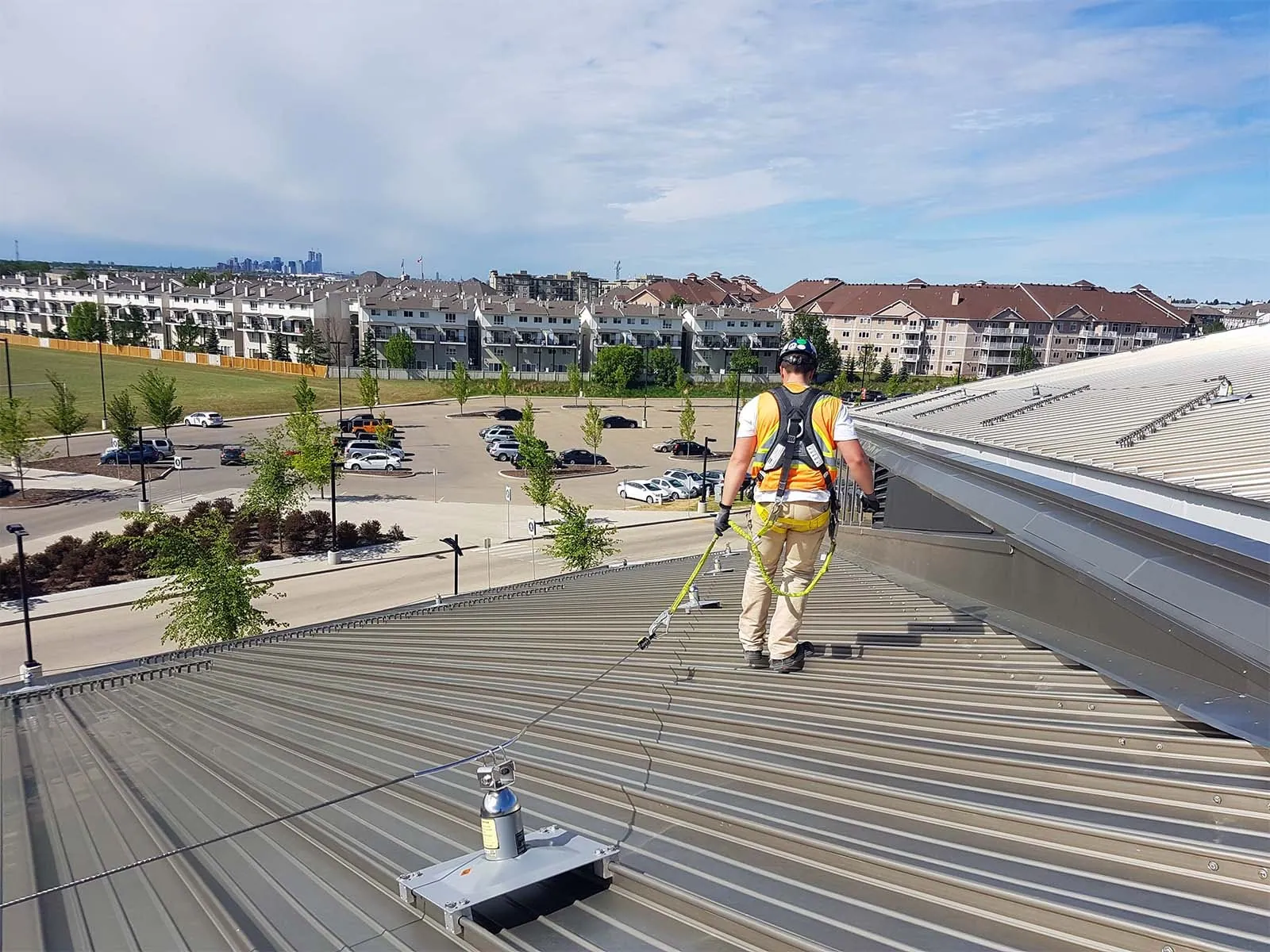
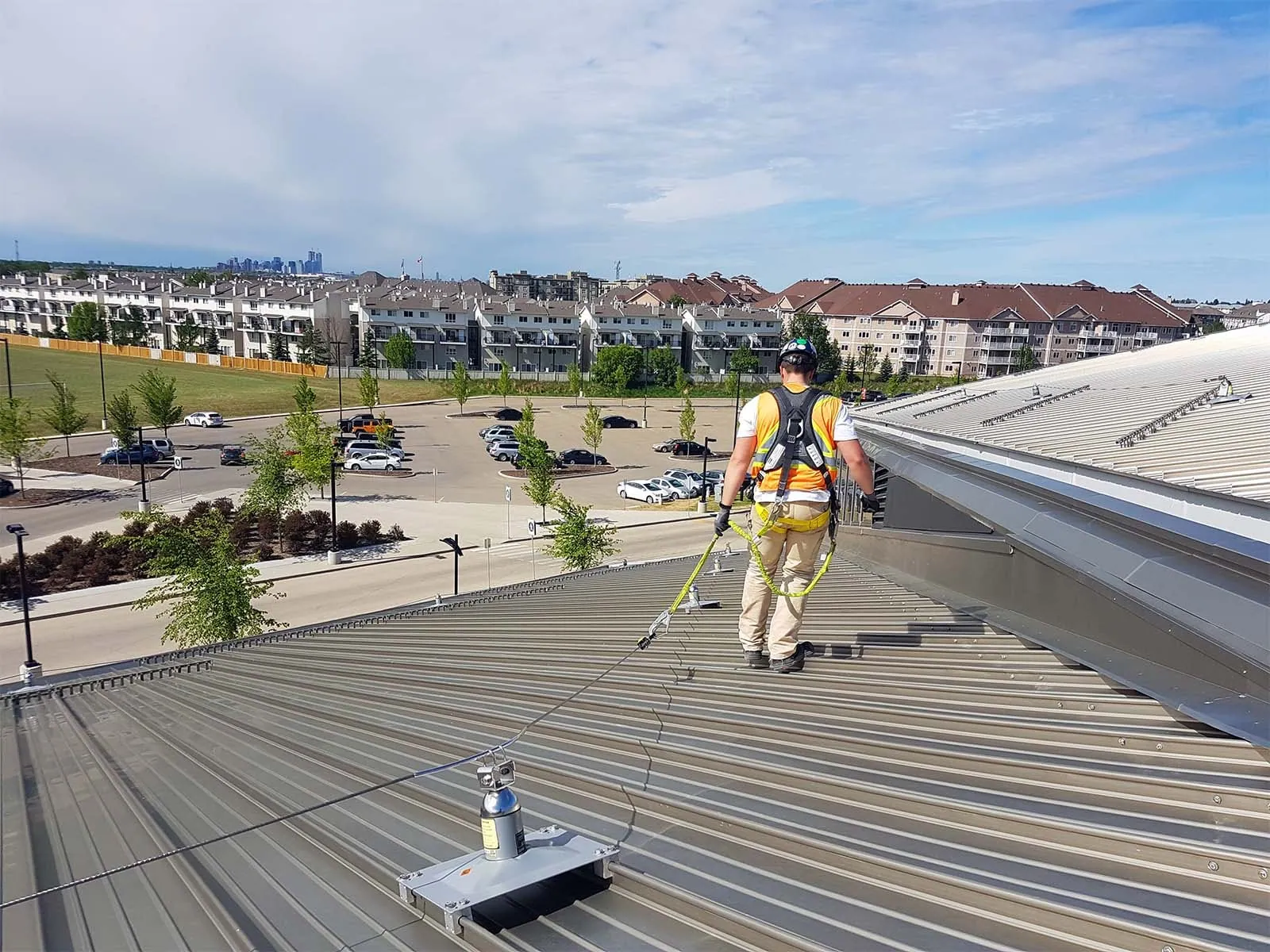
A Versatile Fall Protection System for All Roof Types
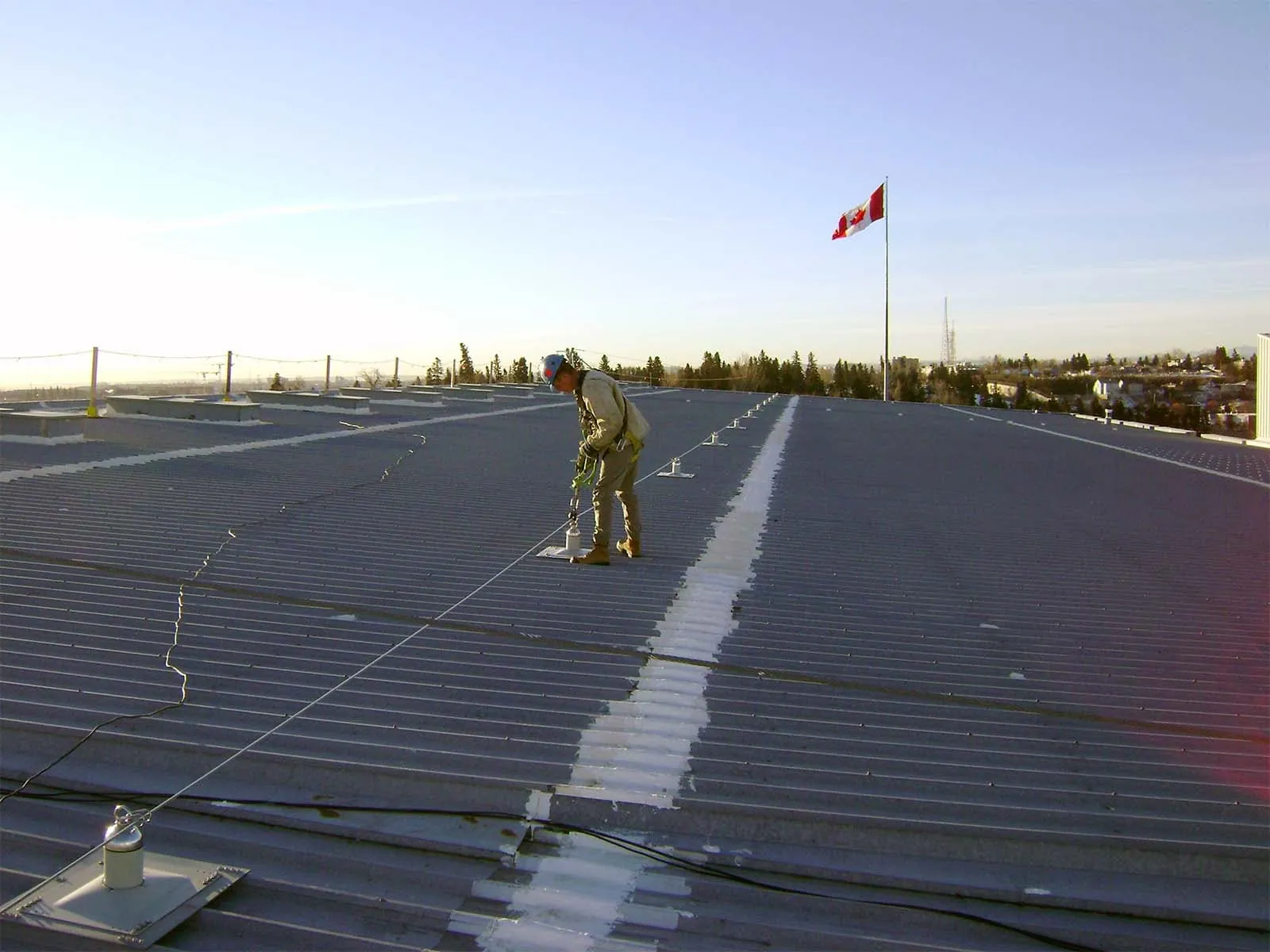
Designed for Various Roof Types
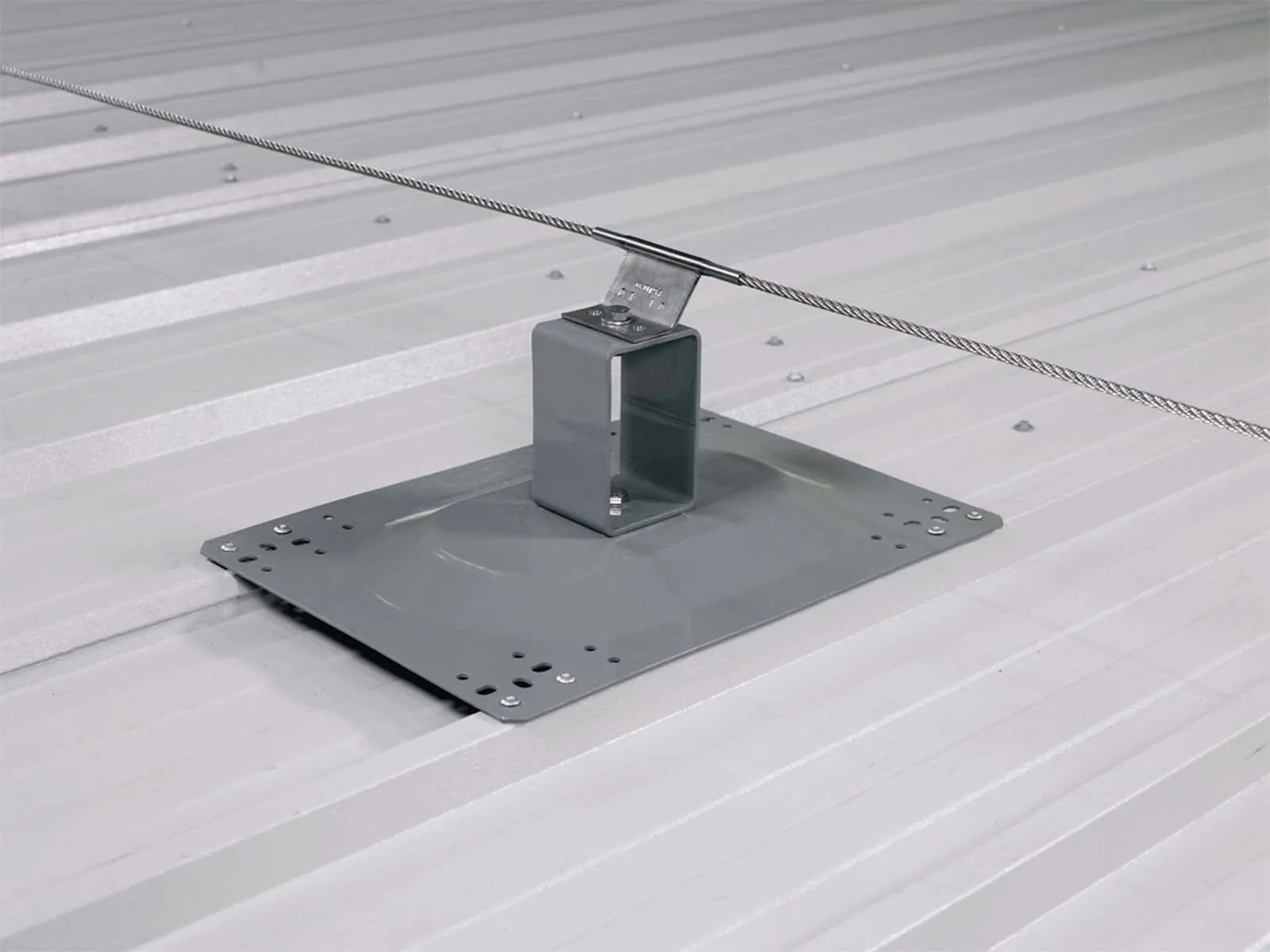
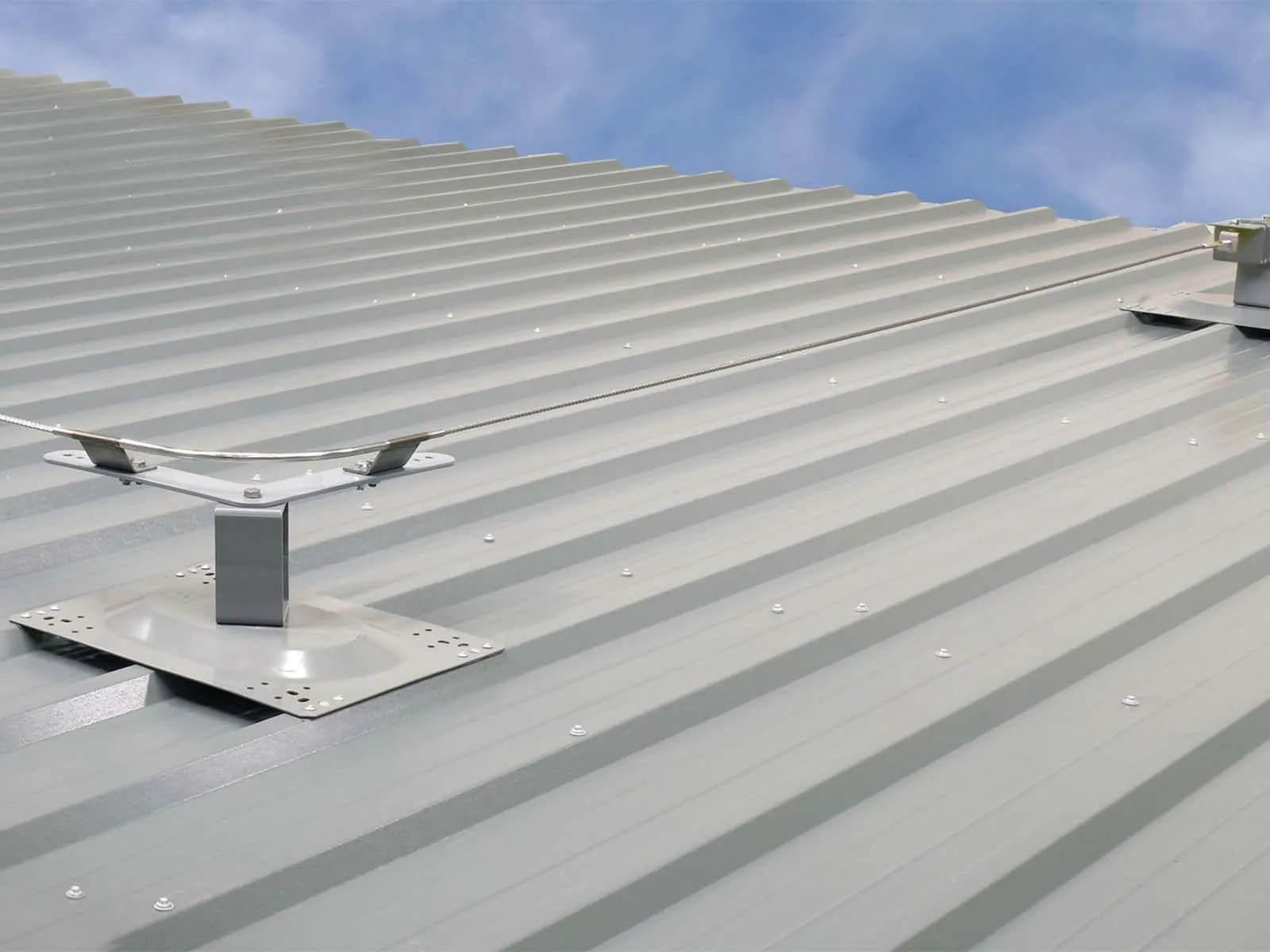
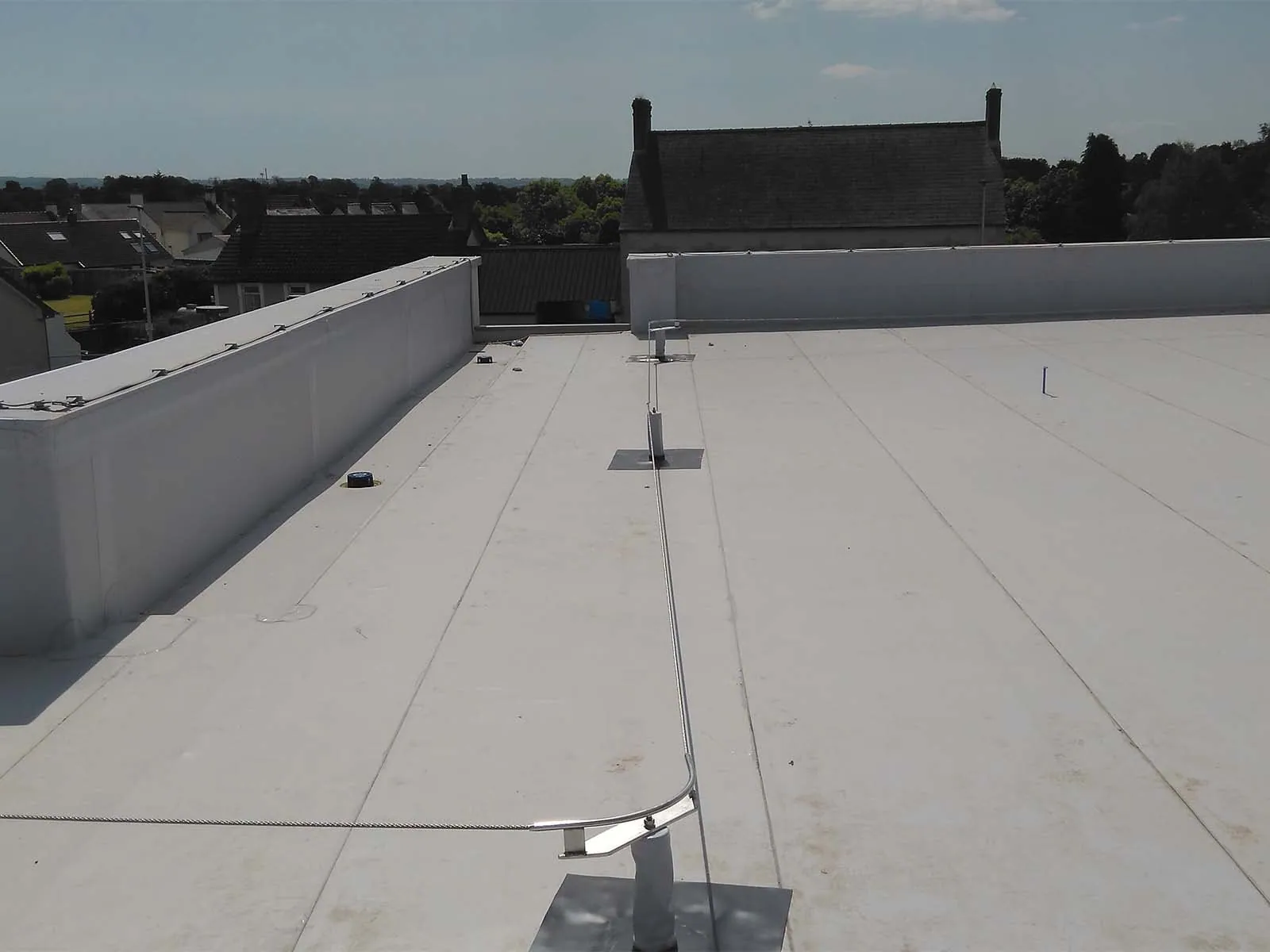
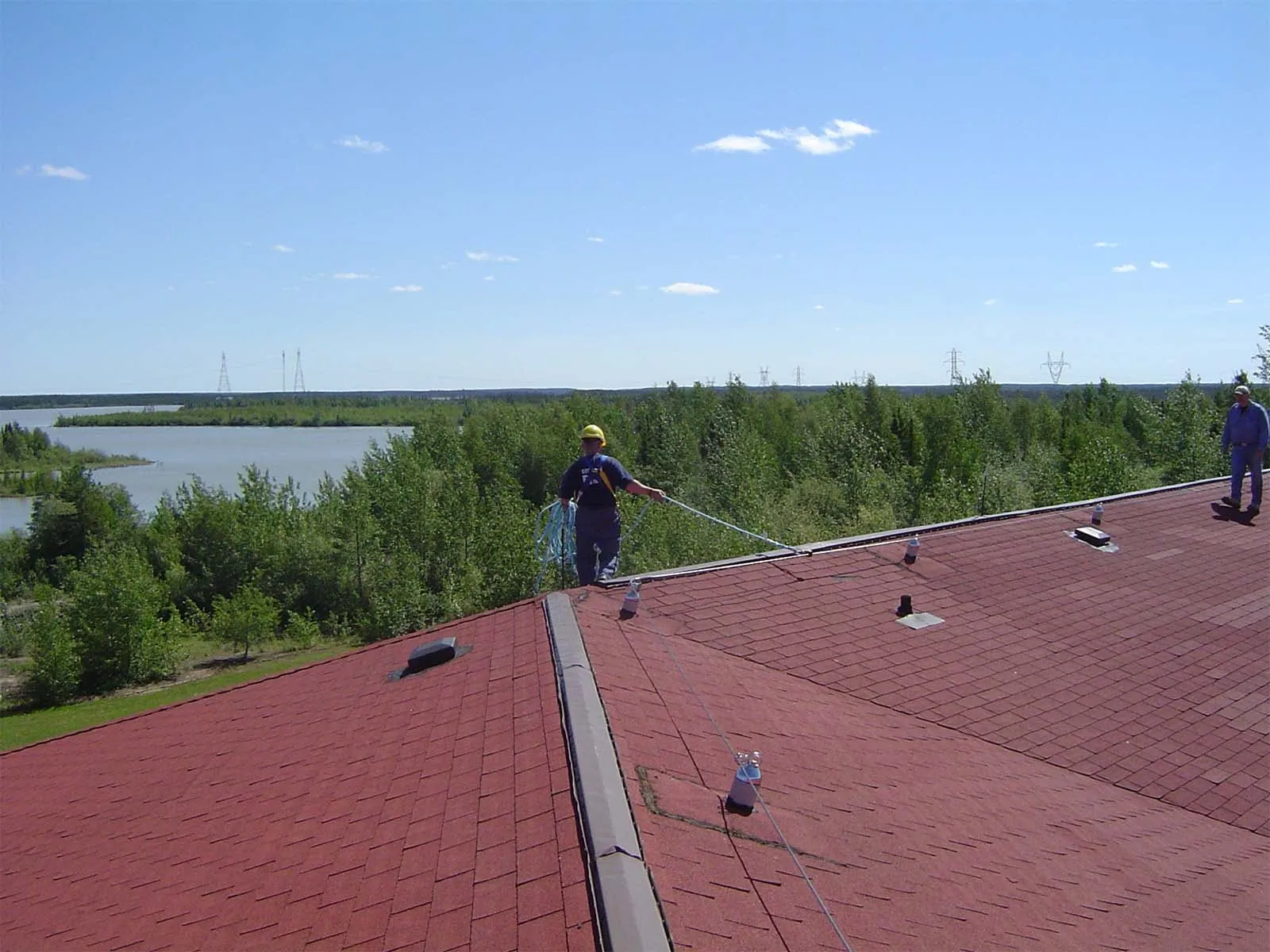
Compatible with metal, membrane, standing seam, and concrete roofs, this system ensures safe access to all rooftop areas while maintaining structural integrity.
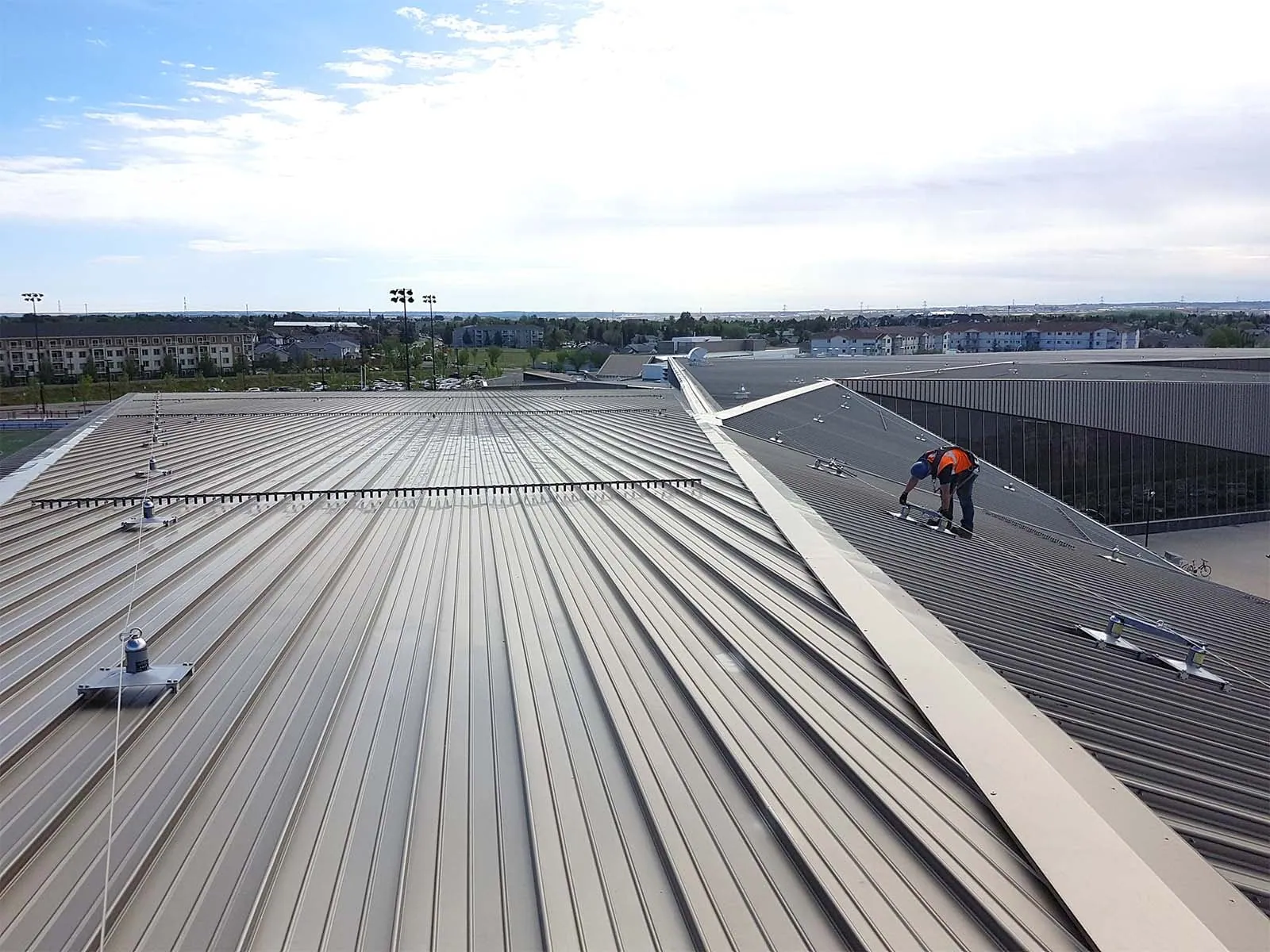
Freestanding & Fixed Installation Options
Depending on the roof type, the system can be secured with non-penetrating, weighted bases or permanently mounted for long-term safety.
OSHA & ANSI Compliance
Meets OSHA 29 CFR 1910.140 and ANSI Z359.6 standards, ensuring compliance with industry-leading fall protection standards.
PROBLEMS WE SOLVE
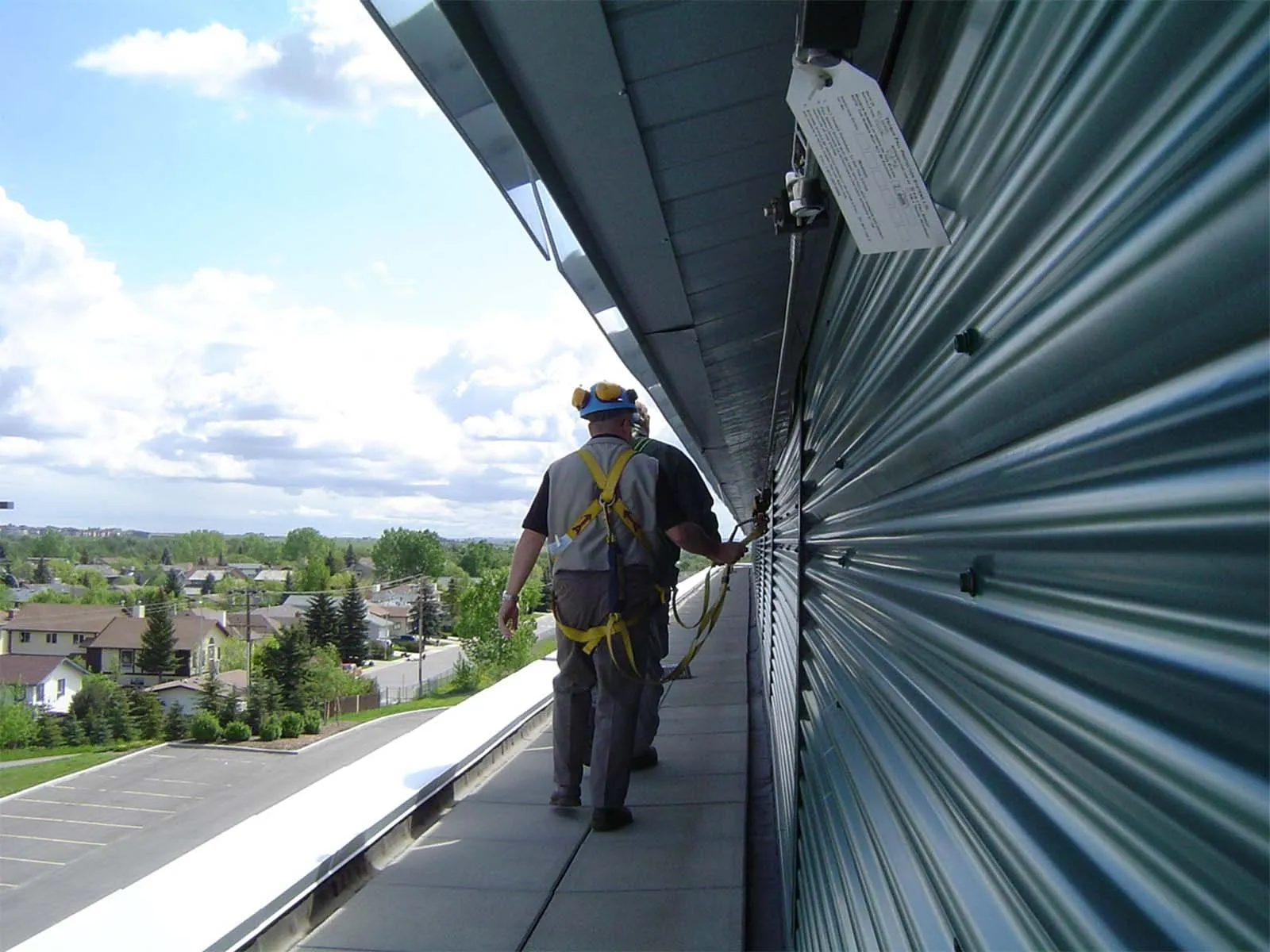
Providing Safe Access for Any Type of Roof
Different roofing materials require different safety solutions—a system designed for a metal roof may not work for a membrane or concrete roof. Rooftop lifeline systems are adaptable, ensuring comprehensive fall protection across diverse surfaces.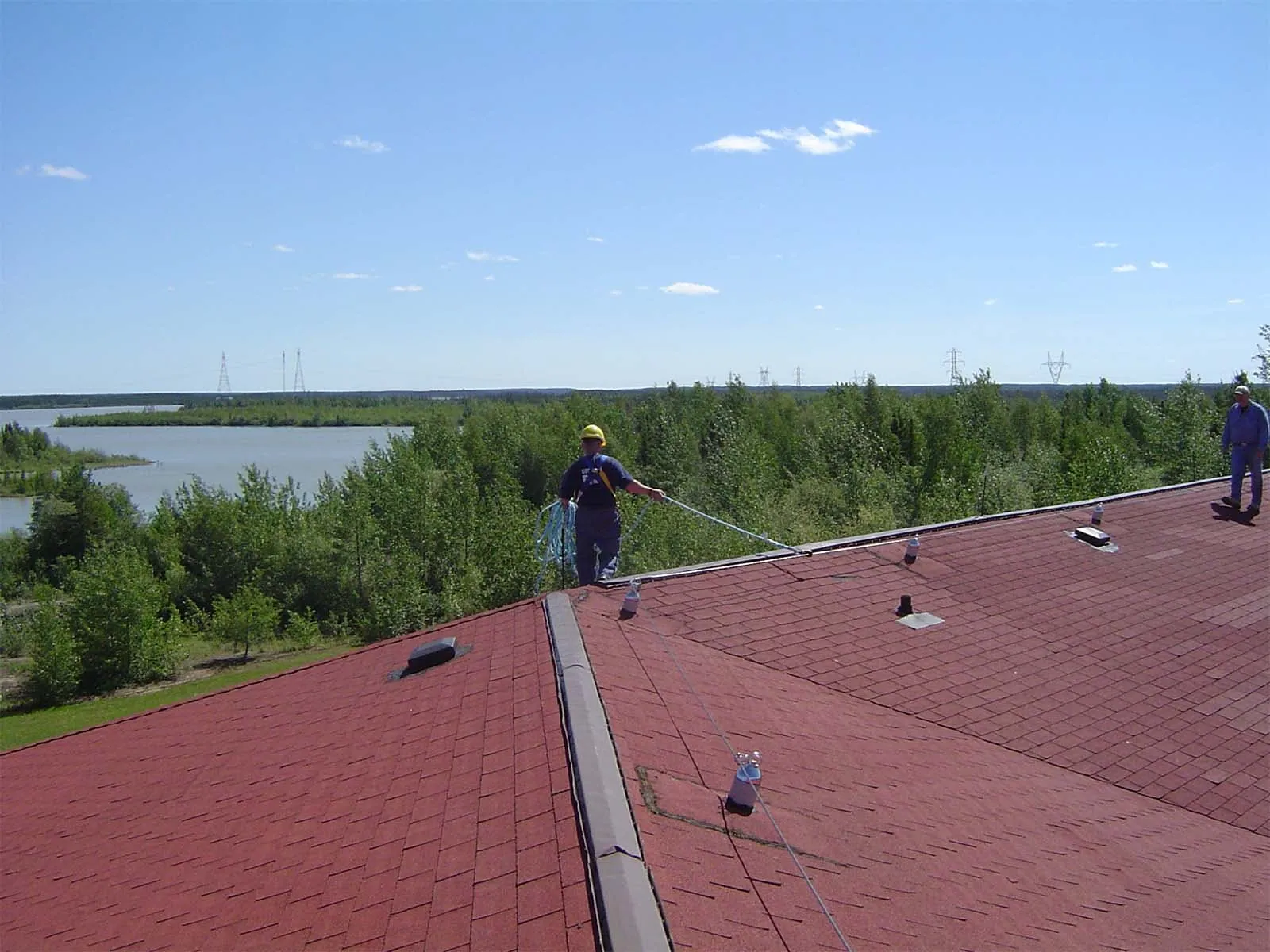
Areas of Application for Rooftop
- Building Access & Maintenance
- Energy & Utilities
- Manufacturing
- Government & Military
- Infrastructure Development
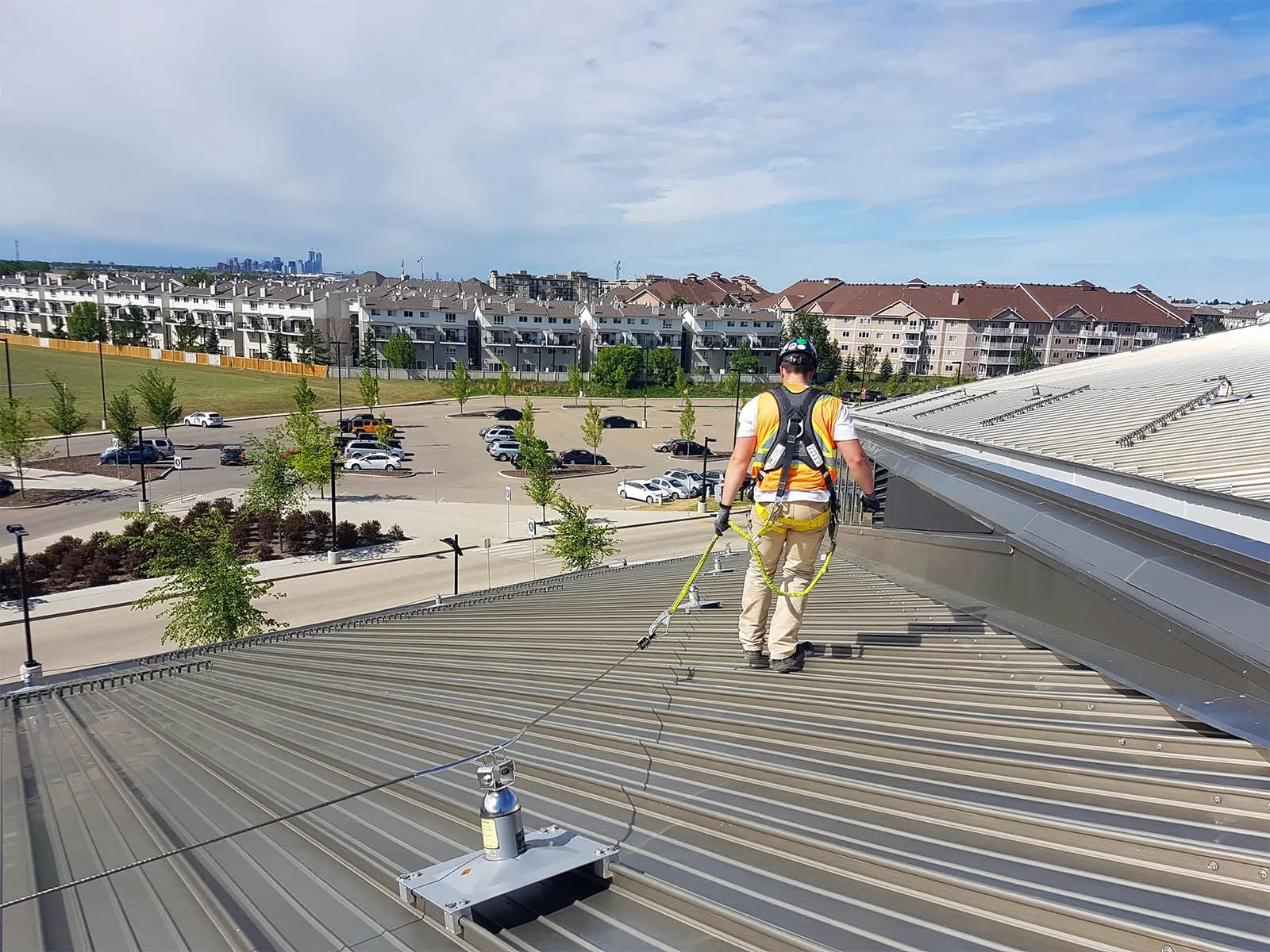
Building Access & Maintenance
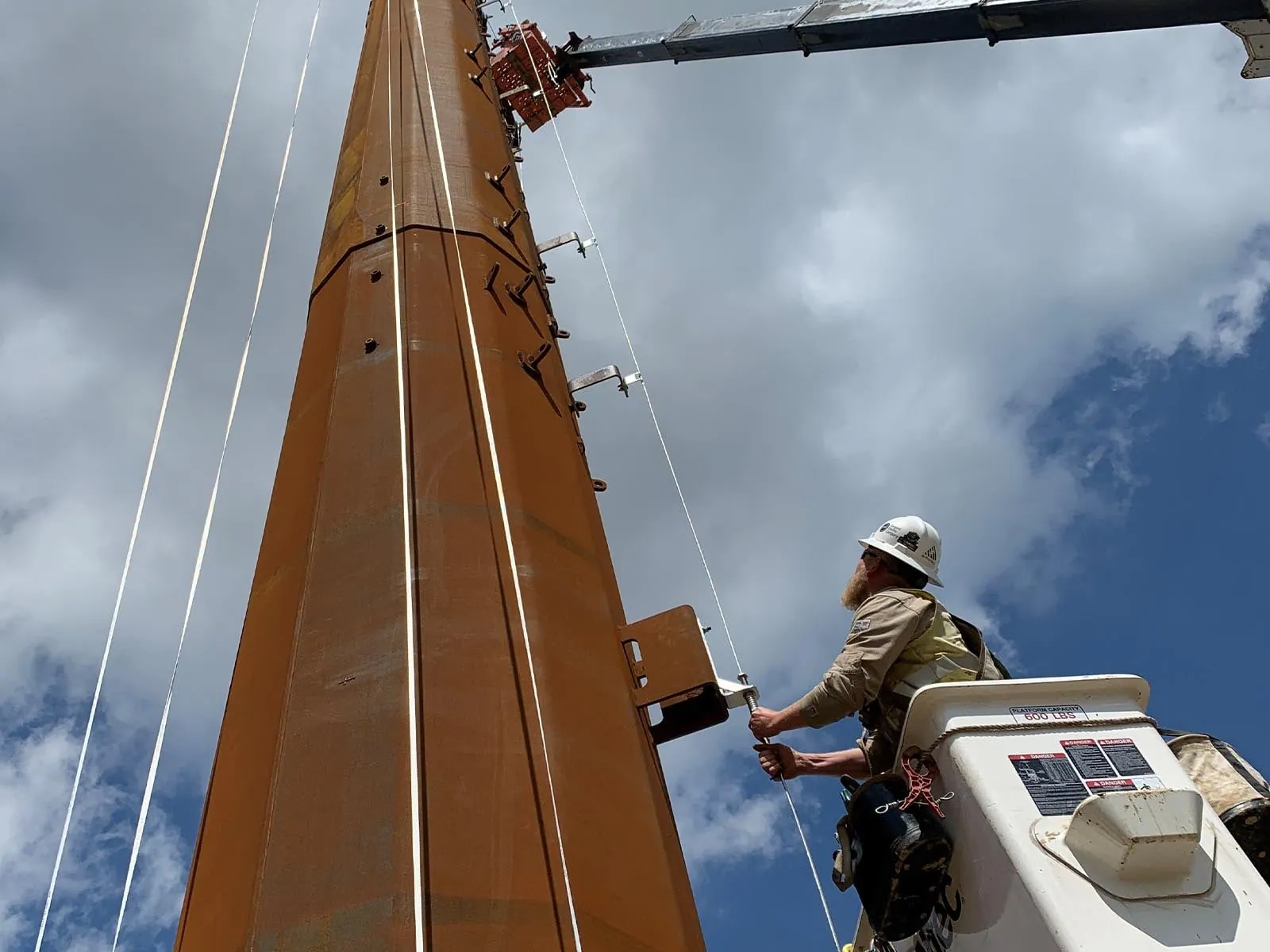
Energy & Utilities
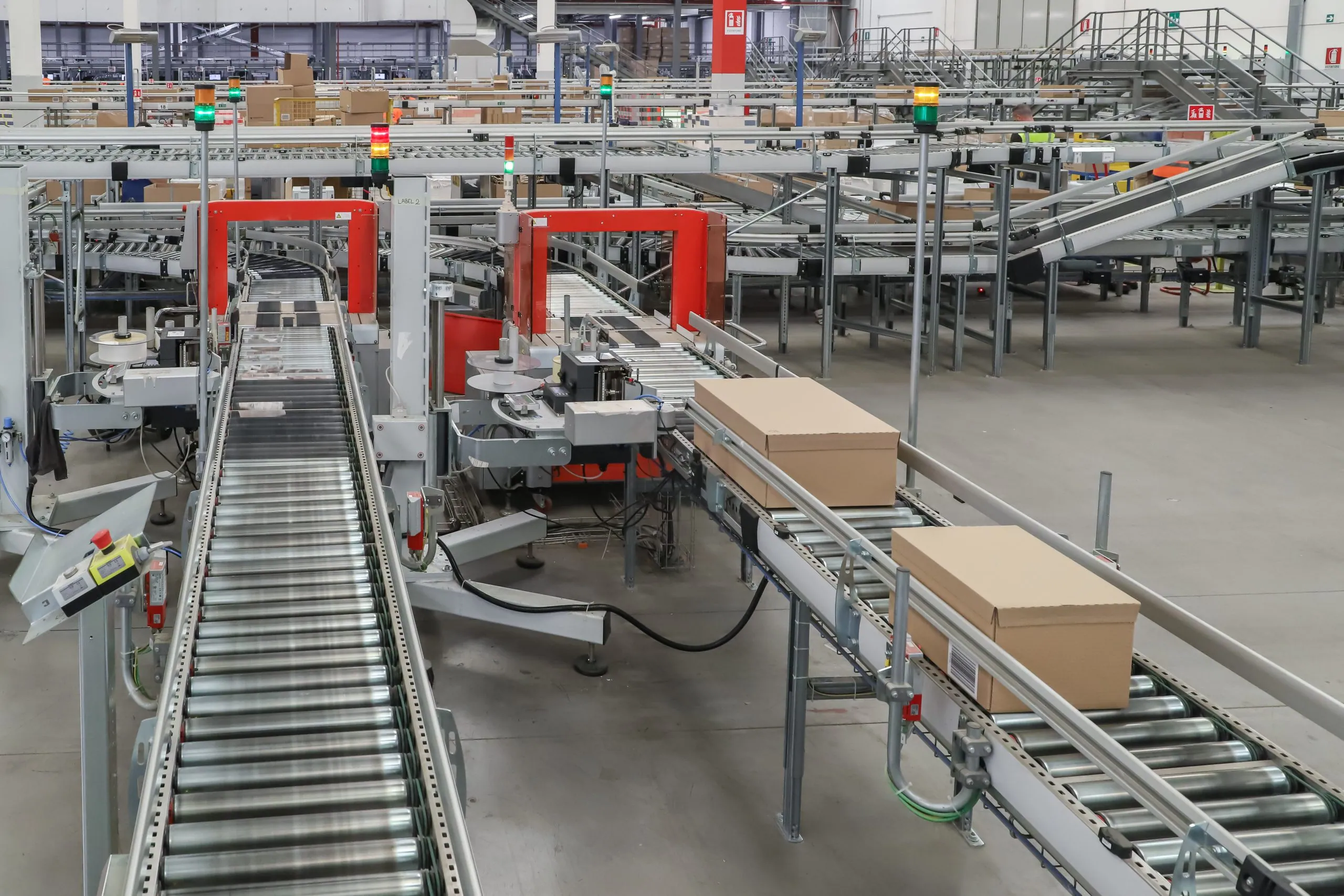
Manufacturing
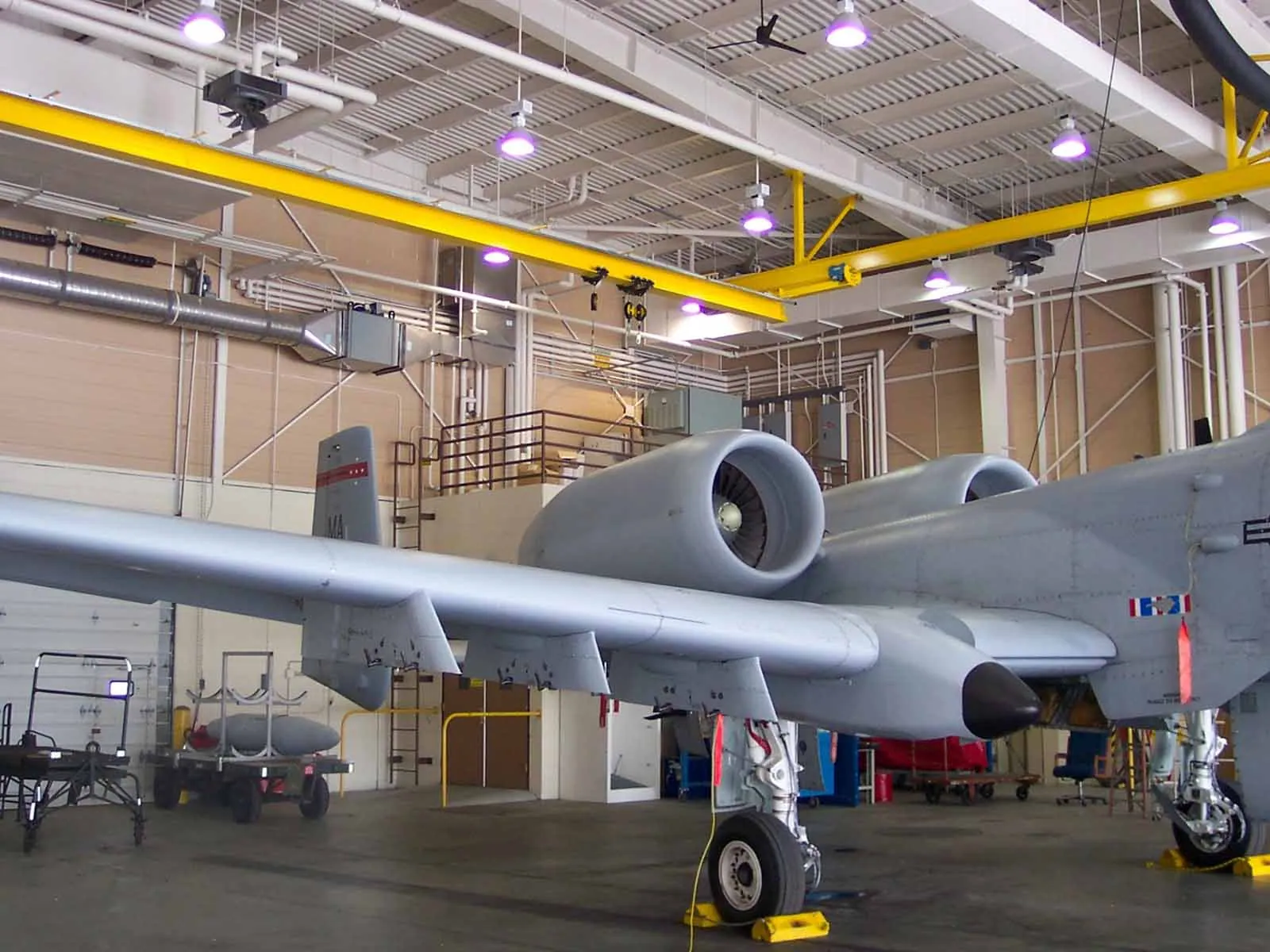
Government & Military
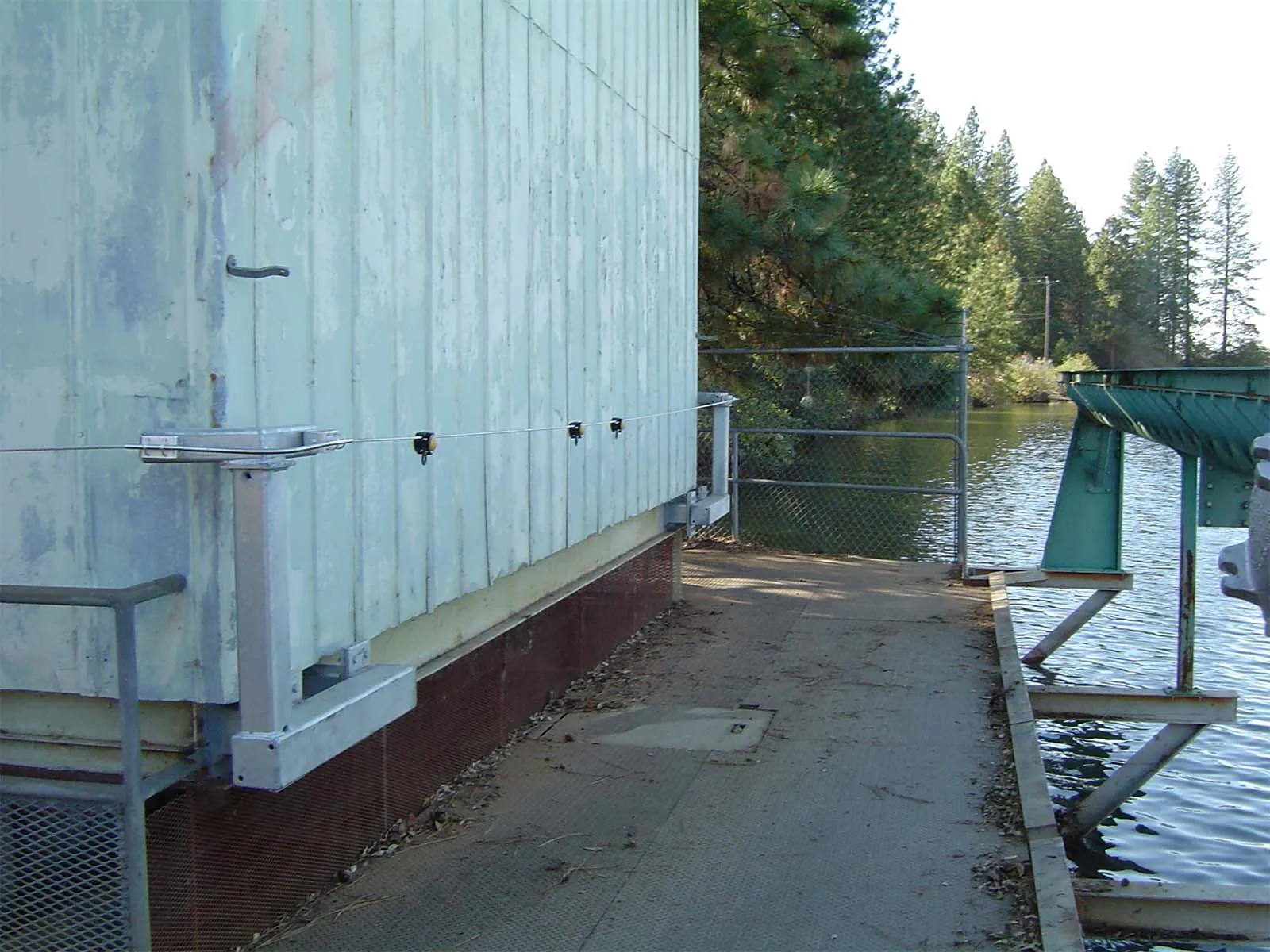
Infrastructure Development
Where this system is used
Industries and applications that run on Roof Fall Protection Systems
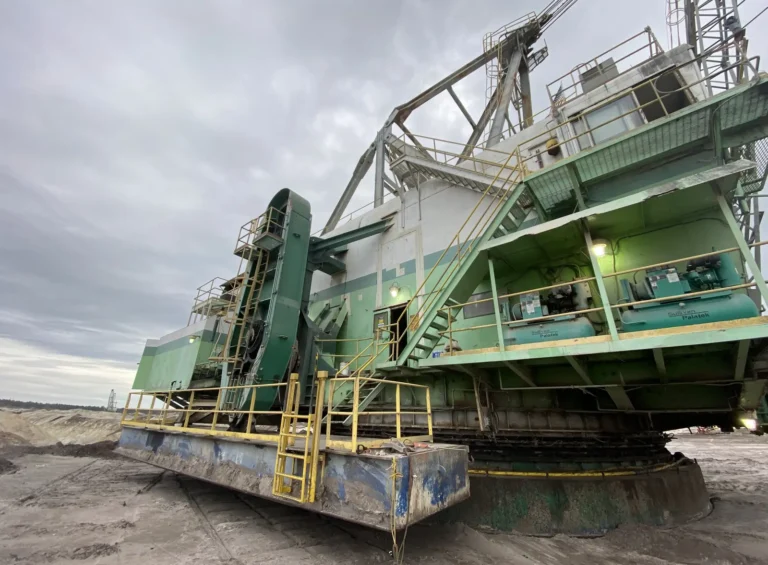
Mining
Engineered fall protection for open pit, underground, in-situ and dredging operations and their processing facilities. PE-stamped, installed and certified by one team since 1993.
Read more →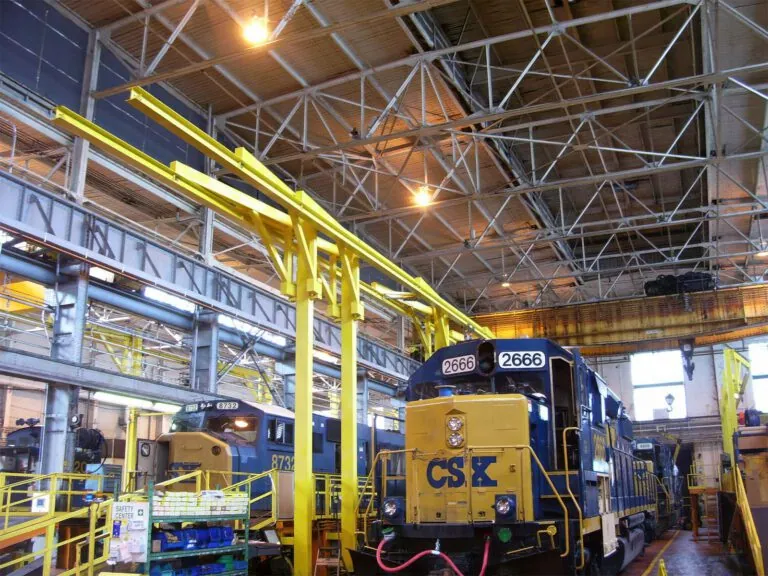
Transportation & Rail
Railcar and truck loading, rail yards, marine decks and fleet maintenance.
Read more →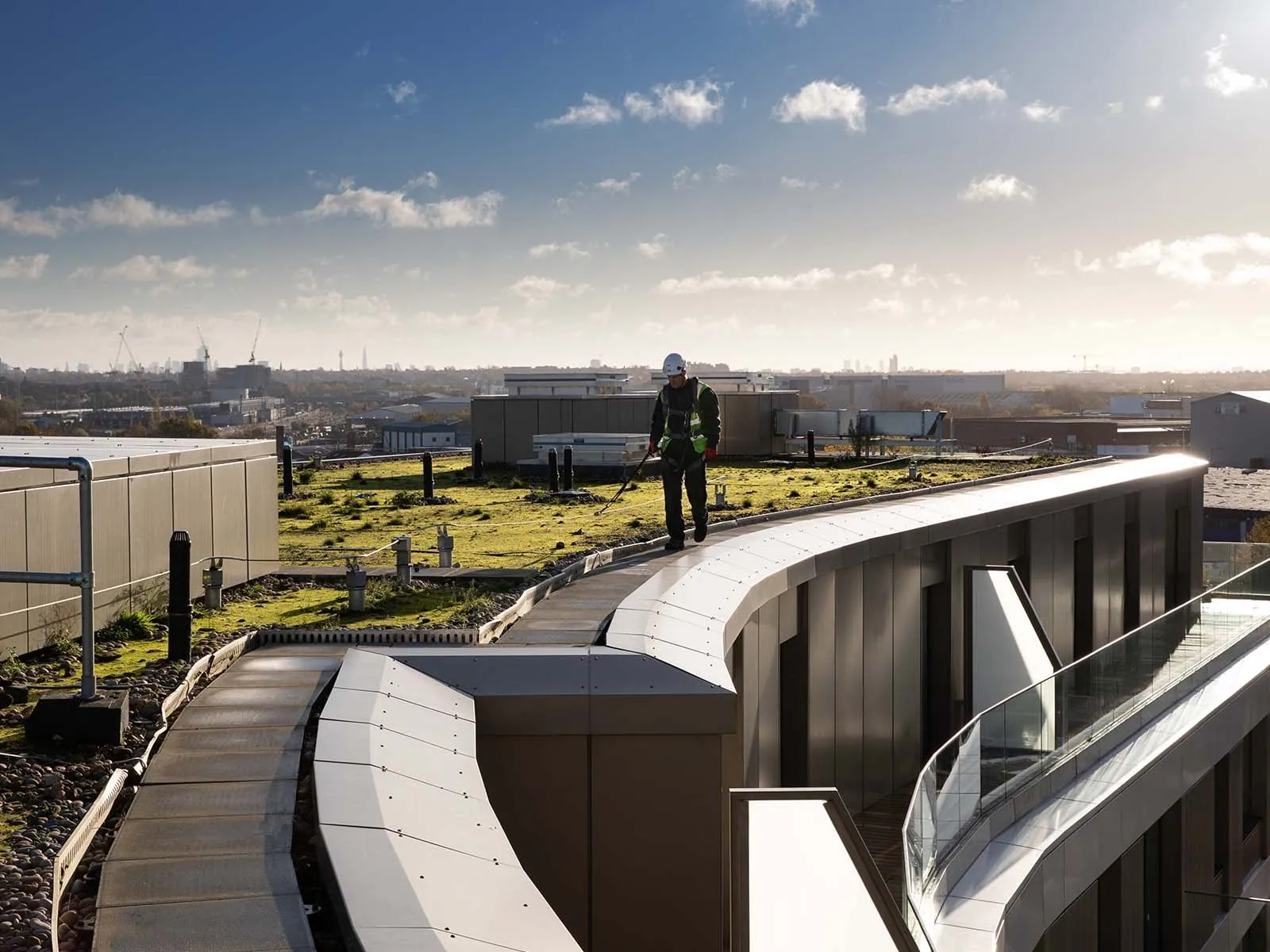
Downloads
Brochures & downloads
Brochure
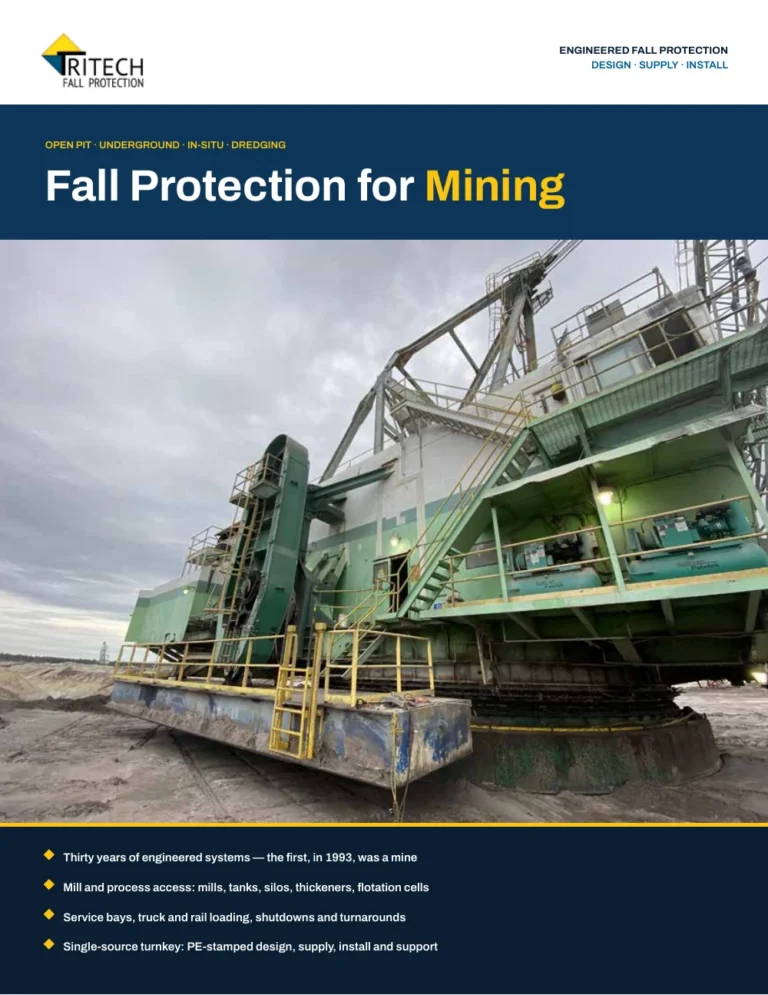
Mining Fall Protection Brochure
Fall protection for open pit, underground, in-situ and dredging sites: where mine exposure concentrates and the engineered systems Tritech installs for it.
Brochure
Tritech Fall Protection Company Brochure
Tritech's company brochure: who engineers, supplies, installs and certifies your fall protection, and the 12 industries and applications we cover.
Brochure
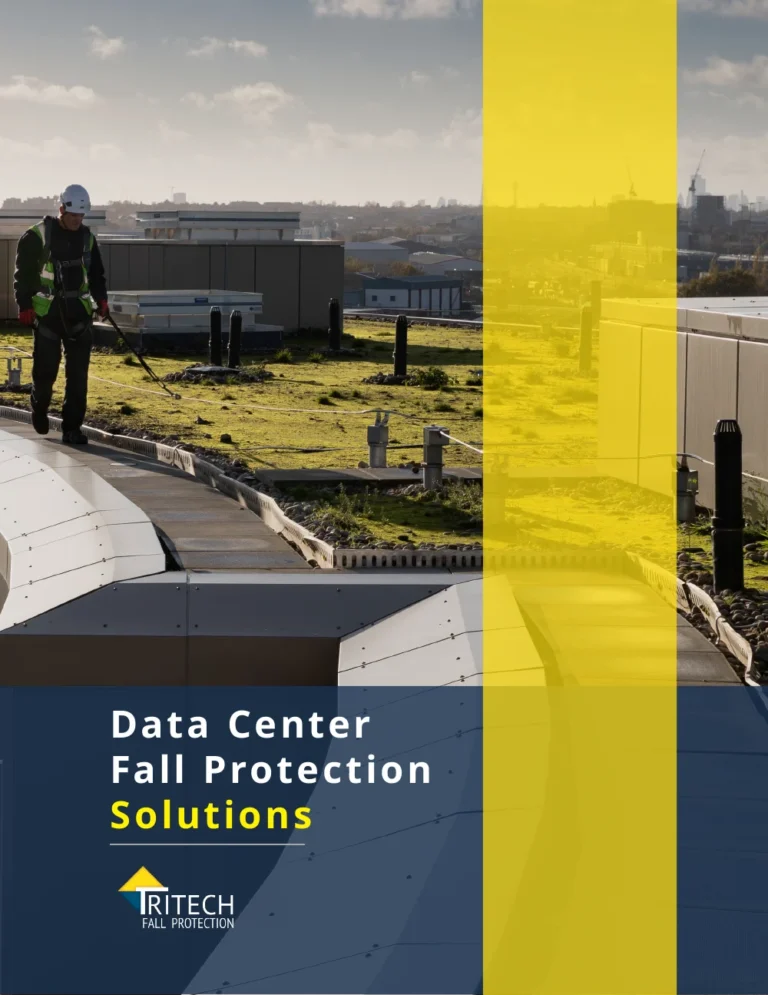
Data Center Fall Protection Brochure
How Tritech protects data center roofs and yards: non-penetrating guardrail, access platforms, crossovers, stairs and ladder safety for mechanical equipment.
Answers to
Key Questions
What are the 4 types of fall protection?
Fall protection sorts into four types: fall elimination (removing the need to work at height), fall prevention (passive barriers such as guardrails and covers that need no worker action), fall arrest (harness-based systems that stop a fall in progress), and administrative controls (warning lines, training, and procedures). Passive prevention is preferred wherever it is feasible because it protects every worker automatically. Most roofs need a combination: guardrail at the mechanical units, a lifeline along the unprotected edge, covers at the skylights. Tritech designs, engineers, installs, and recertifies all four as complete rooftop systems.
What is the minimum height for fall protection?
Under OSHA’s general industry standard, fall protection is required at 4 feet above a lower level (29 CFR 1910.28(b)(1)). For construction work, the trigger is 6 feet (29 CFR 1926.501(b)(1)). Routine rooftop maintenance on an existing building falls under general industry, so the 4-foot trigger governs most roof work, and the edge of a single-story roof already sits well past it.
What is the OSHA 6 foot rule?
The OSHA 6-foot rule comes from the construction standard, 29 CFR 1926.501(b)(1). It requires fall protection for each worker on a walking-working surface with an unprotected side or edge 6 feet or more above a lower level, with a guardrail system, personal fall arrest system, or safety net system as the compliant options. It governs roofing work performed as construction; routine maintenance on an existing roof falls under the general industry standard, which triggers at 4 feet (29 CFR 1910.28(b)(1)).
What is the new OSHA standard for fall protection?
The 2016 update to OSHA 1910 Subpart D (Walking-Working Surfaces), effective January 2017, is the current general industry standard. It aligned general industry with construction, set the 4-foot trigger for most facility work, and phased out fixed-ladder cages in favor of ladder safety and fall arrest systems. Fall protection remains OSHA’s most-cited standard: 1926.501 topped the citation list for the fifteenth consecutive year in FY2025, with 5,914 citations, which is why permanent engineered rooftop systems keep replacing improvised measures.
CONTACT
Ensure Safe Rooftop Access with a Lifeline System
Our team is ready to help you implement a code-compliant, secure rooftop fall protection solution for your facility.
Let’s Discuss Your Project
"*" indicates required fields
Not ready to talk yet? Download the Mining Fall Protection Brochure