



SOLUTIONS
Ground-Based Guardrail
A Modular, Heavy-Duty Barrier System for Indoor & Outdoor Use
Durable & Weather-Resistant
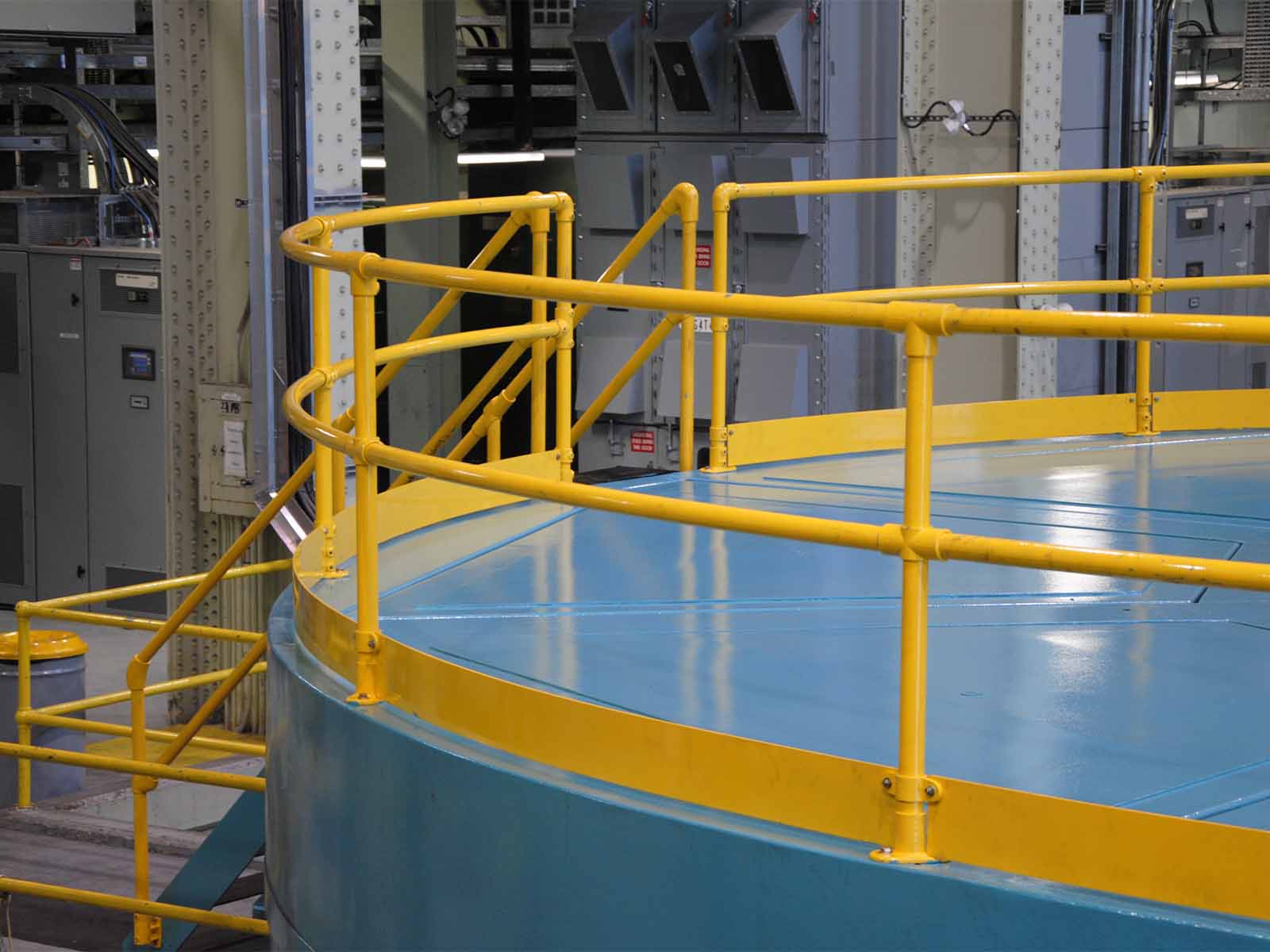
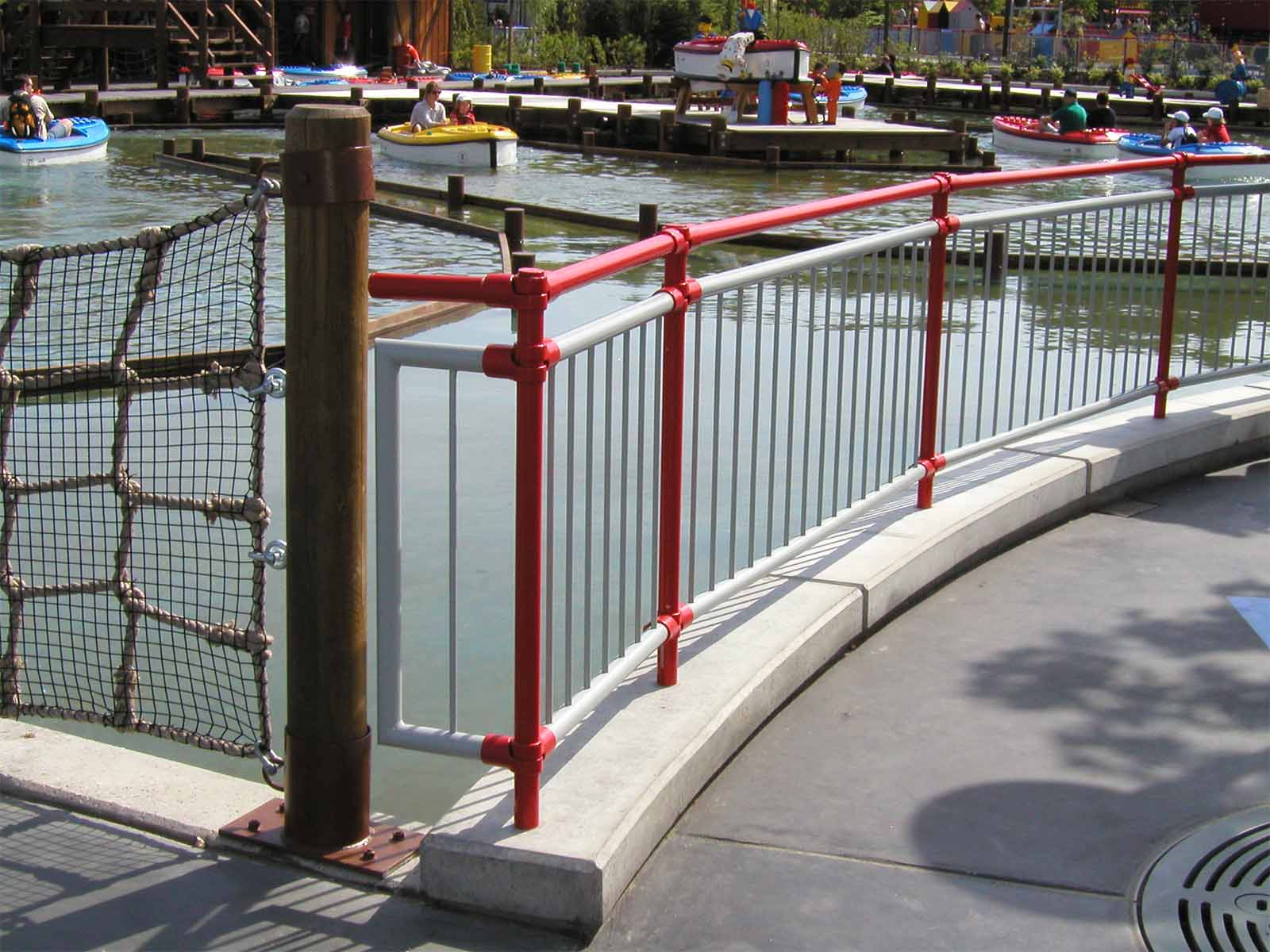
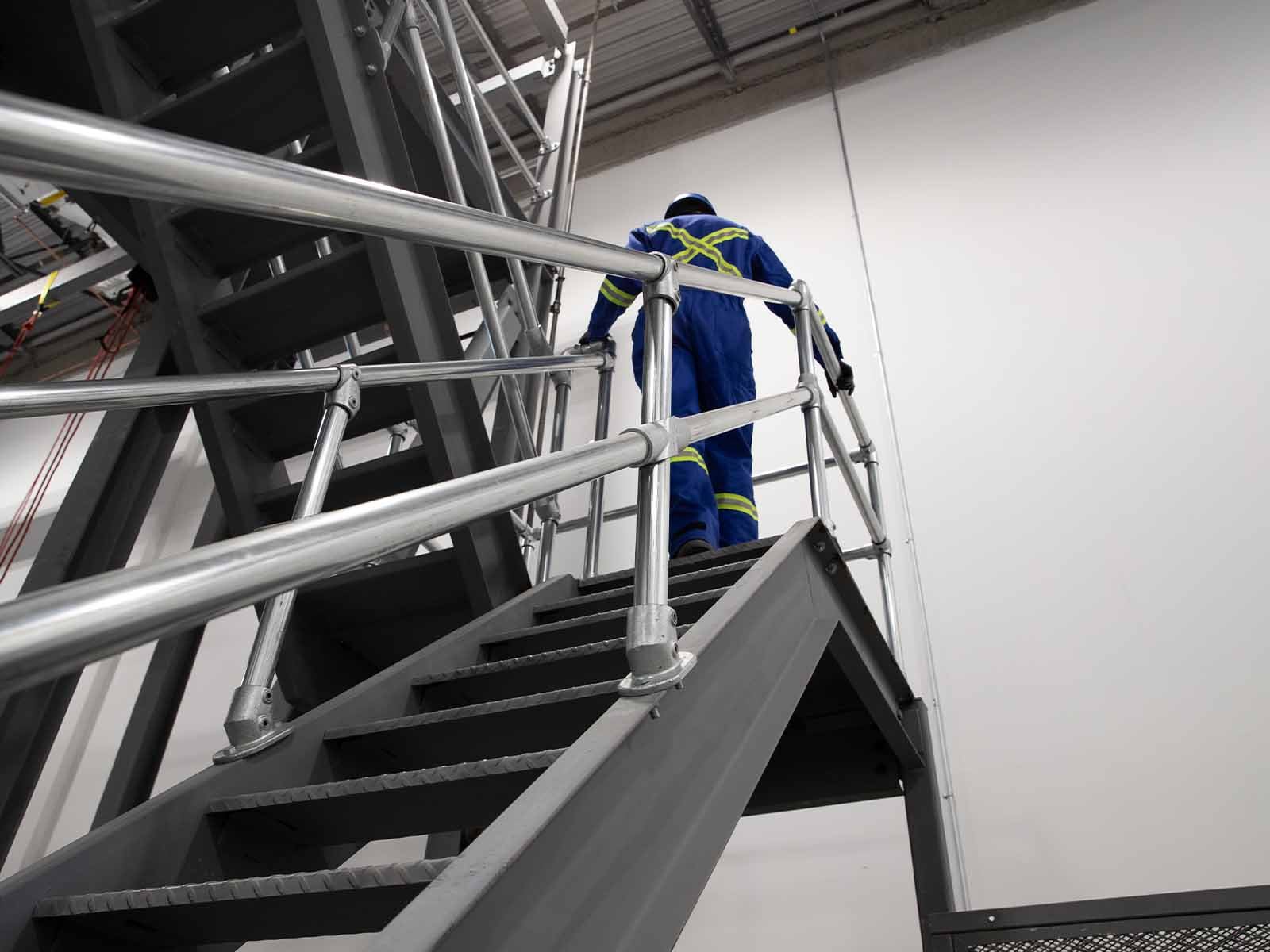
Built from galvanized steel or aluminum, these guardrails are extremely durable; withstand heavy impacts, extreme weather conditions, and high-traffic environments. This makes them ideal for both indoor and outdoor applications.
Flexible & Modular Design
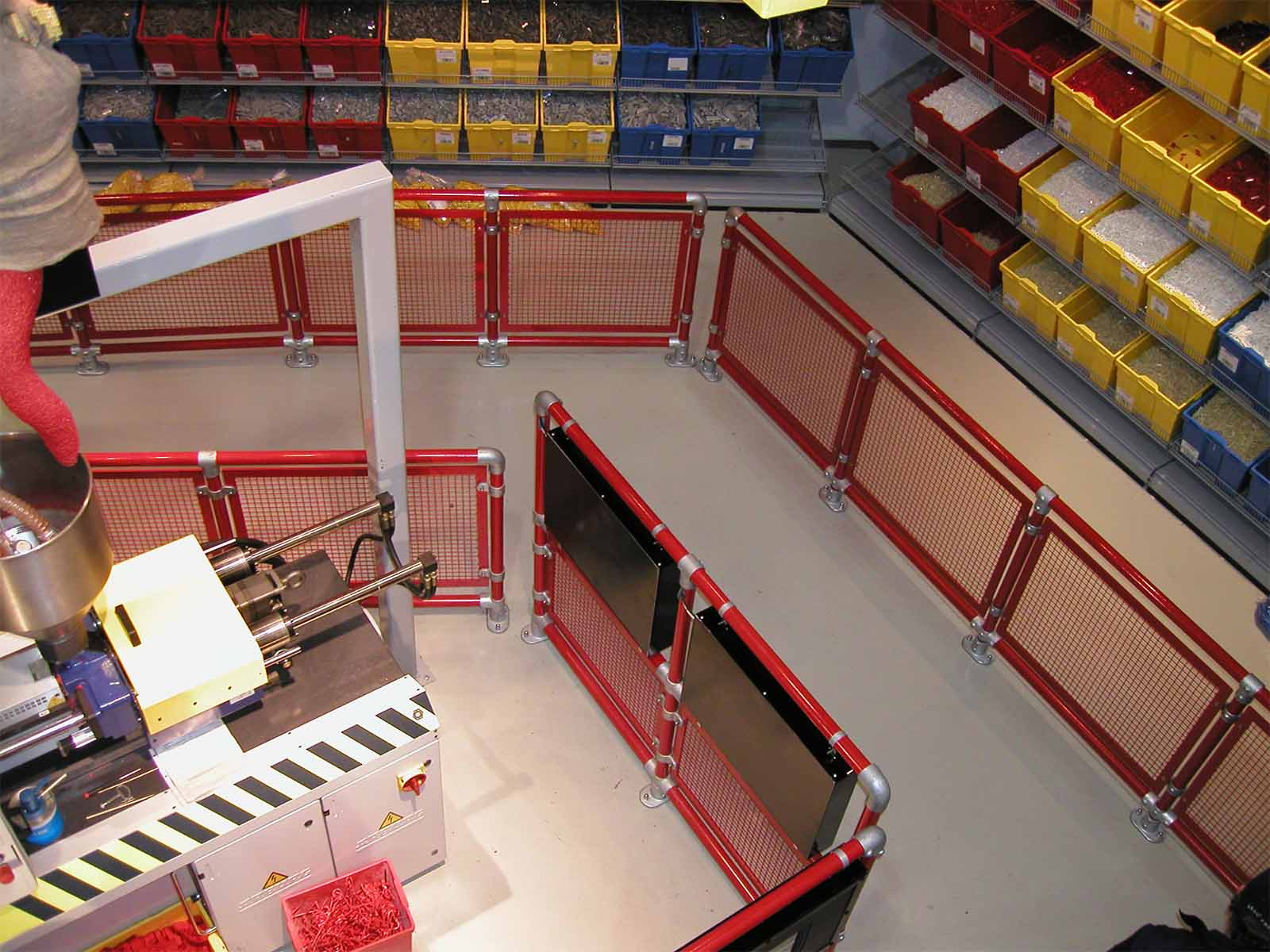
This system is fully modular, allowing for easy installation, expansion, and reconfiguration to meet specific site requirements with no need for specialized welding or fabrication.
Regulatory Compliance
Engineered to meet OSHA and ANSI standards, these guardrails ensure workplace safety in manufacturing facilities, warehouses, construction sites, and public spaces.
PROBLEMS WE SOLVE
Preventing Workplace & Pedestrian Hazards Before They Happen
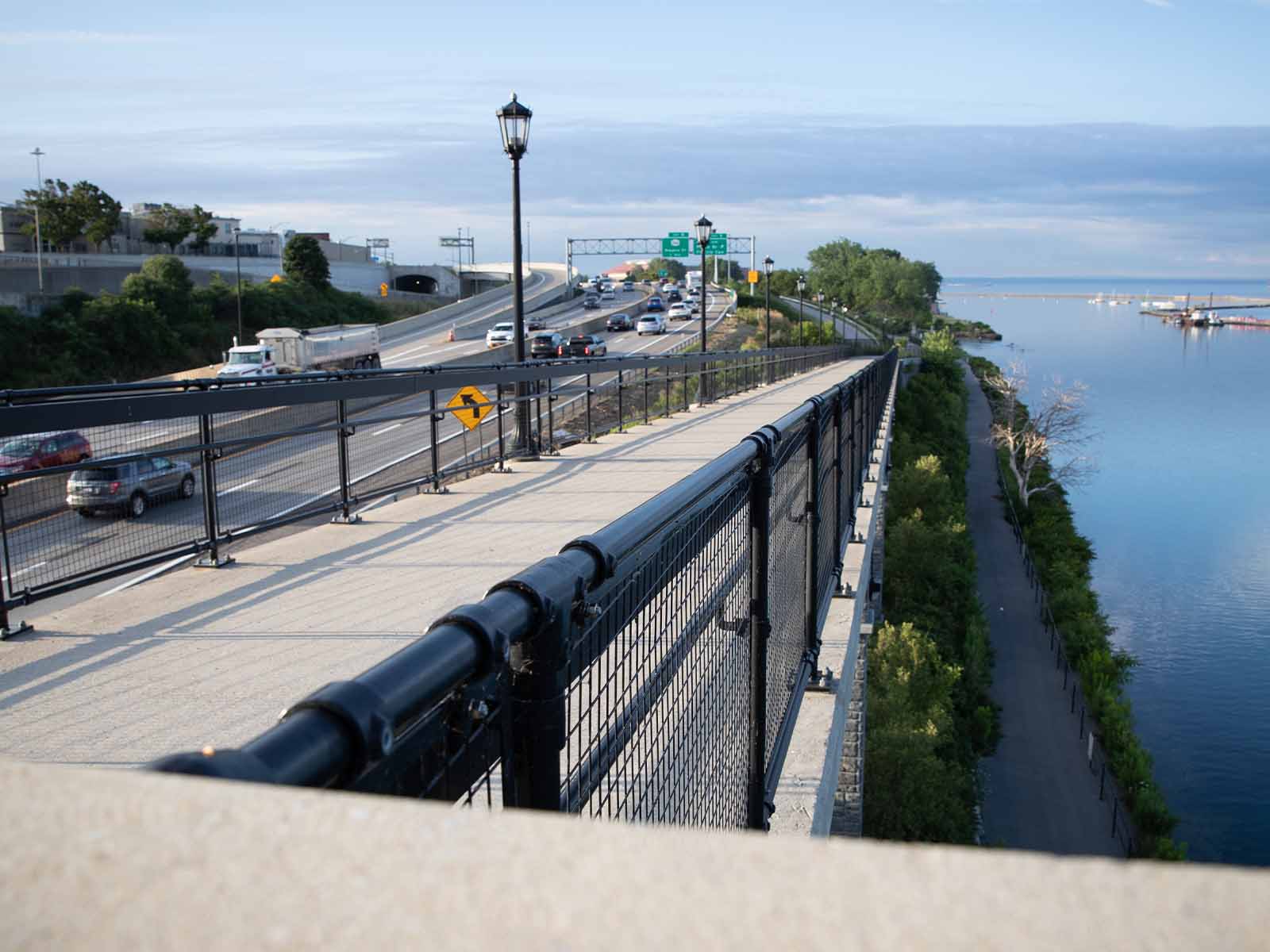
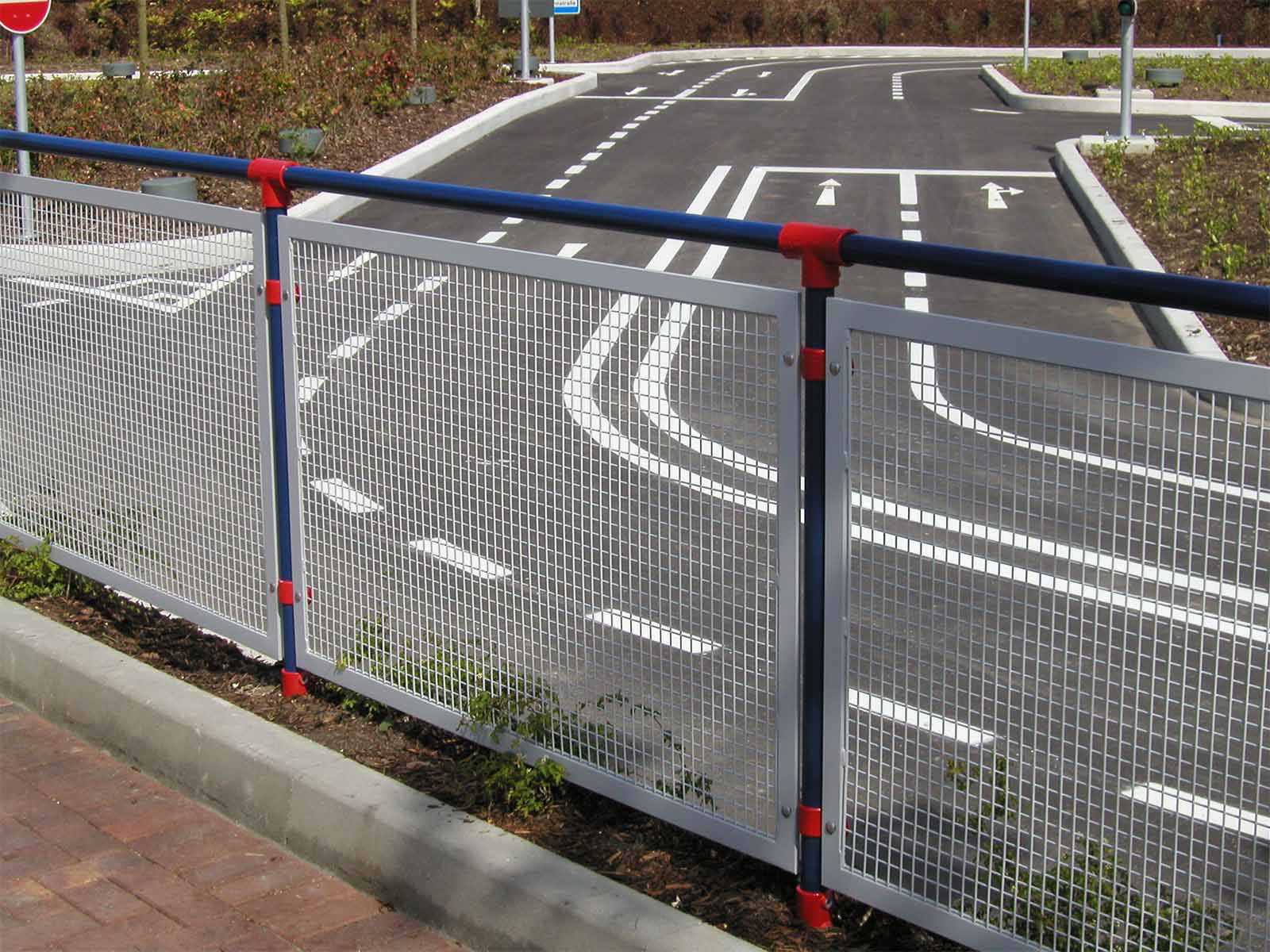
Ground-based guardrails act as passive fall protection by creating clear barriers between pedestrian walkways and vehicle traffic. They help prevent accidents, protect workers from fall risks, and keep sites well-organized. Ideal for industrial areas, public spaces, or facility safety, these guardrails offer a durable, low-maintenance solution.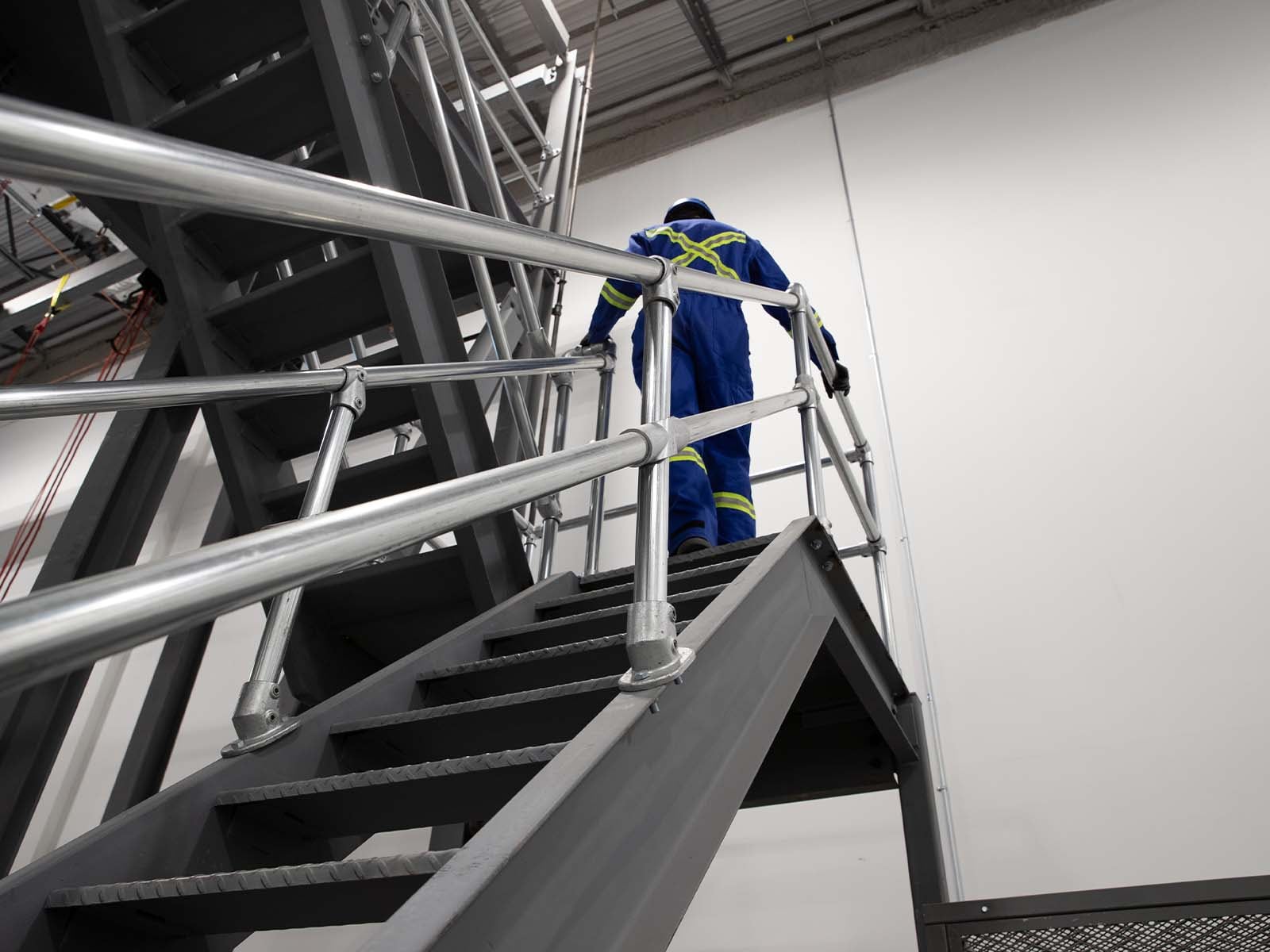
Areas of Application for Ground-Based Guardrails
- Manufacturing
- Infrastructure Development
- Railcar and Transportation
- Supply Chain Management
- Government and Military

Manufacturing

Infrastructure Development

Railcar and Transportation

Supply Chain Management
Government and Military


Answers to
Key Questions
What is the OSHA requirement for the top guardrail?
The top rail must sit 42 inches, plus or minus 3 inches, above the walking-working surface and withstand 200 pounds of outward or downward force (29 CFR 1910.29(b) general industry; 29 CFR 1926.502(b) construction). The criteria apply wherever a guardrail is the chosen control, at a dock edge, pit, ramp, or grade change, not only on roofs. Ground-based guardrail meets the same rail heights and strength as a rooftop system; the difference is where it stands.
At what height is fall protection required?
Under OSHA’s general industry standard, fall protection is required at 4 feet above a lower level (29 CFR 1910.28(b)(1)), and protection is required regardless of height where a worker is exposed to a fall onto dangerous equipment. Loading docks, pits, and grade changes inside a facility reach the 4-foot trigger quickly, which is why ground-level edges account for a steady share of guardrail installations.
What are the 4 types of fall protection?
Fall protection is usually grouped by the hierarchy of controls: elimination, passive prevention (guardrails, covers, and other physical barriers that need no worker action), active fall restraint or fall arrest (harness-and-anchor systems), and administrative controls (warning lines, training, and procedures). A ground-based guardrail is passive prevention: it protects every person near the edge or hazard without training or equipment. Tritech engineers and installs ground-based guardrail alongside its rooftop systems, so a facility’s protection is consistent from grade to roofline.
CONTACT
Upgrade Safety with a Ground-Based Guardrail System
Our experienced technicians are ready to help you design a custom, code-compliant safety solution for your facility or public space.
Let’s Discuss Your Project
"*" indicates required fields