SOLUTIONS
Non-Penetrating Roof Anchor System
A Roof-Safe Fall Protection Anchor That Installs Without Tools
No Roof Damage
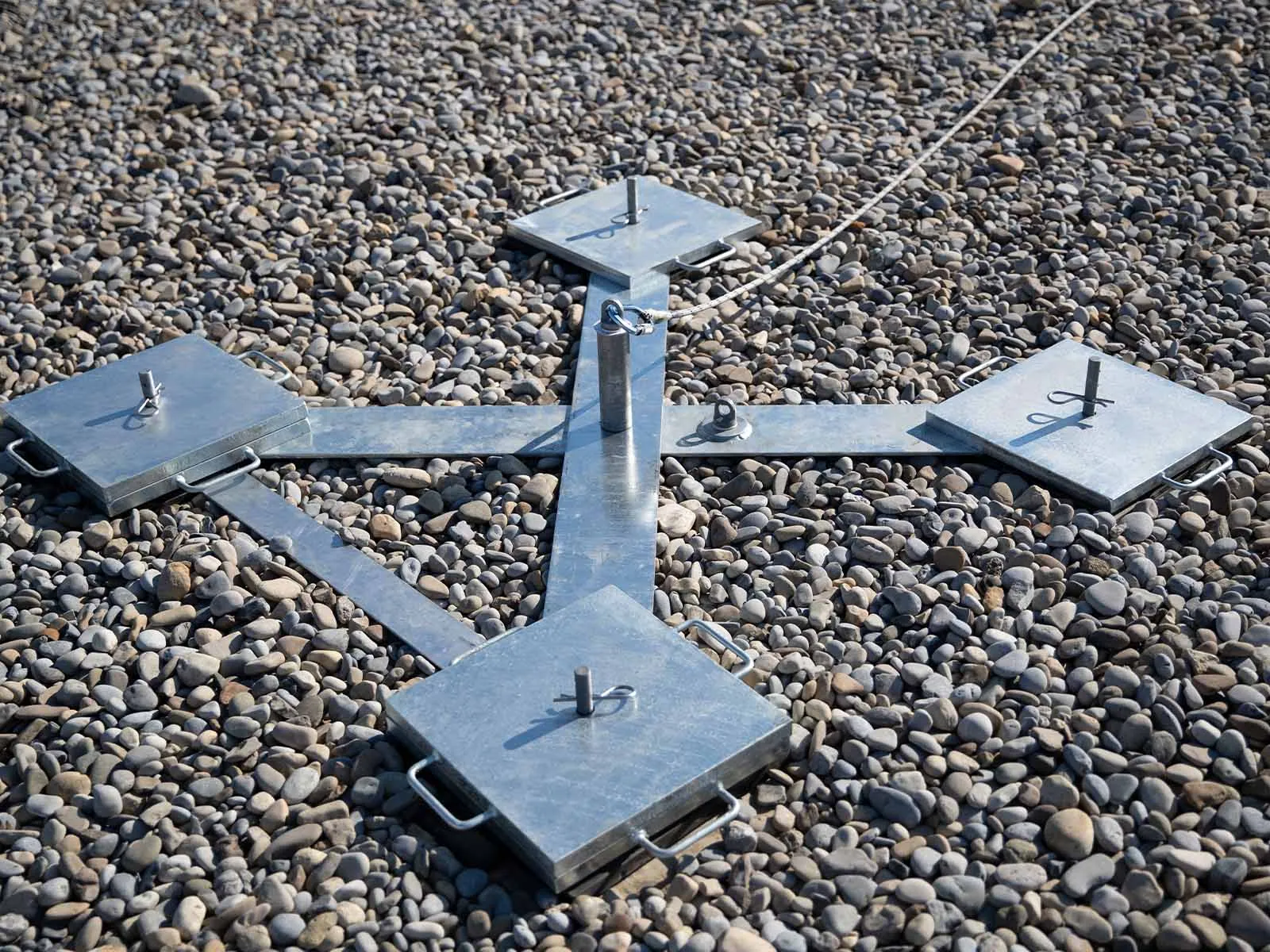
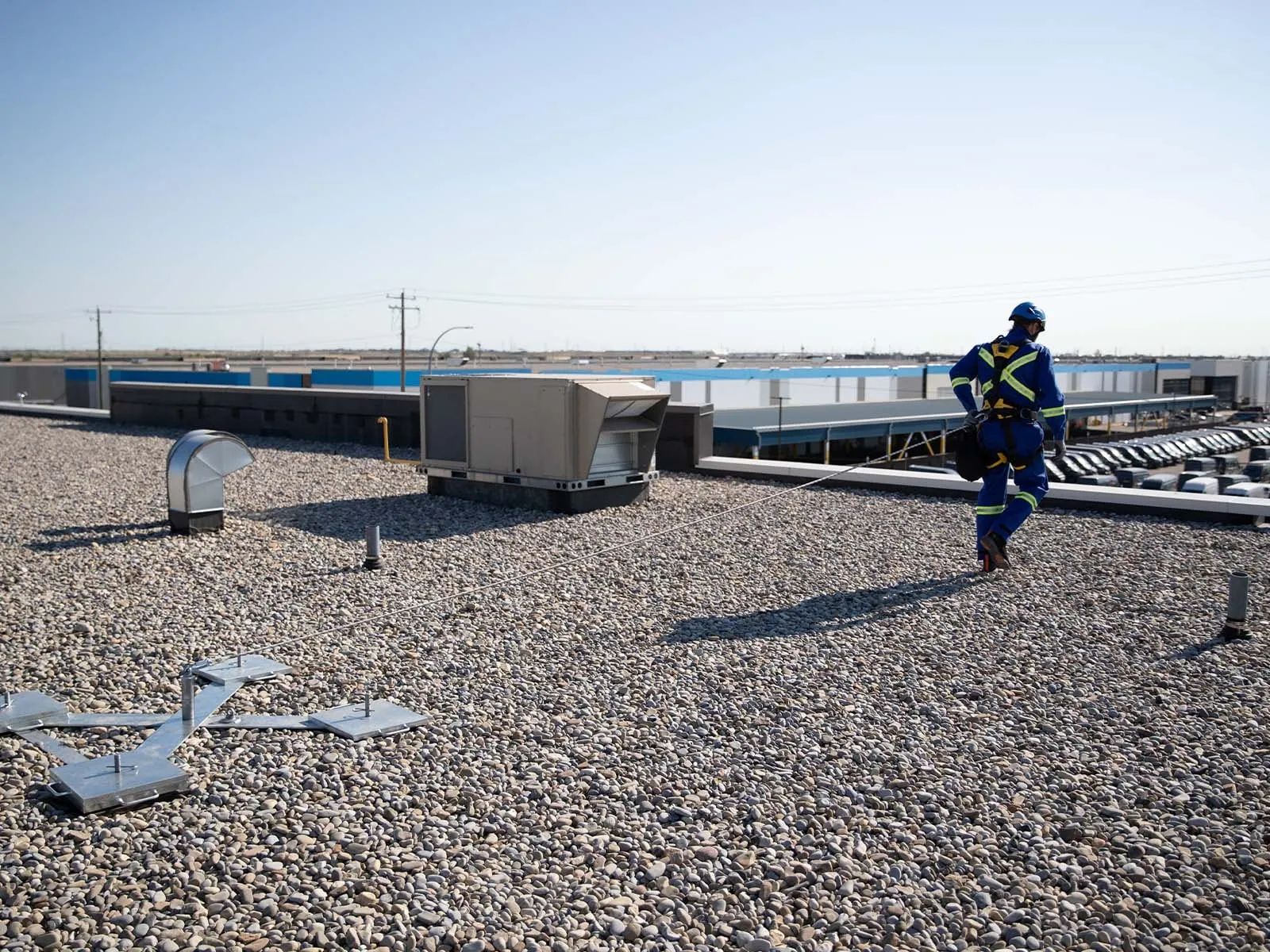
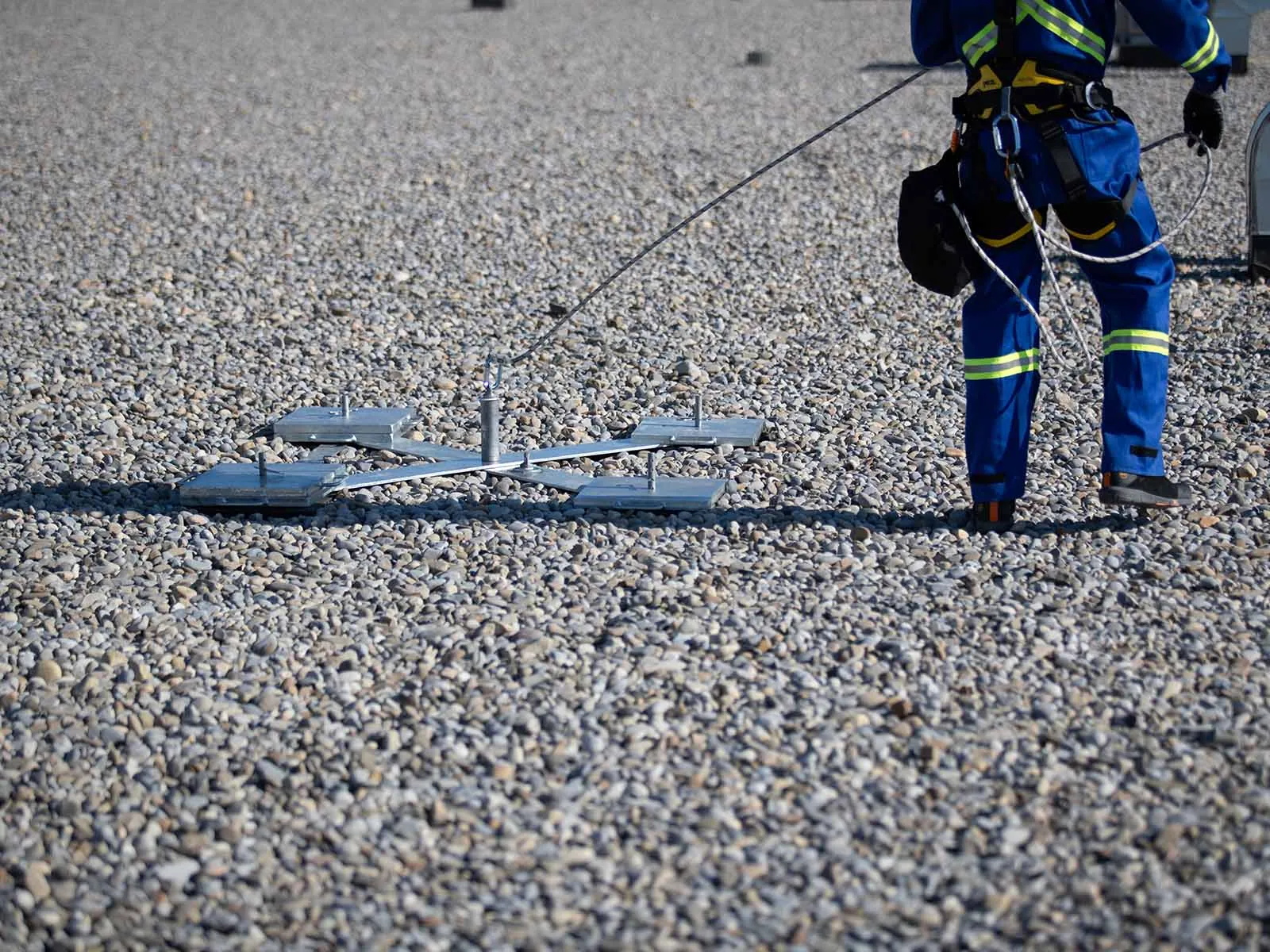
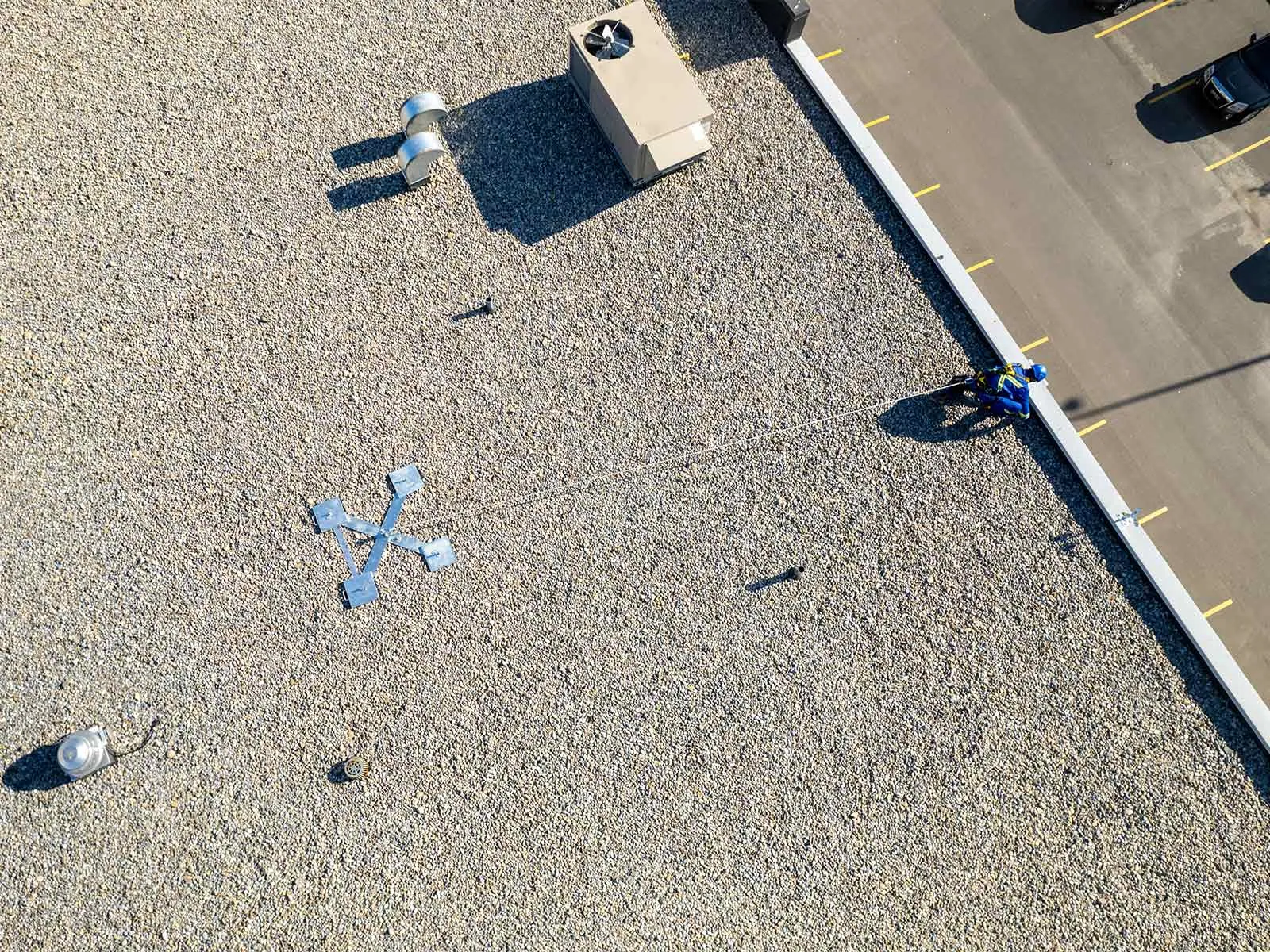
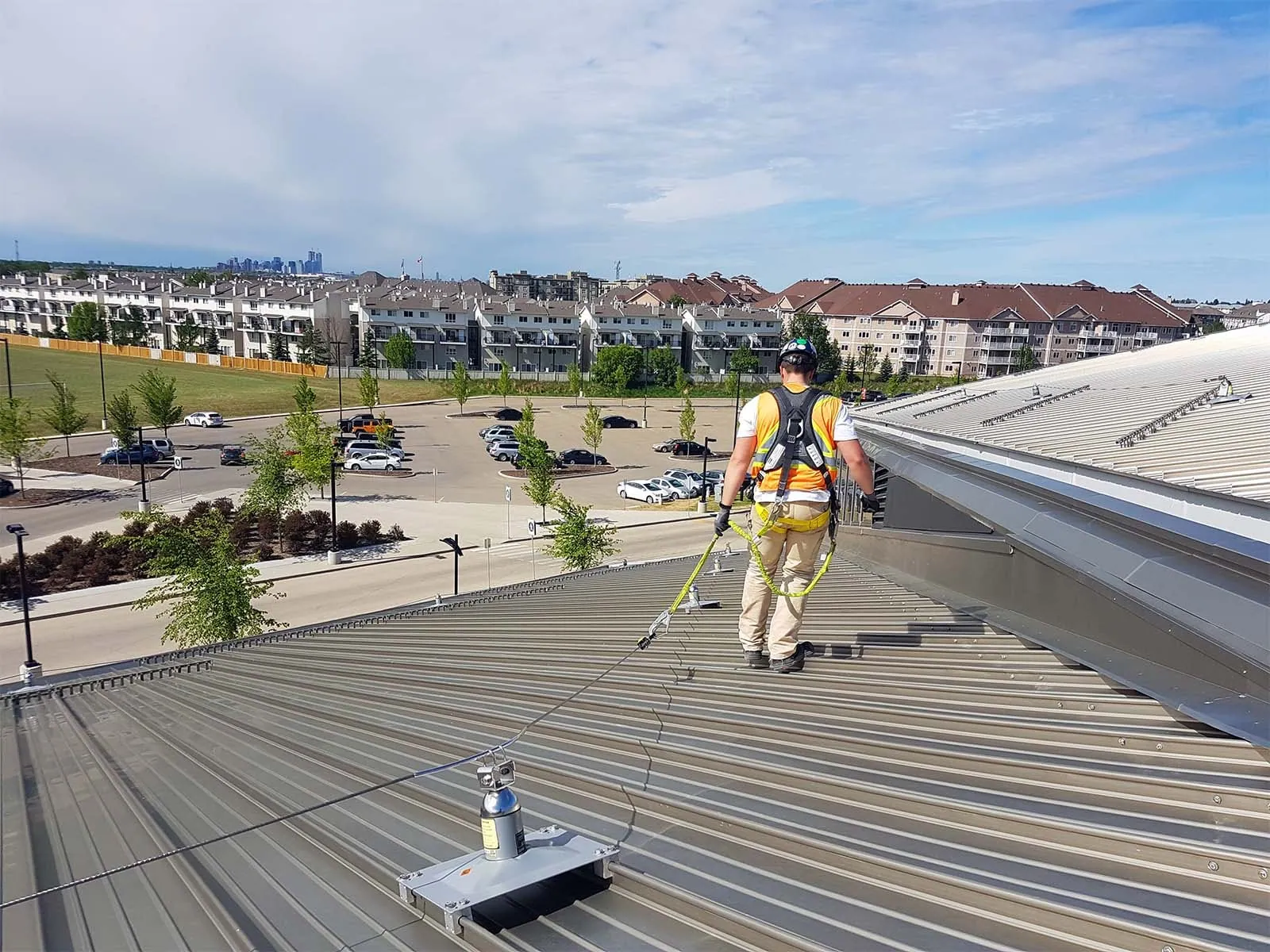
This anchor system uses a weighted base to stay in place, eliminating the need for roof penetration or structural modification.
Quick and Flexible Setup
Easy to transport and assemble perfect for temporary jobs, short-term maintenance, or changing work areas.
Fully Compliant
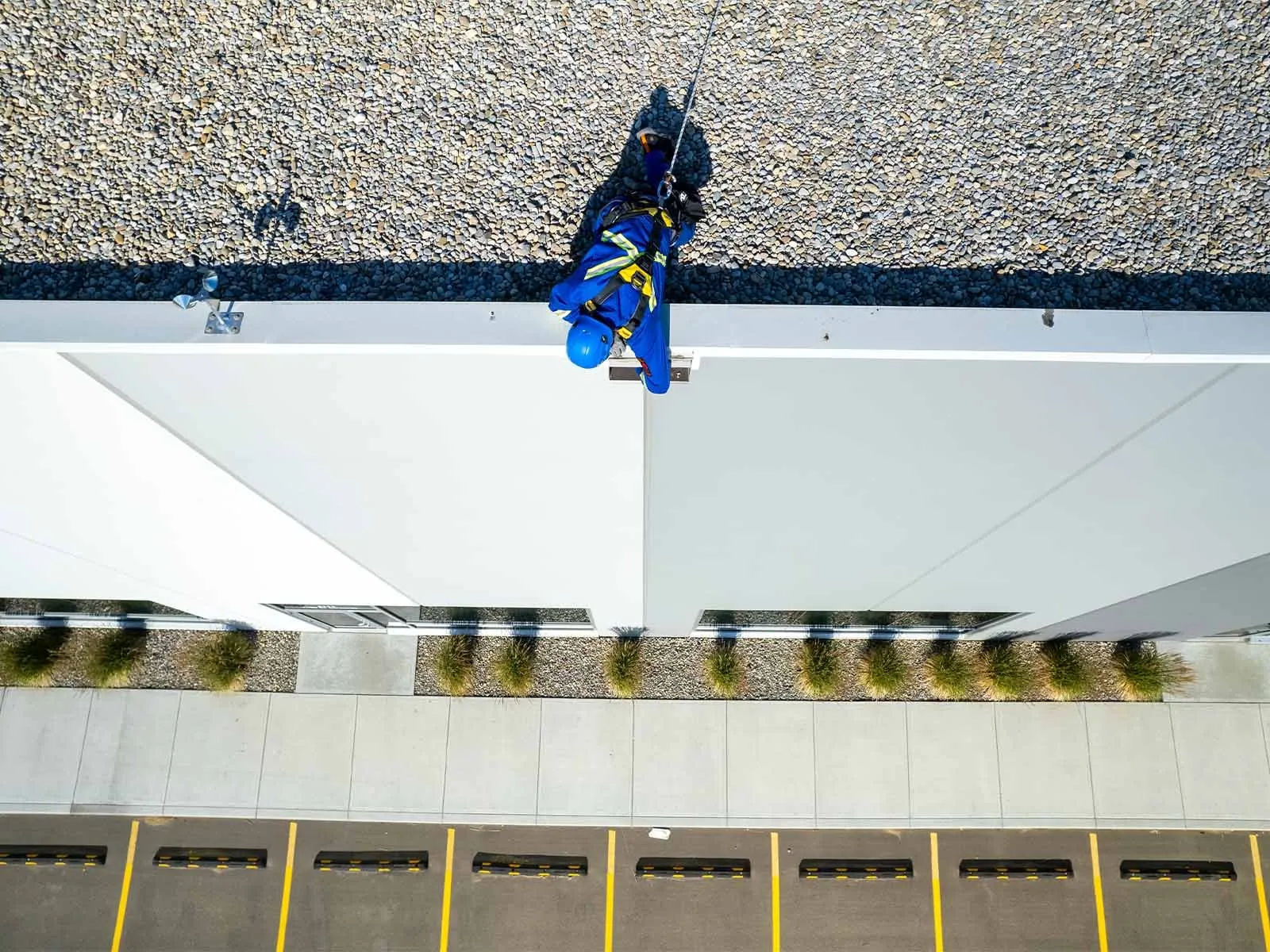
Meets OSHA and ANSI standards for fall protection, providing peace of mind for both safety and compliance.
PROBLEMS WE SOLVE
Fall Protection Without Compromising the Roof
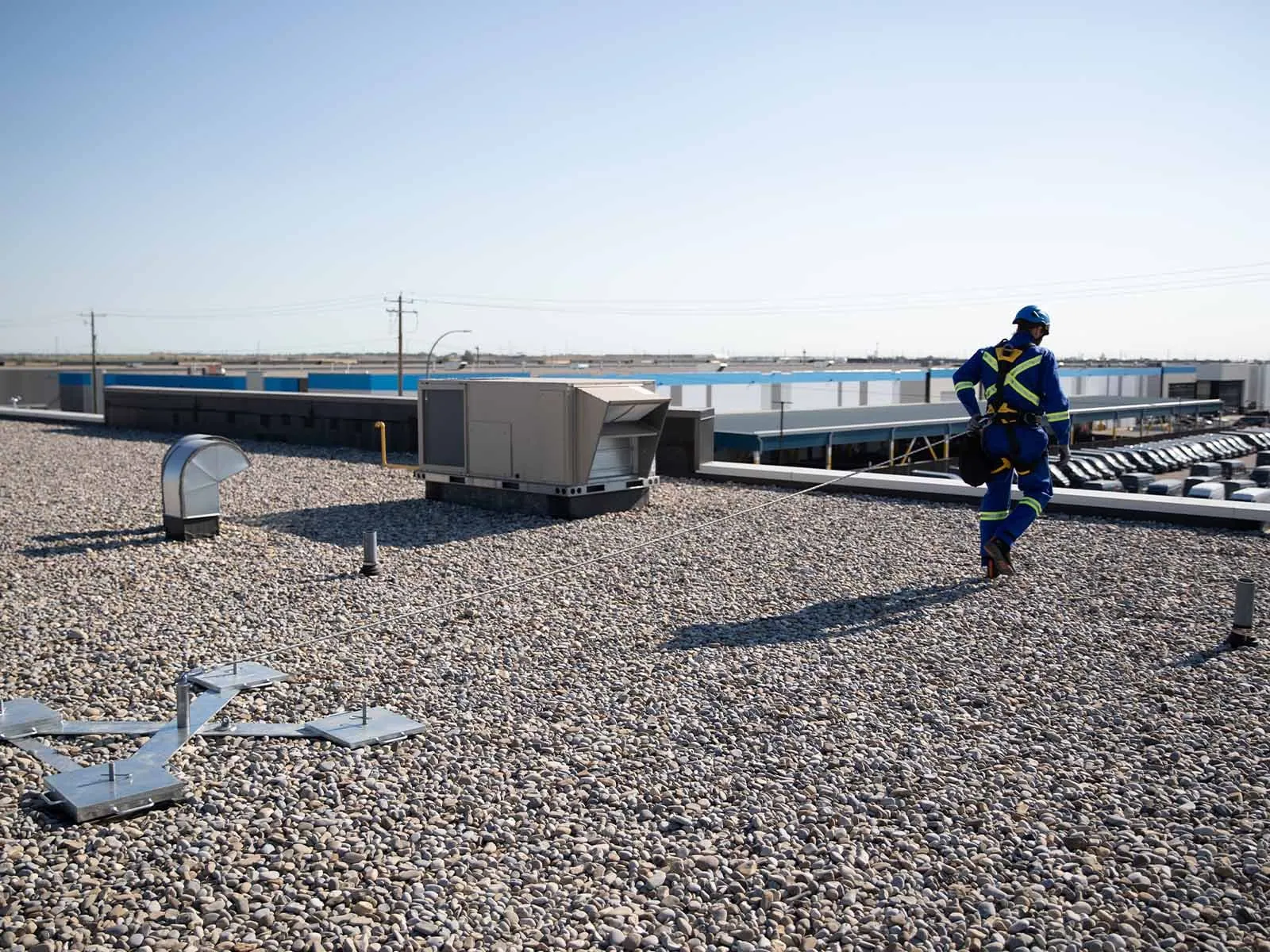
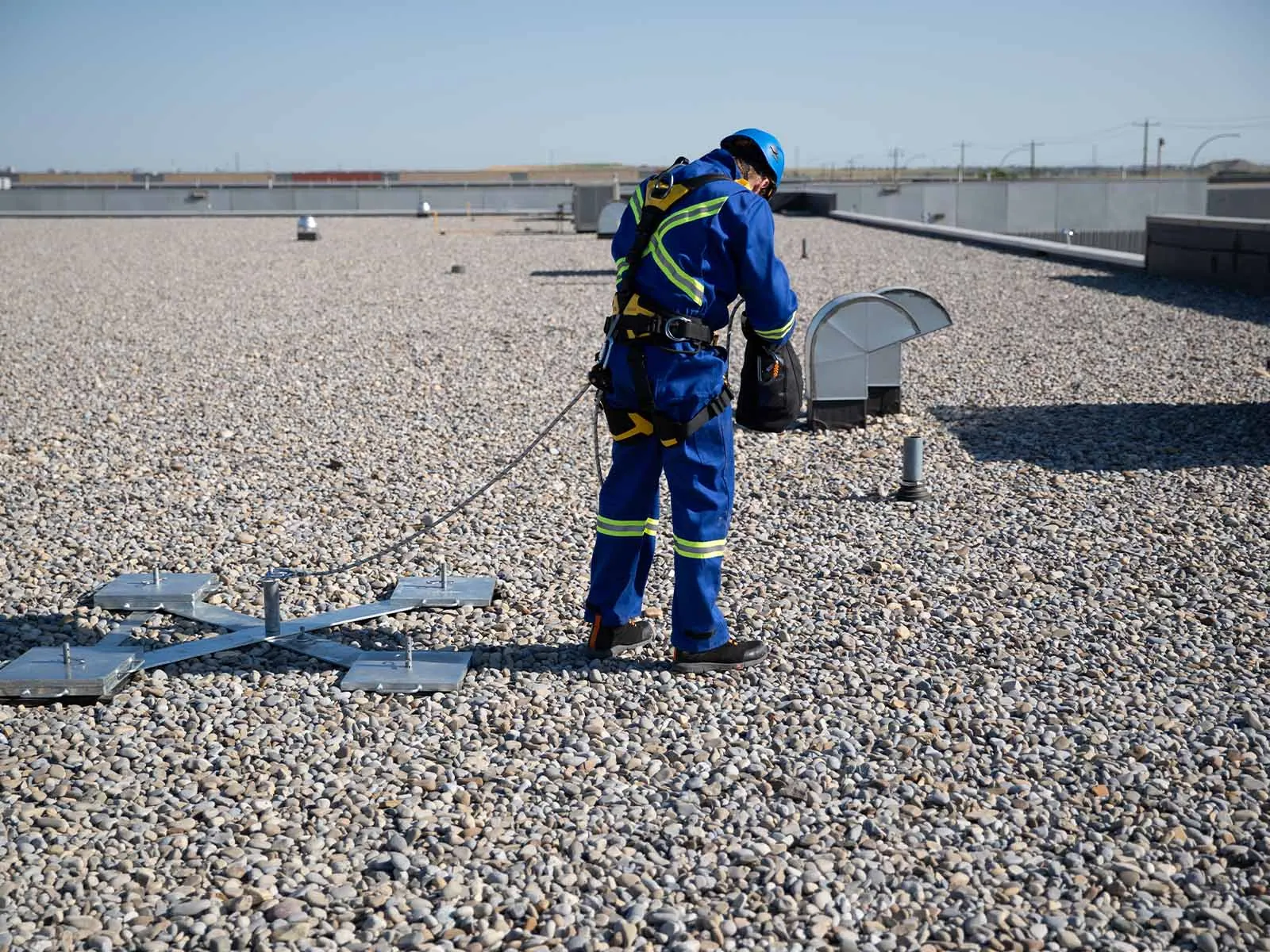
When your rooftop can’t be drilled into whether due to material, warranty, or design non-penetrating anchors offer a practical, compliant solution. They provide secure fall protection while keeping the roof surface intact and leak-free.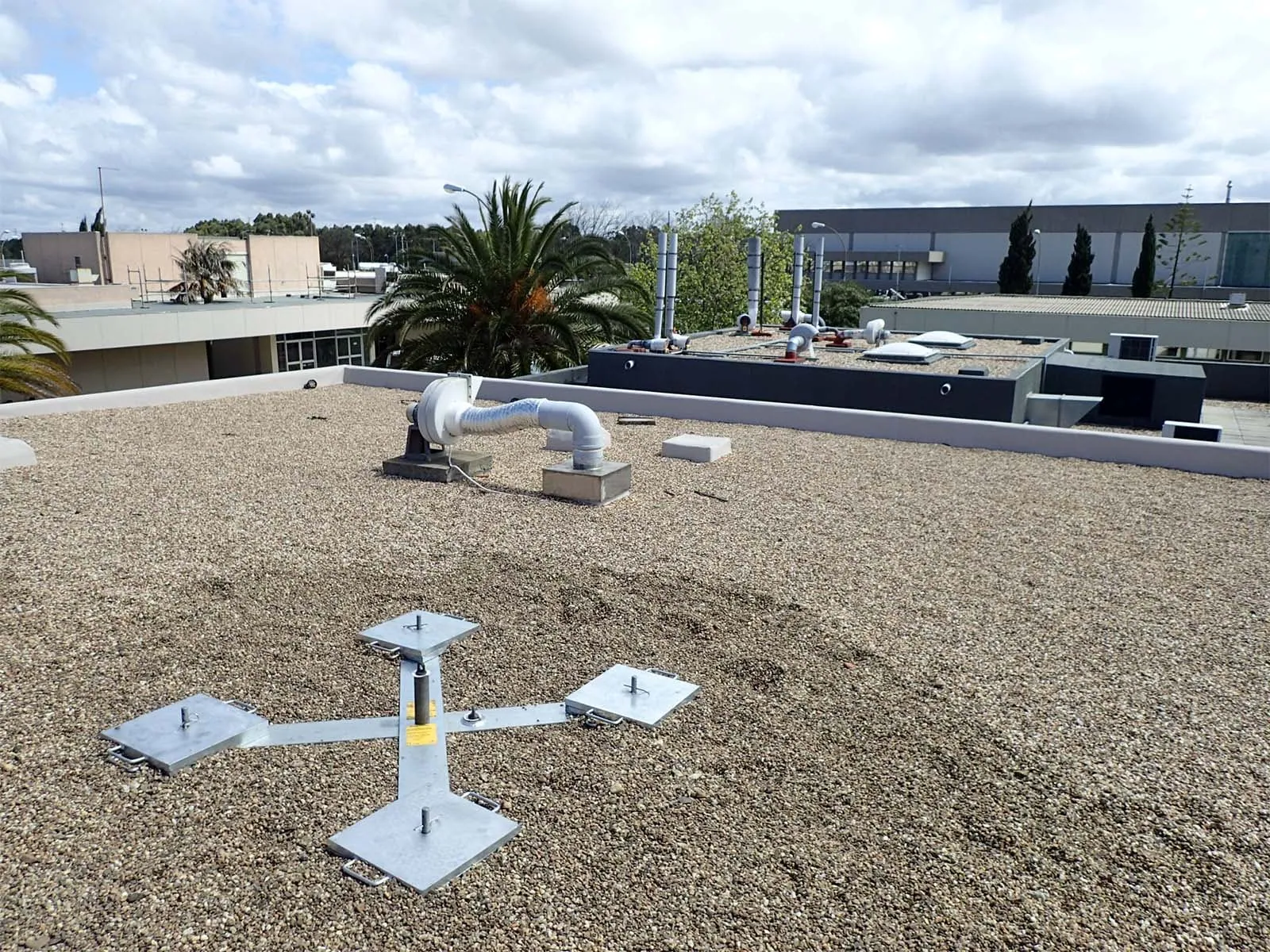
Areas of Application for Non-Penetrating Roof Anchors
- Rooftop Access & Maintenance
- Industrial Equipment Access
- Energy & Utilities
- Infrastructure Development
- Government & Military
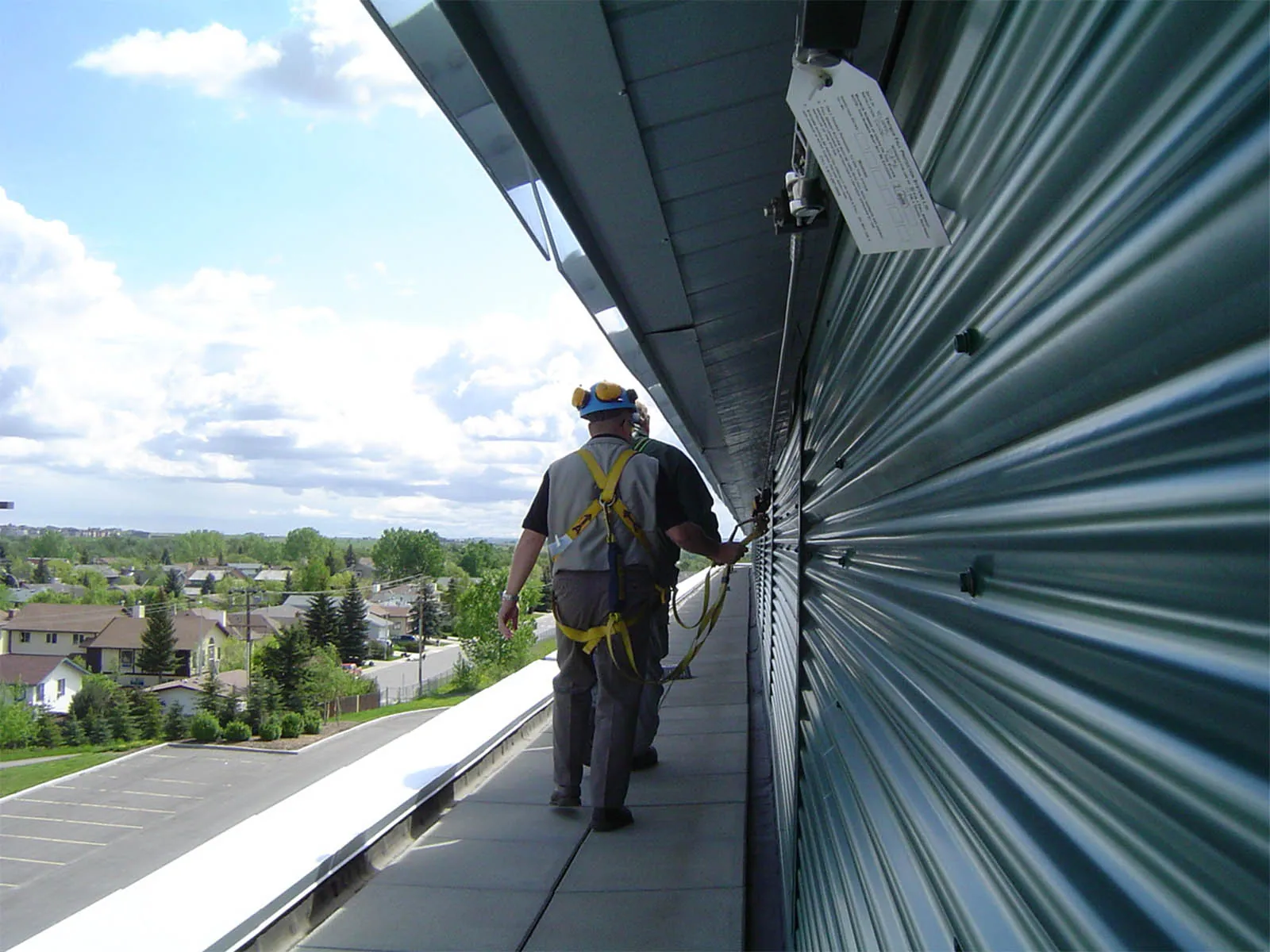
Rooftop Access & Maintenance
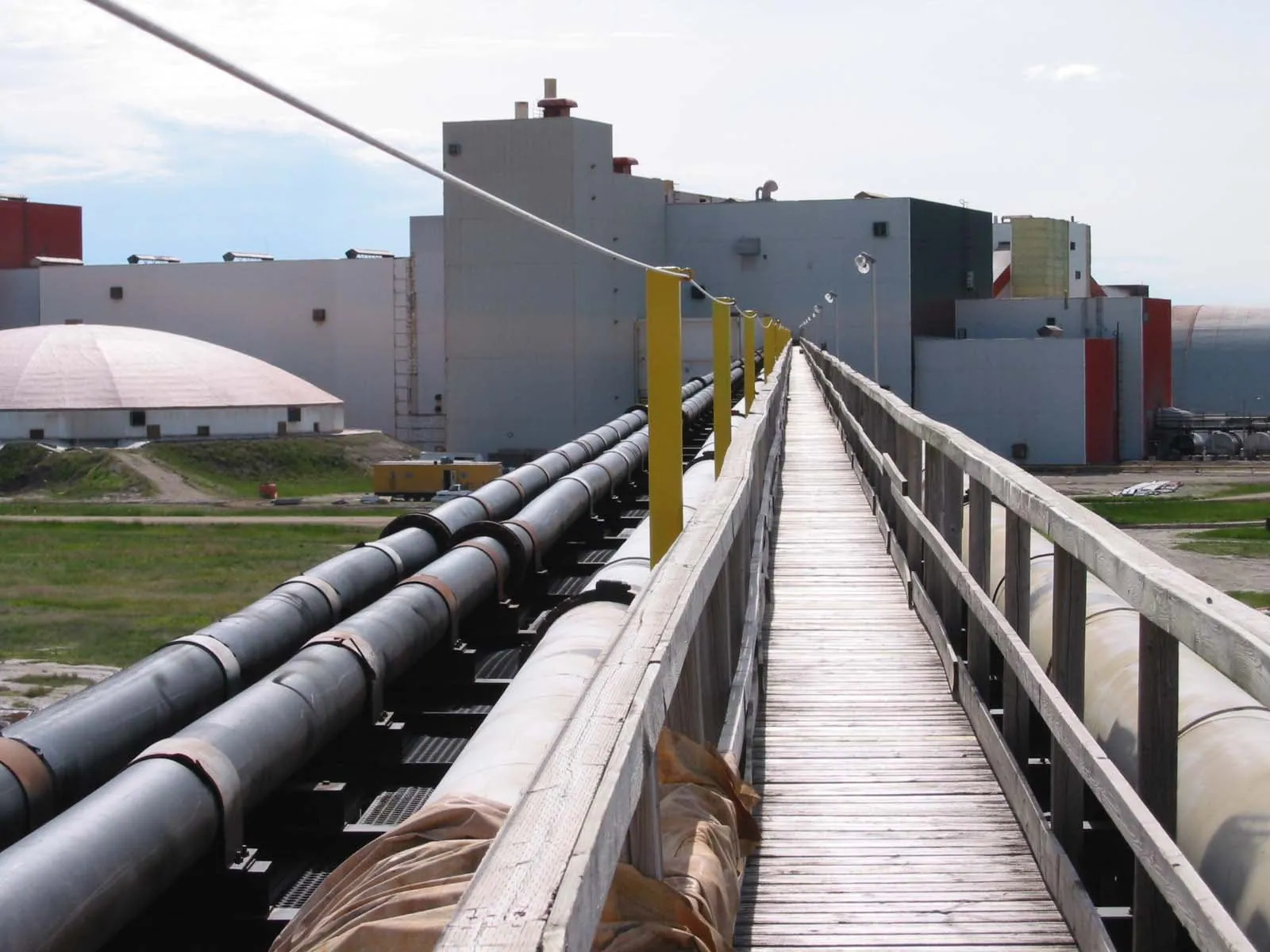
Industrial Equipment Access
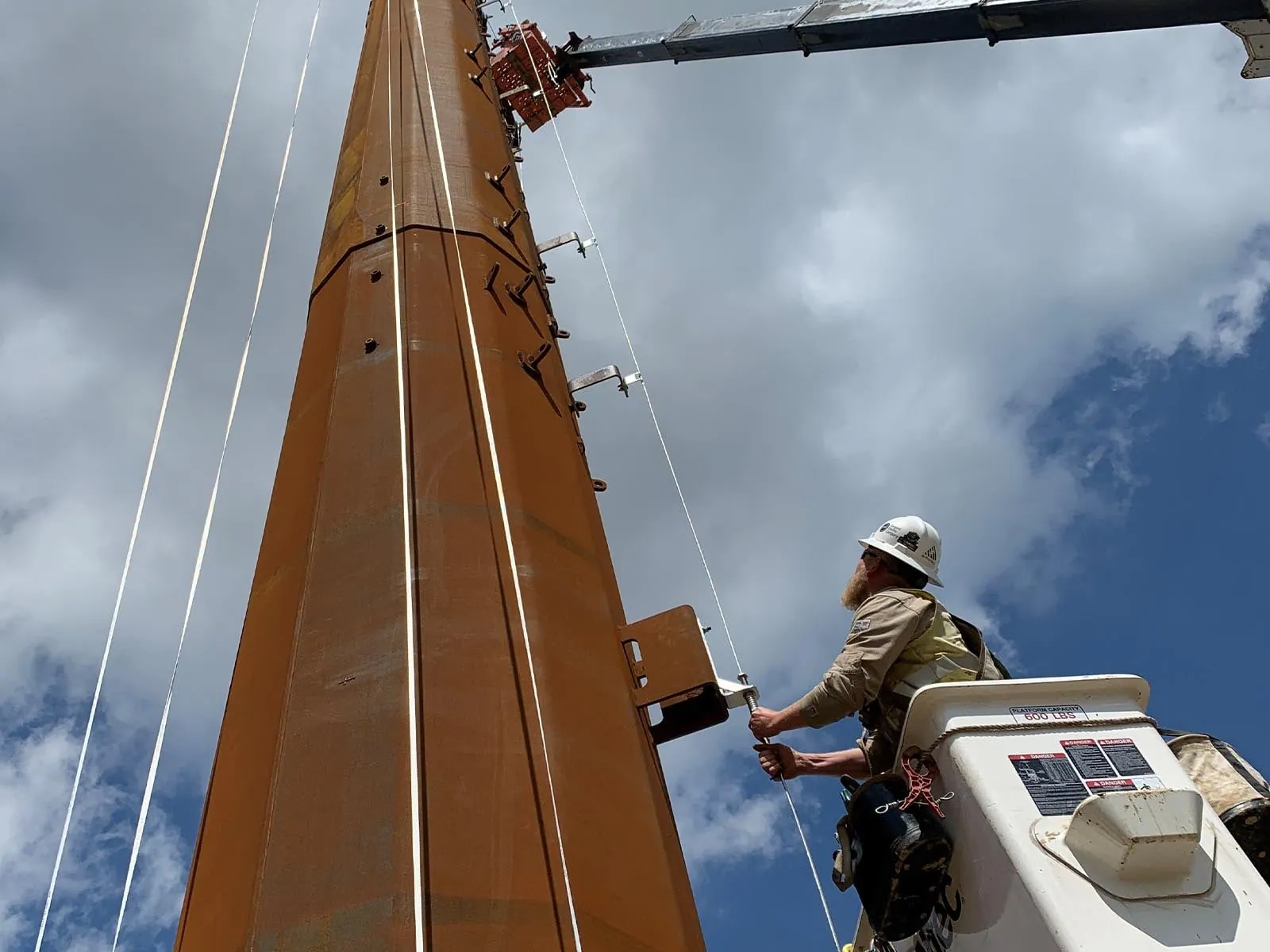
Energy & Utilities
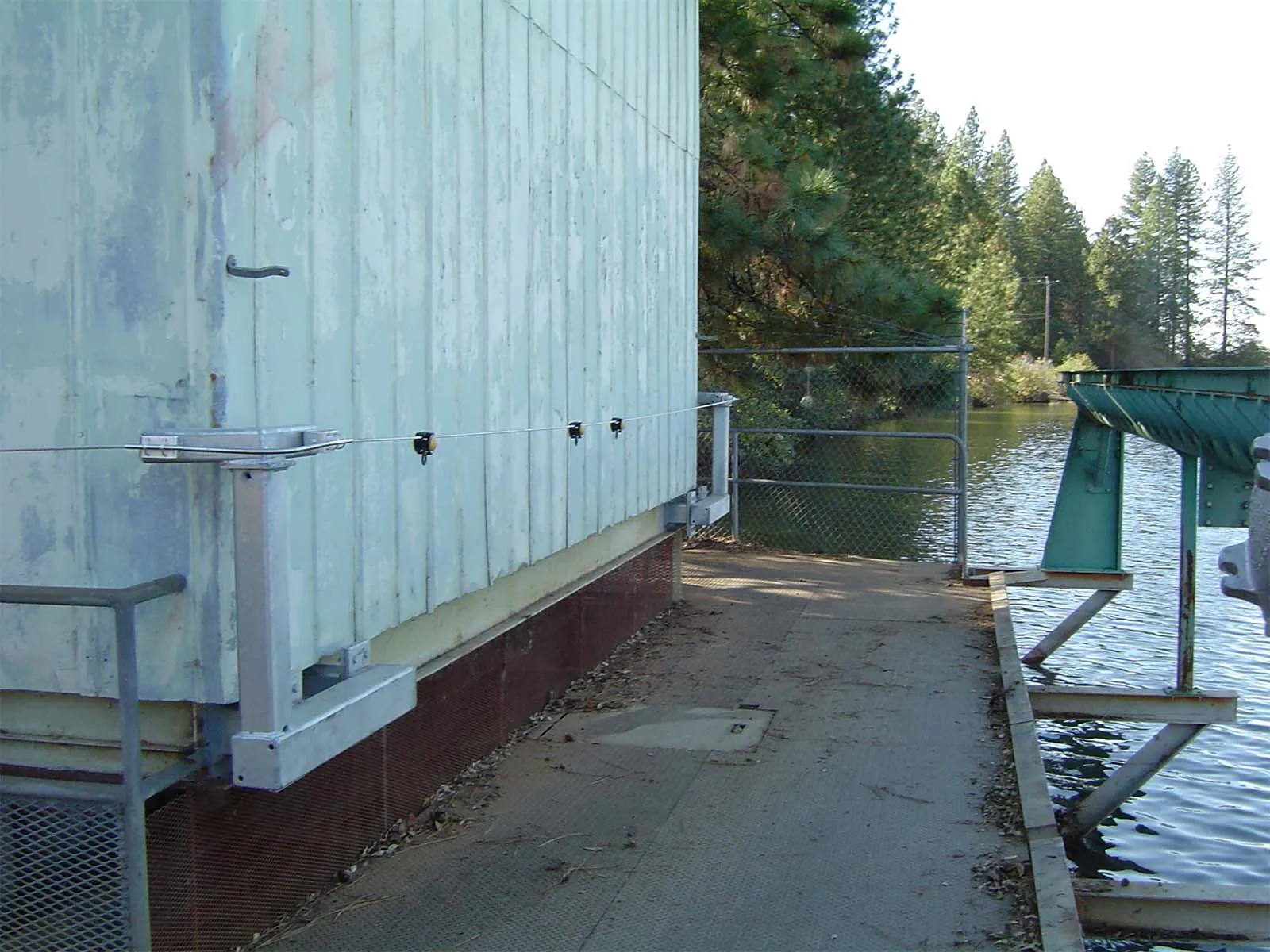
Infrastructure Development
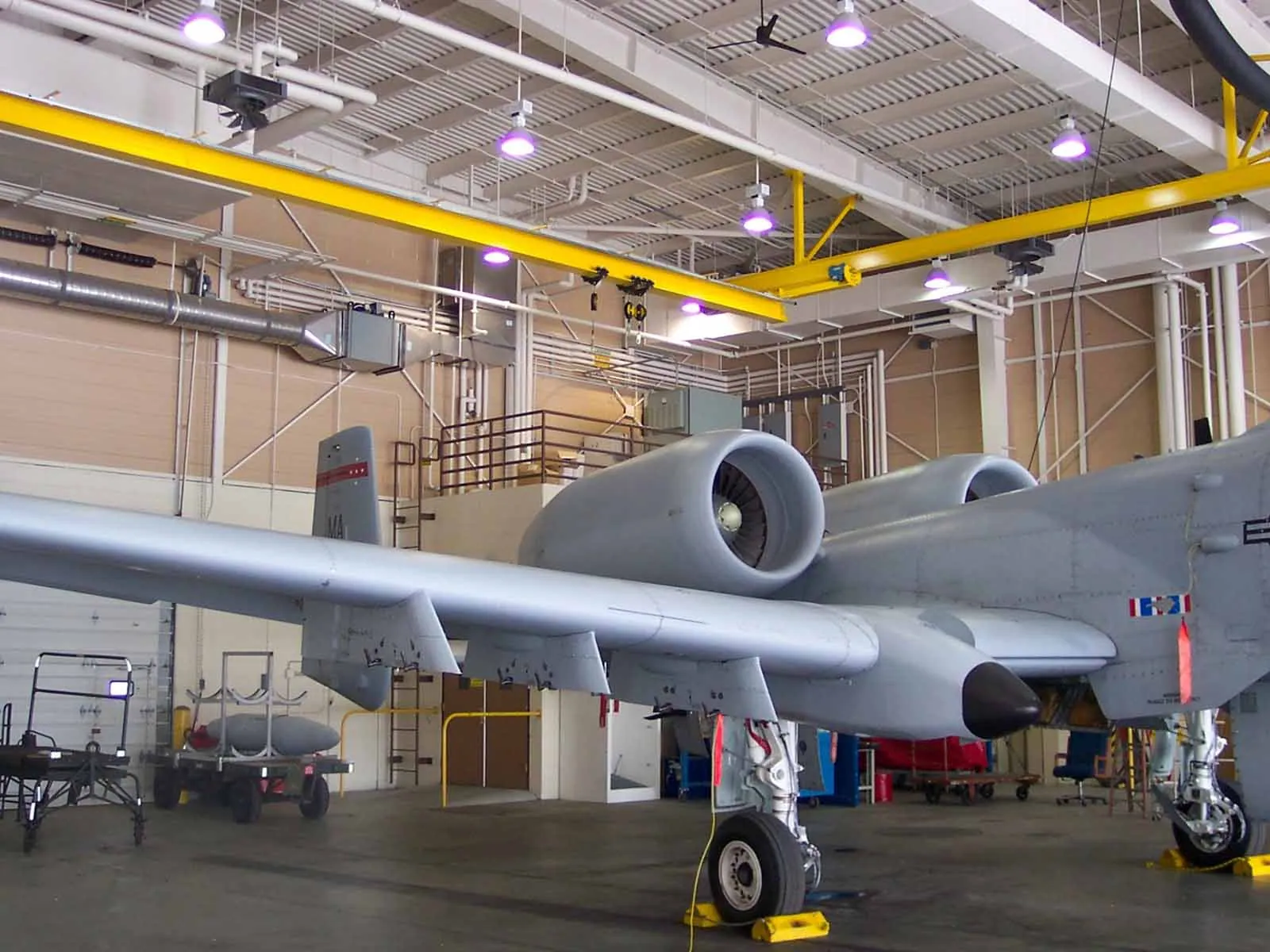
Government & Military
Where this system is used
Industries and applications that run on Non-Penetrating Roof Anchors
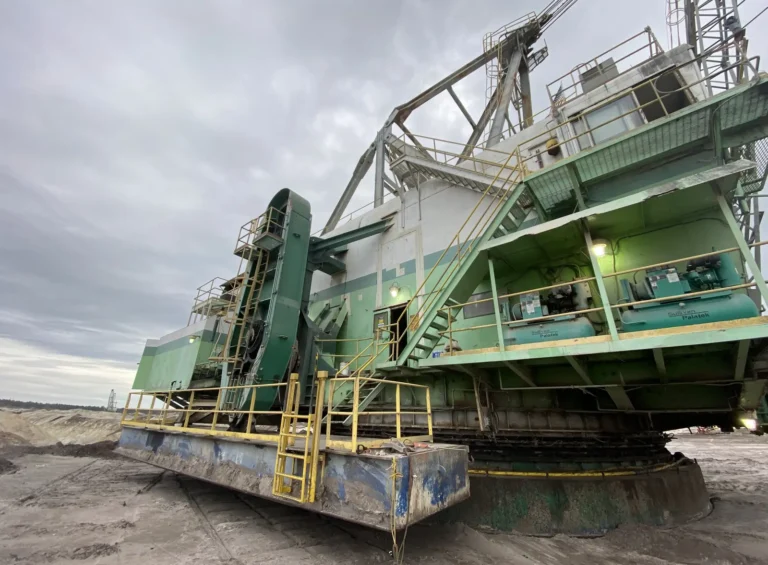
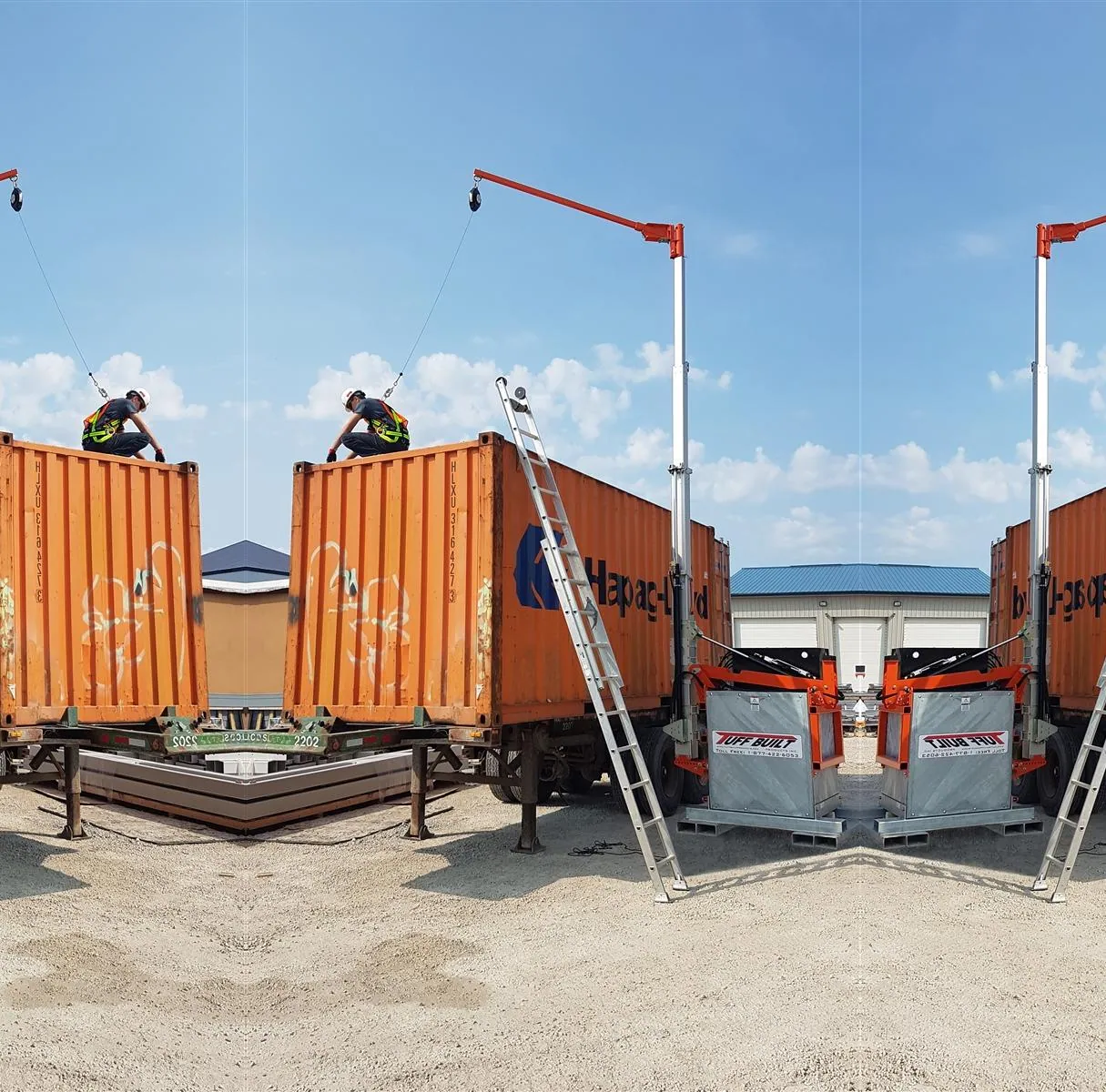
Downloads
Brochures & downloads
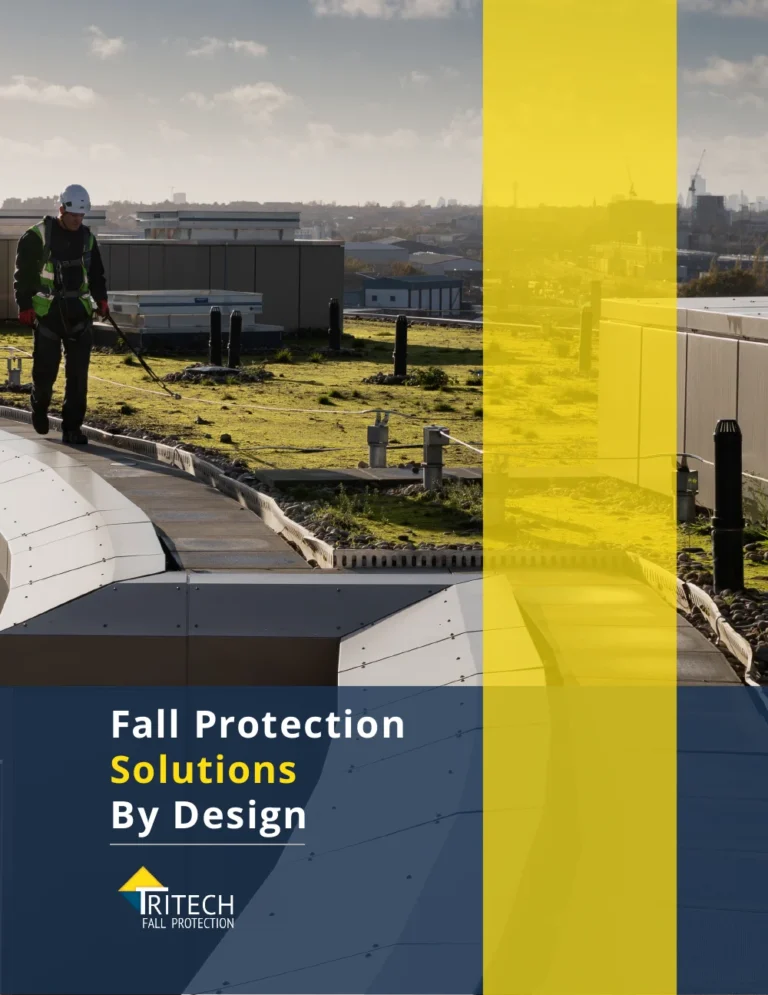
Brochure
Tritech Fall Protection Company Brochure
Tritech's company brochure: who engineers, supplies, installs and certifies your fall protection, and the 12 industries and applications we cover.
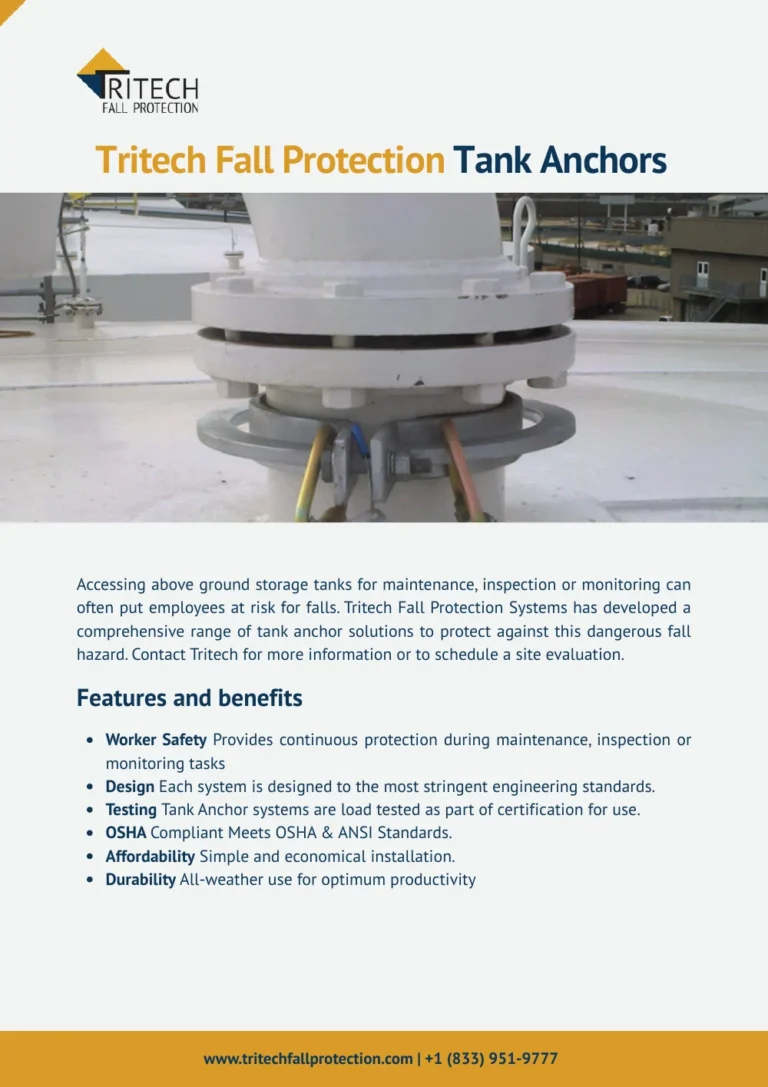
Product sheet
Tank Anchors Product Sheet
Product sheet for Tritech tank anchors: clamp-on anchors for above-ground storage tank flanges, plus a rail-and-trolley system for large flanges.
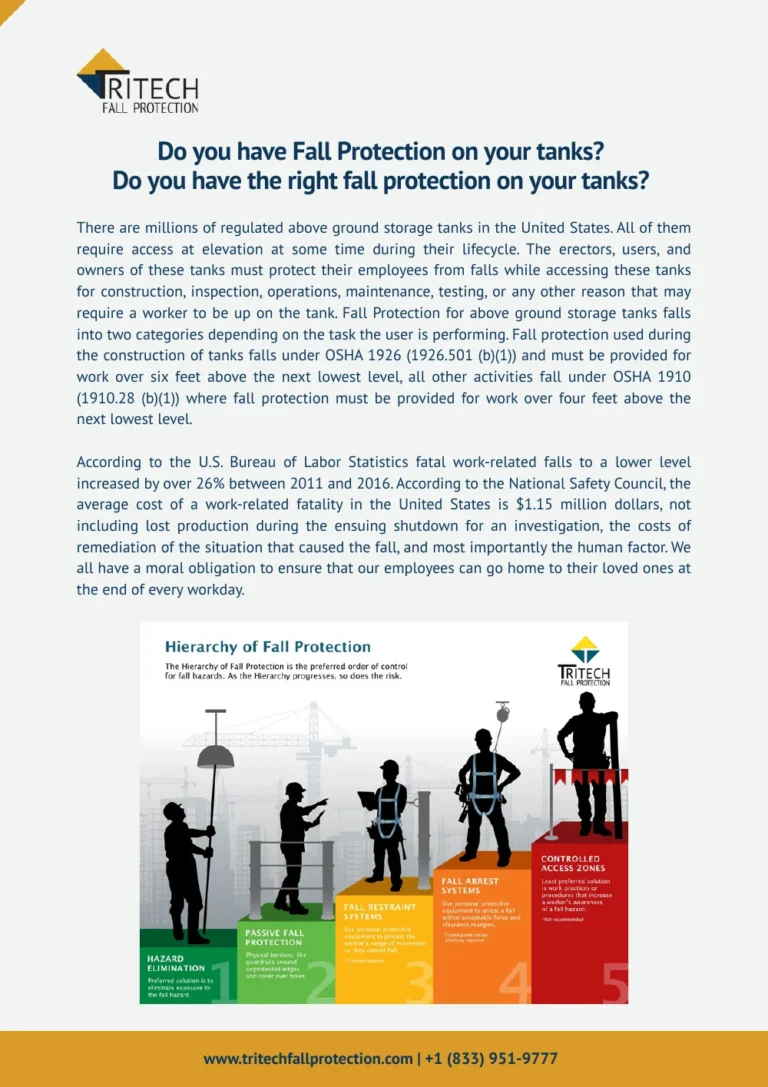
Guide
Above-Ground Storage Tank Fall Protection Guide
A guide for tank owners and operators on OSHA fall protection for above-ground storage tanks and where tank anchors fit in the ANSI Z359 hierarchy.

Brochure
Data Center Fall Protection Brochure
How Tritech protects data center roofs and yards: non-penetrating guardrail, access platforms, crossovers, stairs and ladder safety for mechanical equipment.
Answers to
Key Questions
What is the OSHA 5000 lb requirement?
OSHA requires an anchorage used for personal fall arrest to support at least 5,000 pounds for each employee attached, or to be designed, installed, and used under the supervision of a qualified person as part of a complete personal fall arrest system that maintains a safety factor of at least two (29 CFR 1910.140(c)(13) general industry; 29 CFR 1926.502(d)(15) construction). A non-penetrating roof anchor meets the rule through the engineered path: a qualified person designs the assembly so its weight and geometry resist the forces of a fall without bolting into the roof structure. The engineering documentation, not the absence of fasteners, is what proves compliance.
What is the minimum height for fall protection?
Under OSHA’s general industry standard, fall protection is required at 4 feet above a lower level (29 CFR 1910.28(b)(1)); in construction, the trigger is 6 feet (29 CFR 1926.501(b)(1)). Routine rooftop maintenance on an occupied building is general industry work, so the 4-foot trigger governs most of the tasks a non-penetrating roof anchor protects, and any roof edge is well past it.
What are the 4 types of fall protection?
Fall protection generally sorts into four approaches: elimination or prevention (removing the hazard or guarding it with passive systems like guardrails), fall restraint (keeping a worker back from the edge so a fall cannot start), fall arrest (stopping a fall in progress with a harness, connector, and anchor), and administrative controls (warning lines, training, and procedures). A non-penetrating roof anchor serves the restraint and arrest tiers on roofs where a passive guard is not practical and the owner cannot cut into the membrane.
What is the new OSHA standard for fall protection?
The 2016 update to OSHA 1910 Subpart D (Walking-Working Surfaces), effective January 2017, is the current general industry standard. It aligned general industry with construction, set the 4-foot trigger for facility work, and phased out fixed-ladder cages in favor of ladder safety and fall arrest systems. For building owners it put routine rooftop maintenance under a clear fall protection duty, which is the exposure non-penetrating anchors are typically installed to close. Tritech engineers each anchor to the roof type and documents the design basis for inspection.
CONTACT
Protect Workers—and Your Rooftop
Contact our team to explore non-penetrating anchor solutions that prioritize both safety and roof preservation.
Let’s Discuss Your Project
"*" indicates required fields
Not ready to talk yet? Download the Tritech Fall Protection Company Brochure