Home >
Fall Protection Resource Library
Case studies, articles, brochures, standards links, how-to videos and a glossary of fall protection terms, all in one place.
Nothing in the library matches that. Try a shorter word, or search the whole site: search the site →
Featured
Case studies and articles
-
 Case study
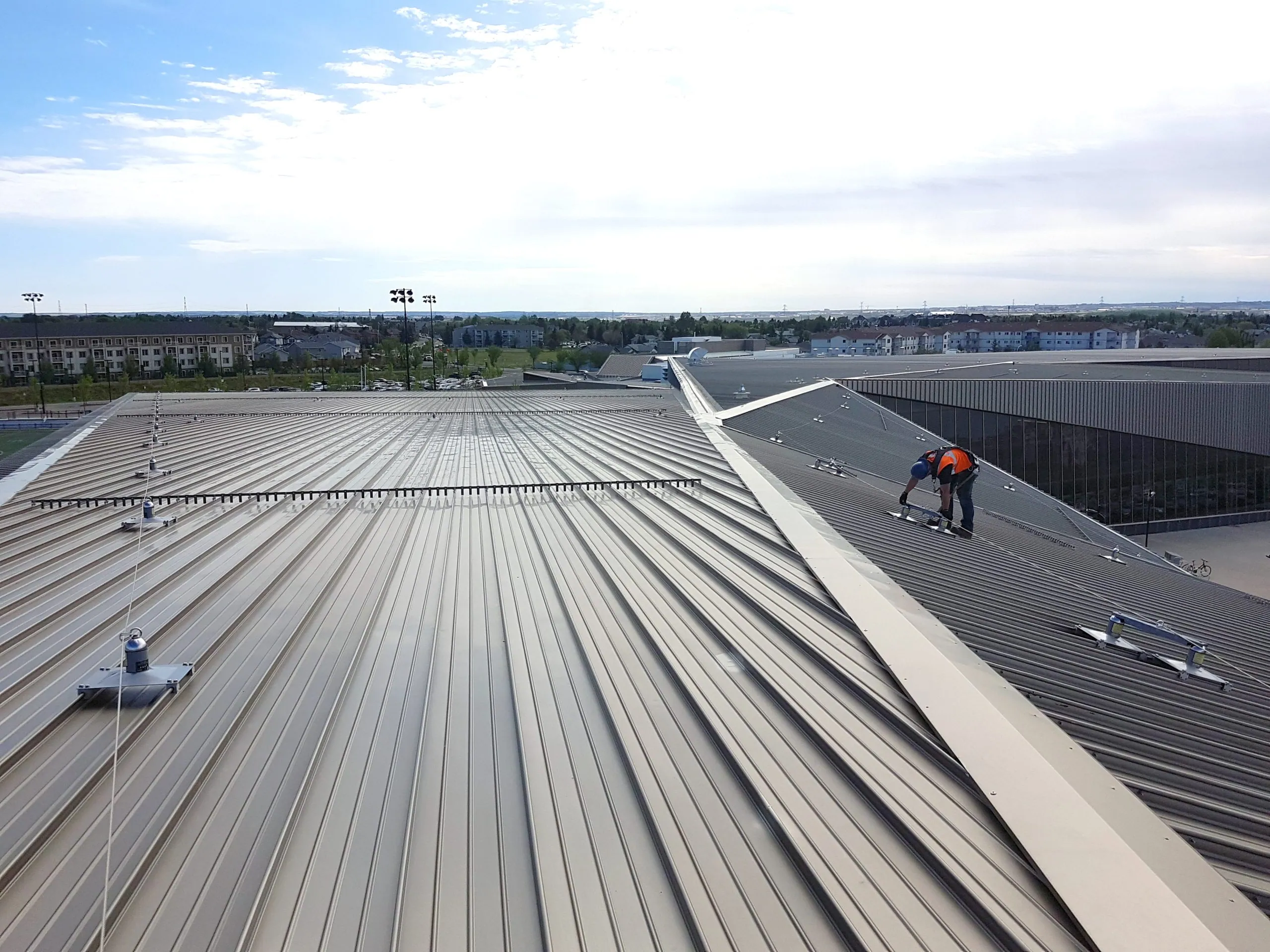
Fall Protection for Industrial Manufacturing, Aerospace & Defense
Florida's manufacturing corridors and aerospace and defense sites put people at height on process equipment, mezzanines, rooftops, loading docks, tanks and aircraft. How Tritech… Read case study →
-
 Case study
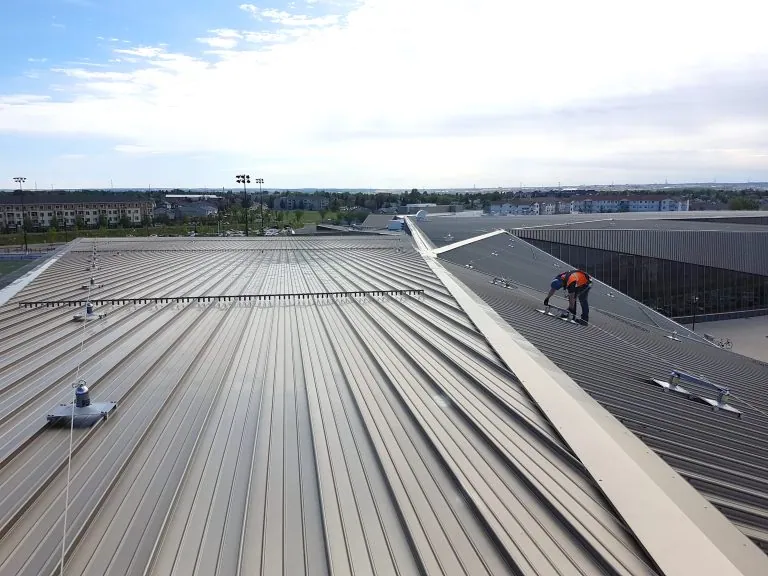
Roof Fall Protection for Healthcare Facilities in Florida
Florida's healthcare facilities operate in an environment where compliant fall protection is complicated by factors most other states simply do not face. Hurricane-force winds… Read case study →
-
 Case study
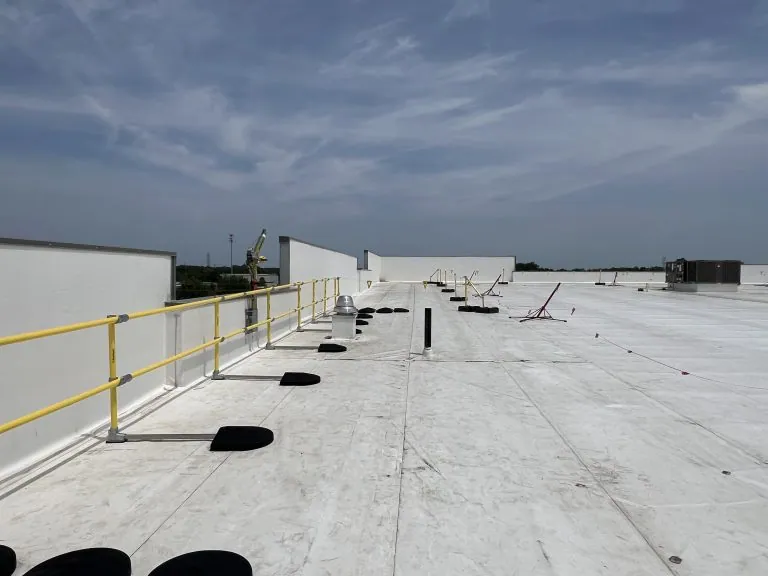
Distribution Facility — Michigan
A major distribution facility in Michigan required a compliant rooftop fall protection solution to support safe access for maintenance personnel and subcontractors. Tritech designed… Read case study →
-
 Article
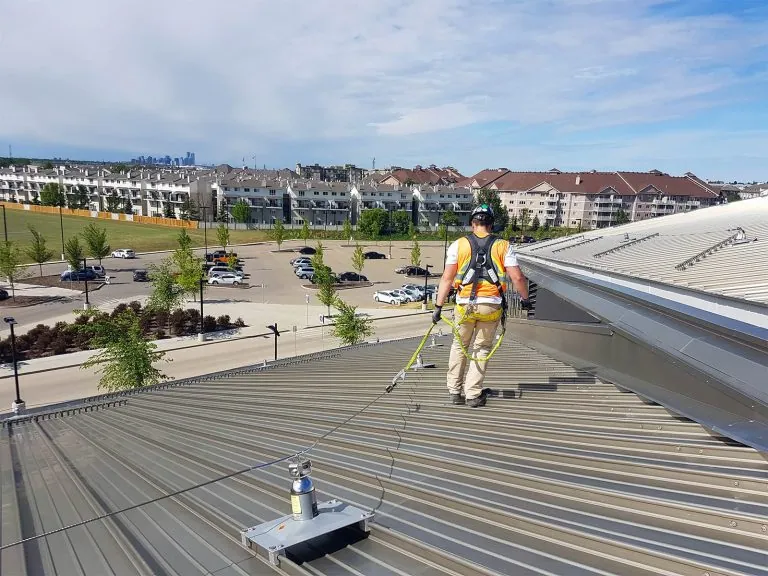
Roof Edge Fall Protection: Controlling One of the Most Common Rooftop Hazards
Roof edges are consistently among the most dangerous fall hazards at any commercial or industrial facility. Any worker who accesses a rooftop—for any reason—is… Read article →
-
 Article
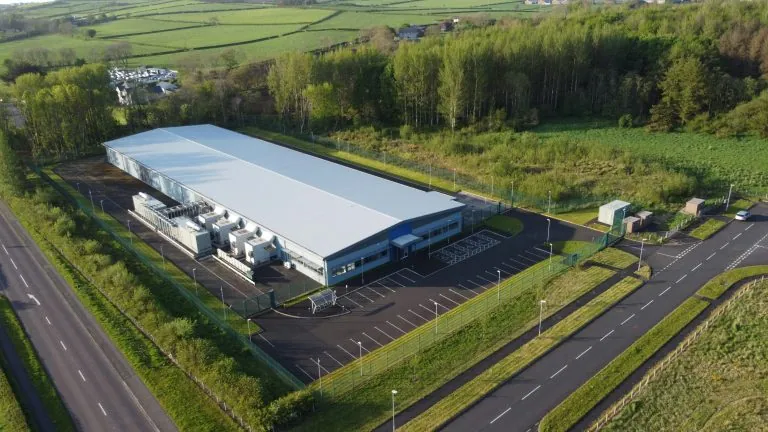
Fall Protection for Data Centers: Keeping Workers Safe in the AI Infrastructure Boom
Data center construction is the fastest-growing segment in the entire U.S. construction industry with over $88 billion in projects starting in the first half… Read article →
-
 Article
5 Critical Fall Protection Failures That Put Workers at Risk (And How to Prevent Them)
TL;DR Most fall protection failures come down to preventable mistakes: using unverified anchor points, miscalculating fall clearance, skipping inspections, choosing the wrong system for… Read article →
Downloads
Brochures and guides
Brochure
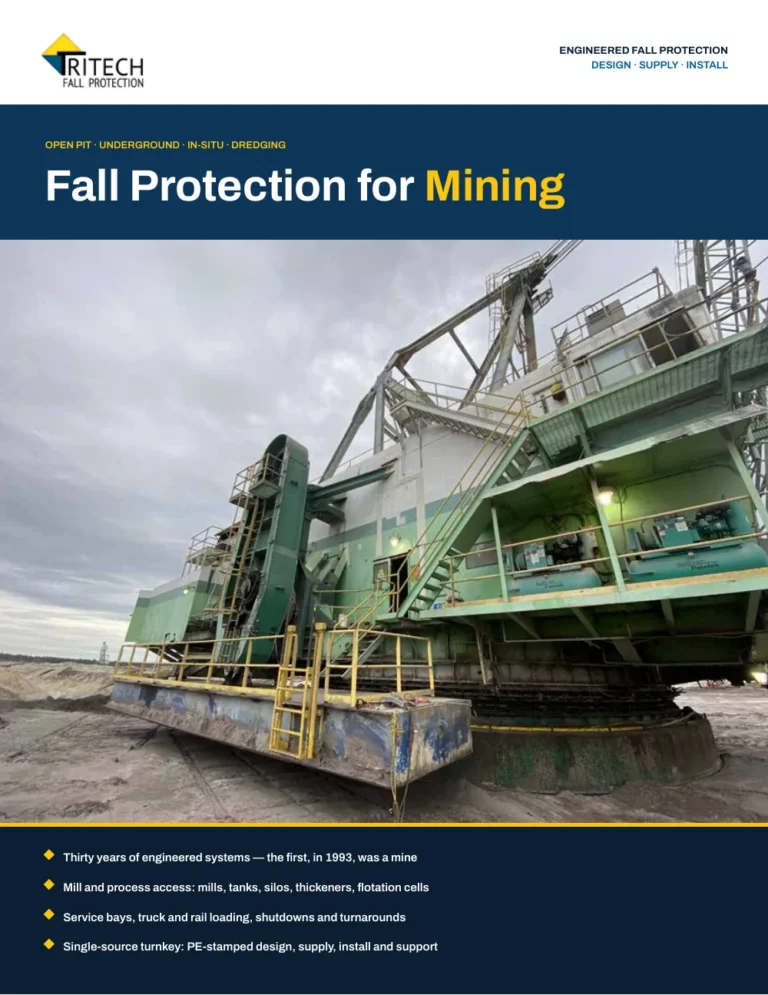
Mining Fall Protection Brochure
Fall protection for open pit, underground, in-situ and dredging sites: where mine exposure concentrates and the engineered systems Tritech installs for it.
Brochure
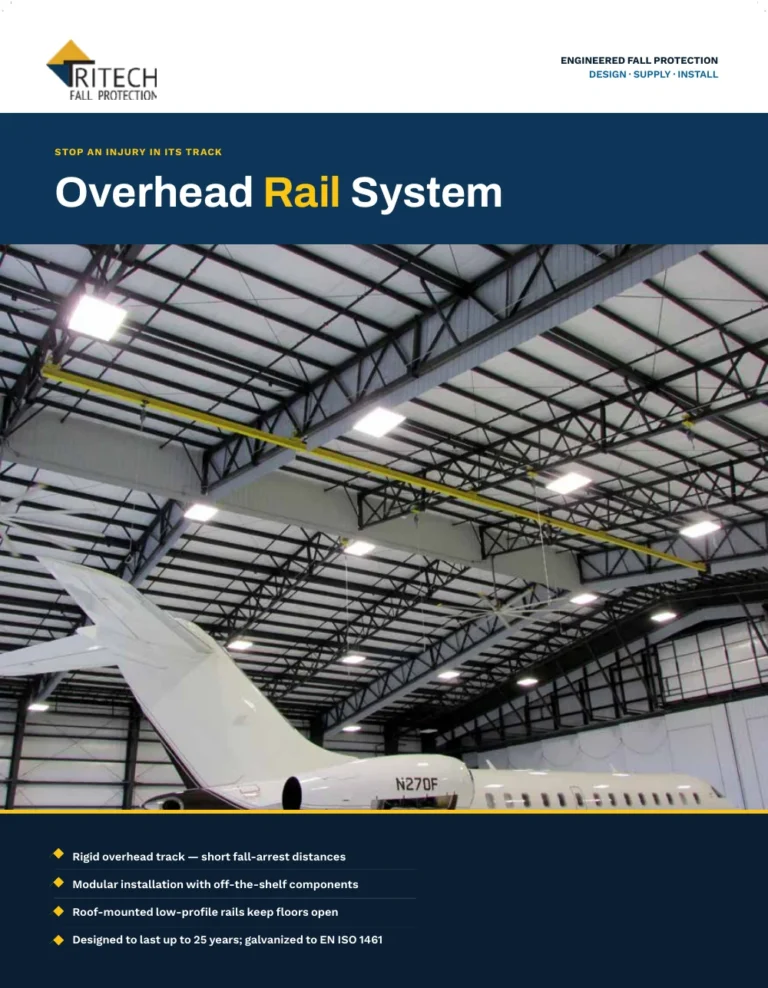
Overhead Rigid Rail System Brochure
Overhead rigid rail fall arrest for hangars, rail and truck loading and plants: short fall distances, open floors and a design life of up to 25 years.
Brochure
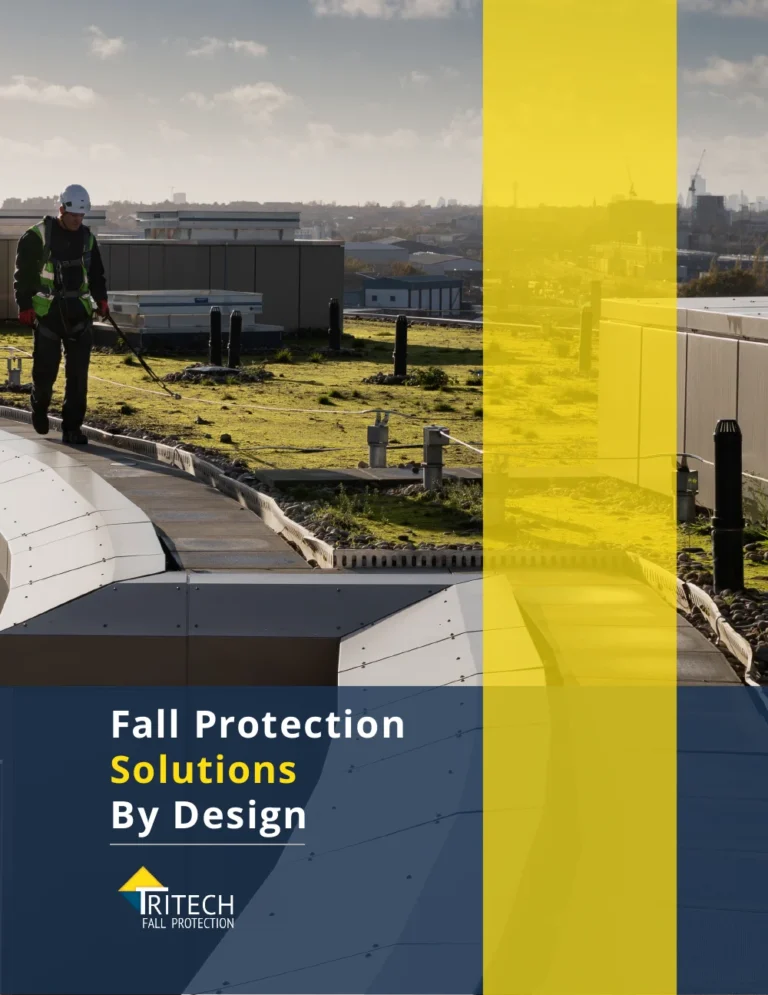
Tritech Fall Protection Company Brochure
Tritech's company brochure: who engineers, supplies, installs and certifies your fall protection, and the 12 industries and applications we cover.
Guide
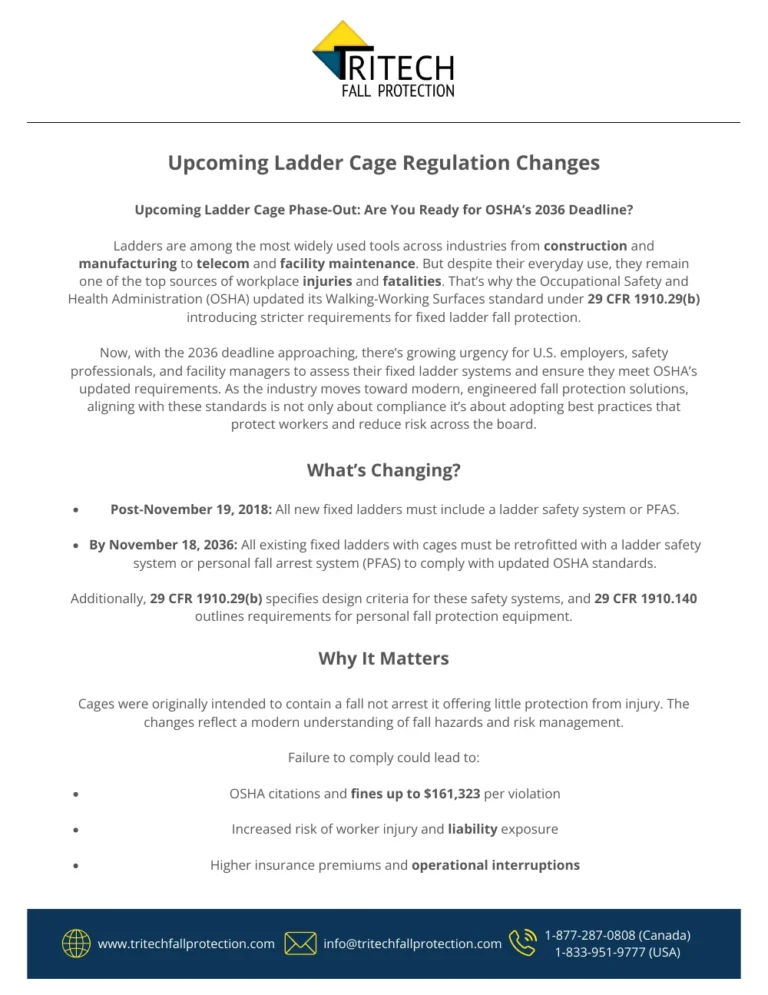
Fixed Ladder Cage Phase-Out: Meeting OSHA’s 2036 Deadline
OSHA is phasing out cages as fall protection on fixed ladders. Key dates, penalties, ladder safety system vs vertical lifeline, and a ladder survey sheet.
Standards
Standards and safety links
The standards bodies and regulators whose rules shape every system we design. These links leave our site.
- OSHA & Standards Fact Sheets Tritech — downloadable standards references
- OSHA Safety and Health Topics — Fall Protection osha.gov (opens in a new tab)
- OSHA Occupational Safety and Health Standards for General Industry osha.gov (opens in a new tab)
- OSHA 1910.28 — Walking-Working Surfaces: Duty to Have Fall Protection osha.gov (opens in a new tab)
- ANSI/ASSP Z359 Fall Protection Standards assp.org (opens in a new tab)
- American Society of Safety Professionals assp.org (opens in a new tab)
- CSA Group — Fall Protection Standards csagroup.org (opens in a new tab)
- Association of Workers’ Compensation Boards of Canada awcbc.org (opens in a new tab)
Glossary
Fall protection terms and definitions
Plain definitions of the terms used in fall protection plans, drawings and inspections.
Anchor
A secure point of attachment for lifeline or lanyard.
Anchorage
A secure means of attachment to check if the personal fall arrest system is connected.
Attachment Point
A loop or “D” ring connected (integrally) to the body support that provides a means for attachment of other components of the fall protection system.
Body Harness
Means straps, which may be secured about the worker in a manner that will distribute the fall arrest forces over at least the thighs, pelvis, waist, chest and shoulders with means for attaching it to other components of a personal fall arrest system.
Carabiner
A link with a gate that is normally closed or that automatically closes, and is used to connect components of a personal fall protection system.
Connector
A device which is used to couple (connect) parts of the personal fall arrest system and positioning device systems. It may be an independent component of the system, such as a carabiner, or it may be an integral component of part of the system (such as a buckle or D-ring sewn into a body belt or body harness, or a snap-hook spliced or sewn to a lanyard or self-retracting lanyard).
D Ring
A form of attachment point on body belts and fully body harnesses meant for attachment of other components of a fall protection and positioning system.
Fall Arrest System
A system that will stop a worker’s fall before the worker hits the surface below.
Fall Prevention System
Those systems and techniques that eliminate the possibility of a fall.
Fall Protection System
Any of the following when used to protect a worker from a fall or minimize the risk from falling: Guardrails, Safety belt or a full body harness with a lanyard and/or lifeline and an anchor, and their related equipment, Safety net, Control zone, Safety monitor with a control zone, and other acceptable procedures.
Click here to learn more about it.
Fall Protection Solutions
Any combination of engineered systems, services, and strategies designed to keep workers safe at height, including:
Hazard assessments and site-specific planning
Engineered systems such as guardrails, lifelines, anchors, and platforms, Training and compliance support, Turnkey design, supply, and installation, Industry-specific approaches (rooftop, railcar, aircraft, manufacturing, energy, etc.), Ongoing inspection and maintenance programs
Fall Restraint System
A work positioning system to prevent a worker from falling from a work position, or a travel restriction system such as guardrails or a personal fall protection system to prevent a worker from traveling to an edge from which the worker could fall.
Full Body Harness
A body support device consisting of connected straps designed to distribute a fall arresting force over at least the thigh, shoulders and pelvis, with provision for attaching a lanyard, lifeline or other components.
Horizontal Lifeline System
A system composed of a synthetic or wire rope installed horizontally between two anchors, to which a worker attaches a personal fall protection system.
Lanyard
A flexible line of webbing, synthetic rope or wire rope that is used to secure a safety belt or full body harness to a lifeline or anchor.
Lifeline
A synthetic or wire rope, rigged from one or more anchors, to which a worker’s lanyard or other part of a personal fall protection system is attached.
Personal Fall Arrest System
A system used to arrest an employee in a fall from a working level. It consists of an anchorage, connectors, a body belt or body harness and may include a lanyard, deceleration device, lifeline or suitable combinations of these. As of January 1, 1998, the use of a body belt for fall arrest is prohibited.
Rope Grab
A deceleration device which travels on a lifeline and automatically, by friction, engages the lifeline and locks so as to arrest the fall of an employee. A rope grab usually employs the principle of inertial locking, cam/level locking or both (also referred to as a fall arrester).
Self-Retracting Lifeline/Lanyard
A deceleration device containing a drum-wound line, which can be slowly extracted from, or retracted onto, the drum under slight tension during normal worker movement, and which, after onset of a fall, automatically locks the drum and arrests the fall.
Shock Absorber
A device intended to to limit the deceleration forces exerted on a worker during fall arrest.
Snap Hooks
A connector comprised of a hook-shaped member with a normally closed keeper, or similar arrangement, which may be opened to permit the hook to receive an object and, when released, automatically closes to retain the object.
Videos
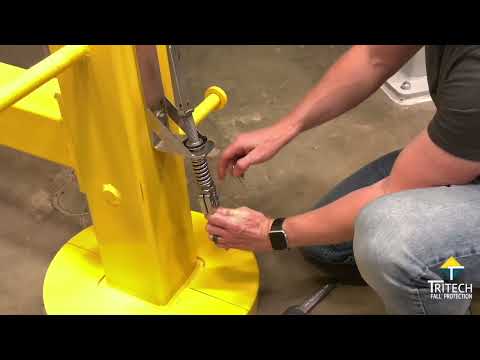
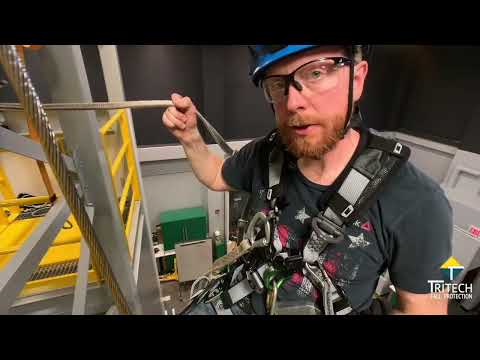
Vertical lifeline how-to videos

Can’t find what you need?
Tell us about the hazard and we’ll point you to the right standard, system or person.