


SOLUTIONS
Custom-Engineered Anchor Points
Tailored Fall Protection for Unusual or Complex Work Conditions
Designed Around Your Facility
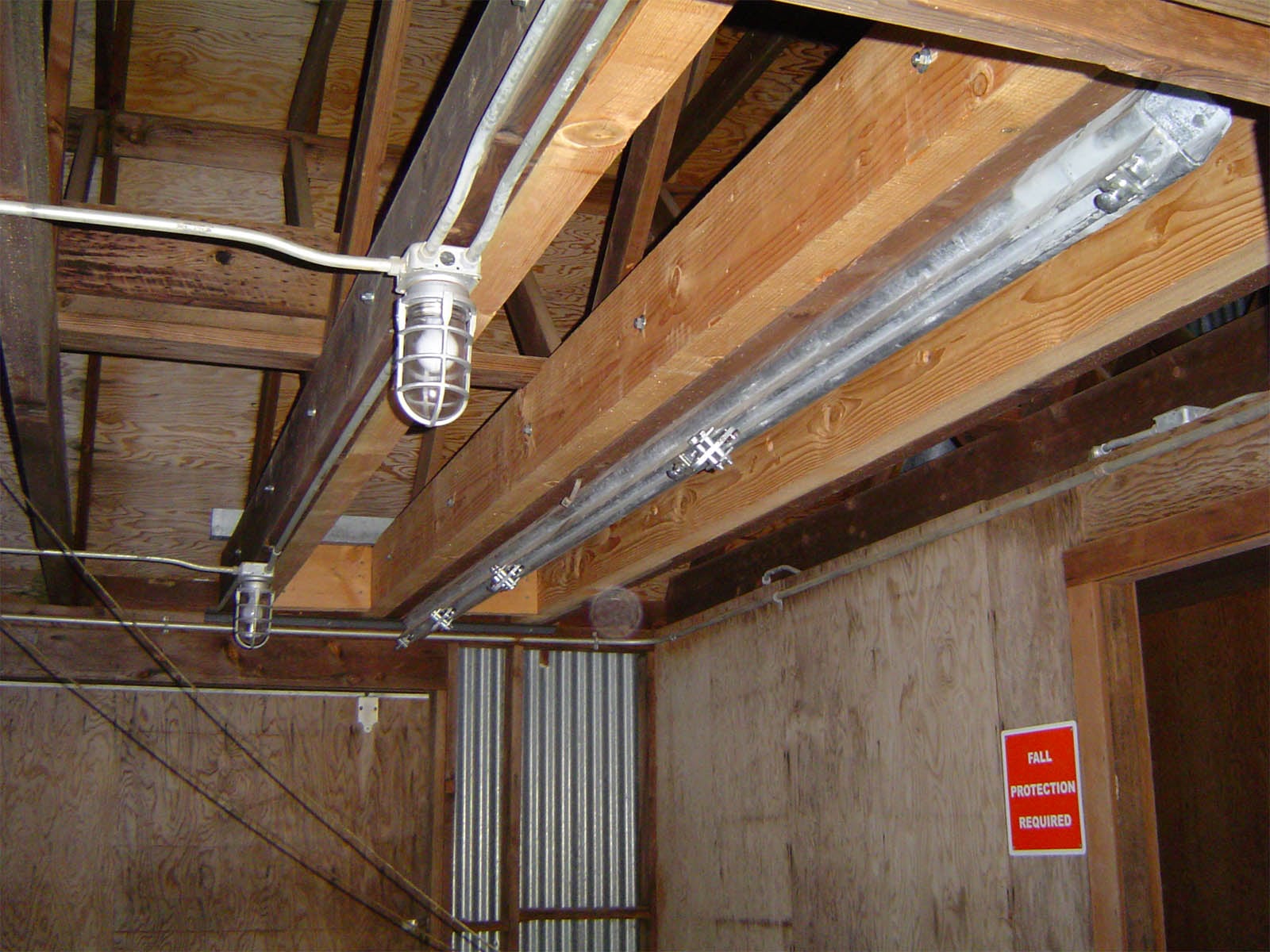
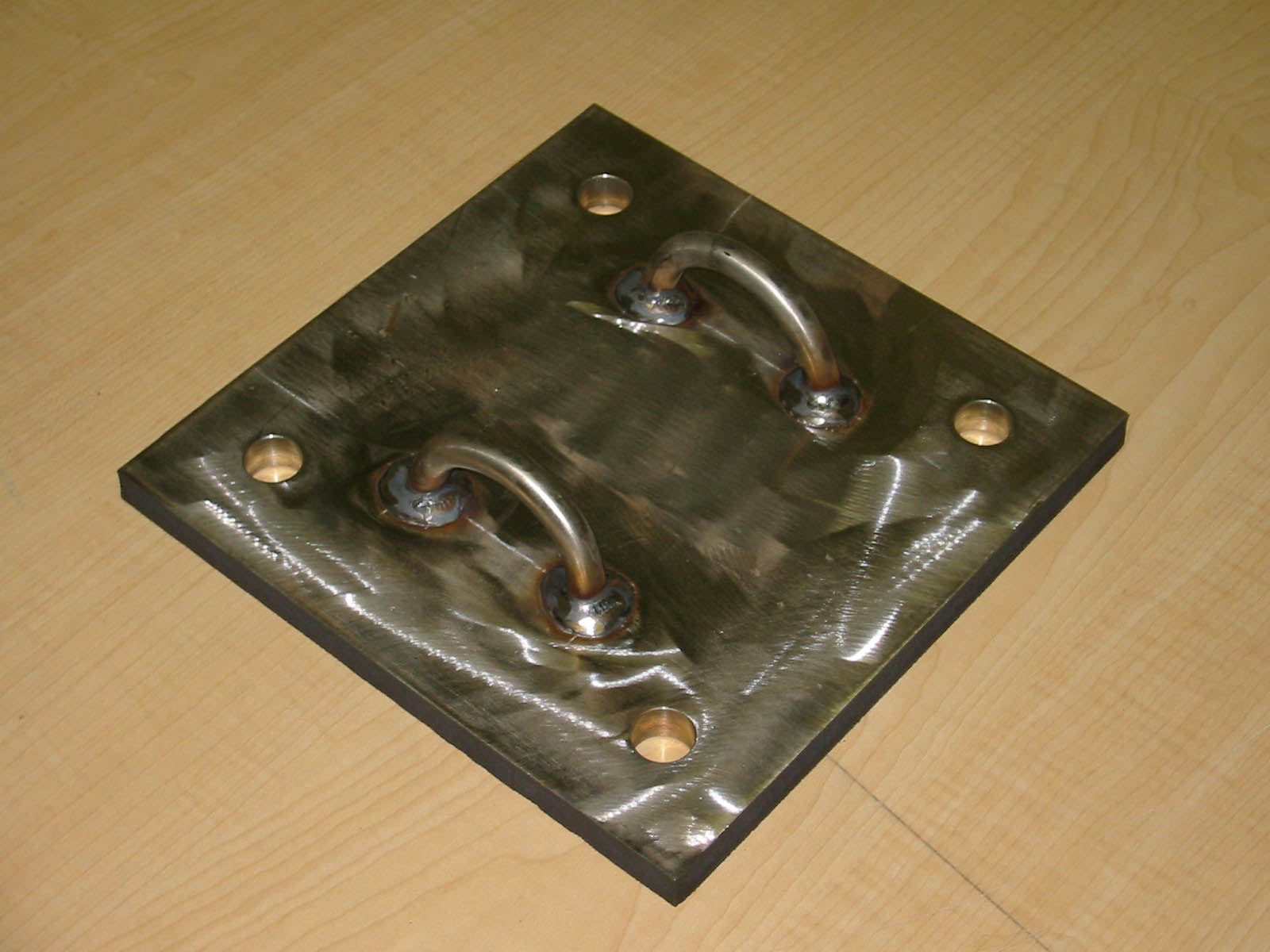
We assess your site and create anchor points that integrate into your existing structure, no matter the layout or surface.
Engineered for Safety and Compliance
Each anchor system is designed to meet OSHA and ANSI standards while addressing the unique risks of your worksite.
Versatile Applications
Ideal for complex rooftops, tall structures, or jobs that require anchorage in non-standard locations or materials. Also well-suited for congested areas with obstructions or limited space where traditional lifeline systems aren’t practical.


PROBLEMS WE SOLVE
When Off-the-Shelf Anchors Just Don’t Work
Some sites require more than a standard solution. Whether you’re dealing with irregular rooftops, specialty materials, or large industrial equipment, our custom anchors are engineered to keep your team safe without compromising on performance or compliance.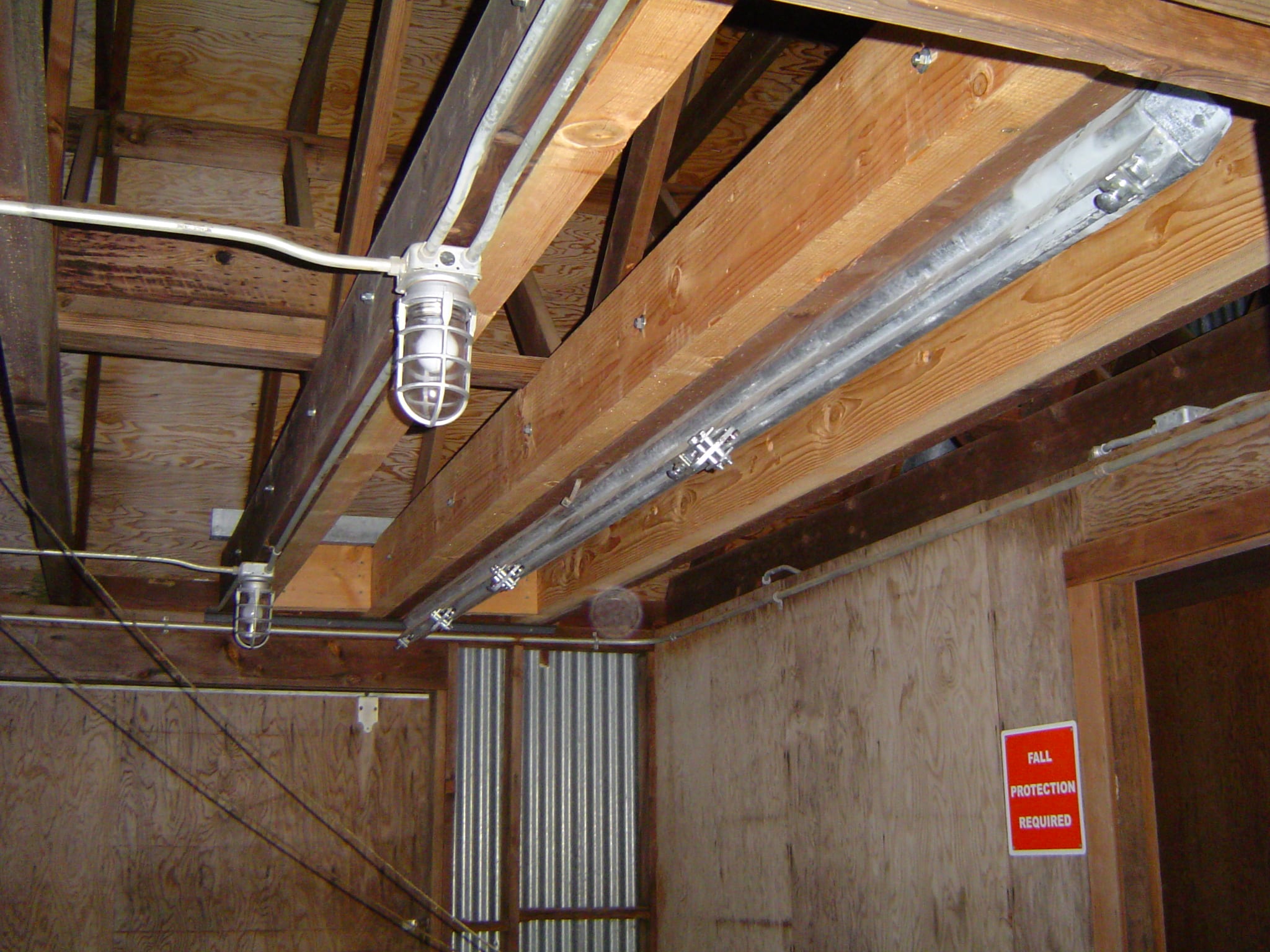
Areas of Application for Custom Anchors
- Infrastructure Development
- Manufacturing & Industrial Facilities
- Energy & Utilities
- Government & Military
- Chemical Plants

Infrastructure Development

Manufacturing & Industrial Facilities

Energy & Utilities
Government & Military

Chemical Plants


Answers to
Key Questions
What does PE stamped drawing mean?
A PE-stamped drawing is an engineering drawing signed and sealed by a licensed Professional Engineer who certifies that the design meets the governing standards and the loads at the specific site. For a custom anchor there is no catalog rating to fall back on, so the stamped drawing is the document that establishes what the anchor is rated to do and on what structure. OSHA’s qualified-person provisions (for example, 29 CFR 1926.502(d)) are commonly satisfied by PE-engineered designs, which is why a custom anchor should never be delivered without one.
What is the OSHA 5000 lb requirement?
OSHA requires an anchorage used for personal fall arrest to support at least 5,000 pounds for each employee attached, or to be designed, installed, and used under the supervision of a qualified person as part of a complete personal fall arrest system that maintains a safety factor of at least two (29 CFR 1910.140(c)(13) general industry; 29 CFR 1926.502(d)(15) construction). Custom anchors comply through the engineered path by definition: a qualified person designs the anchor for the specific structure, connection, and fall forces, then documents it. Tritech designs, engineers, and fabricates custom anchors when standard hardware does not fit the structure or the task.
What is the new OSHA standard for fall protection?
The 2016 update to OSHA 1910 Subpart D (Walking-Working Surfaces), effective January 2017, is the current general industry standard: it aligned general industry with construction, set the 4-foot trigger for facility work, and phased out fixed-ladder cages in favor of ladder safety and fall arrest systems. It pushed many facilities to add engineered tie-off points in places standard products were never designed for, which is where custom anchors come in.
CONTACT
Custom Fall Protection Starts with the Right Anchor
Let us help you design a system built specifically for your site, your team, and your safety requirements.
Let’s Discuss Your Project
"*" indicates required fields