SOLUTIONS
Pallet/Mezzanine Gates
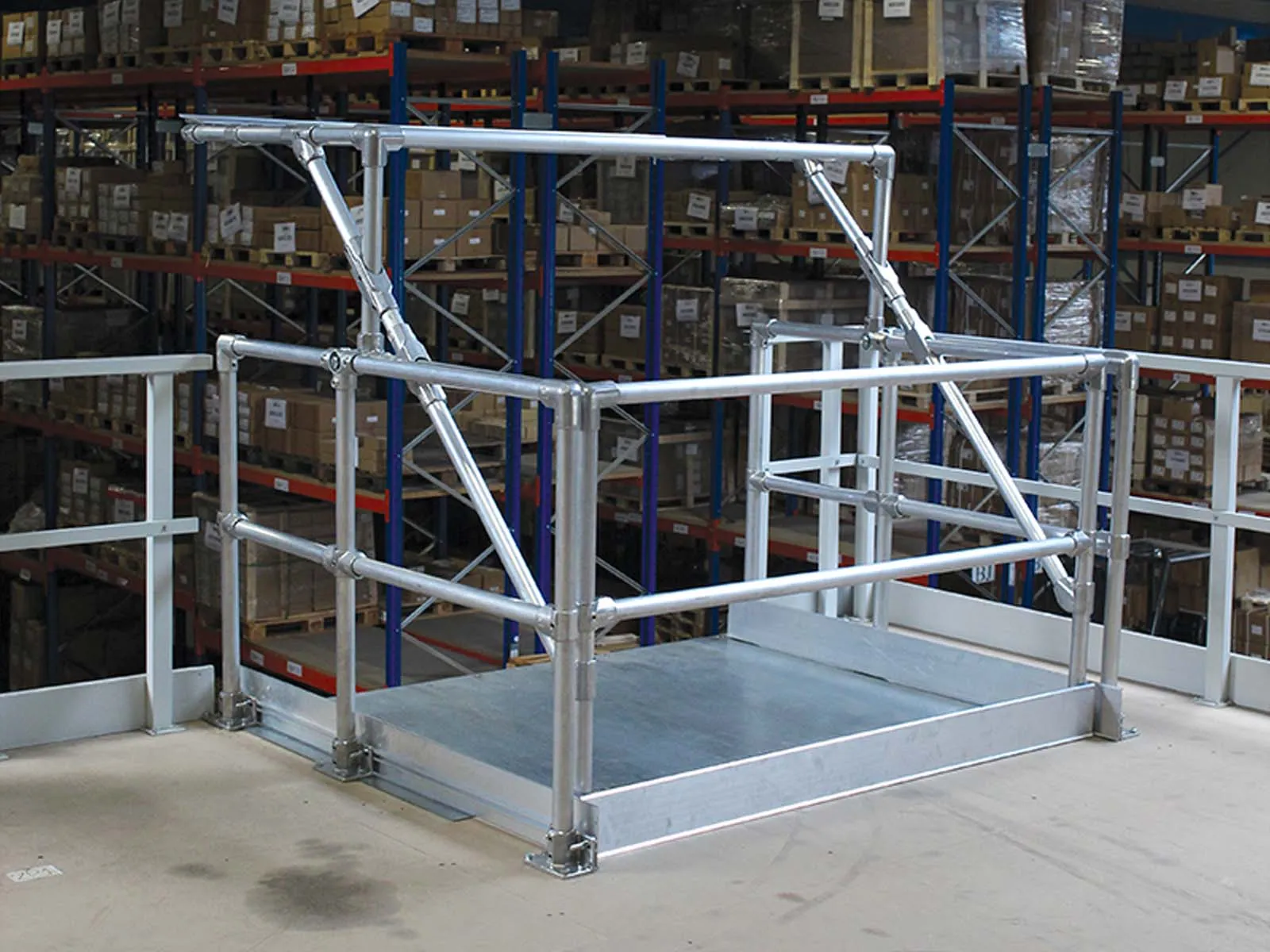
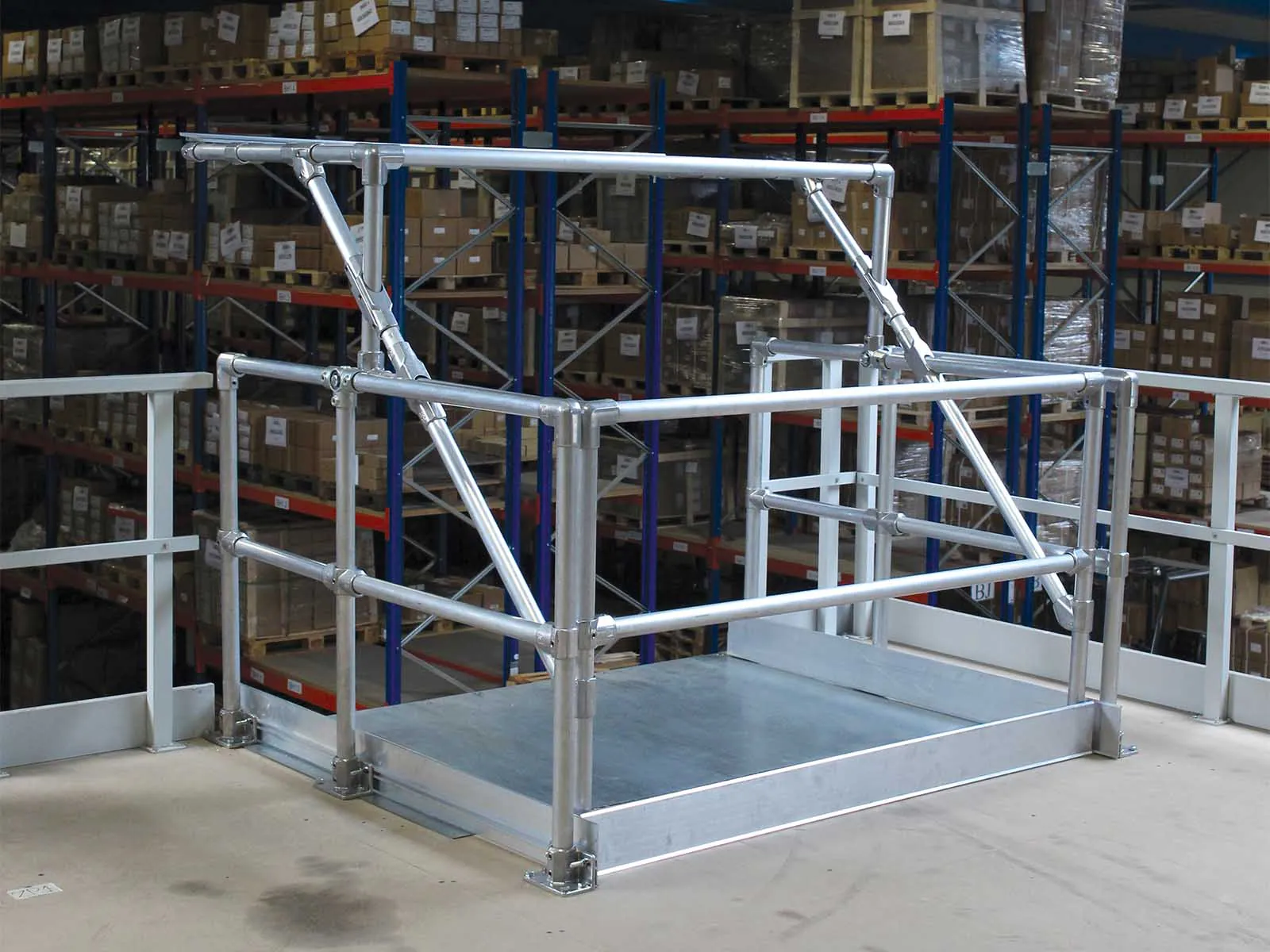
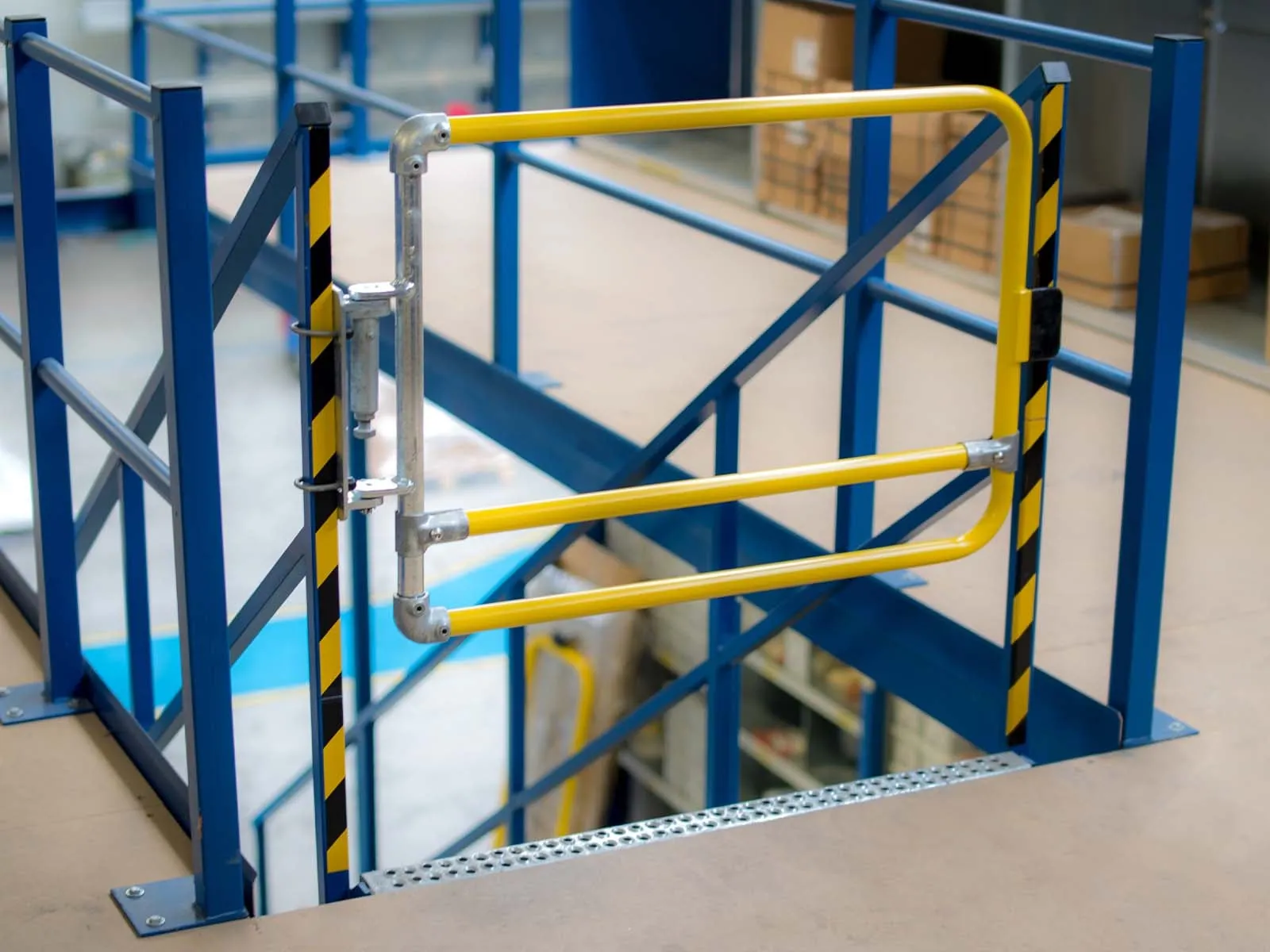
A Hands-Free, Worry-Free Safety Gate for Elevated Work Areas
Dual-Gate System
Designed to maintain continuous protection, this gate automatically opens on one side while closing on the other, ensuring a safe barrier remains in place at all times.
Heavy-Duty & Adjustable
Built to withstand industrial use, the system is available in multiple sizes and configurations to accommodate different pallet and mezzanine layouts.
OSHA & ANSI Compliance
Meets OSHA for fall protection and is independently tested to ANSI standards.
PROBLEMS WE SOLVE
Minimizing Fall Risks in Material Handling Areas
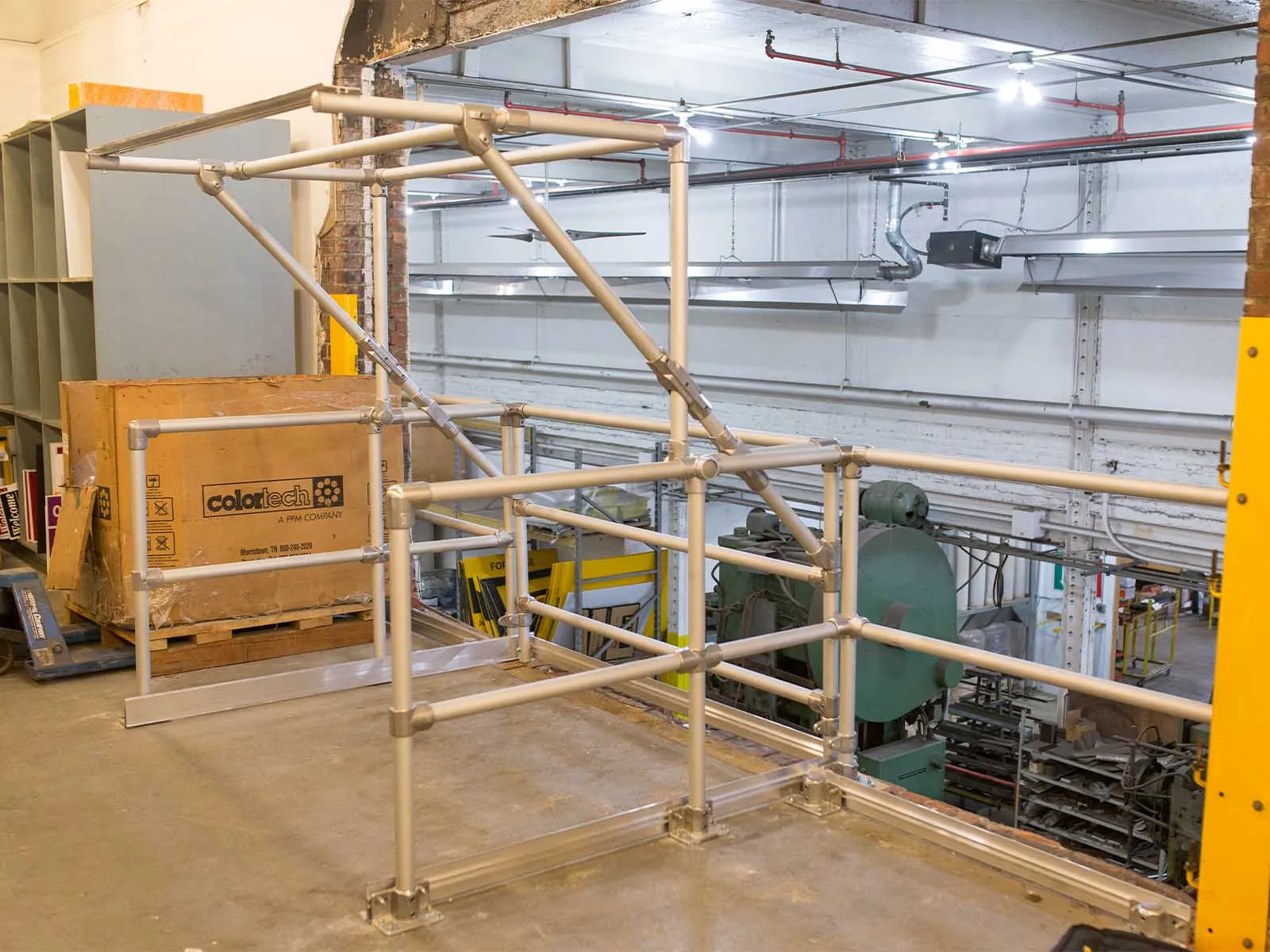
Traditional loading zones require workers to remove guardrails, exposing them to open edges and serious fall hazards. A pallet/mezzanine gate ensures constant protection, eliminating the need for manual barriers while keeping workflow efficient.
Areas of Application for Pallet/Mezzanine Gates
- Manufacturing
- Supply Chain Management
- Railcar and Transportation
- Infrastructure Development
- Energy and Utilities
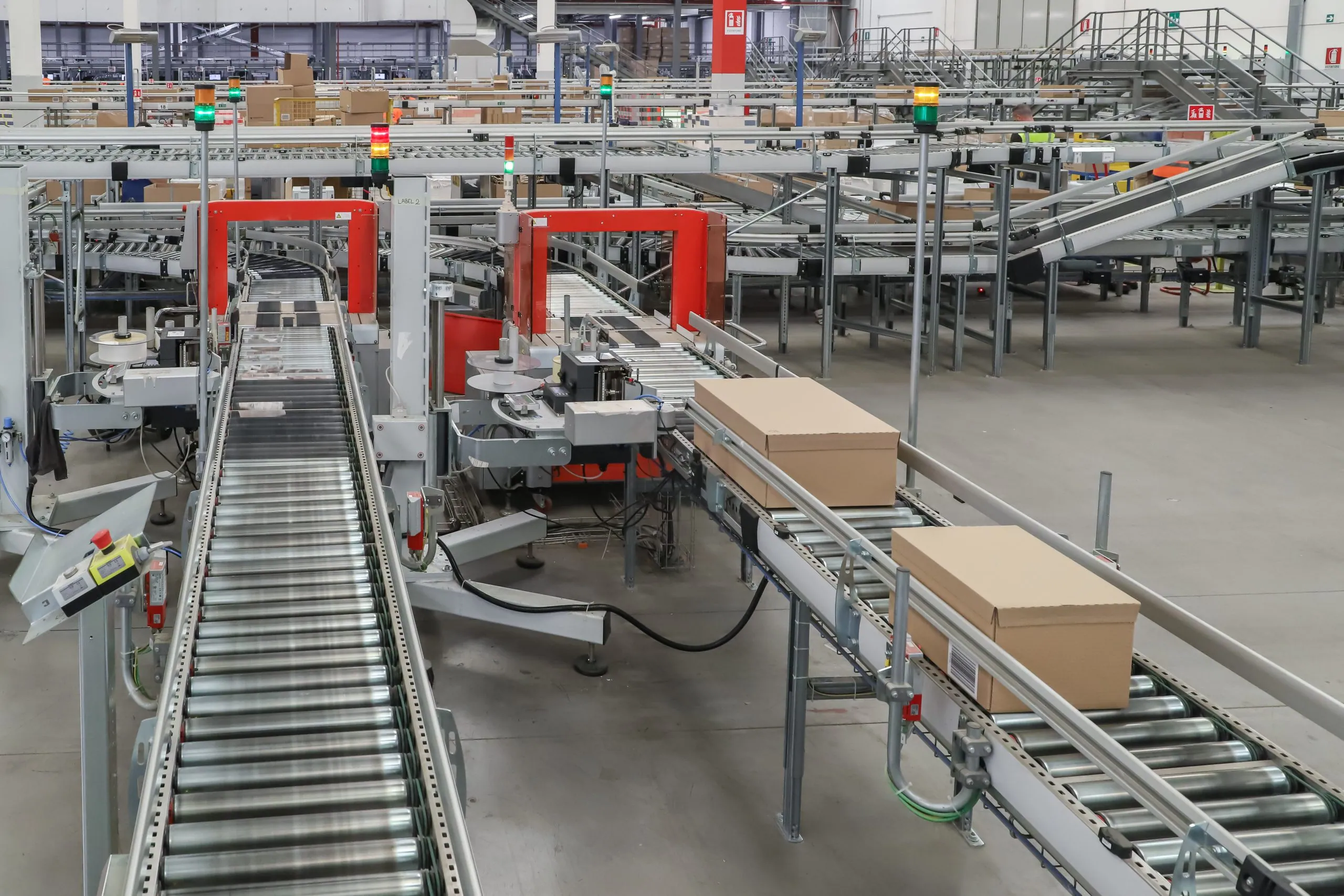
Manufacturing
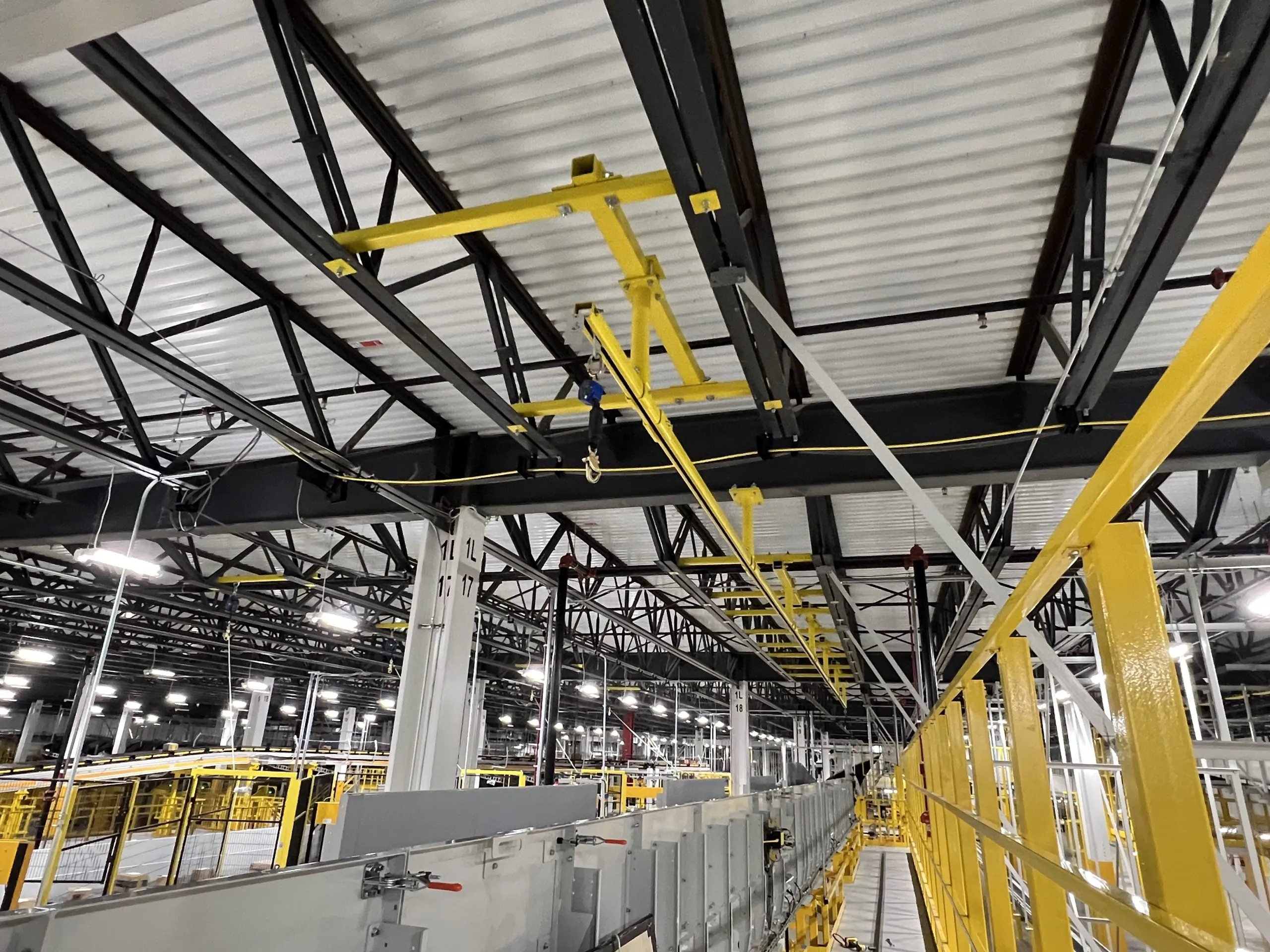
Supply Chain Management
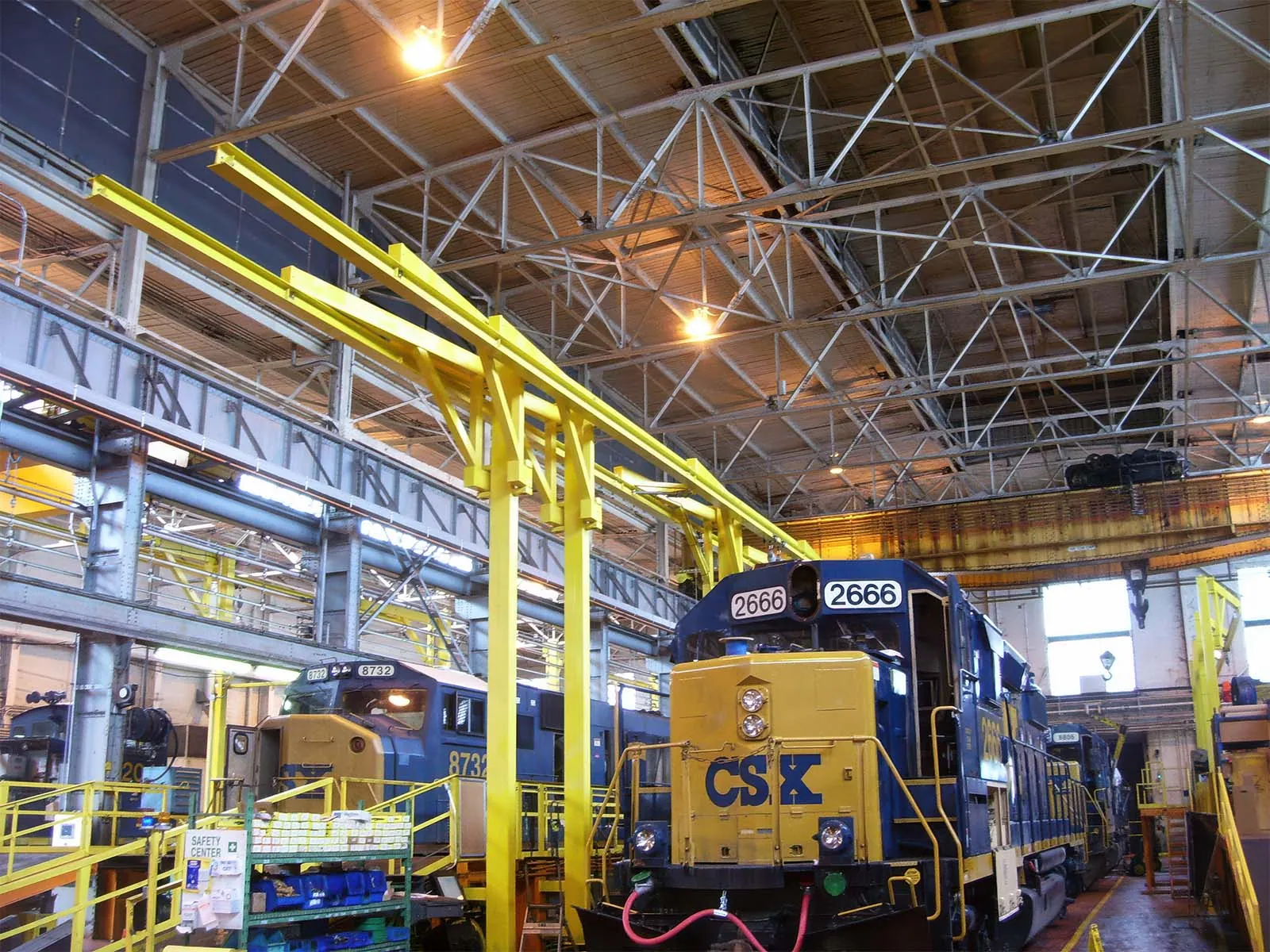
Railcar and Transportation
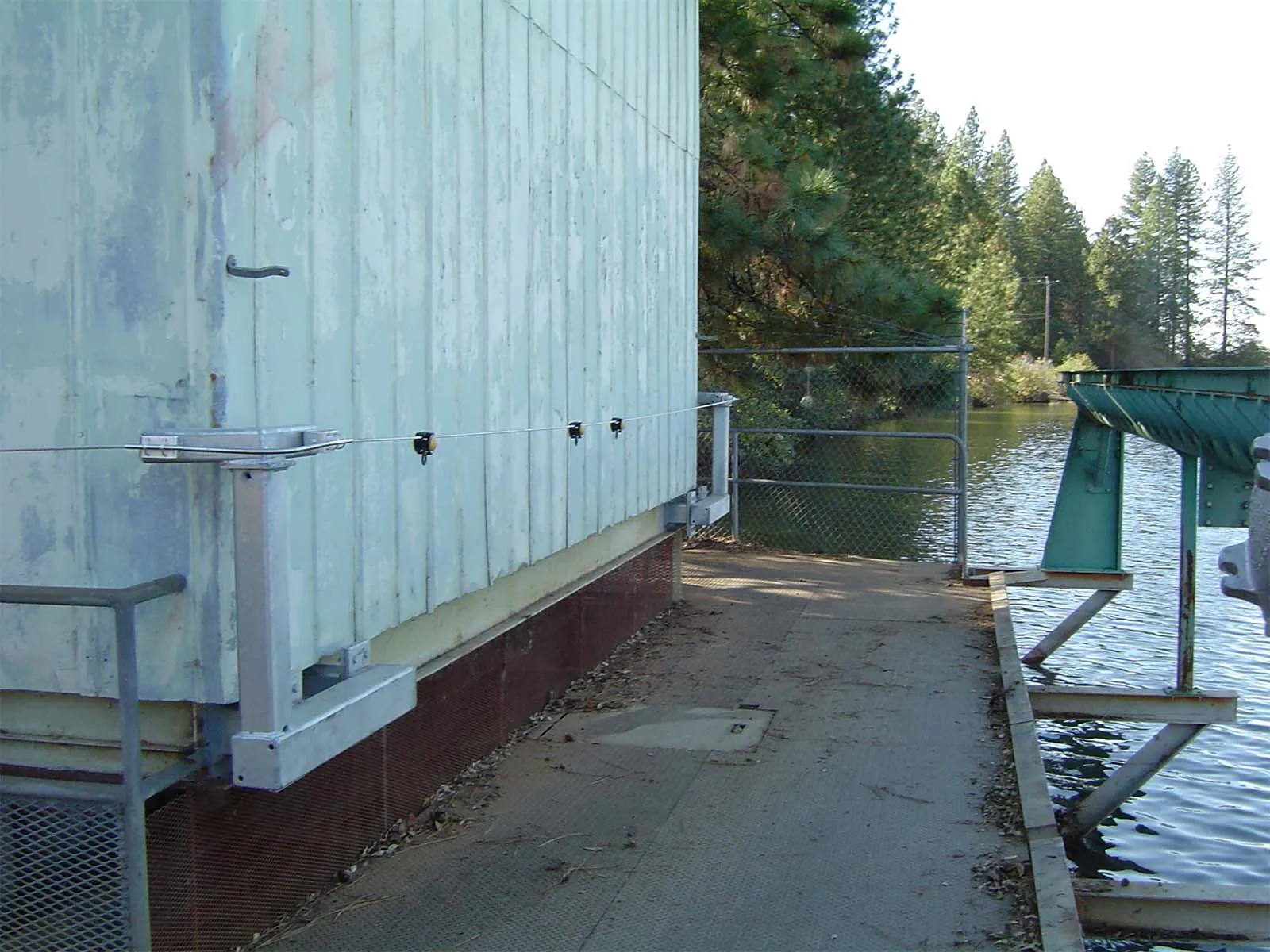
Infrastructure Development
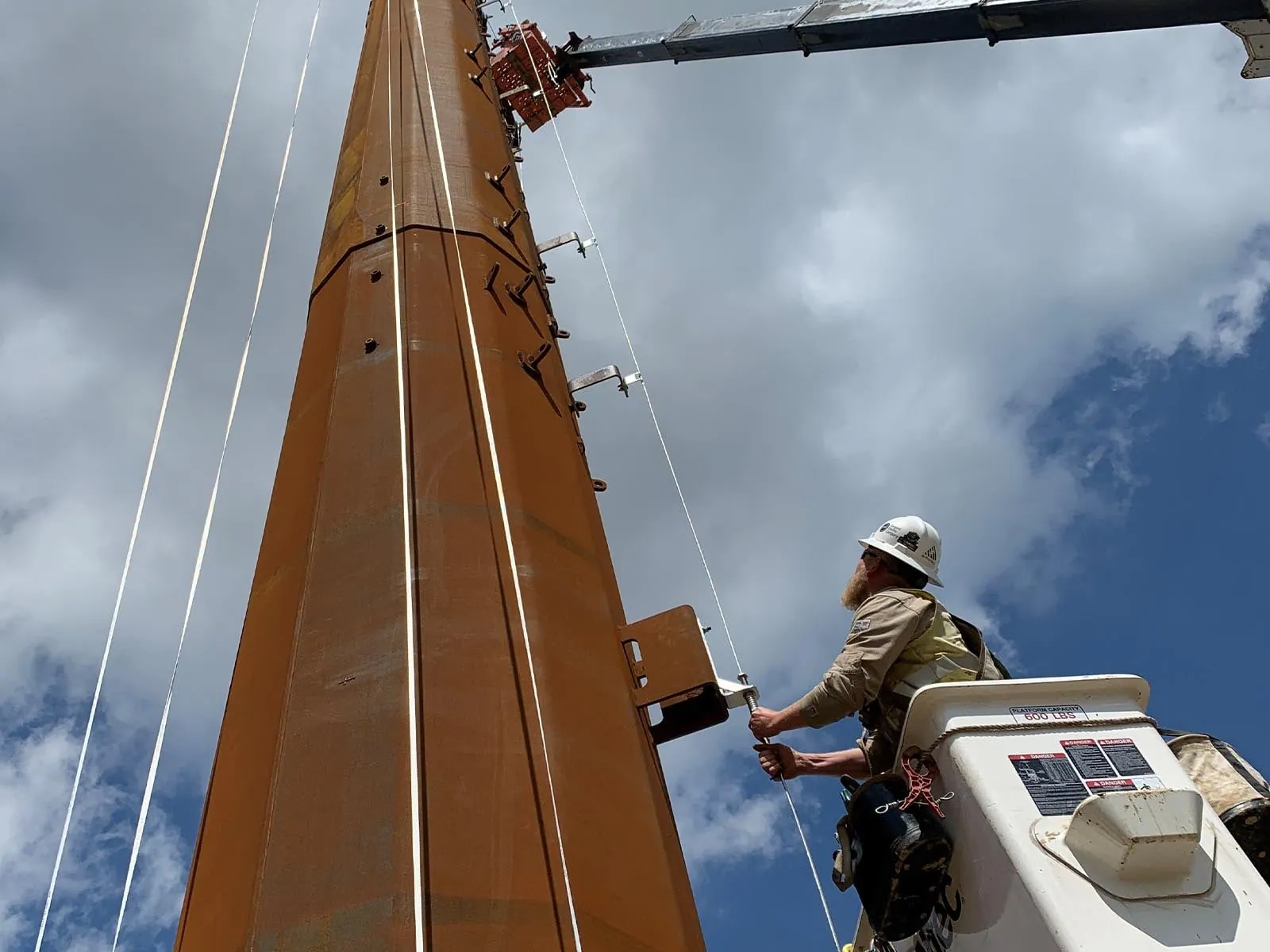
Energy and Utilities
Where this system is used
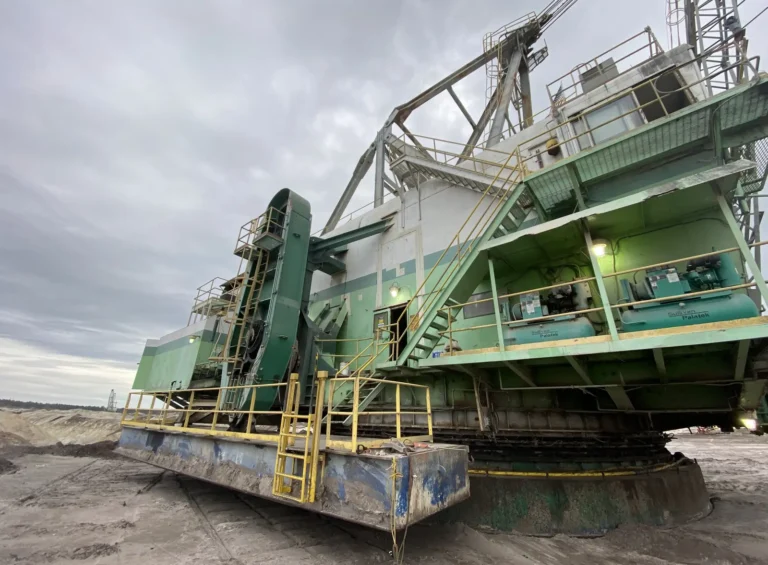
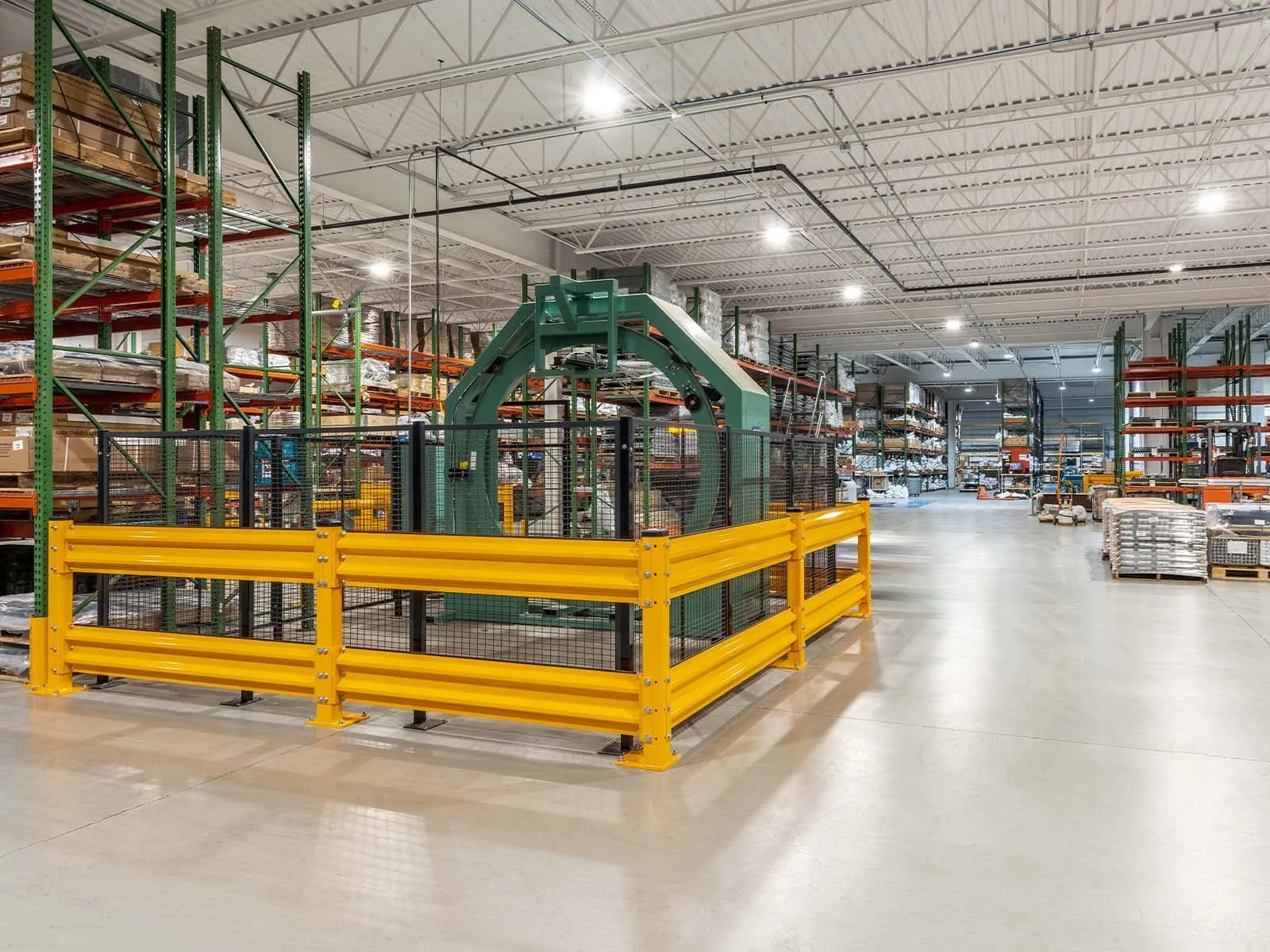
Industries and applications that run on Pallet/Mezzanine Gates
Downloads
Brochures & downloads
Brochure
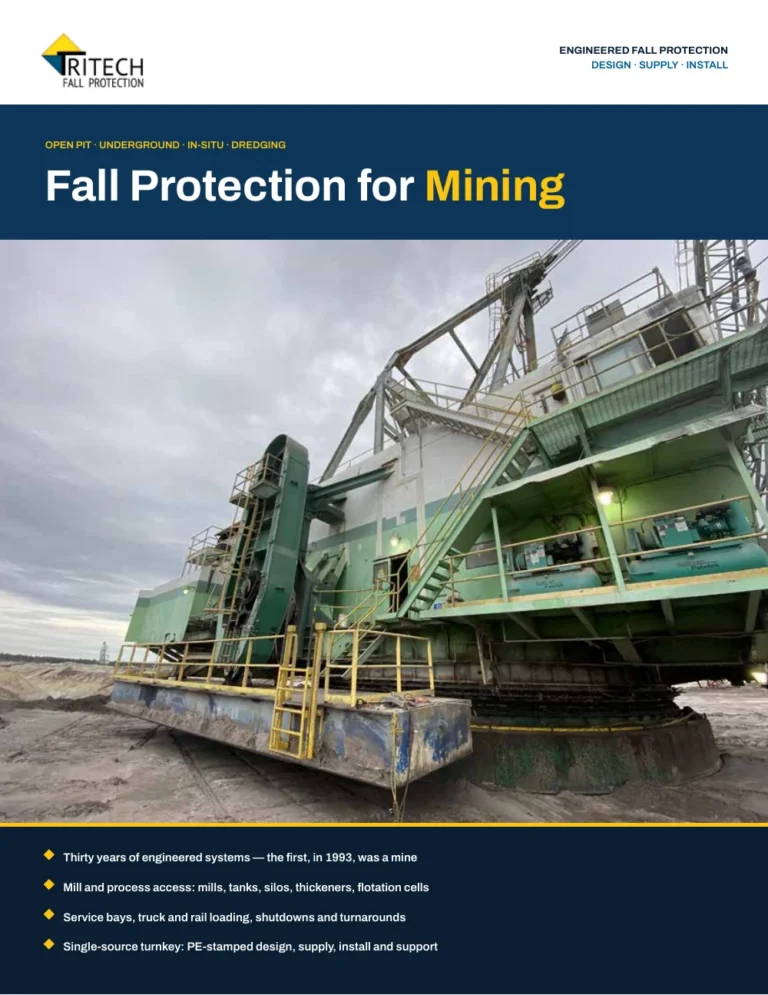
Mining Fall Protection Brochure
Fall protection for open pit, underground, in-situ and dredging sites: where mine exposure concentrates and the engineered systems Tritech installs for it.
Brochure
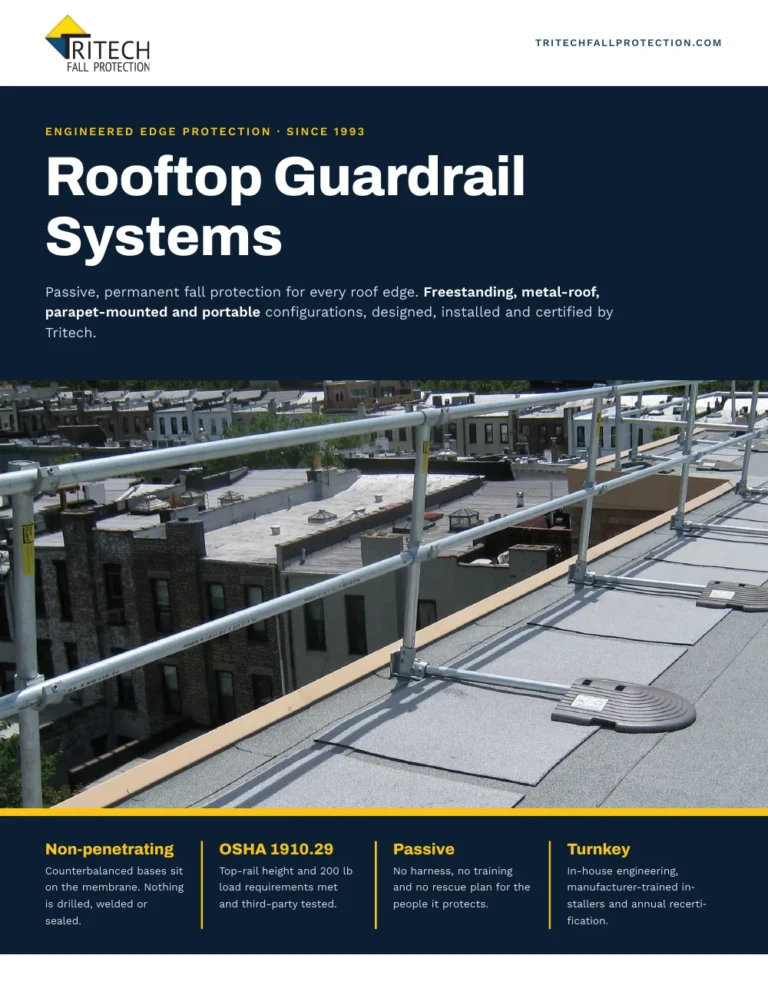
Rooftop Guardrail Systems Brochure
How Tritech engineers rooftop guardrail for membrane, metal, parapet and temporary roofs: four configurations, edge-distance zones and site engineering.
Brochure
Tritech Fall Protection Company Brochure
Tritech's company brochure: who engineers, supplies, installs and certifies your fall protection, and the 12 industries and applications we cover.
Guide
Above-Ground Storage Tank Fall Protection Guide
A guide for tank owners and operators on OSHA fall protection for above-ground storage tanks and where tank anchors fit in the ANSI Z359 hierarchy.
Answers to
Key Questions
What are the OSHA standards for mezzanines?
OSHA treats a mezzanine as a walking-working surface under the general industry standard: any open side or edge 4 feet or more above the floor below must be protected (29 CFR 1910.28(b)(1)), and a guardrail used for that protection needs a top rail 42 inches, plus or minus 3 inches, high that withstands 200 pounds of force (29 CFR 1910.29(b)). Ladderway and access openings onto the mezzanine must also be guarded (29 CFR 1910.28(b)(3)), and self-closing gates are a recognized means of guarding access openings. The pallet-loading edge is the hard part: a chain or removable rail leaves the edge open whenever material moves, which is the exposure a pallet gate removes by keeping a barrier between the worker and the edge while pallets are staged.
What is the OSHA 4 foot rule?
The OSHA 4-foot rule is the general industry trigger under 29 CFR 1910.28(b)(1): the employer must protect each worker on a walking-working surface with an unprotected side or edge 4 feet or more above a lower level. A mezzanine in a warehouse or plant is general industry, so the 4-foot rule governs its edges, ladderways, and pallet-loading areas.
What is the OSHA requirement for the top guardrail?
The top rail must sit 42 inches, plus or minus 3 inches, above the walking-working surface and withstand 200 pounds of outward or downward force (29 CFR 1910.29(b)). A gate that stands in for a section of guardrail at a loading edge or ladderway has to hold the line on that protection, which is why pallet and mezzanine gates are built with rails at guardrail height.
What are the 4 types of fall protection?
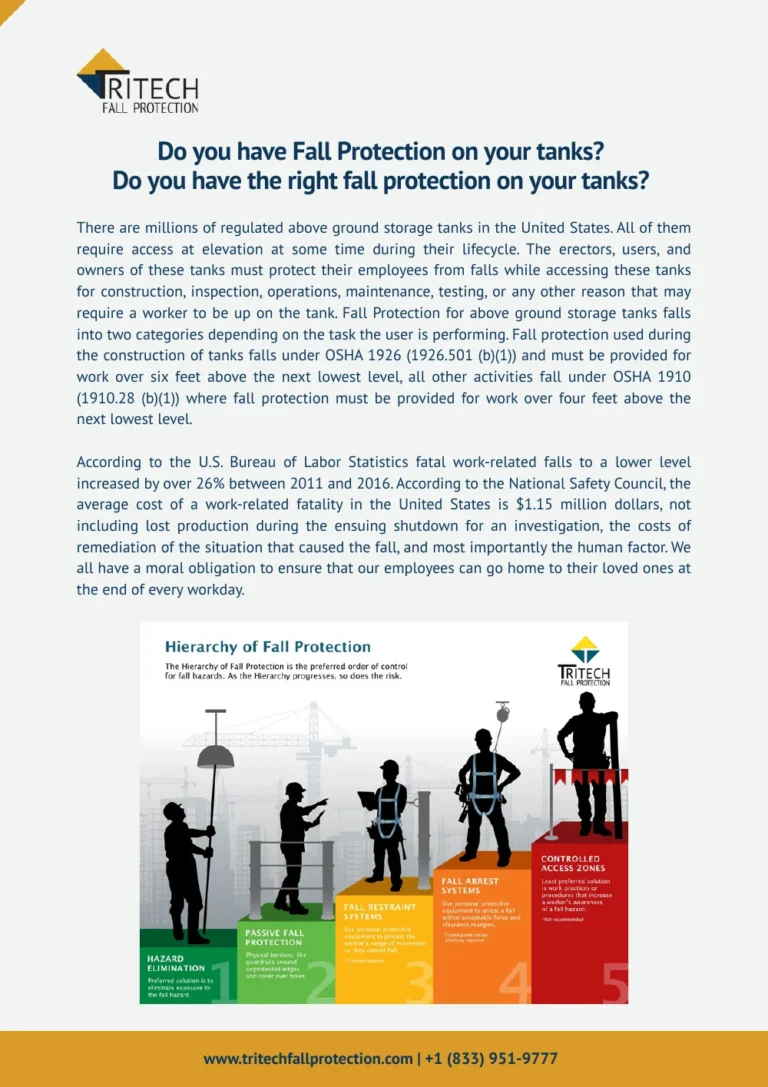
Fall protection is usually grouped by the hierarchy of controls: elimination, passive prevention (guardrails, covers, and other physical barriers that need no worker action), active fall restraint or fall arrest (harness-and-anchor systems), and administrative controls (warning lines, training, and procedures). A self-closing mezzanine gate is passive prevention: it restores the barrier automatically instead of depending on a worker to re-hang a chain. Tritech supplies and installs pallet and mezzanine gates as part of complete warehouse fall protection.
CONTACT
Ensure Warehouse Safety with a Mezzanine Gate System
Our team is ready to help you implement a code-compliant, hands-free safety solution for your material handling areas.
Let’s Discuss Your Project
"*" indicates required fields
Not ready to talk yet? Download the Mining Fall Protection Brochure