SOLUTIONS
Rooftop Walkway System
A Secure, Non-Slip Pathway for Safe Rooftop Work
Built for Worker Safety
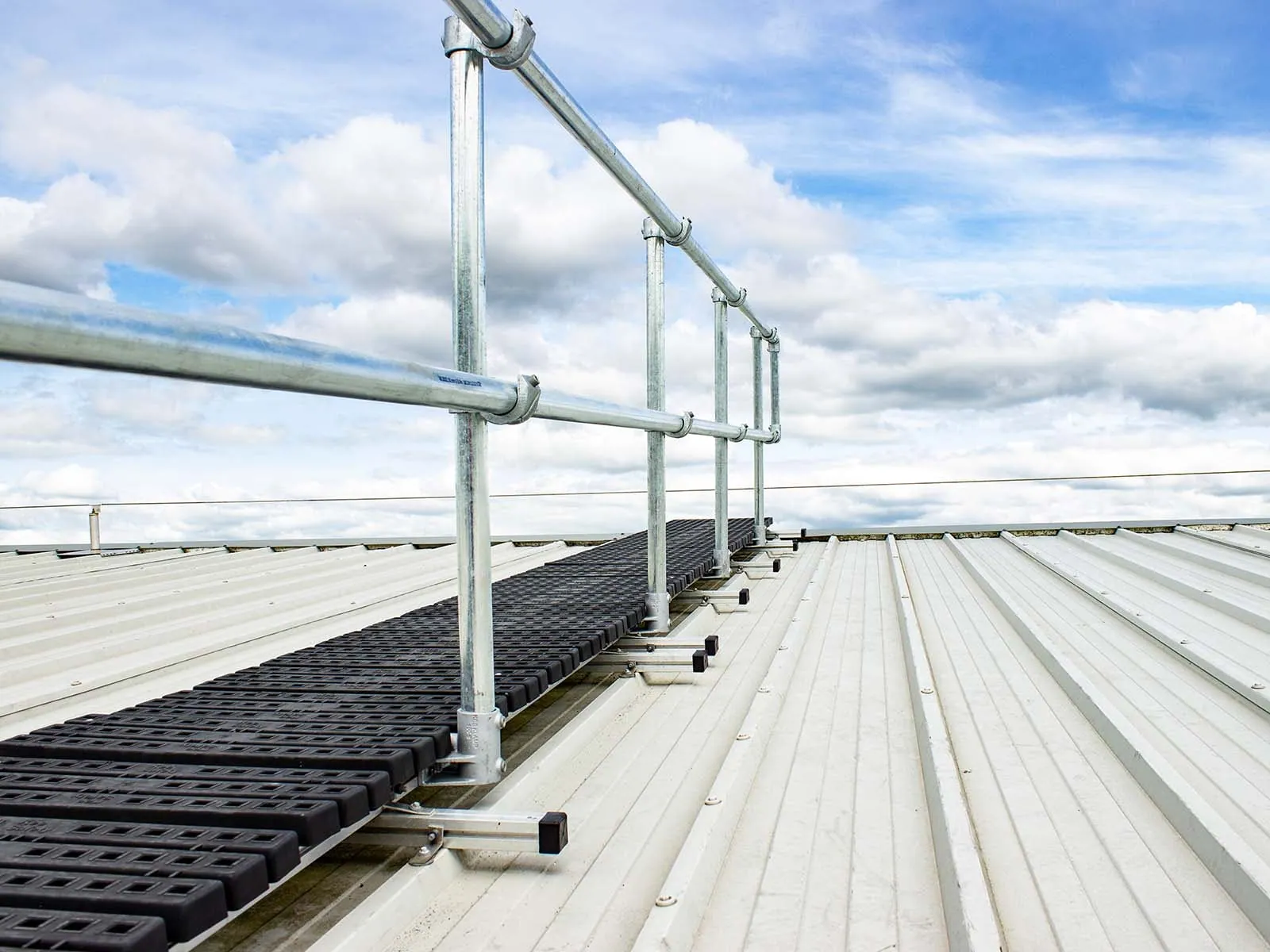
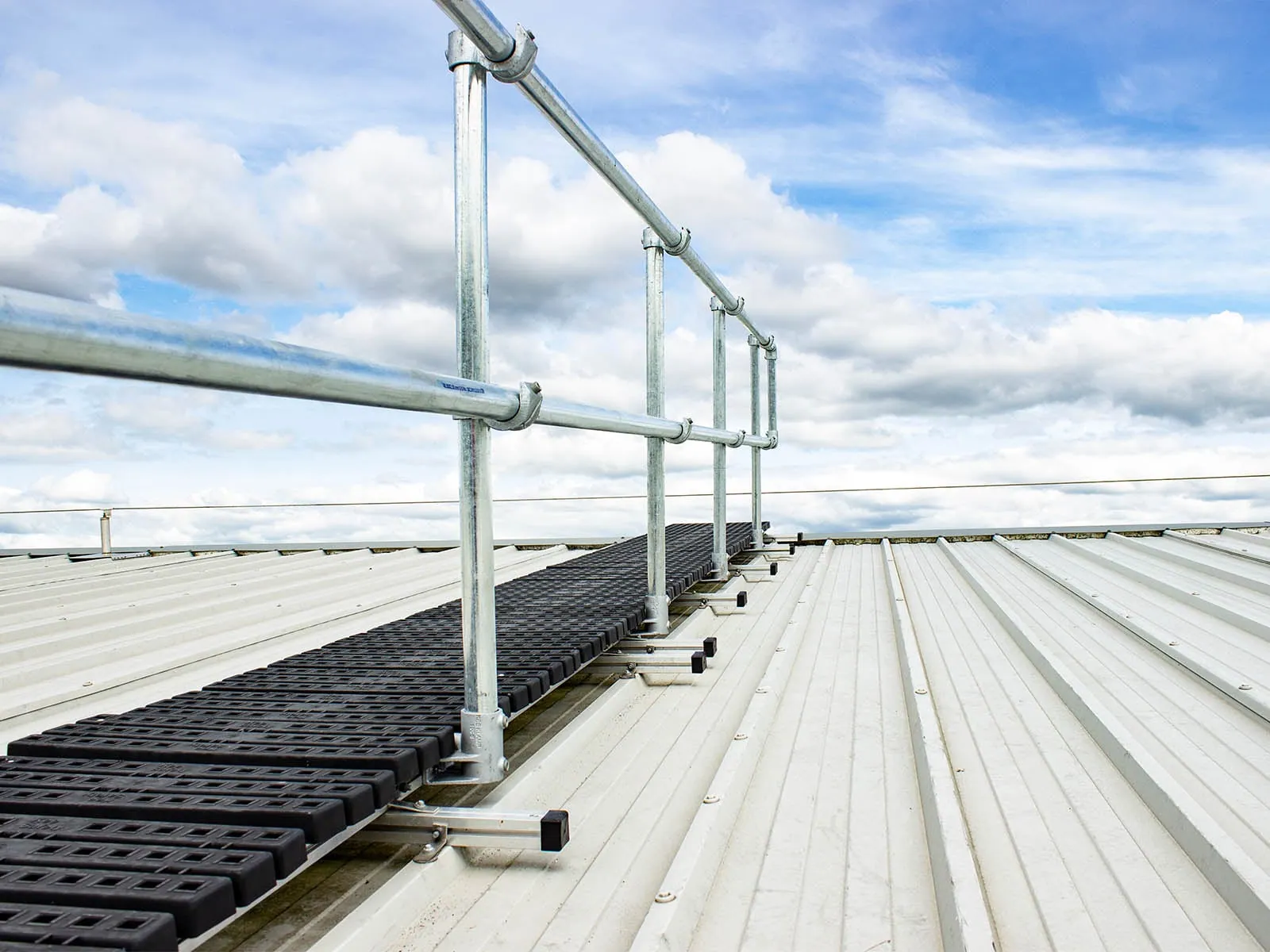
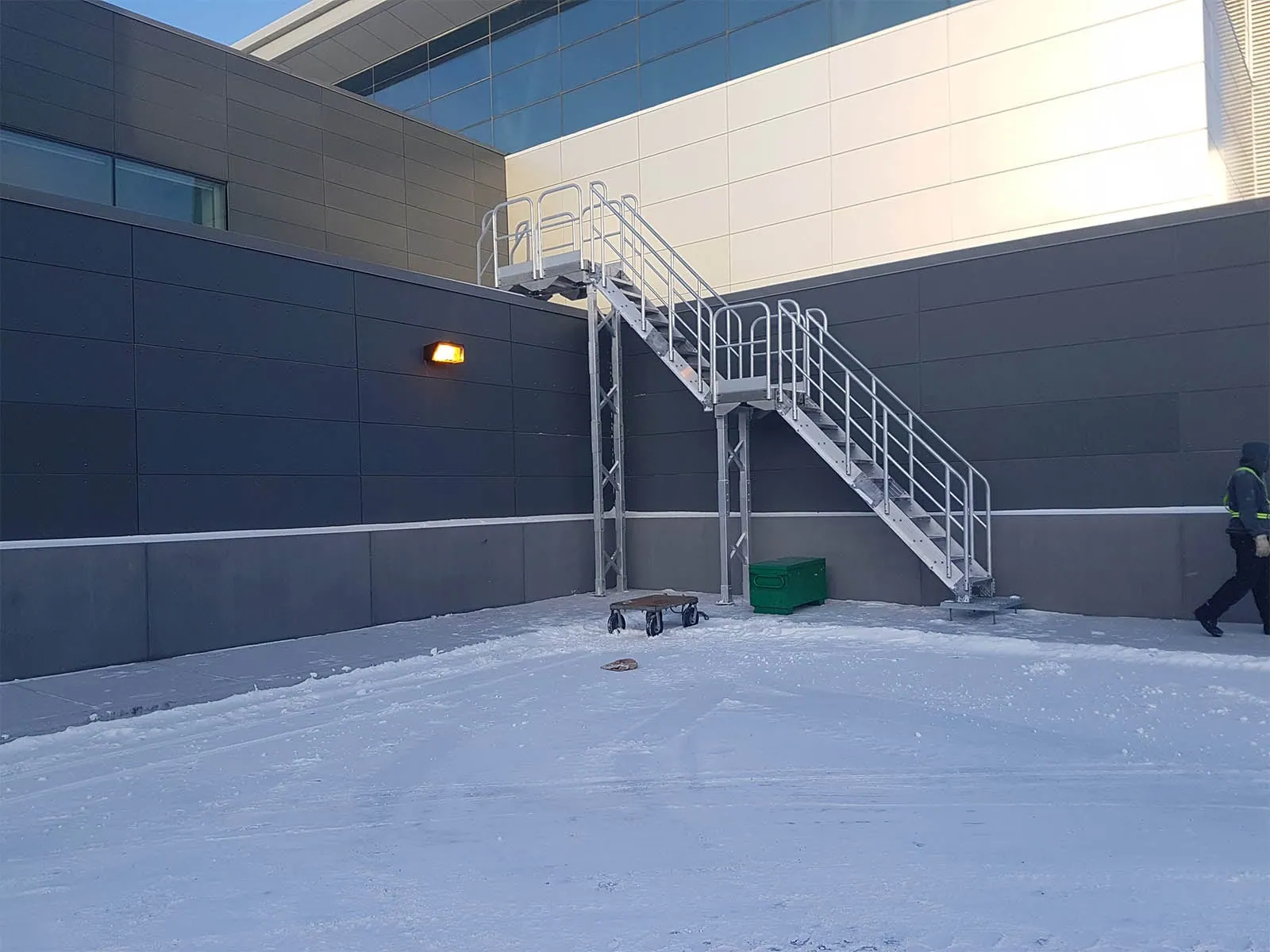
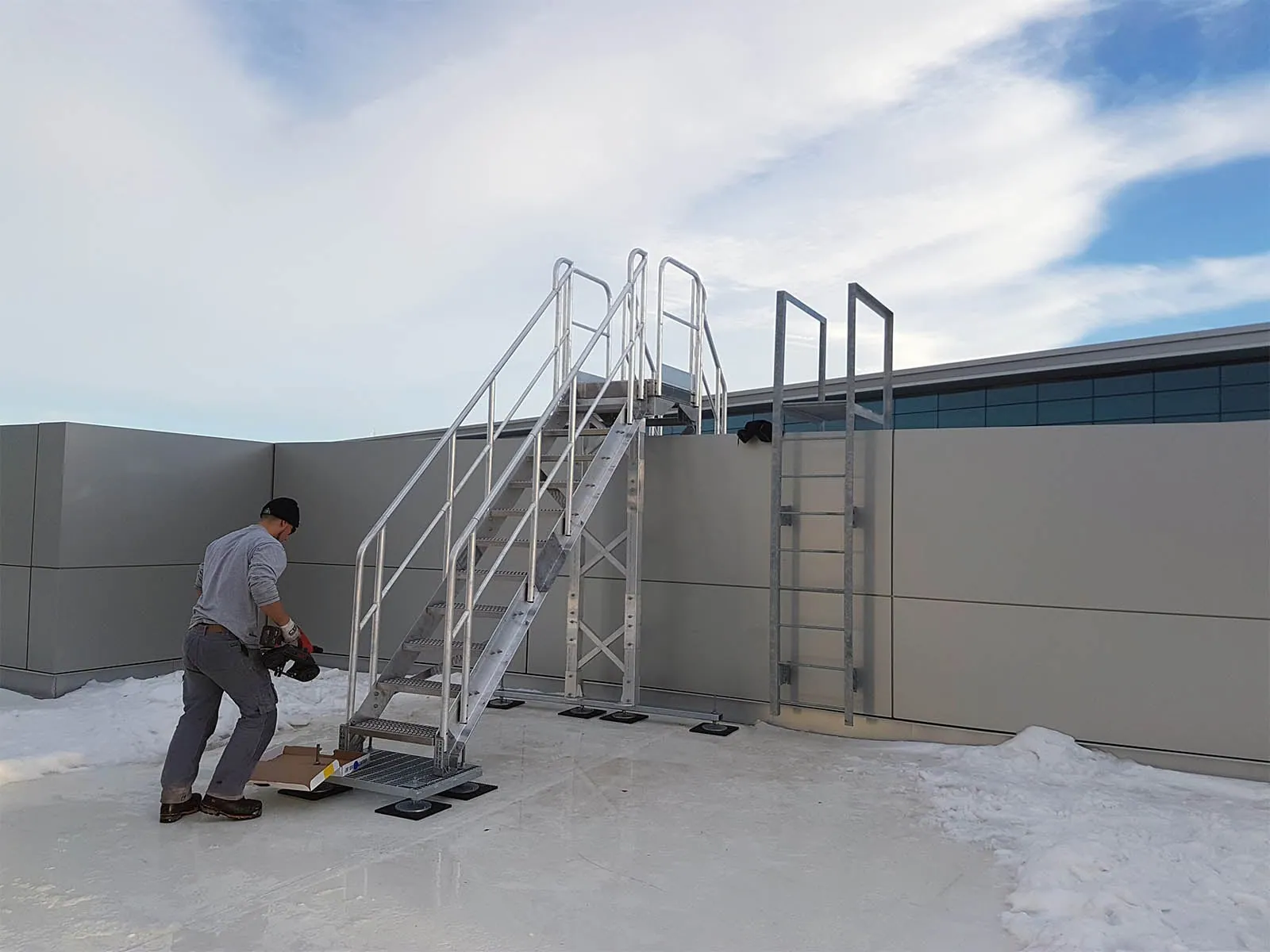
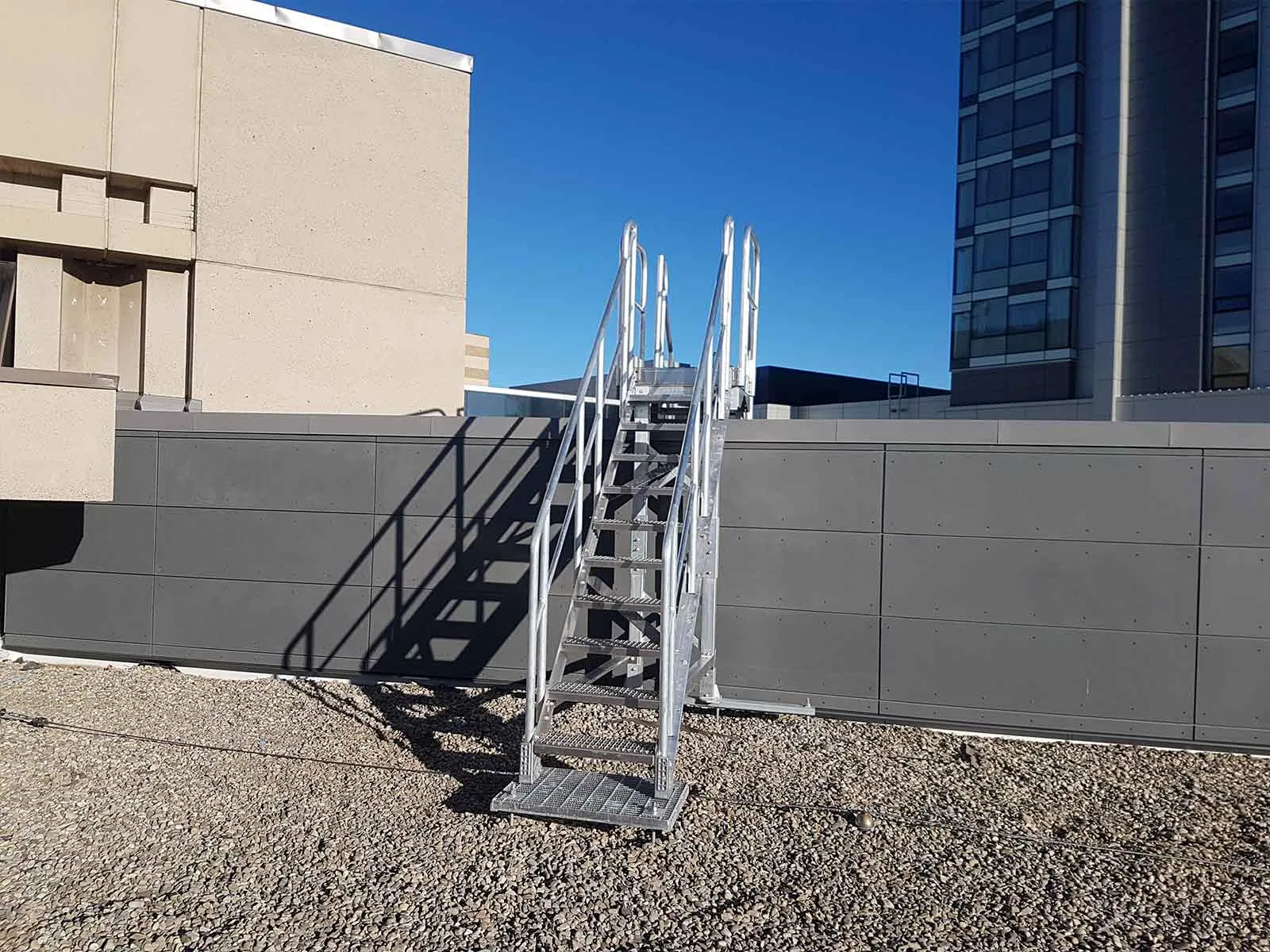
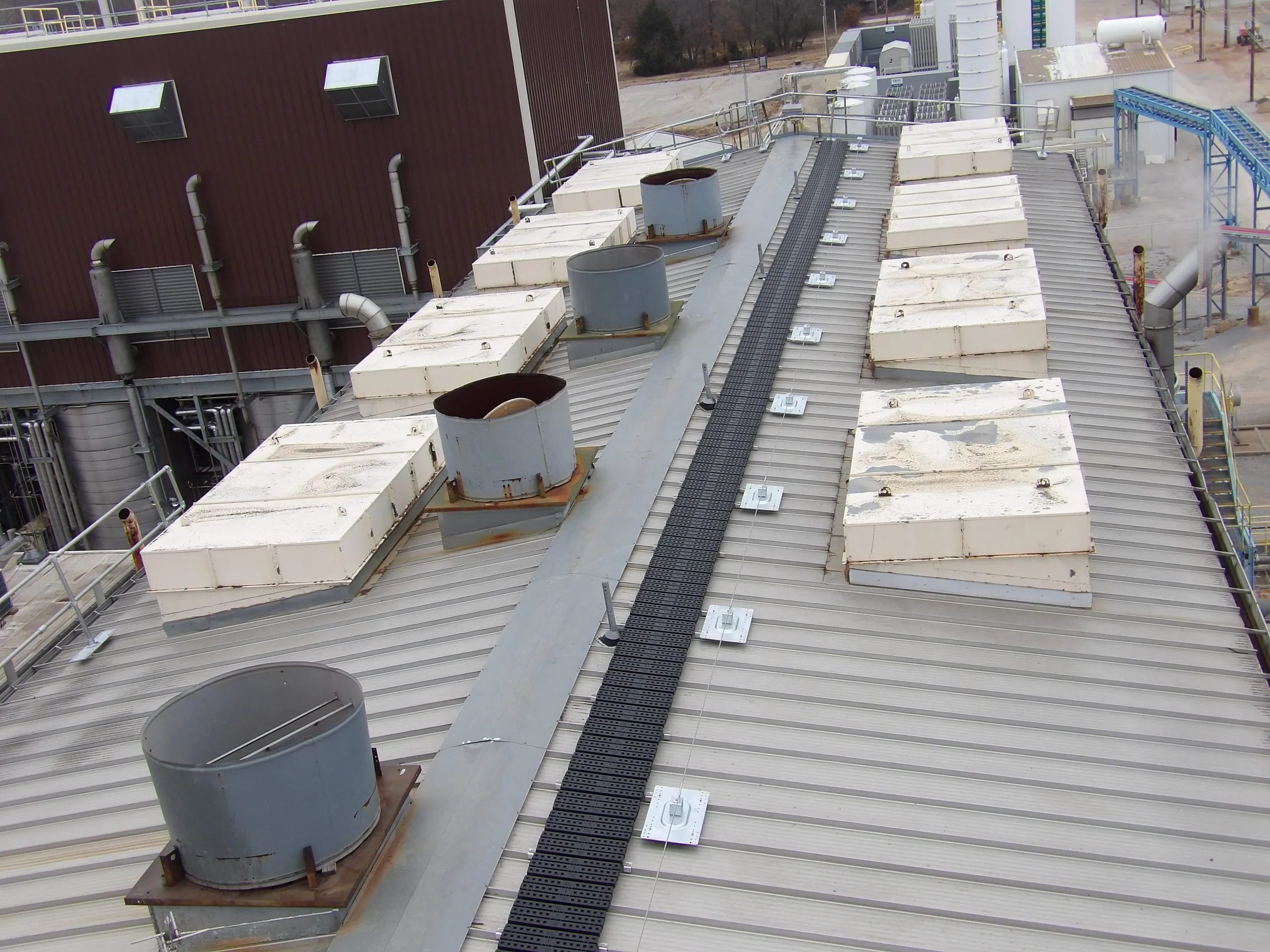
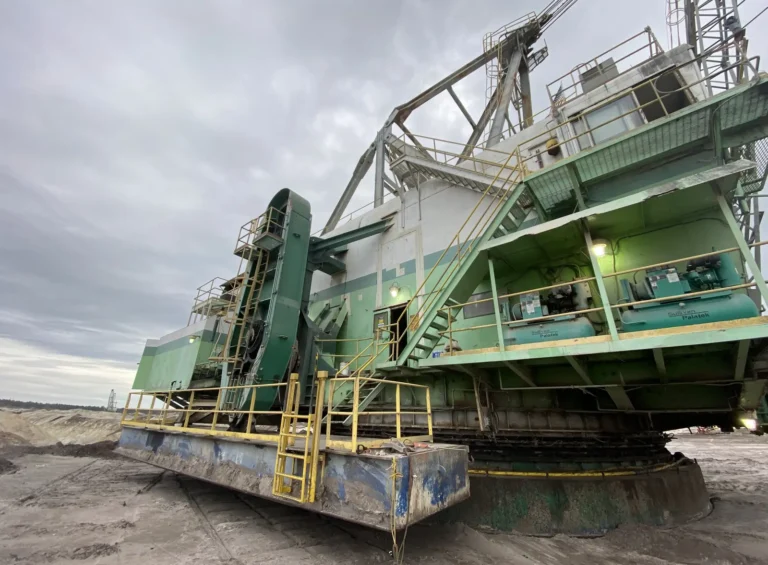
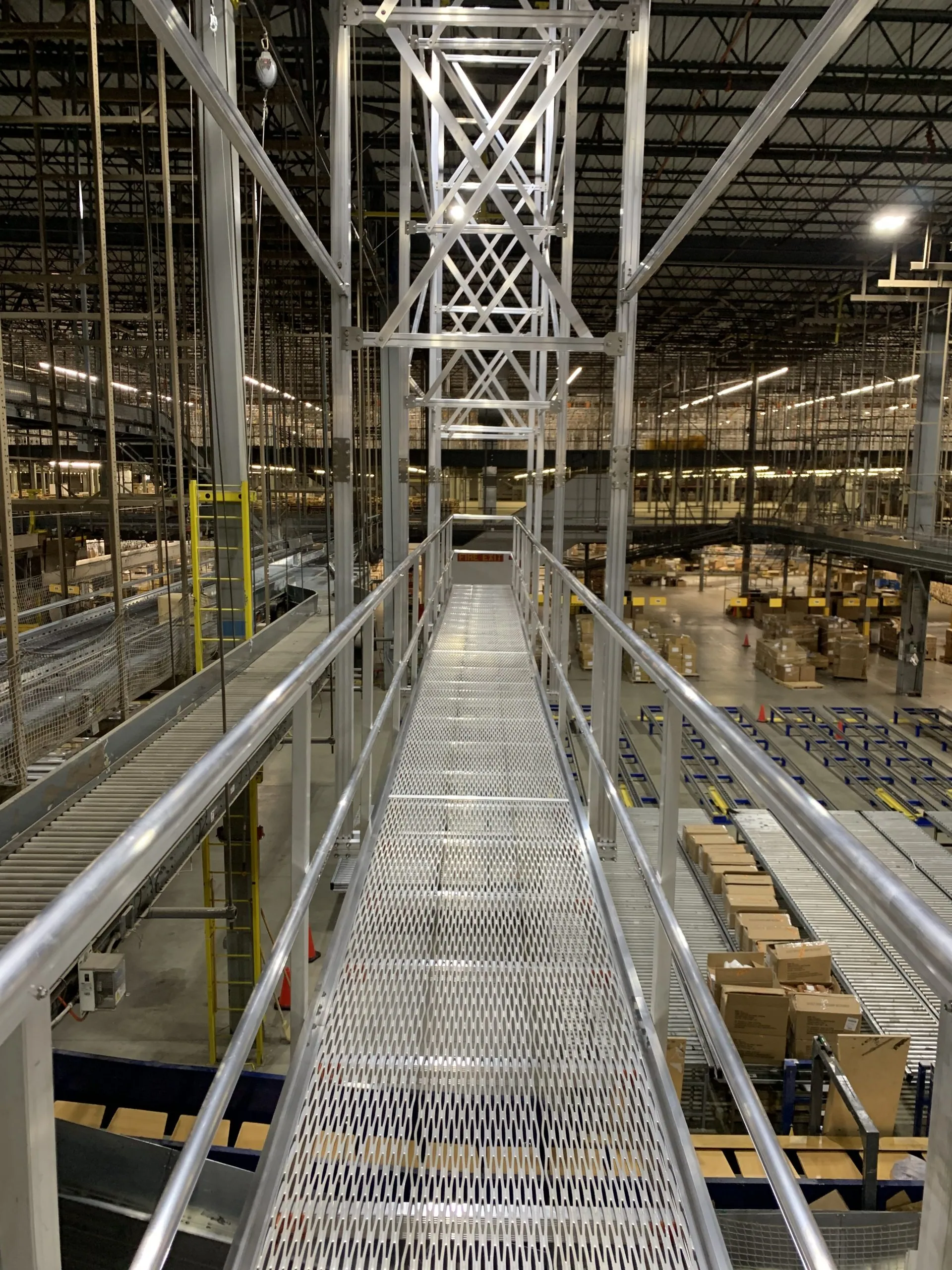
Walkways provide a stable, defined route that helps keep workers away from trip hazards, fragile roof sections, and exposed edges.
Adaptable to Any Roof Layout
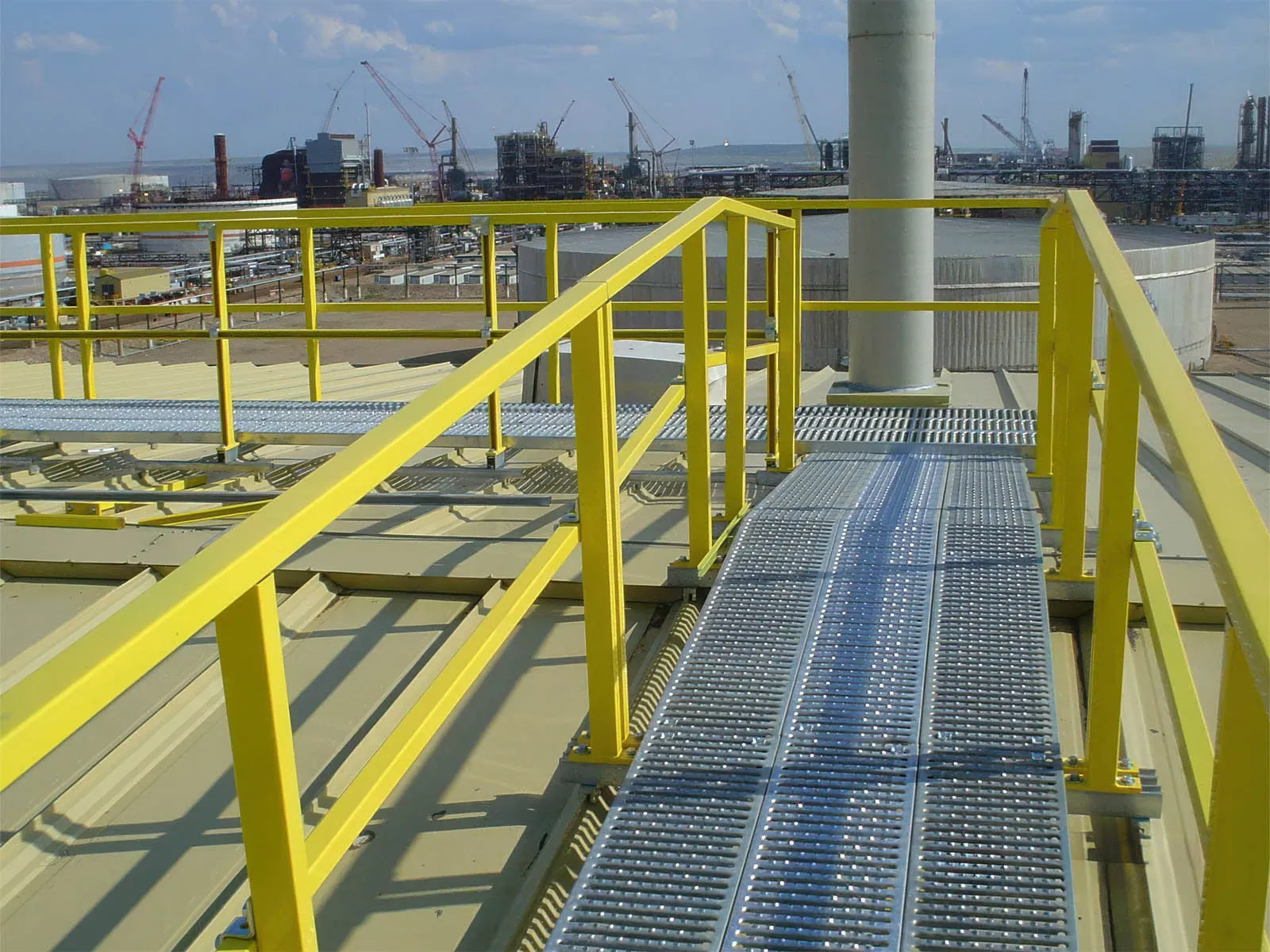
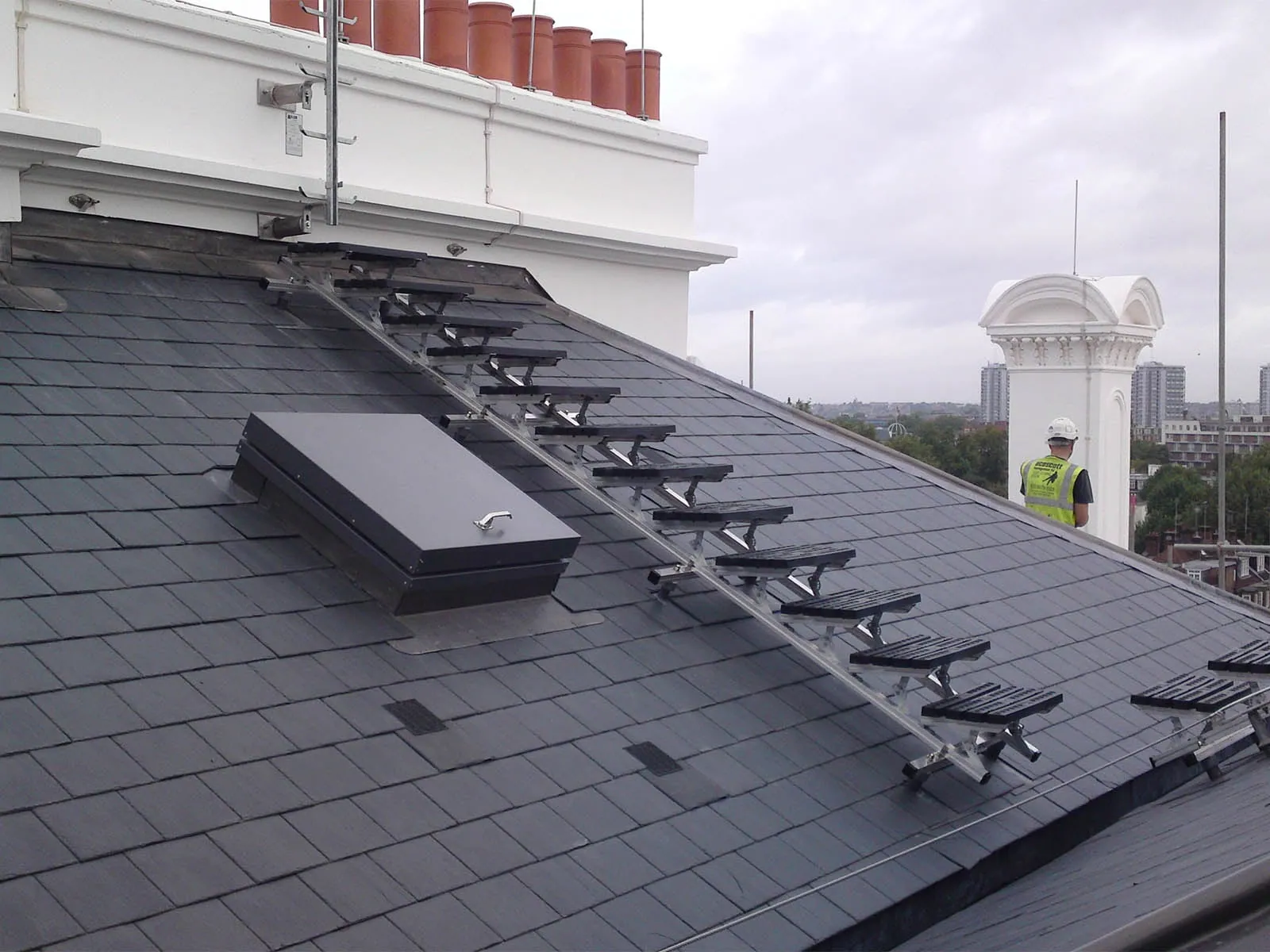
These systems can be installed on nearly any type of roof including metal, membrane, sloped, or standing seam and customized to your structure.
OSHA & ANSI Compliant
Every walkway includes anti-slip treads and optional guardrails and toe boards. They’re designed to meet all OSHA and ANSI fall protection requirements.
PROBLEMS WE SOLVE
Protecting Workers with Safe Rooftop Routes
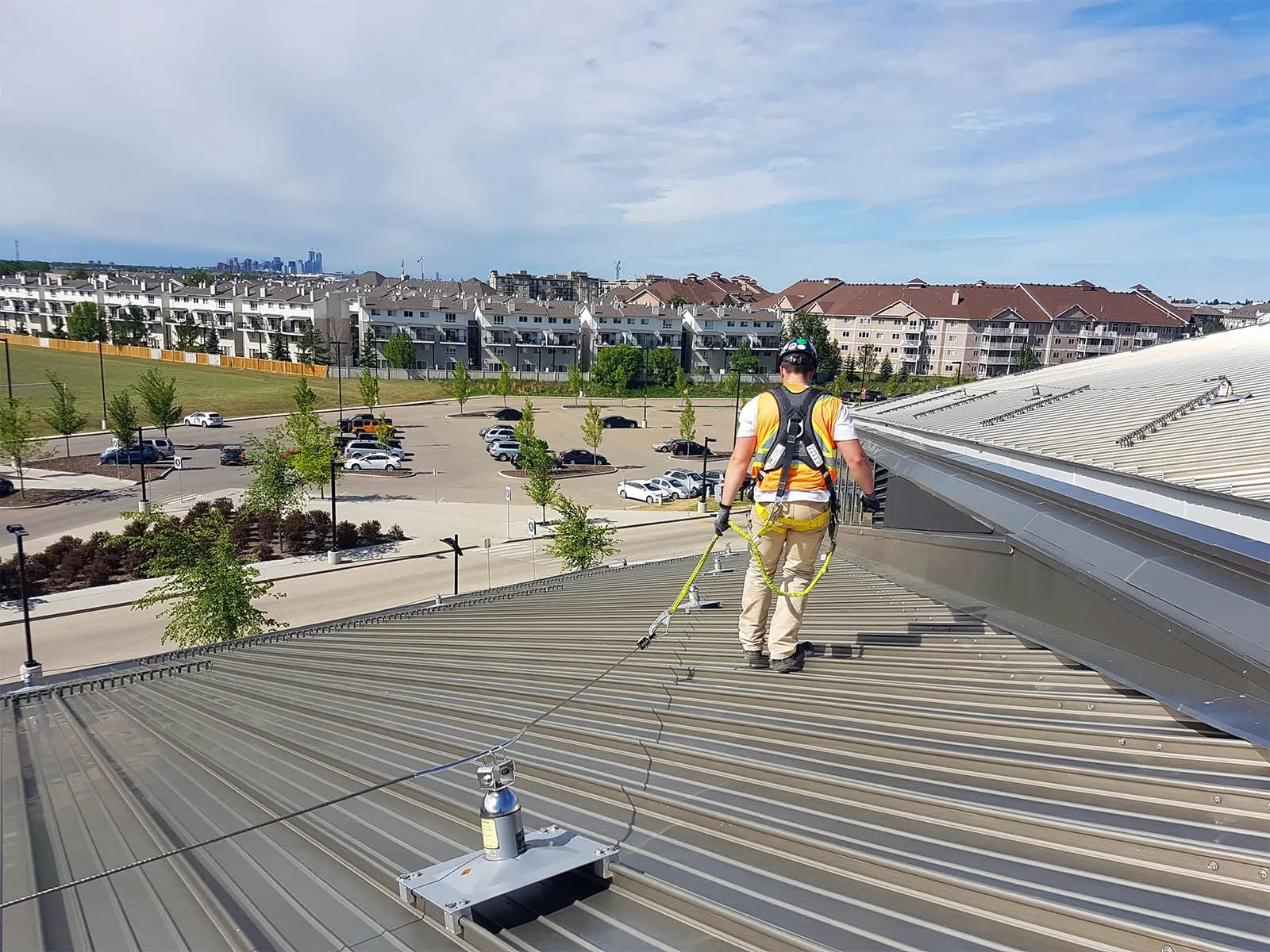
Rooftops can be tricky and dangerous to walk on, especially in harsh weather environments like snow and ice, which make it harder to identify a clear path. Without proper walkways, workers face a higher risk of slipping, falling, or damaging the roof. Rooftop walkway systems provide your team with a safe route to follow while protecting the roof surface from unnecessary wear.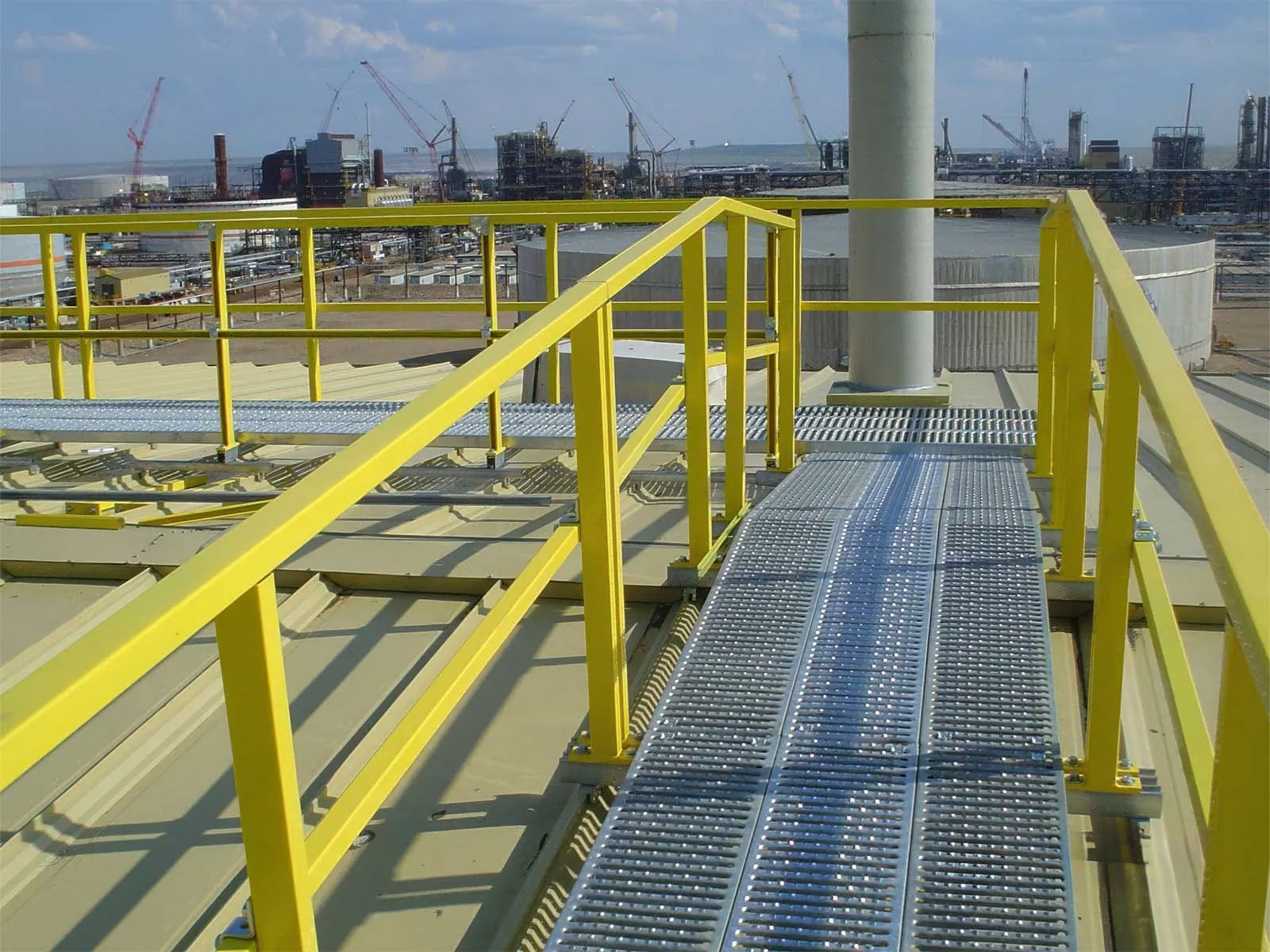
Areas of Application for Rooftop Walkways
- Building Access & Maintenance
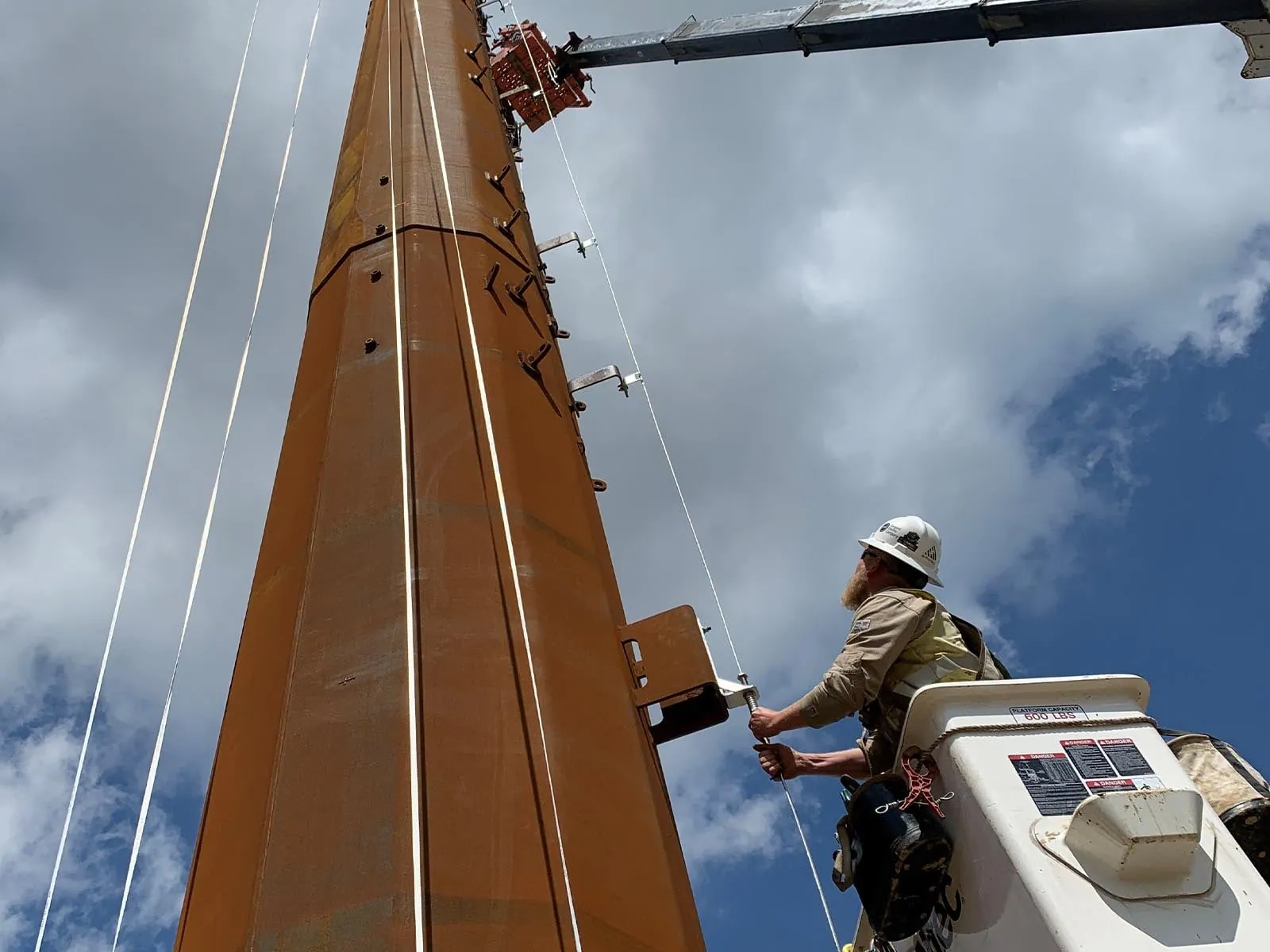
- Energy & Utilities
- Manufacturing
- Infrastructure Development
- Government & Military
Building Access & Maintenance
Energy & Utilities

Manufacturing
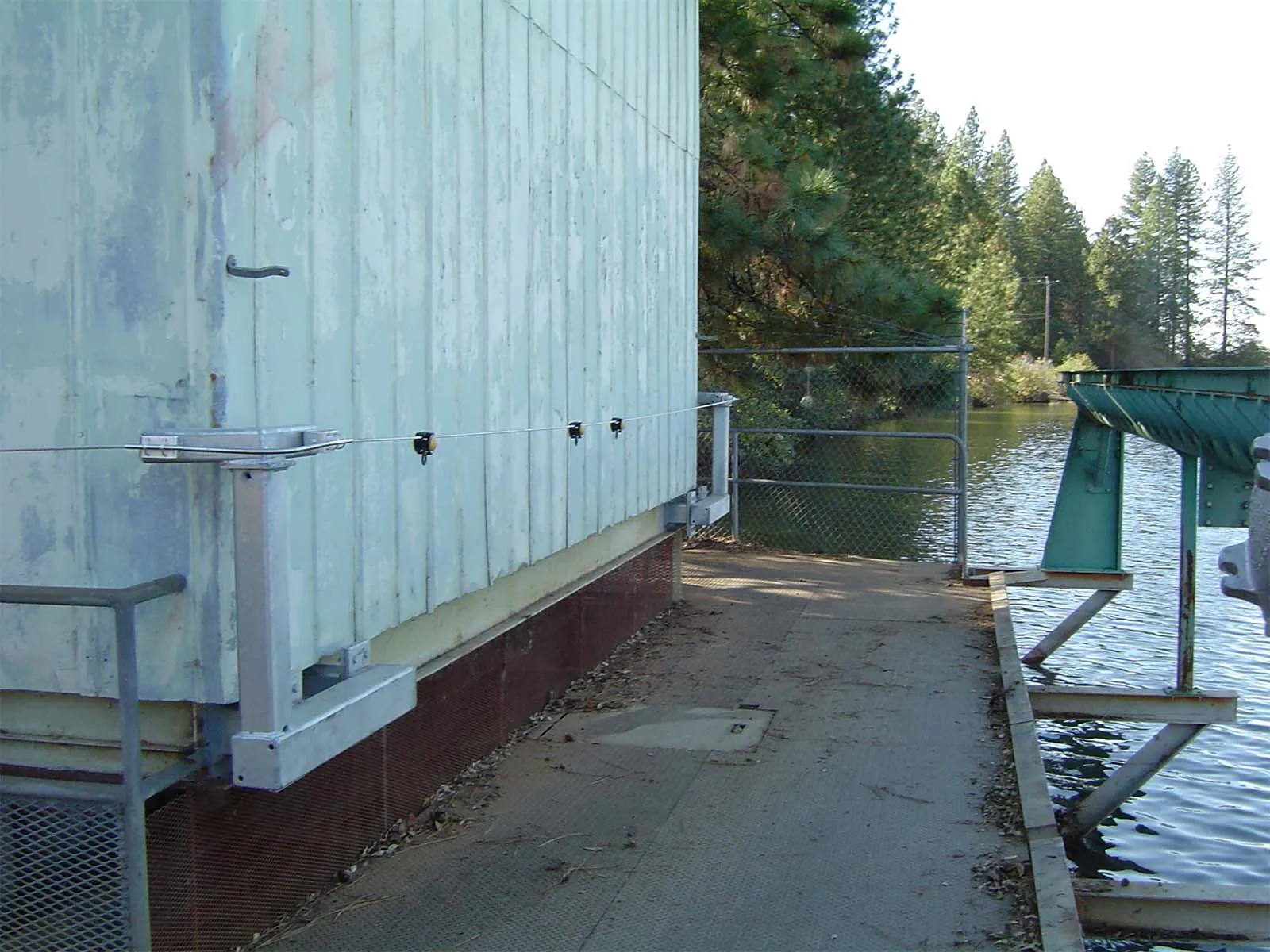
Infrastructure Development

Government & Military
Where this system is used
Industries and applications that run on Rooftop Walkways
Downloads
Brochures & downloads
Brochure
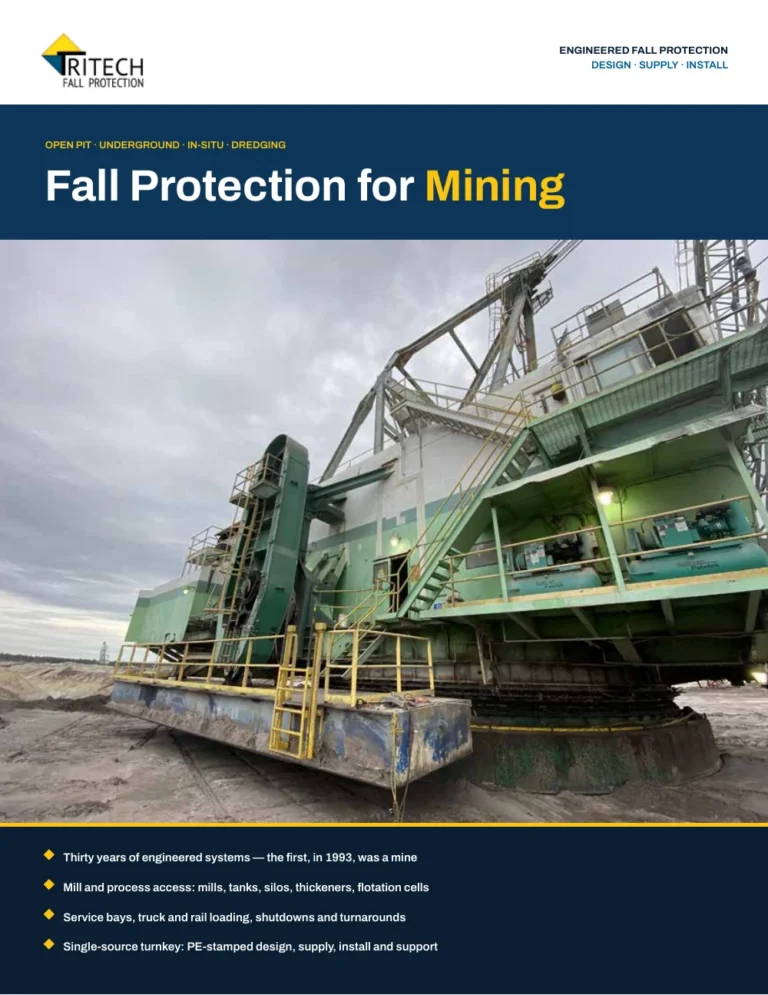
Mining Fall Protection Brochure
Fall protection for open pit, underground, in-situ and dredging sites: where mine exposure concentrates and the engineered systems Tritech installs for it.
Brochure
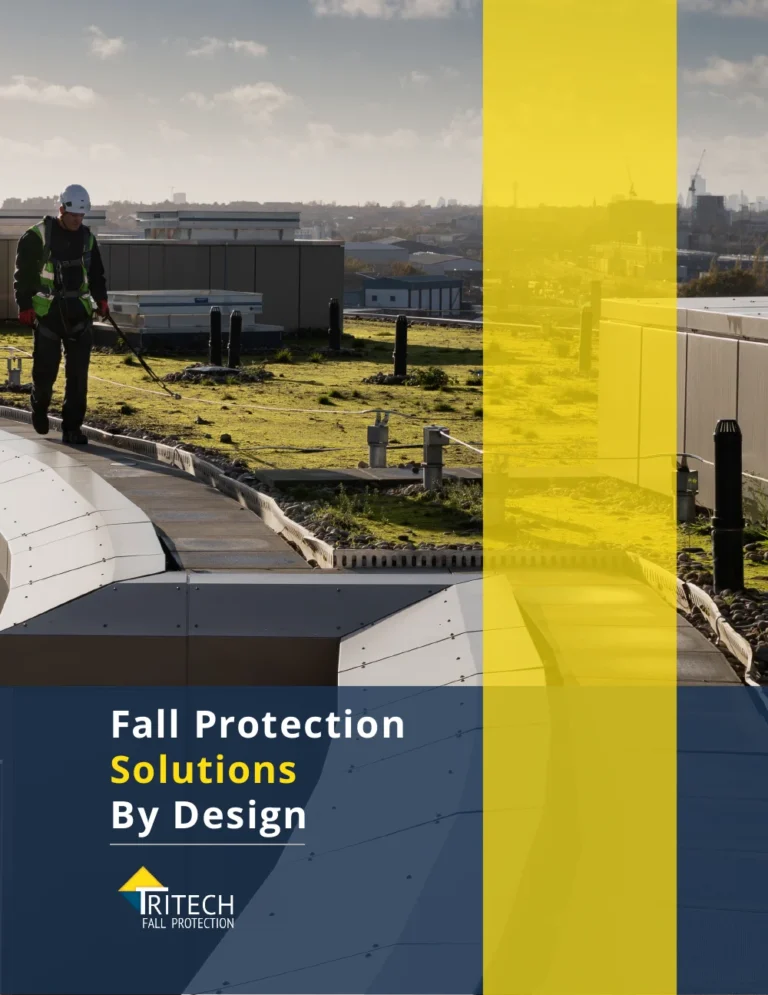
Tritech Fall Protection Company Brochure
Tritech's company brochure: who engineers, supplies, installs and certifies your fall protection, and the 12 industries and applications we cover.
Guide
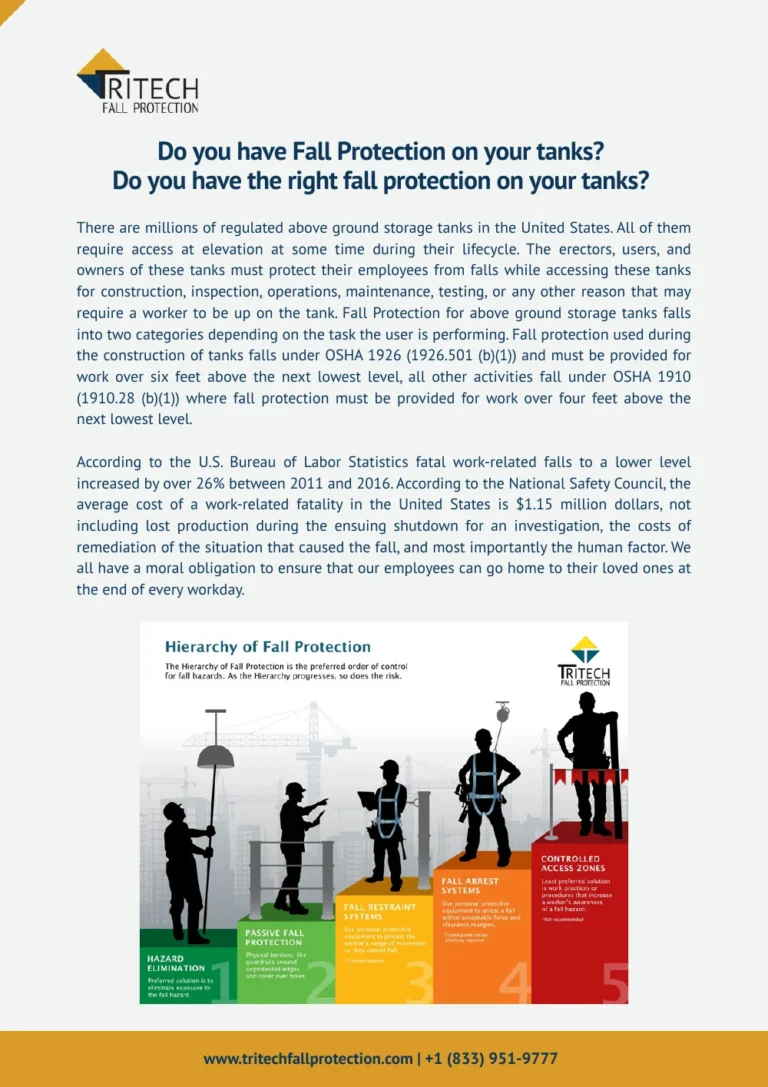
Above-Ground Storage Tank Fall Protection Guide
A guide for tank owners and operators on OSHA fall protection for above-ground storage tanks and where tank anchors fit in the ANSI Z359 hierarchy.

Brochure
Data Center Fall Protection Brochure
How Tritech protects data center roofs and yards: non-penetrating guardrail, access platforms, crossovers, stairs and ladder safety for mechanical equipment.
Answers to
Key Questions
What are the OSHA guidelines for platforms?
OSHA covers walkways and platforms as walking-working surfaces under 29 CFR 1910 Subpart D, with fall protection required at any side or edge 4 feet or more above a lower level (29 CFR 1910.28(b)(1)). Where a rooftop walkway runs near the edge, integrated guardrail meeting 29 CFR 1910.29(b) (top rail at 42 inches, plus or minus 3 inches, rated for 200 pounds of force) is the standard control. A defined walkway also does the quieter compliance job: it keeps routine foot traffic on a designated, walkable path instead of on the membrane.
What is the OSHA 4 foot rule?
The 4-foot rule is the general industry trigger under 29 CFR 1910.28(b)(1): fall protection is required for each worker on a walking-working surface with an unprotected side or edge 4 feet or more above a lower level, and it applies to rooftop maintenance on permanent facilities. General industry also permits a designated area for temporary, infrequent work on low-slope roofs at prescribed distances from the edge (29 CFR 1910.28(b)(13)). A walkway routed inside those distances keeps routine access out of the exposure zone entirely.
What are the 4 types of fall protection?
The four types are fall elimination, fall prevention (passive: guardrails and covers), fall arrest (harness-based systems), and administrative controls (warning lines, training, and procedures). A rooftop walkway with guardrail is passive prevention, and routing the walkway away from the edge works as a form of elimination, since workers never enter the exposure. Tritech lays out walkway routes during the Fall Hazard Assessment so the path itself removes as much exposure as possible.
Are elevated platforms considered fall hazards?
Yes, whenever a side or edge sits 4 feet or more above a lower level in general industry (29 CFR 1910.28(b)(1)). On a roof, the exposures along the route matter most: the roof edge, skylights, and level changes. A guarded walkway concentrates traffic on one protected path past all of them.
CONTACT
Protect Your Team With a Safer Rooftop Access System
Our experts will help you design a simple, code-compliant rooftop walkway that keeps your workers safe and your roof protected.
Let’s Discuss Your Project
"*" indicates required fields
Not ready to talk yet? Download the Mining Fall Protection Brochure