SOLUTIONS
Non-Penetrating Roof Guardrail, Engineered Two Ways
The membrane, the parapet and the wind decide the attachment, not a catalog page
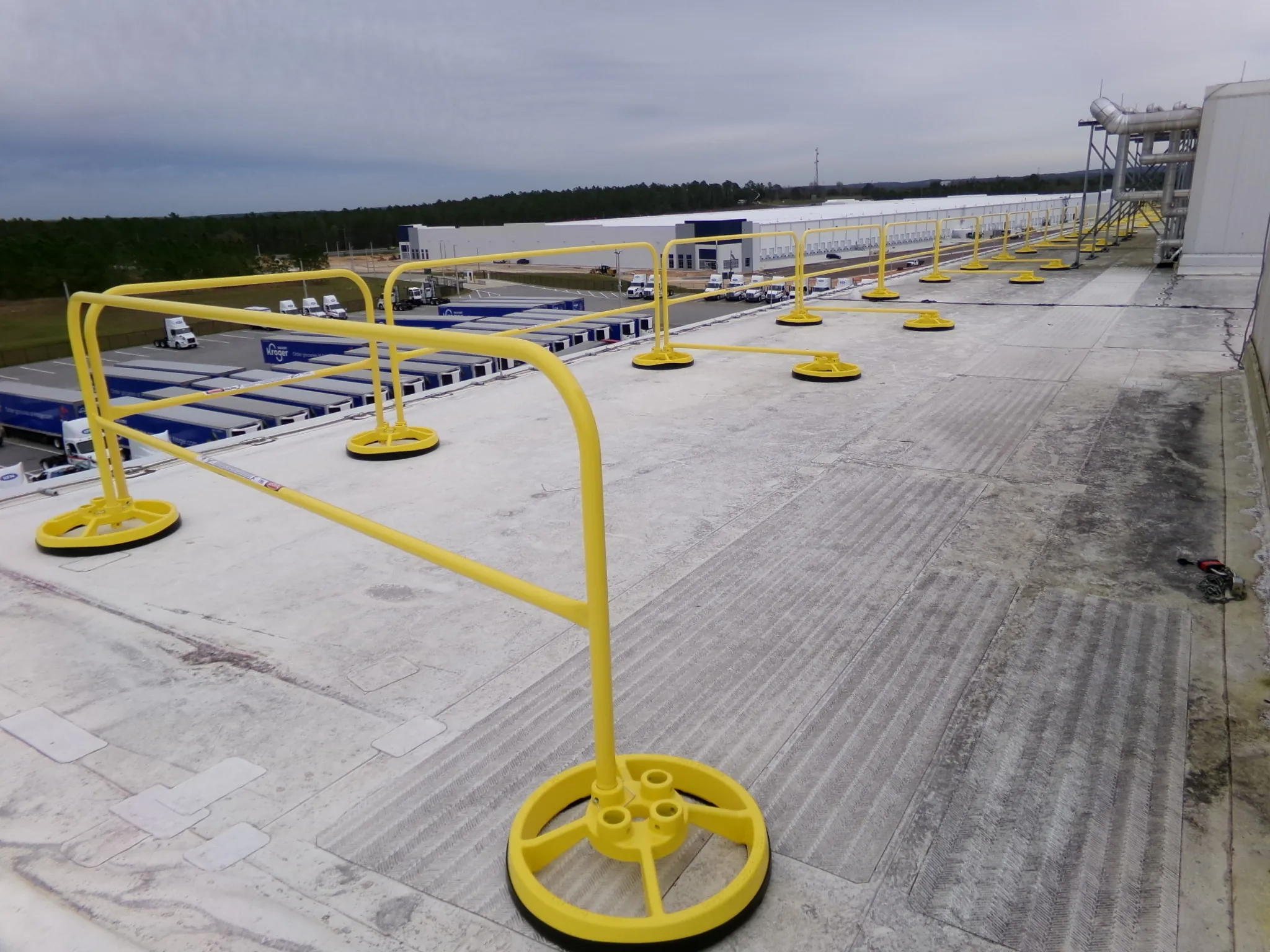
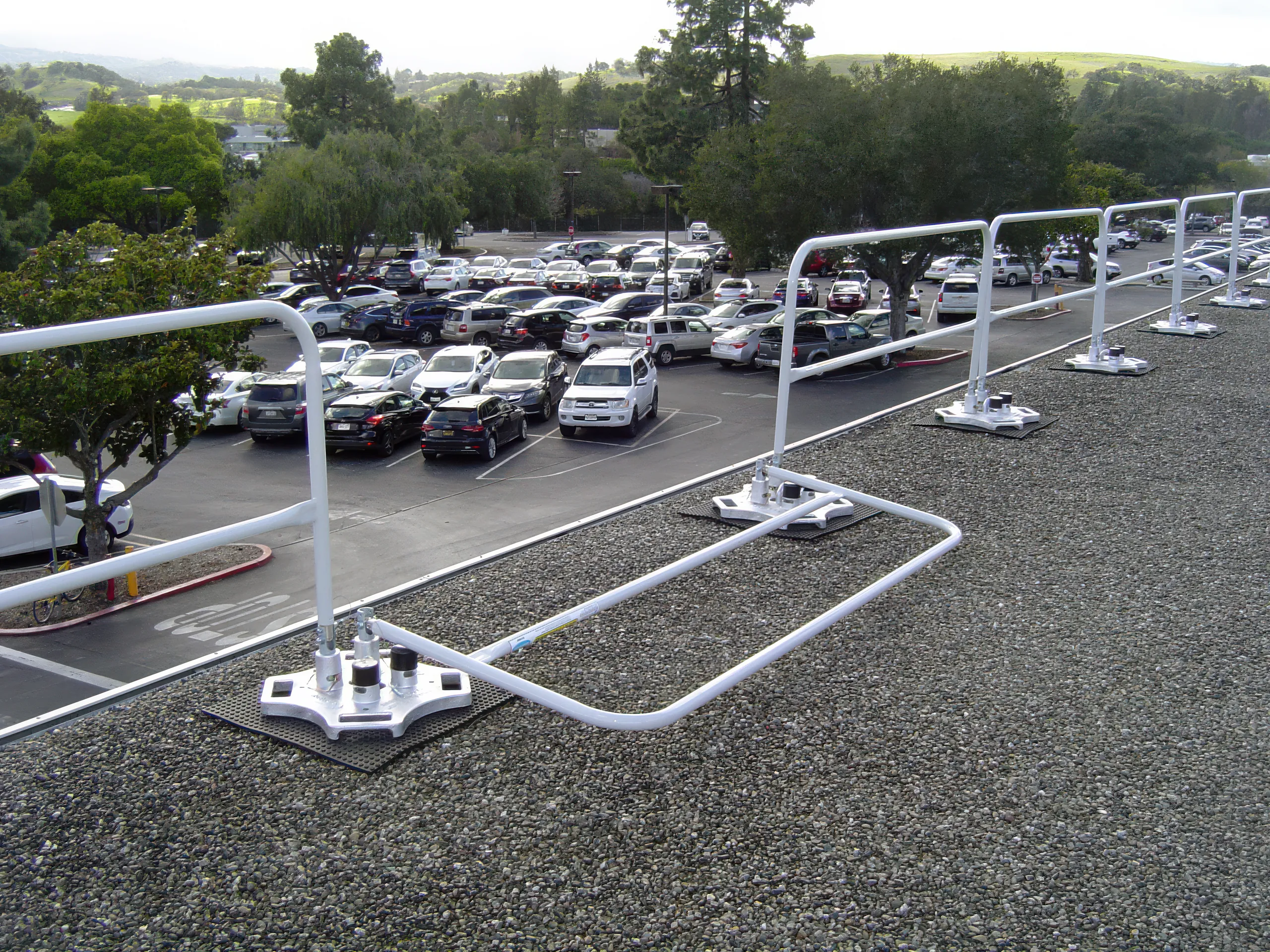
Freestanding, ballasted or counterweighted
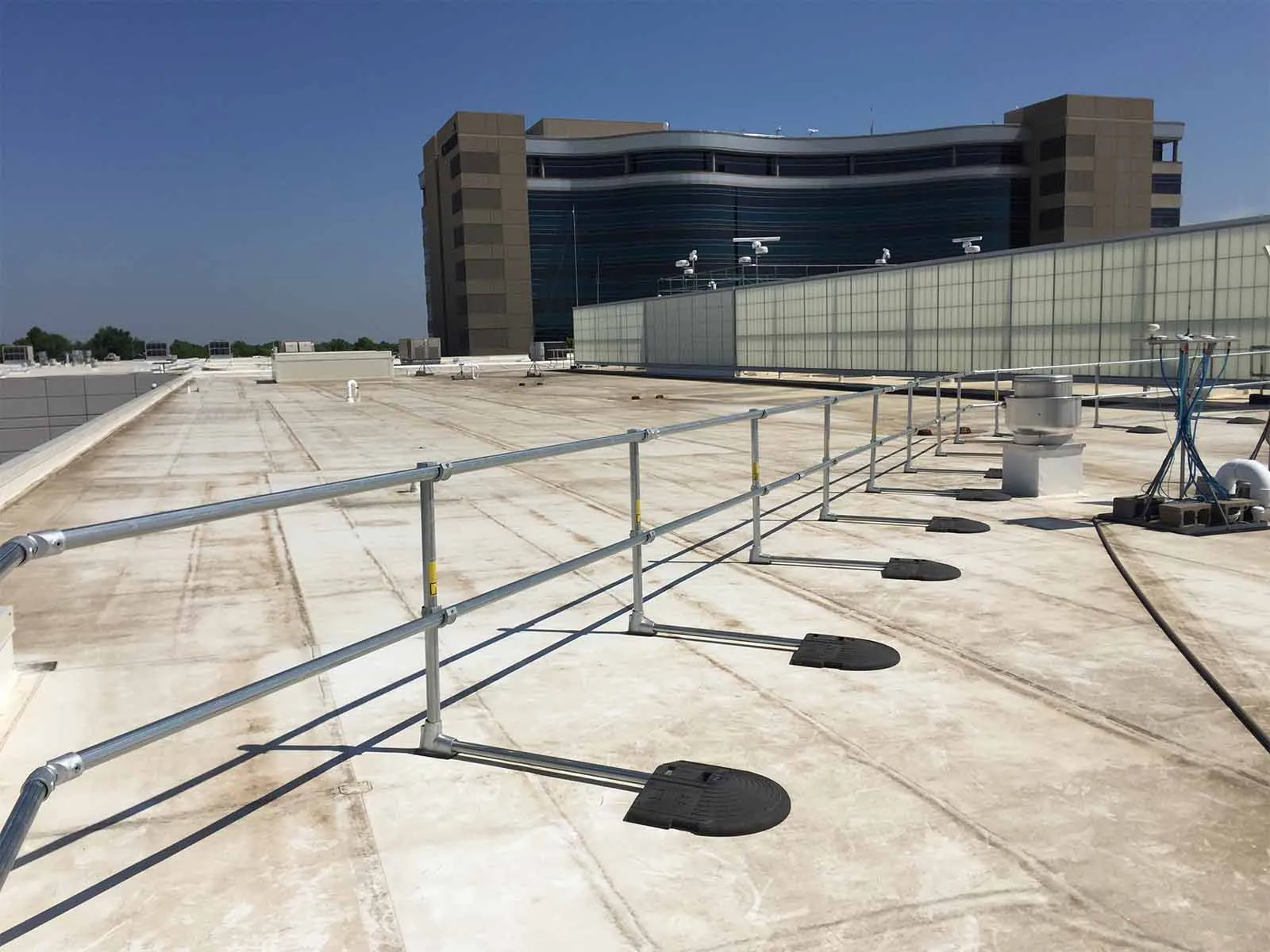
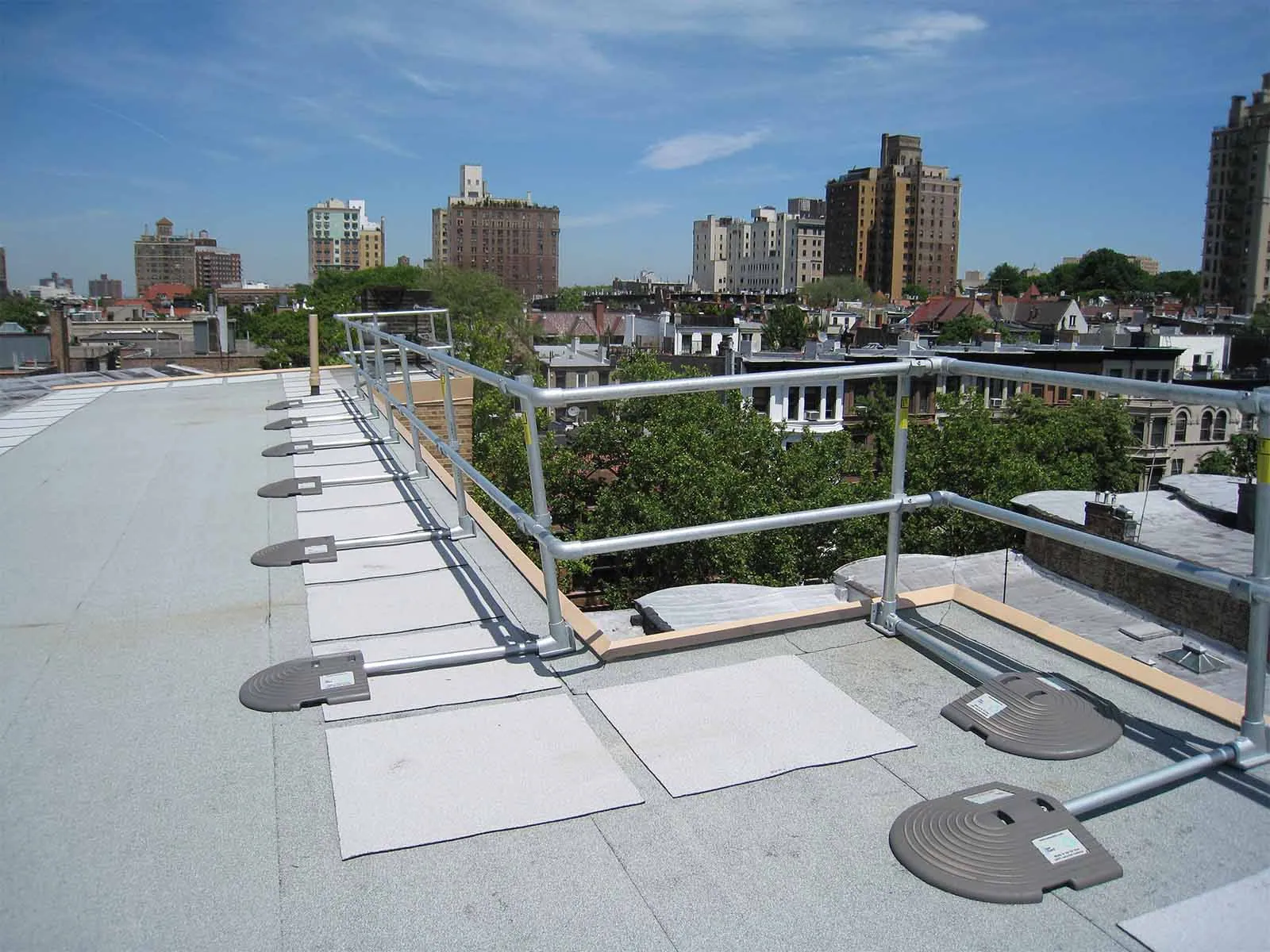
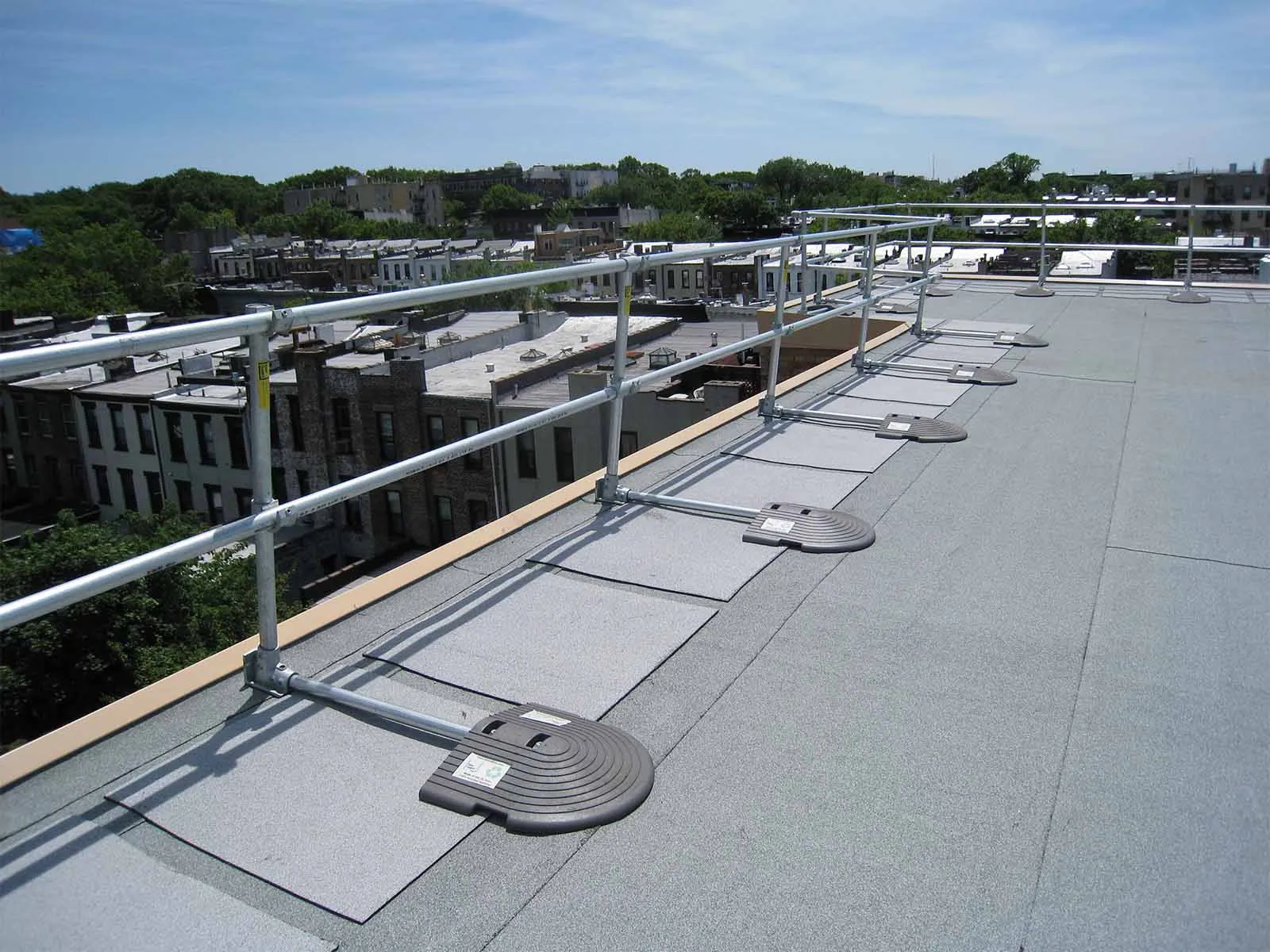
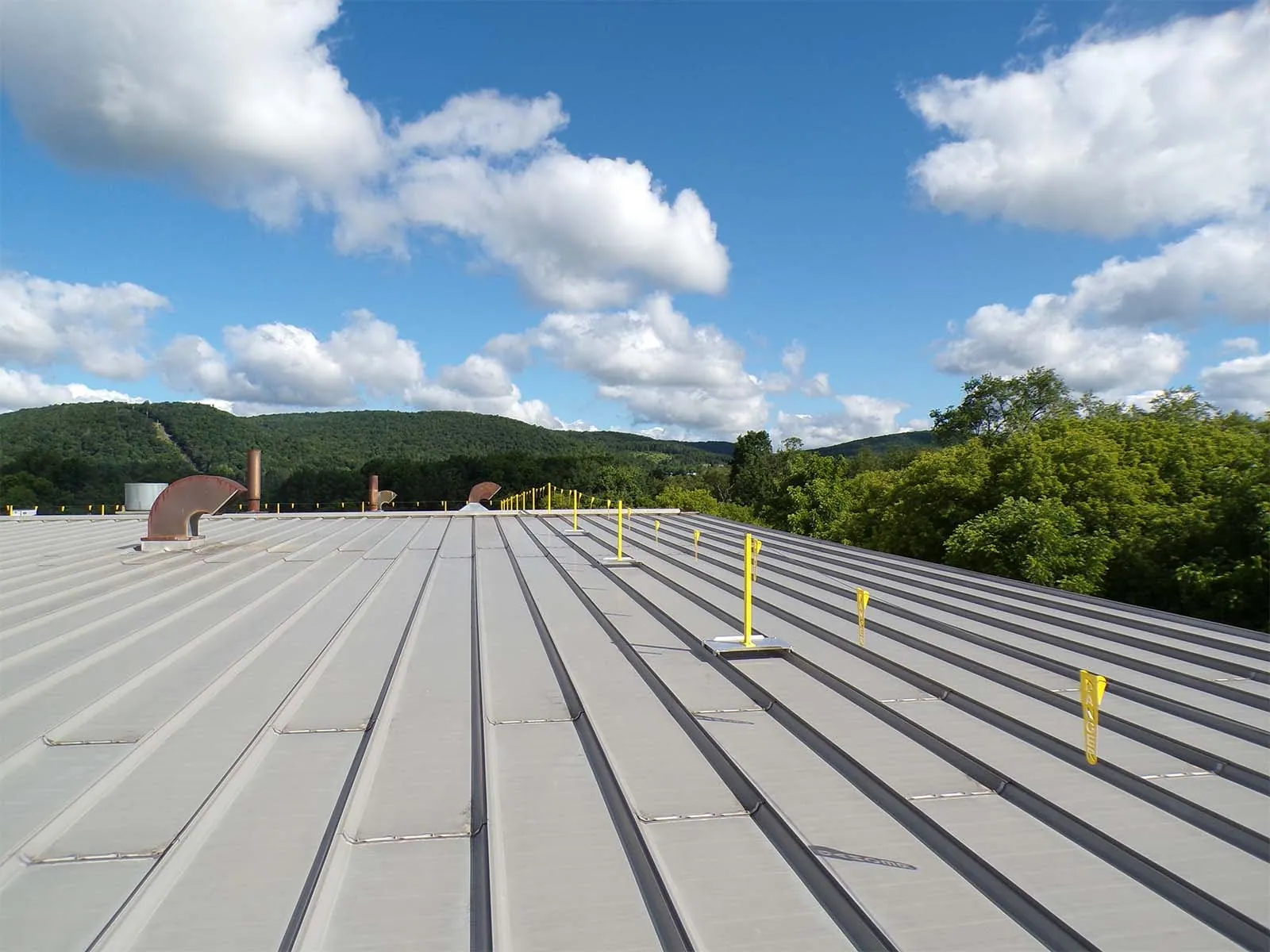
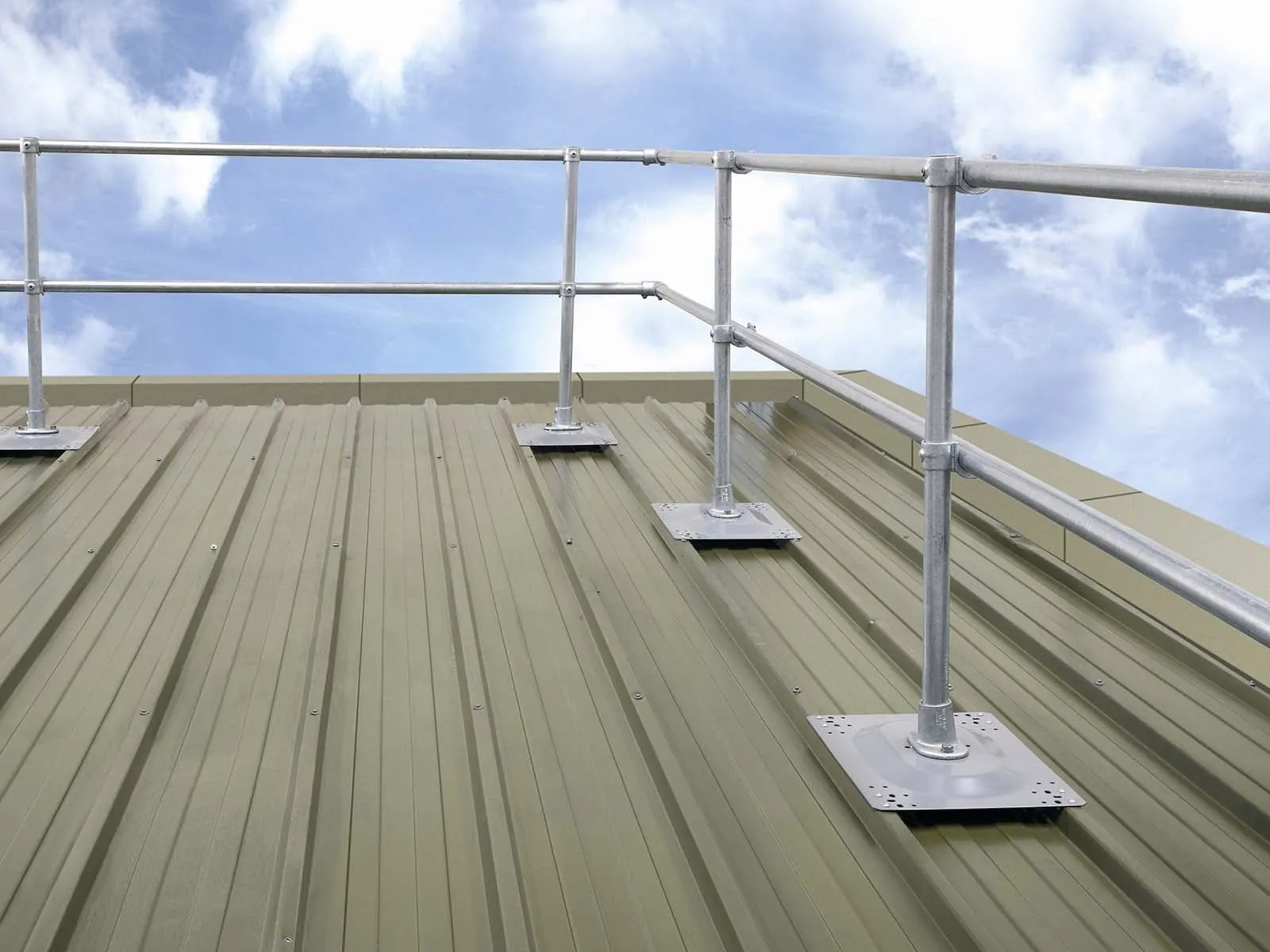
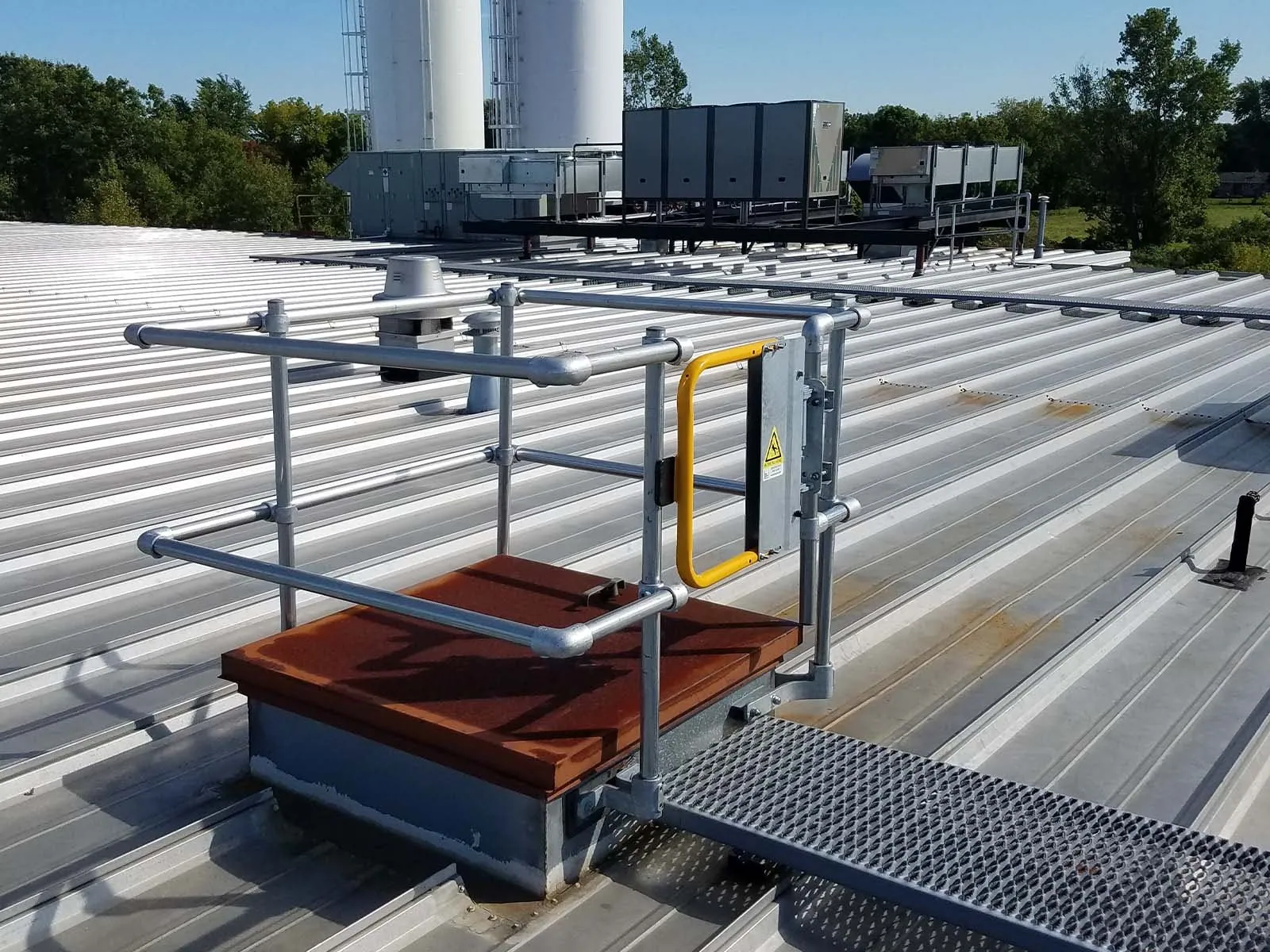
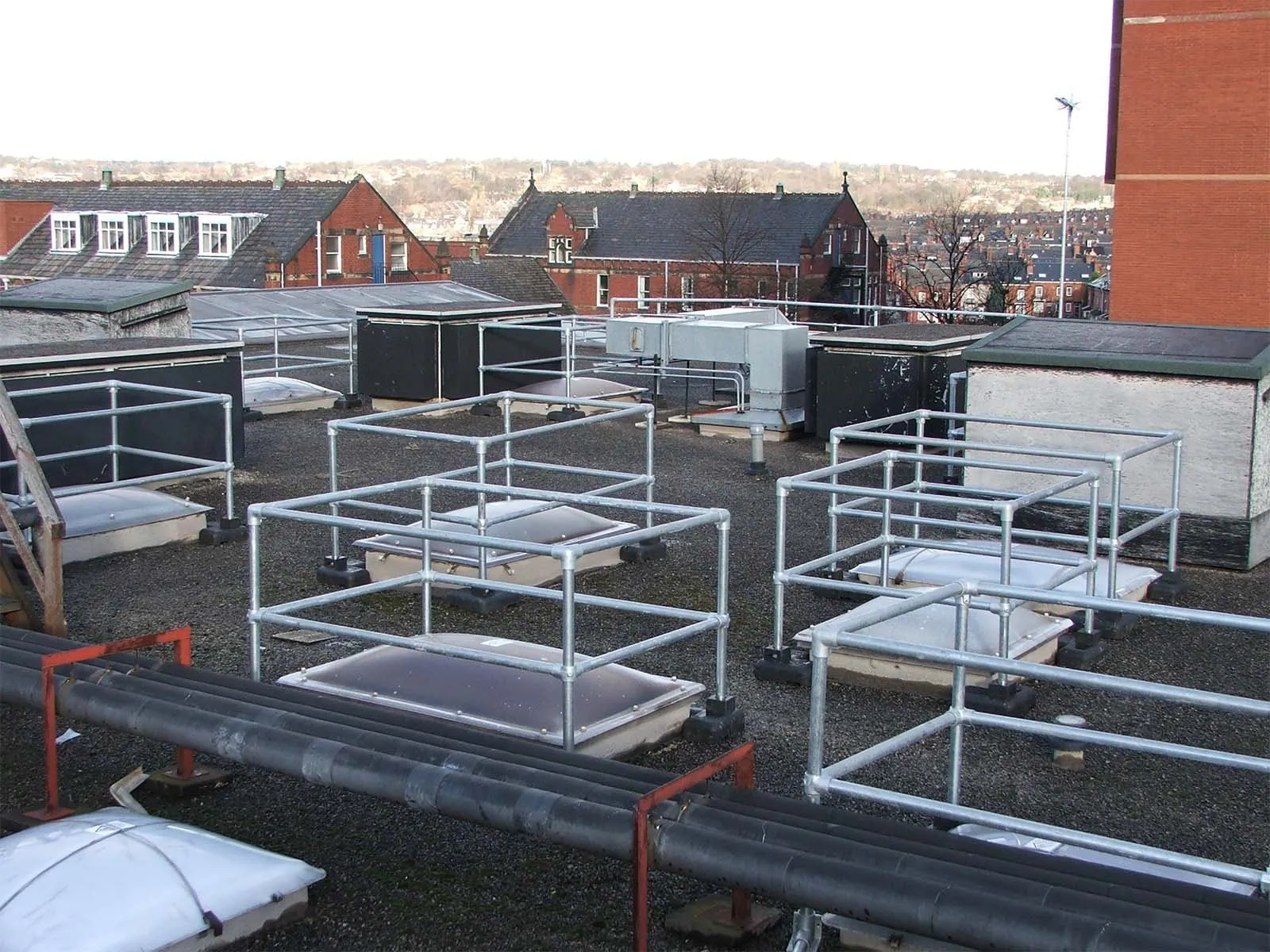
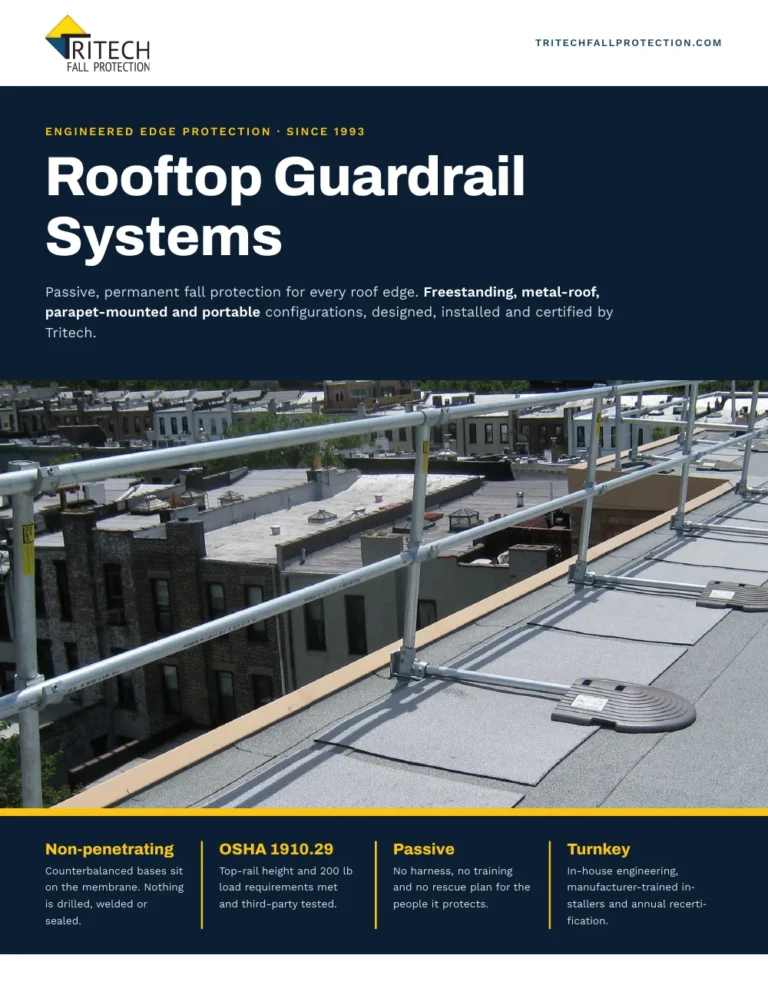
Weighted bases sit on the roof, set back from the edge, so the rail does not rely on a parapet and does not drill the membrane. Base size, ballast and spacing are designed for that roof and its wind exposure.
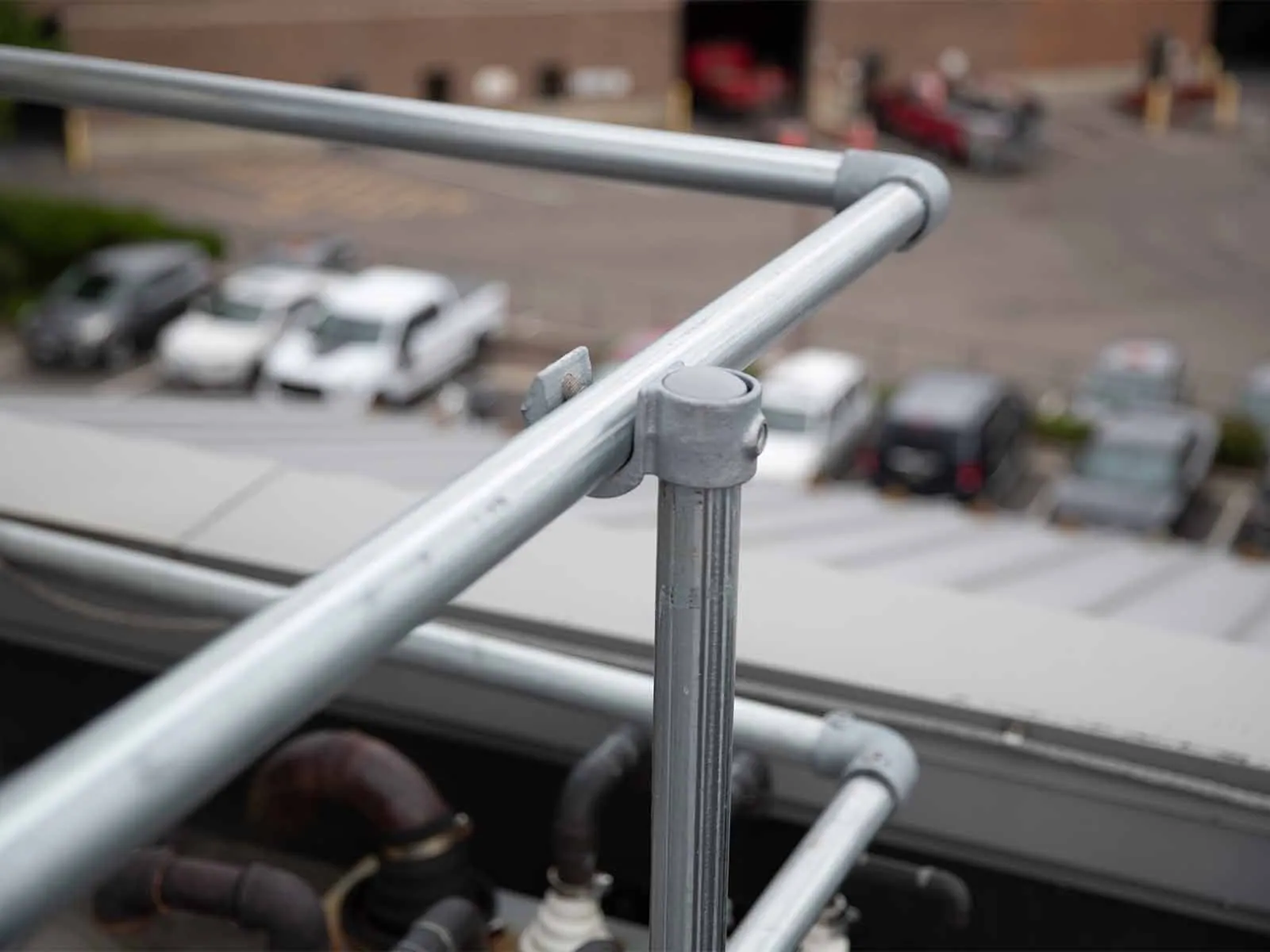
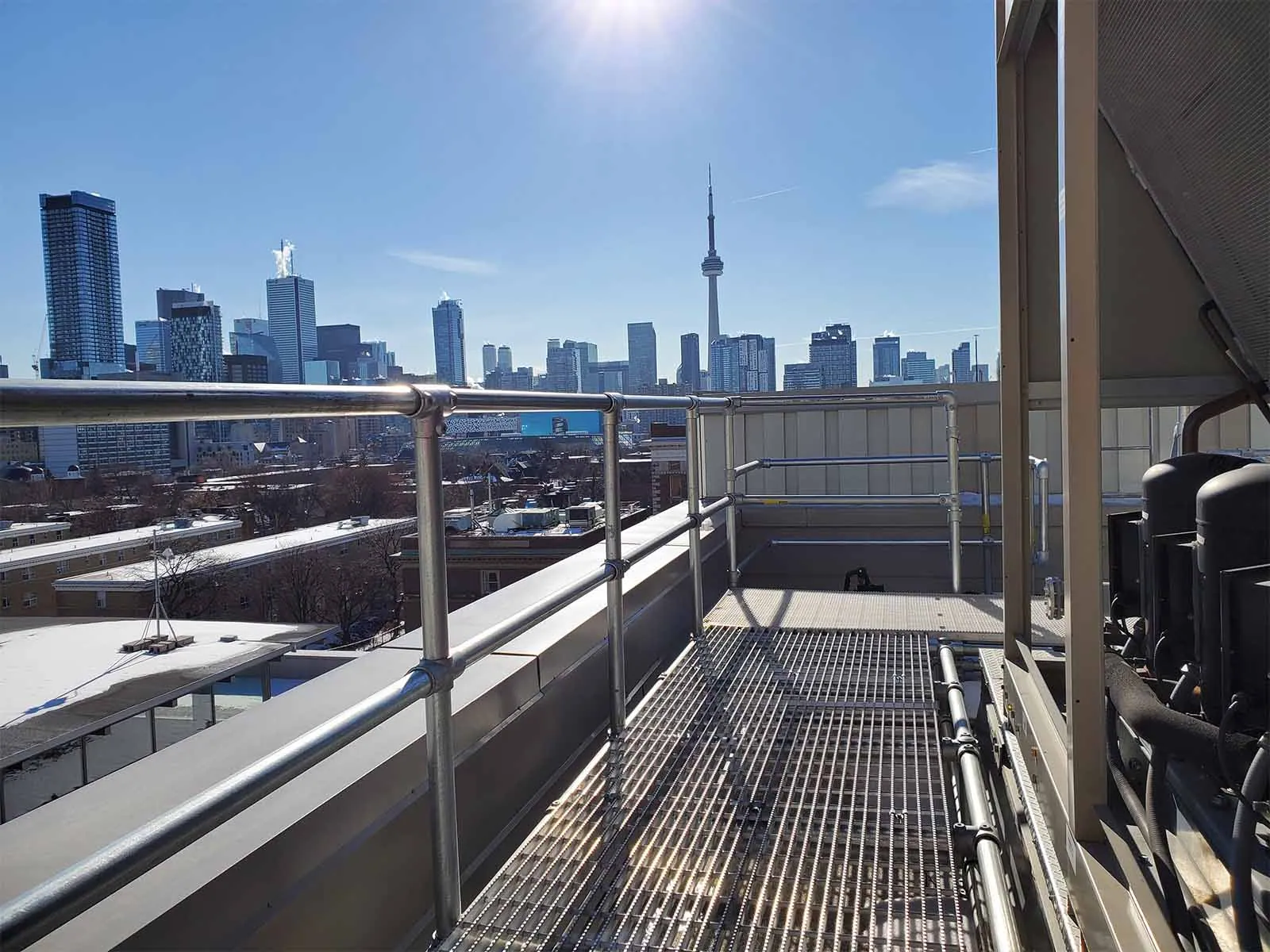
Parapet clamp where it fits
When the parapet is sound, wide enough and has a coping a clamp can grip, a clamp-on rail protects the edge without a membrane penetration. If the wall cannot take it, we tell you and we use a different attachment. See parapet guardrail.
Membrane and warranty first
TPO, PVC, EPDM and modified bitumen each have their own surface and warranty rules. We review the membrane and the roofing warranty with you, and with your roofer when that helps, before the layout is finished.
Wind and layout still need design
Non-penetrating does not mean no engineering. Ballast, setback and base spacing, or the clamp and the parapet, are calculated and shown in PE-stamped drawings your team reviews before fabrication.
One team, start to finish
Installation by our own crew, certification at handover, a walkthrough for your people, and annual inspection and recertification.
PROBLEMS WE SOLVE
The Edge Still Has to Be Guarded When You Cannot Drill the Roof
An unprotected roof edge is a fall waiting for a routine walk: a filter change, a leak check, a path from a hatch to a unit. A catalog rail that is dropped on the roof without a design for the membrane, the wind or the setback is not a substitute for a system that has been measured and calculated.Some roofs cannot be drilled. The warranty says so, the membrane is new, or the building is leased. Other roofs have no parapet, or a parapet that cannot hold a rail. Those are the cases a non-penetrating guardrail is built for. We still have to get the layout right: bases and ballast, or a clamp on a parapet that can actually carry it.
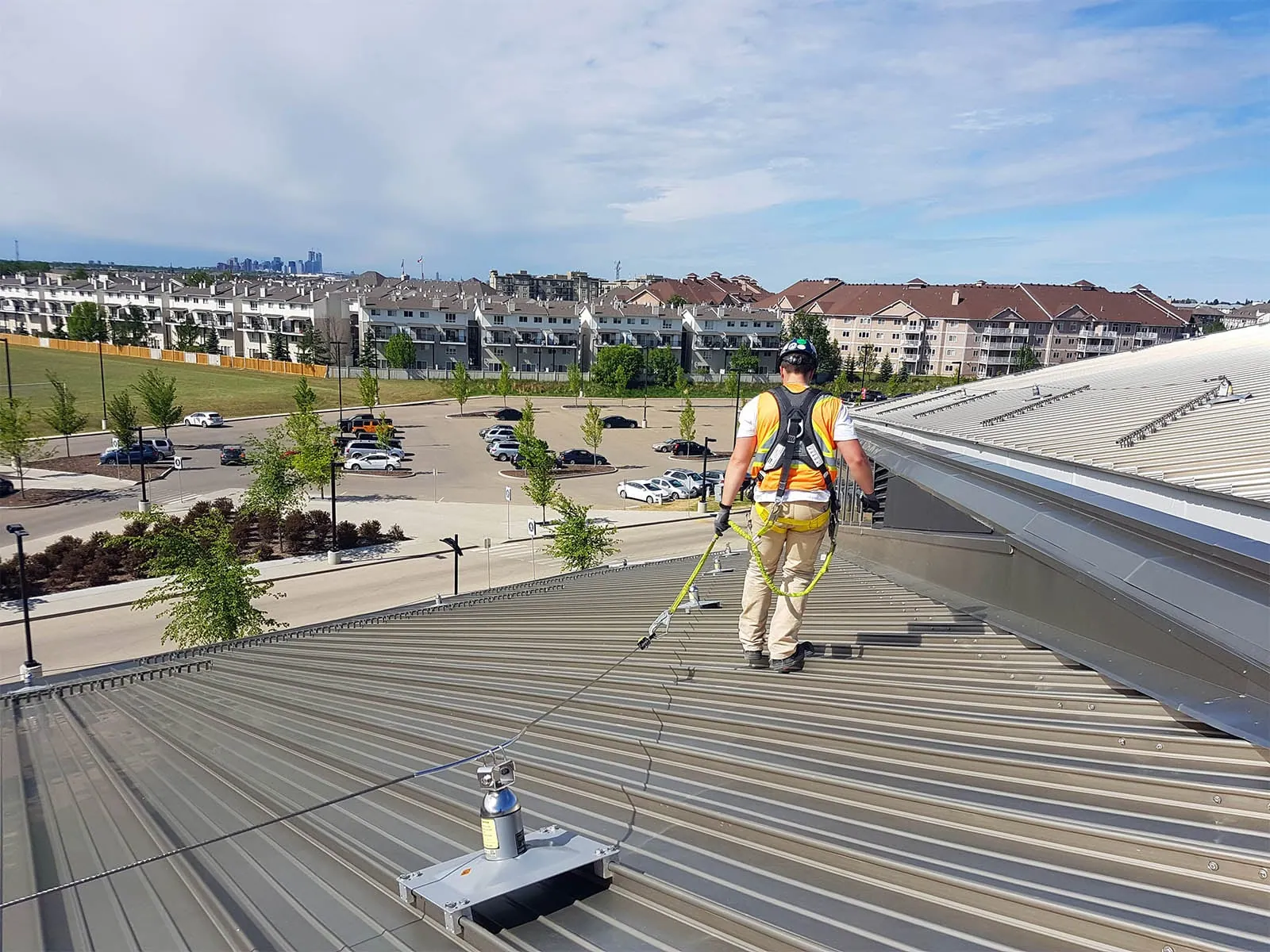
This page is about guardrail, not tie-off. If you need a point to connect a lanyard, that is a non-penetrating roof anchor, a different system.
Where non-penetrating roof guardrail is used
- Building Access & Maintenance
- Energy & Utilities
- Government & Military
- Manufacturing
- Warehouses & Distribution Centers
Building Access & Maintenance
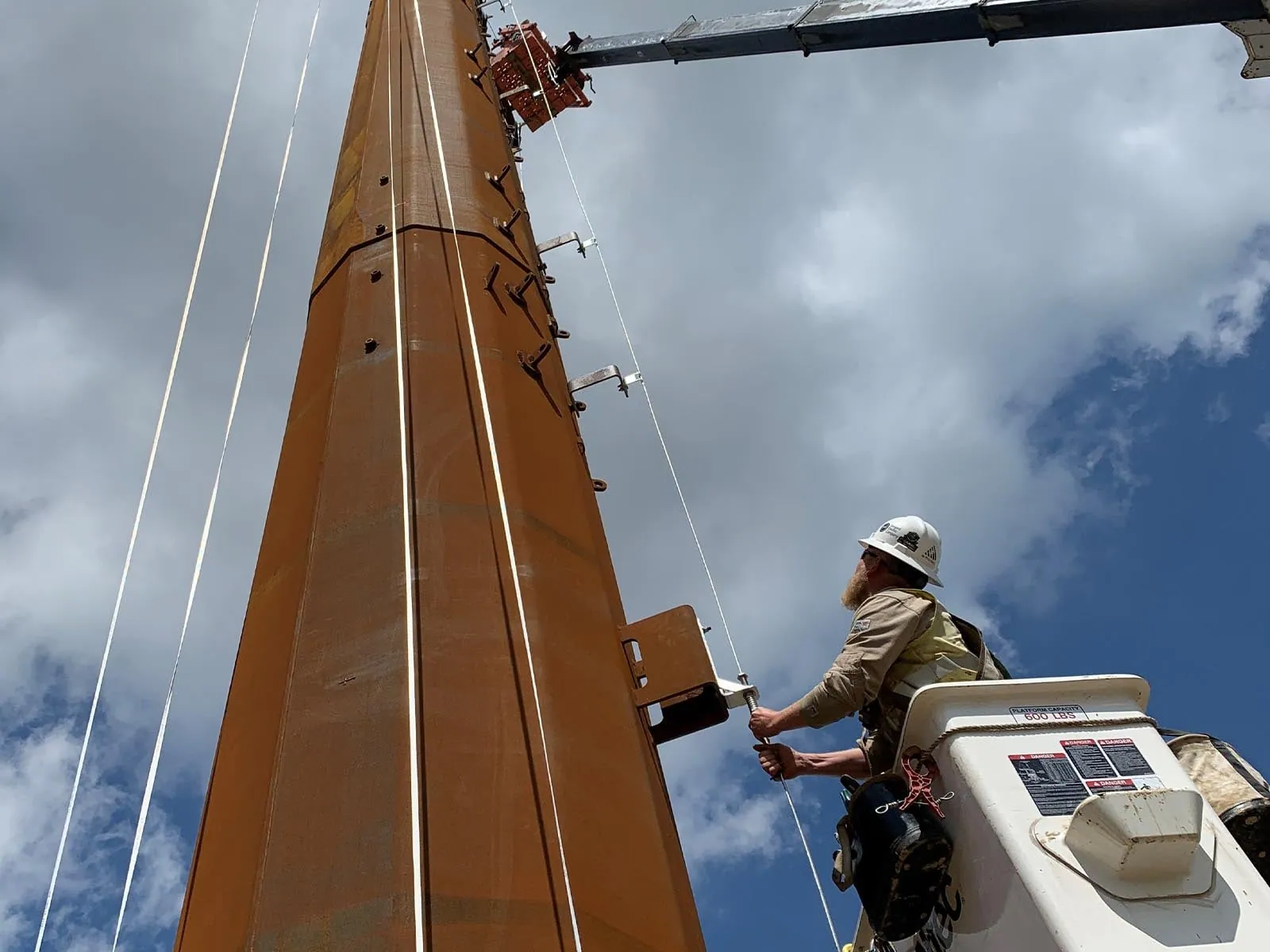
Energy & Utilities
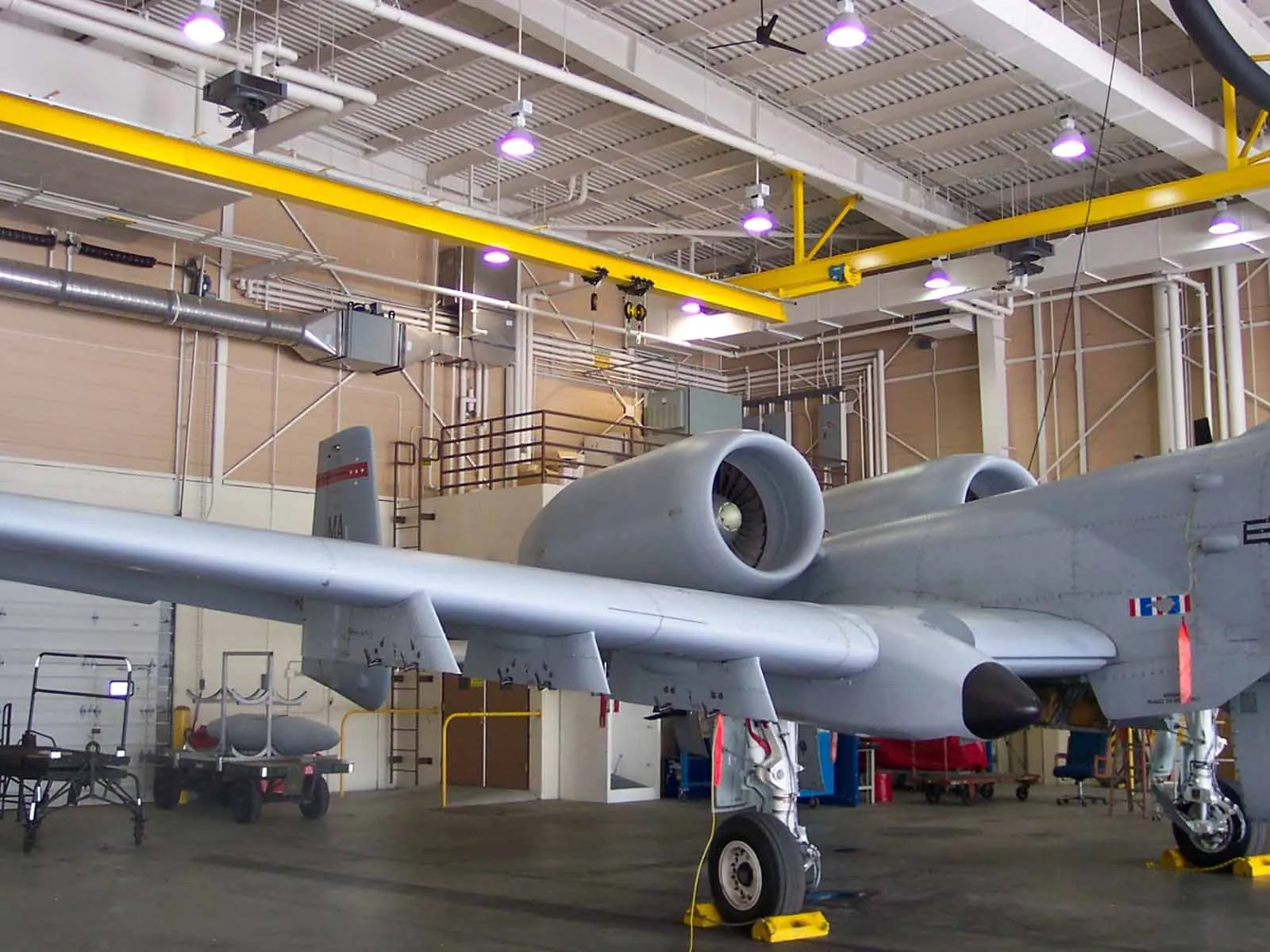
Government & Military

Manufacturing
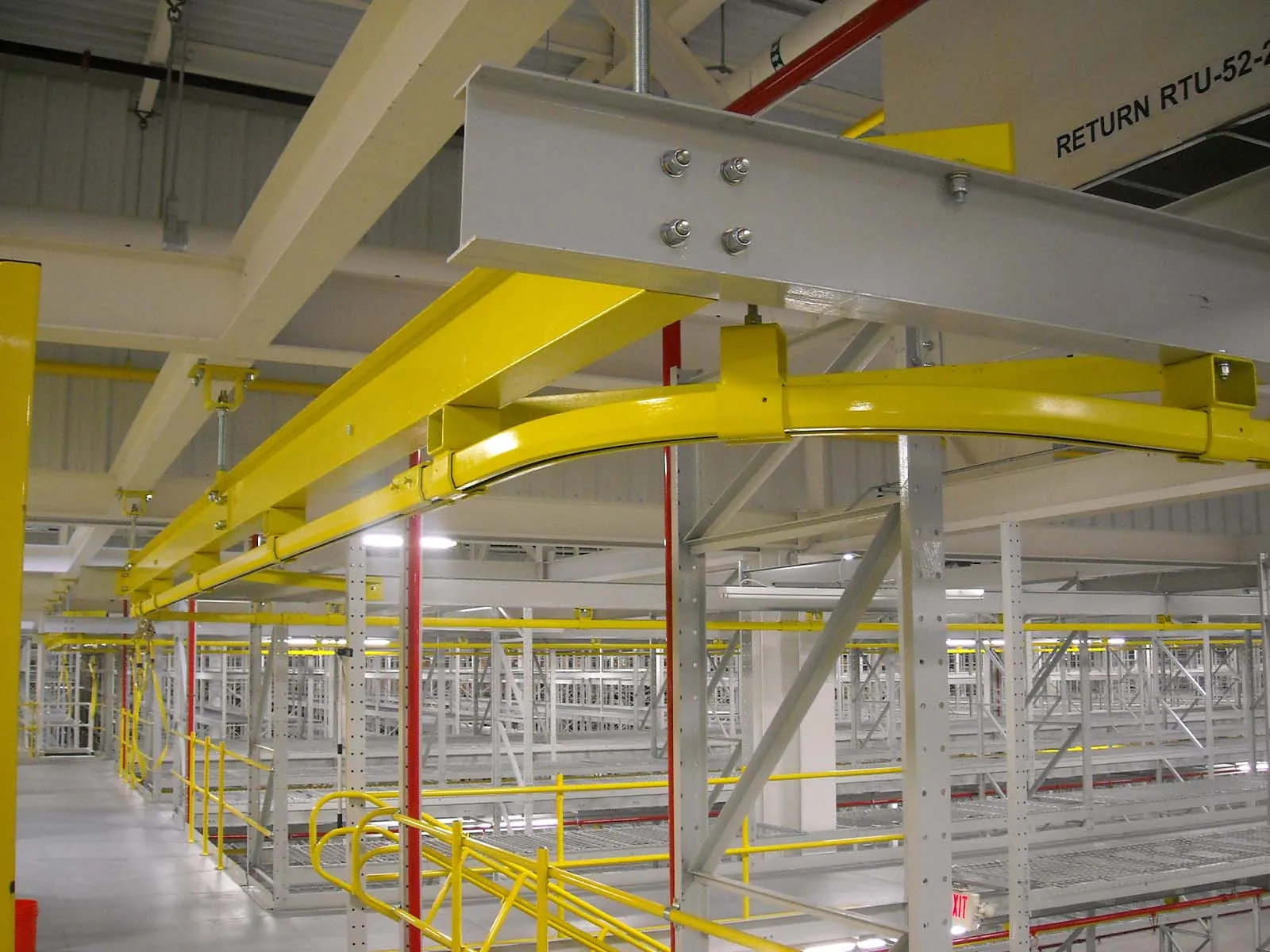
Warehouses & Distribution Centers
Where this system is used
Industries and applications that run on Non-Penetrating Roof Guardrail
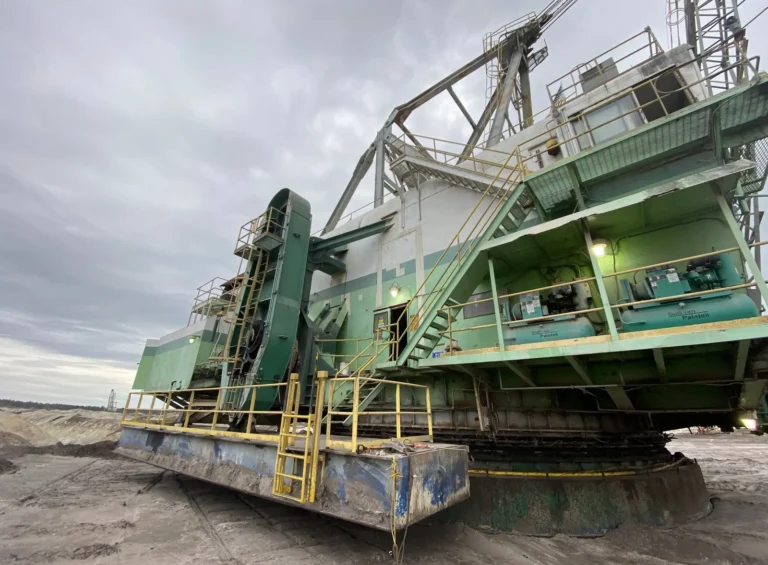
Mining
Engineered fall protection for open pit, underground, in-situ and dredging operations and their processing facilities. PE-stamped, installed and certified by one team since 1993.
Read more →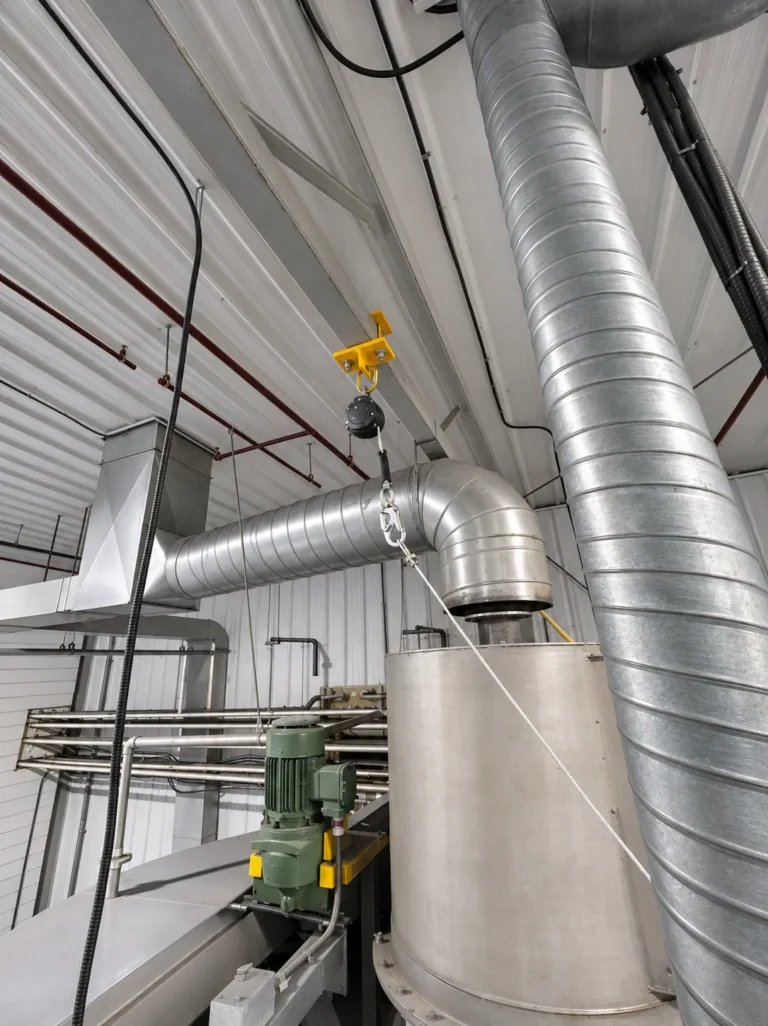
Food & Beverage
Tanker loading, process lines, tank tops, mezzanines and refrigeration roofs in food and beverage plants.
Read more →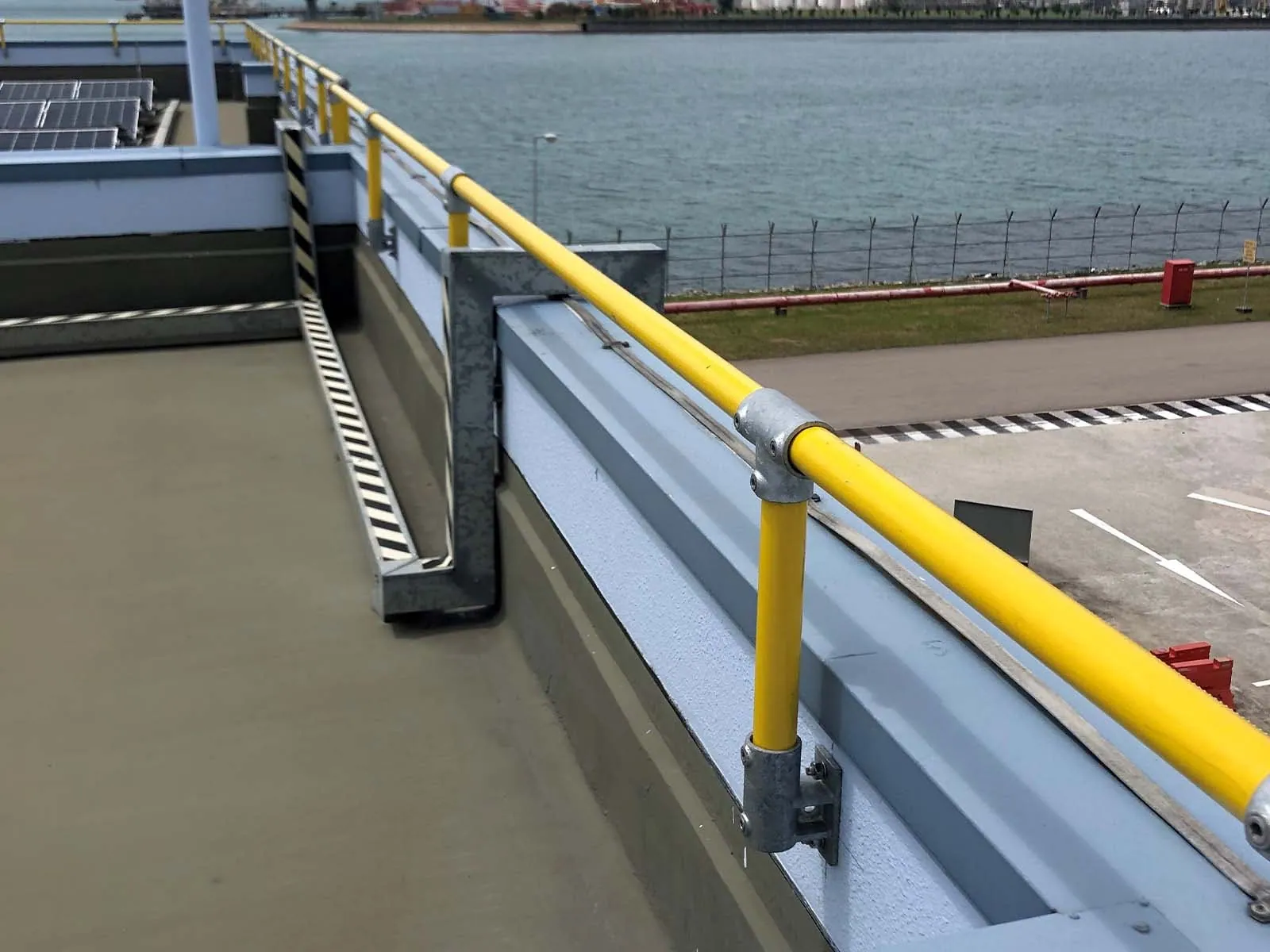
Downloads
Brochures & downloads
Brochure
Rooftop Guardrail Systems Brochure
How Tritech engineers rooftop guardrail for membrane, metal, parapet and temporary roofs: four configurations, edge-distance zones and site engineering.
Answers to
Key Questions
What is a non-penetrating roof guardrail?
It is a roof-edge rail that does not drill the membrane. It either clamps to a parapet or stands on weighted or counterweighted bases set back from the edge. Tritech engineers both and chooses from the parapet, the membrane, the wind and how the roof is used.
Does non-penetrating mean the system does not need to be engineered?
No. Ballast, base spacing, setback and wind, or the clamp and the parapet that holds it, still have to be designed for your roof. Each system is issued with PE-stamped drawings.
Can non-penetrating roof guardrail be installed on TPO or PVC?
Often yes, when the bases or clamps are detailed for that membrane and the roofing warranty allows it. We review the membrane type and the warranty with you before the layout is finished.
What is the difference between a clamp-on rail and a ballasted rail?
A clamp-on rail grips a sound parapet. A ballasted or counterweighted rail stands on bases and does not rely on the parapet. Read anchored vs non-penetrating guardrail for how we choose, and when an anchored rail is the better call.
Can a non-penetrating roof guardrail meet OSHA requirements?
It has to meet the same guardrail criteria as an anchored rail. The attachment method does not change the height or strength the rail must provide. Tritech designs each system to the applicable OSHA guardrail rules for the site, with PE-stamped drawings for engineered systems. Height and load figures are summarized on our roof guardrail systems page.
Is a non-penetrating roof guardrail the same as a non-penetrating roof anchor?
No. A guardrail is a barrier along an edge. A roof anchor is a tie-off point. They solve different problems. If you need a connection for a lanyard or a self-retracting device, see non-penetrating roof anchors.
When is an anchored parapet guardrail a better choice?
When the parapet or structure can take a designed connection, when the rail should stay fixed, or when a clamp or a ballasted layout will not fit the wall or the edge. We will recommend that when it is the safer answer.
Speak to a Fall Protection Specialist
Speak to a Fall Protection Specialist about your roof edge
Tell us about the parapet, the membrane and how your crews use the roof. We will walk it with you and recommend a clamp-on rail, a ballasted rail, or an anchored system, with PE-stamped drawings.
Not ready to talk yet? Download the Rooftop Guardrail Systems Brochure