SOLUTIONS
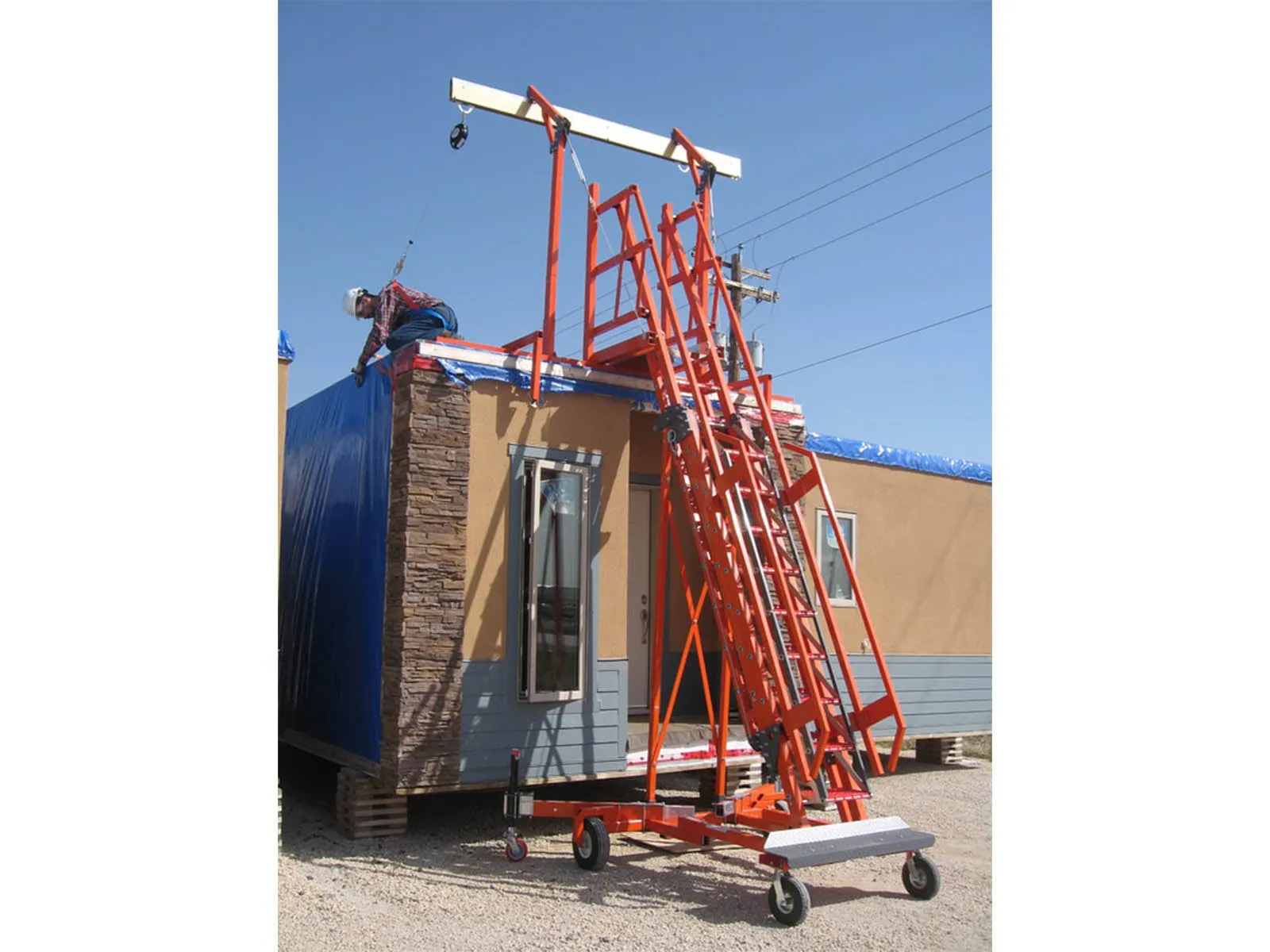
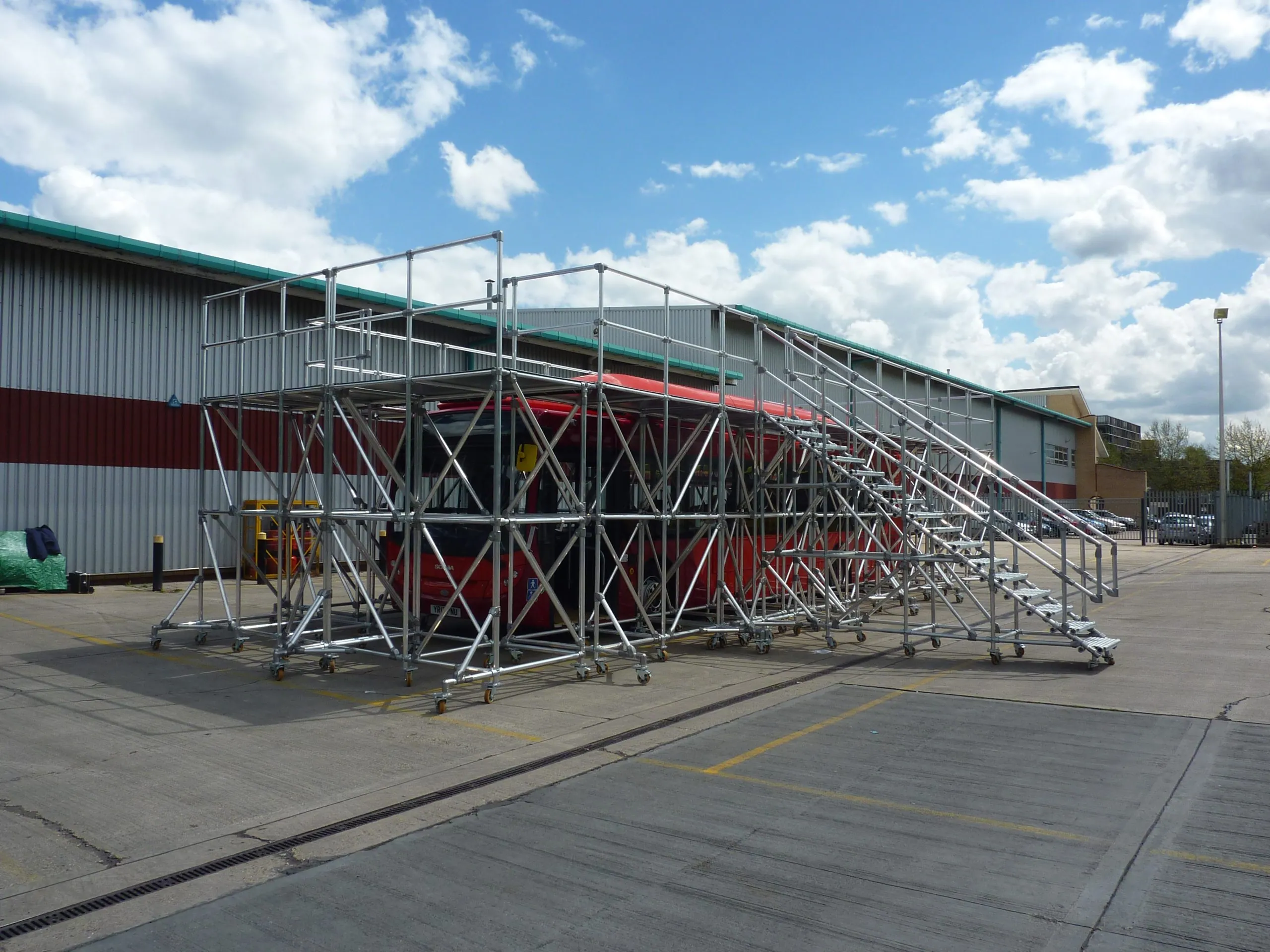
Mobile Access Platform
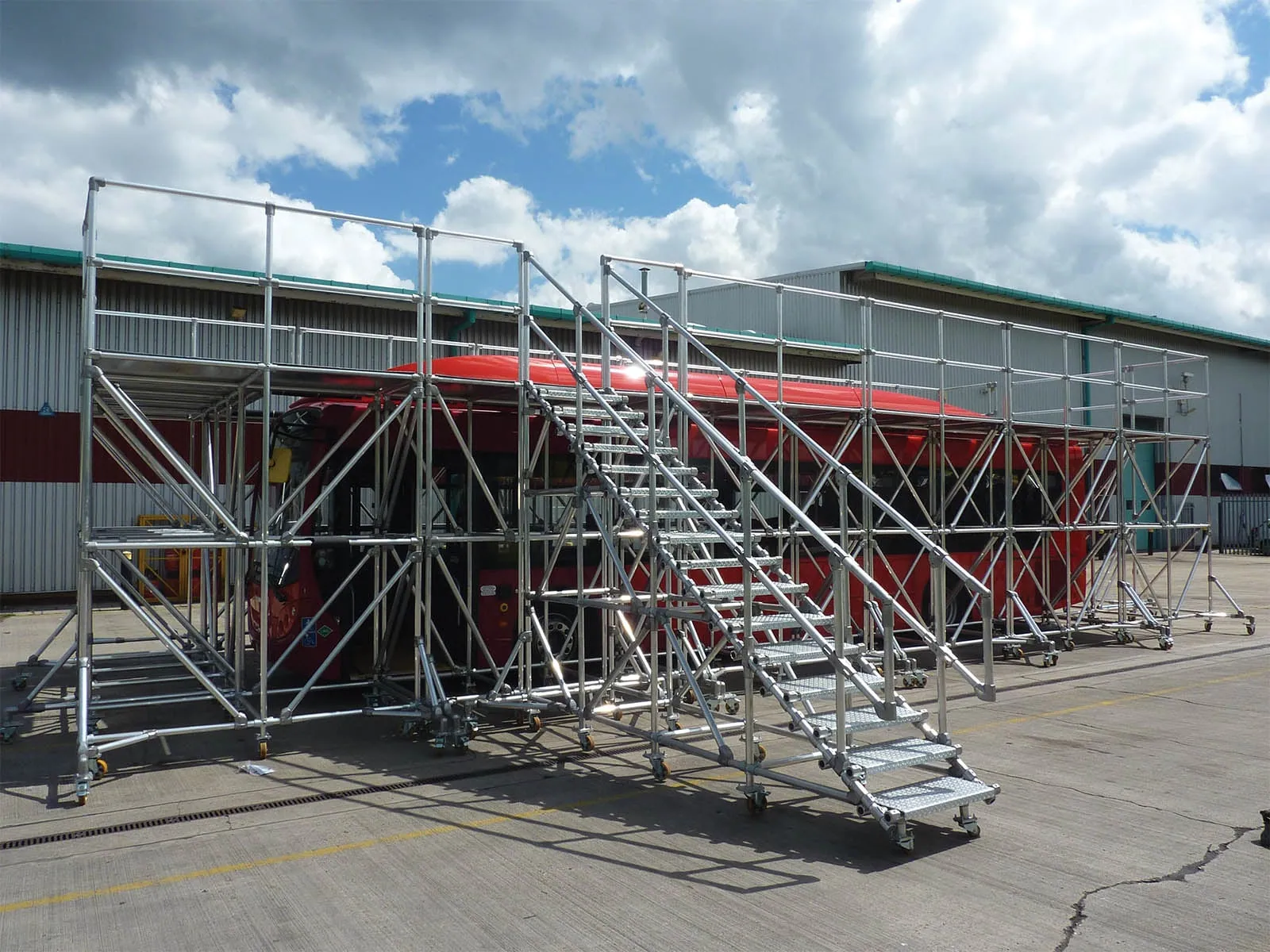
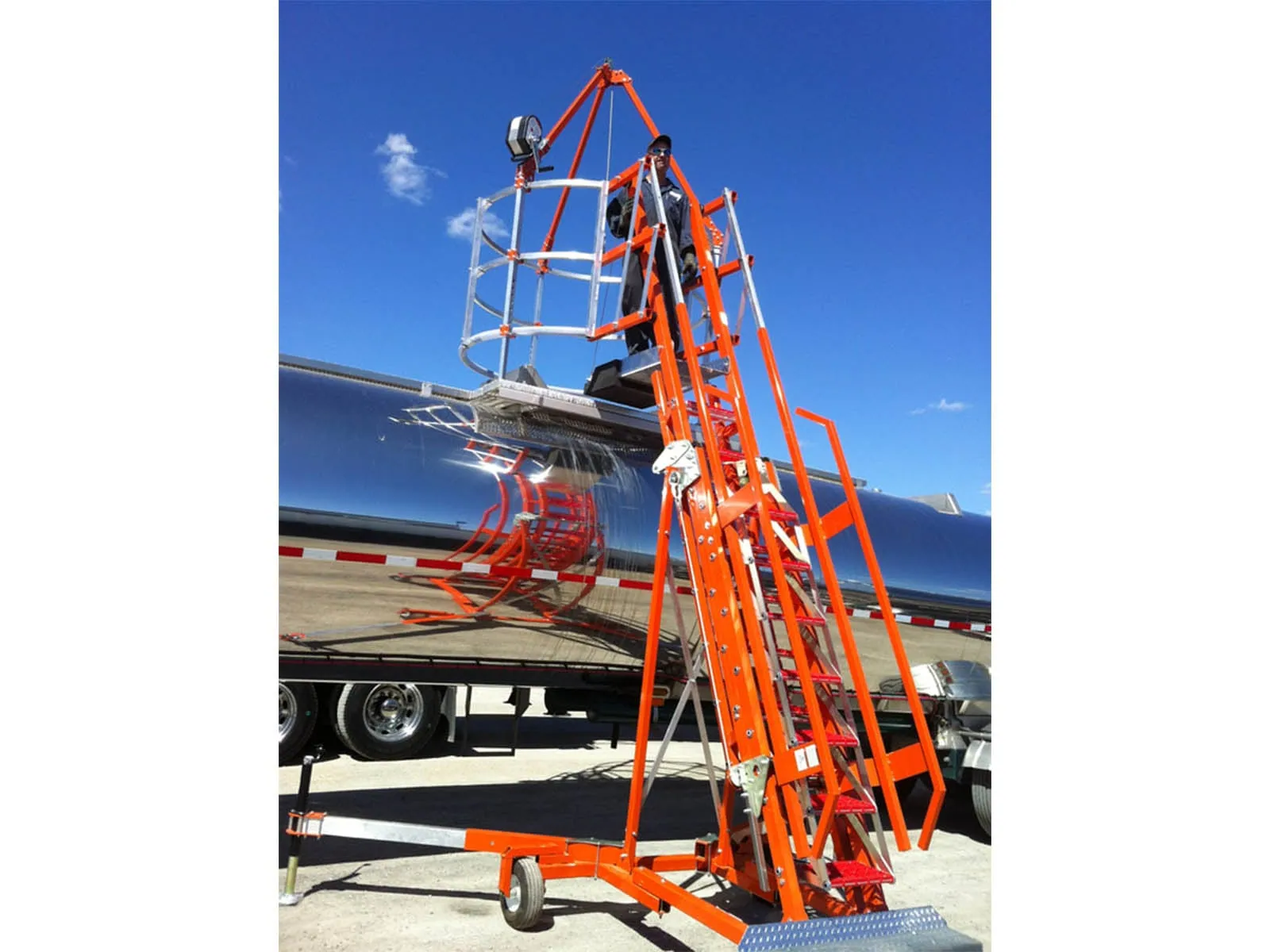
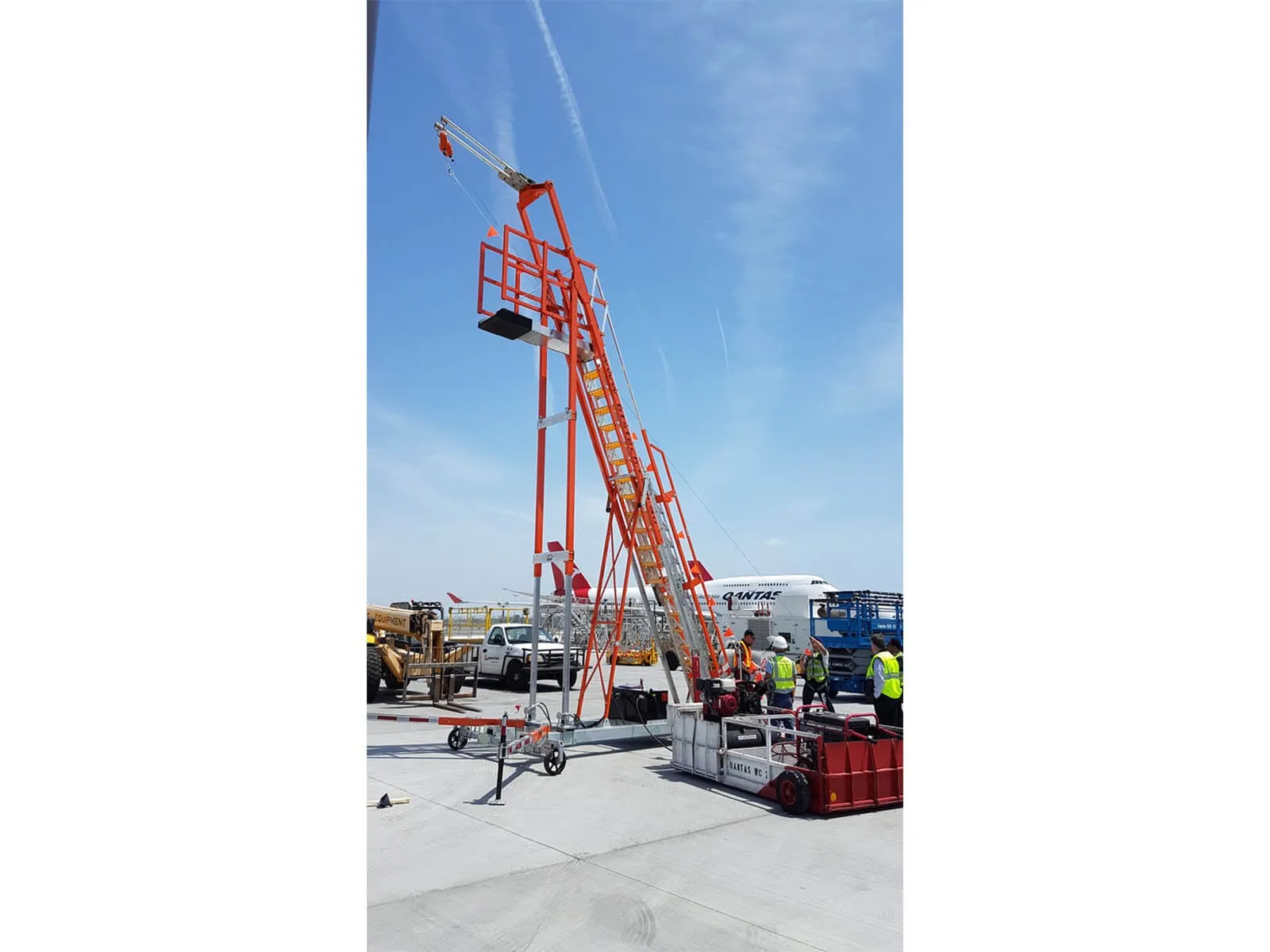
A Portable Work Platform Designed for Safety, Mobility, and Versatility
Easy to Move, Secure When Stationary
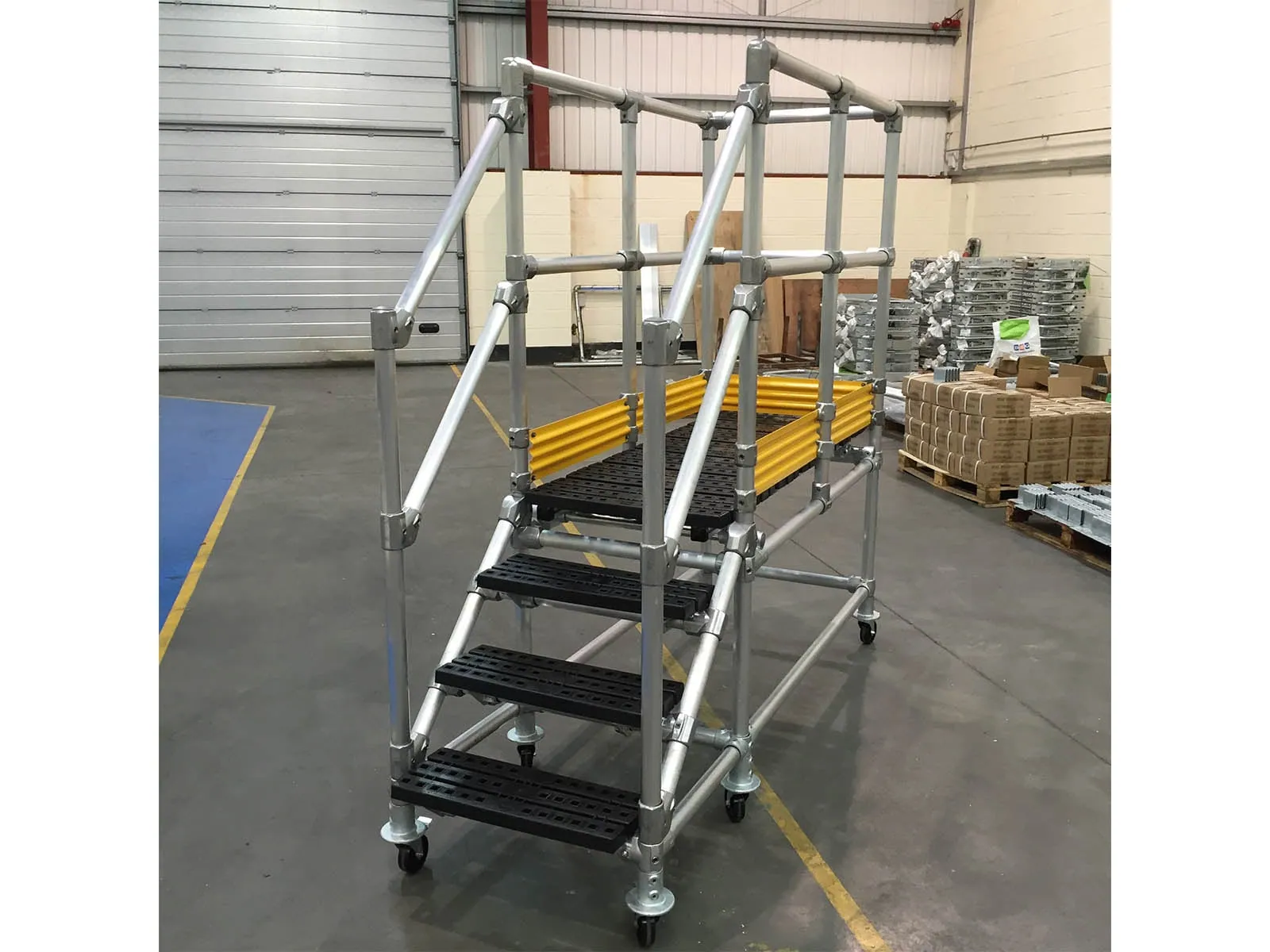
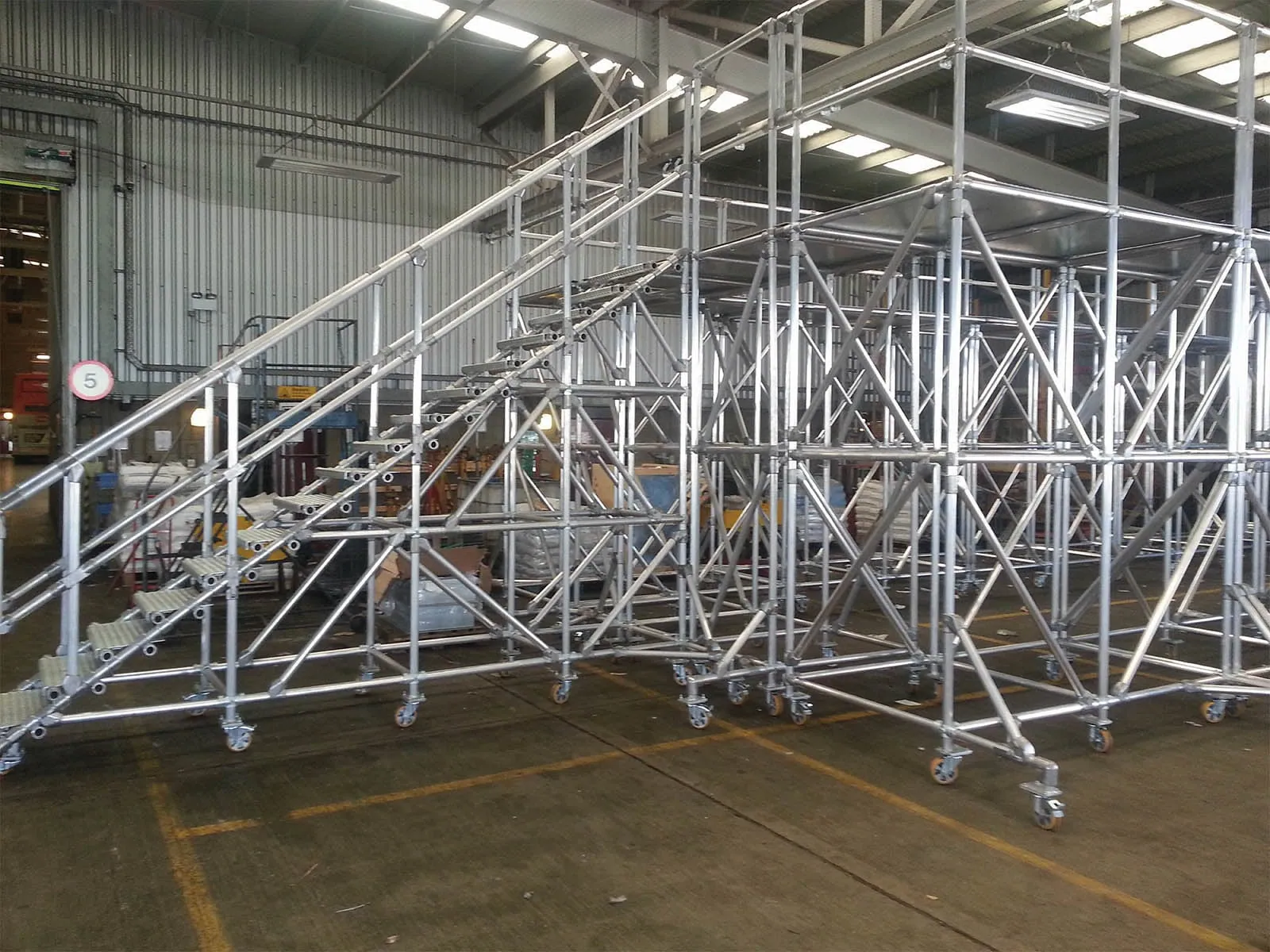
Equipped with locking wheels or casters, mobile platforms can be rolled into place and secured for safe use.
Custom-Built for Your Task
Designed to match your site needs, including height, reach, and space limitations so you get the right access where you need it.
Meets OSHA and ANSI Standards
Each mobile platform is built to meet safety regulations and help prevent falls on the job.
PROBLEMS WE SOLVE
Safe Access Wherever You Need It
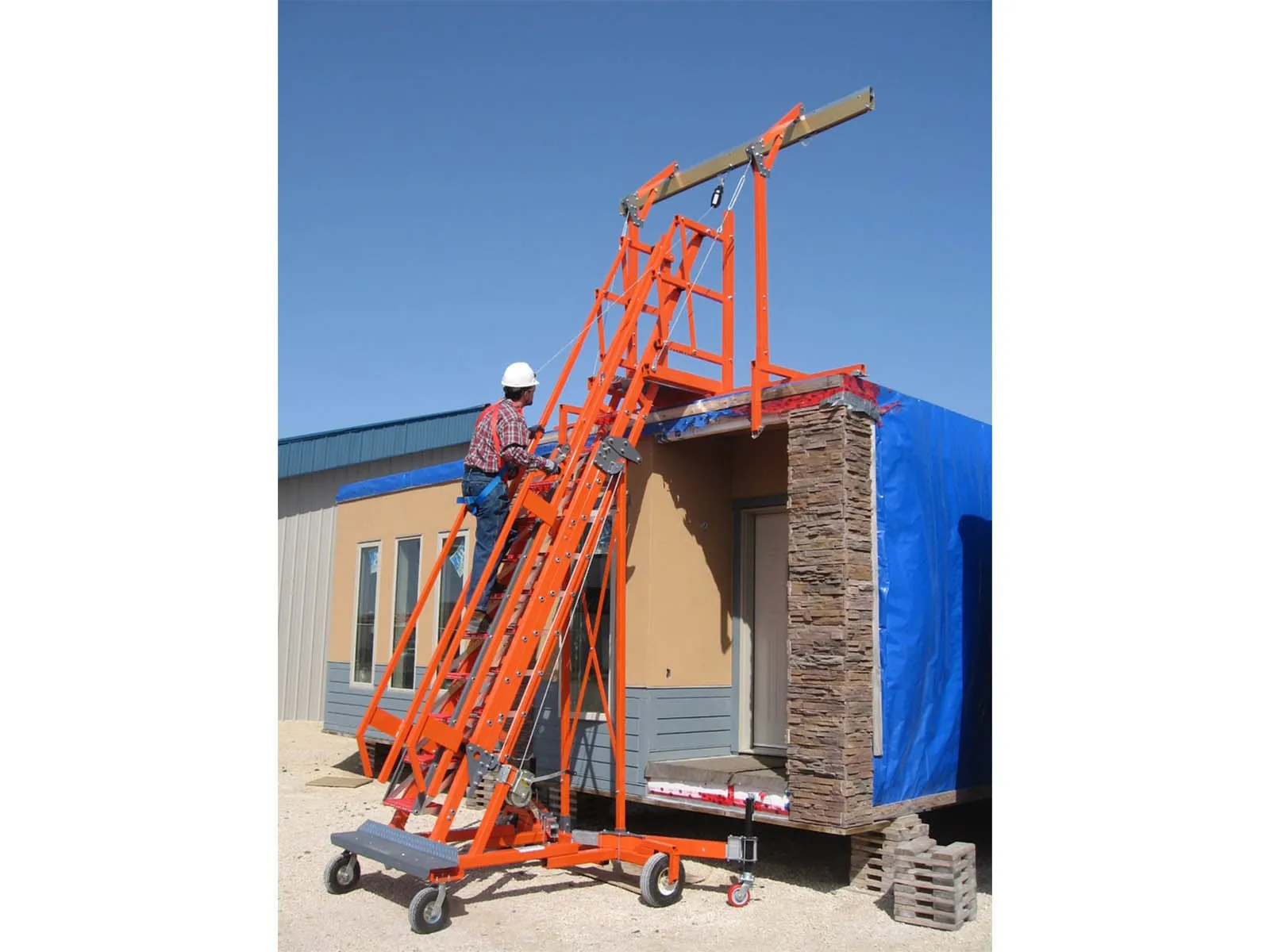
Not every task happens in the same spot. For jobs that move around or can’t justify a permanent setup, mobile platforms offer a safe and practical way to reach elevated areas. They’re great for changing work zones and can be used instead of ladders or improvised platforms.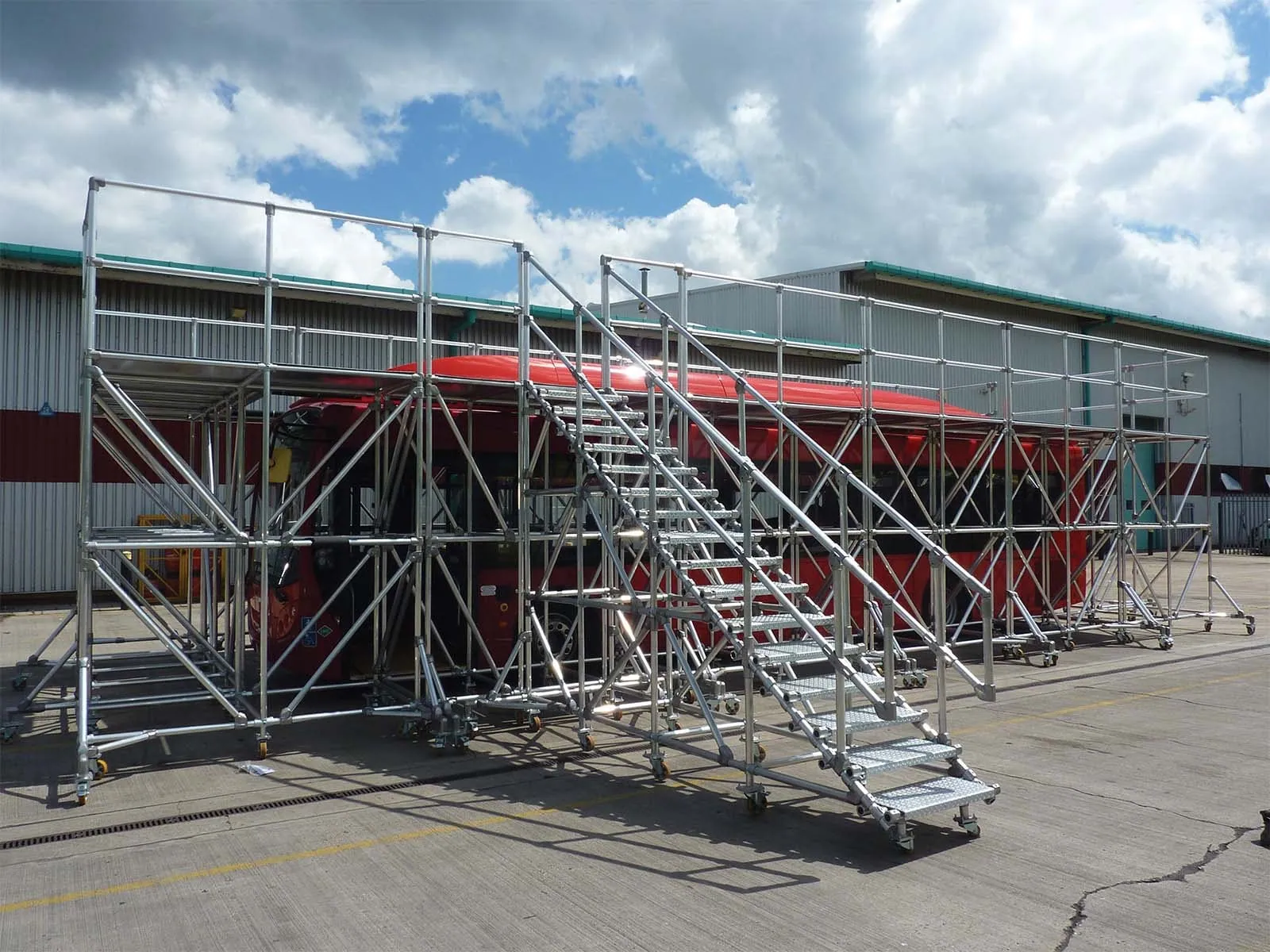
Areas of Application for Mobile Platforms
- Manufacturing & Industrial Facilities
- Aerospace
- Railcar & Transportation
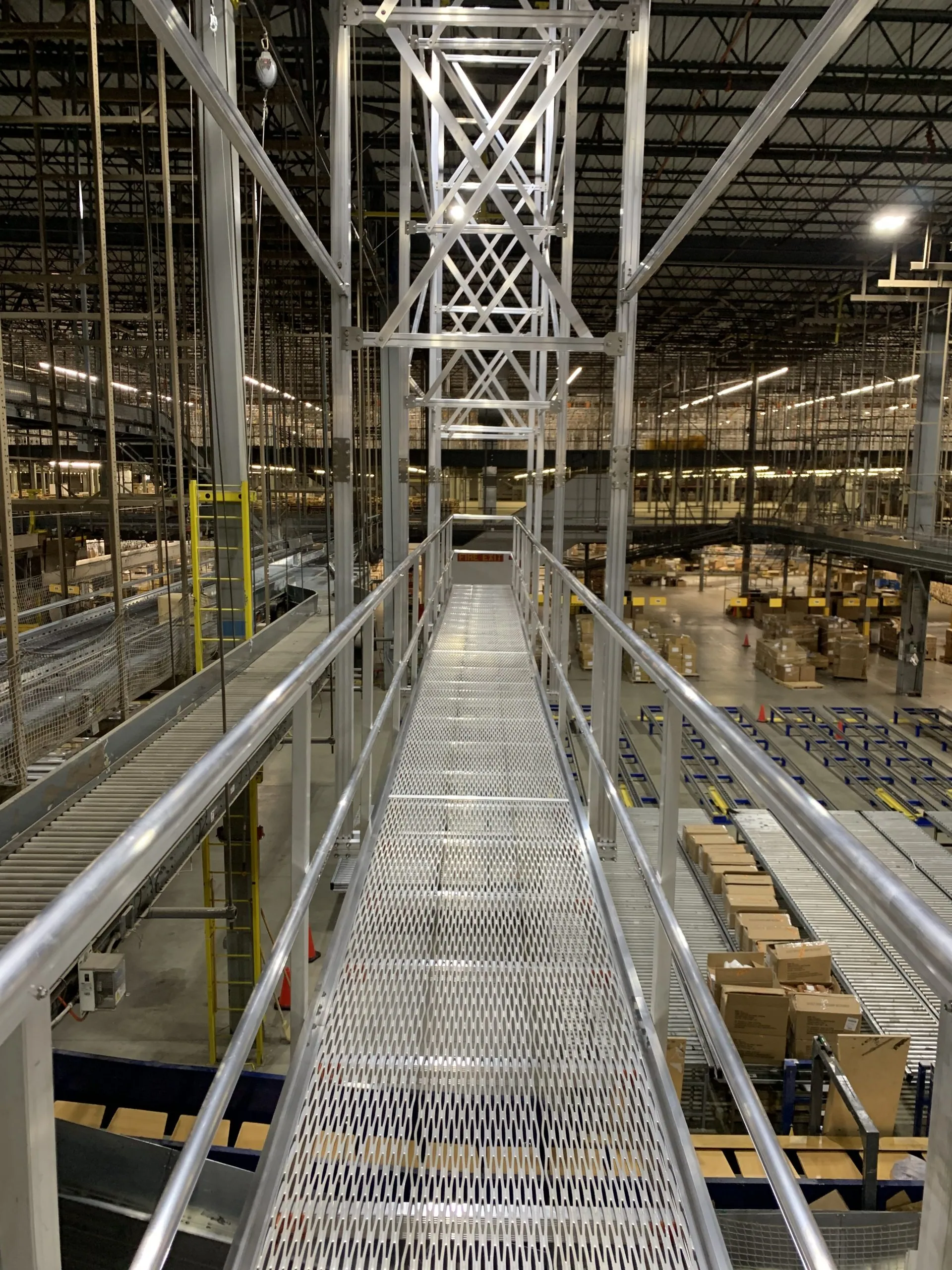
- Supply Chain Management
- Government & Military
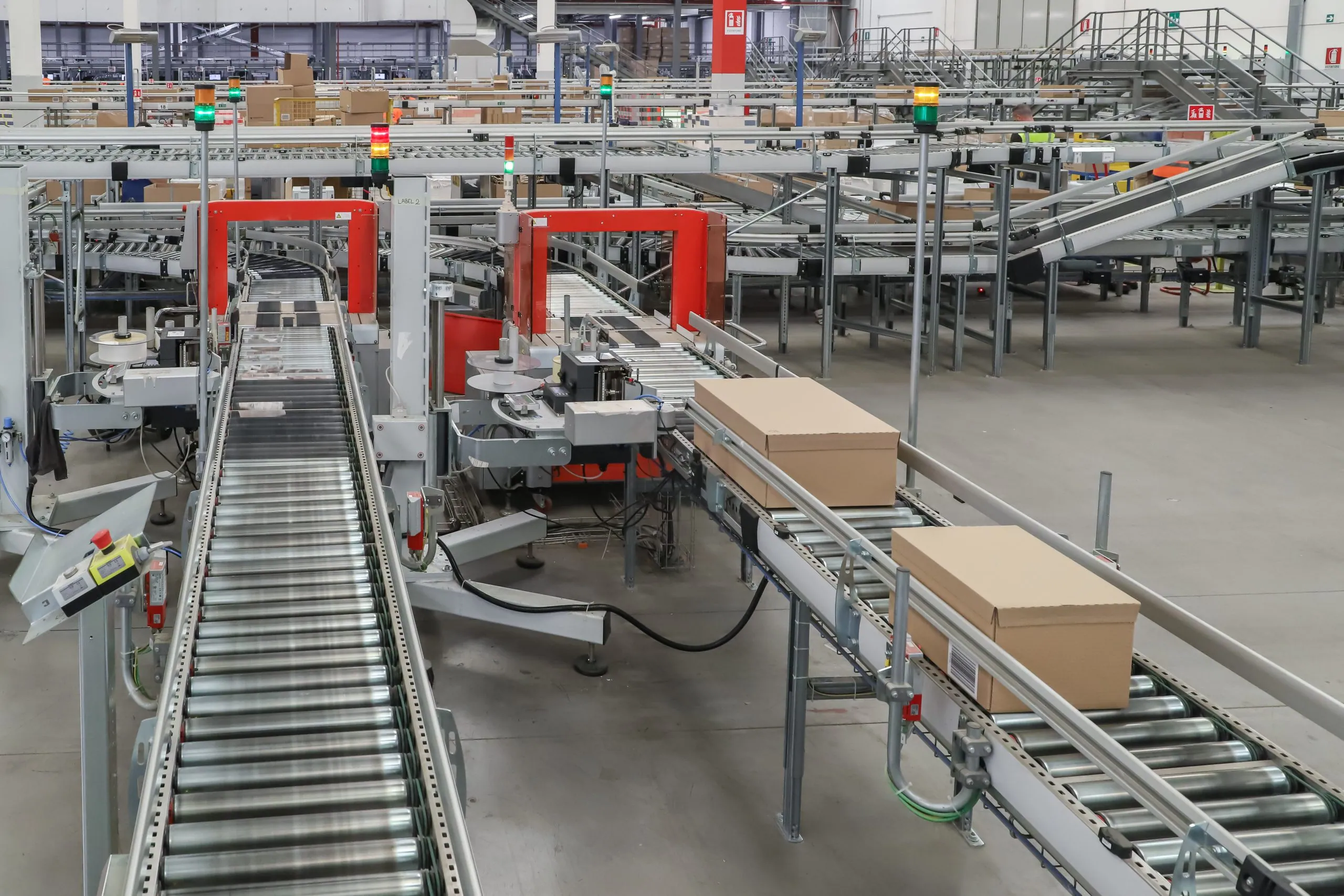
Manufacturing & Industrial Facilities
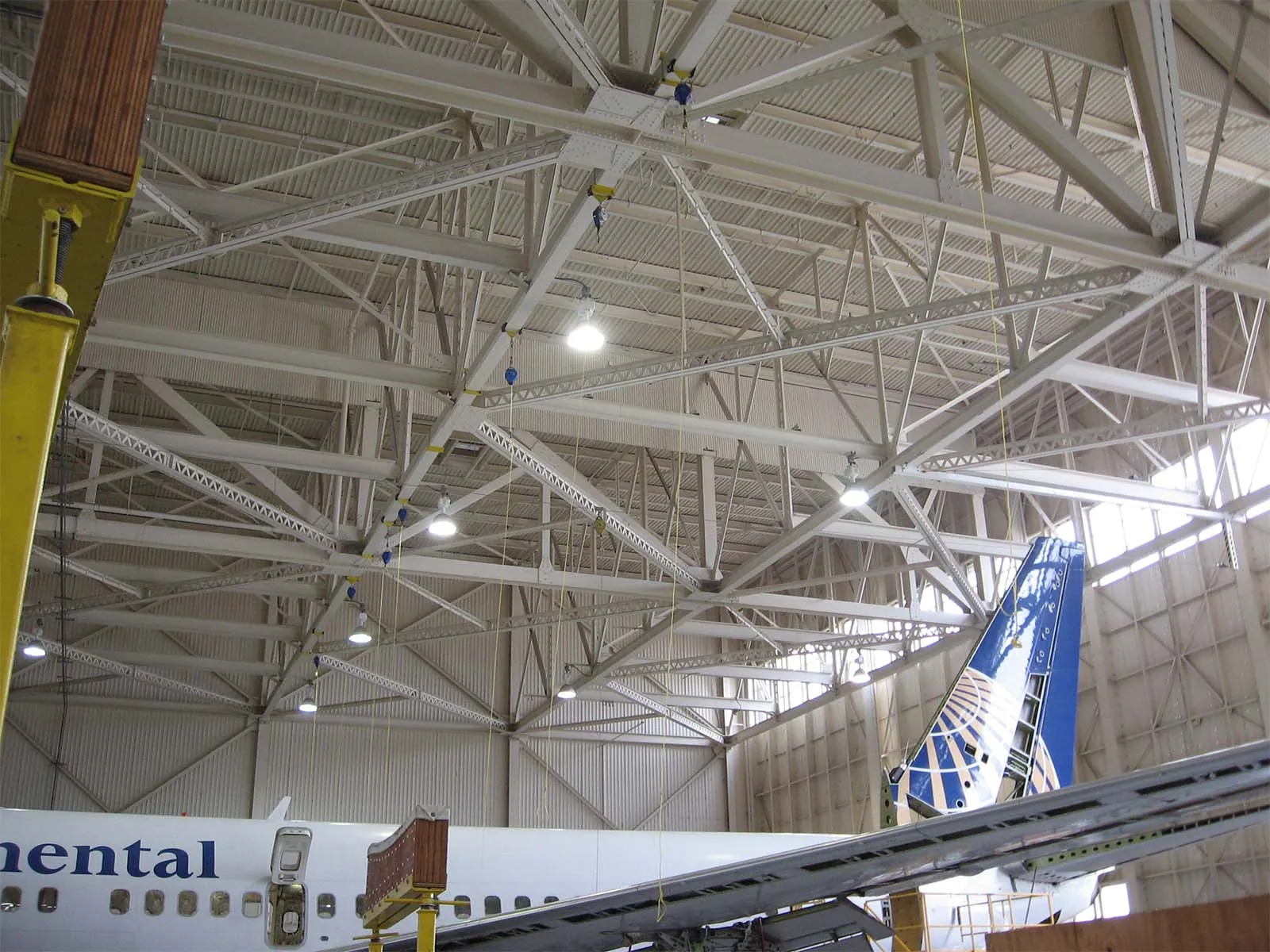
Aerospace
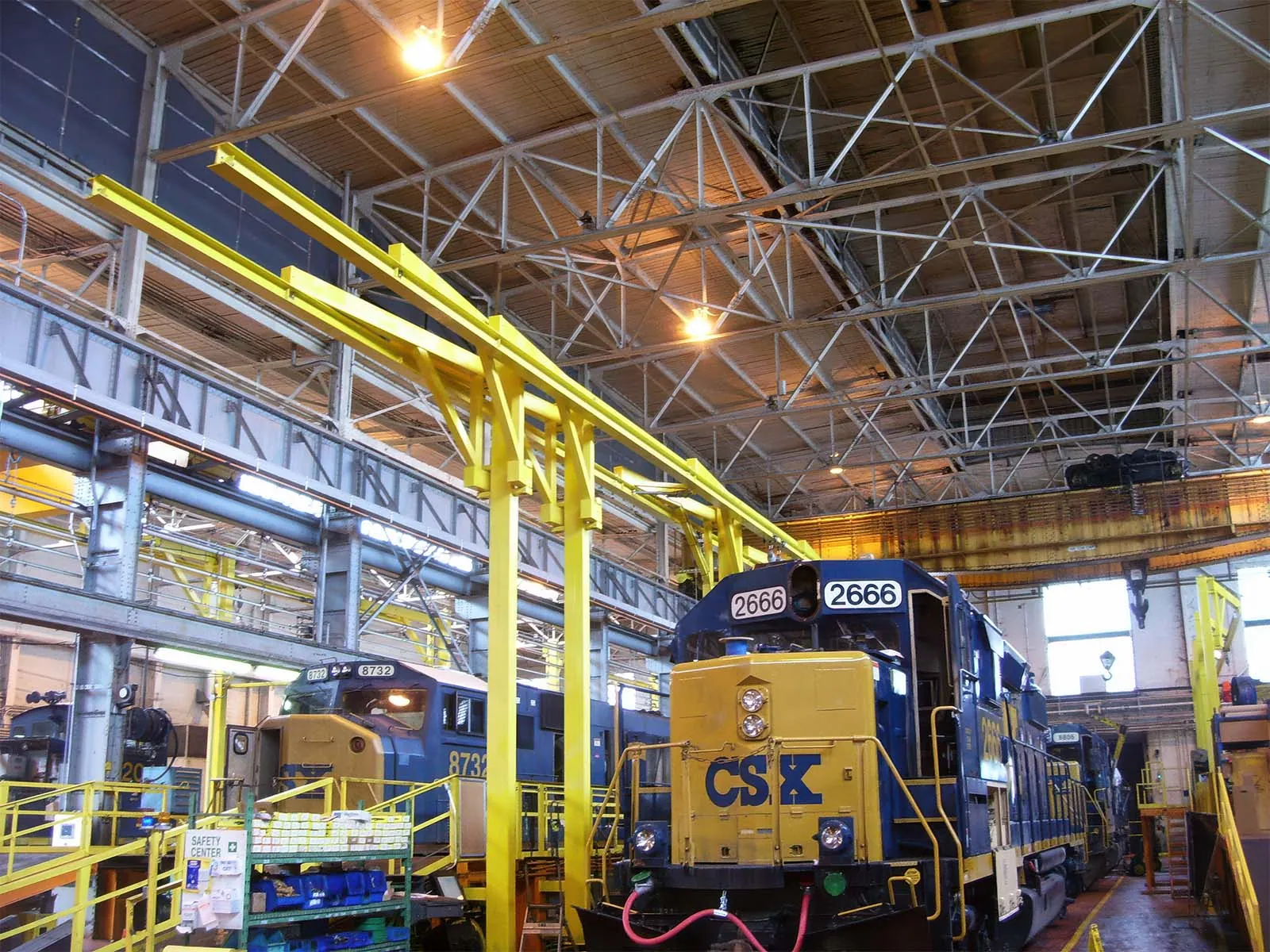
Railcar & Transportation
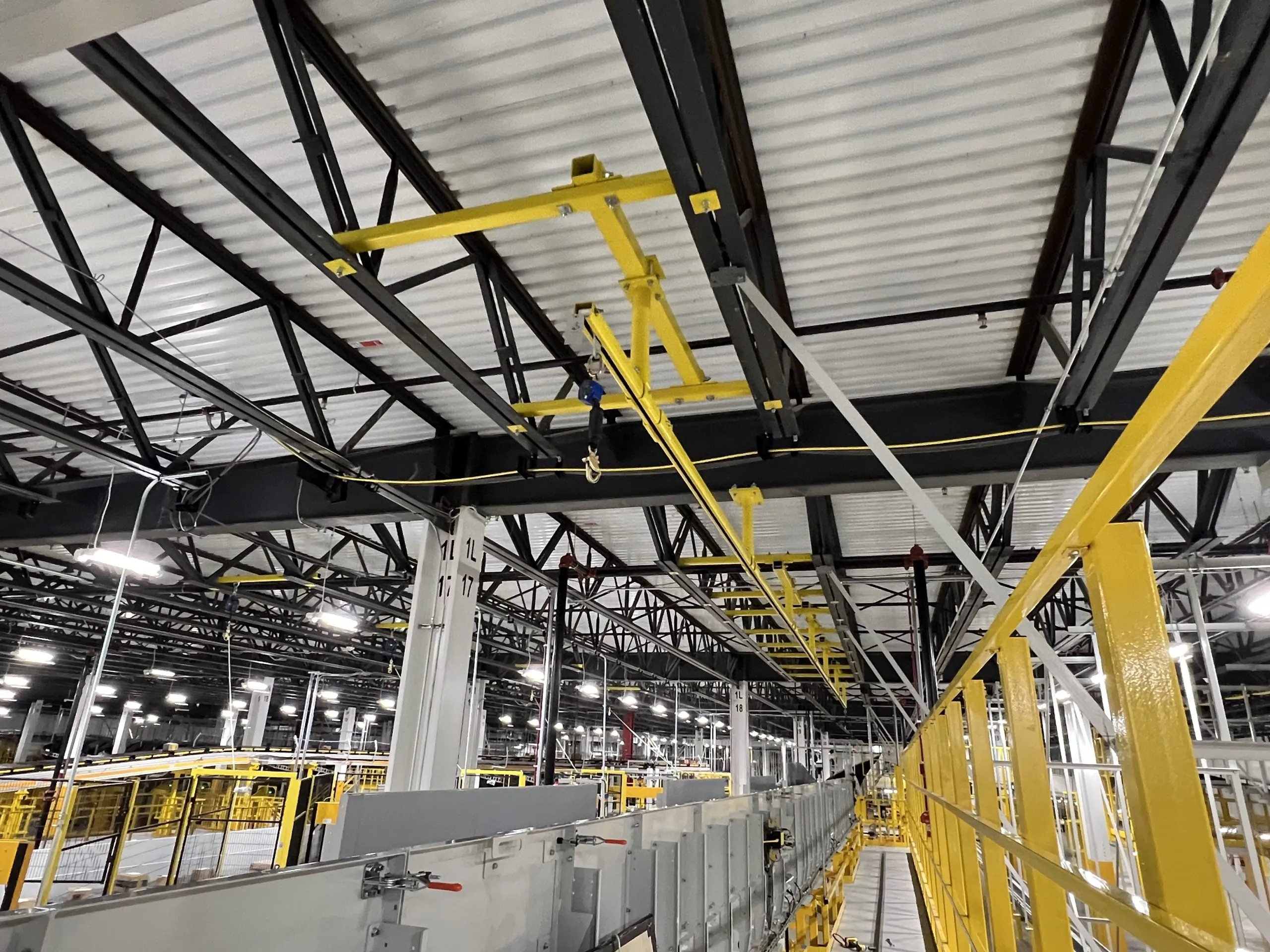
Supply Chain Management
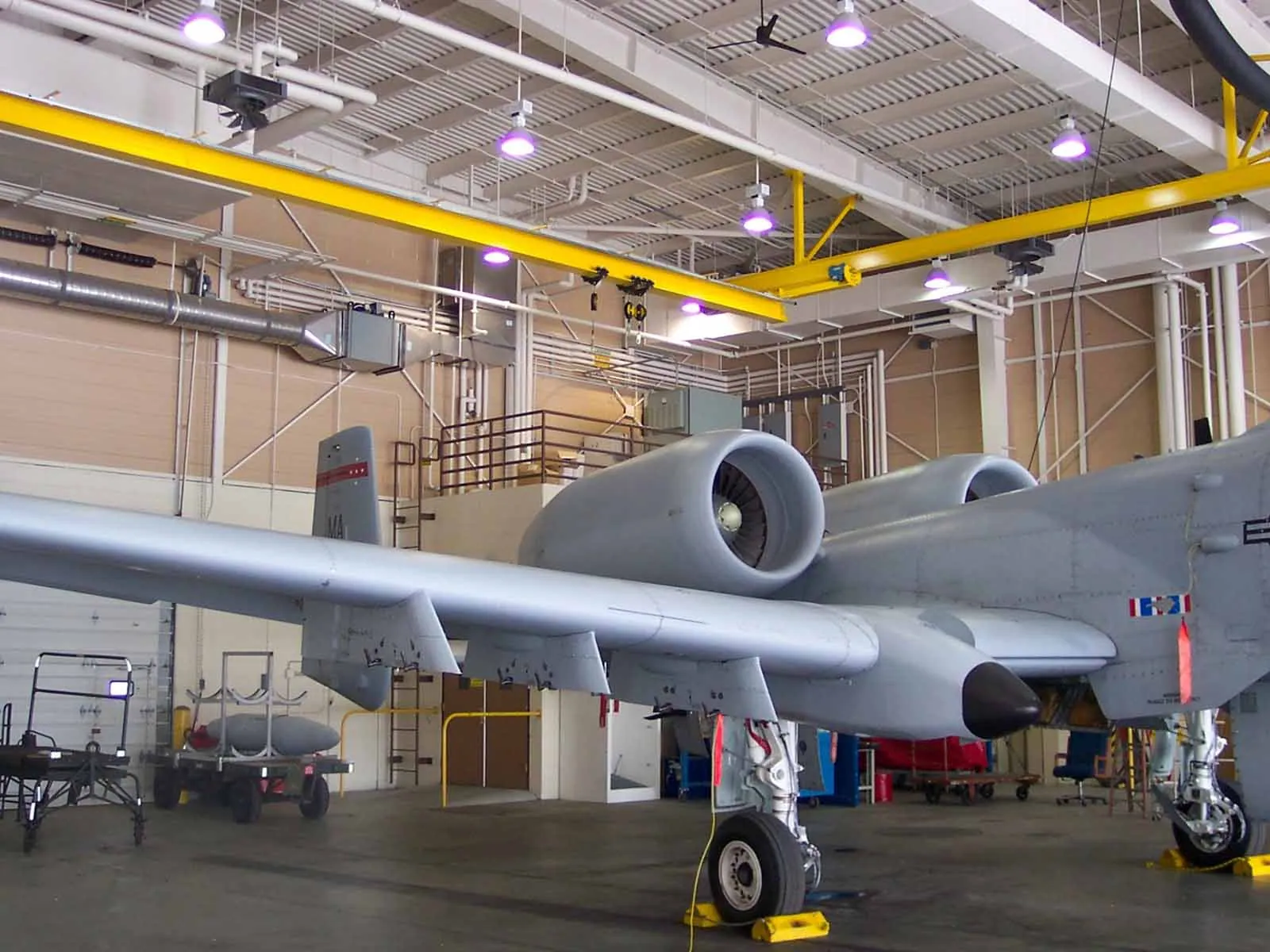
Government & Military
Where this system is used
Industries and applications that run on Mobile Platforms
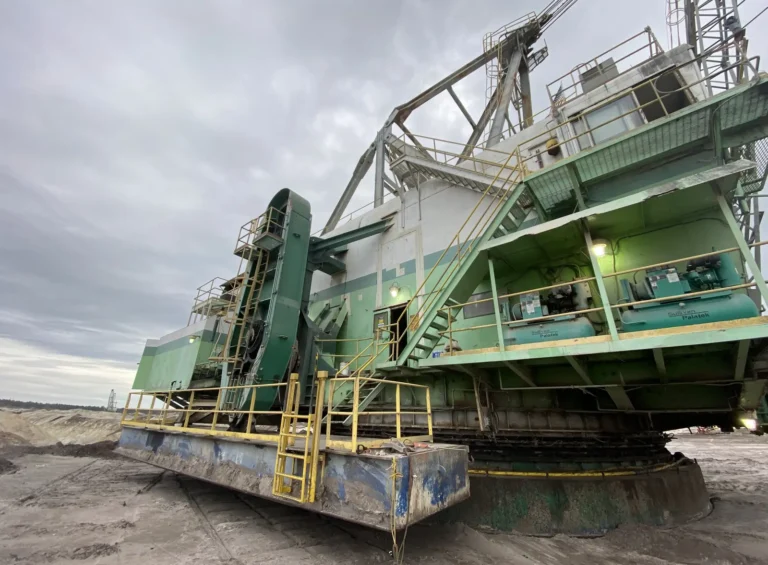
Mining
Engineered fall protection for open pit, underground, in-situ and dredging operations and their processing facilities. PE-stamped, installed and certified by one team since 1993.
Read more →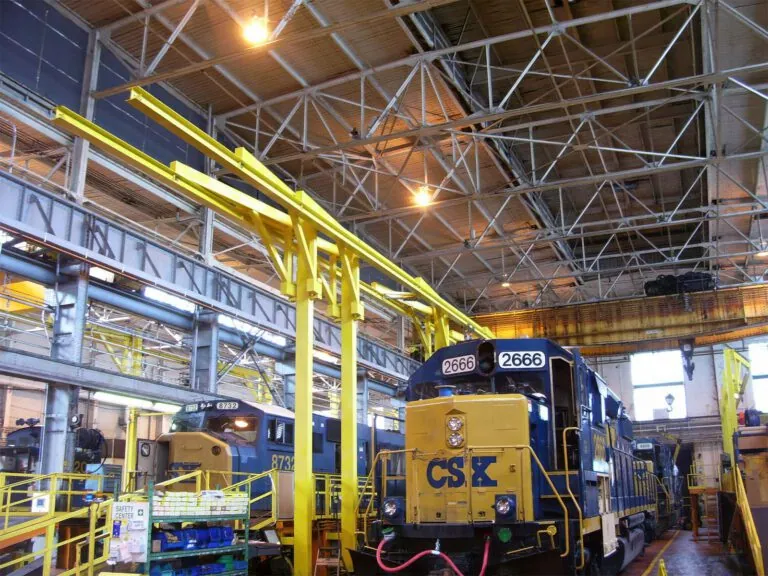
Transportation & Rail
Railcar and truck loading, rail yards, marine decks and fleet maintenance.
Read more →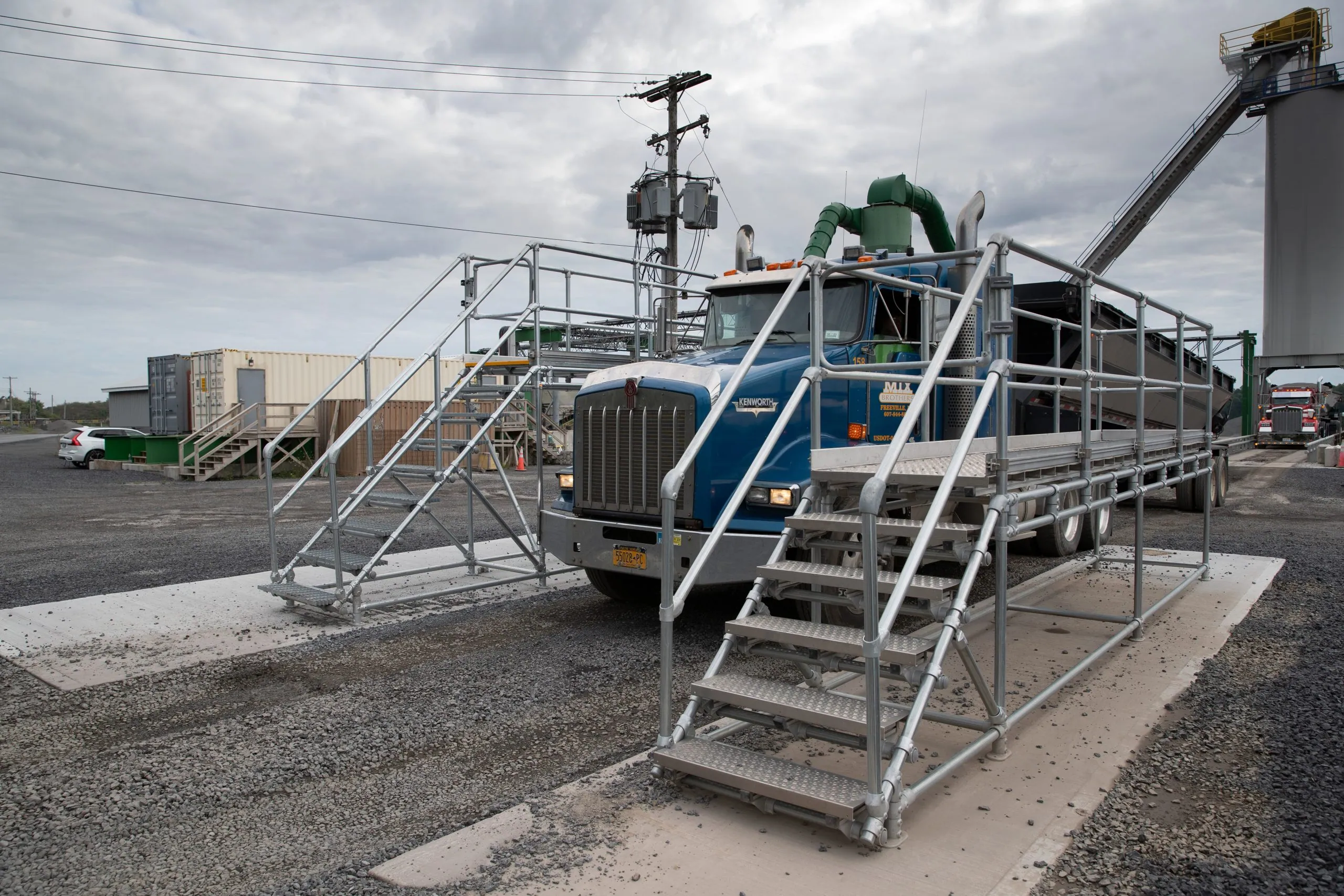
Answers to
Key Questions
What are the OSHA standards for elevated platforms?
Elevated platforms are walking-working surfaces under OSHA 29 CFR 1910 Subpart D. Fall protection is required at 4 feet or more above a lower level in general industry (29 CFR 1910.28(b)(1)), and platform edges are guarded with a rail system meeting 29 CFR 1910.29(b): top rail at 42 inches, plus or minus 3 inches, withstanding 200 pounds of outward or downward force. A mobile work platform must meet the same criteria everywhere it is rolled, which is why Tritech builds the guardrail into the platform rather than leaving protection to each location.
Are elevated platforms considered fall hazards?
Yes, once the working surface reaches OSHA’s height triggers: 4 feet in general industry (29 CFR 1910.28(b)(1)) and 6 feet in construction (29 CFR 1926.501(b)(1)). A mobile platform tall enough to reach machinery, racking, or vehicle tops puts the worker at or past those heights on every use. The platform’s own guardrail is what carries the protection.
What is the OSHA 6 foot rule?
The 6-foot rule is the construction trigger under 29 CFR 1926.501(b)(1): fall protection is required at an unprotected side or edge 6 feet or more above a lower level, with a guardrail system, personal fall arrest system, or safety net system as the compliant options. For a mobile platform working a construction site, built-in guardrail satisfies the rule at the working level. In a permanent facility, the stricter general industry trigger of 4 feet applies instead (29 CFR 1910.28(b)(1)).
CONTACT
Code-Compliant Access with a Mobile Platform
Let our team help you design a mobile access solution that keeps up with your work—wherever the job takes you.
Let’s Discuss Your Project
"*" indicates required fields