SOLUTIONS
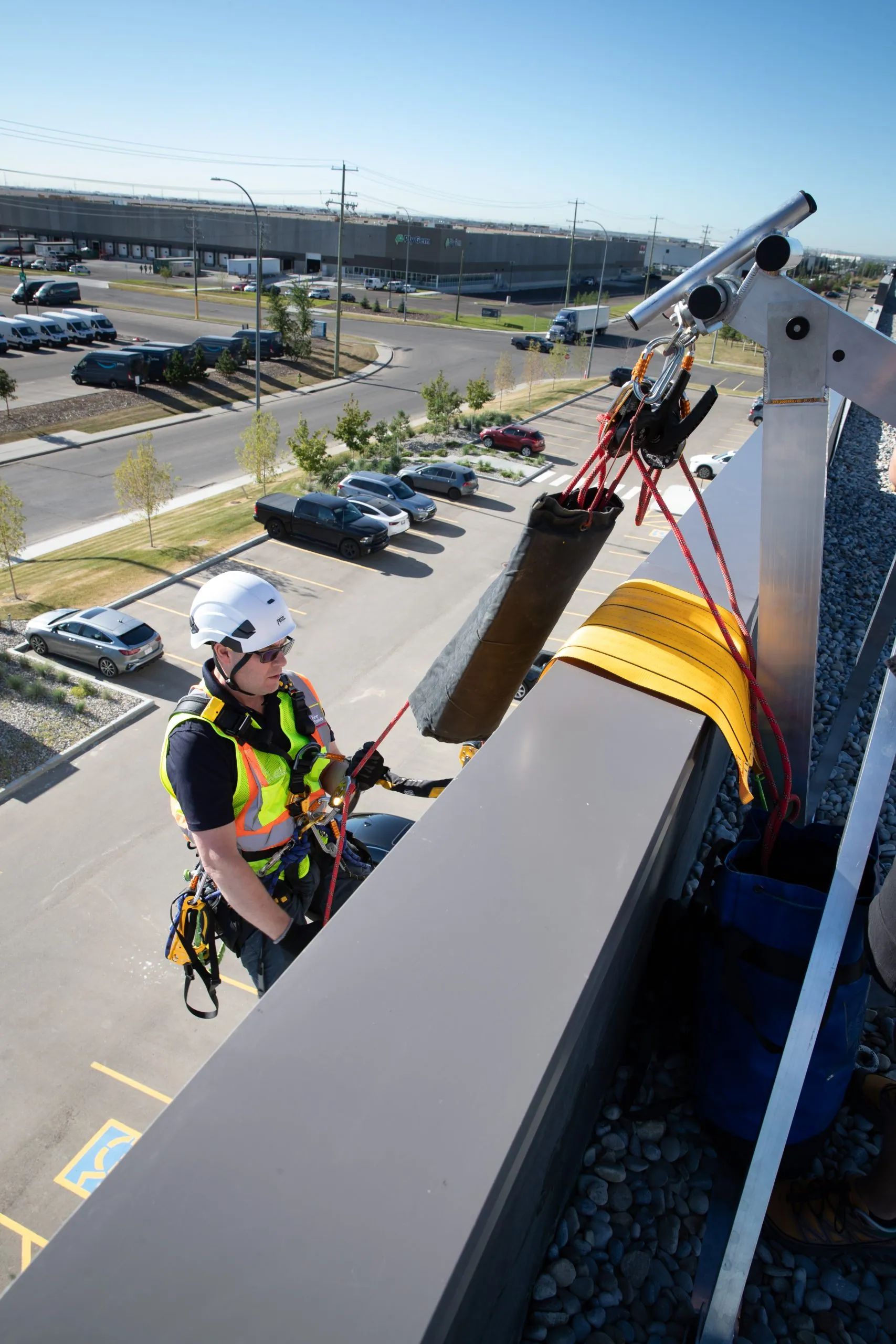
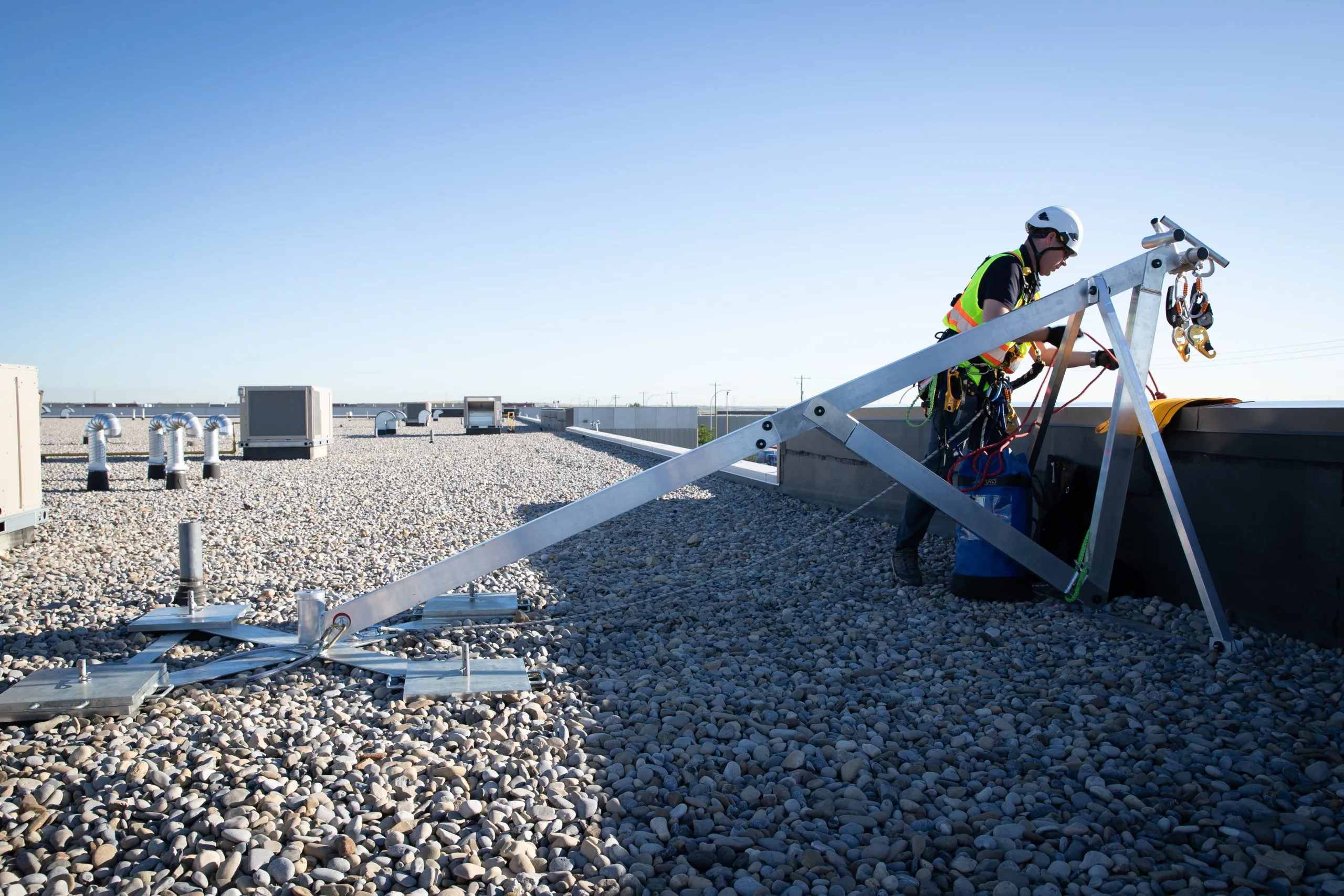
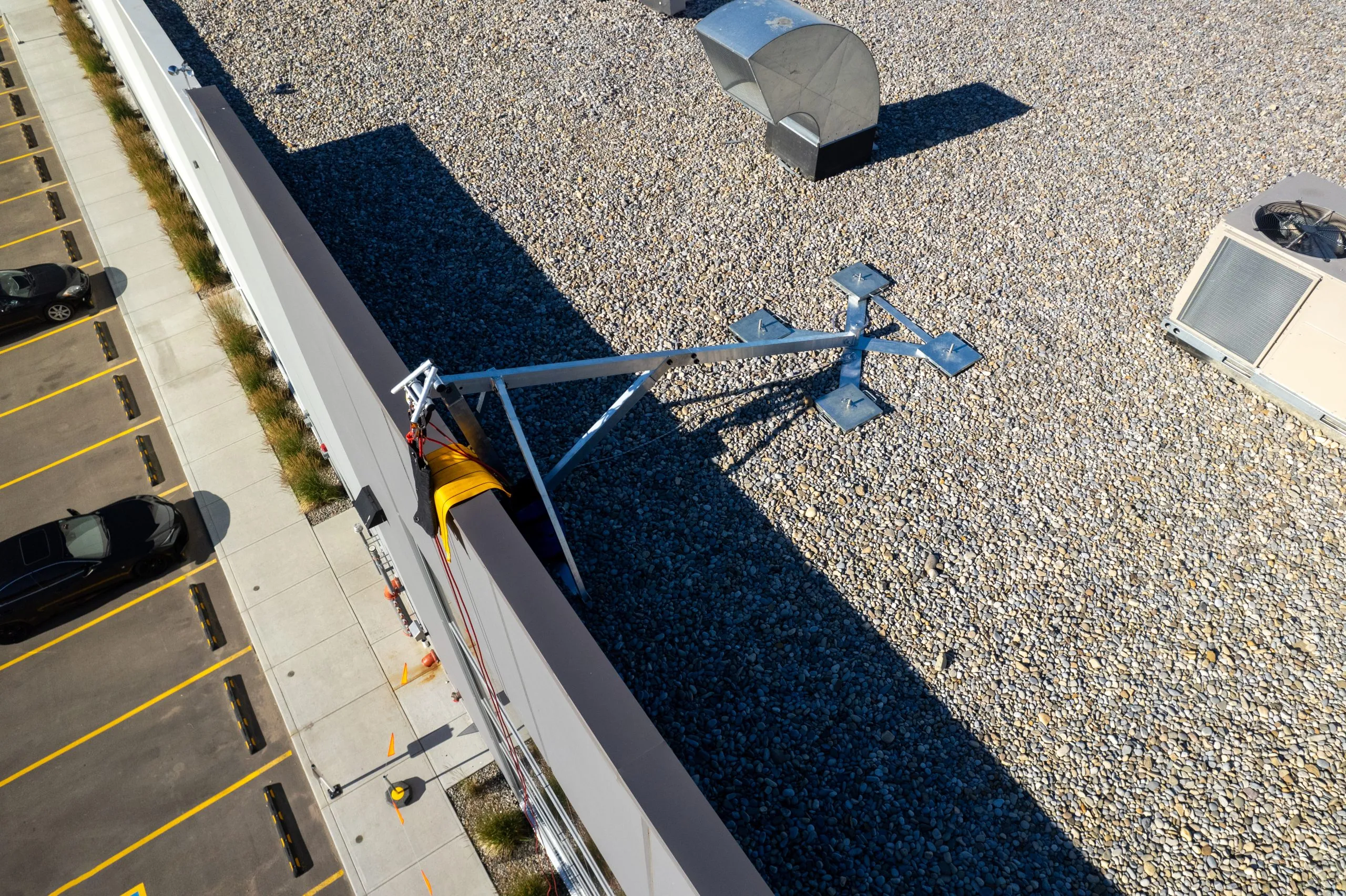
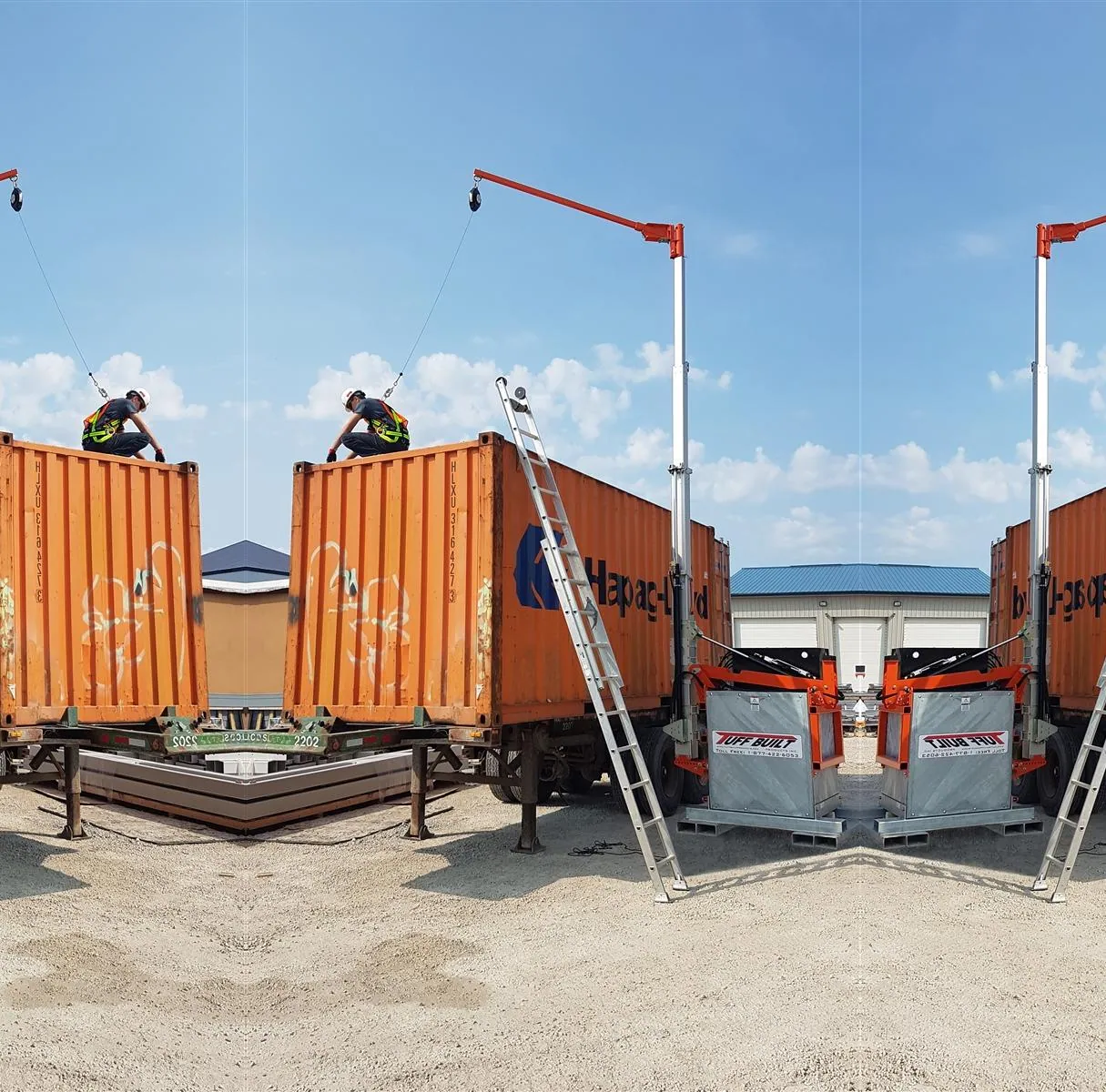
Mobile Rope Access Anchor System
A Non-Penetrating Tie-Back Anchor for Safe and Flexible Facade Work
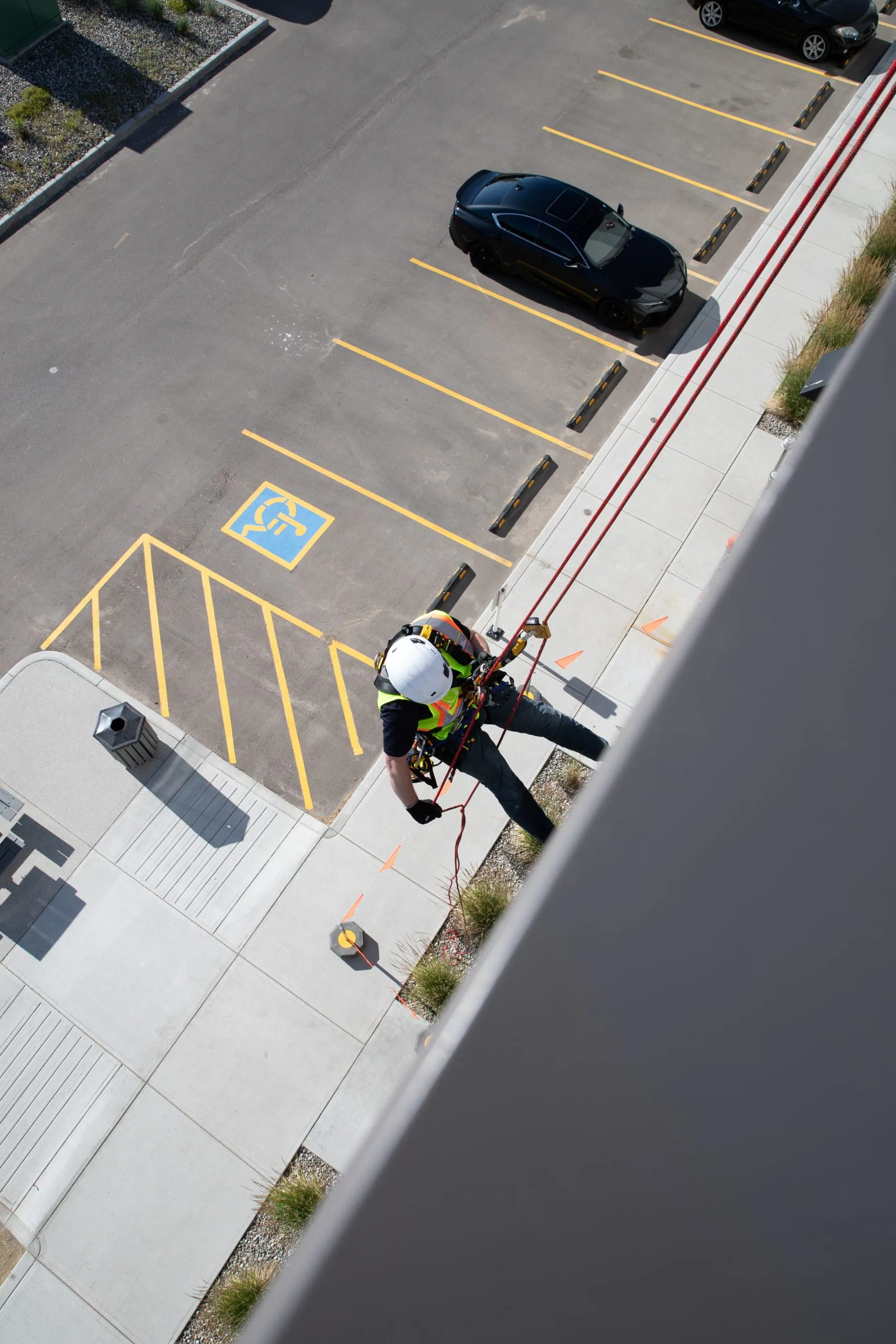
Built for Over-the-Edge Safety
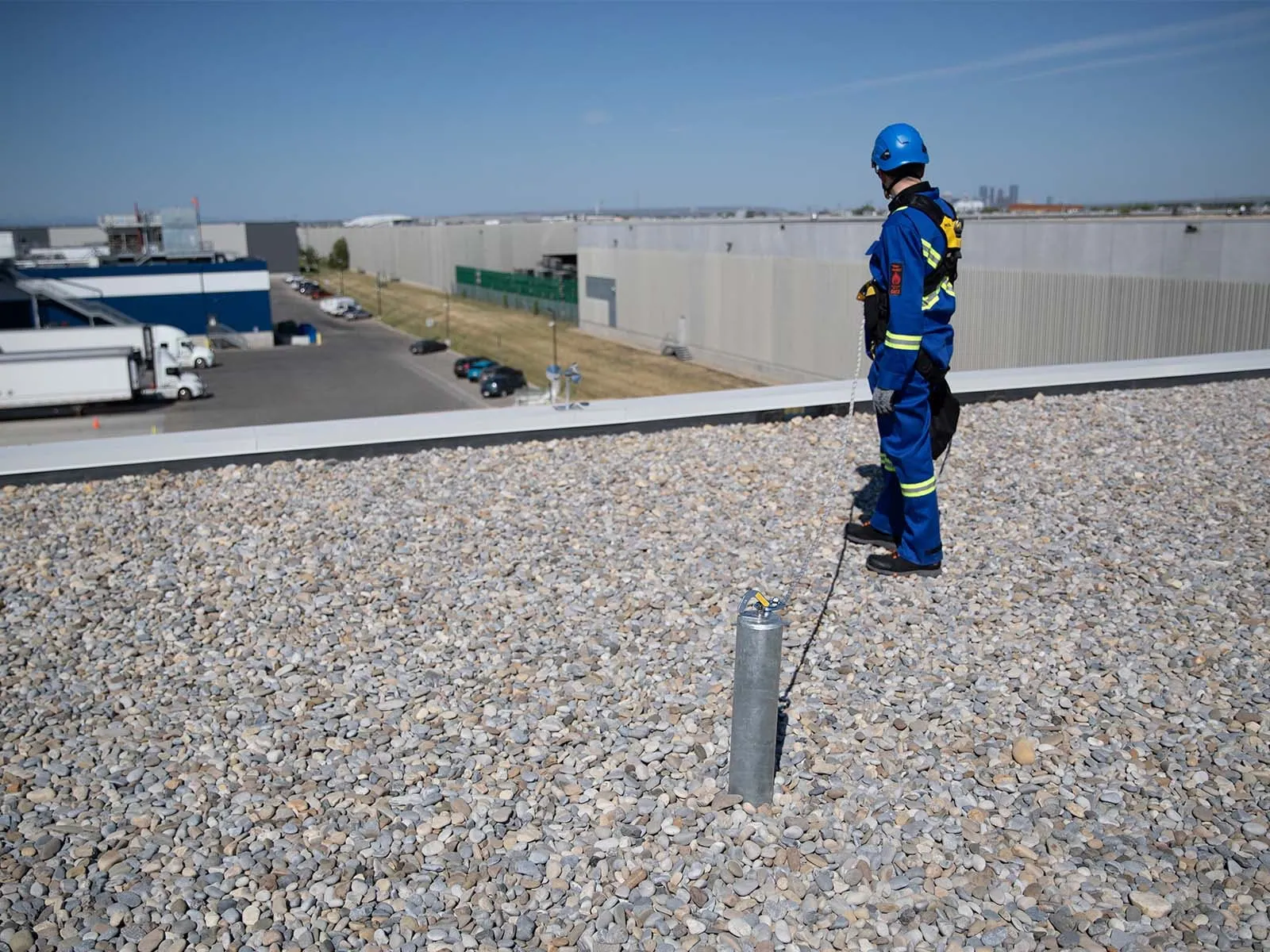
Designed for rope access work like facade inspections, building repairs, or cleaning providing secure anchorage at the rooftop level.
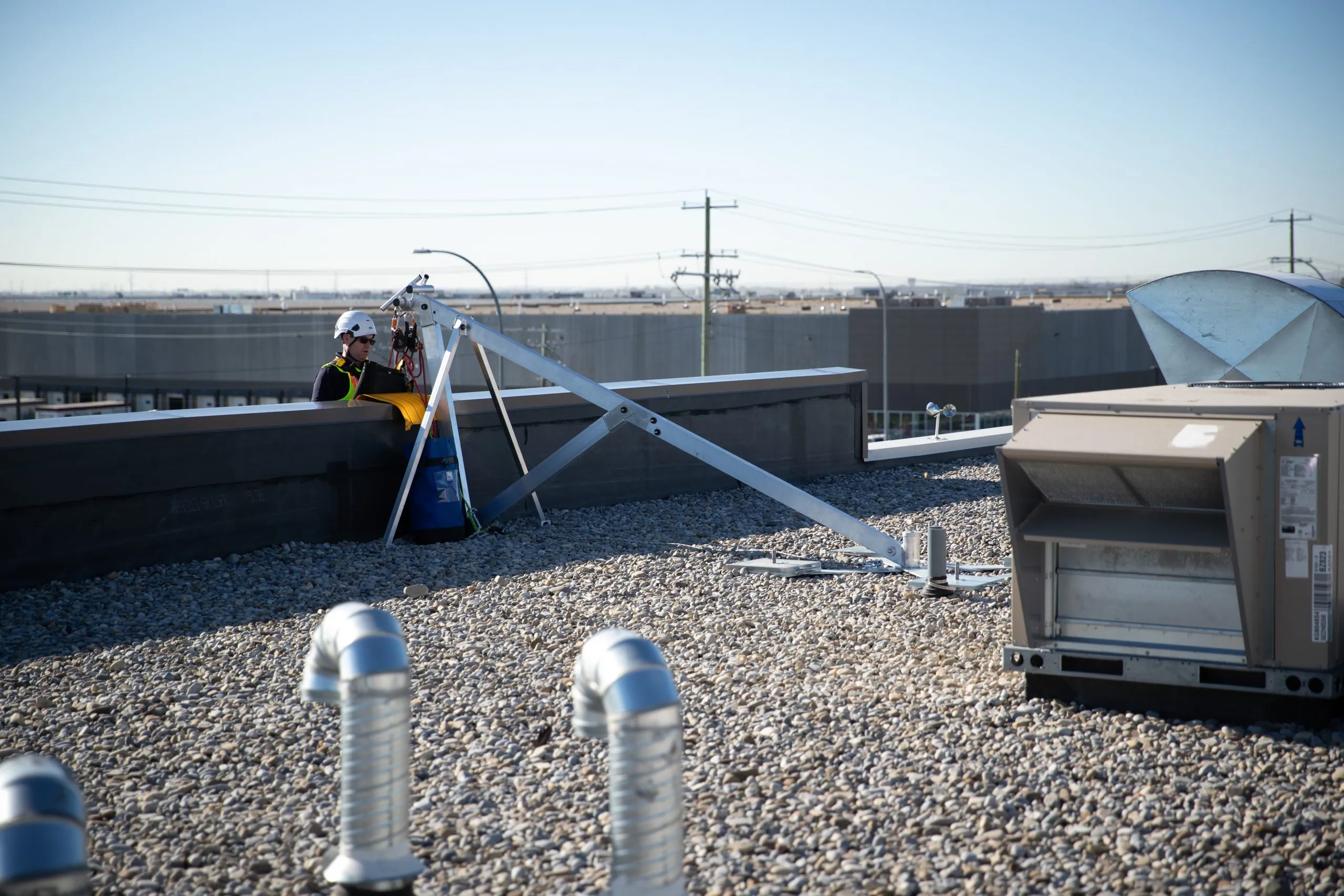
Roof-Friendly and Freestanding
The system uses a weighted base that sits on the roof without drilling or damaging the surface ideal for sensitive or finished rooftops.
Tested and Compliant
Meets strict safety standards for rope access and fall protection, helping you stay compliant while keeping your team protected.
PROBLEMS WE SOLVE
Flexible Anchoring for Short-Term Rope Access
When a building doesn’t have built-in tie-back points, portable rooftop anchors offer a safe alternative. Perfect for one-off jobs or temporary projects, this system helps teams work confidently and safely without the need for permanent installations.Areas of Application for Rooftop Tie-Back Anchors
- Rooftop Access & Maintenance
- Industrial Equipment Access
- Building Access
- Infrastructure Development
- Government & Military
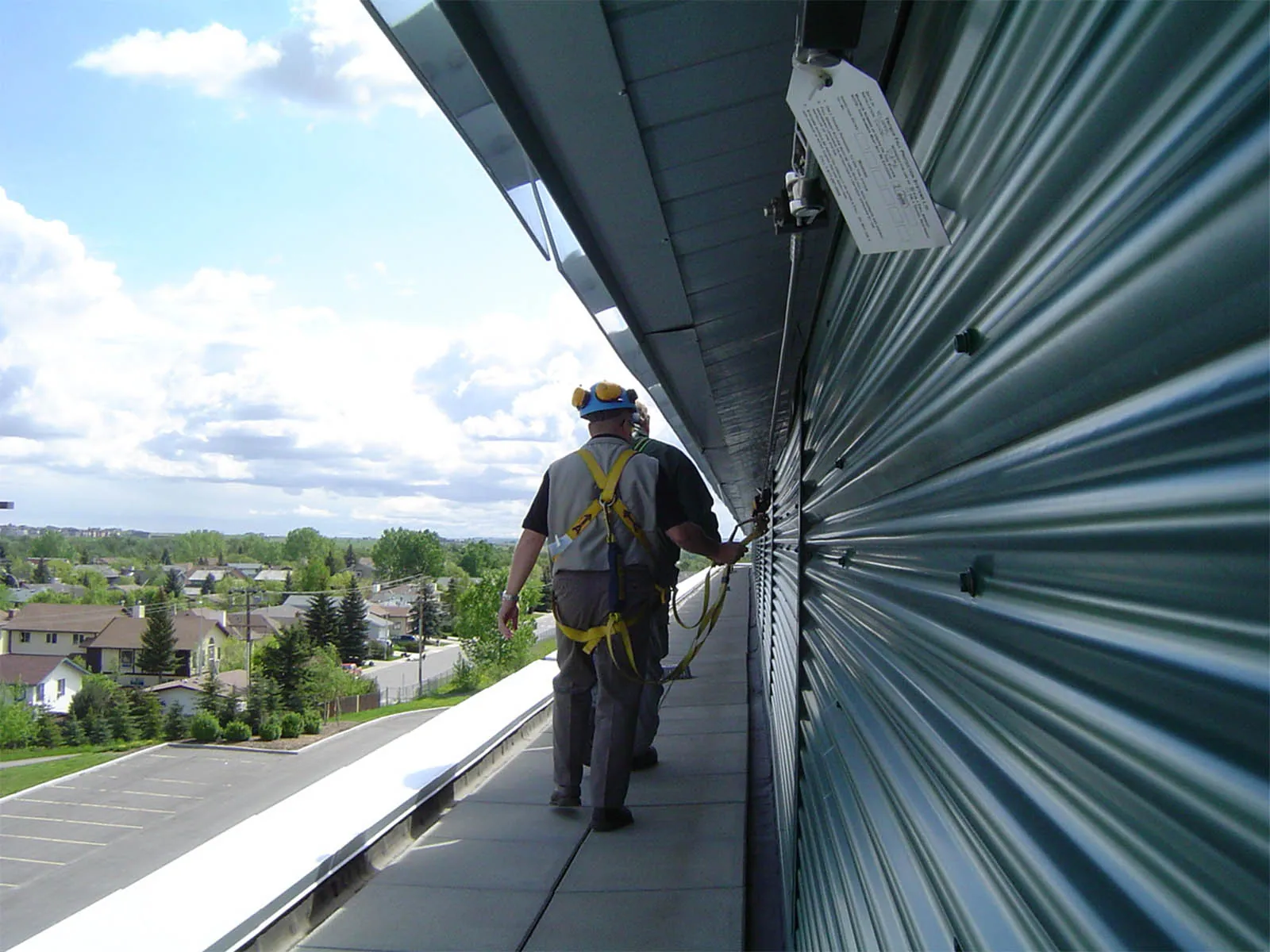
Rooftop Access & Maintenance
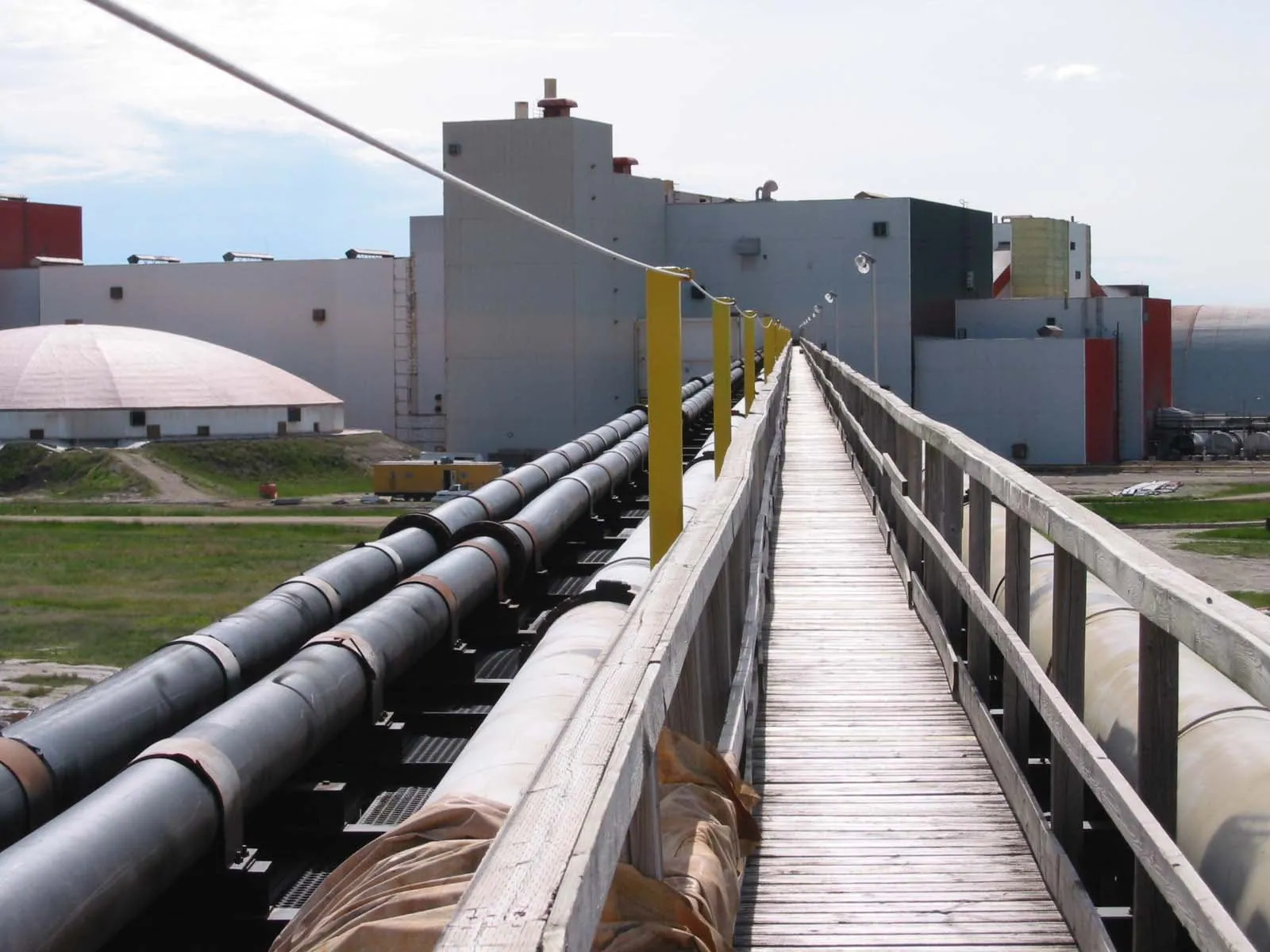
Industrial Equipment Access
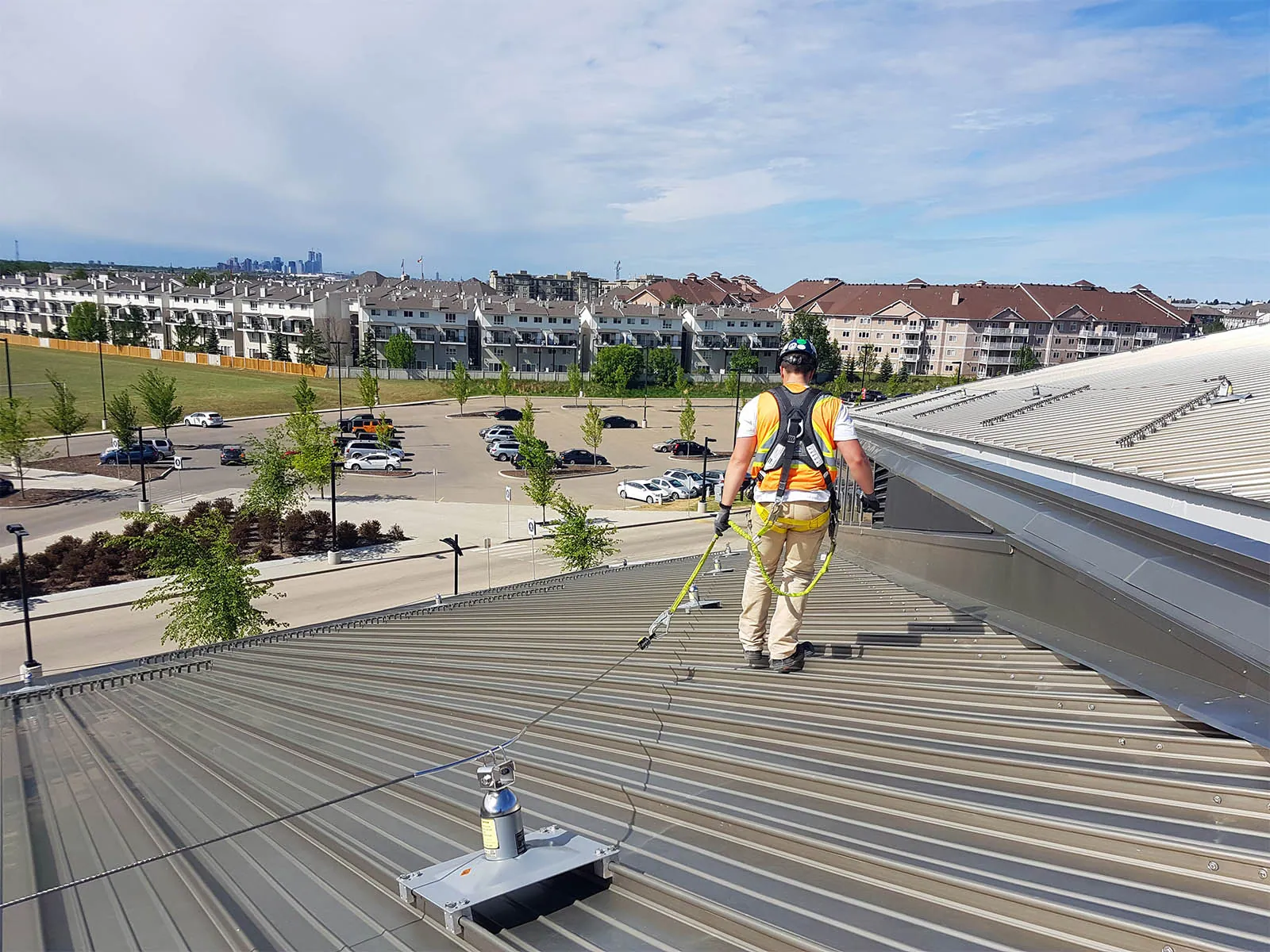
Building Access
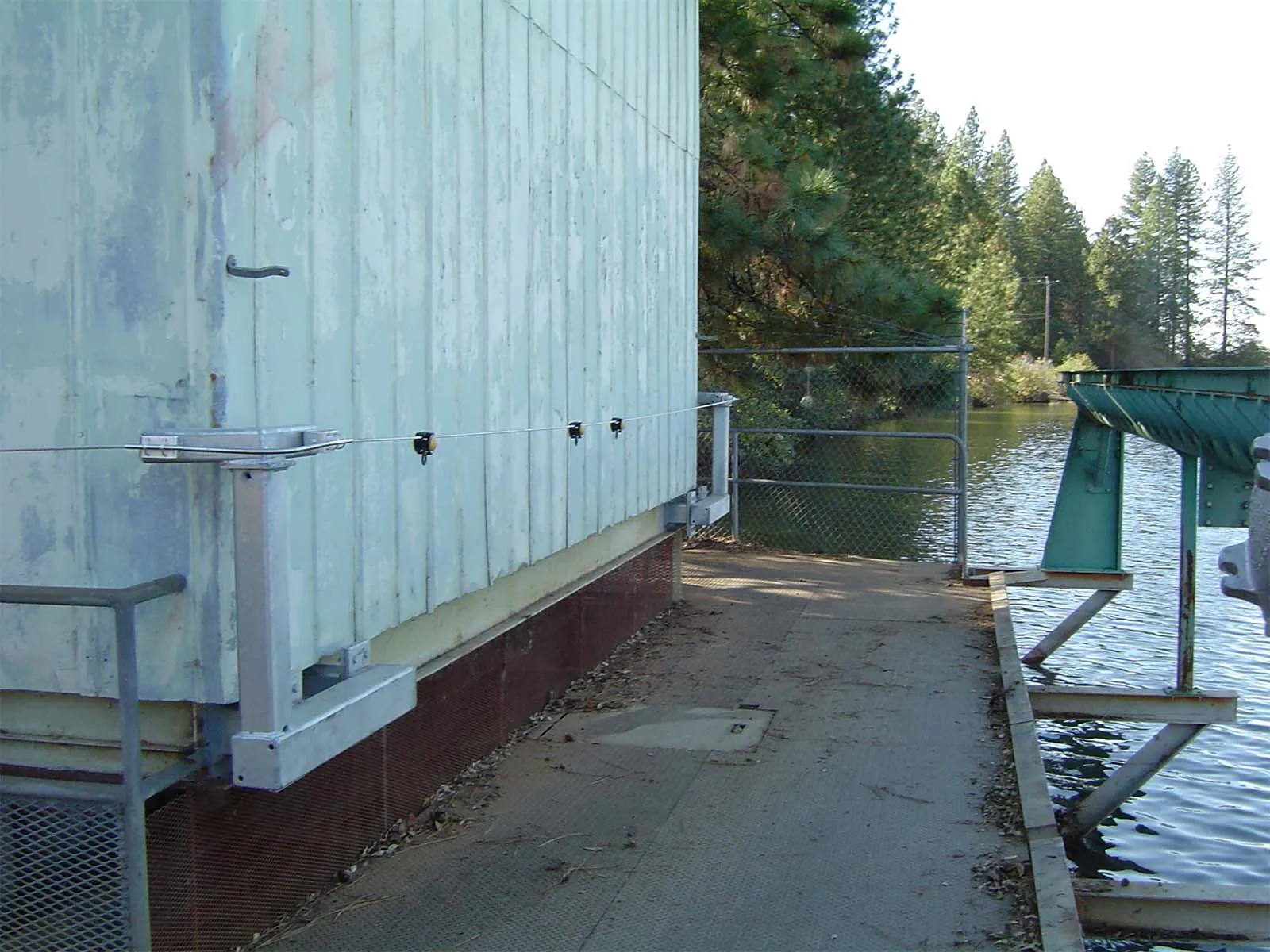
Infrastructure Development
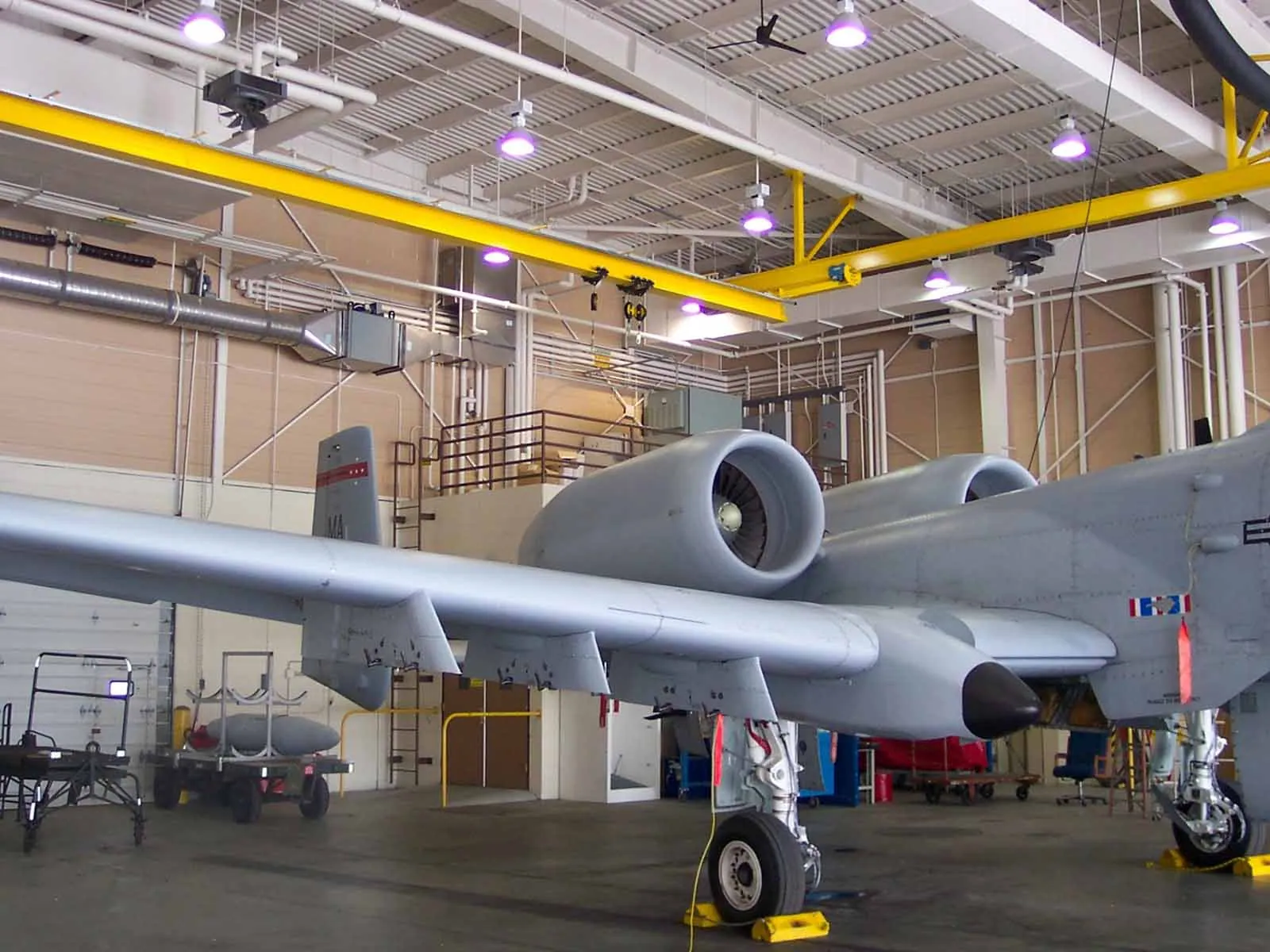
Government & Military
Where this system is used
Industries and applications that run on Non-Penetrating Rope Access
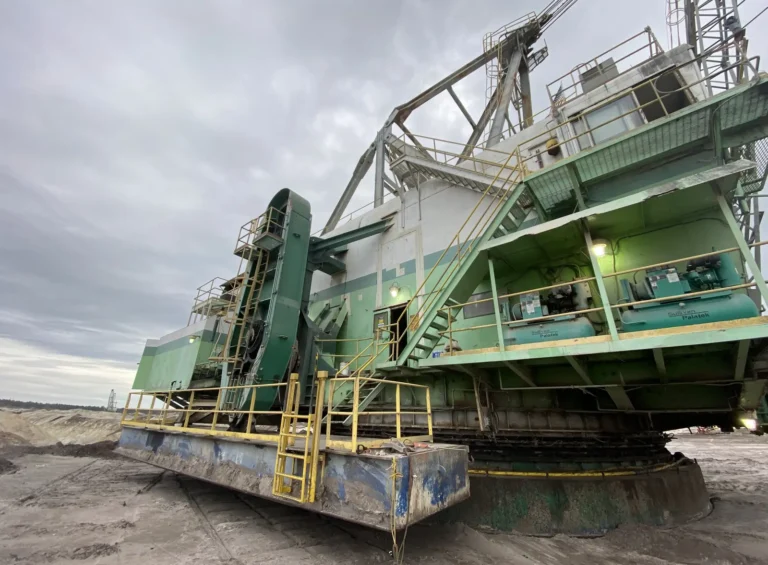

Downloads
Brochures & downloads
Brochure
Tritech Fall Protection Company Brochure
Tritech's company brochure: who engineers, supplies, installs and certifies your fall protection, and the 12 industries and applications we cover.
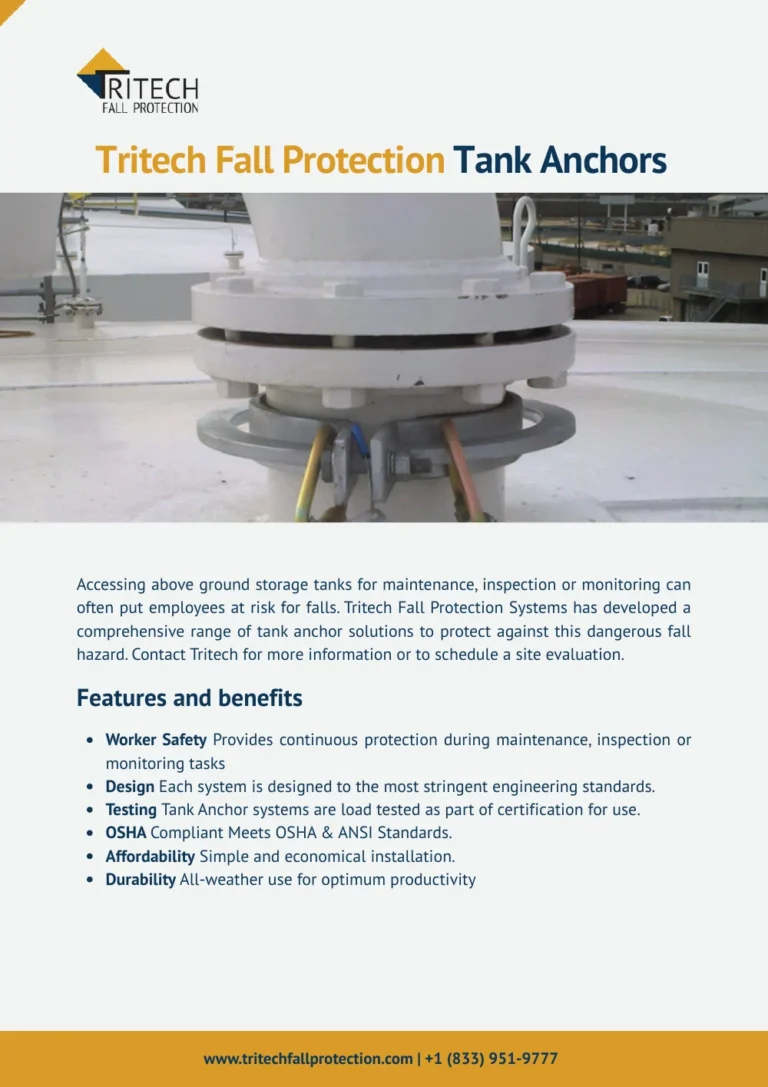
Product sheet
Tank Anchors Product Sheet
Product sheet for Tritech tank anchors: clamp-on anchors for above-ground storage tank flanges, plus a rail-and-trolley system for large flanges.
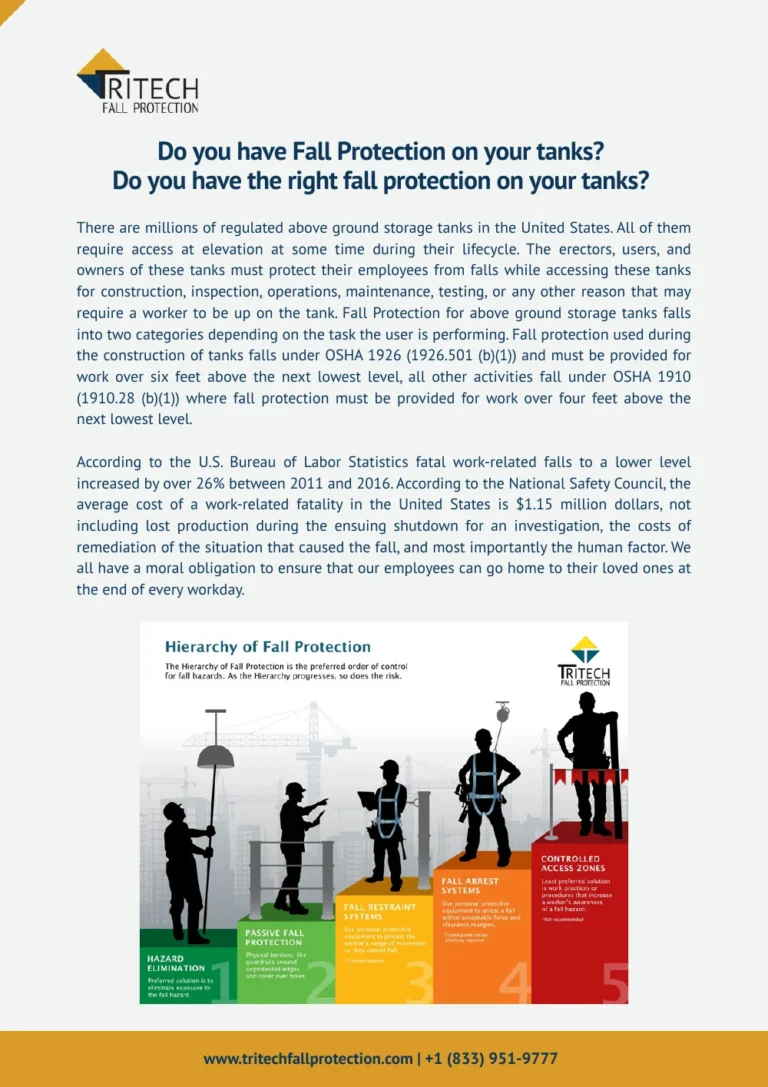
Guide
Above-Ground Storage Tank Fall Protection Guide
A guide for tank owners and operators on OSHA fall protection for above-ground storage tanks and where tank anchors fit in the ANSI Z359 hierarchy.
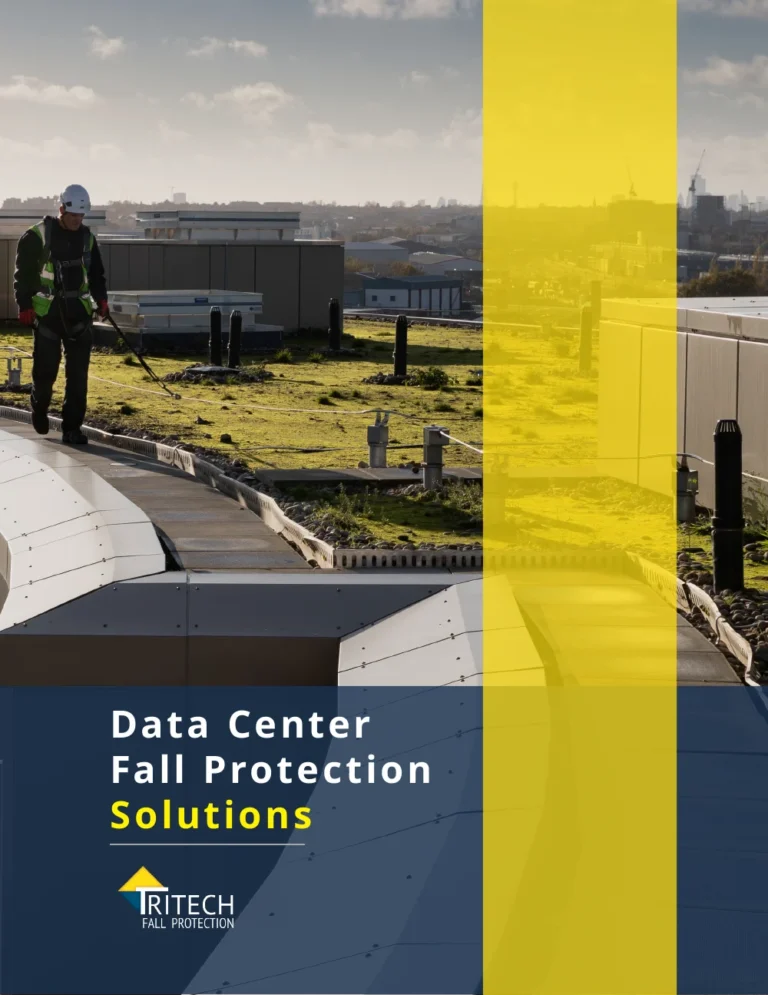
Brochure
Data Center Fall Protection Brochure
How Tritech protects data center roofs and yards: non-penetrating guardrail, access platforms, crossovers, stairs and ladder safety for mechanical equipment.
Answers to
Key Questions
At what height is fall protection required?
Under OSHA’s general industry standard, fall protection is required at 4 feet above a lower level (29 CFR 1910.28(b)(1)); construction work triggers at 6 feet (29 CFR 1926.501(b)(1)). Rope access work on a building facade or structure operates far above either threshold for the entire job, so the access system and the fall protection backing it up are required from the first descent. A non-penetrating system delivers that anchorage without cutting into the roof membrane or the structure.
What are the 4 types of fall protection?
Fall protection is usually grouped by the hierarchy of controls: elimination, passive prevention (guardrails and covers that need no worker action), active fall restraint or fall arrest (harness-and-anchor systems), and administrative controls (warning lines, training, and procedures). Rope access sits squarely in the active tier: the worker is suspended from one line while an independent fall-arrest connection backs it up, so the anchorages carry the whole system. That is why the anchorage engineering, penetrating or not, decides whether the setup is sound.
What is the new OSHA standard for fall protection?
The 2016 update to OSHA 1910 Subpart D (Walking-Working Surfaces), effective January 2017, is the current general industry standard: it aligned general industry with construction and set the 4-foot trigger. It also brought rope descent work under specific rules: building owners must hold written assurance that anchorages were inspected and certified within the prior ten years (29 CFR 1910.27(b)(1)). Tritech designs, installs, and recertifies non-penetrating rope access anchorage and documents it so owners can produce that assurance.
CONTACT
Stay Safe on Every Edge
Talk to our team about rooftop tie-back anchor solutions that offer safety, flexibility, and peace of mind.
Let’s Discuss Your Project
"*" indicates required fields
Not ready to talk yet? Download the Tritech Fall Protection Company Brochure