



SOLUTIONS
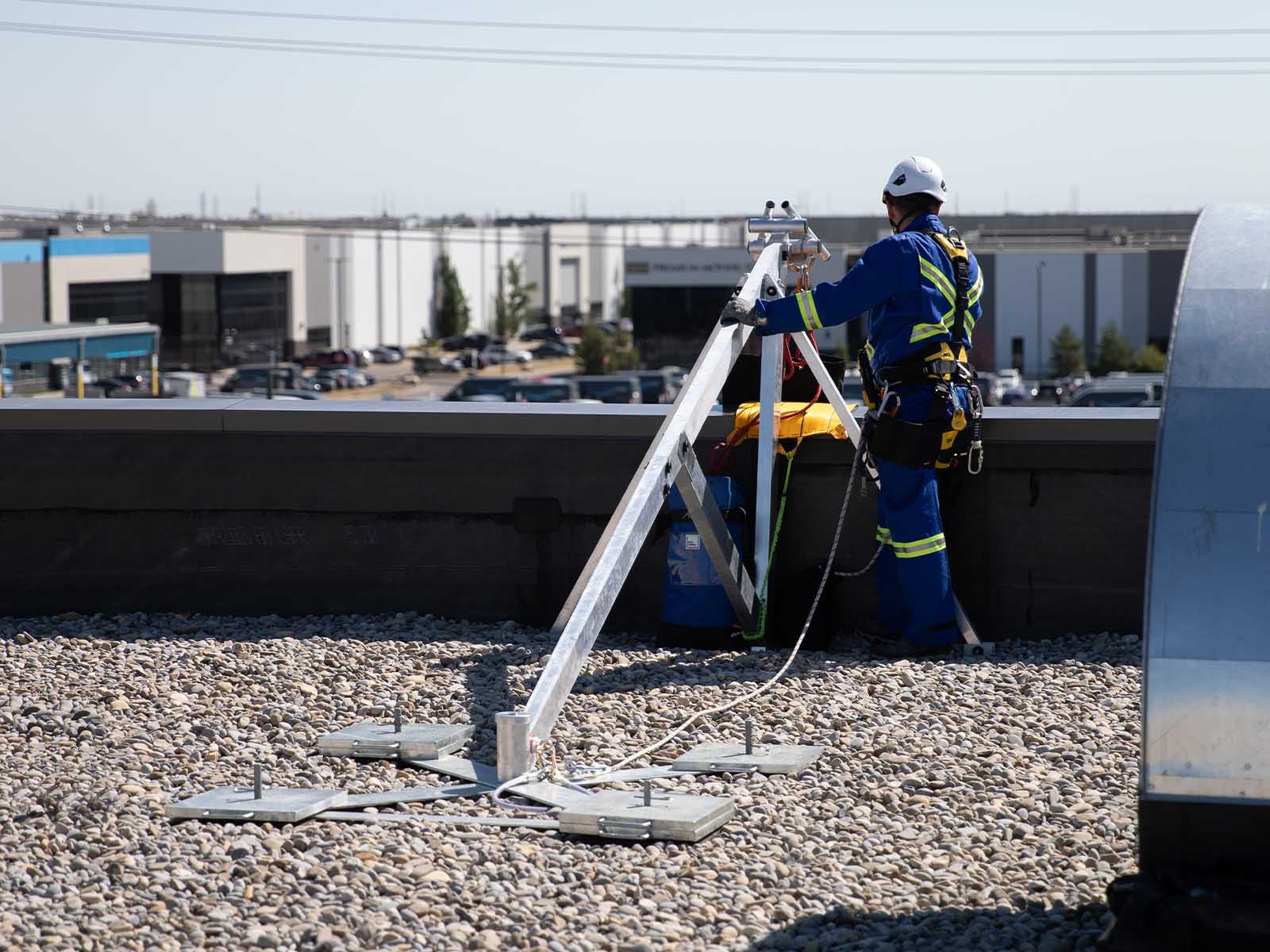
Facade Lifeline System
A Secure and Flexible Fall Protection Solution for Building Exteriors
Uninterrupted Safety for Vertical & Horizontal Movement
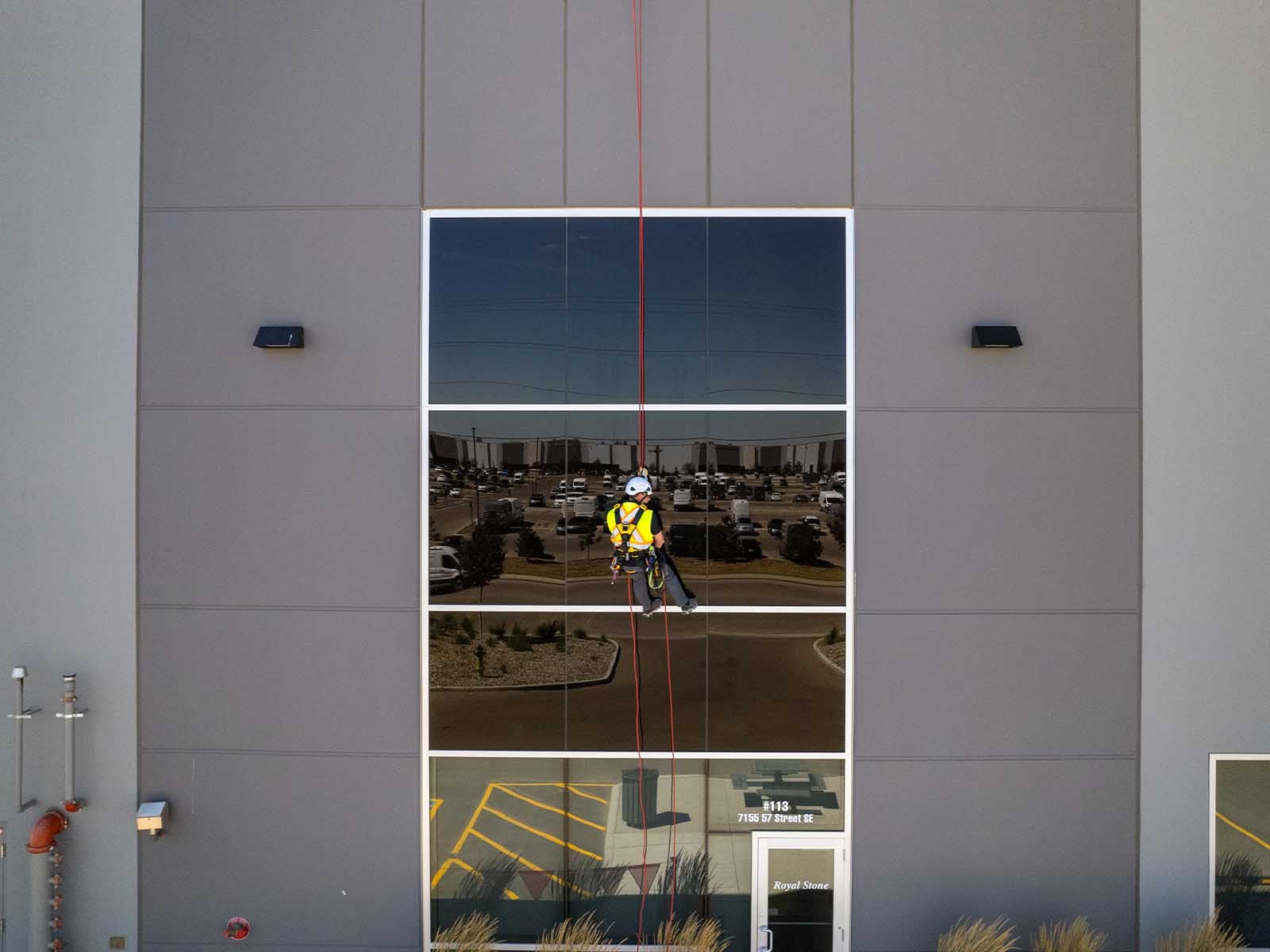
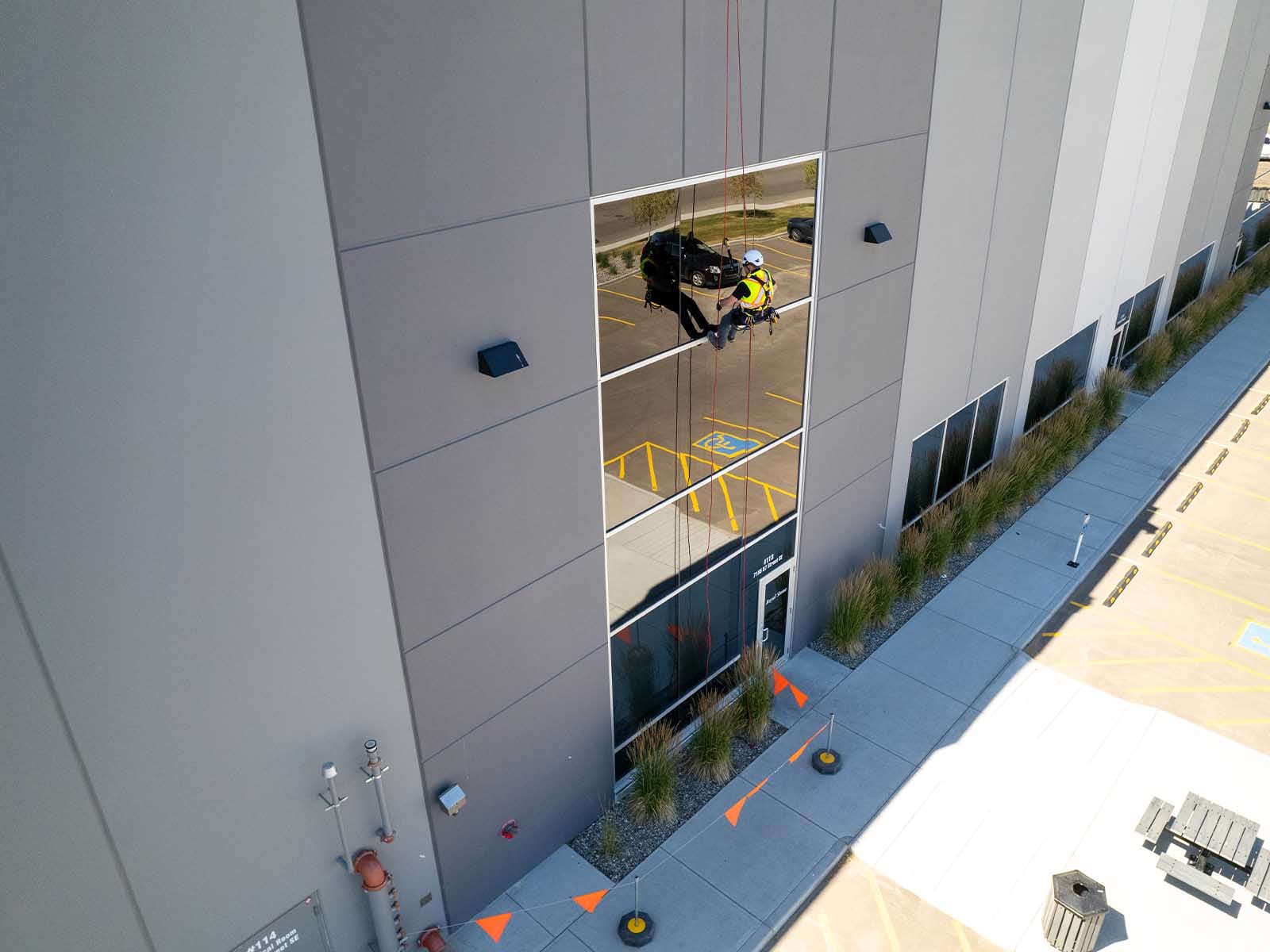
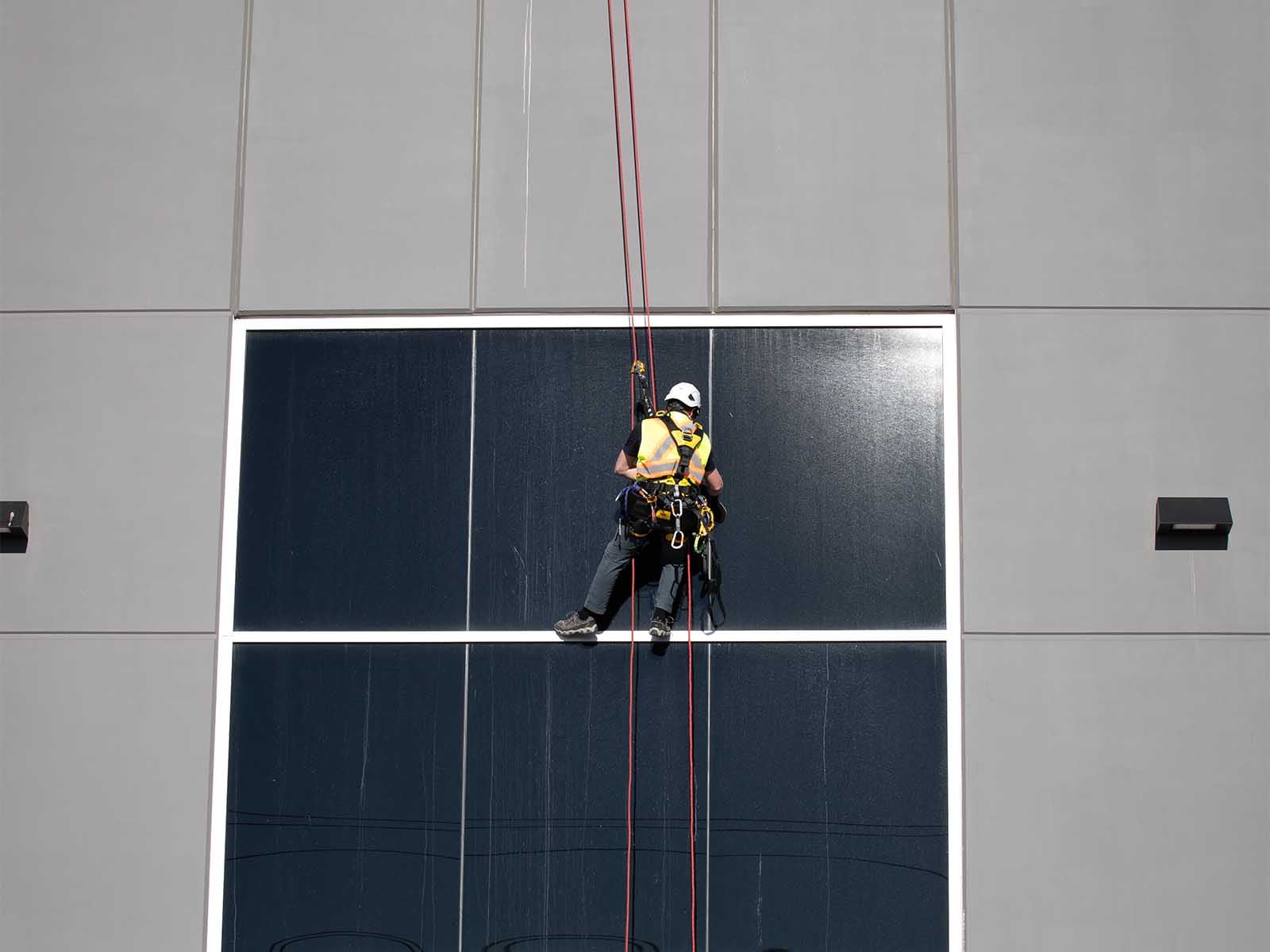
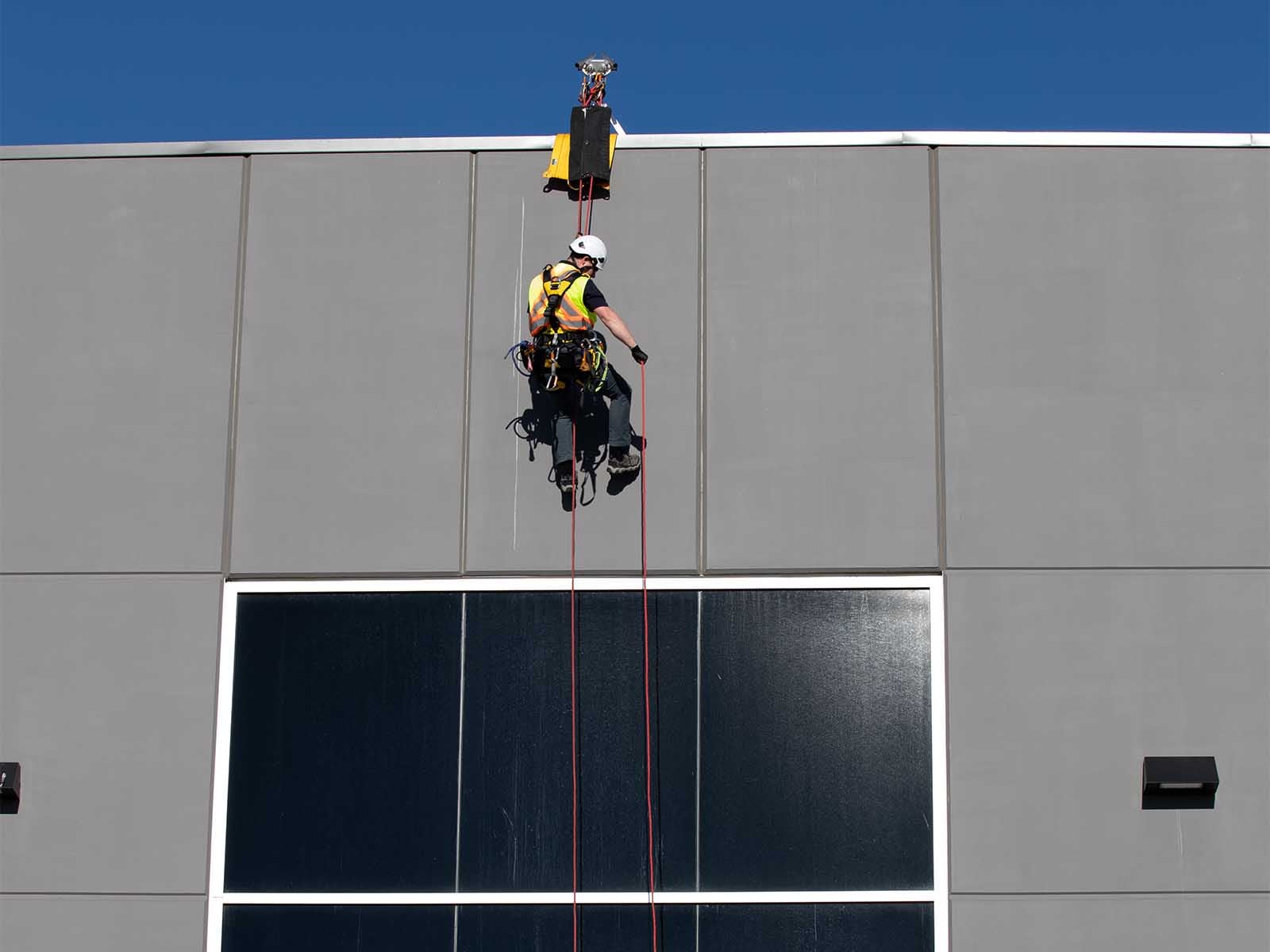
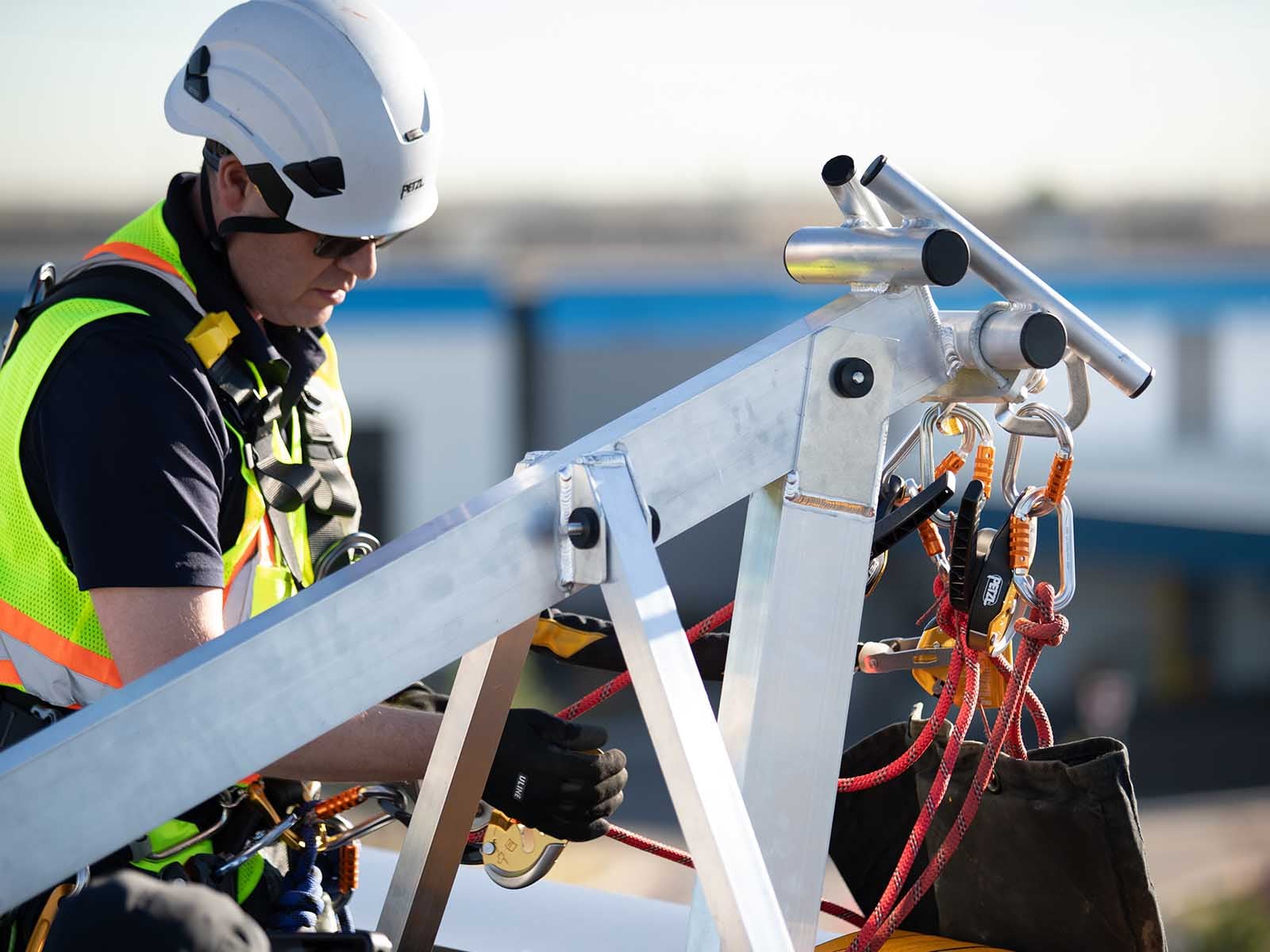
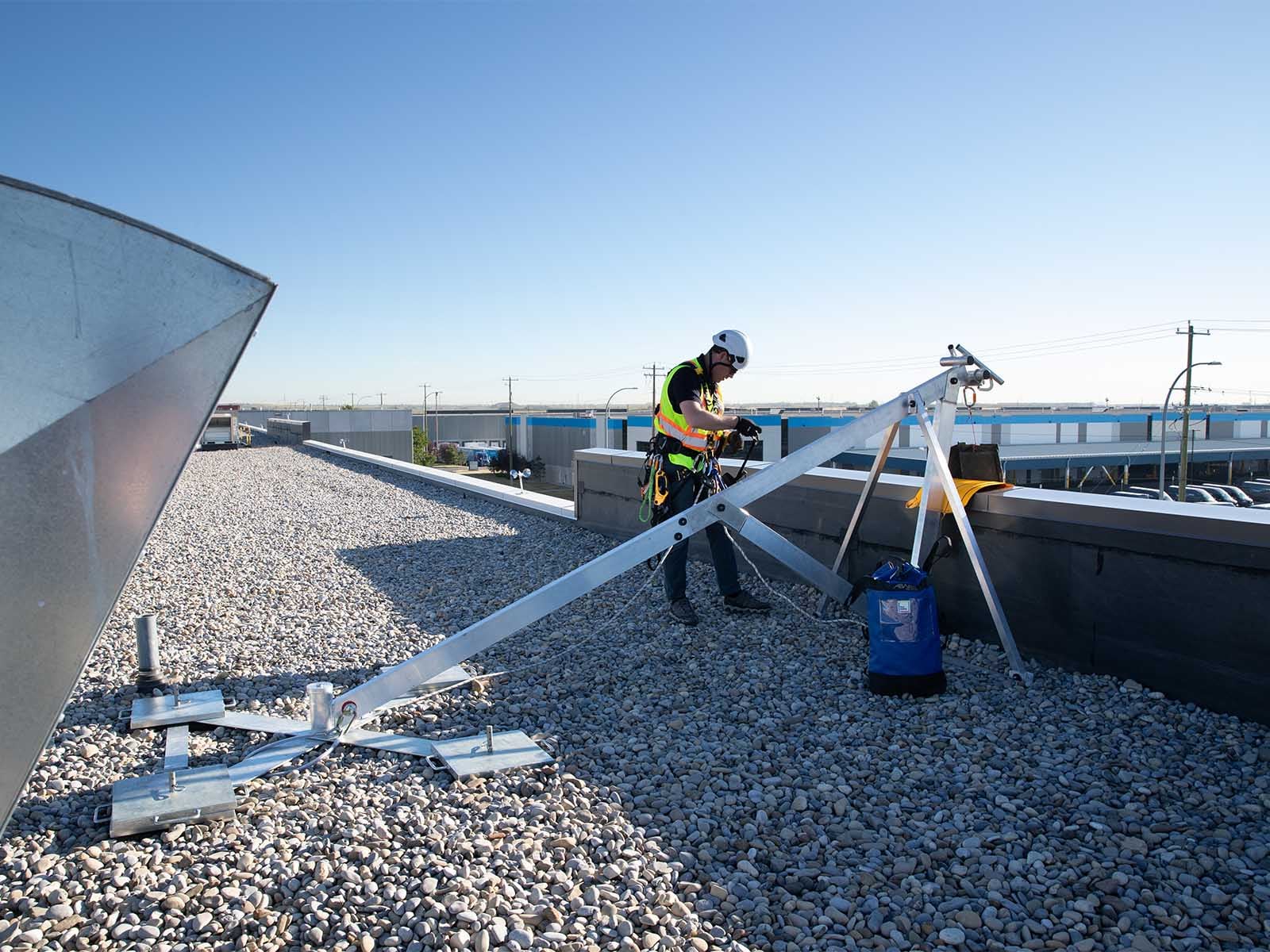
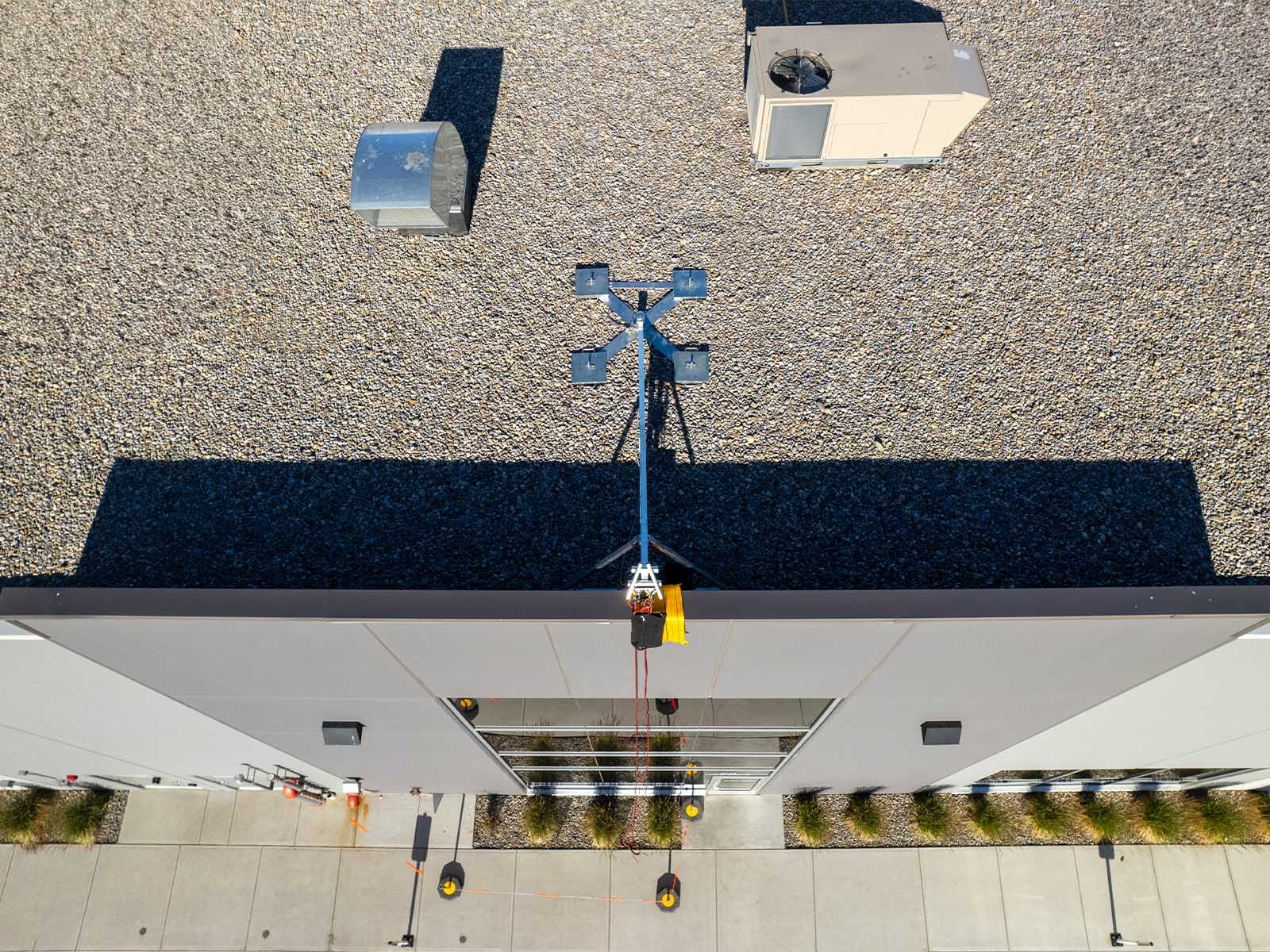
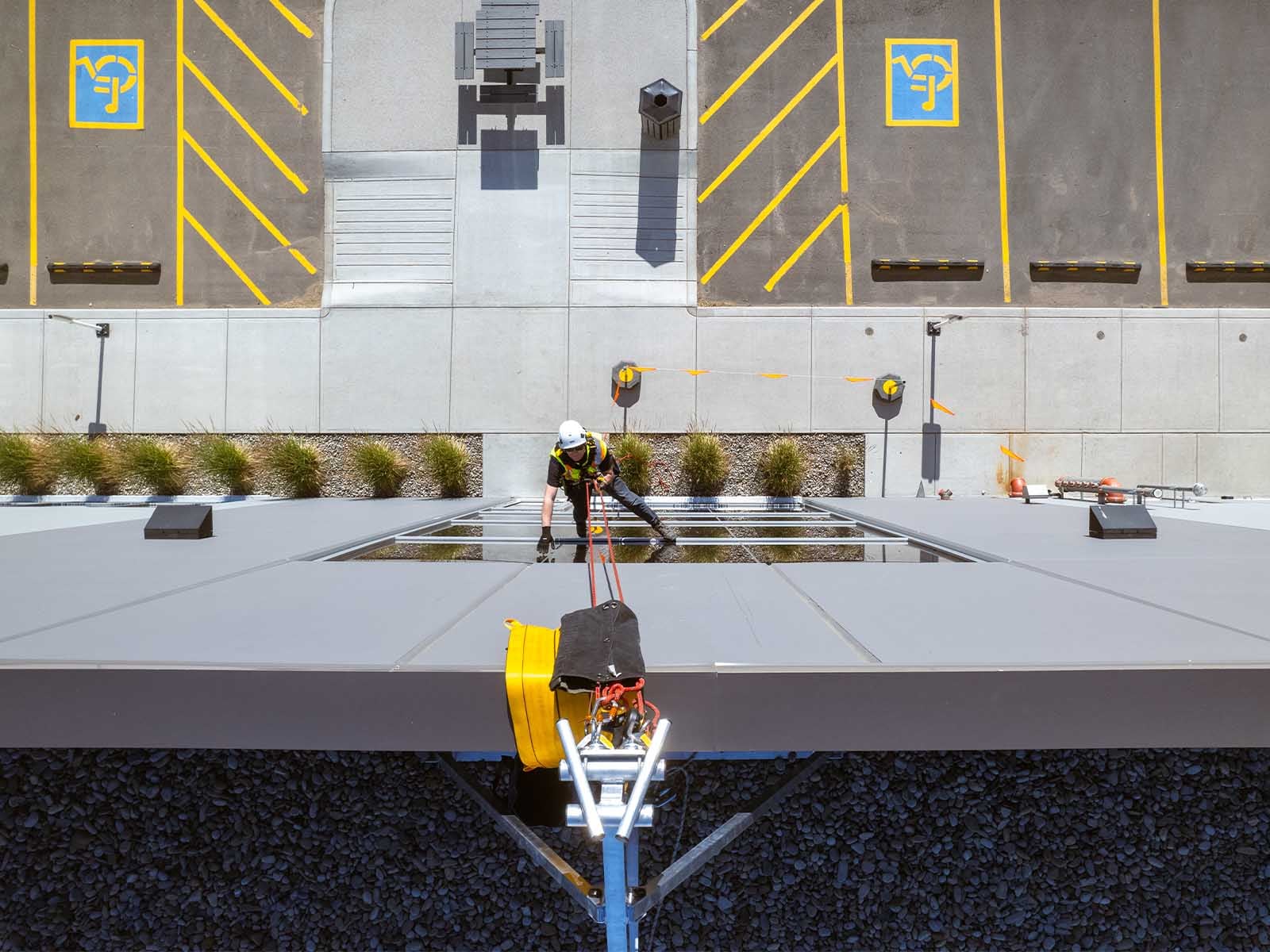
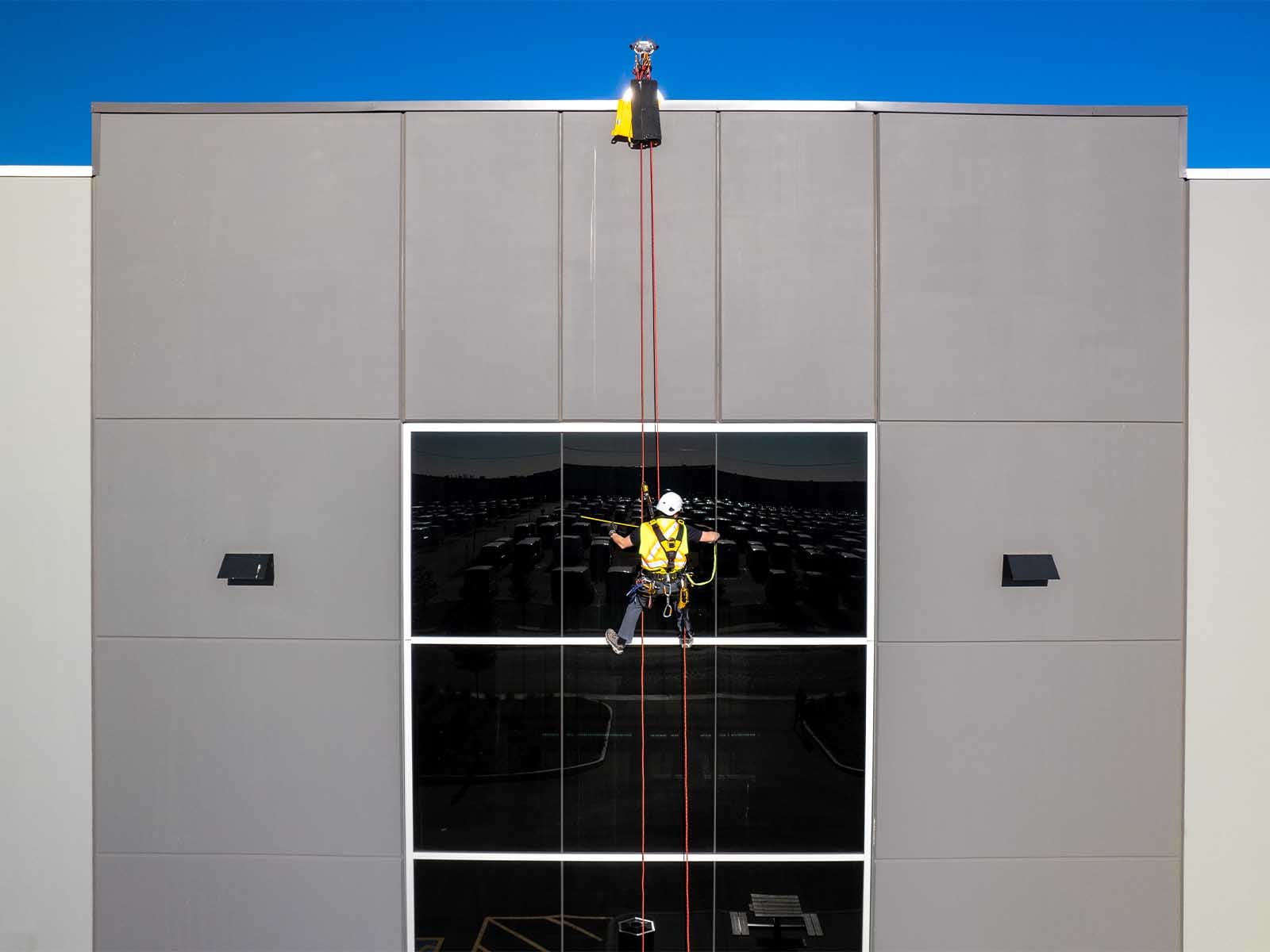
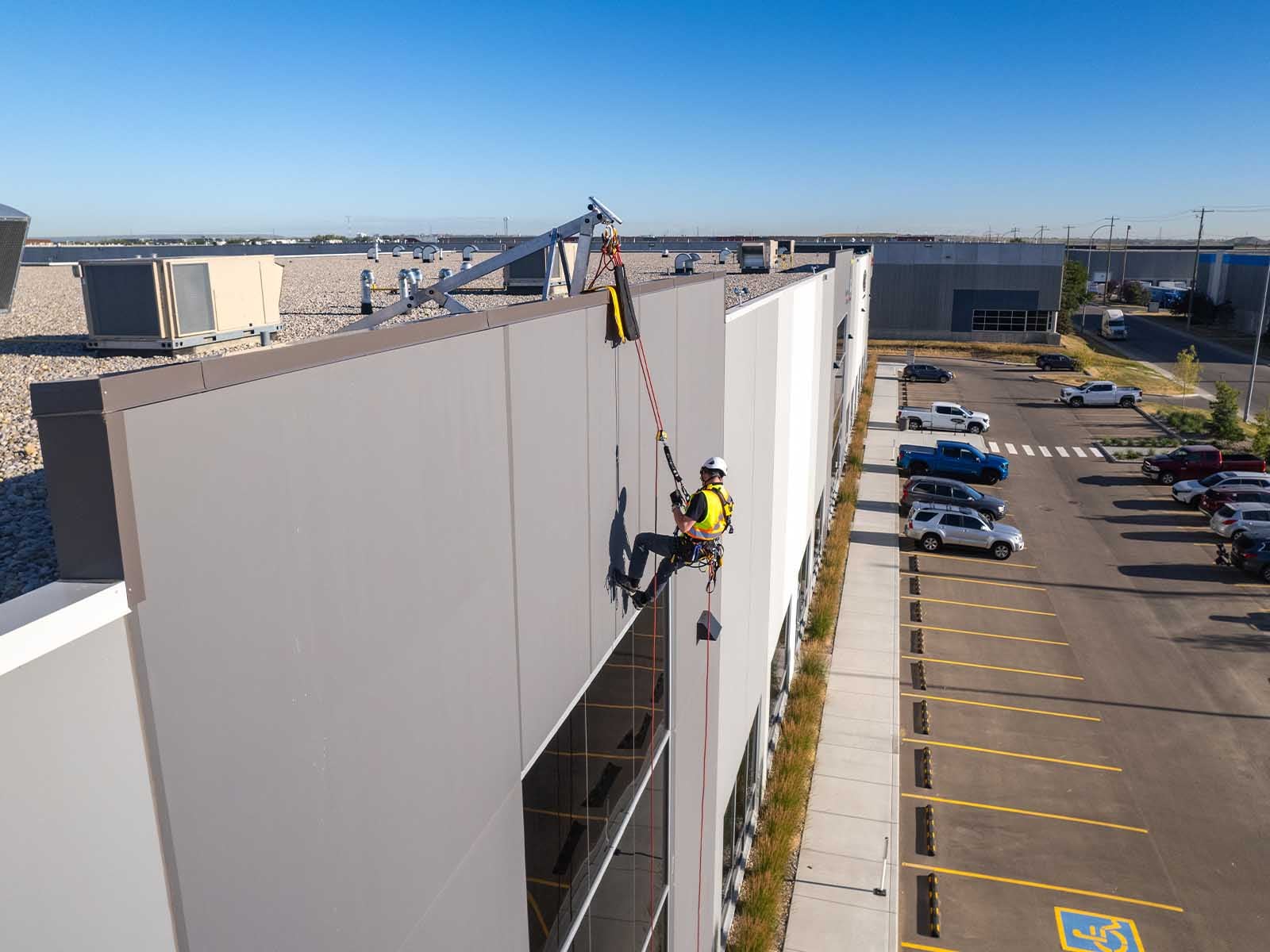
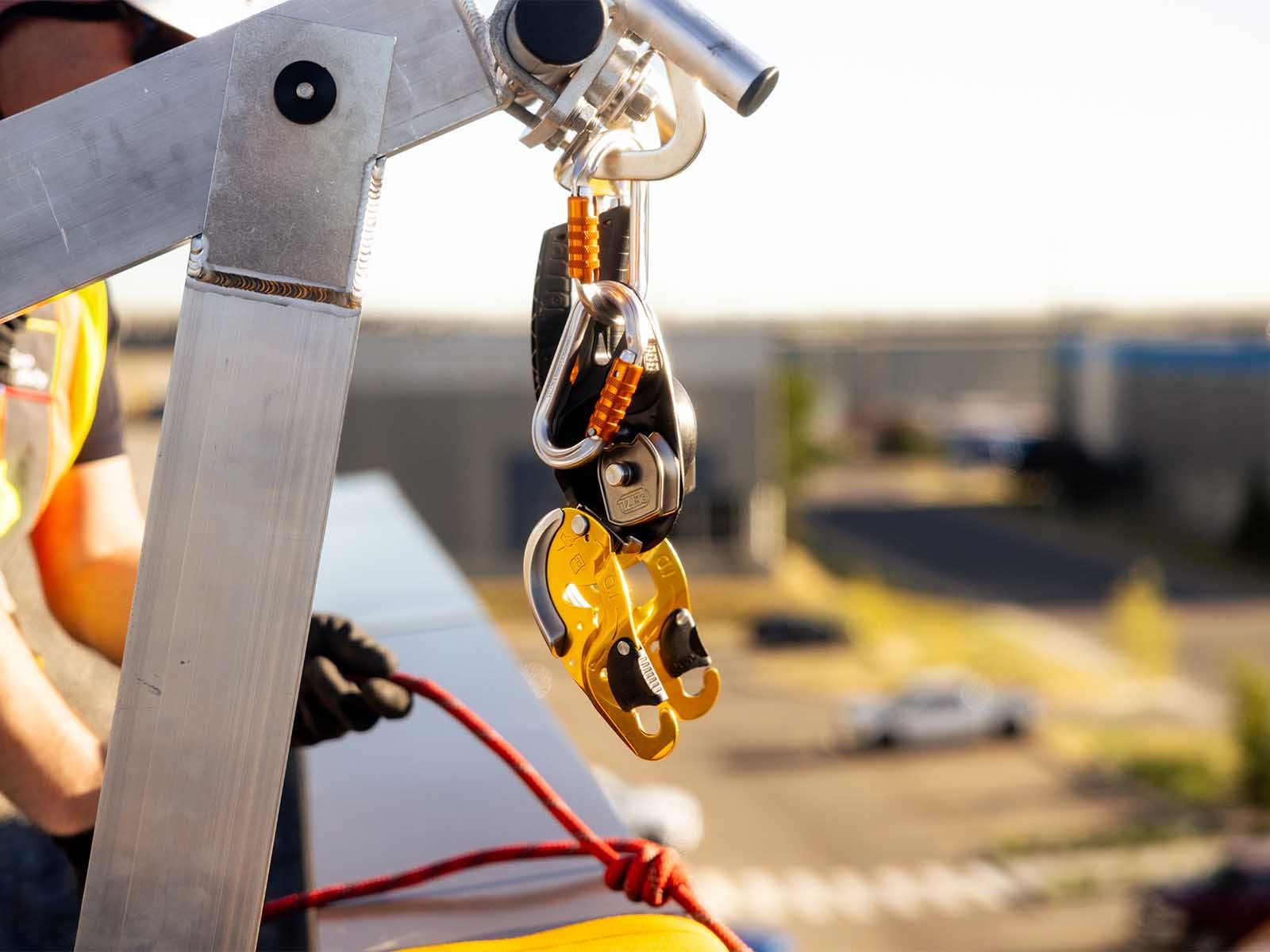
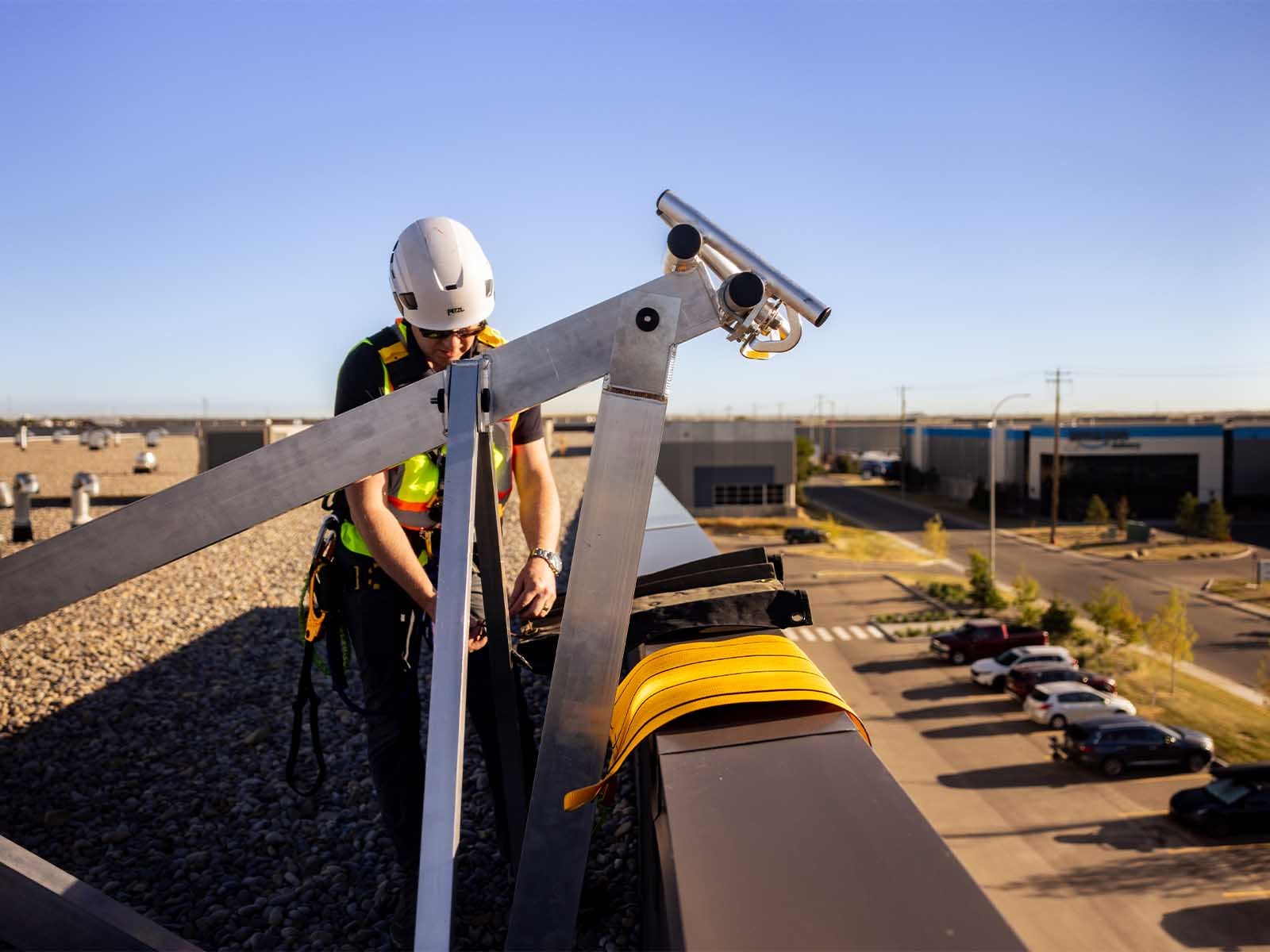
Designed to allow workers safe and continuous movement along building facades, ensuring full coverage for maintenance and inspection tasks.
Discreet & Aesthetic Integration
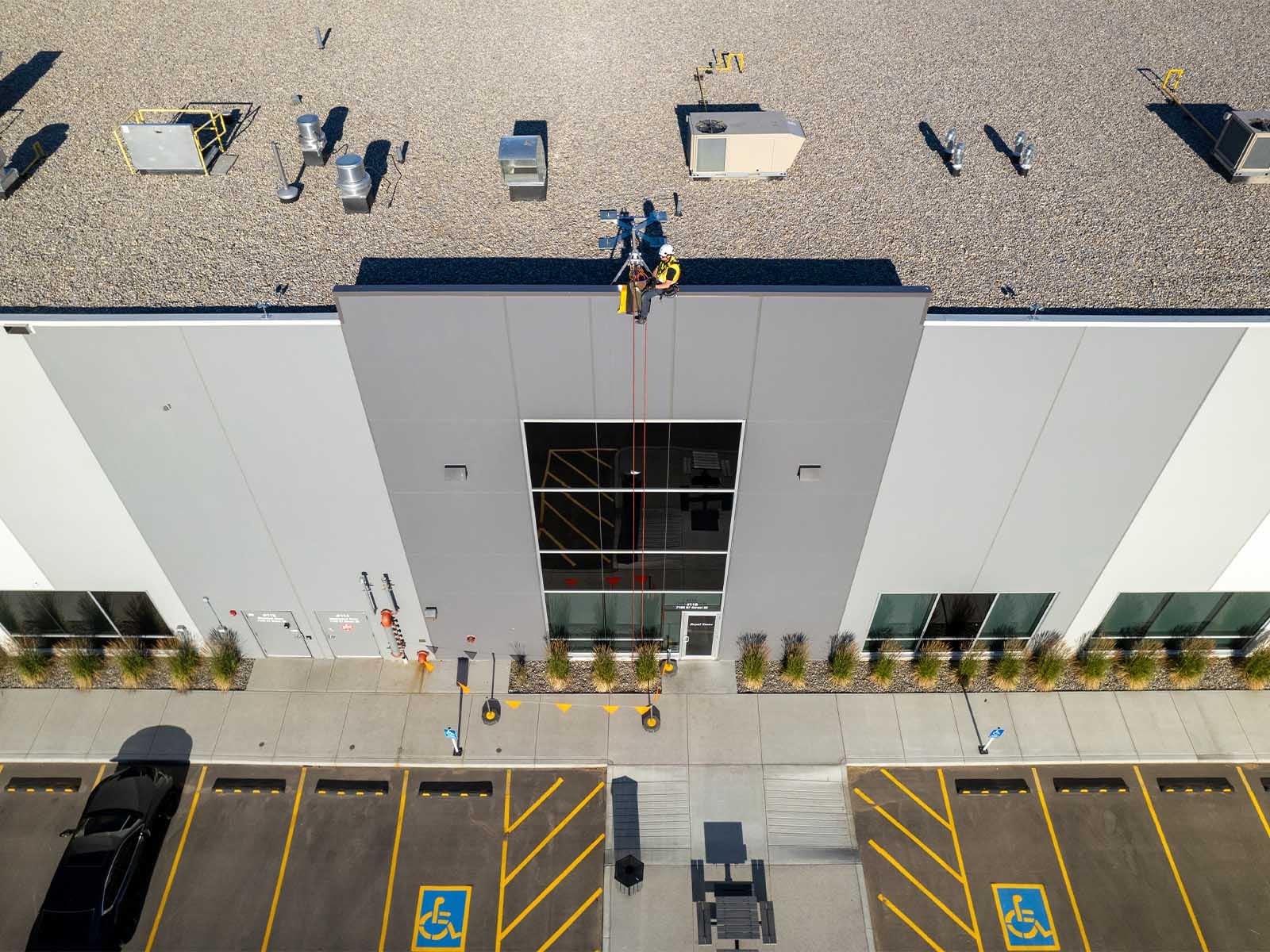
Low-profile and architecturally integrated systems ensure minimal visual impact while maintaining the building’s design integrity.
OSHA & ANSI Compliance
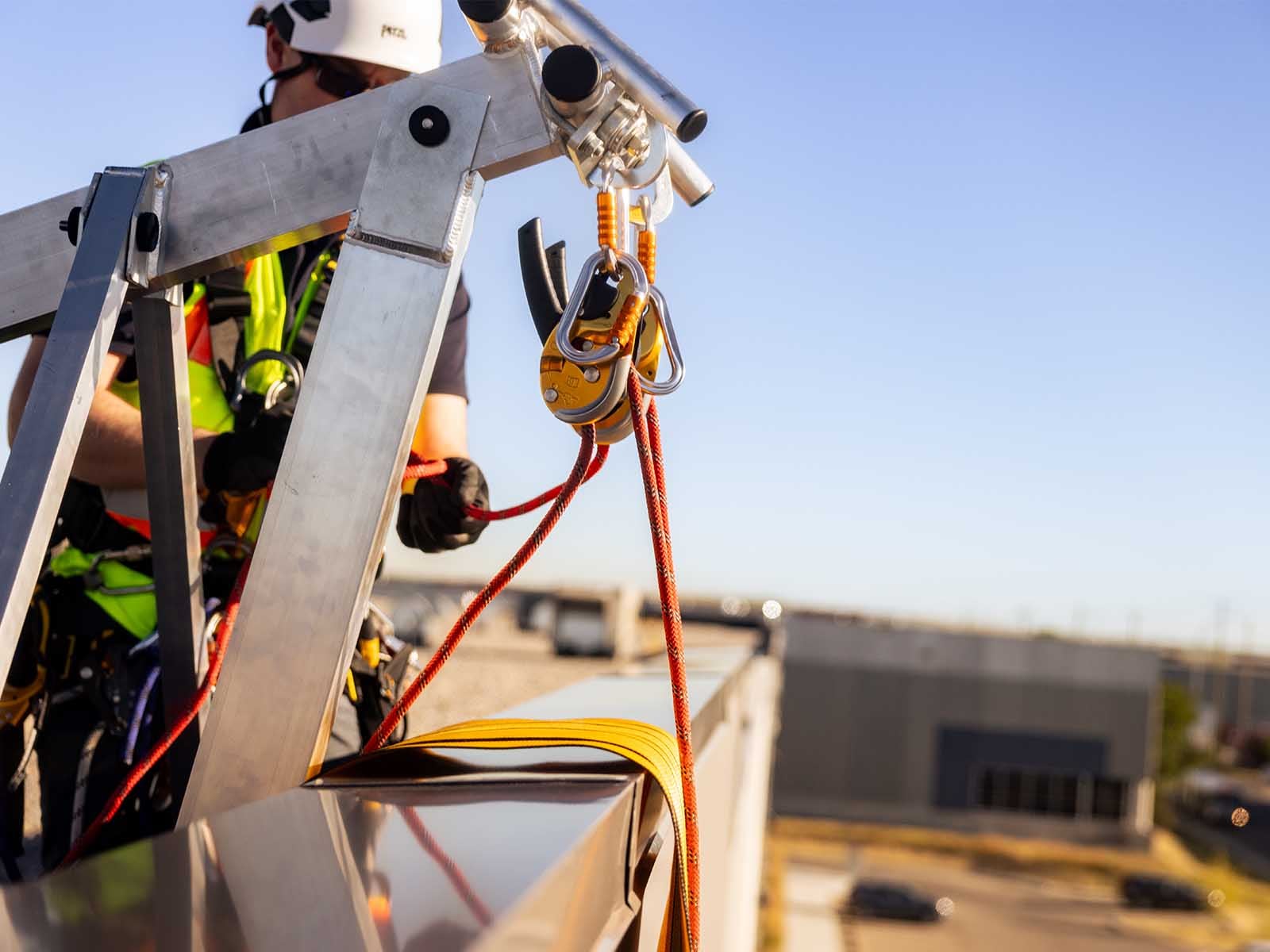
Meets OSHA and ANSI compliance for facade access and fall protection.
PROBLEMS WE SOLVE
Exterior Building Maintenance Doesn’t Have to be Dangerous
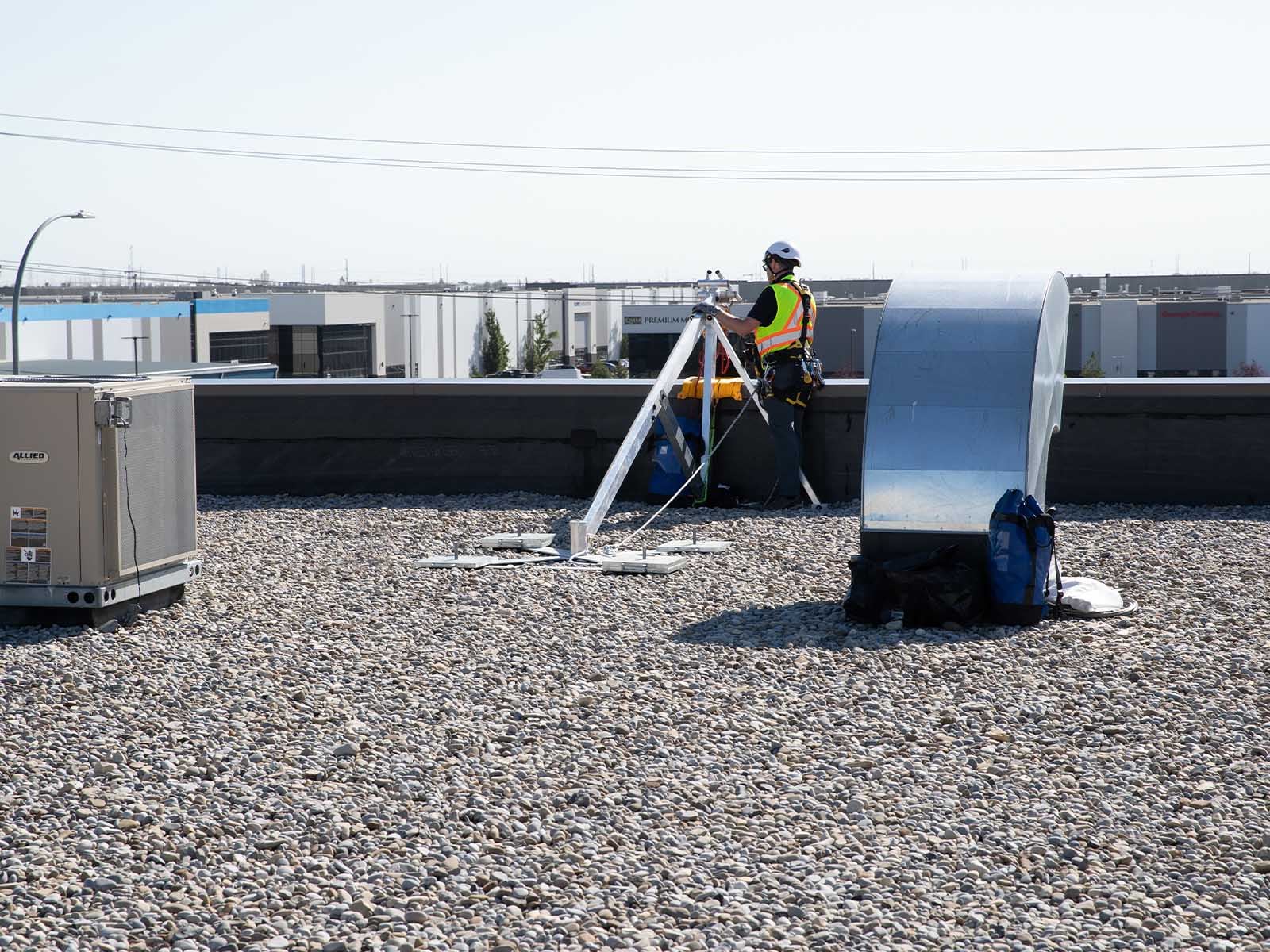
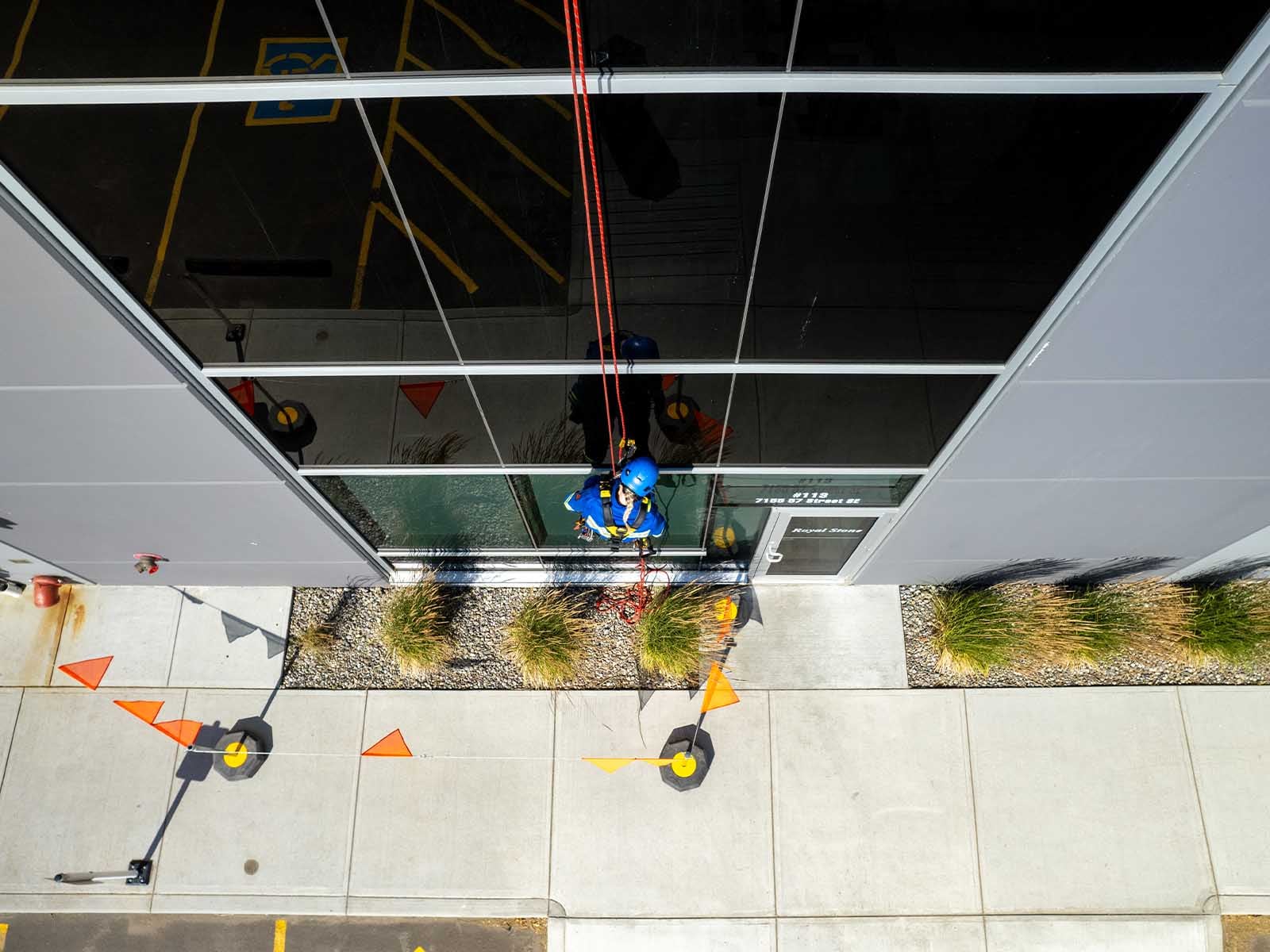
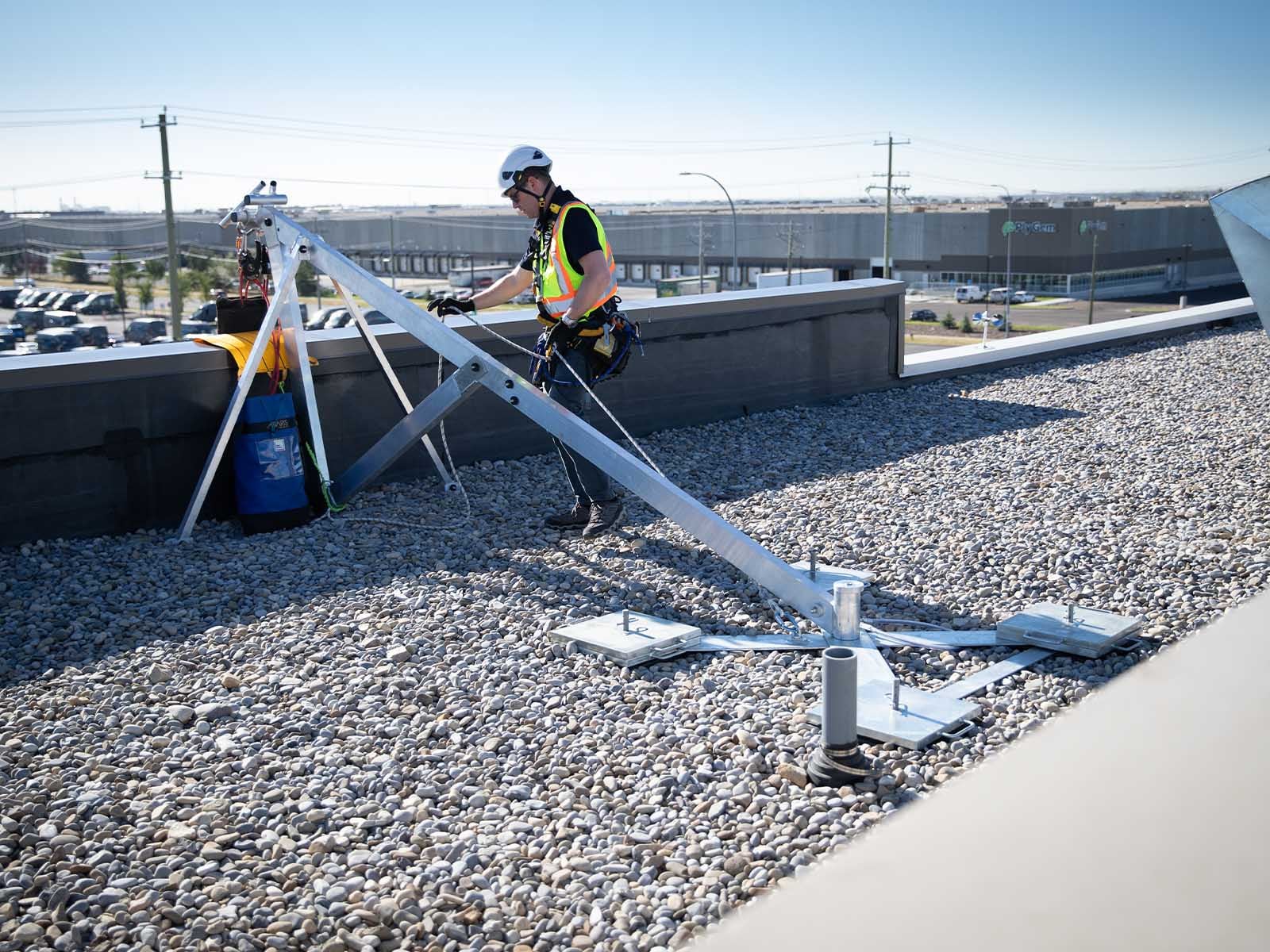
Accessing high-rise facades, curtain walls, and external maintenance areas is hazardous without proper fall protection. A facade lifeline system provides continuous support, enabling safe work positioning for window cleaning, inspections, and repairs.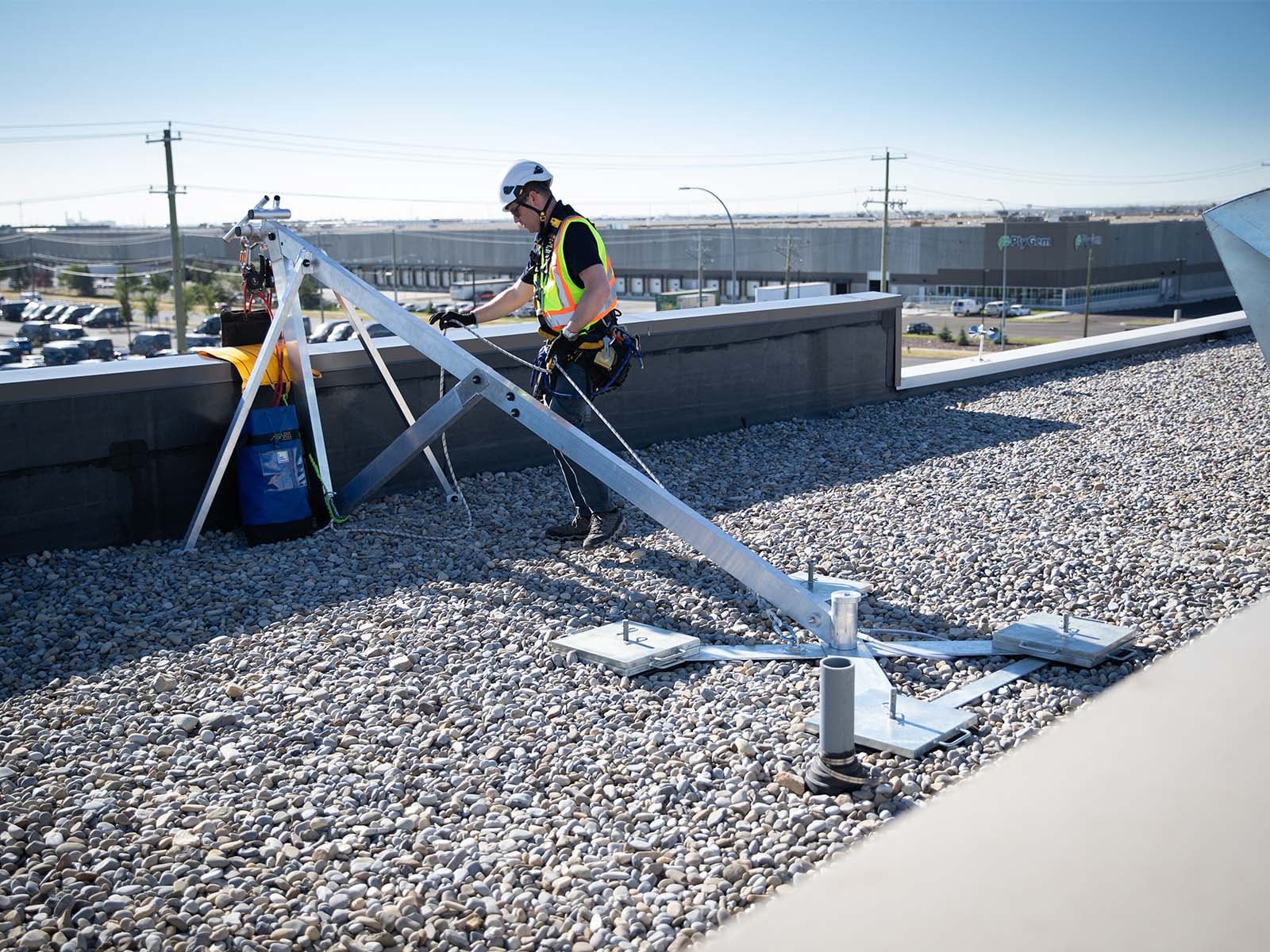
Areas of Application for Facade

Building Access & Maintenance

Infrastructure Development

Energy & Utilities

Manufacturing


Answers to
Key Questions
What is a horizontal lifeline system?
A horizontal lifeline is an engineered system in which a worker’s fall-arrest or restraint equipment connects to a cable running horizontally between anchor points, letting the worker move along the line while staying continuously attached. On a facade, the line runs along the parapet or elevation so window-cleaning and maintenance crews work the full face of the building without disconnecting and reconnecting at every anchor. OSHA governs the components as part of a personal fall arrest system under 29 CFR 1926.502 (construction) and 29 CFR 1910.140 (general industry).
What is the difference between vertical and horizontal lifelines?
A vertical lifeline protects a worker moving up and down, such as on a fixed ladder, and runs vertically with a fall arrester that travels with the worker. A horizontal lifeline protects a worker moving across a level or near-level path and runs horizontally between anchors. Facade work is mostly horizontal travel along the building face, so a horizontal system carries the protection, with vertical systems covering the climbs that reach it.
Who can install horizontal lifelines?
A horizontal lifeline should be installed by a qualified fall protection contractor working from engineered, typically PE-stamped drawings, because facade anchors load the building structure and must be sized to the arrest forces involved. OSHA requires the system to be designed and installed under the supervision of a qualified person (29 CFR 1926.502(d)(8)). Tritech designs, fabricates, installs, and recertifies facade lifeline systems with one accountable team.
What is the OSHA standard for horizontal lifelines?
There is no standalone OSHA standard for horizontal lifelines; OSHA regulates them as components of a personal fall arrest system. In construction, 29 CFR 1926.502(d)(8) requires design, installation, and use under the supervision of a qualified person, as part of a complete system that maintains a safety factor of at least two. General industry, which covers routine facade maintenance, applies the criteria of 29 CFR 1910.140.
CONTACT
Ensure Safe Facade Access with a Lifeline System
Our team is ready to help you implement a code-compliant, secure fall protection solution for your building’s exterior maintenance.
Let’s Discuss Your Project
"*" indicates required fields