SOLUTIONS
Vertical Lifeline System
Reliable Fall Arrest & Climbing Protection
Continuous Fall Protection
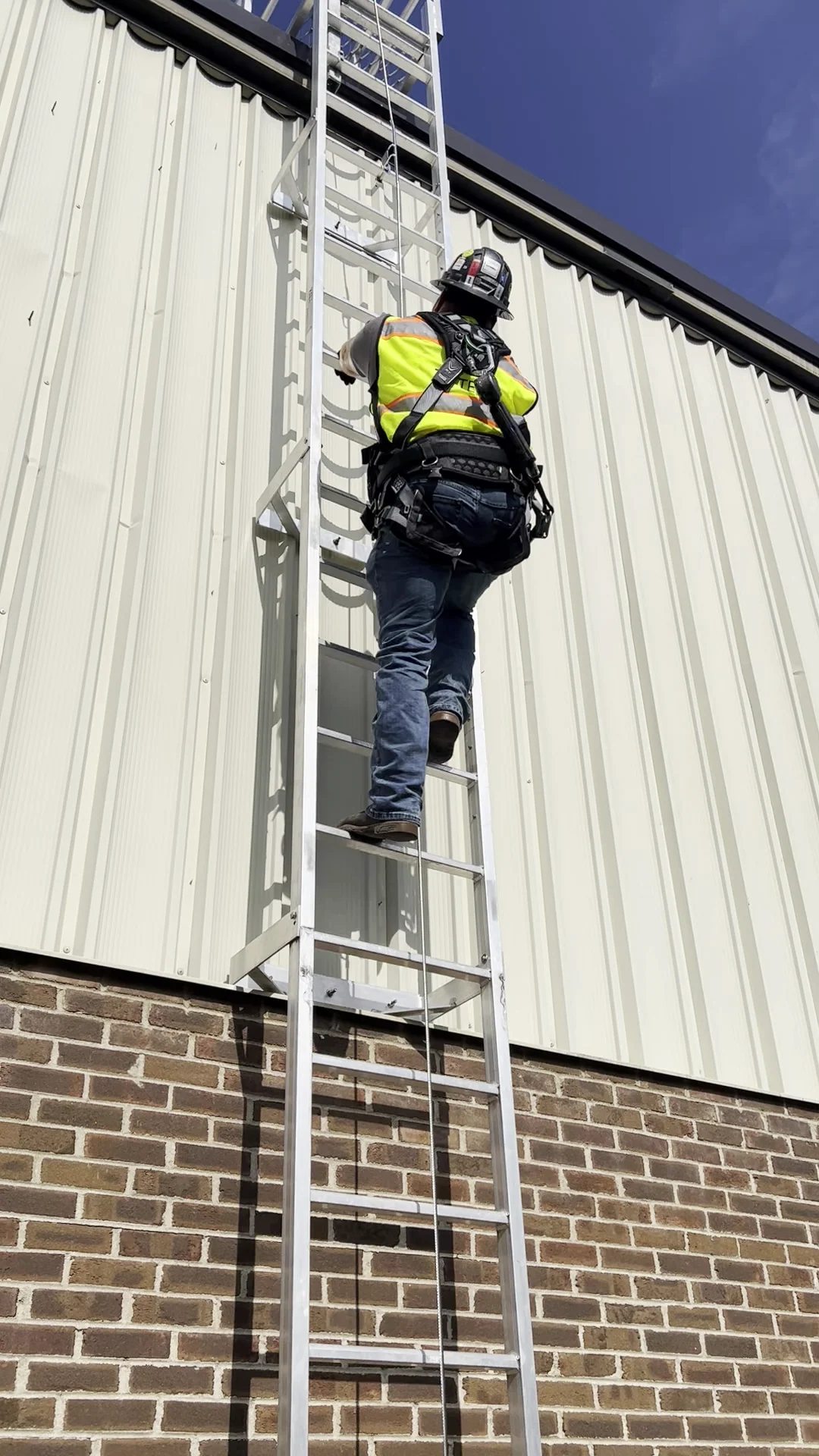
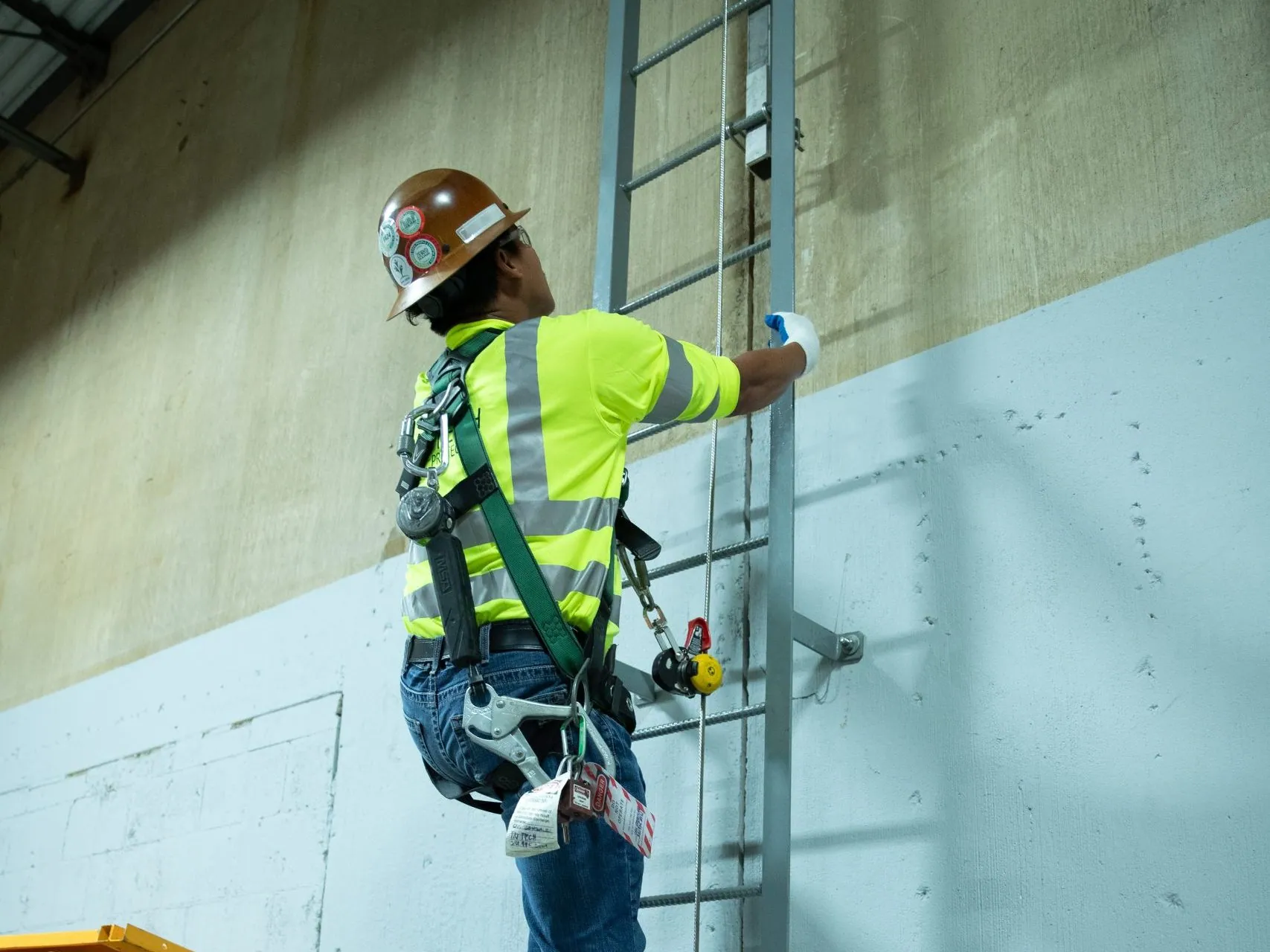
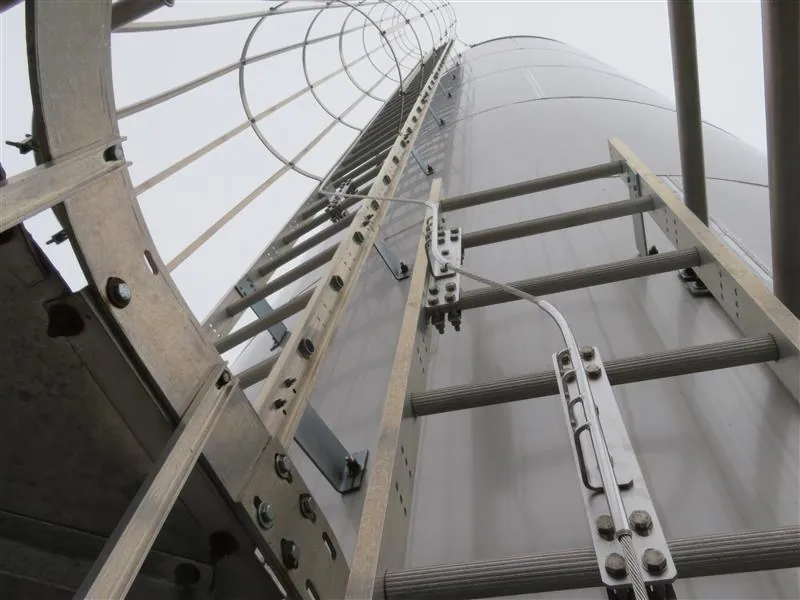
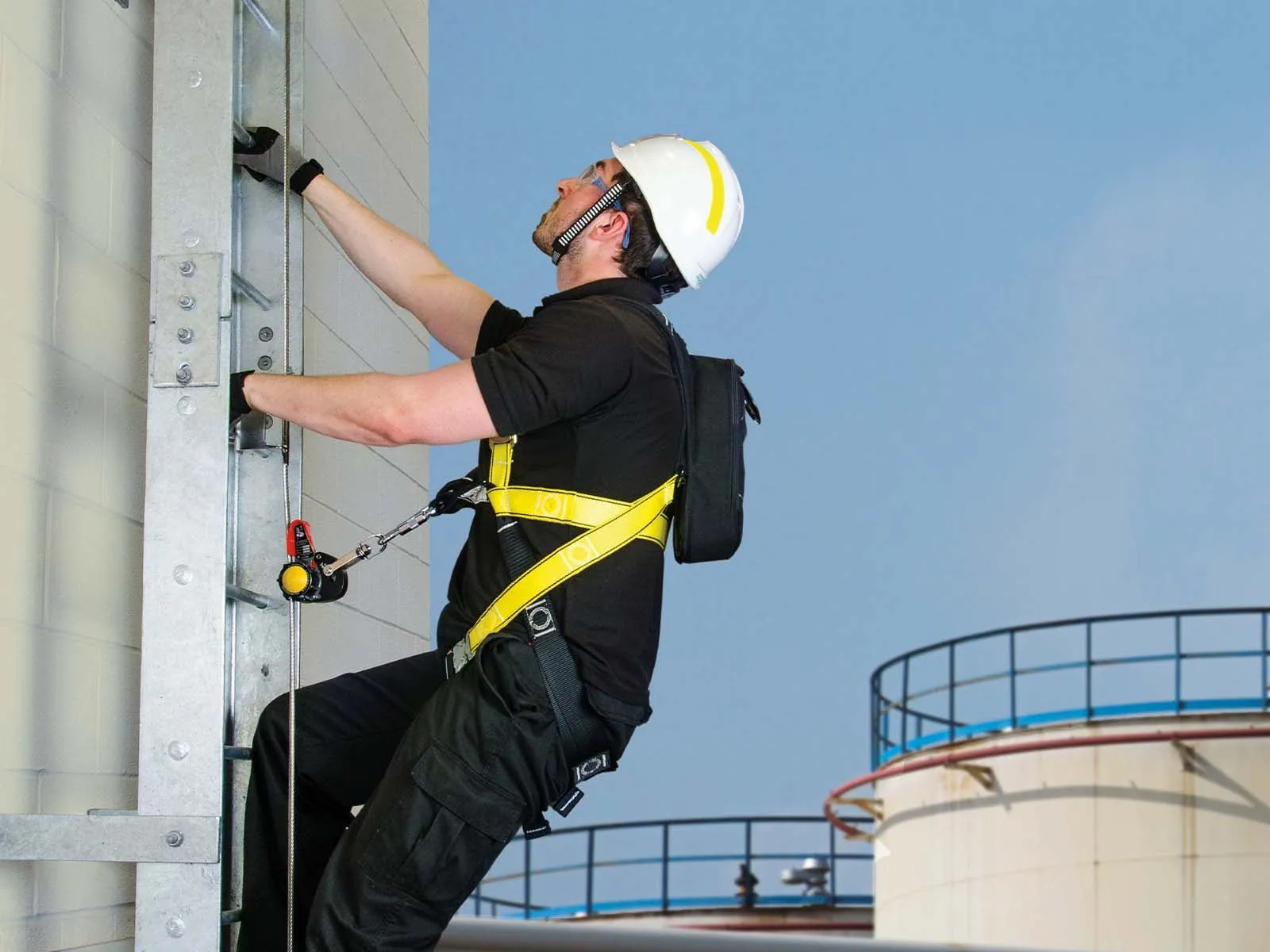
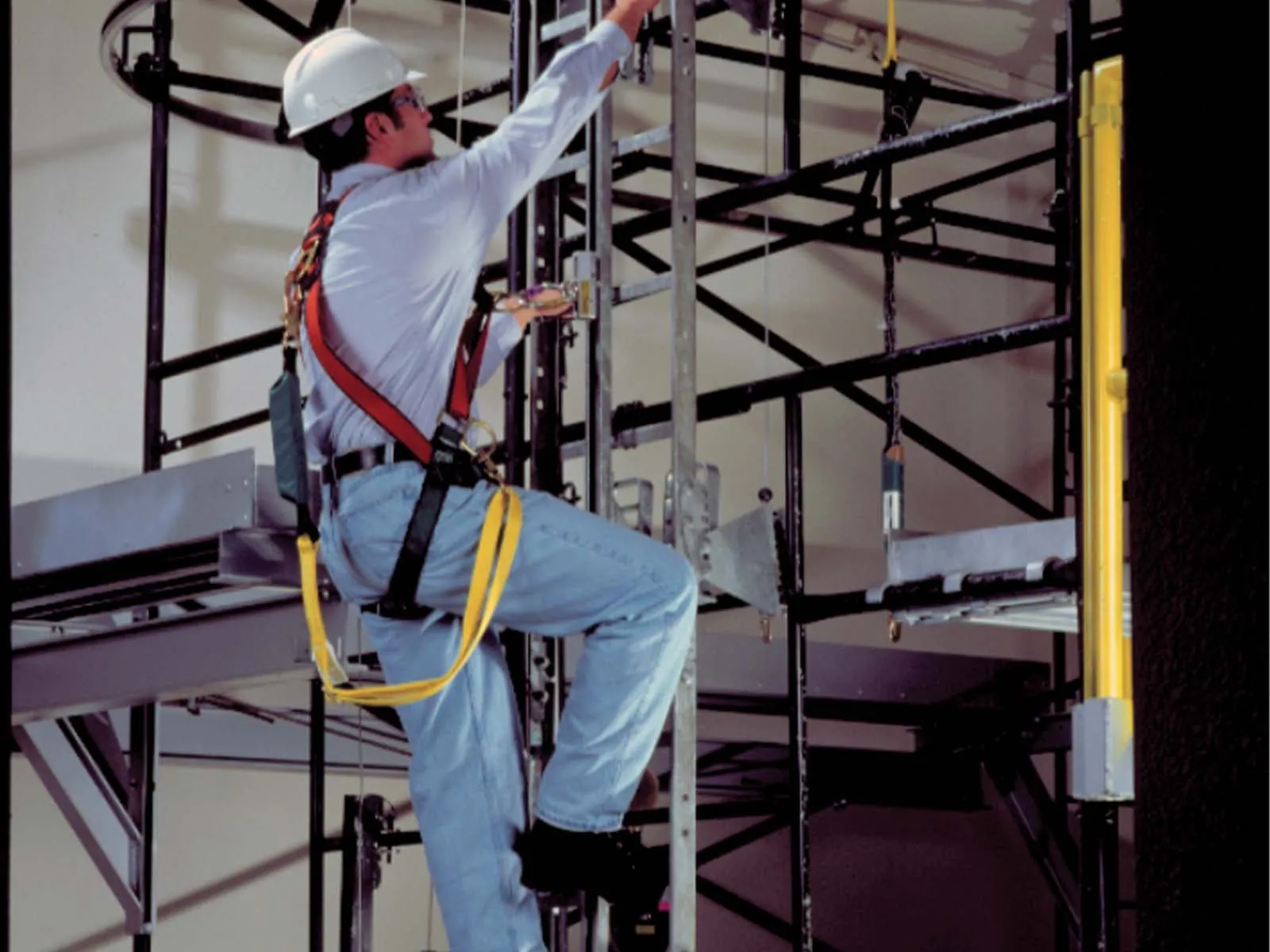
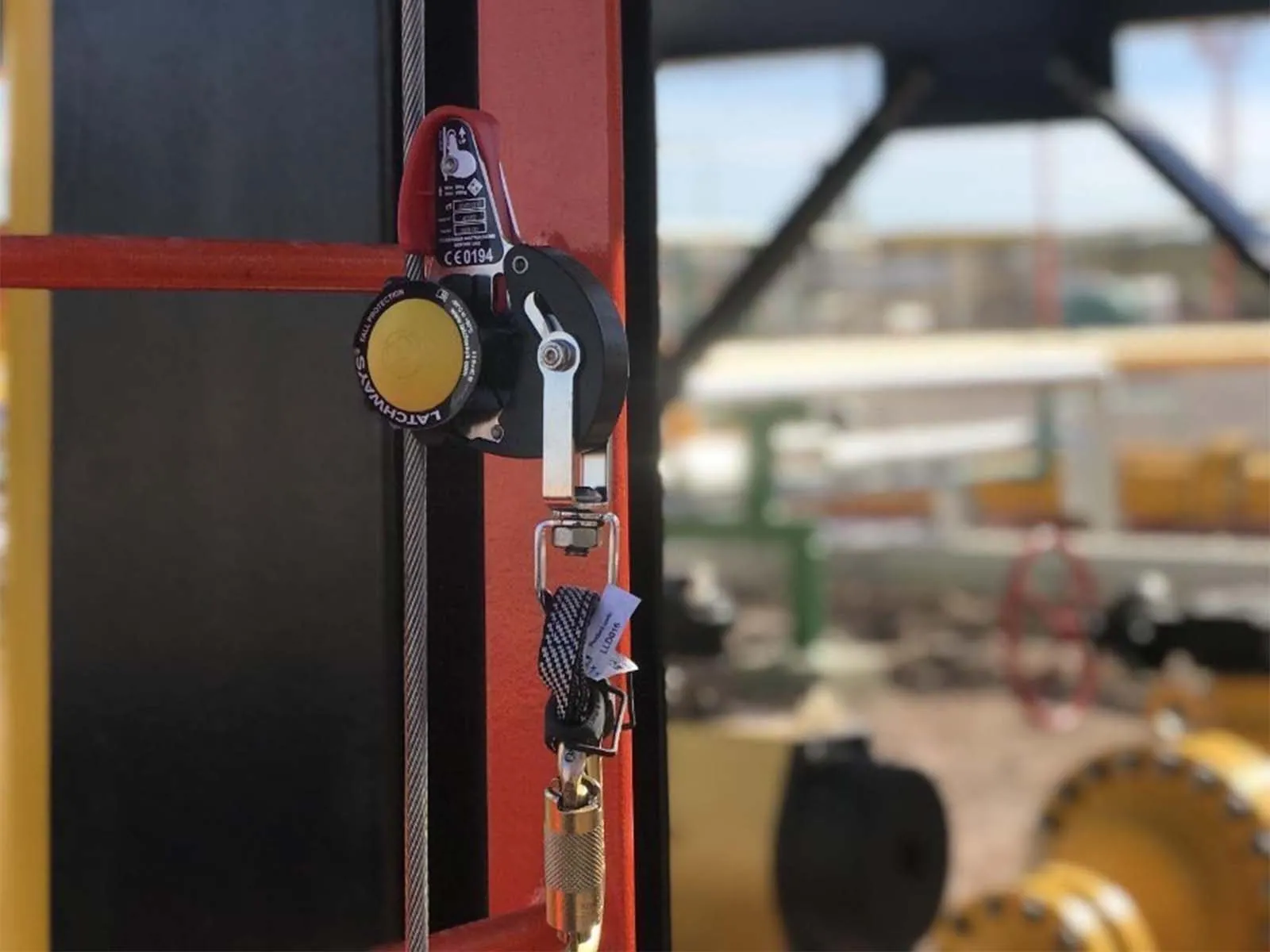
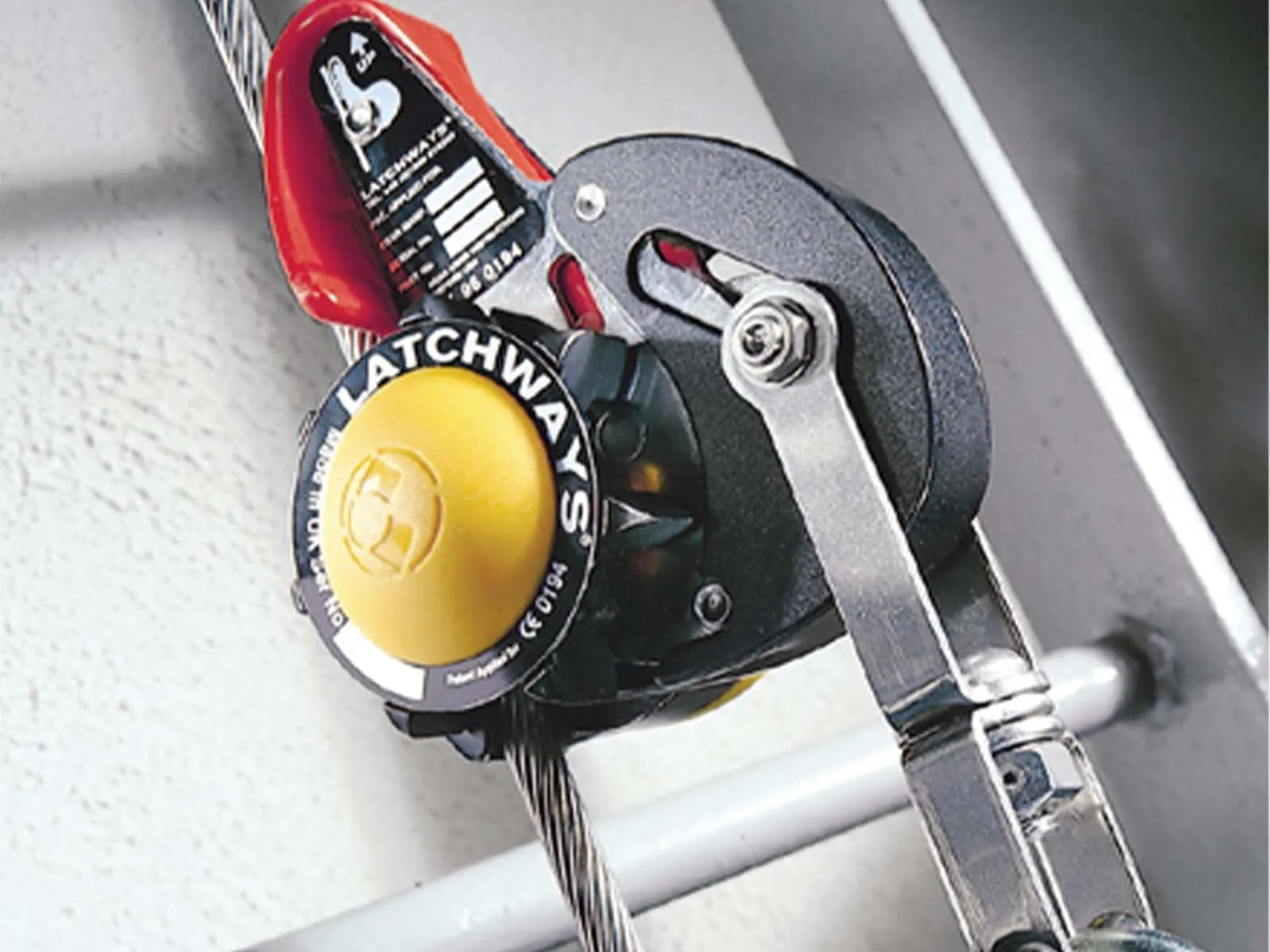
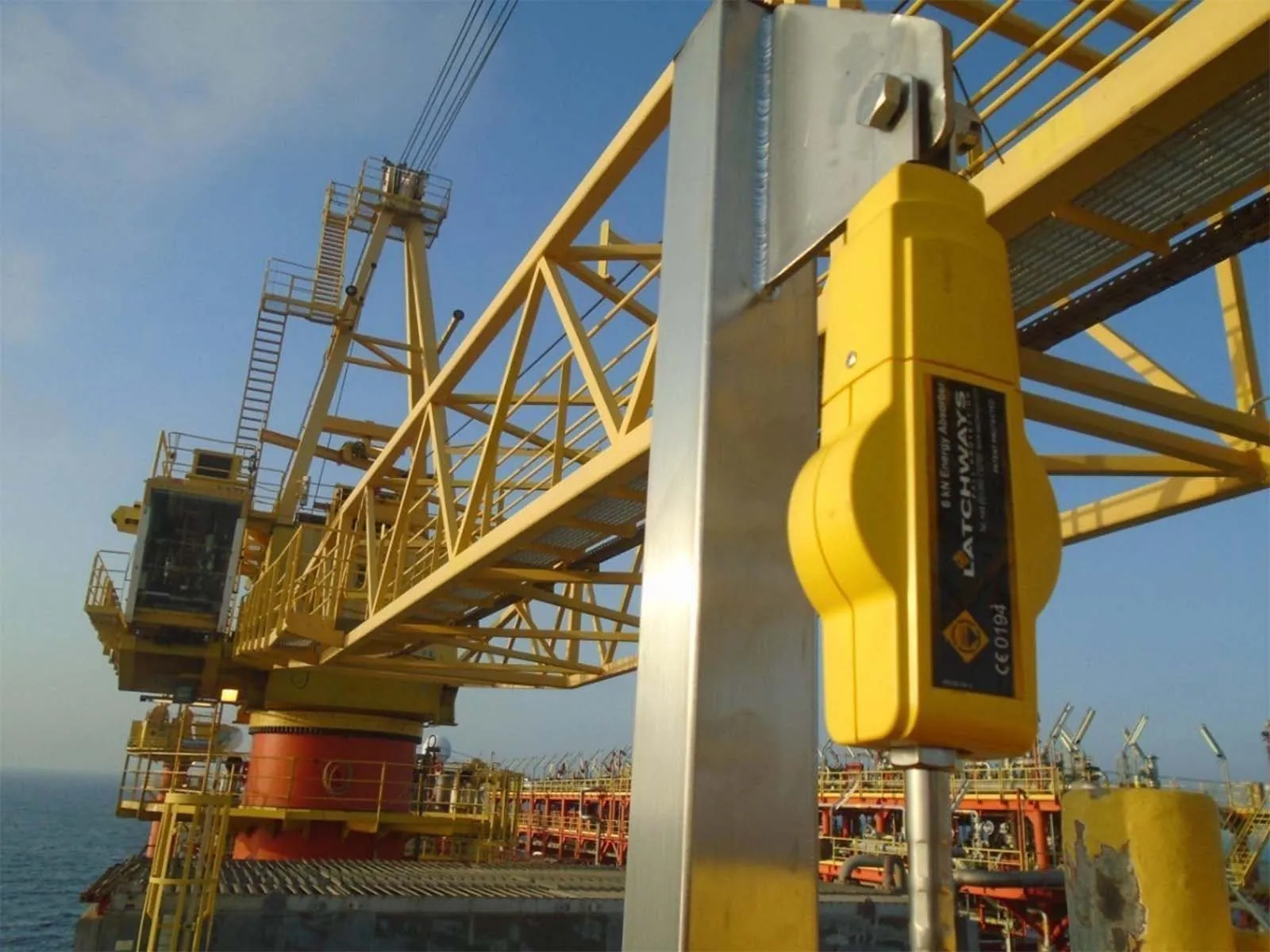
The system features a cable or track-based shuttle that travels with the worker, keeping them securely connected while climbing. It automatically locks in the event of a fall, with no need to disconnect or adjust while moving.
Compatible with Various Structures
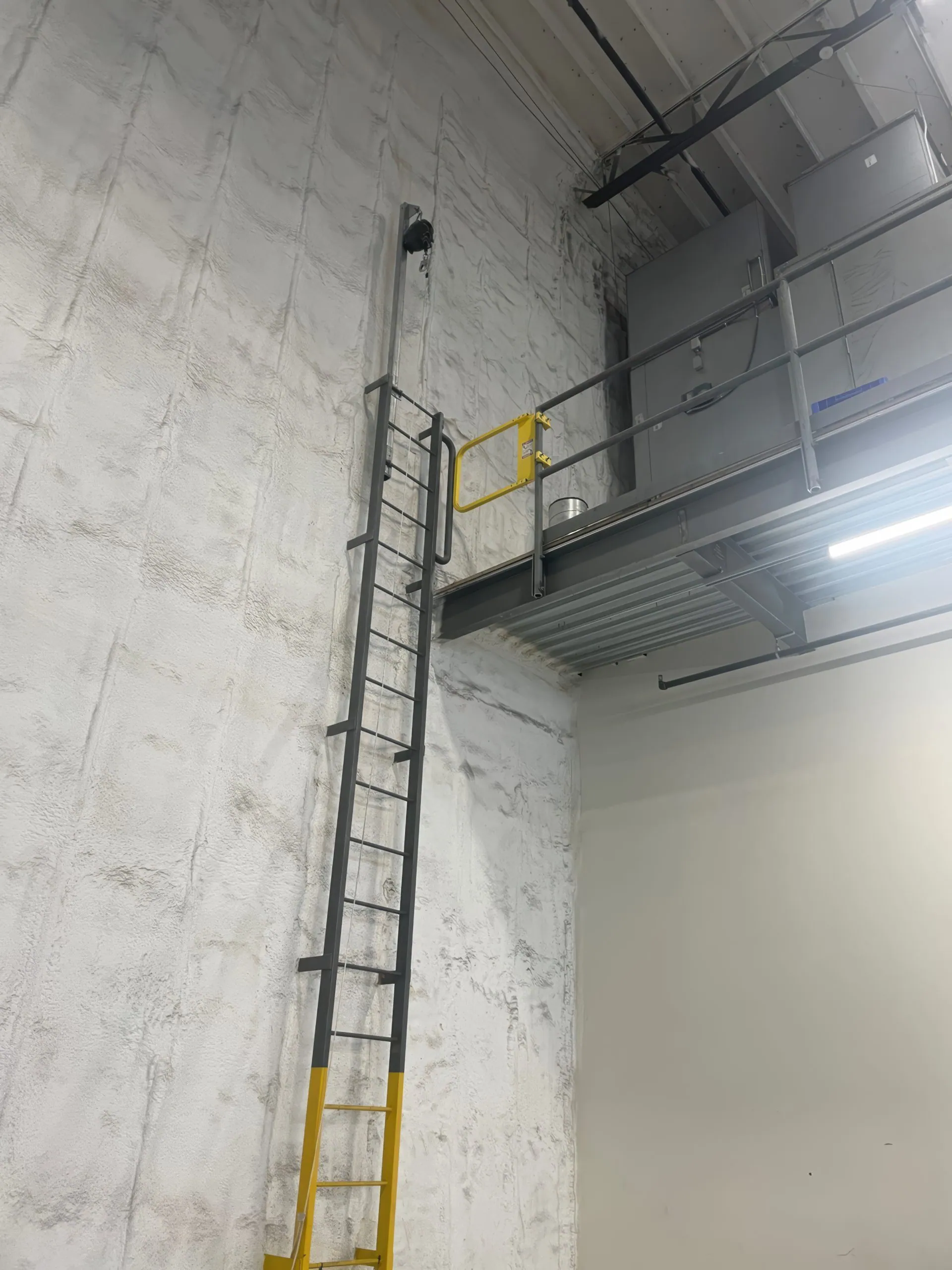
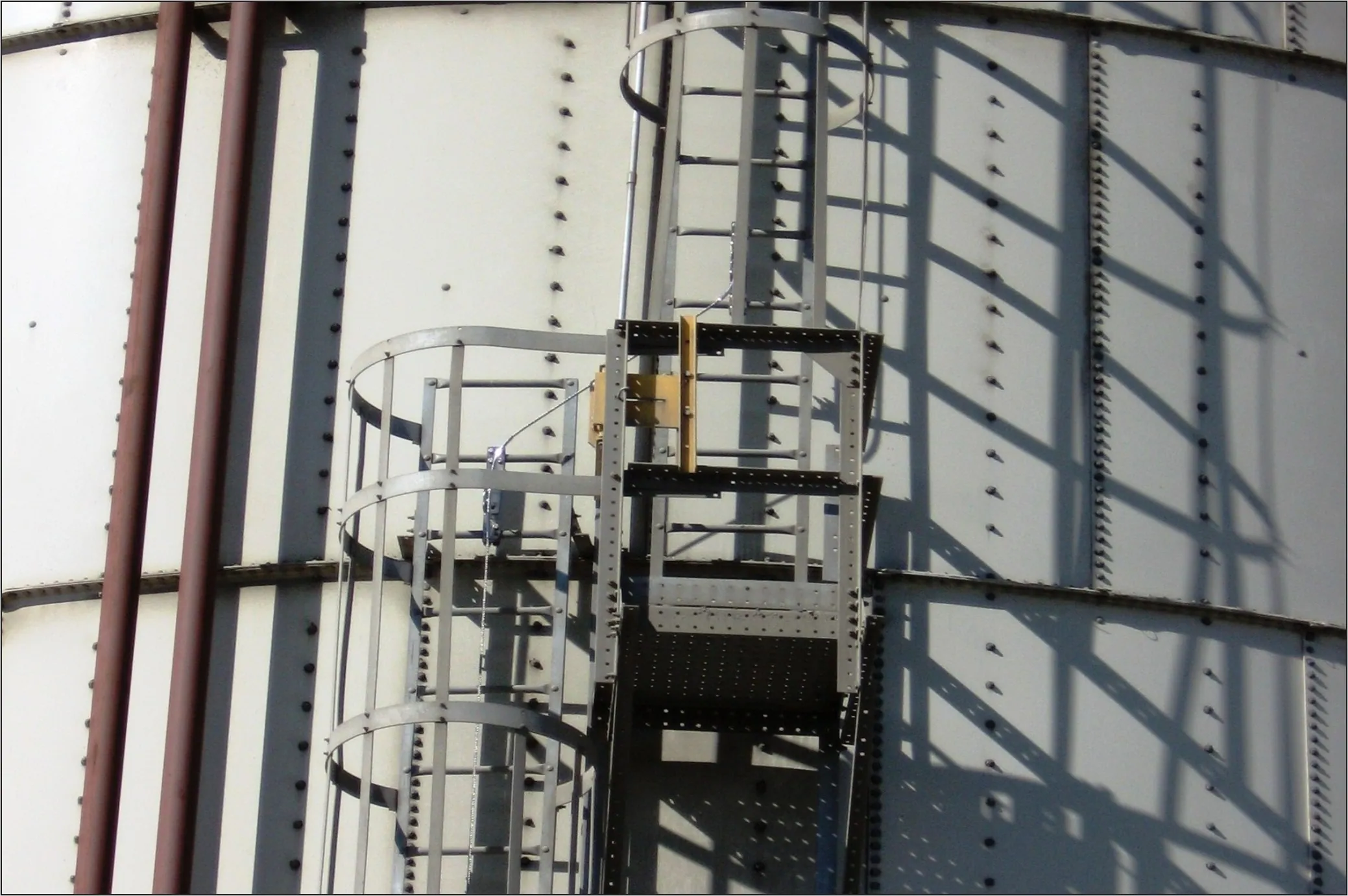
Capable of being installed on aluminum, steel, and fiberglass fixed ladders, as well as towers, tanks, and vertical access points across a wide range of industrial and commercial settings.
OSHA & ANSI Compliance
Meets OSHA and ANSI safety standards, ensuring compliant and secure vertical access solutions.
PROBLEMS WE SOLVE
Eliminating Fall Risks in Vertical & Inclined Climbing Areas
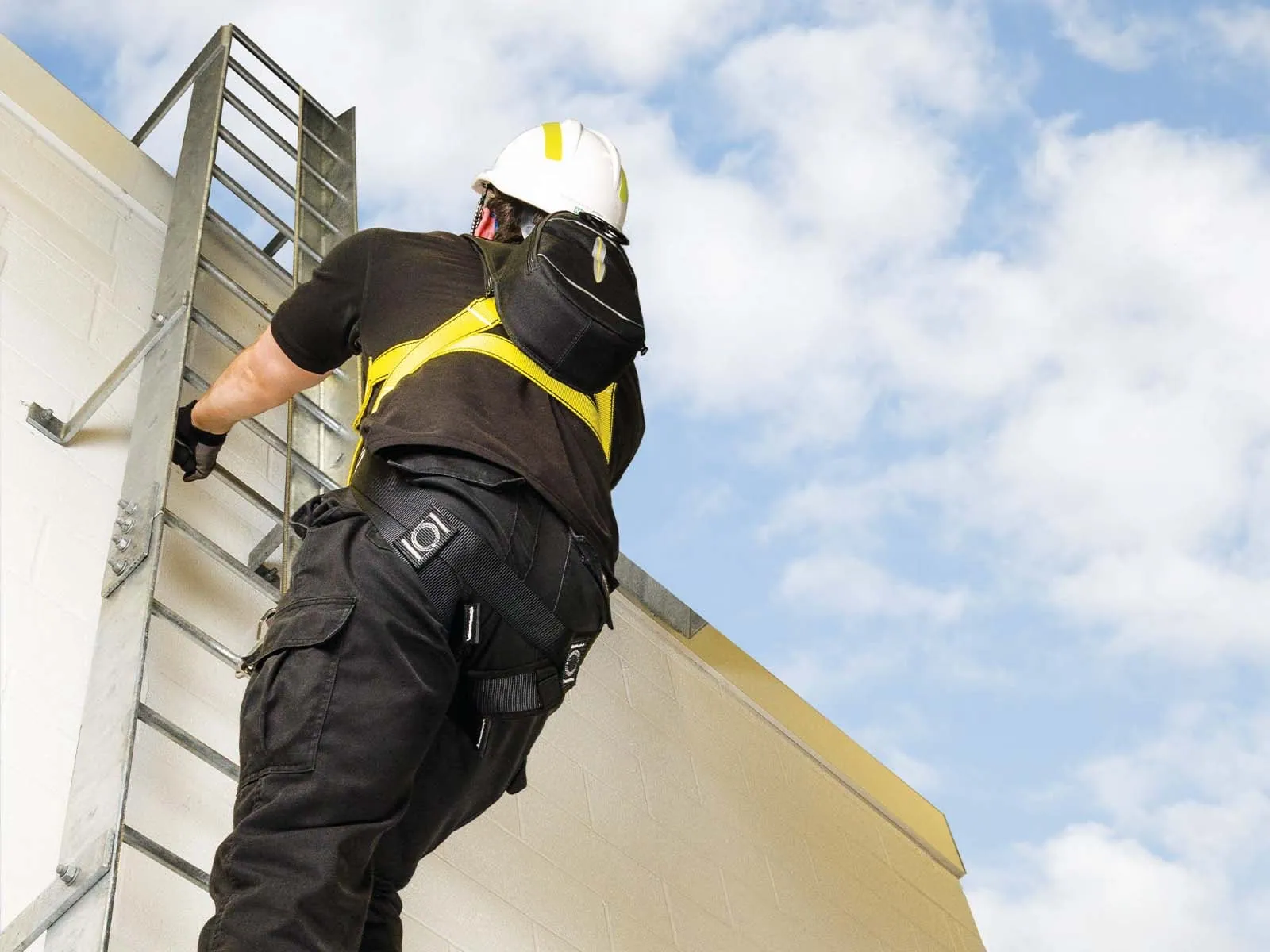
Climbing without proper fall protection remains one of the leading causes of workplace injuries. Vertical lifeline systems provide secure, continuous fall protection for workers ascending or descending fixed ladders, structures, or equipment supporting safe access in utilities, manufacturing, and industrial maintenance, just to name a few.
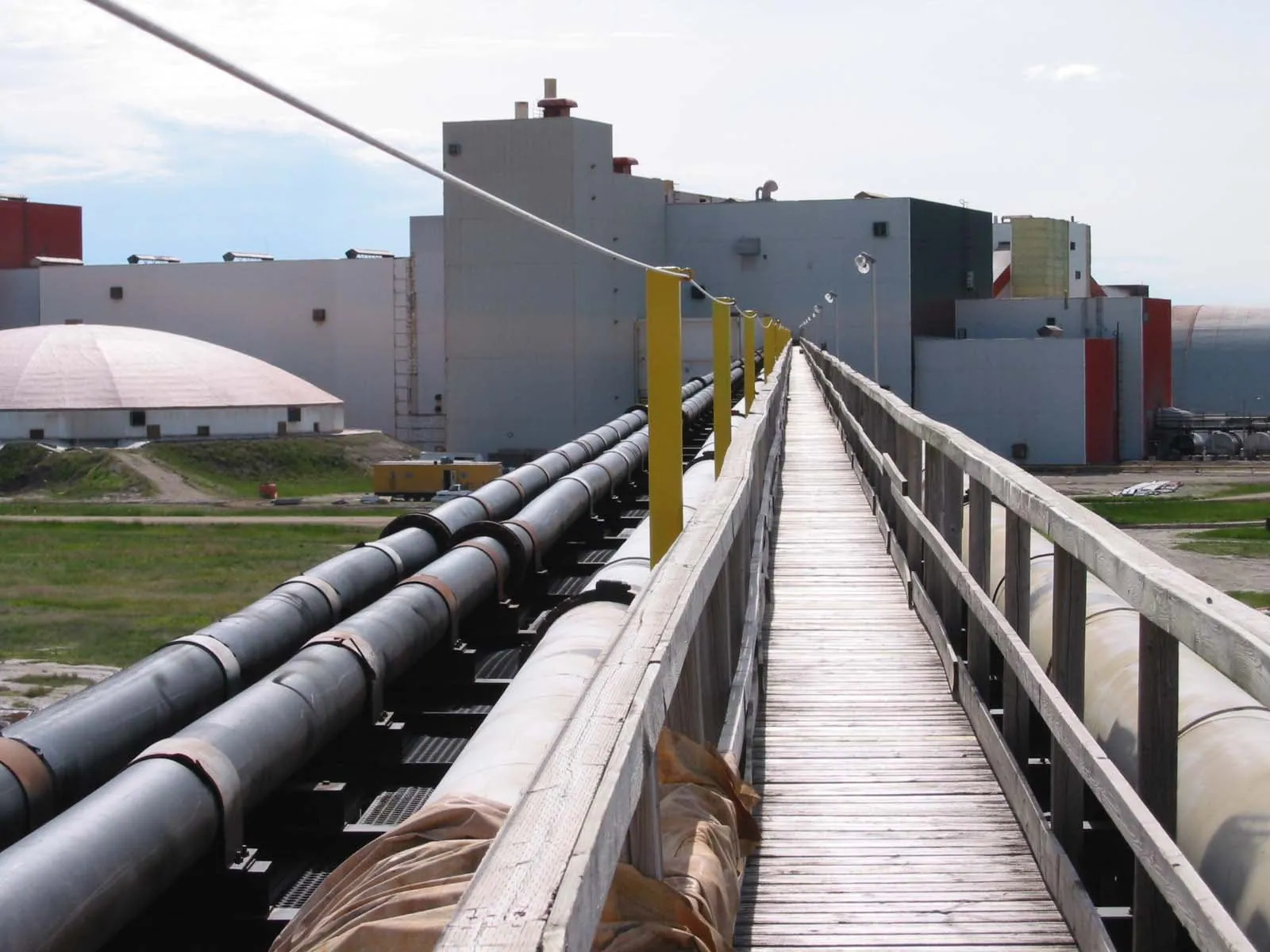
Areas of Application for Vertical Lifeline Systems
- Industrial Equipment Access
- Energy & Utilities
- Infrastructure Development
- Government & Military
- Theme Parks and Recreation
Industrial Equipment Access
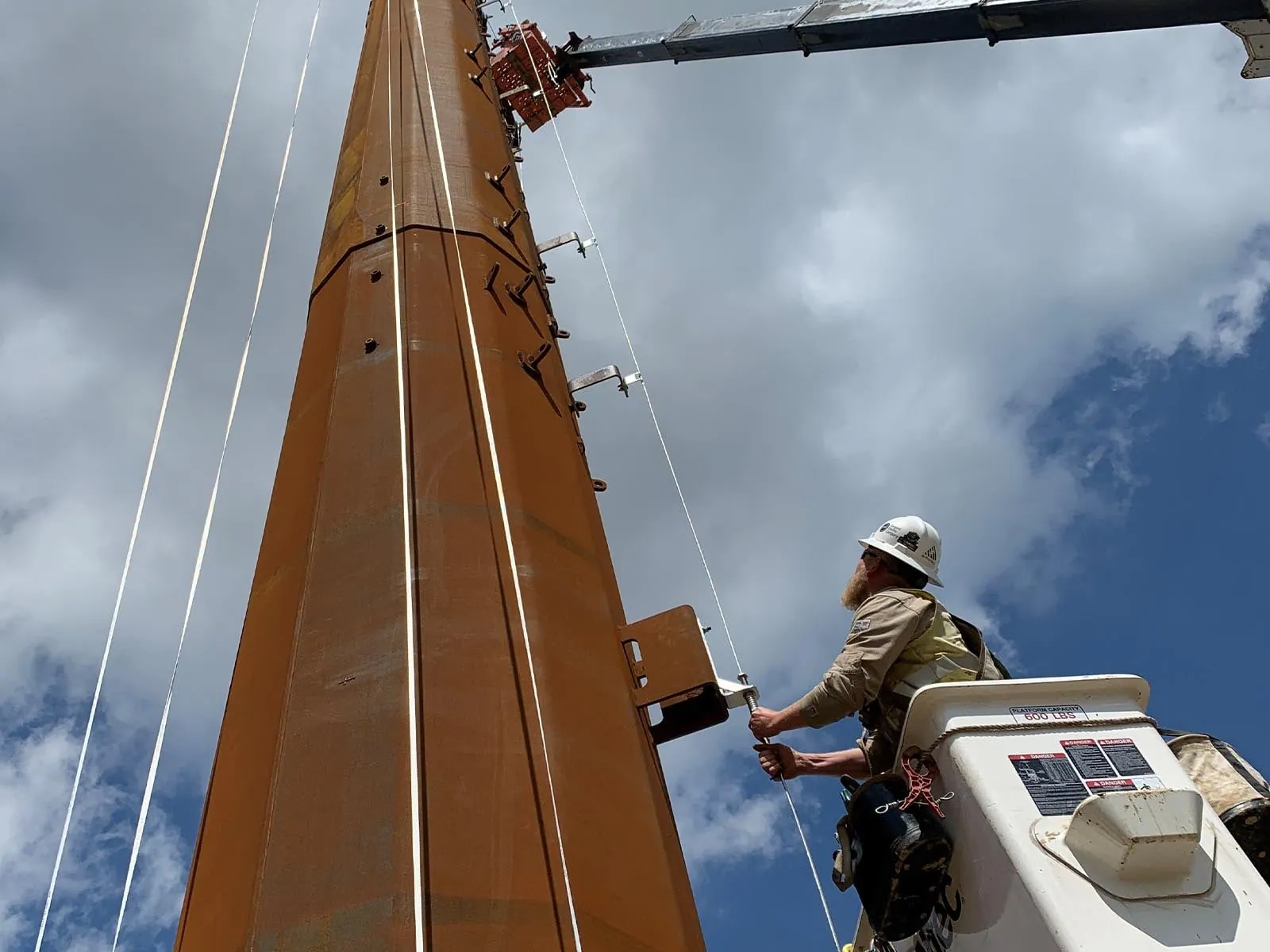
Energy & Utilities
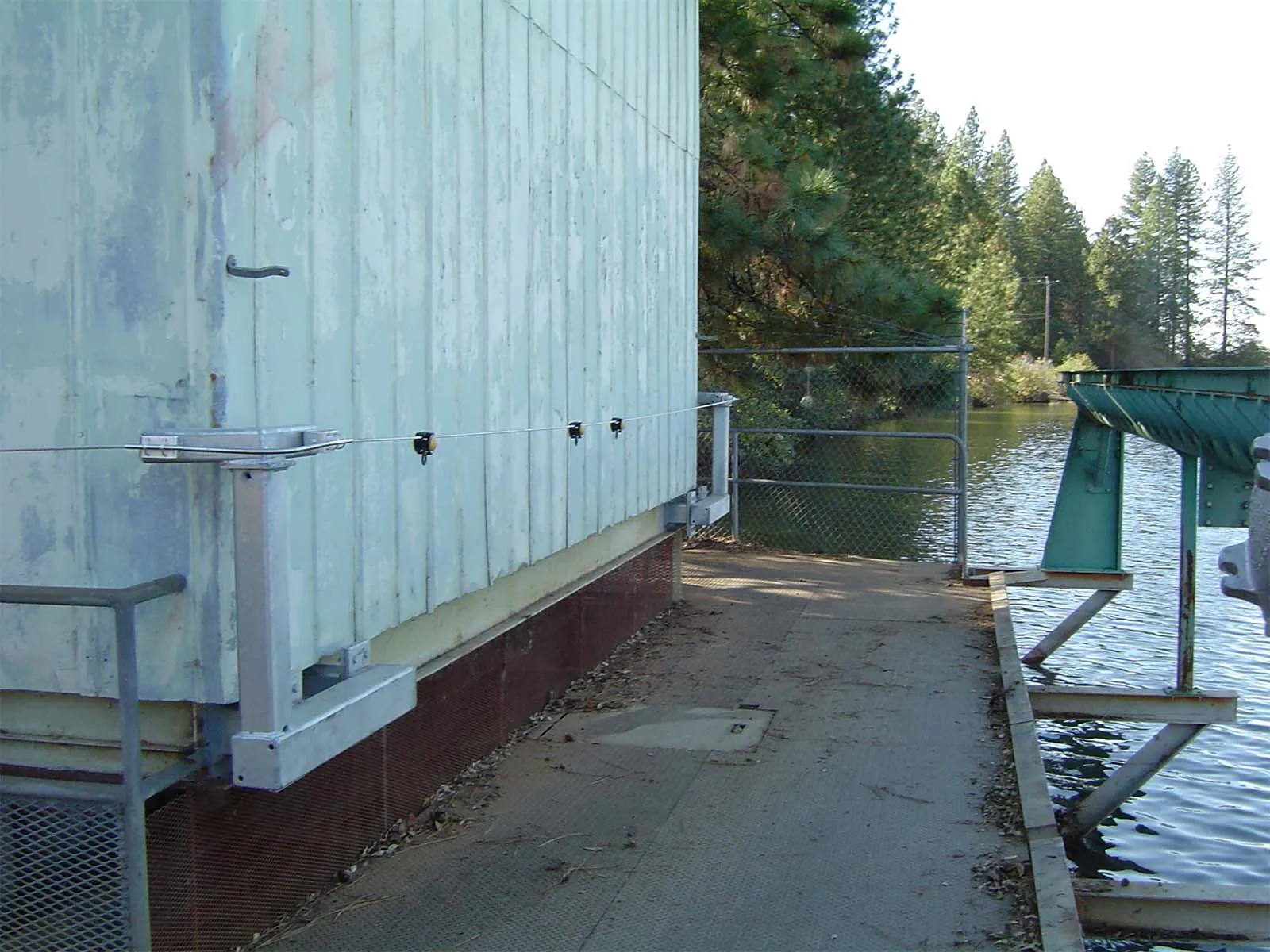
Infrastructure Development
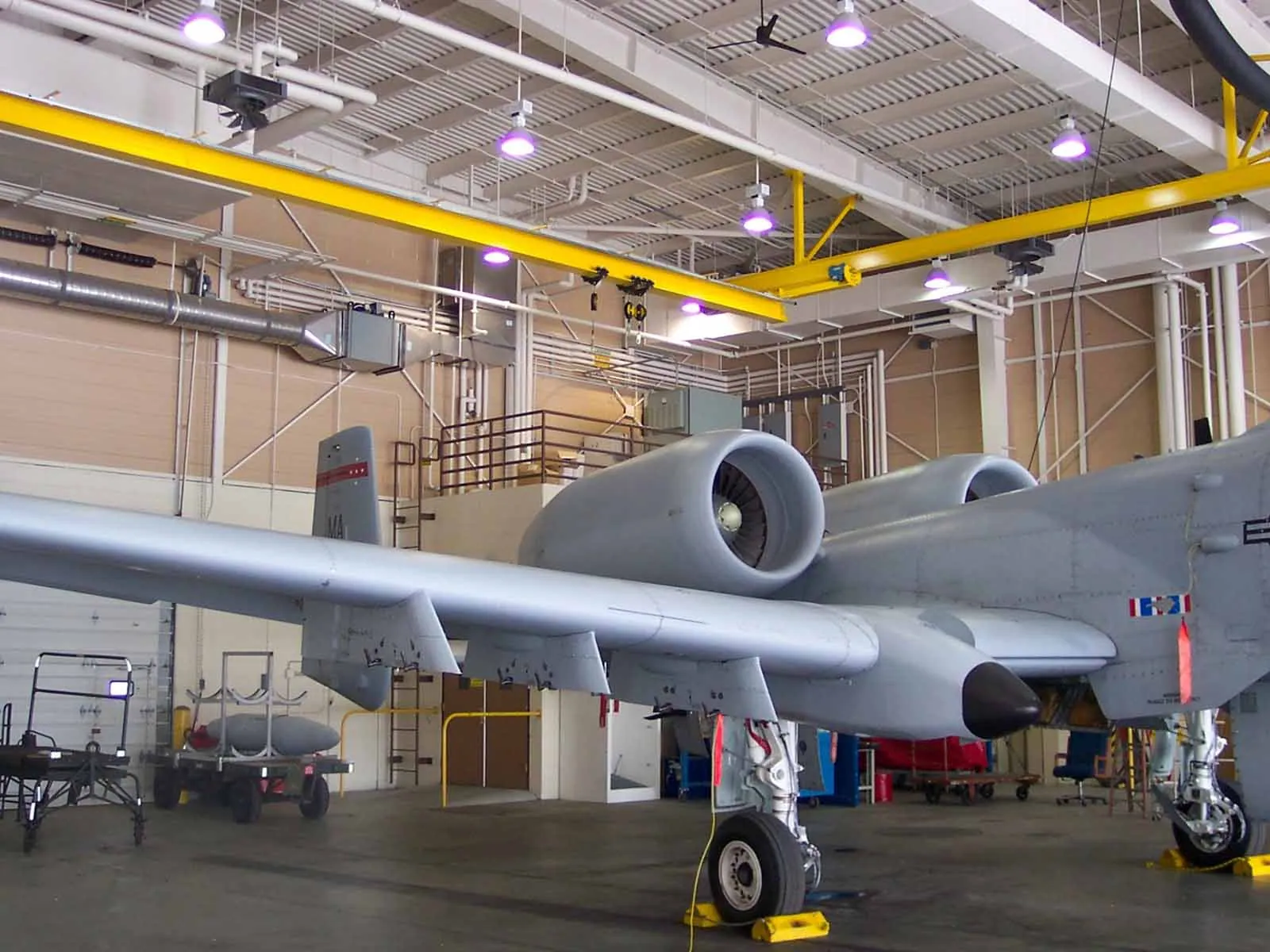
Government & Military
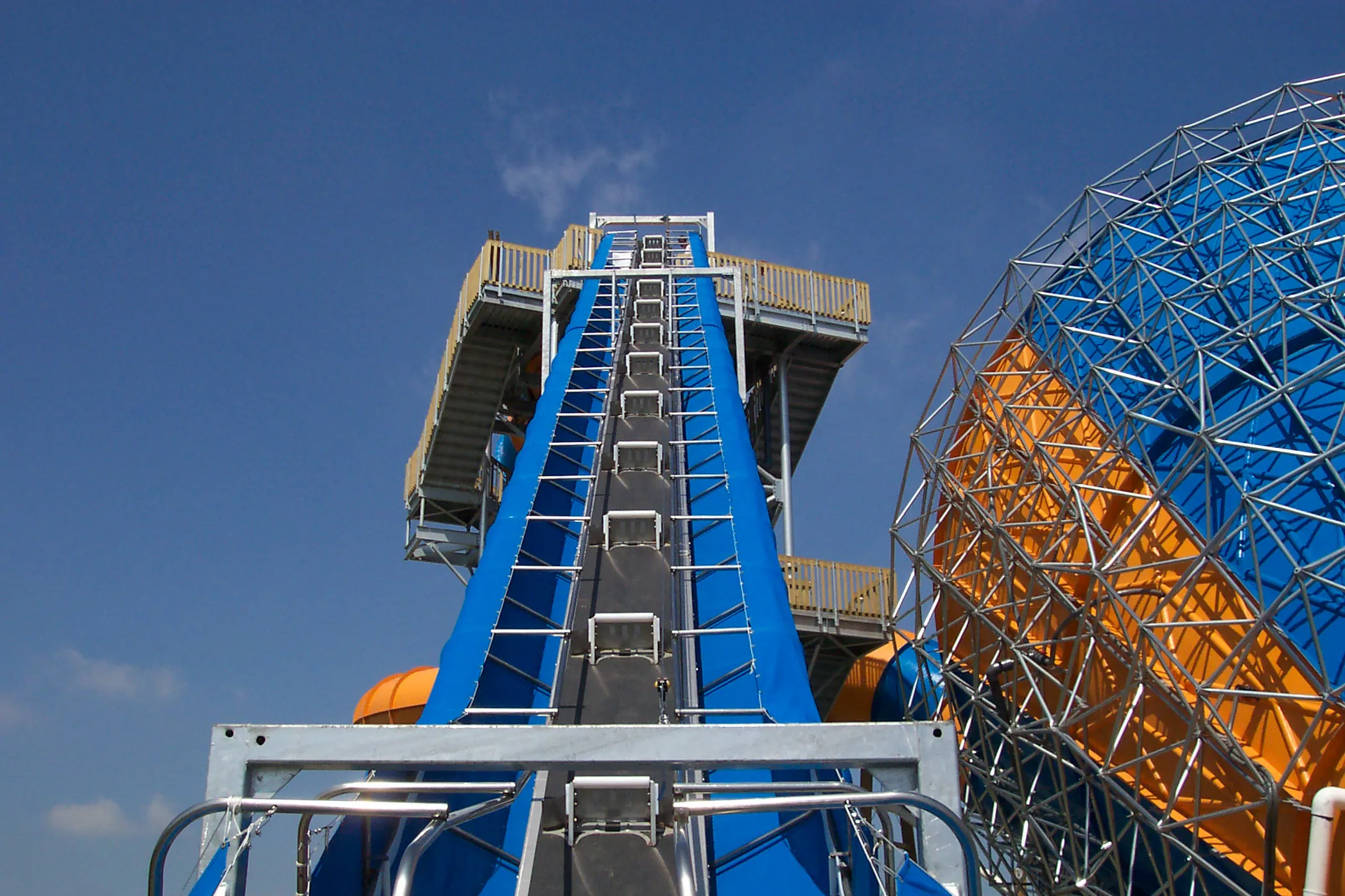
Theme Parks and Recreation
Downloads
Brochures & downloads
Guide
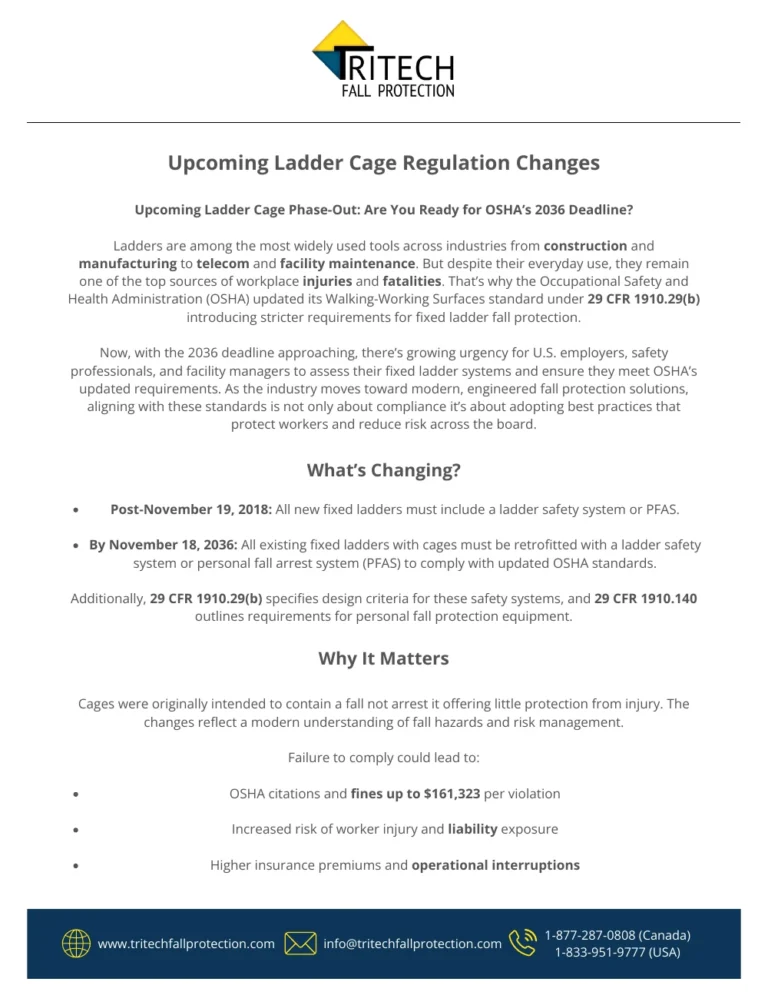
Fixed Ladder Cage Phase-Out: Meeting OSHA’s 2036 Deadline
OSHA is phasing out cages as fall protection on fixed ladders. Key dates, penalties, ladder safety system vs vertical lifeline, and a ladder survey sheet.
Answers to
Key Questions
What is the difference between vertical and horizontal lifelines?
A vertical lifeline protects a worker moving up and down, such as on a fixed ladder or a tower climb, and runs vertically with a fall arrester that travels with the worker for the full height of the climb. A horizontal lifeline protects a worker moving across a level or near-level path and runs horizontally between anchors. Both keep the worker continuously attached; the orientation of the work decides which one applies, and a complete route often needs both: a vertical system for the climb and a horizontal system at the top.
What is the new OSHA standard for fall protection?
The 2016 update to OSHA 1910 Subpart D (Walking-Working Surfaces), effective January 2017, is the current general industry standard, and it changed ladder work directly: fixed ladders over 24 feet must be equipped with a ladder safety or personal fall arrest system, and ladder cages and wells are being phased out entirely by November 18, 2036. A vertical lifeline system is the standard fix, and Tritech engineers and installs them on existing ladders ahead of the deadline.
At what height is fall protection required?
Under OSHA’s general industry standard, fall protection is required at 4 feet above a lower level (29 CFR 1910.28(b)(1)); construction work triggers at 6 feet (29 CFR 1926.501(b)(1)). Fixed ladders carry their own line from the 2016 rule: ladders extending more than 24 feet require a ladder safety or personal fall arrest system. Ladders on tanks, silos, and building exteriors routinely pass that mark.
What are the 4 types of fall protection?
Fall protection is usually grouped by the hierarchy of controls: elimination, passive prevention (guardrails and covers that need no worker action), active fall restraint or fall arrest (harness-and-anchor systems), and administrative controls (warning lines, training, and procedures). A vertical lifeline is active fall arrest: a climber cannot be protected by a barrier that stays put, so the arrester travels with the worker and stops a fall the moment it starts.
CONTACT
Secure Vertical Access with a Lifeline System
Our team is ready to help you implement a code-compliant, durable vertical fall protection solution for your facility.
Let’s Discuss Your Project
"*" indicates required fields
Not ready to talk yet? Download the Fixed Ladder Cage Phase-Out: Meeting OSHA’s 2036 Deadline