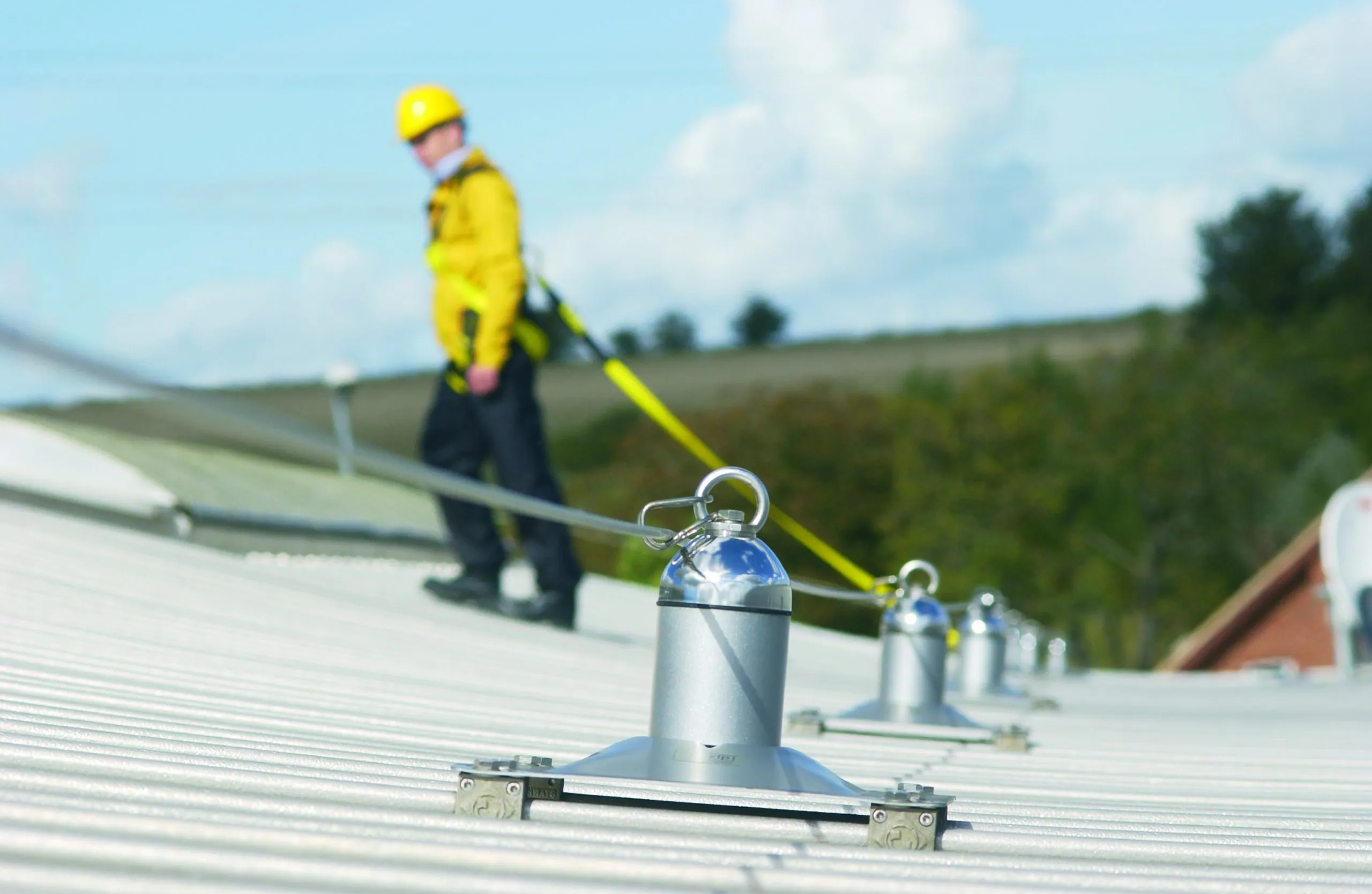
Types of Lifeline Systems:
Overhead Lifeline Systems
Overhead lifeline systems provide continuous fall protection for workers operating beneath elevated structures or equipment. These systems are commonly used in manufacturing facilities, maintenance bays, and industrial environments where hands-free mobility and overhead anchorage are required.
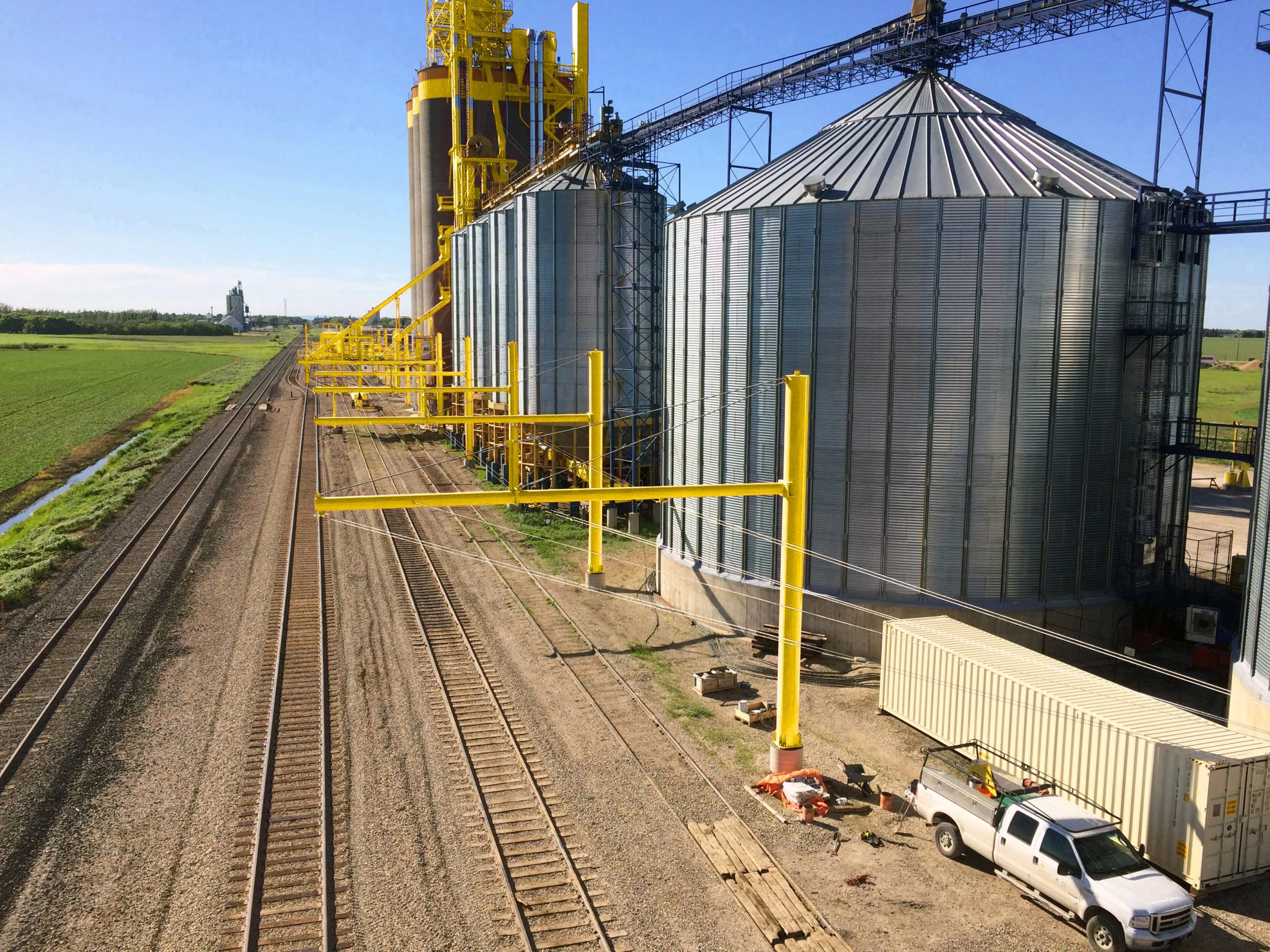
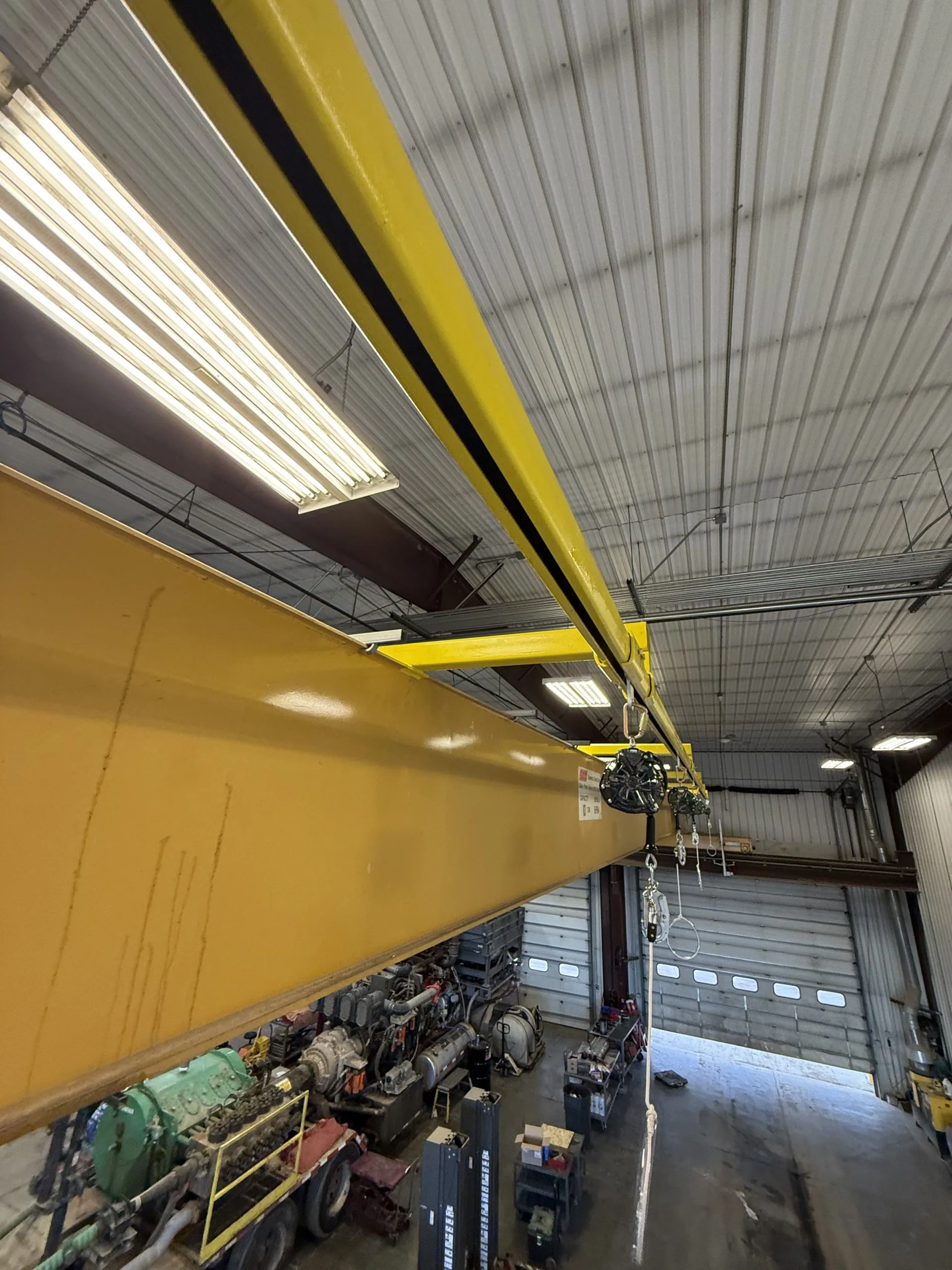
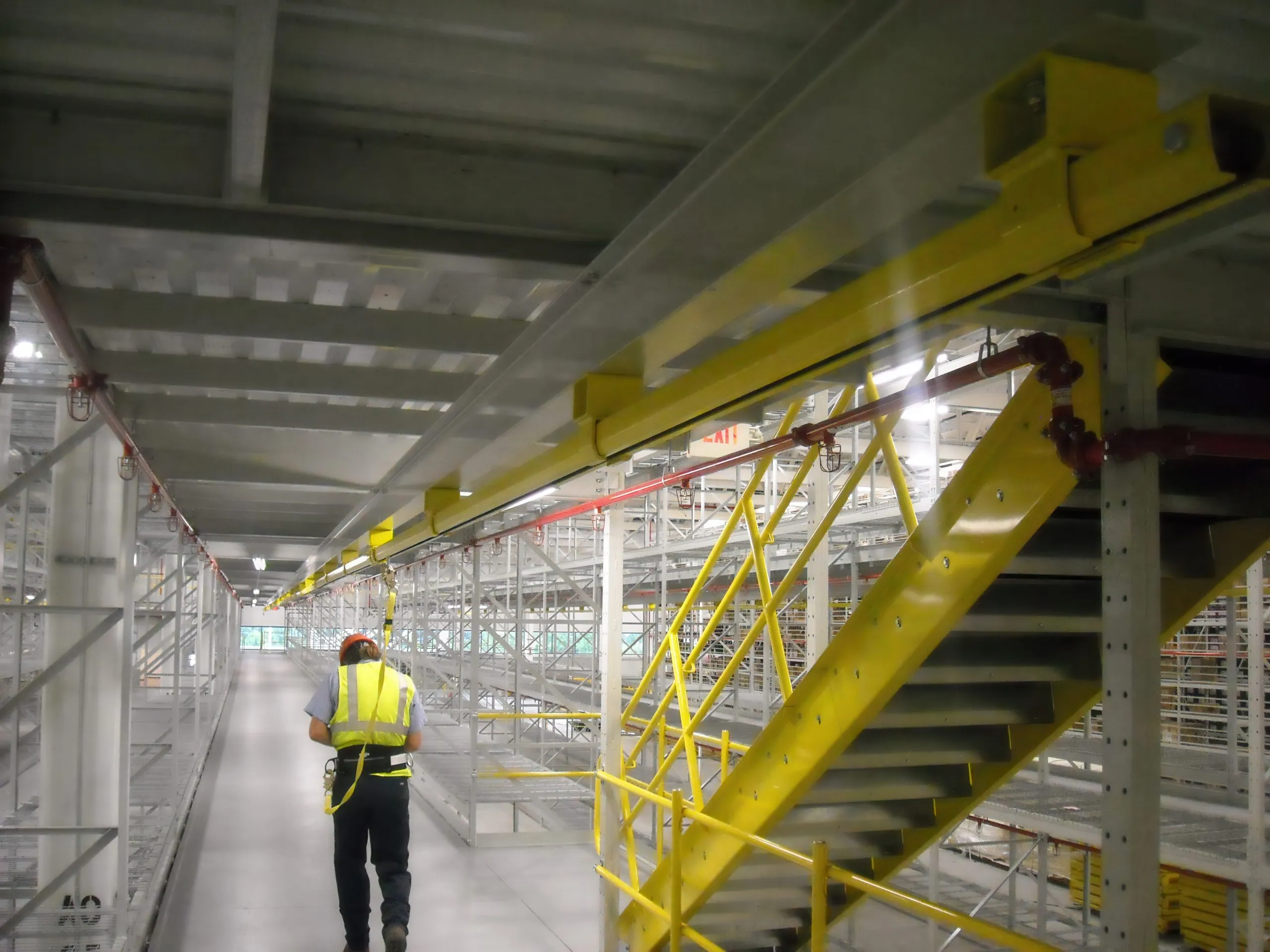
Cable-Based Lifeline Systems: Flexible and Versatile
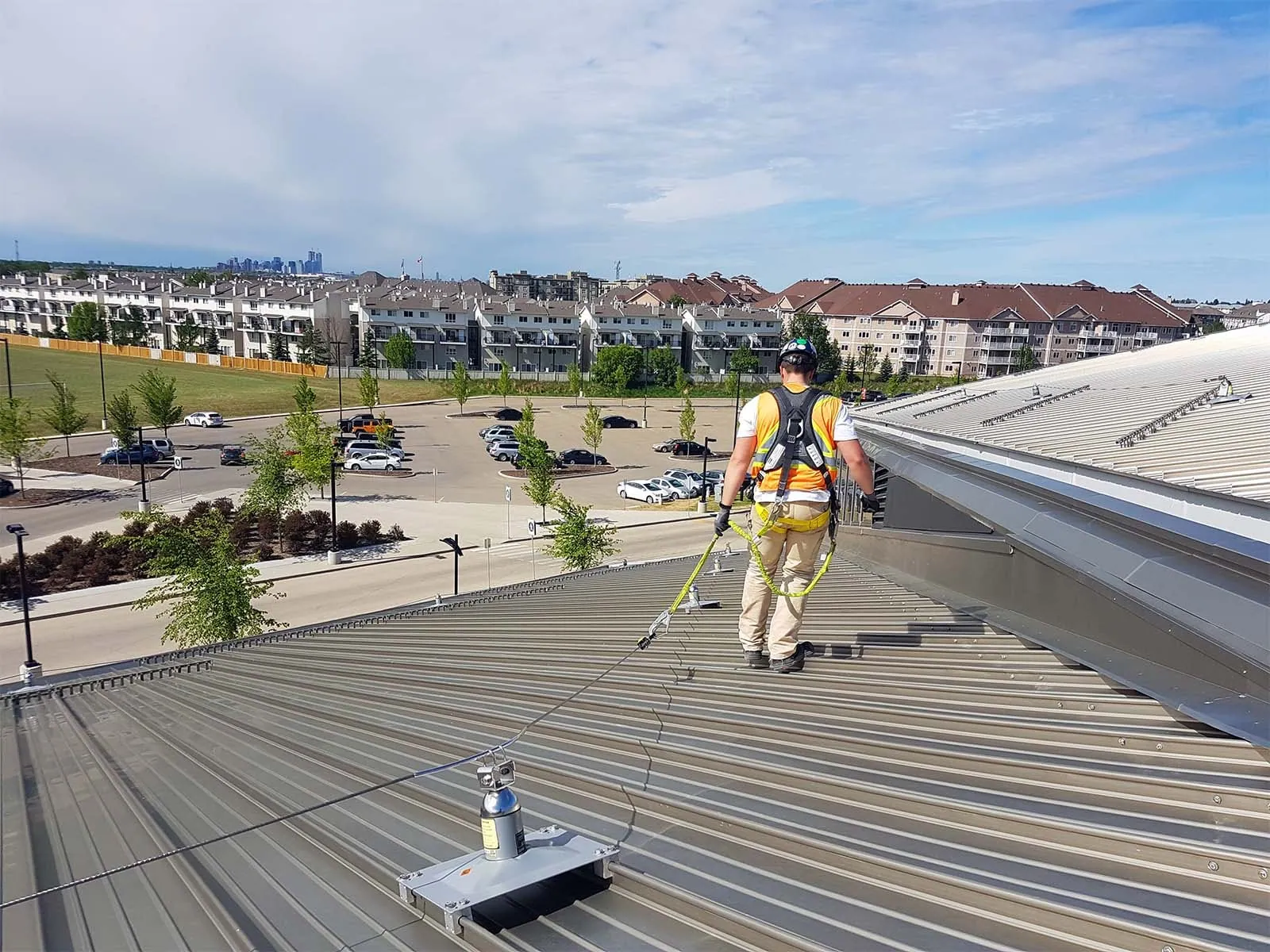
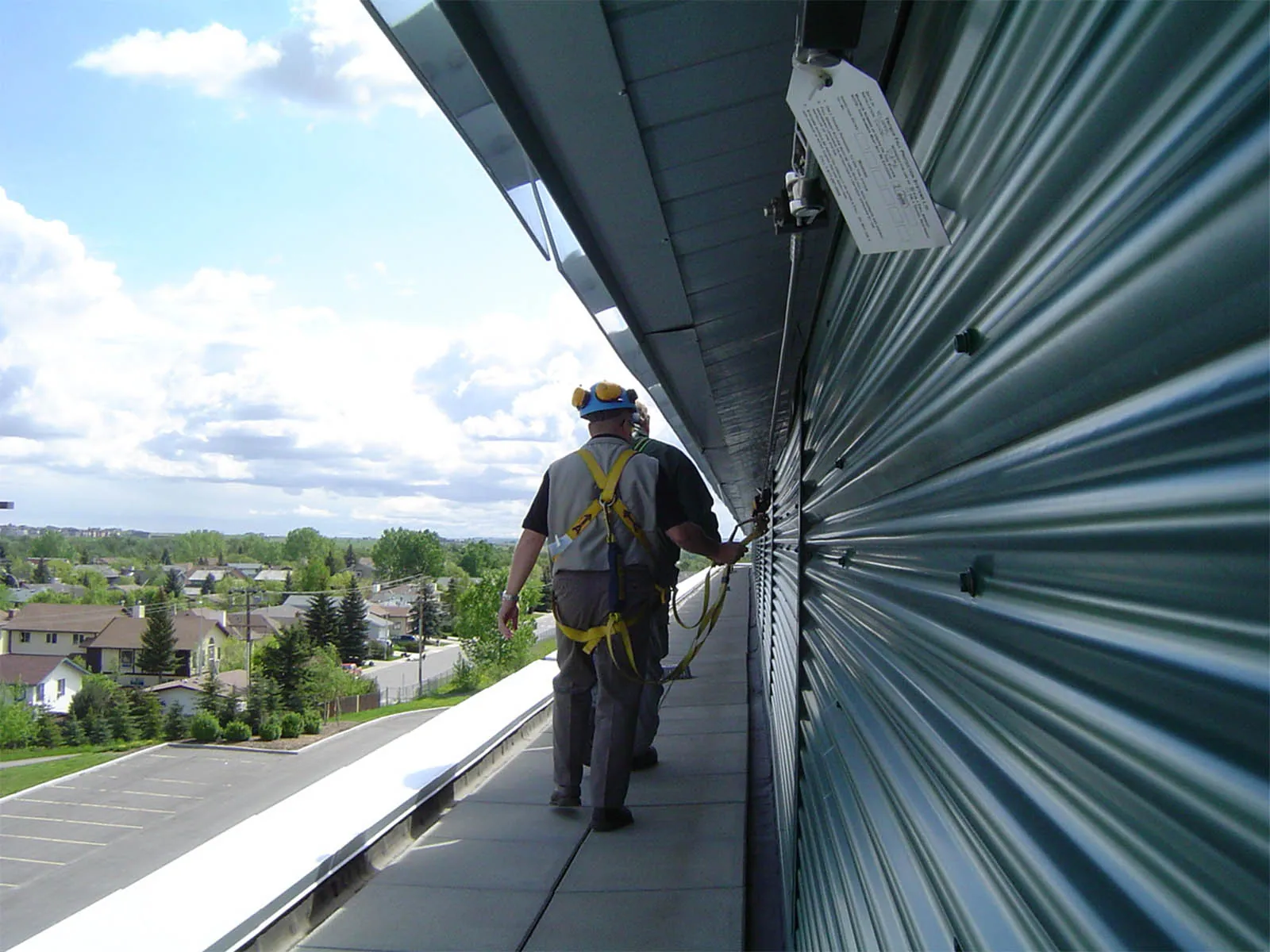
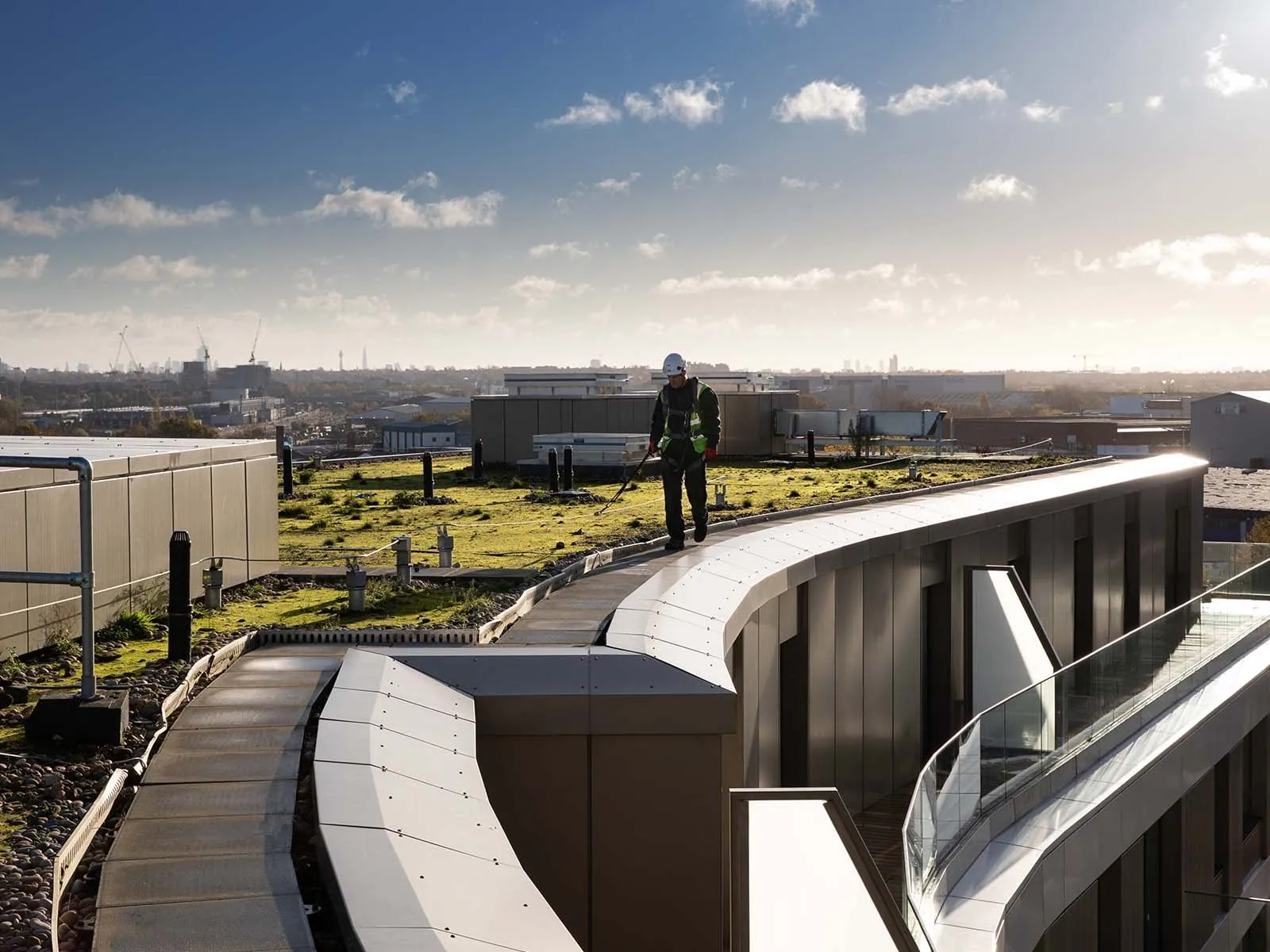
Cable lifeline systems can be installed overhead, at foot level, or along inclines and are designed for multiple users in horizontal, vertical, or inclined applications. They are also less visually intrusive, making them a preferred choice where aesthetics matter.
Key advantages of cable-based systems include:
- Less visual impact, making them ideal where aesthetics matter.
- Flexible configurations to fit complex work areas.
- Cost-effective installation compared to rigid track systems.
Rigid Rail Lifeline Systems: Precision and Durability
Rigid rail lifeline systems use a rigid metal track instead of a flexible cable, providing a controlled, direct path with minimal deflection. They are ideal for applications where fall clearance is limited. Key advantages of cable-based systems include:
- Low-ceiling work conditions where even a short fall could be dangerous.
- Harsh environmental conditions, thanks to their resistance to stretching, fraying, and corrosion.
- Environments requiring smooth travel with minimal system sway.
Lifeline Systems FAQs
A lifeline system is an active fall protection solution that requires a worker to connect to an anchorage point using a lanyard or self-retracting device. Lifeline systems are designed to protect workers when physical barriers are not feasible and controlled access to fall hazards is required.
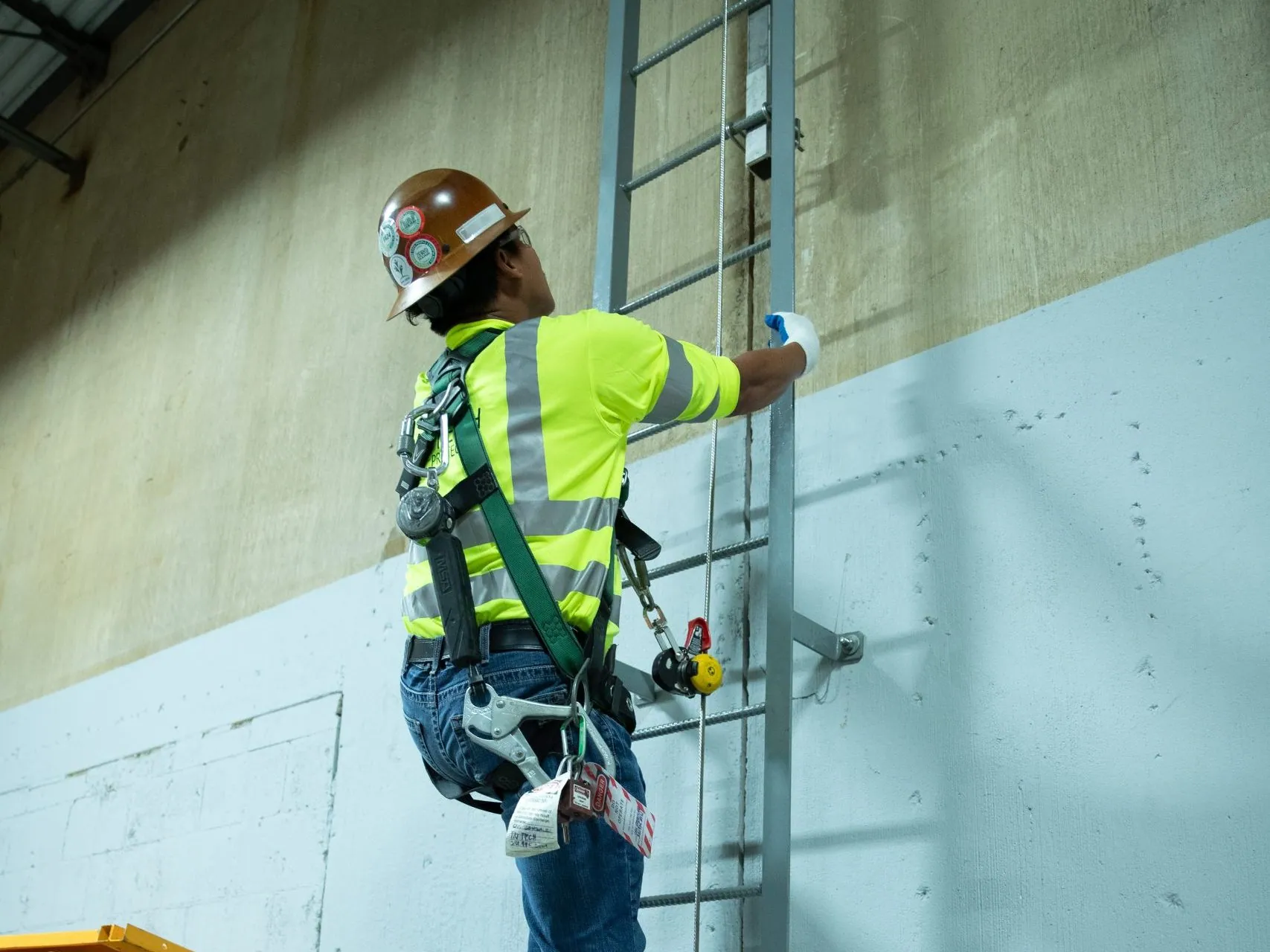
Horizontal lifeline systems allow workers to move laterally along a work area while remaining continuously connected to fall protection. Vertical lifeline systems are used during vertical movement such as ladder climbs or tower access and provide guided protection during ascent and descent.
Lifeline systems are typically used when fall hazards cannot be fully eliminated through guardrails or other passive solutions. They are commonly selected when access is limited, work areas are temporary, or physical barriers would interfere with operations.
When properly designed, installed, and used, lifeline systems support compliance with applicable OSHA fall protection standards. Compliance depends on correct system selection, anchorage design, user training, and adherence to inspection and maintenance requirements.
Yes. Many lifeline systems are engineered to support multiple users at the same time. The number of allowed users depends on system design, anchorage capacity, and load calculations specific to the application.
Answers to key questions
What is a horizontal lifeline system?
A horizontal lifeline is an engineered system in which a worker’s fall-arrest or restraint equipment connects to a cable or rail running horizontally between anchor points, letting the worker move along the line while staying continuously attached. It’s the workhorse of engineered fall protection where guardrails aren’t practical: roof edges, crane runways, loading areas, and rooftop mechanical runs. OSHA governs the components as part of a personal fall arrest system under 29 CFR 1926.502 (construction) and 29 CFR 1910.140 (general industry).
What is the difference between vertical and horizontal lifelines?
A vertical lifeline protects a worker moving up and down, such as on a fixed ladder or a vertical climb, and runs vertically with a fall arrester that travels with the worker. A horizontal lifeline protects a worker moving across a level or near-level path and runs horizontally between anchors. Both keep the worker continuously tied off; the orientation of the work decides which one applies, and a complete facility often needs both.
How many people can tie off to a horizontal lifeline?
As many as the system was engineered for, and no more. Many horizontal lifelines are designed for two or more simultaneous users, but only when the design accounts for the combined dynamic load, anchor capacities, and fall scenarios, which is why OSHA requires design under the supervision of a qualified person (29 CFR 1926.502(d)(8)). A system rated for one user does not become a two-user system by adding a second worker; the rating and the design documentation have to allow it.
What are the 4 types of fall protection?
Fall protection is usually grouped by the hierarchy of controls: elimination (remove the hazard or the need to work at height), passive prevention (guardrails, covers, and other physical barriers that need no worker action), active fall restraint or fall arrest (harness-and-anchor systems that prevent or stop a fall), and administrative controls (warning lines, training, and procedures). Lifeline systems are active fall protection: they carry the load where the hazard cannot be eliminated and a fixed barrier cannot follow the worker.
At what height is fall protection required?
Under OSHA’s general industry standard, fall protection is required at 4 feet above a lower level (29 CFR 1910.28(b)(1)). On construction work, the trigger is 6 feet (29 CFR 1926.501(b)(1)). The areas a lifeline protects, roof edges, crane runways, and loading areas, sit well above either threshold. Tritech starts with a Fall Hazard Assessment to map which exposures need protection and which system fits each one.

CONTACT
Cable-Based and Rigid Lifeline Systems
Drawing A Line Between Workers And Risk
Let’s Discuss Your Project
"*" indicates required fields
Downloads
Guides & brochures
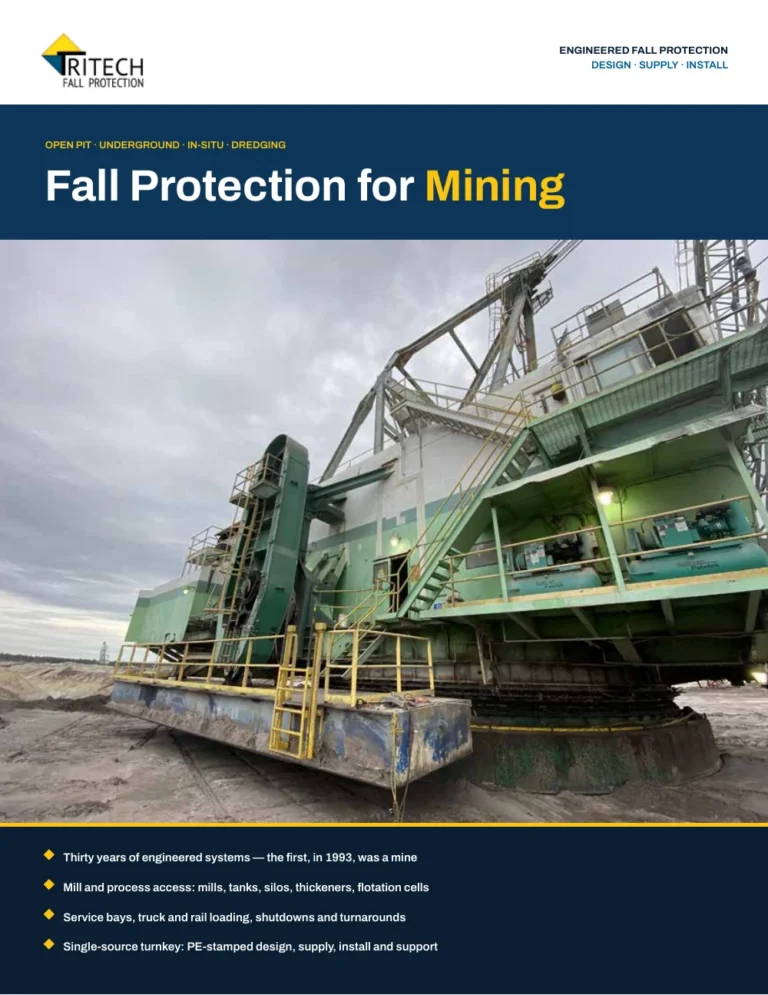
Brochure
Mining Fall Protection Brochure
Fall protection for open pit, underground, in-situ and dredging sites: where mine exposure concentrates and the engineered systems Tritech installs for it.
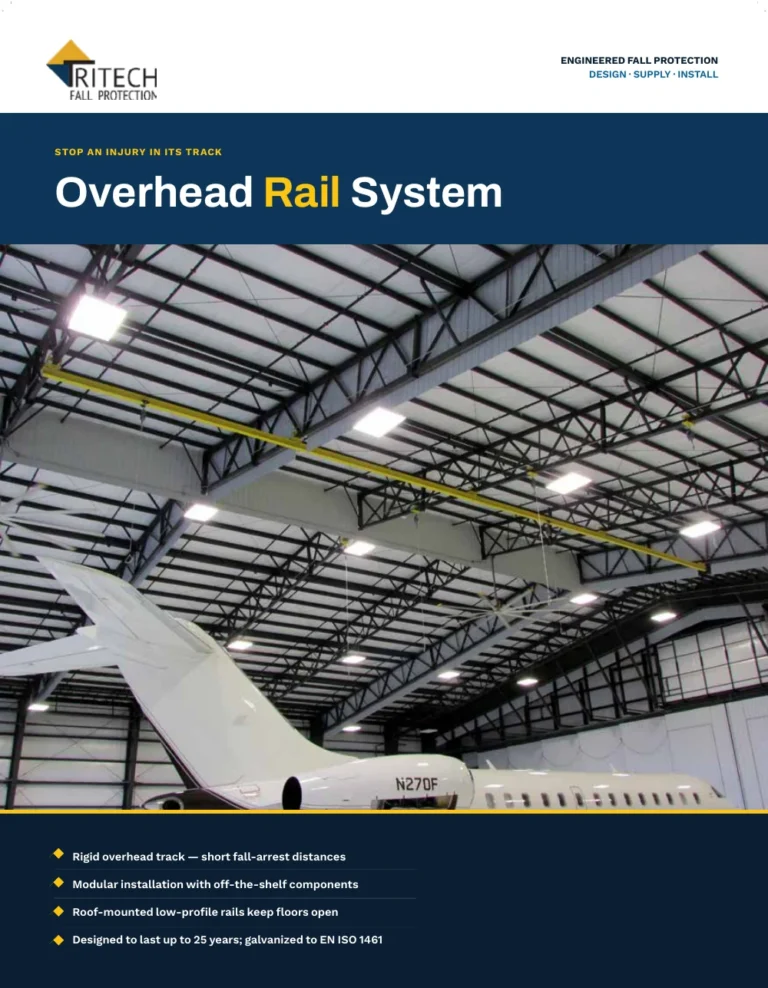
Brochure
Overhead Rigid Rail System Brochure
Overhead rigid rail fall arrest for hangars, rail and truck loading and plants: short fall distances, open floors and a design life of up to 25 years.
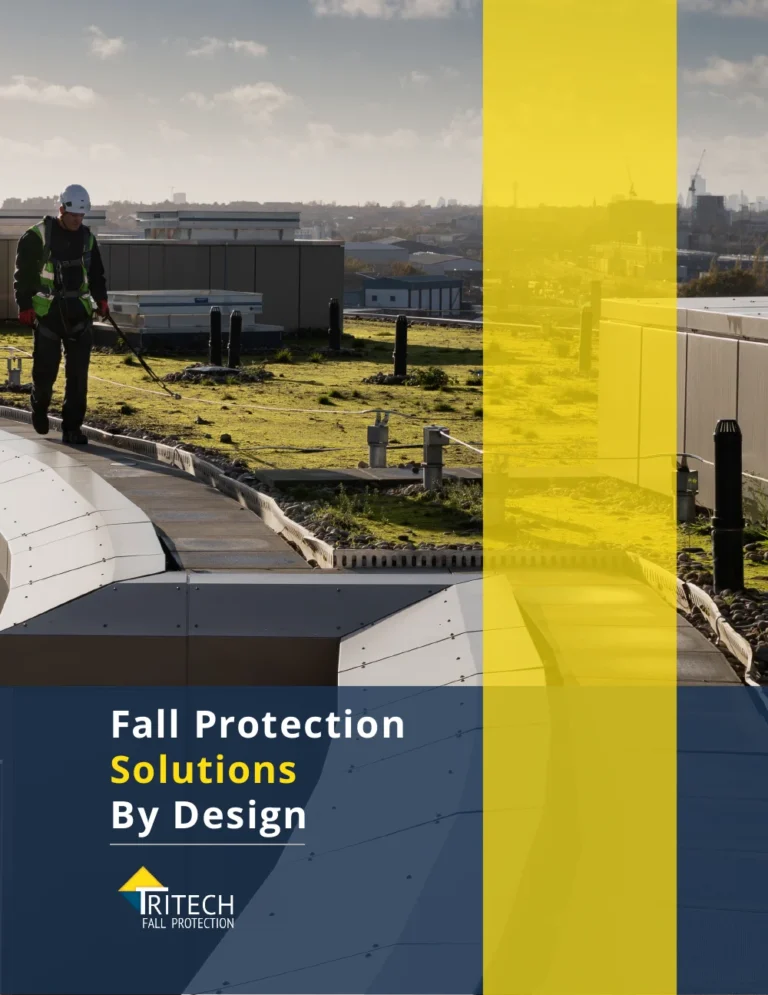
Brochure
Tritech Fall Protection Company Brochure
Tritech's company brochure: who engineers, supplies, installs and certifies your fall protection, and the 12 industries and applications we cover.