Building Access and Maintenance Fall Protection Solutions
Without proper fall protection, even routine repairs come with a serious risk.

Workers frequently access elevated areas like rooftops or exterior walls to service HVAC units, electrical systems, windows, plumbing, and other industrial components. These tasks often involve uneven surfaces, skylights, unprotected edges, and changing conditions, posing serious fall hazards.
Applied Solutions Gallery
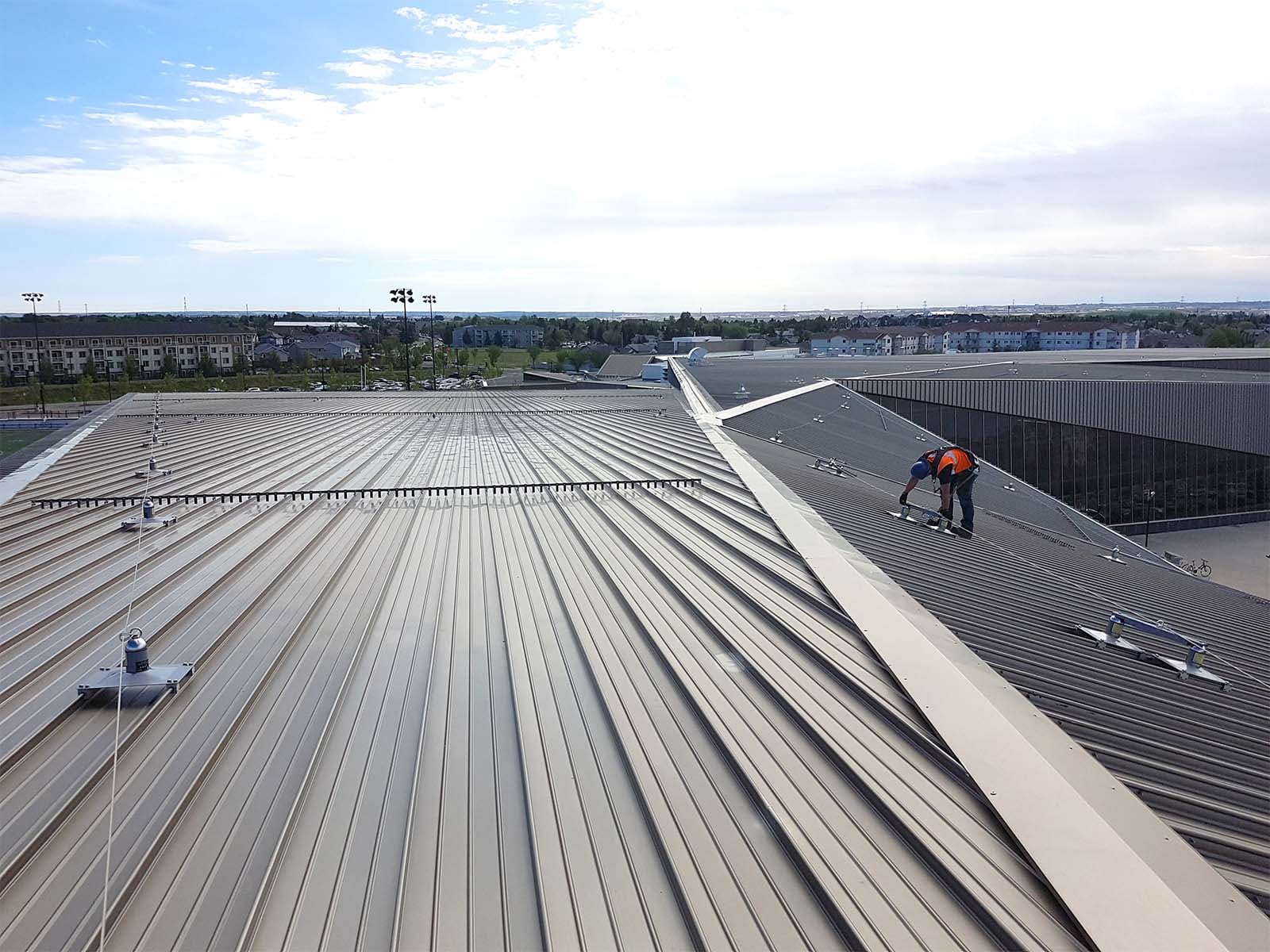
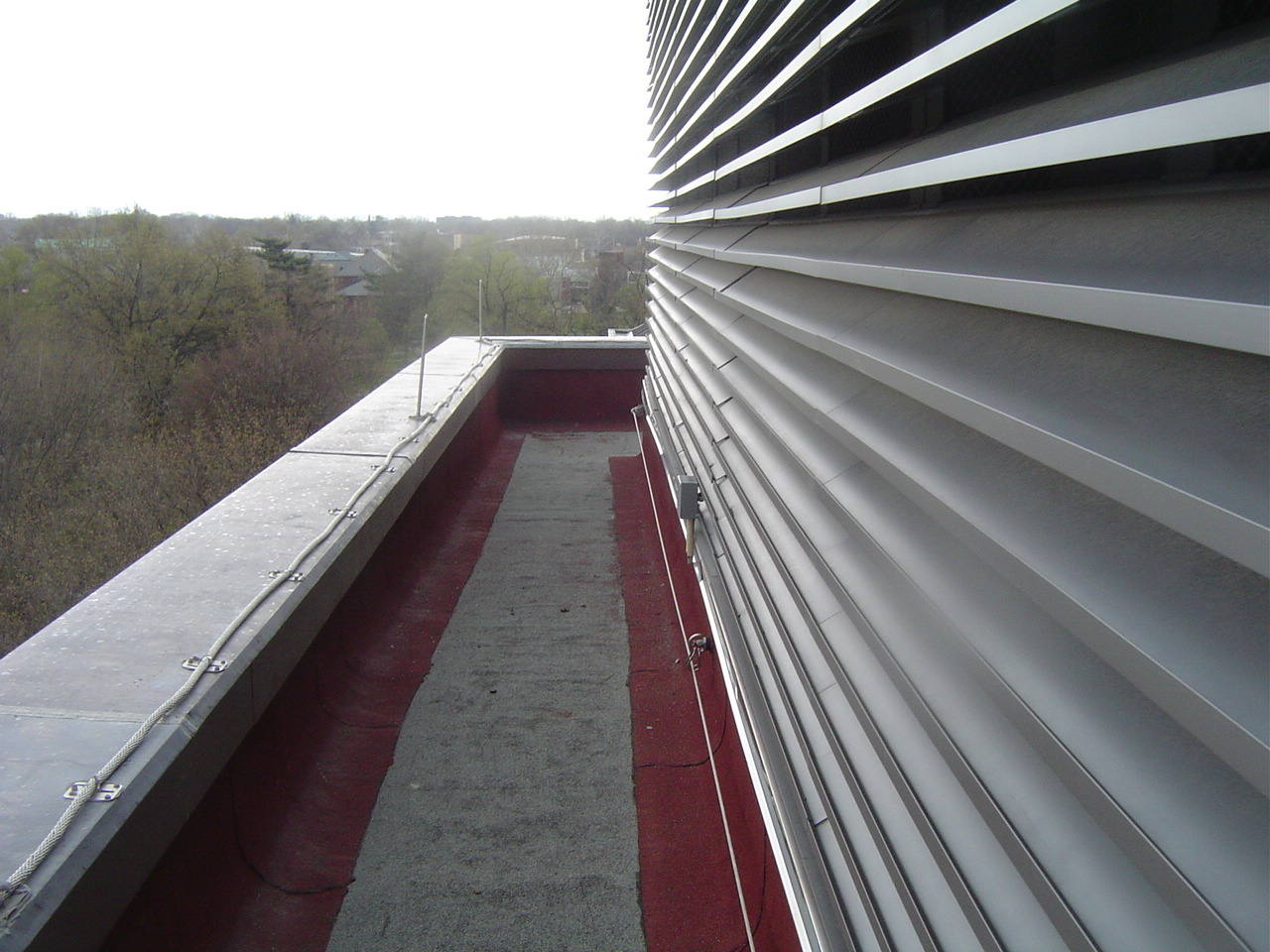
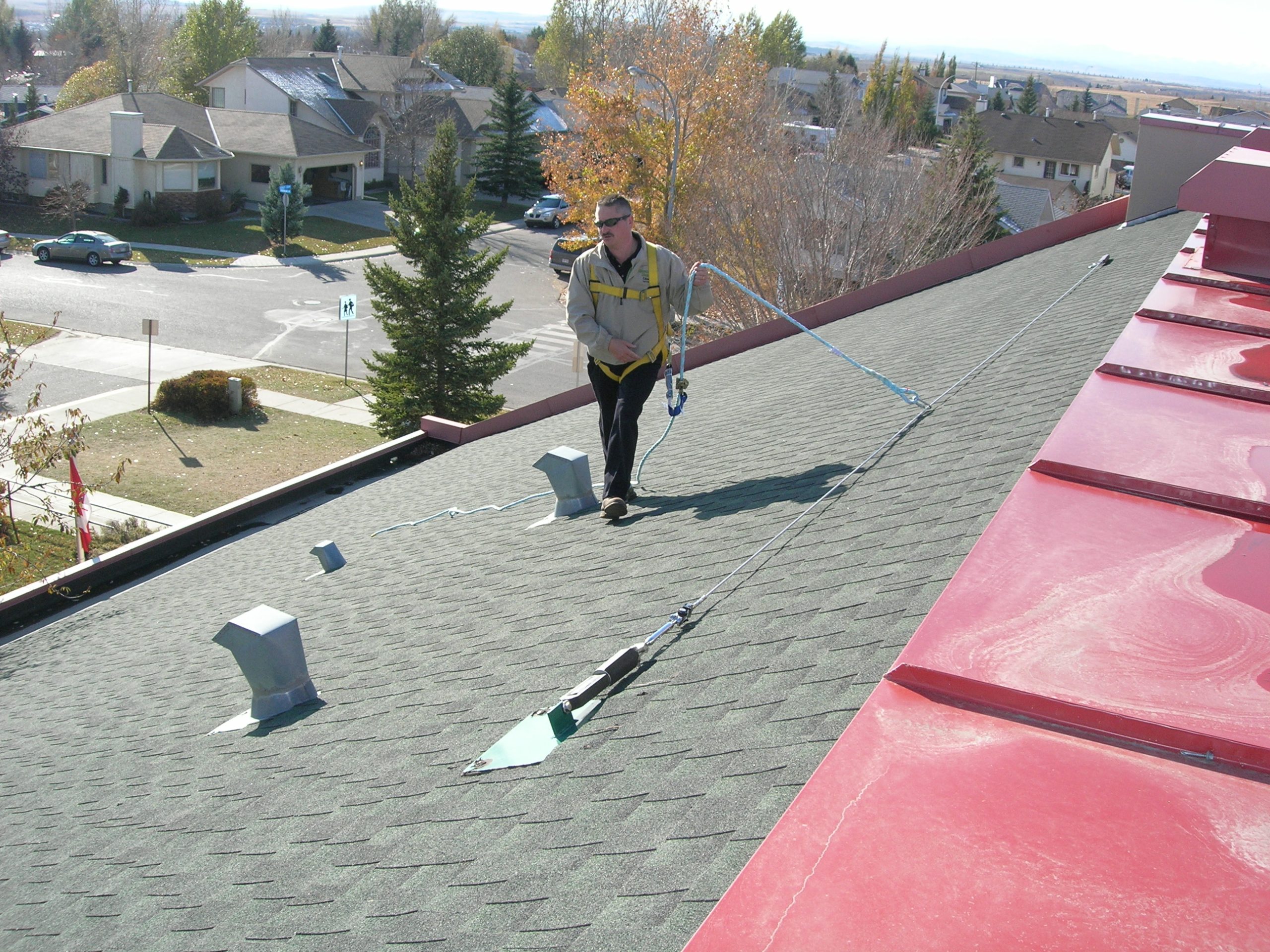
Rooftop Horizontal Lifeline
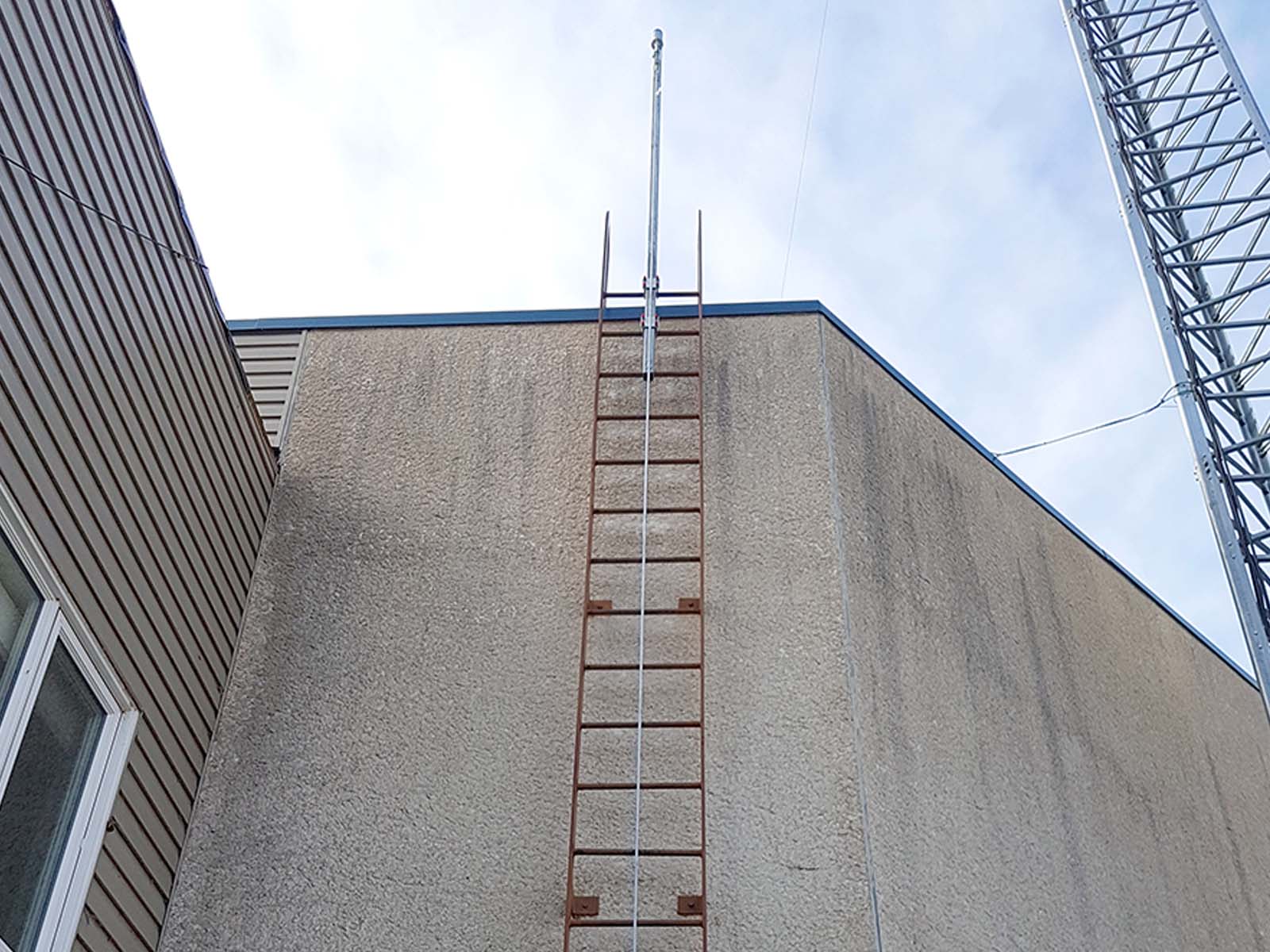
Exterior Ladders
Since exterior ladders often lack guardrails or secure worker anchorage points, it’s crucial to implement fall arrest or restraint systems.
Many ladder-related falls happen because workers don’t recognize the danger and are less vigilant; fall protection equipment helps take that variable out of the work equation. Protect workers while they’re ascending, stationary while working, or descending.
Related Solutions
Rooftops
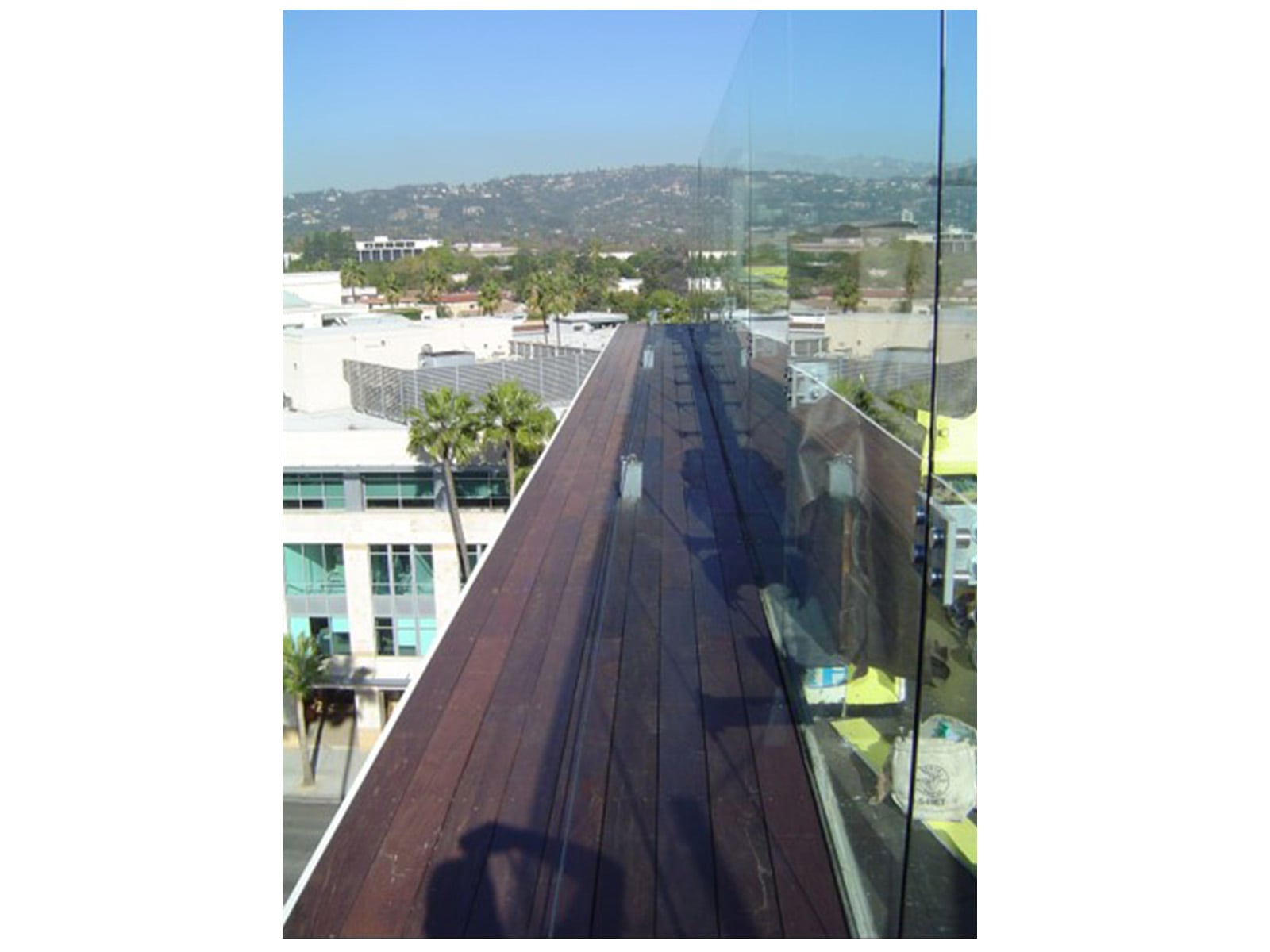
Everyone knows rooftops are dangerous for workers. With the right safety system in place, you can reduce risk without compromising productivity.
Our custom engineered rooftop fall protection solutions follow the Hierarchy of Fall Protection, starting with guardrails and skylight guards that eliminate fall hazards. When elimination isn’t possible, systems like horizontal lifelines and personal fall arrest devices are used to control and minimize fall risks.
Exterior Walls and Facades
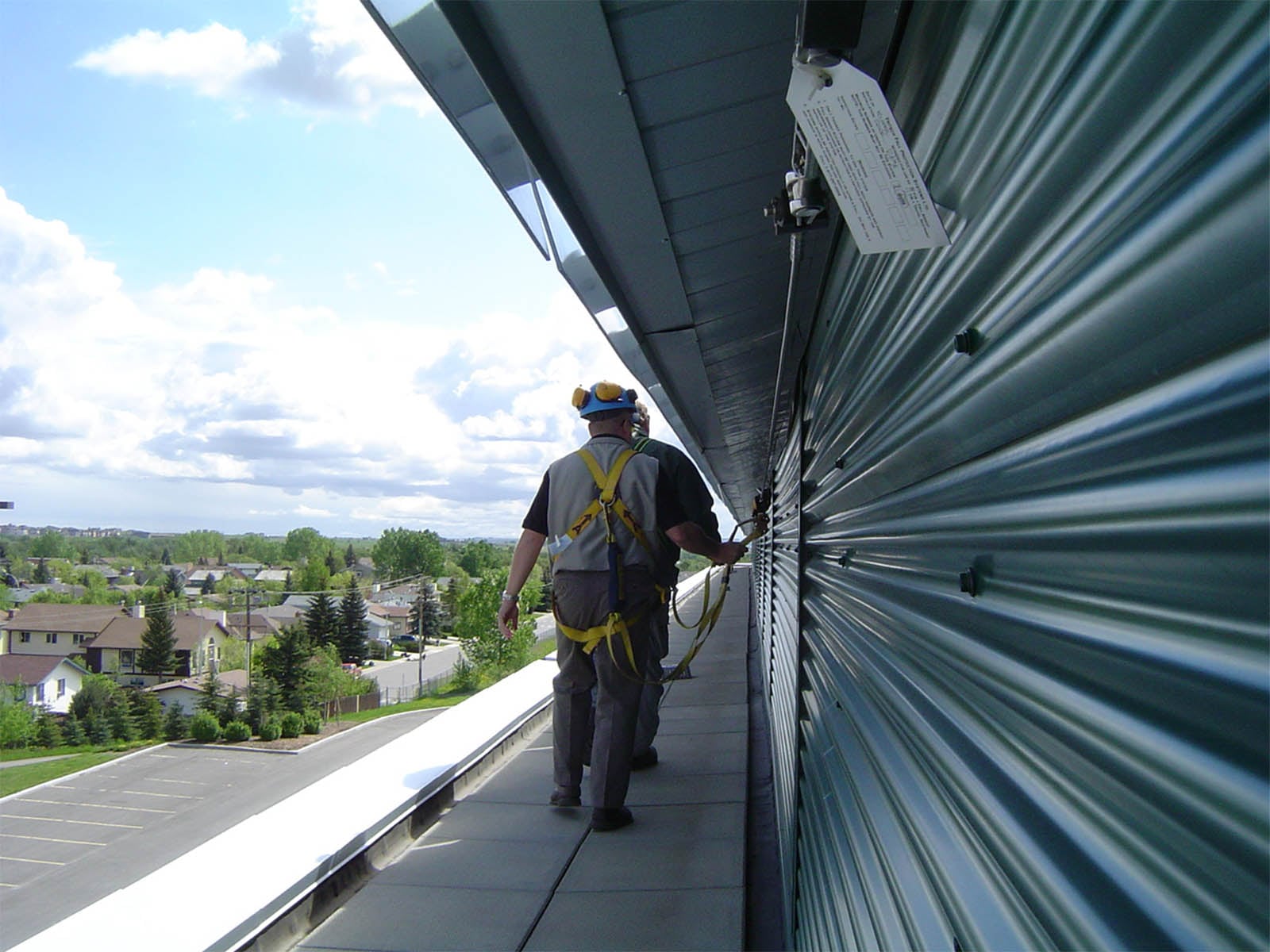
For work on exterior walls and facades, active fall restraint or fall arrest is typically required. A solution engineered to your work environment is crucial.
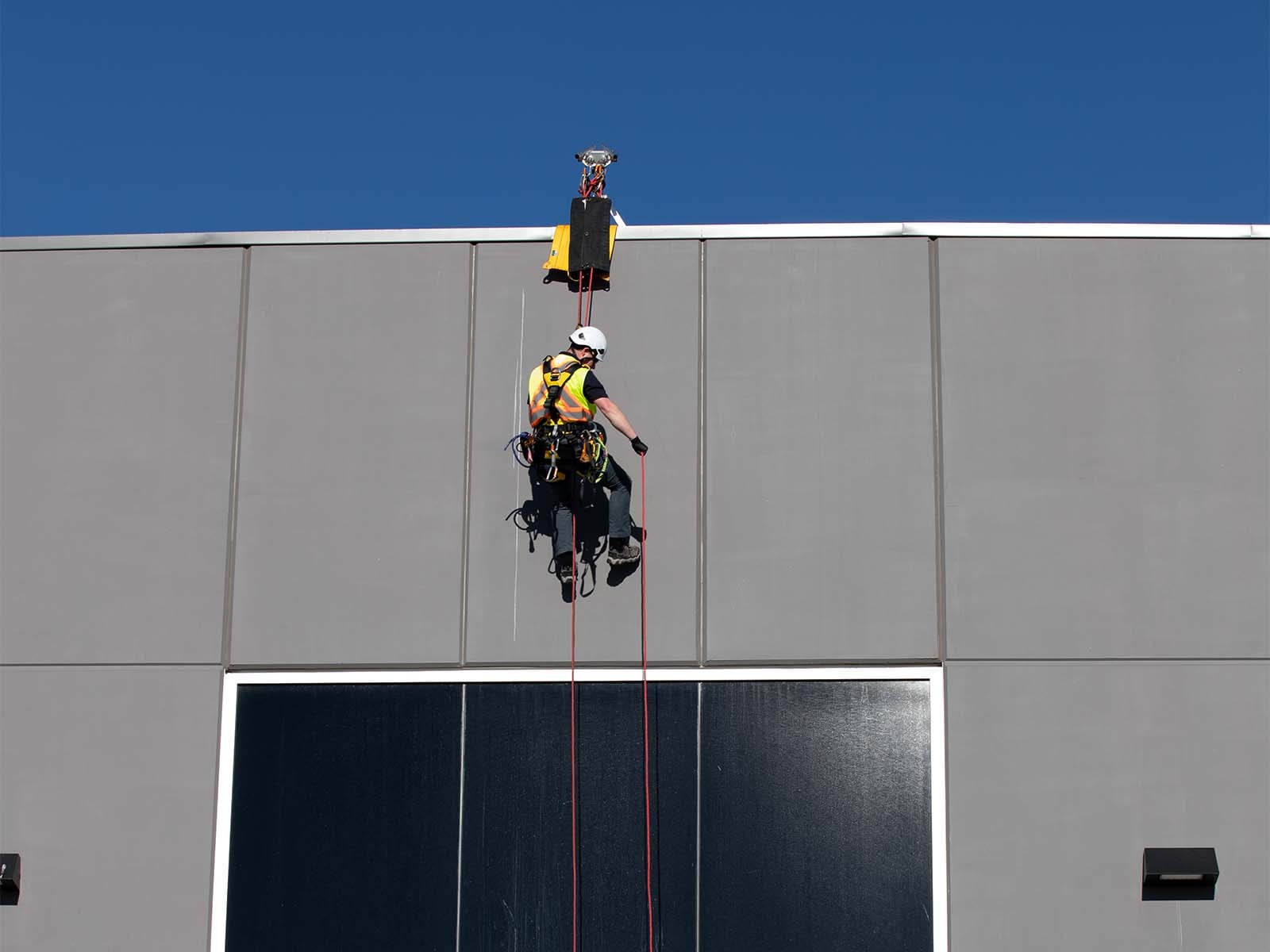
Exterior wall and facade work often requires workers to operate at significant heights for inspection, cleaning, maintenance, or repairs—tasks that are typically performed on narrow ledges, scaffolding, or suspended platforms. These conditions create a high risk of falls, particularly when surfaces are uneven, exposed to the elements, or lack built-in protection. Fall protection solutions safeguard workers by arresting or preventing falls while allowing for the movement needed to complete the job. In addition to meeting strict OSHA and ANSI standards, these systems help building owners and contractors meet liability obligations while maintaining operational efficiency.
Related Solutions
Window Washing
Window washers work at some of the highest elevations. The right fall protection helps them stay efficient without compromising efficiency.
For Window Washers, hazard elimination and passive protection aren’t possible; it’s up to active solutions to keep them safe. Window washing on building exteriors presents some of the highest-risk working conditions due to the need for suspended access and the unpredictable nature of weather and surfaces. Workers are exposed to significant fall hazards as they move across large vertical spans, often at great heights, where even small missteps can have serious consequences.
Related Solutions

Don’t Trust High-Risk Environments to Just Anyone
When active fall protection is required, engineering can’t be compromised.
Answers to
Key Questions
At what height is fall protection required?
For routine building maintenance under OSHA’s general industry standard, fall protection is required at 4 feet above a lower level (29 CFR 1910.28(b)(1)); for construction and renovation work, the trigger is 6 feet (29 CFR 1926.501(b)(1)). Facade access, window washing, and rooftop equipment work on a commercial building all sit far above either number, so the practical question is which system fits the access route, not whether protection is required. For temporary, infrequent work on a low-slope roof, general industry also permits a designated area at prescribed distances from the edge (29 CFR 1910.28(b)(13)).
What is the OSHA 6 foot rule?
The OSHA 6-foot rule is the construction trigger under 29 CFR 1926.501(b)(1), and it applies when building work crosses from maintenance into construction: reroofing, facade restoration, and structural repairs. Day-to-day access and maintenance on the same building answers to the general industry 4-foot rule instead, so a single building moves between the two regimes depending on the work order.
What are the 4 types of fall protection?
The four types are fall elimination, passive fall prevention (guardrails and covers), fall arrest (harness-and-anchor systems), and administrative controls (warning lines, training, and procedures). On an occupied building the mix is usually layered: guardrail at roof edges and hatches, anchors and davits for facade and suspended access, and designated-area procedures for occasional work away from the edge. Tritech designs, engineers, installs, and recertifies all of these as one accountable scope.