SOLUTIONS
Overhead Lifeline System
An Overhead Fall Protection System that’s Durable and Reliable
Uninterrupted Safety
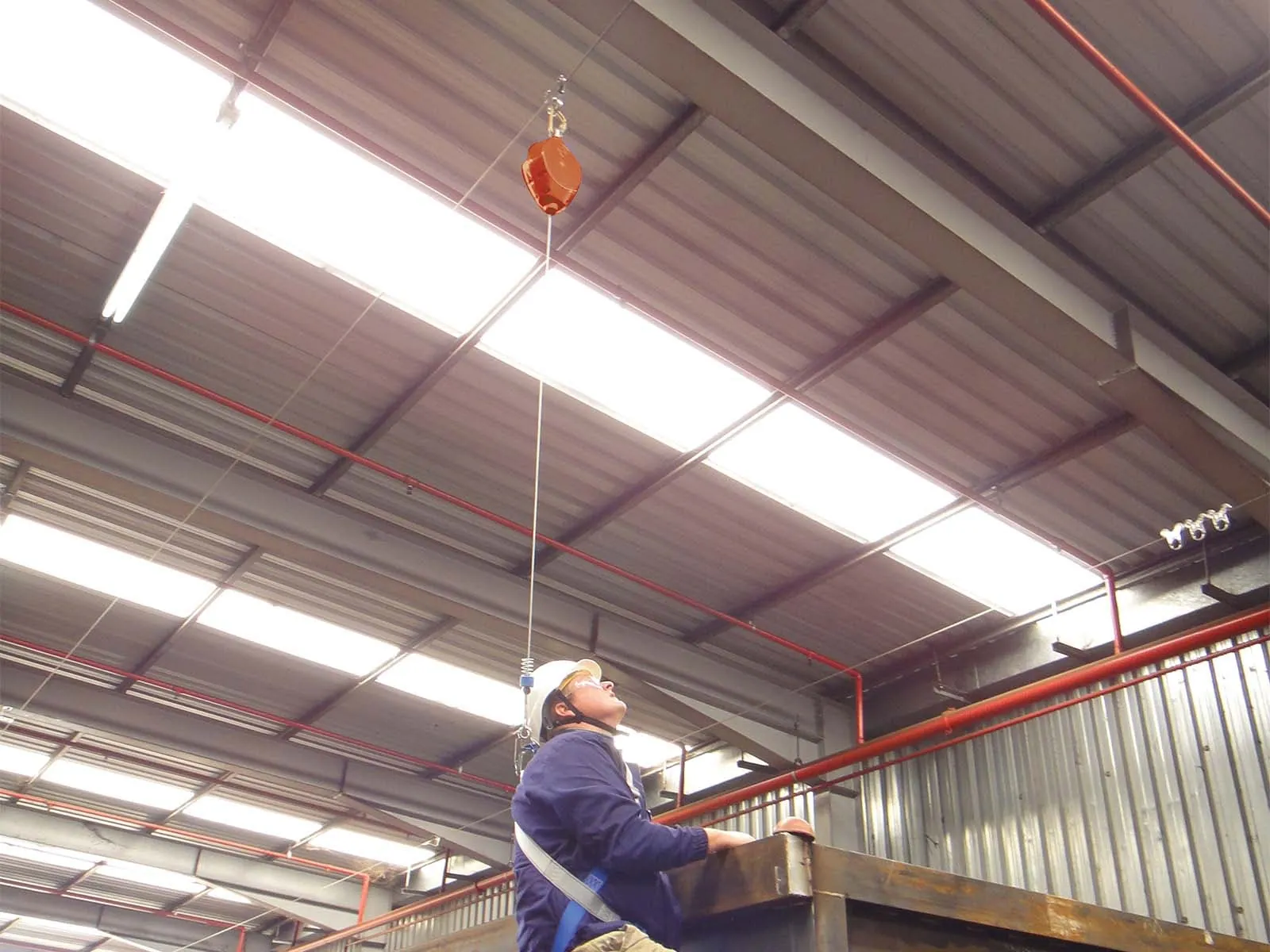
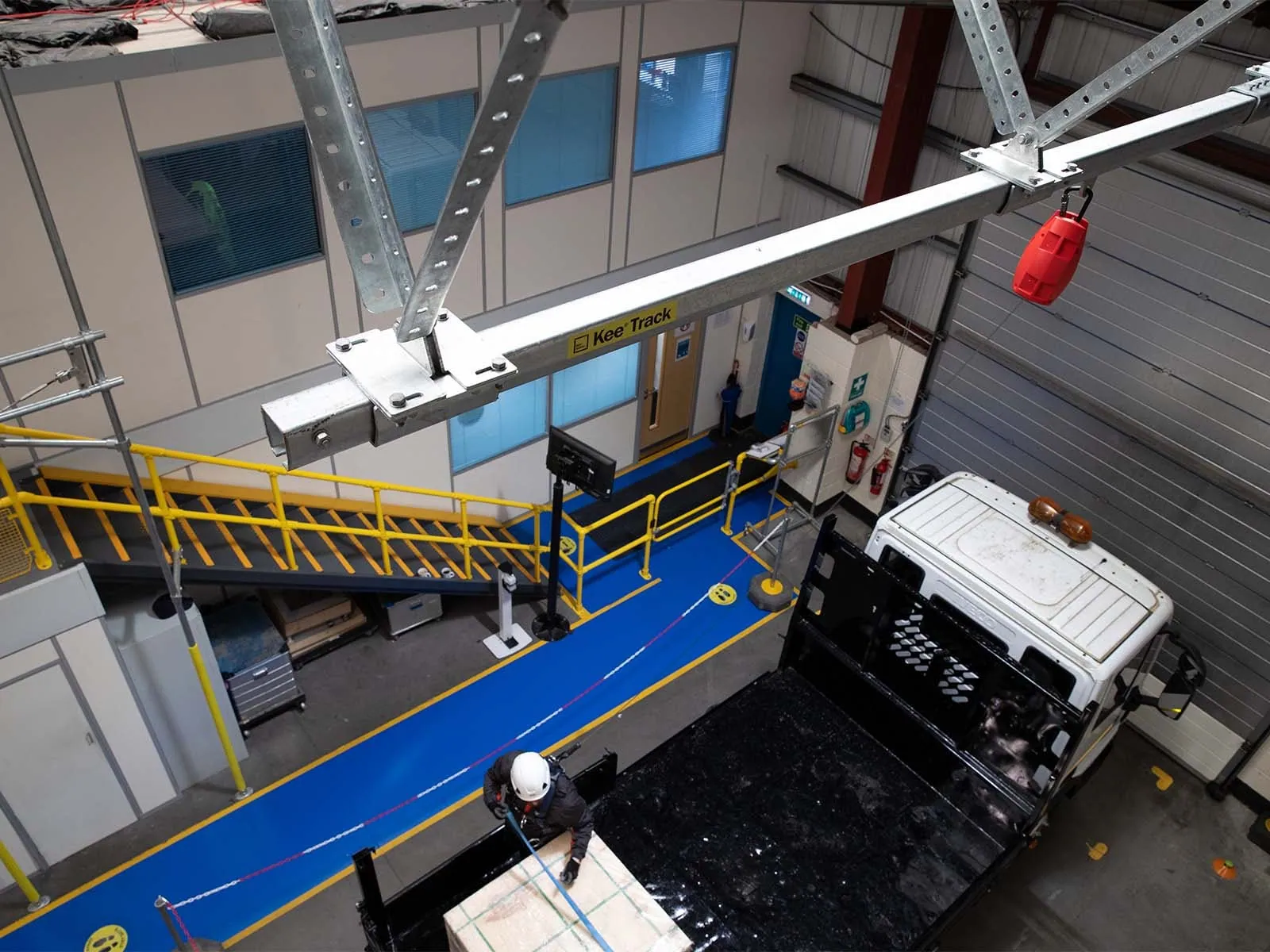
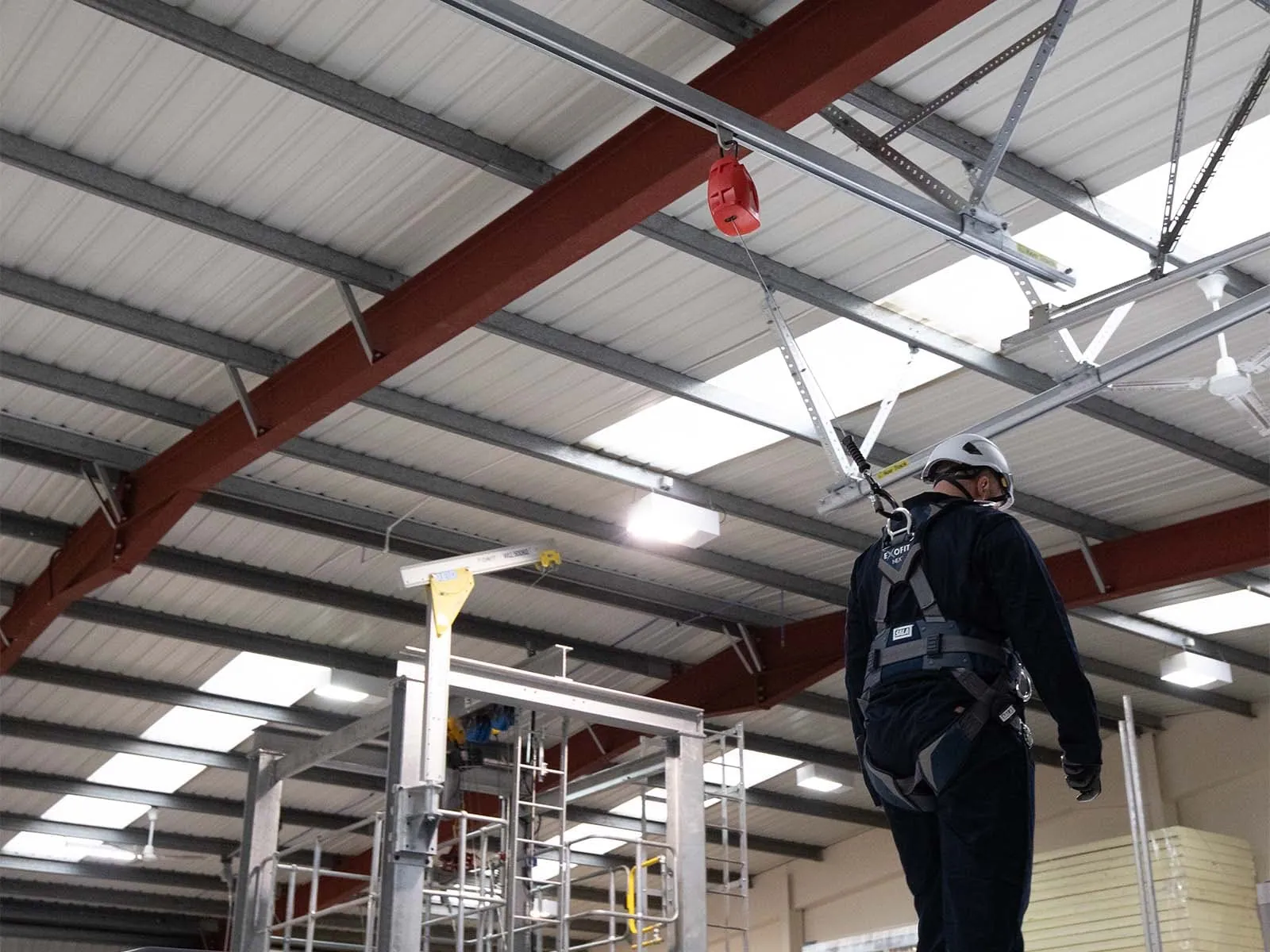
Overhead lifelines allow workers to move freely while remaining securely connected to the system, reducing the risk of falls when working at height
Versatile Installation
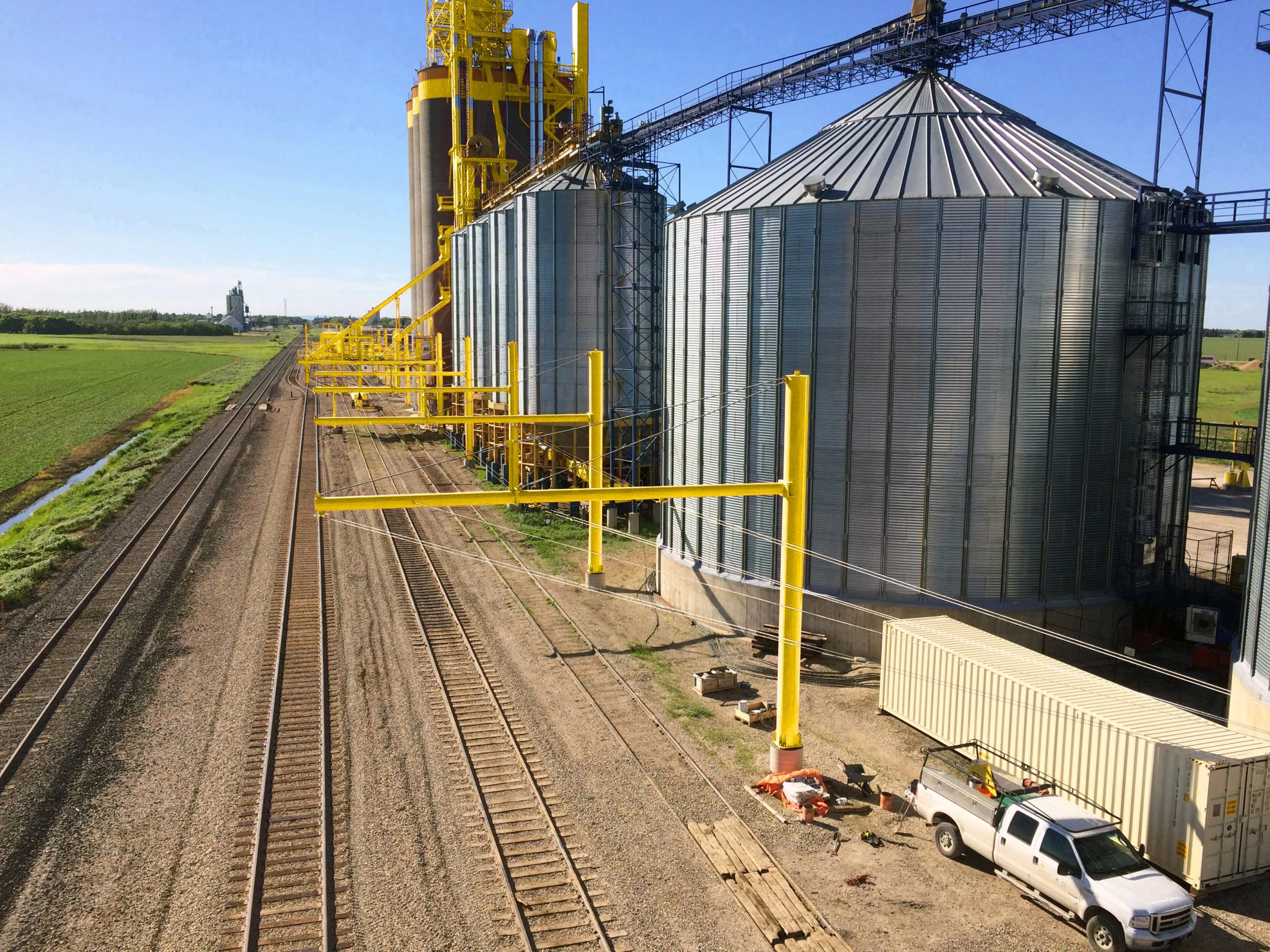
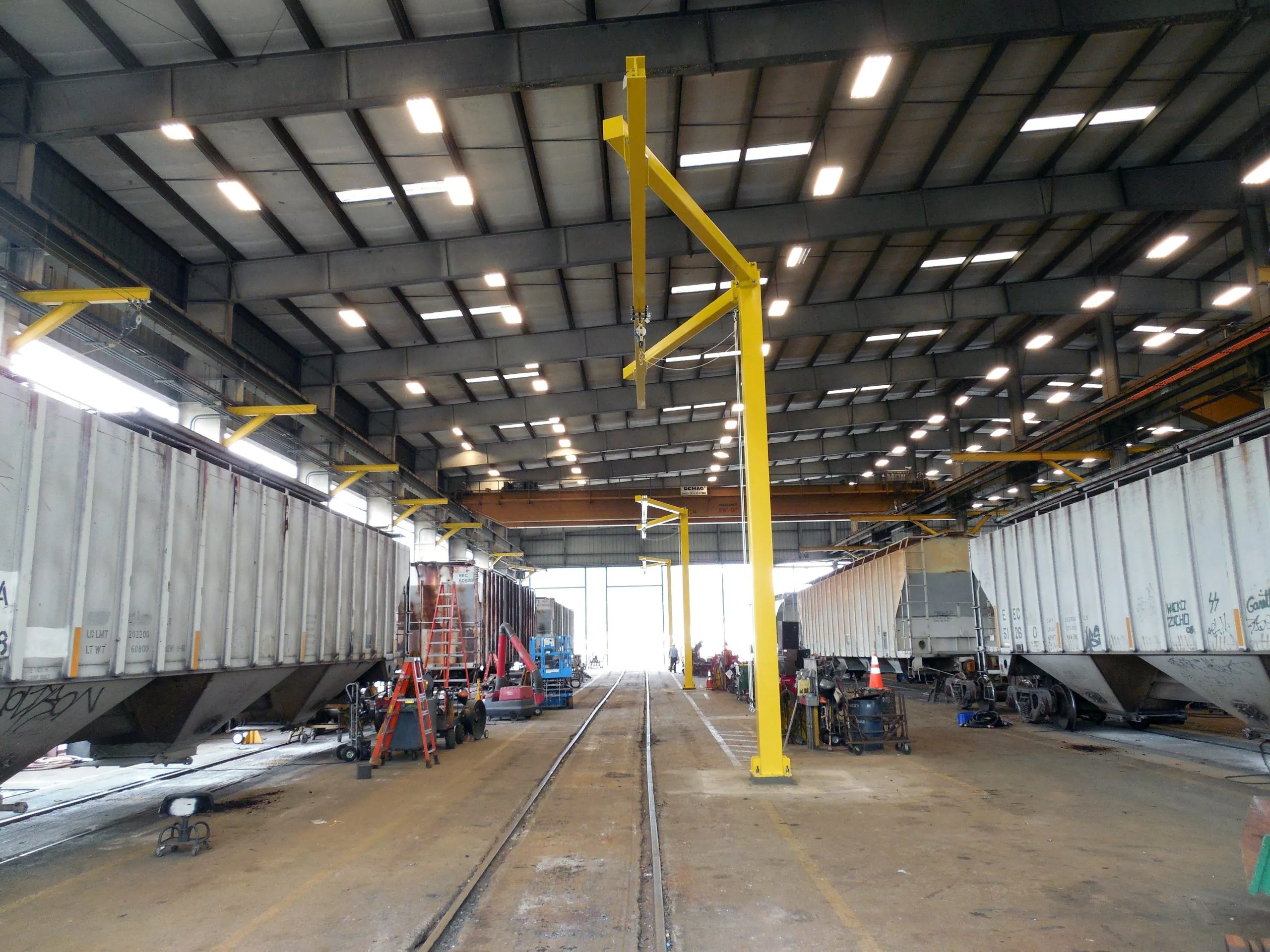
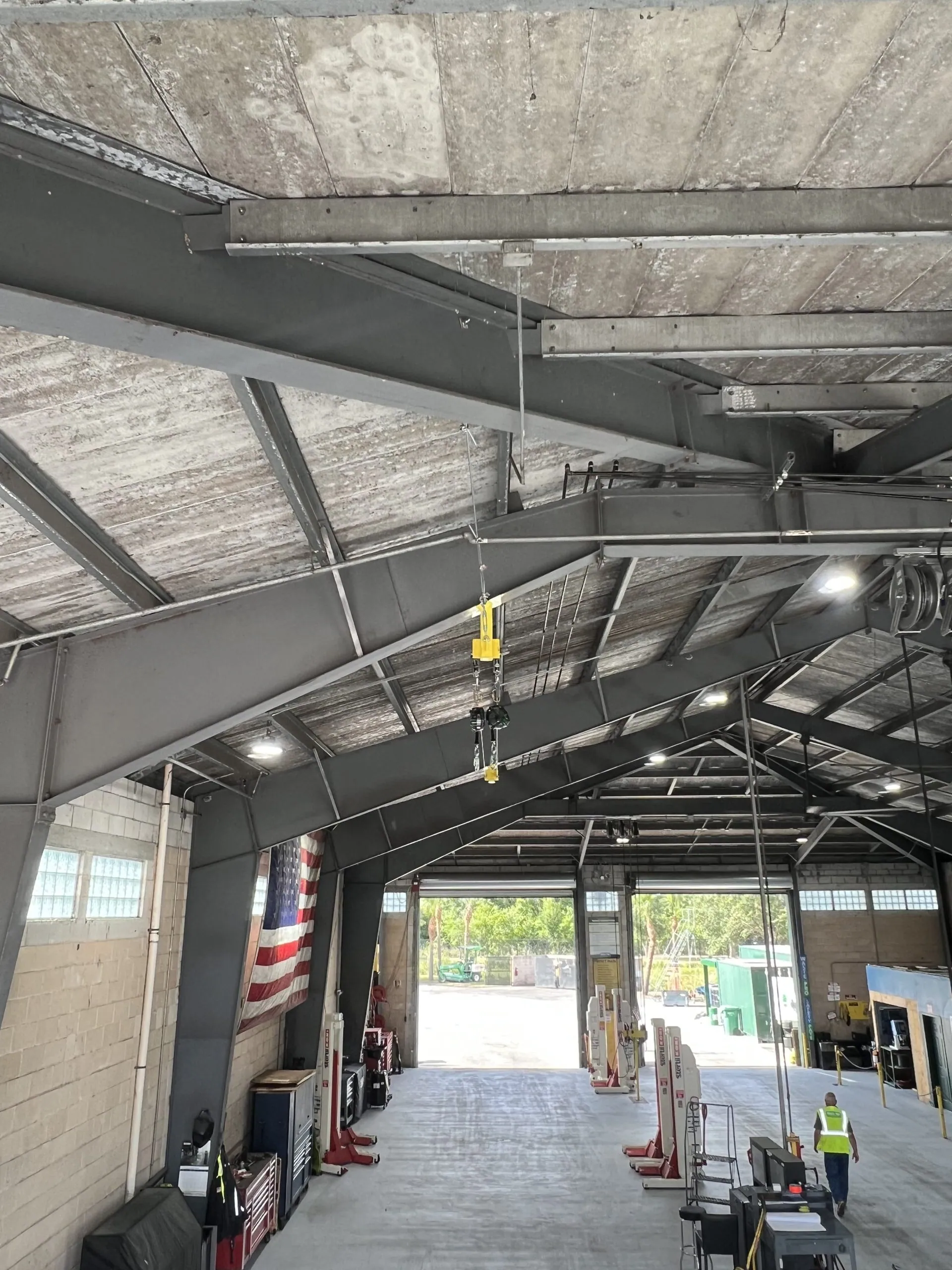
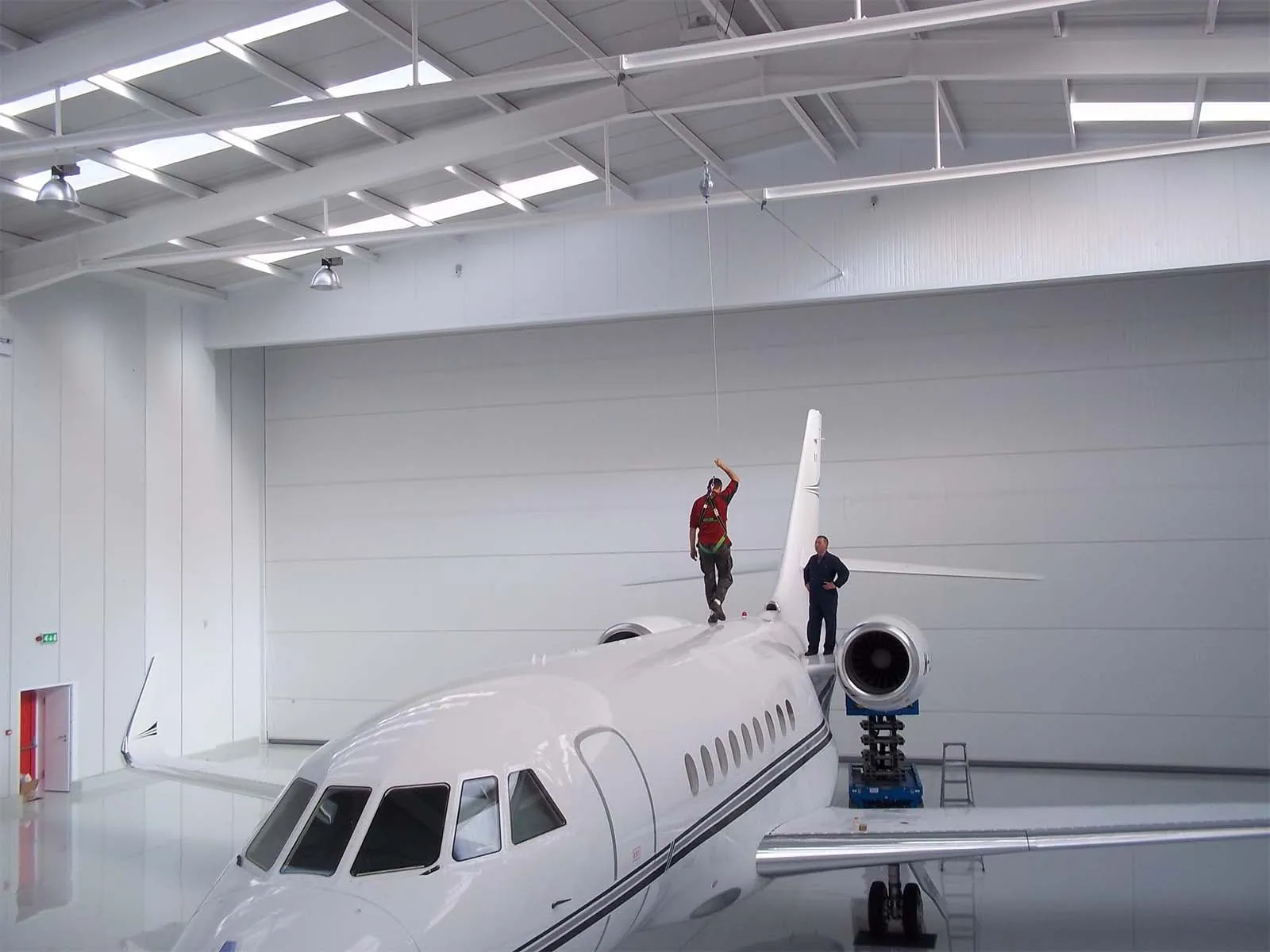
Designed for applications like industrial facilities, loading docks, railcar maintenance, aviation hangars, and many more, these systems can be mounted to ceilings, beams, or overhead structures.
OSHA & ANSI Compliance
Compliant with OSHA and ANSI, ensuring workplace safety for elevated work environments.
PROBLEMS WE SOLVE
Preventing Falls in Elevated Workspaces
Workers performing maintenance, inspections, and loading/unloading often face severe fall hazards when working at height. An overhead lifeline system provides continuous fall protection, ensuring safe movement along the entire area of their working surface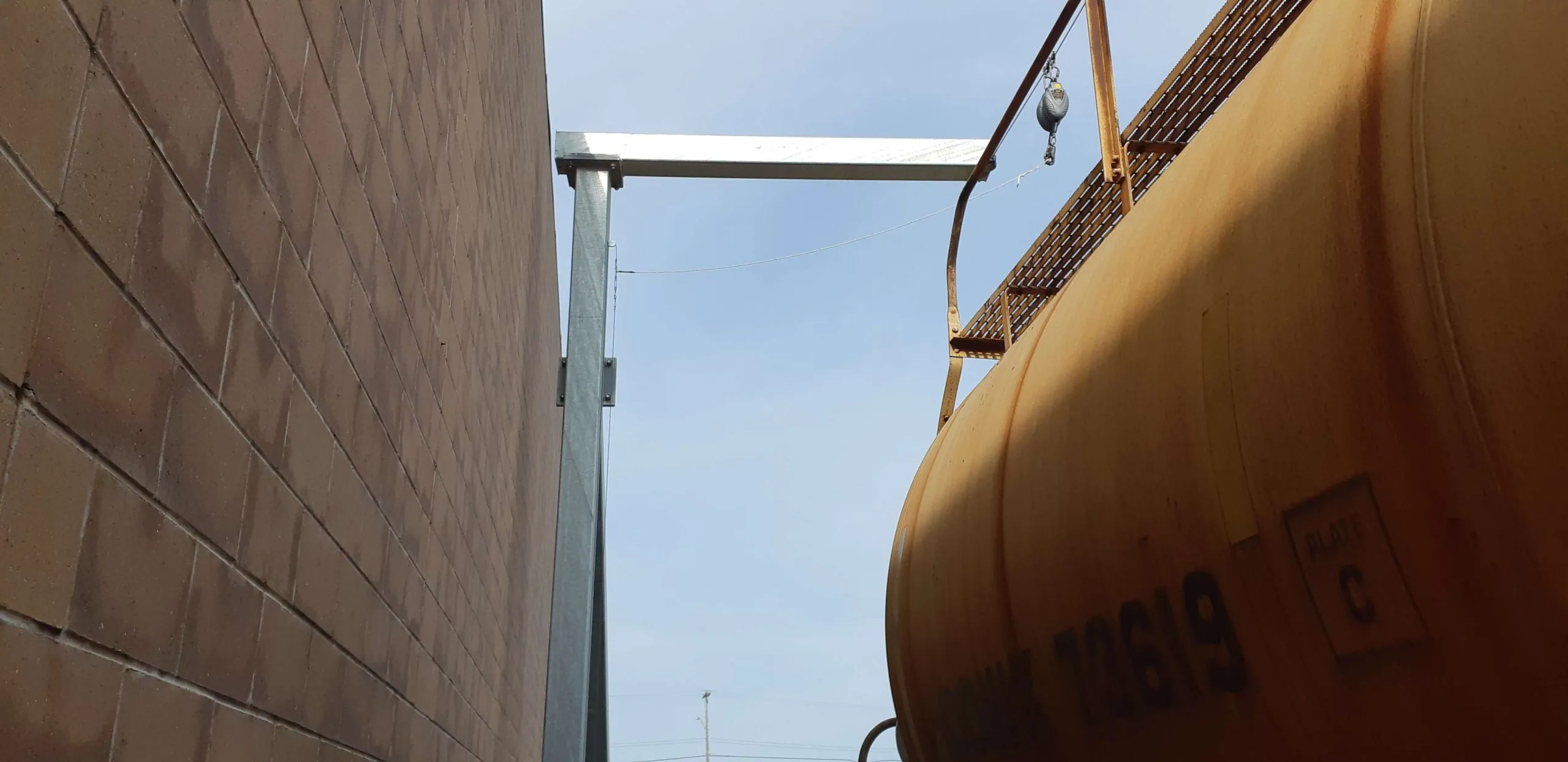
Areas of Application for Overhead Lifeline Systems
- Manufacturing & Industrial Facilities
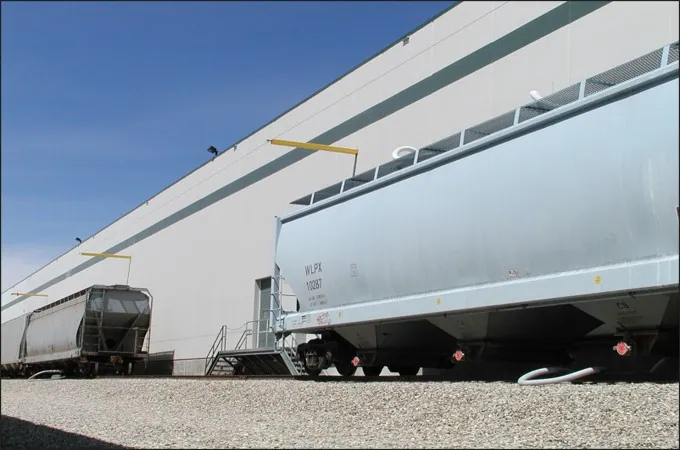
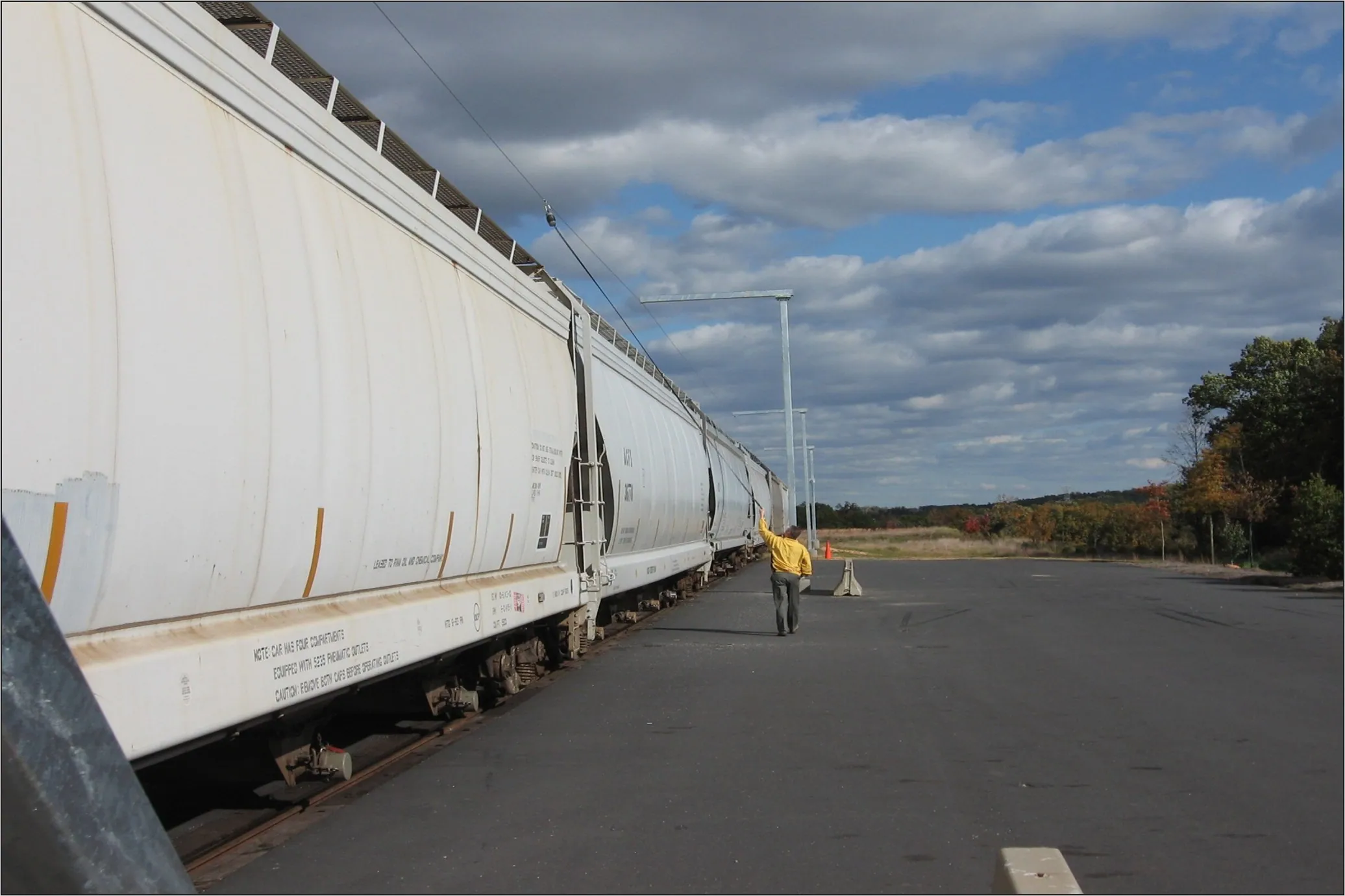
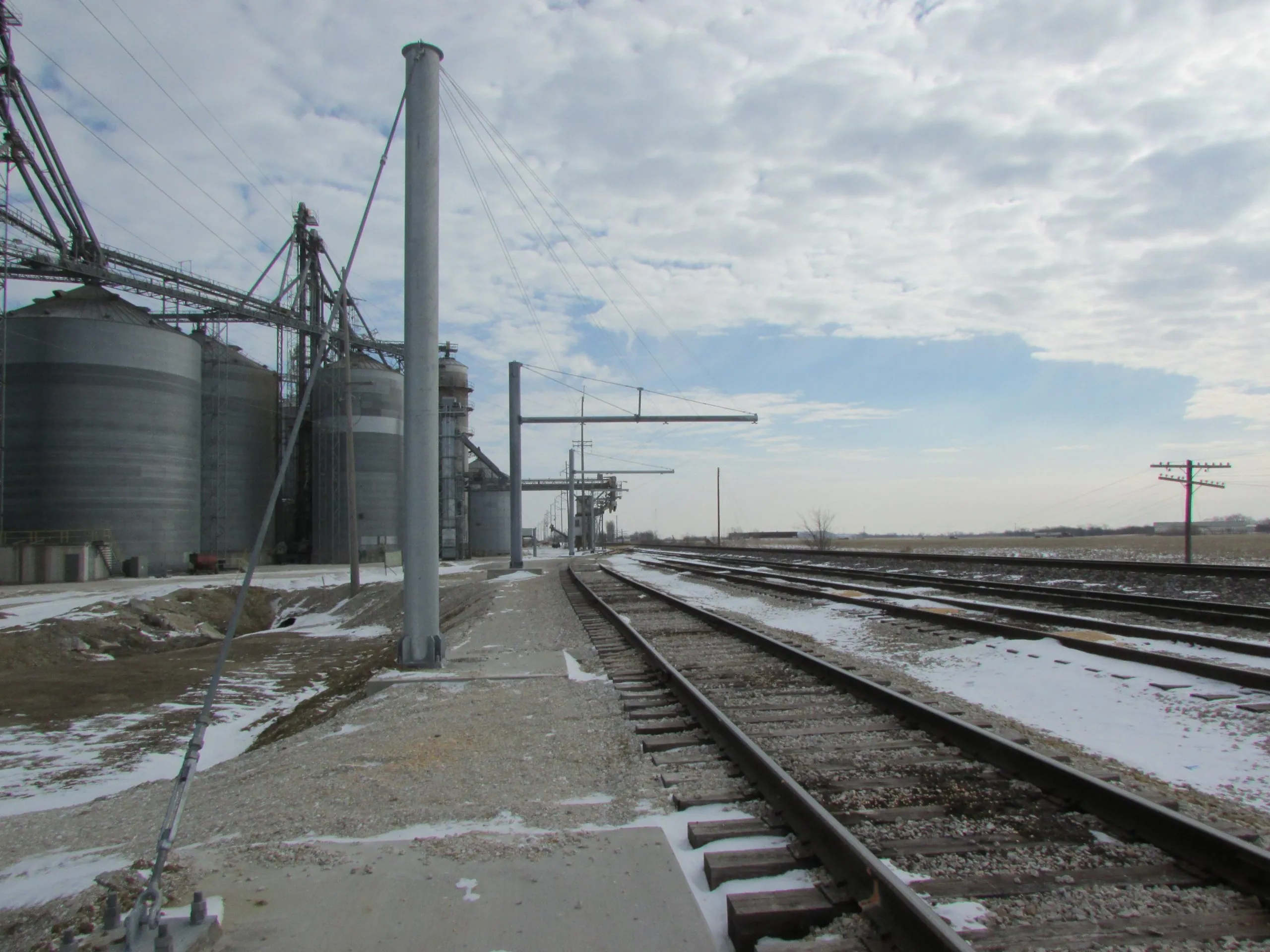
- Railcar & Transportation
- Energy & Utilities
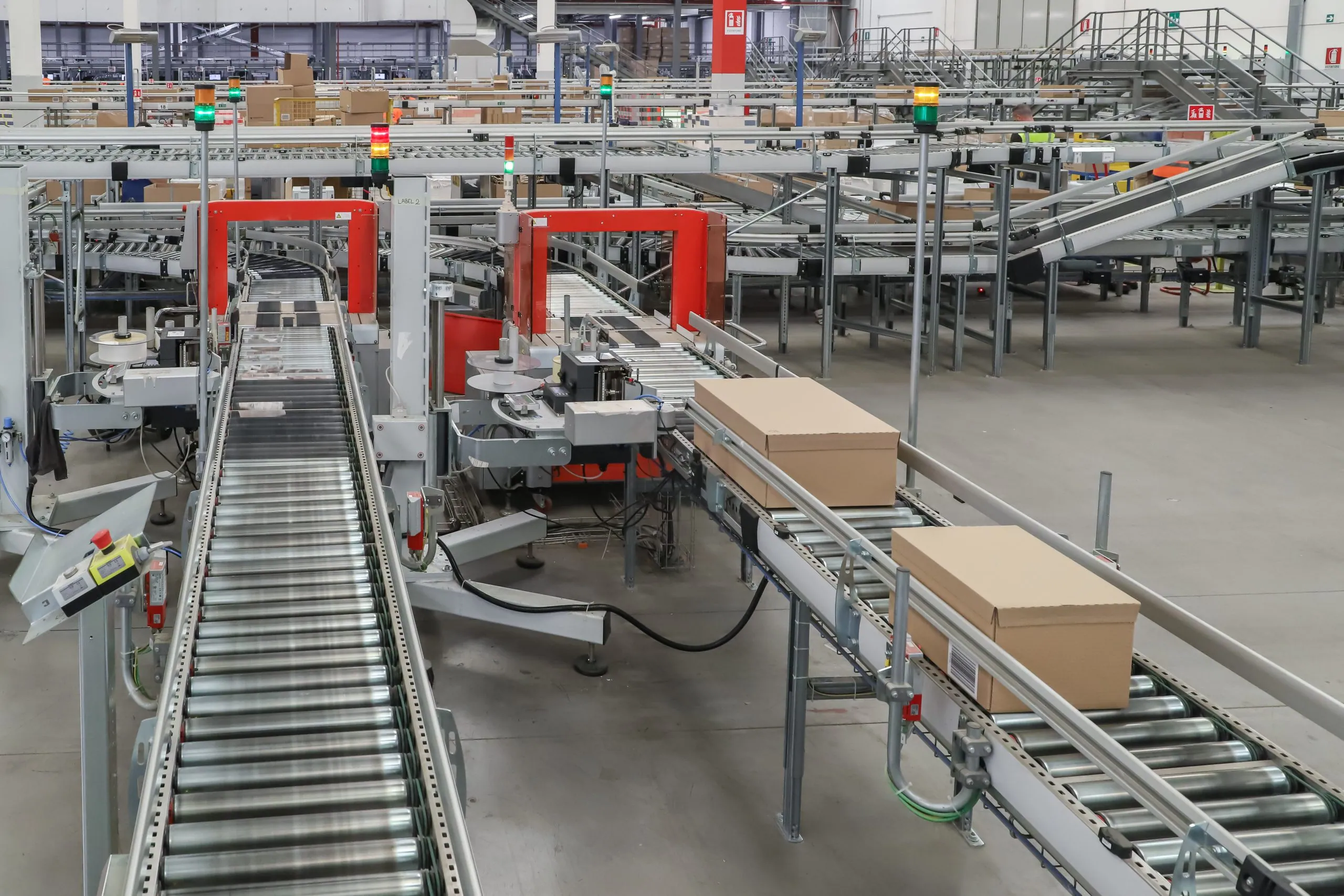
- Supply Chain Management
- Government & Military
Manufacturing & Industrial Facilities
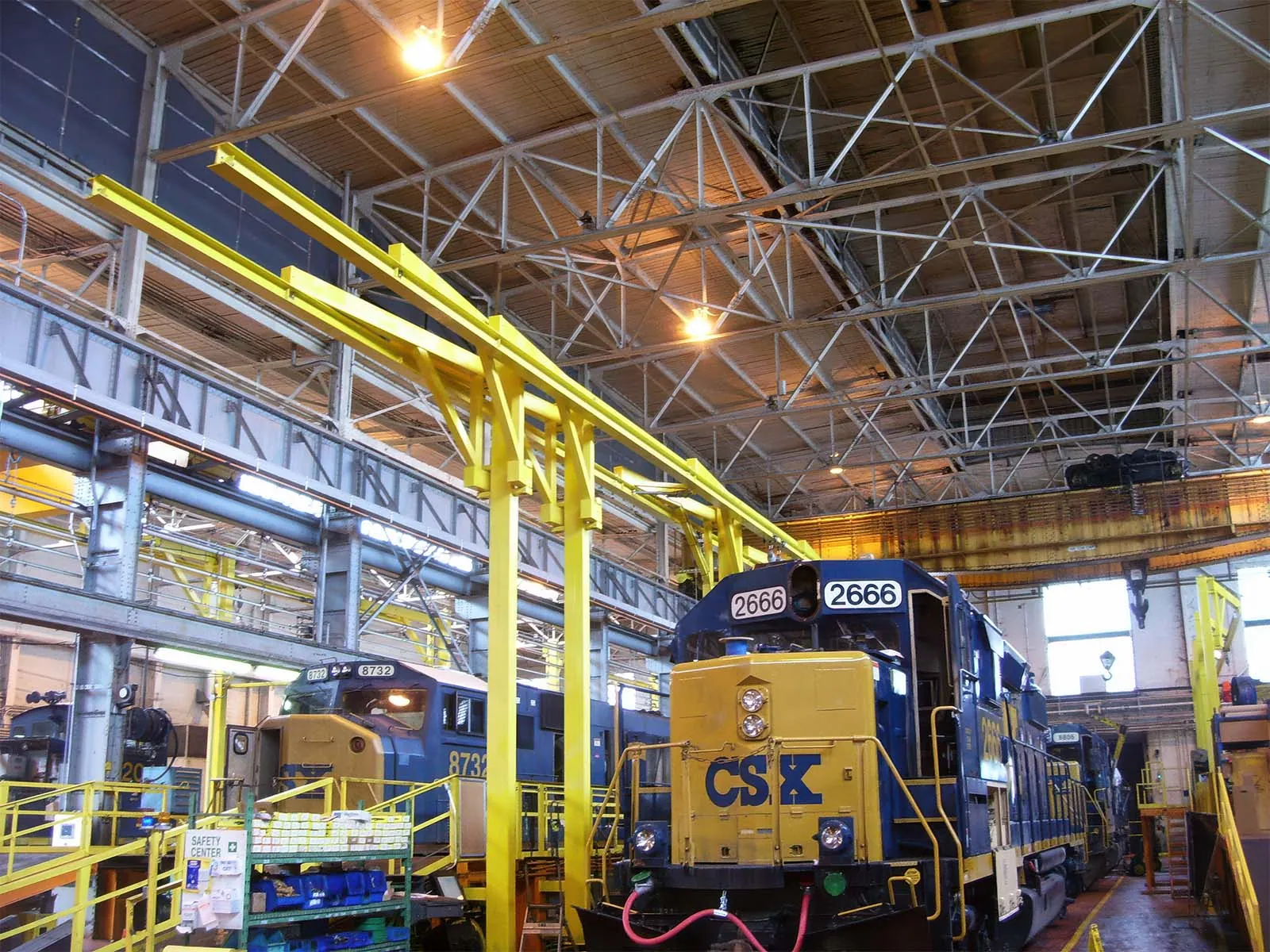
Railcar & Transportation
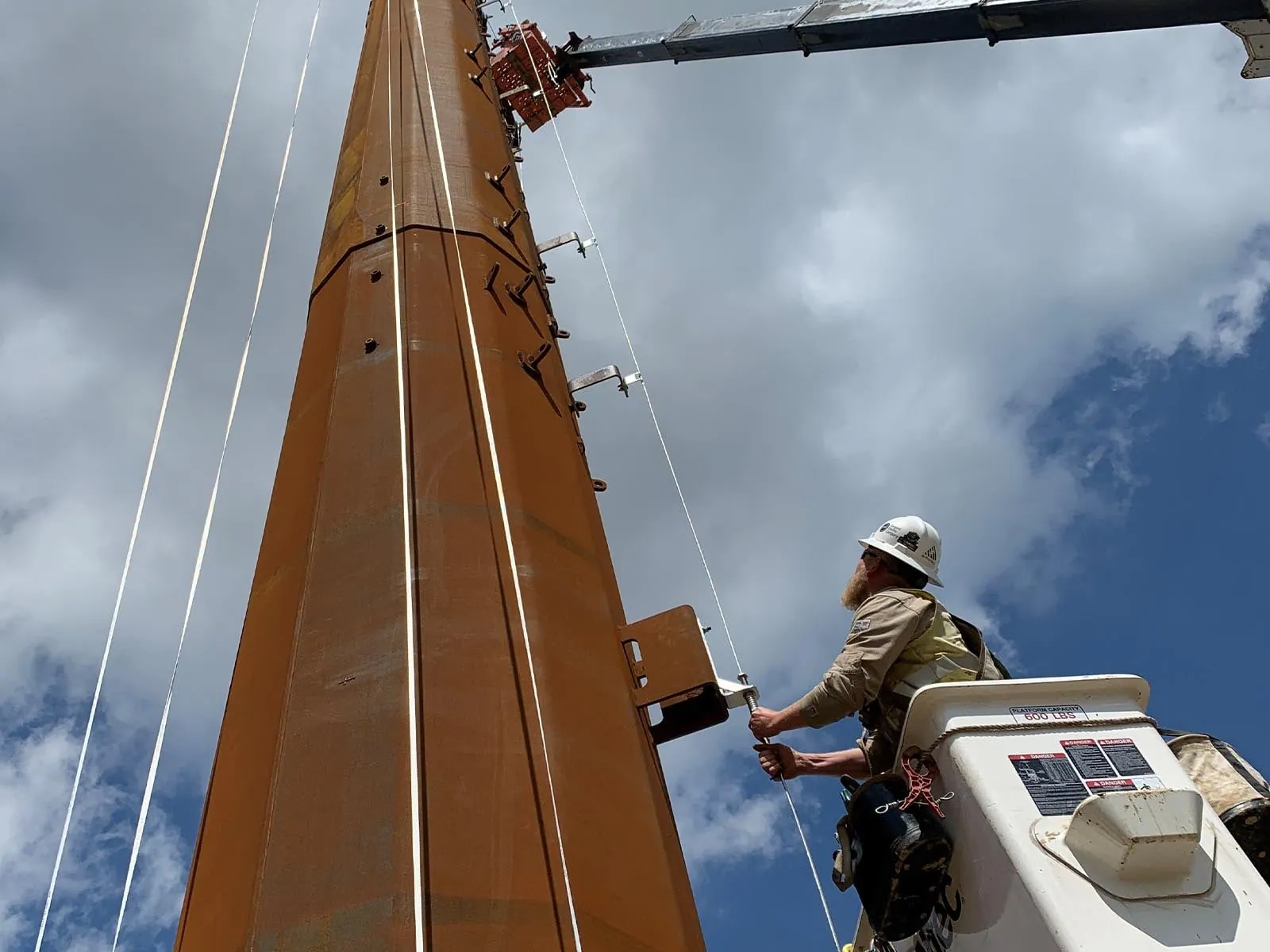
Energy & Utilities
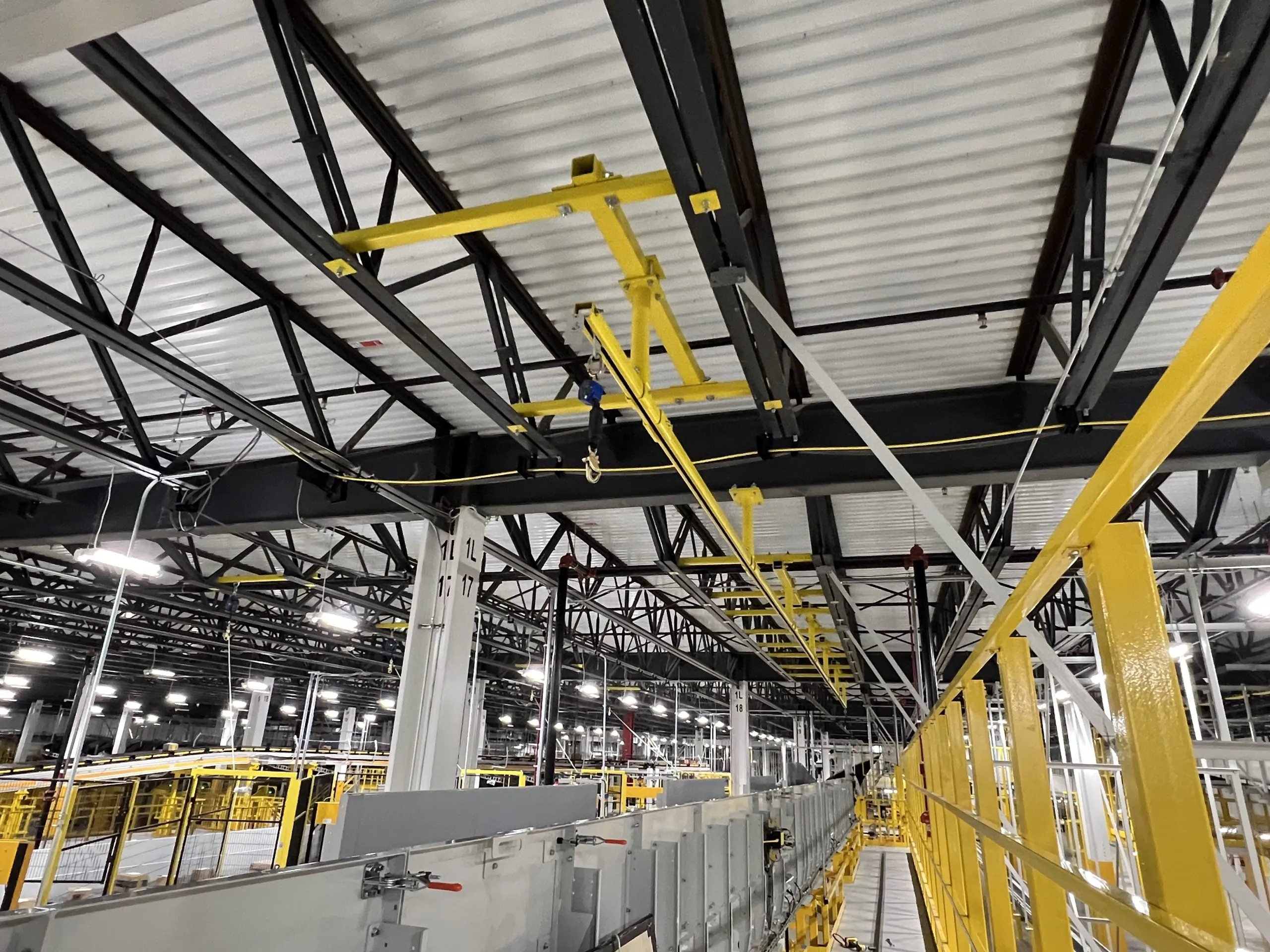
Supply Chain Management
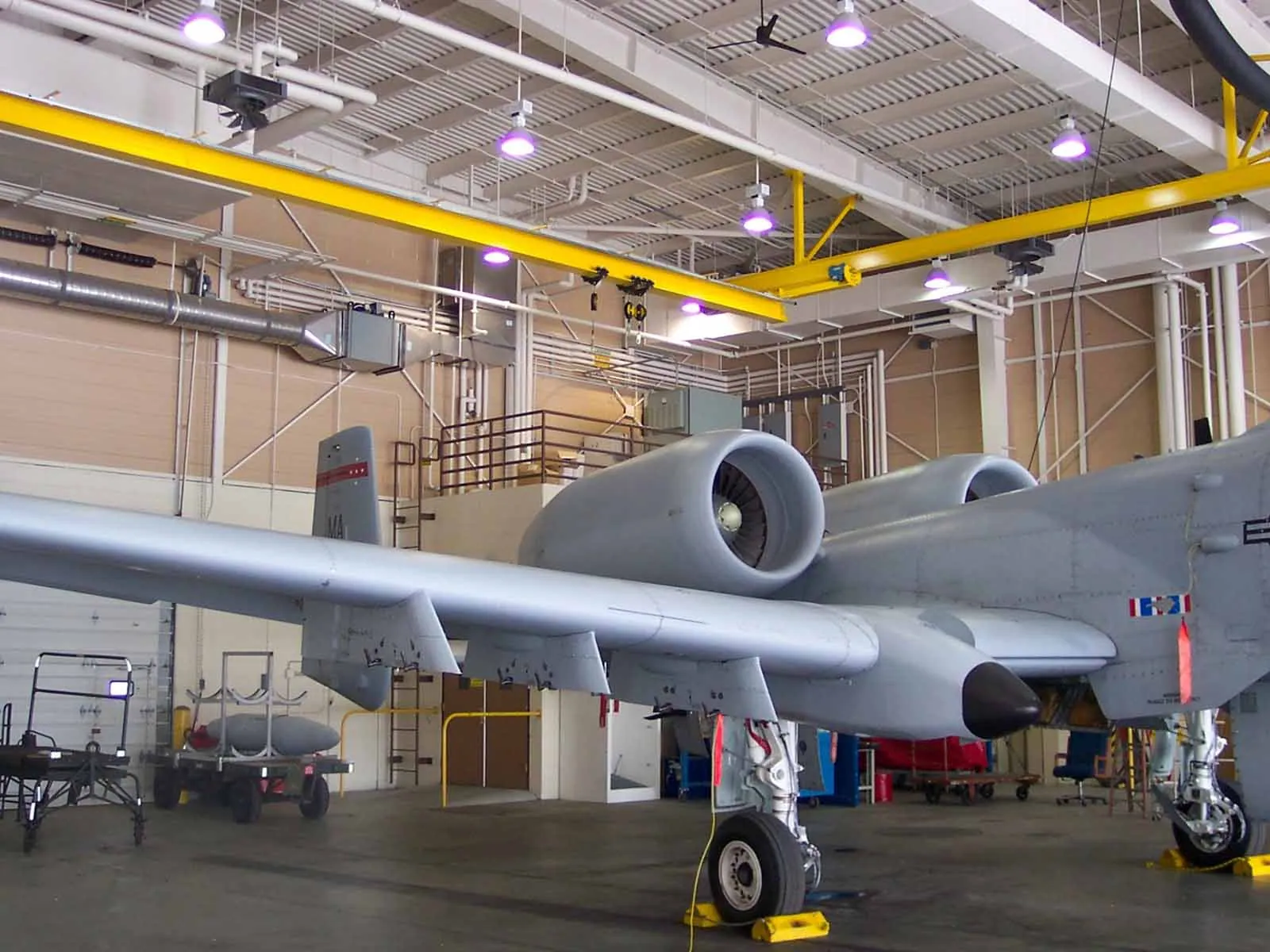
Government & Military
Where this system is used
Industries and applications that run on Overhead Lifeline Systems
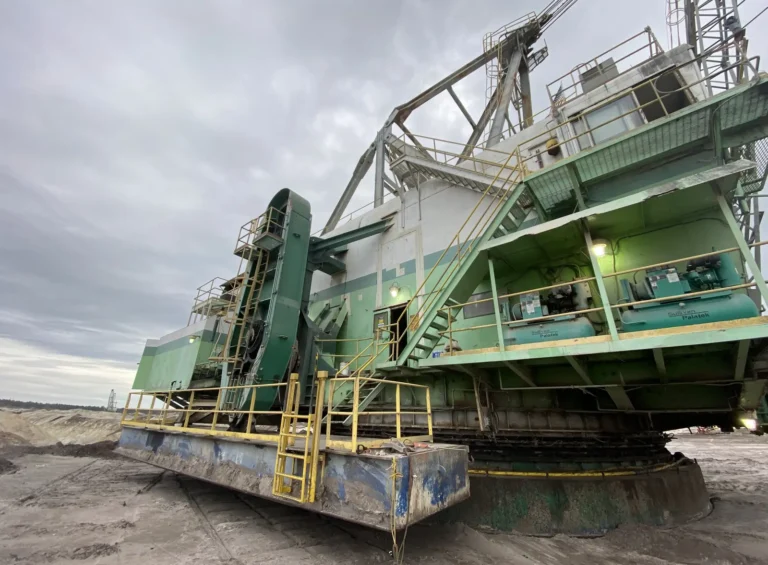
Mining
Engineered fall protection for open pit, underground, in-situ and dredging operations and their processing facilities. PE-stamped, installed and certified by one team since 1993.
Read more →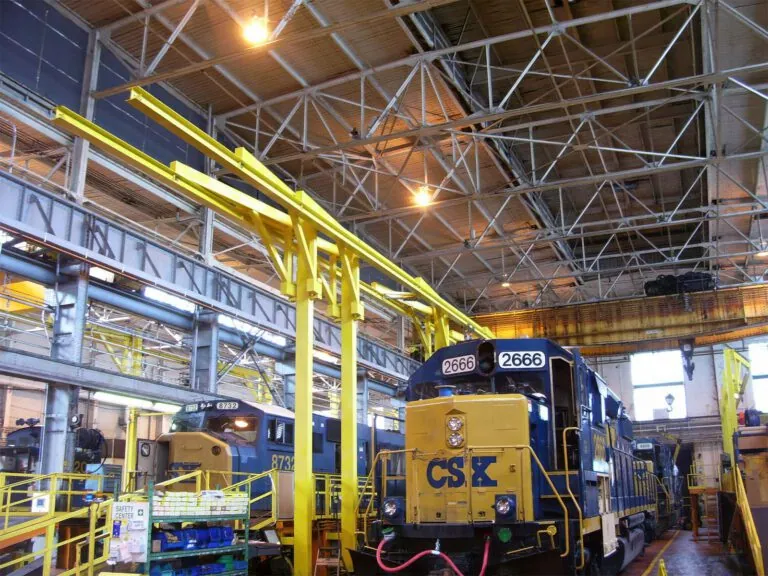
Transportation & Rail
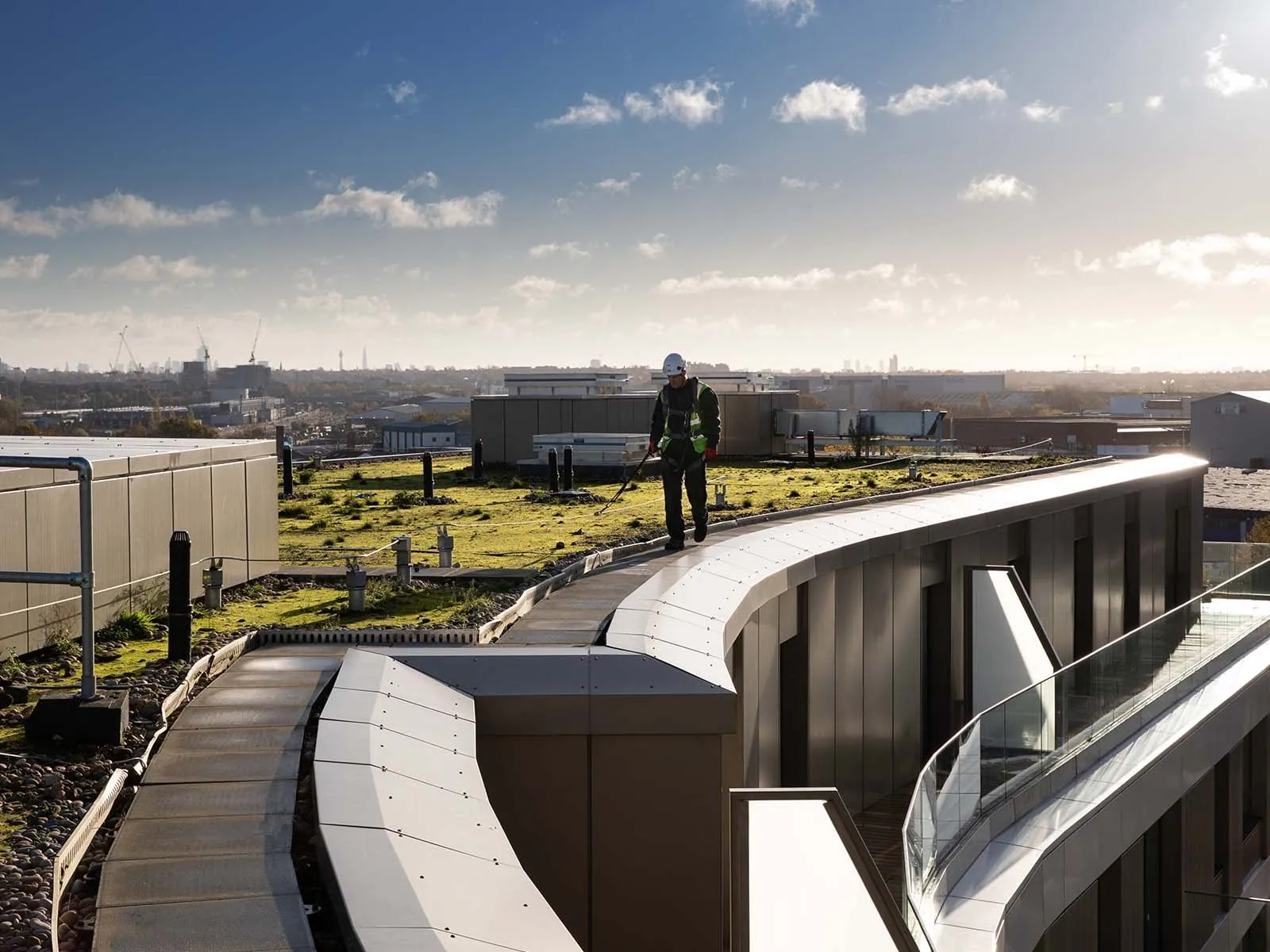
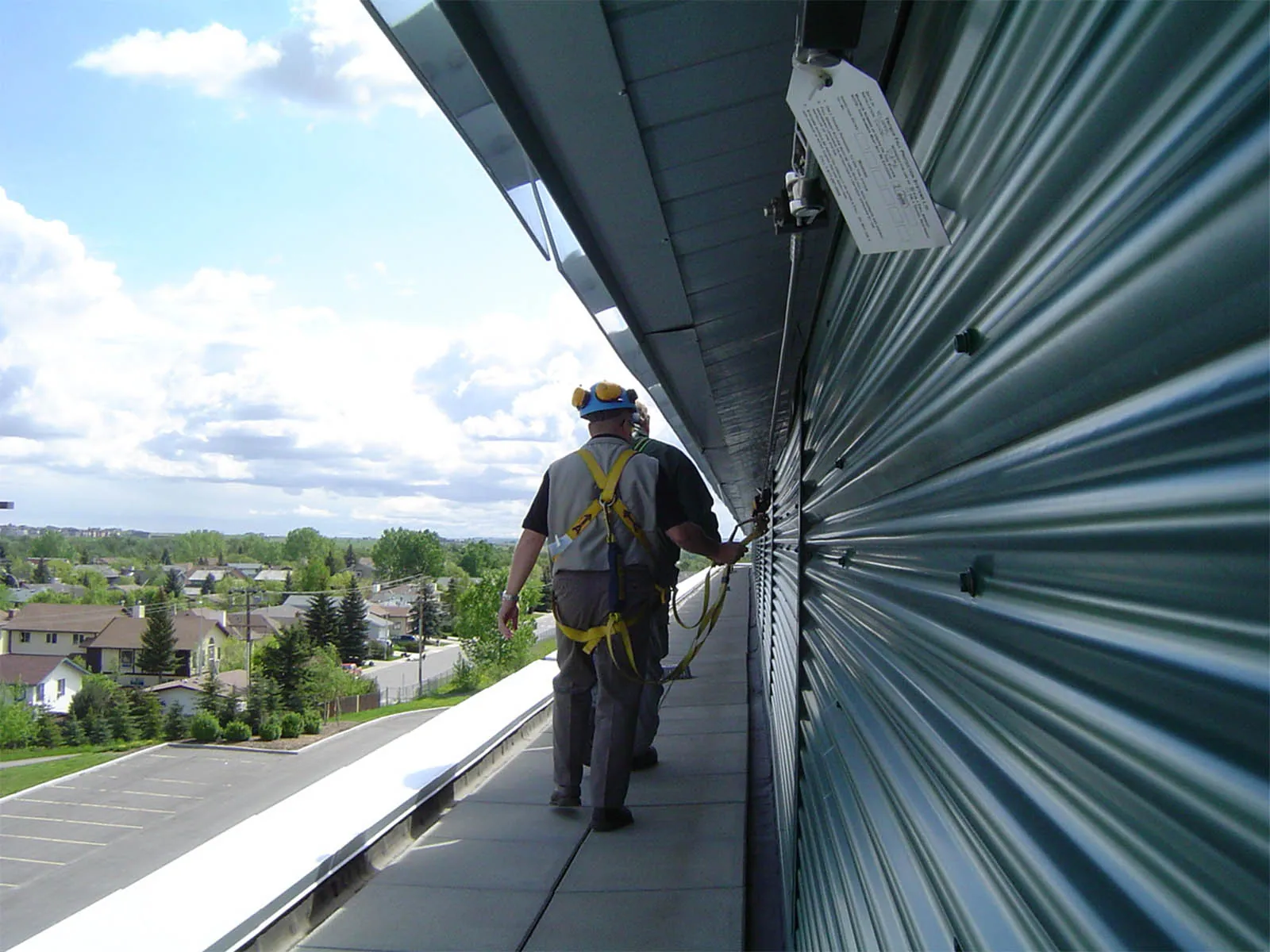
Railcar and truck loading, rail yards, marine decks and fleet maintenance.
Read more →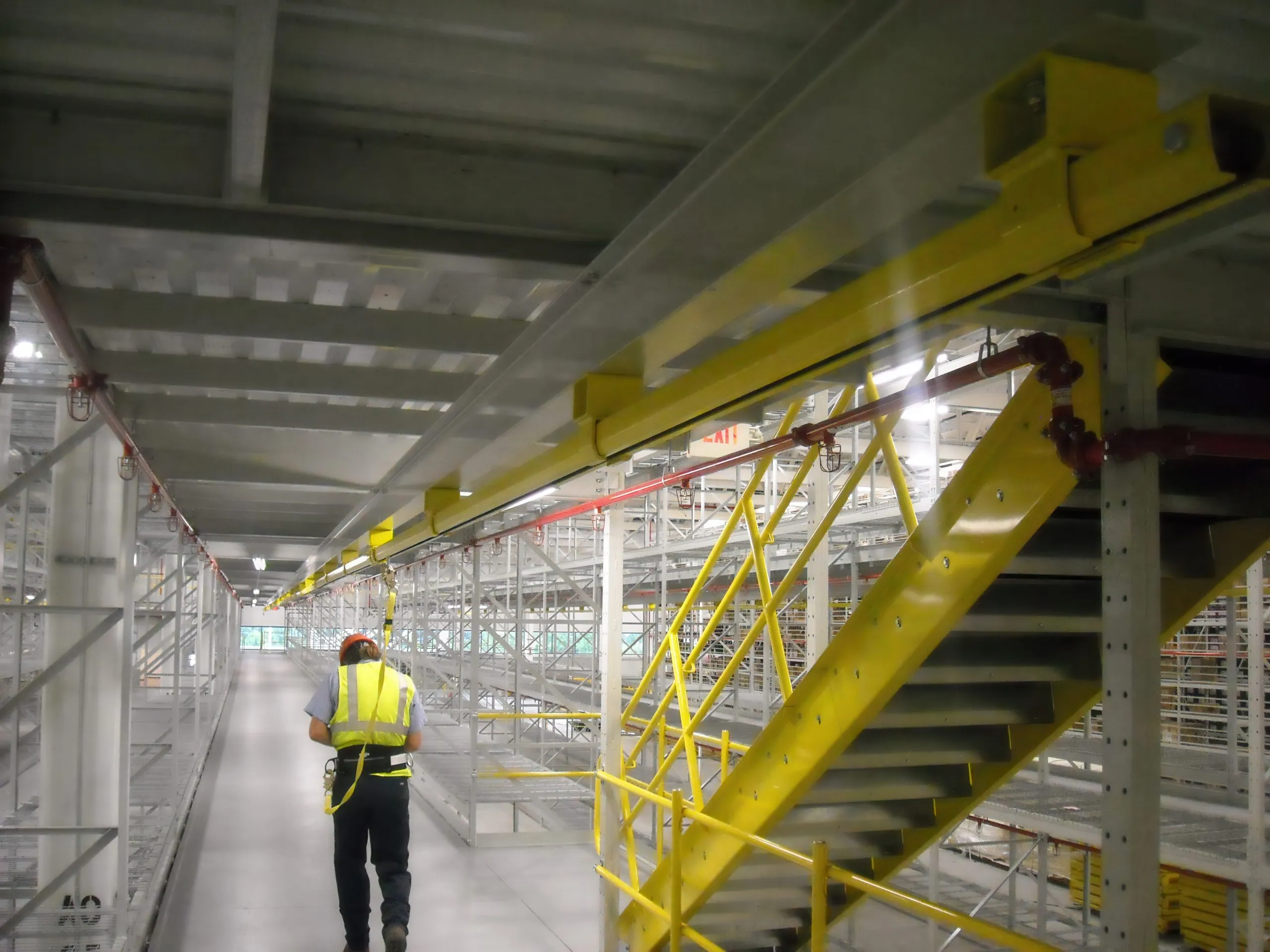
Downloads
Brochures & downloads
Brochure
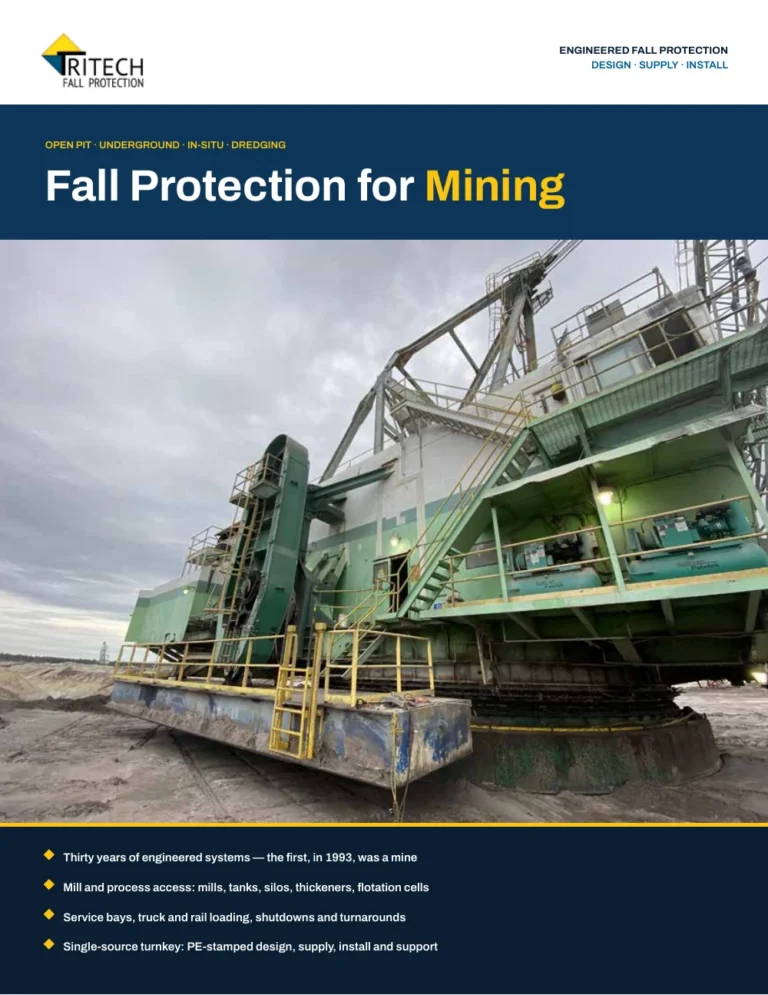
Mining Fall Protection Brochure
Fall protection for open pit, underground, in-situ and dredging sites: where mine exposure concentrates and the engineered systems Tritech installs for it.
Brochure
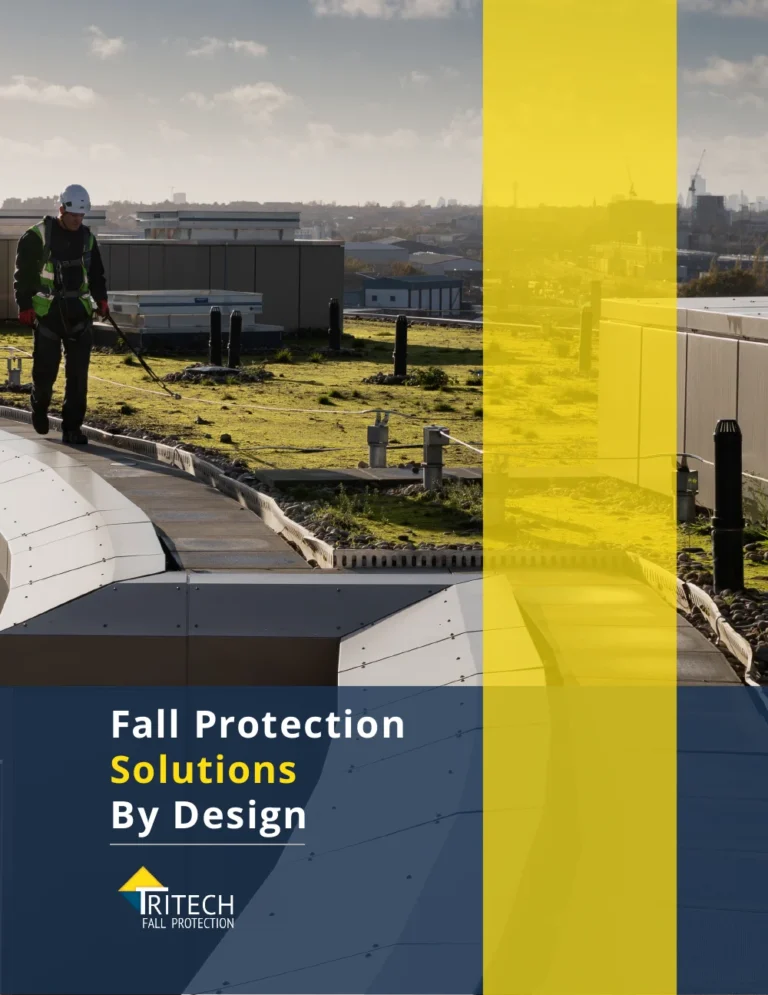
Tritech Fall Protection Company Brochure
Tritech's company brochure: who engineers, supplies, installs and certifies your fall protection, and the 12 industries and applications we cover.
Brochure
Data Center Fall Protection Brochure
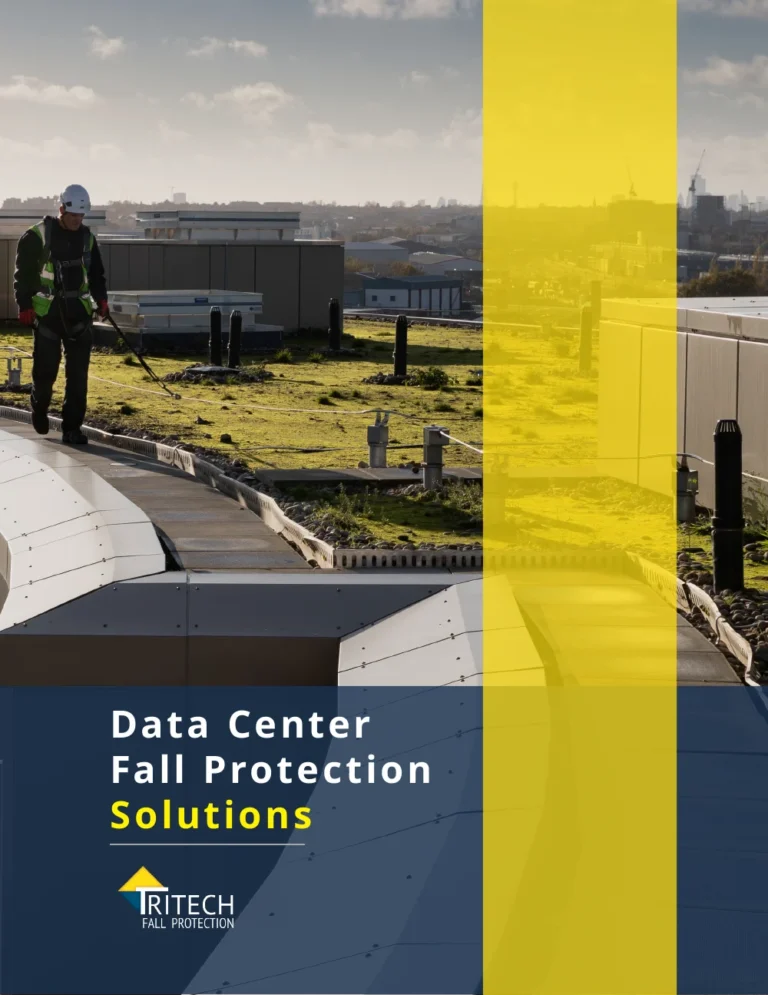
How Tritech protects data center roofs and yards: non-penetrating guardrail, access platforms, crossovers, stairs and ladder safety for mechanical equipment.
Answers to
Key Questions
What is a horizontal lifeline system?
A horizontal lifeline is an engineered system in which a worker’s fall-arrest equipment connects to a cable or rail running horizontally between anchor points, letting the worker move along the line while staying continuously attached. An overhead configuration mounts the line above the worker’s head, which keeps the connection point high, shortens the free fall, and keeps the lanyard out of the work. OSHA governs the components as part of a personal fall arrest system under 29 CFR 1926.502 (construction) and 29 CFR 1910.140 (general industry).
What is the difference between a rigid rail carrier and a cable carrier?
A rigid rail carrier is a trolley that rides a fixed structural track that barely deflects under load; a cable carrier rides a tensioned wire rope that stretches and sags when a fall is arrested. Overhead is where the difference matters most: the rigid track arrests a fall within inches and holds the connection point high, so it suits low-clearance spaces, while cable spans longer distances where there is room below. Tritech engineers both and lets the structure and the clearance pick the carrier.
How many people can tie off to a horizontal lifeline?
As many users as the design allows. Overhead systems are often engineered for two or more simultaneous users, and a rigid track can add pass-by capability so a crew moves along the same run without disconnecting, but the design must account for the combined dynamic load, anchor capacities, and fall scenarios. A system rated for one user does not become a two-user system by adding a second worker.
What is the OSHA standard for horizontal lifelines?
OSHA has no standalone horizontal lifeline standard; the requirements live in the personal fall arrest system rules. The system must be designed, installed, and used under the supervision of a qualified person, as part of a complete personal fall arrest system that maintains a safety factor of at least two (29 CFR 1926.502(d)(8) in construction; 29 CFR 1910.140 in general industry). The ANSI/ASSP Z359 series supplies the design detail engineered overhead systems are built to.
CONTACT
Enhance Workplace Safety with an Overhead Lifeline System
Our team is ready to help you implement a code-compliant, continuous fall protection solution for your facility.
Let’s Discuss Your Project
"*" indicates required fields
Not ready to talk yet? Download the Mining Fall Protection Brochure