SOLUTIONS
Warning Line System
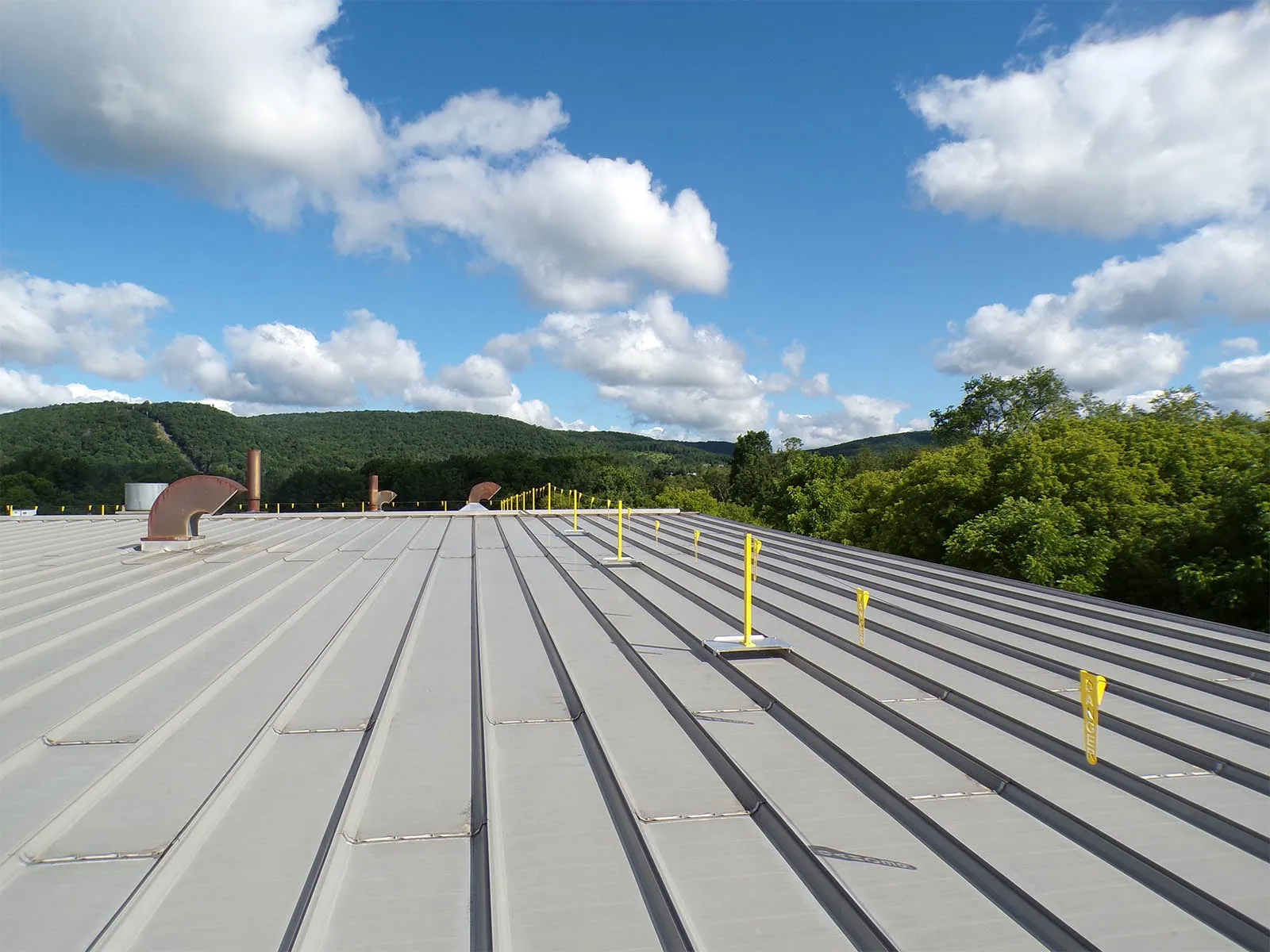
A Durable, Highly Visible Fall Protection Solution
High-Visibility Barrier
Constructed with brightly colored flags, the system provides a clear visual indicator of hazardous areas, ensuring workers stay within safe zones.
Freestanding & Non-Penetrating
Utilizing weighted bases, the warning line system is fully self-supporting, eliminating the need for roof penetration while maintaining stability in various weather conditions.
OSHA Compliance
Complies with OSHA standard 1910.28(b)(13), which outlines requirements for the use of warning lines during low-slope roofing work to help prevent falls and ensure workplace safety.
PROBLEMS WE SOLVE
Defining Safe Work Areas Prevents Dangerous Falls
Unmarked roof edges and work zones increase the risk of accidental falls. A warning line system establishes clear boundaries, keeping workers within designated areas without the need for harnesses or active fall protection equipment. Warning lines clearly indicate potential hazards, so personnel and pedestrians know what to avoid and what is safe.Areas of Application for Warning Line
- Building Access and Maintenance
- Energy and Utilities
- Manufacturing
- Infrastructure Development
- Government and Military
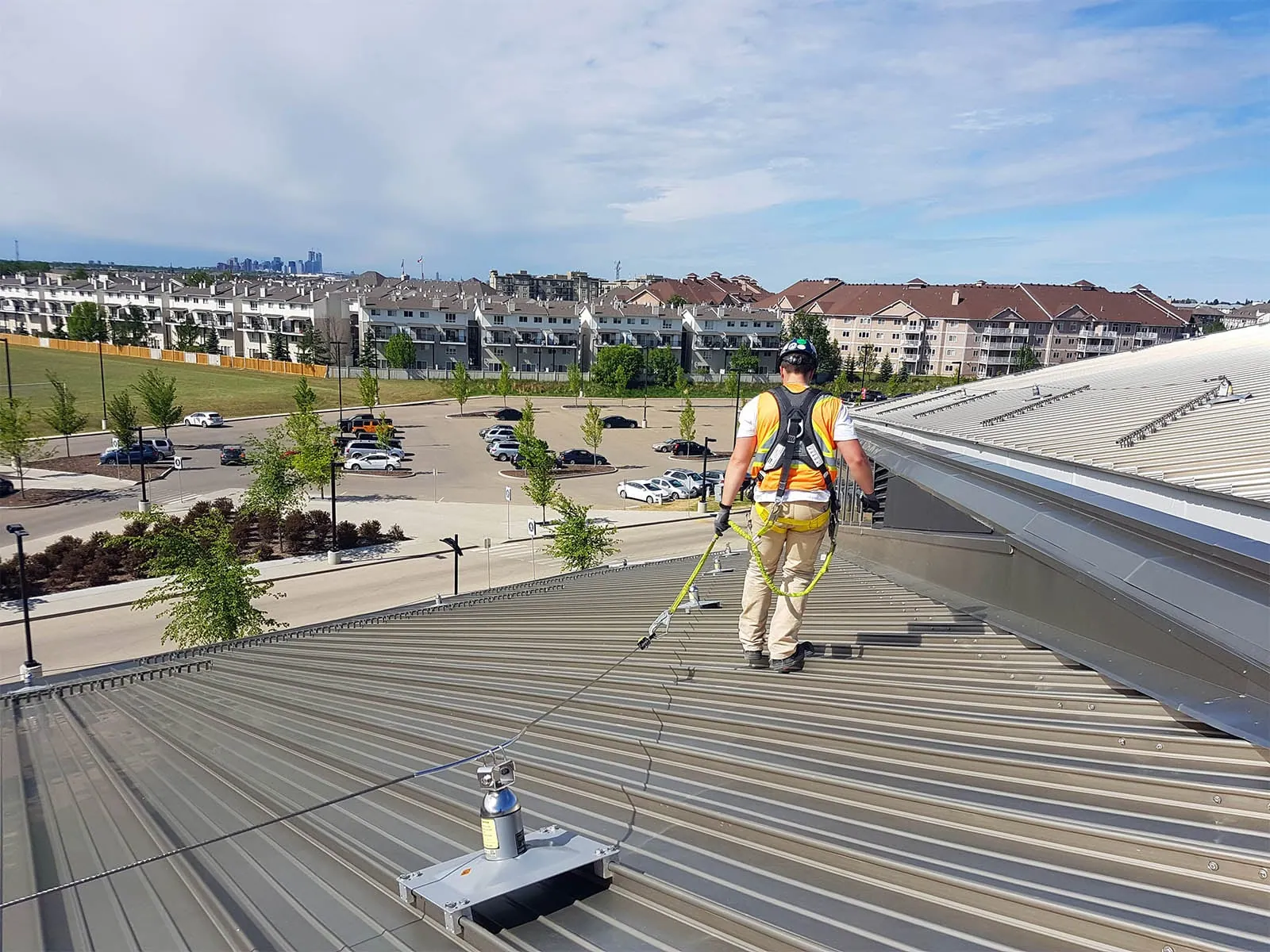
Building Access and Maintenance
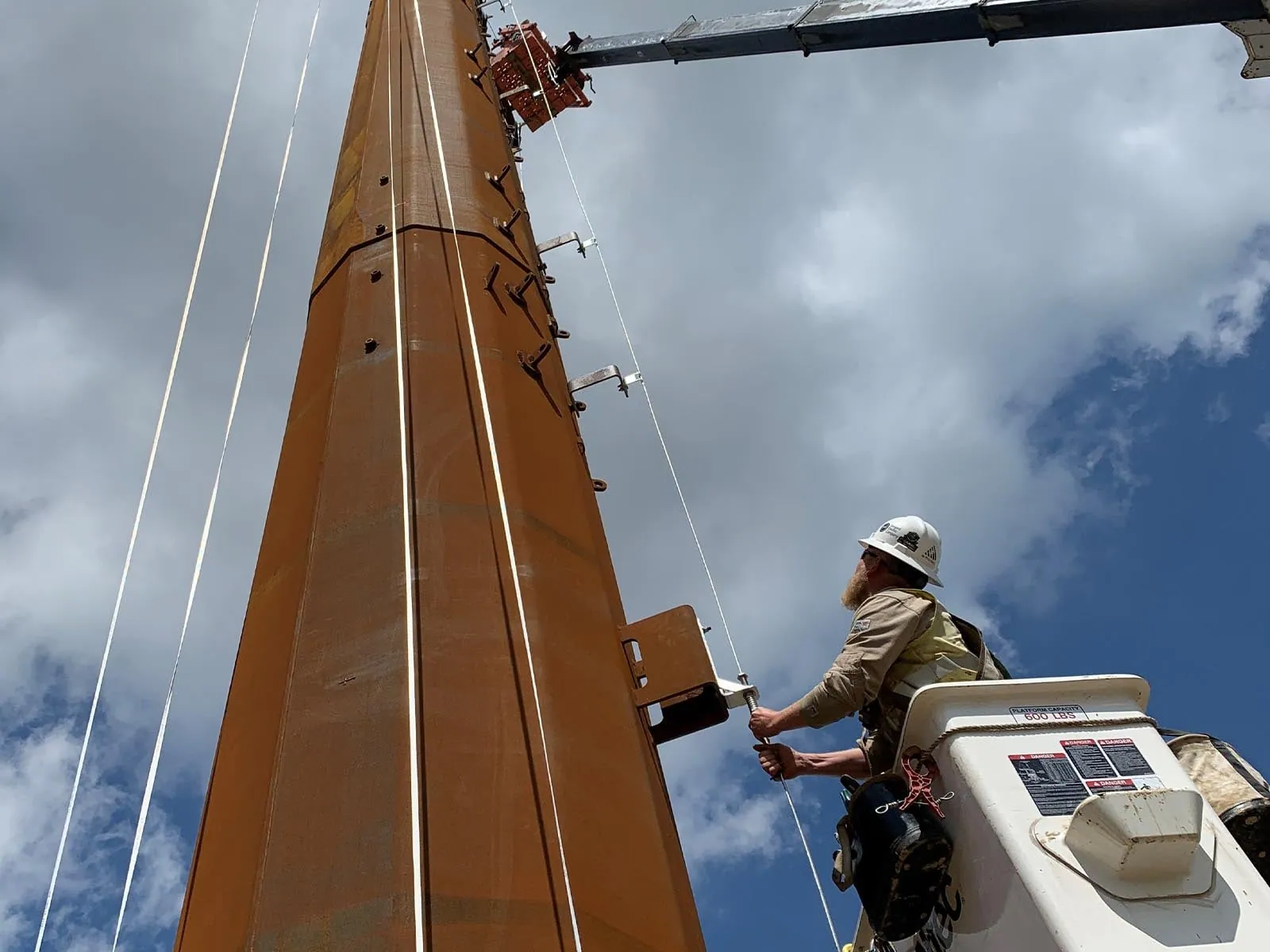
Energy and Utilities
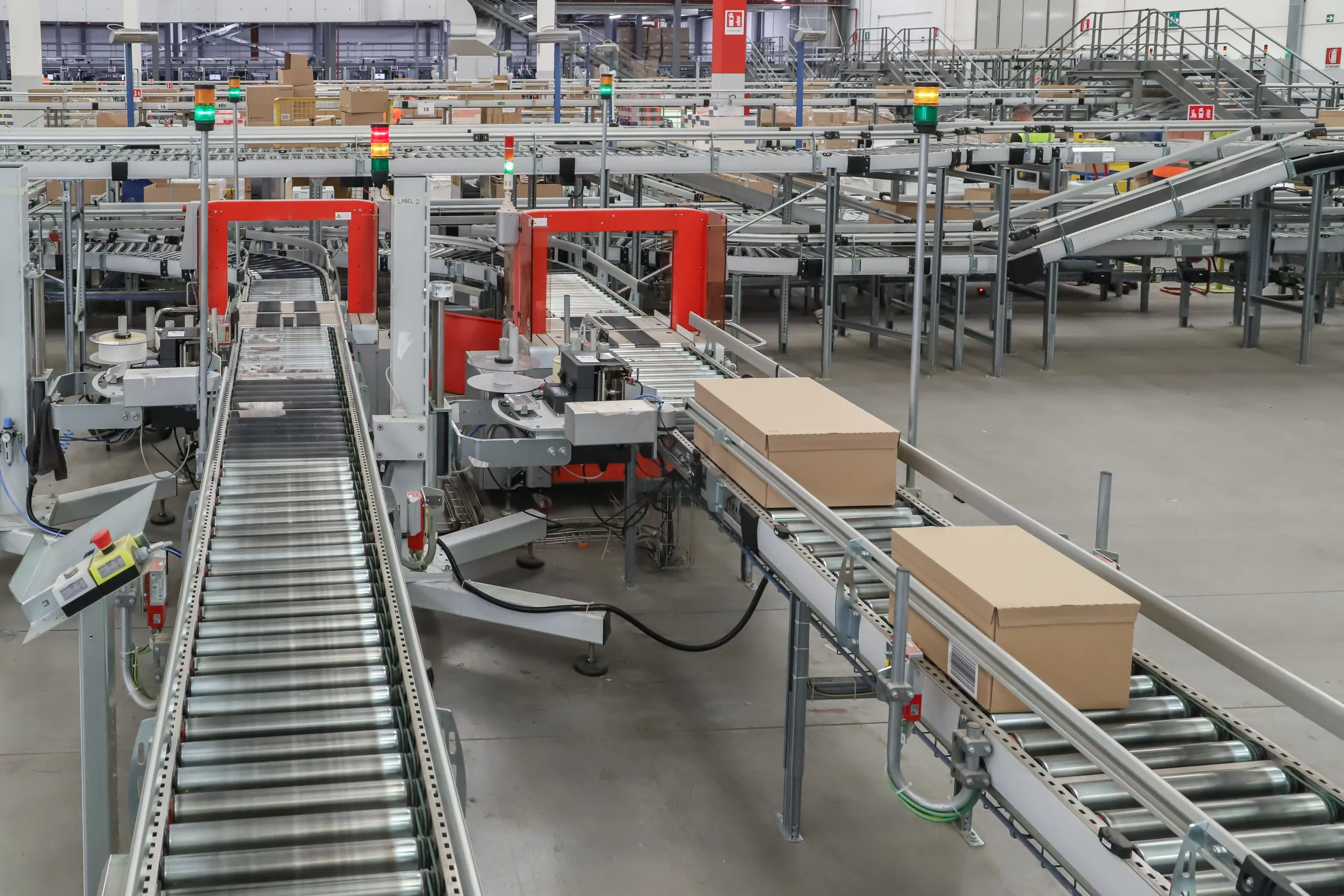
Manufacturing
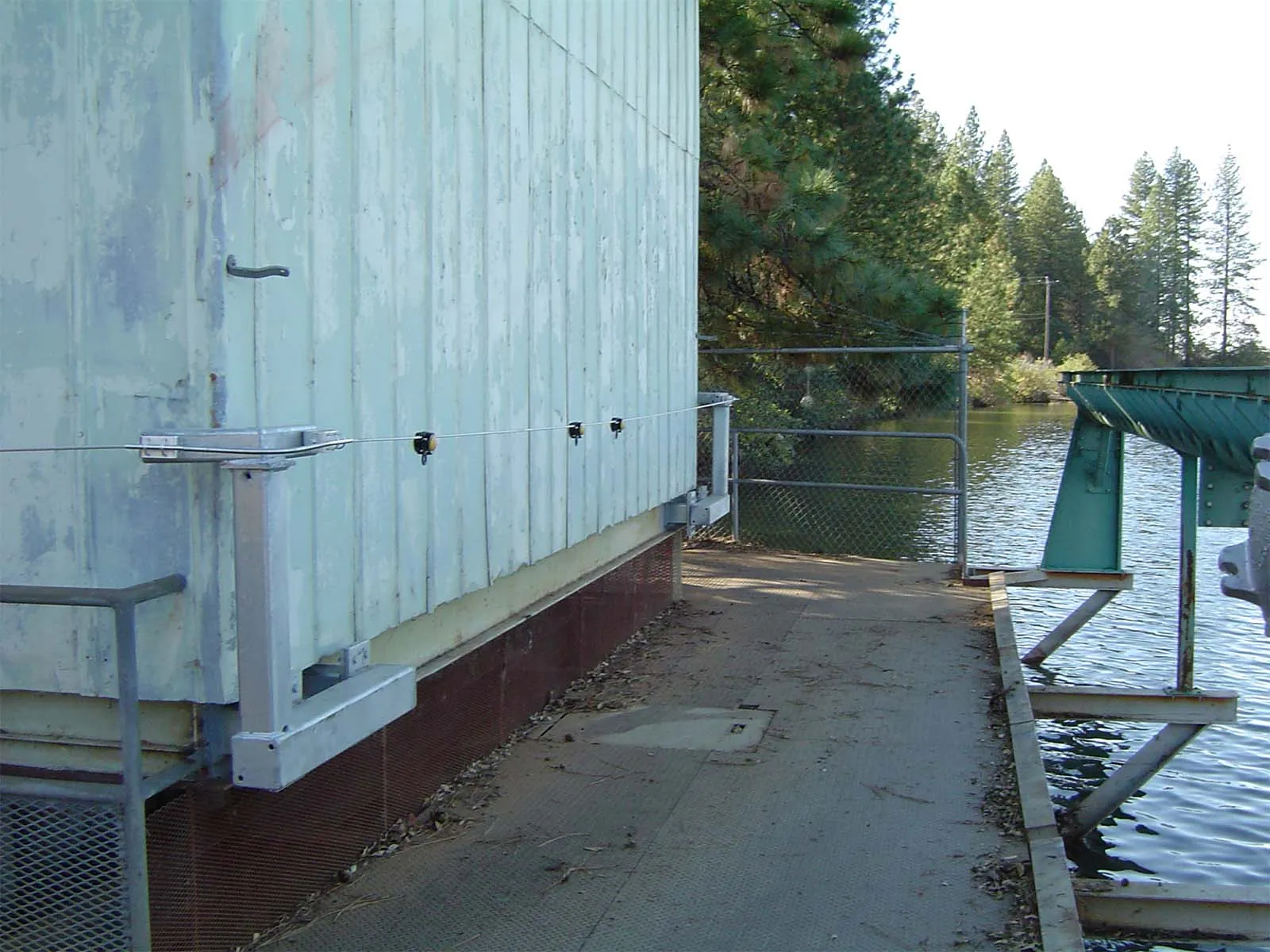
Infrastructure Development
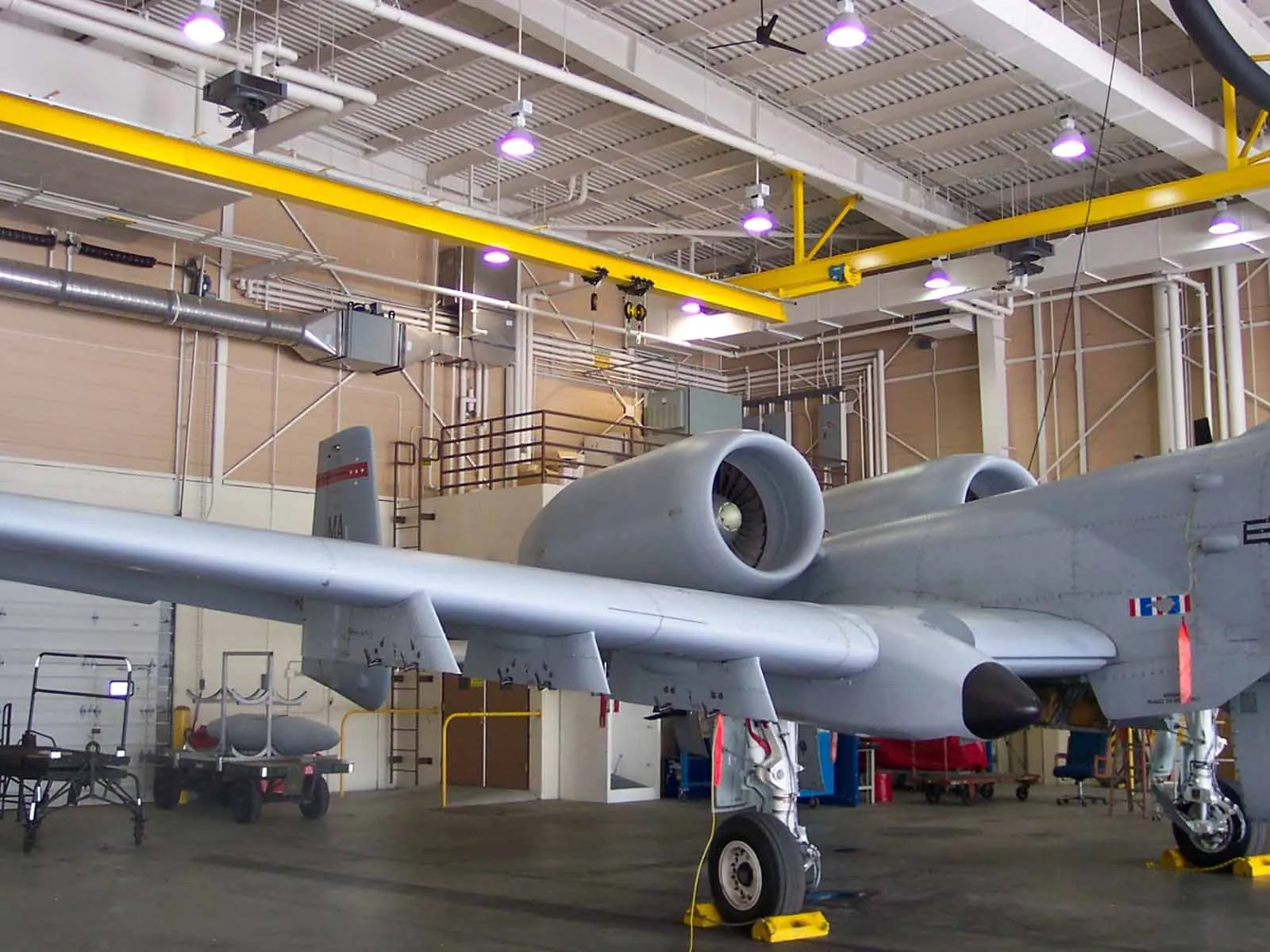
Government and Military
Where this system is used
Industries and applications that run on Warning Line Systems
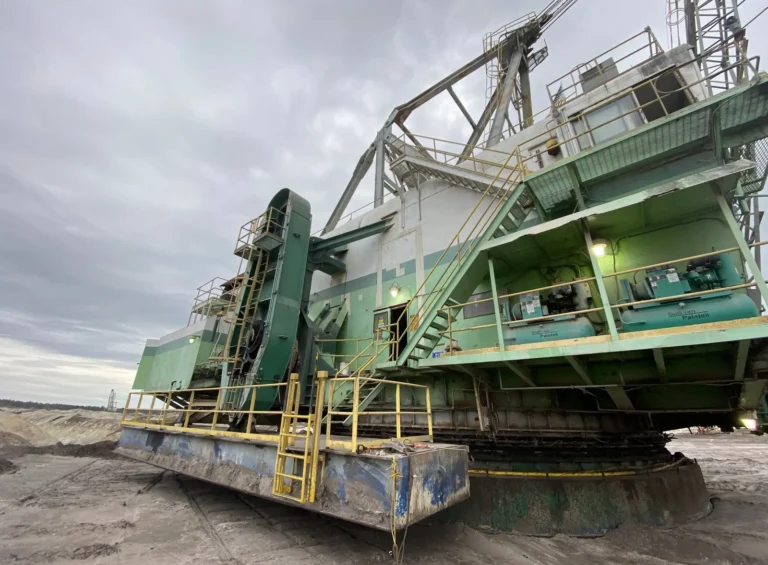
Mining
Engineered fall protection for open pit, underground, in-situ and dredging operations and their processing facilities. PE-stamped, installed and certified by one team since 1993.
Read more →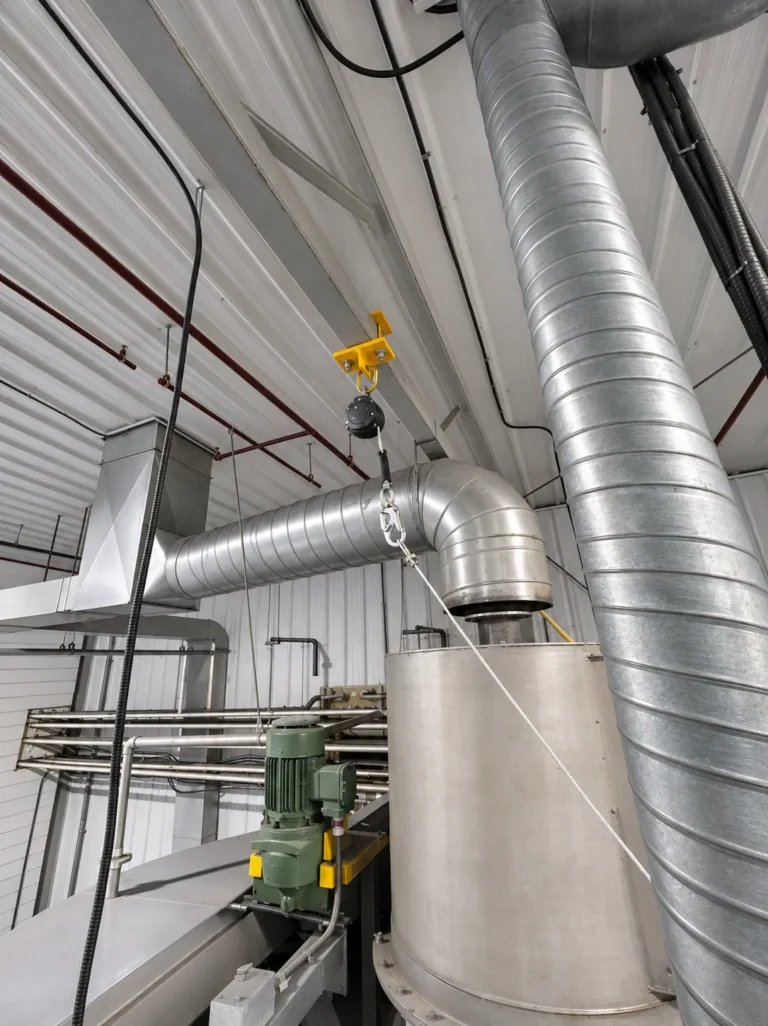
Food & Beverage
Tanker loading, process lines, tank tops, mezzanines and refrigeration roofs in food and beverage plants.
Read more →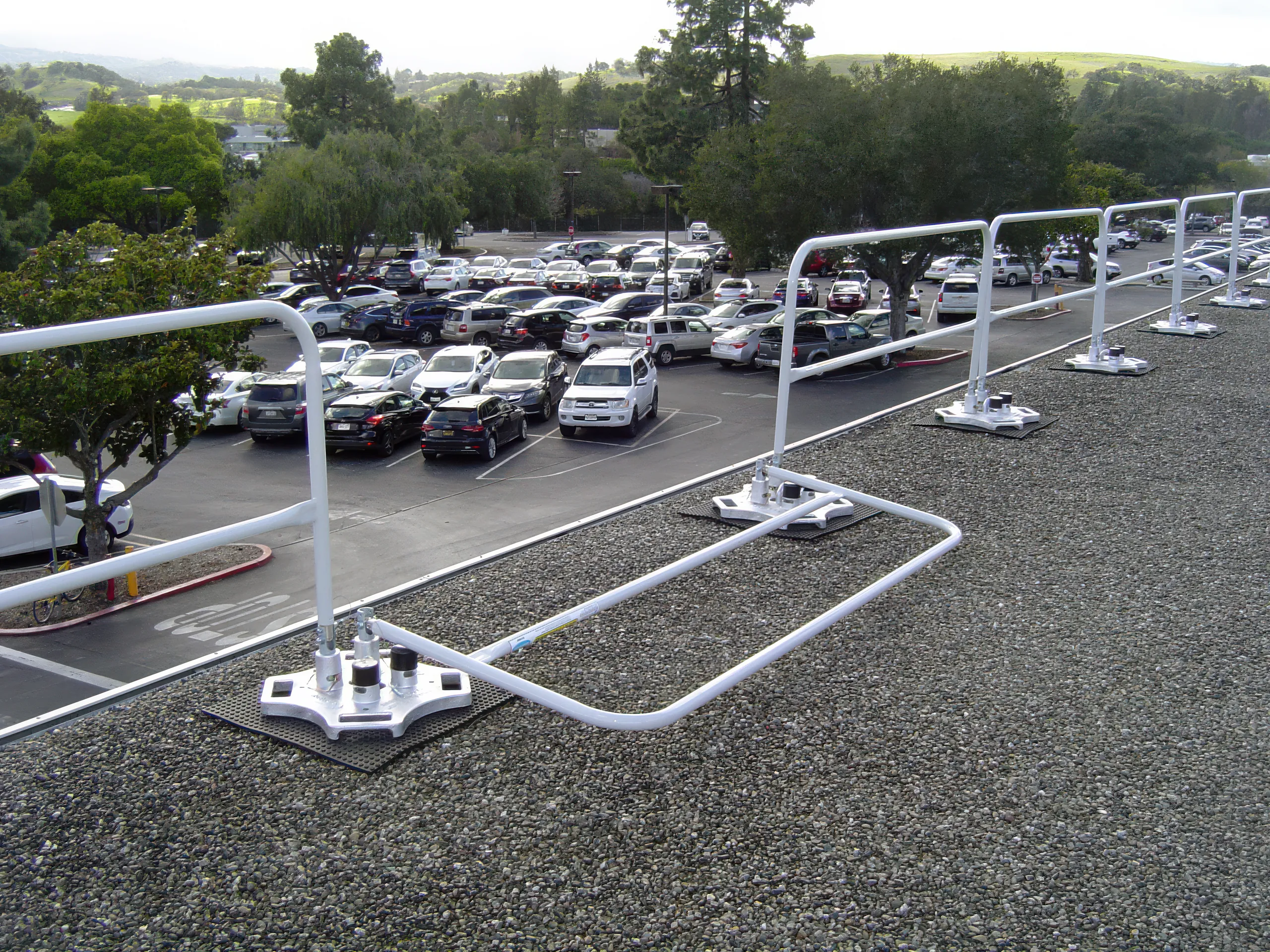
Answers to
Key Questions
At what height is fall protection required?
Under OSHA’s general industry standard, fall protection is required at 4 feet above a lower level (29 CFR 1910.28(b)(1)); on construction work, the trigger is 6 feet (29 CFR 1926.501(b)(1)). General industry also permits a designated area for temporary, infrequent work on low-slope roofs, marked by a warning line at prescribed distances from the edge (29 CFR 1910.28(b)(13)). The warning line is the boundary of that designated area: work stays inside it under the conditions the rule sets, and work outside it or closer to the edge needs a guardrail, restraint, or arrest system.
What are the 4 types of fall protection?
Fall protection is usually grouped by the hierarchy of controls: elimination, passive prevention (guardrails, covers, and other physical barriers that need no worker action), active fall restraint or fall arrest (harness-and-anchor systems), and administrative controls (warning lines, training, and procedures). A warning line is an administrative control, the lowest tier: it depends on workers respecting the boundary, which is why OSHA limits it to temporary, infrequent work at prescribed distances from the edge (29 CFR 1910.28(b)(13)).
What are the requirements for a roof guardrail?
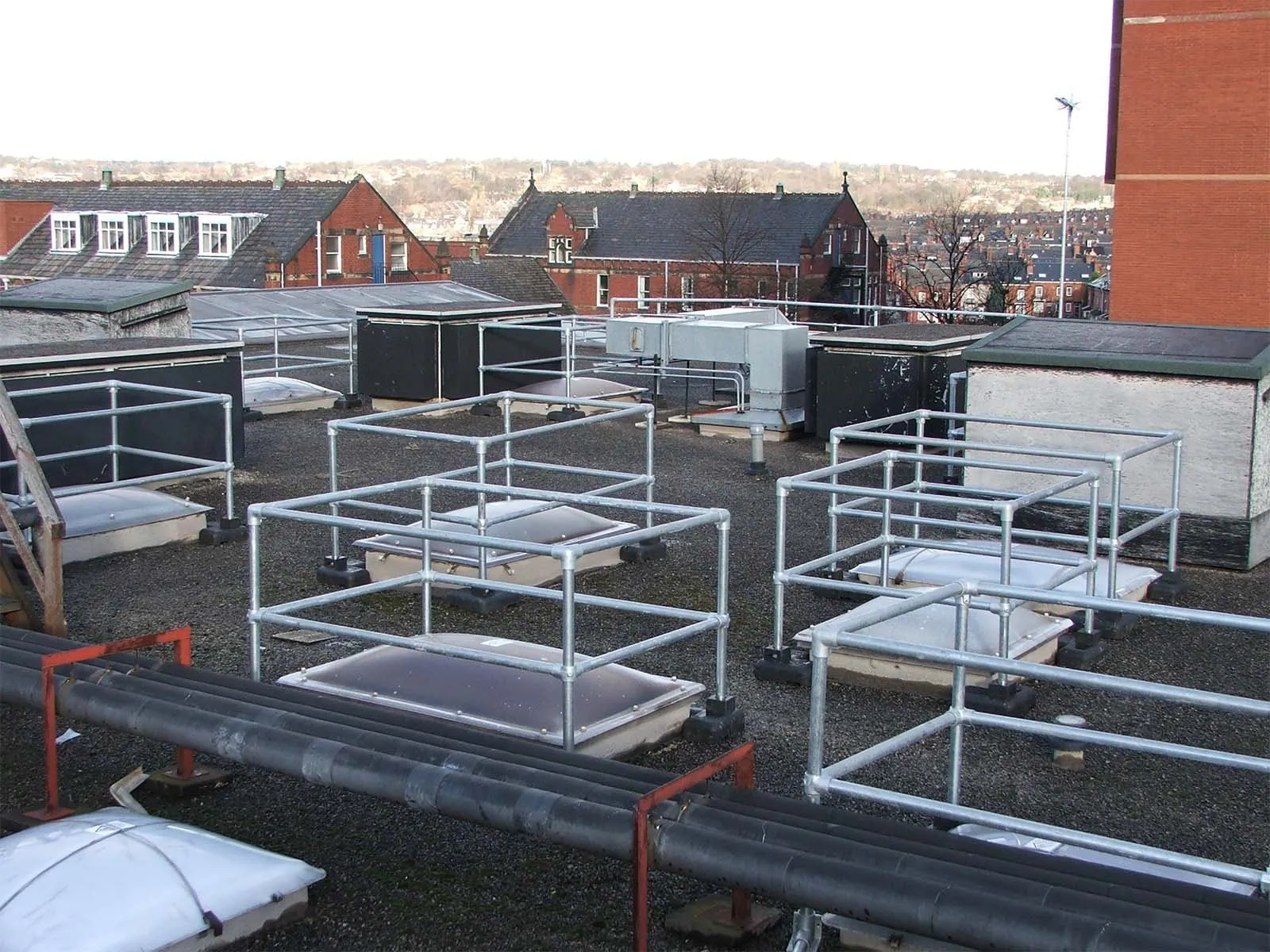
A roof guardrail must have a top rail 42 inches, plus or minus 3 inches, above the walking-working surface and withstand 200 pounds of outward or downward force (29 CFR 1910.29(b) general industry; 29 CFR 1926.502(b) construction). A warning line is not a guardrail and does not meet those criteria: it marks a boundary rather than stopping a fall, so it applies only where the designated-area provision fits the work. Tritech installs warning line systems where that provision applies and guardrail where it does not, based on a Fall Hazard Assessment of how the roof is actually used.
Speak to a Fall Protection Specialist
Establish Rooftop Safety that’s Clear to See with a Warning Line System
Our team is ready to help you implement a high-visibility, OSHA-compliant hazard marking solution for your facility.