



SOLUTIONS
Warehouse Traffic Barrier
A Heavy-Duty Modular System for Warehouse Safety
Impact-Resistant Protection
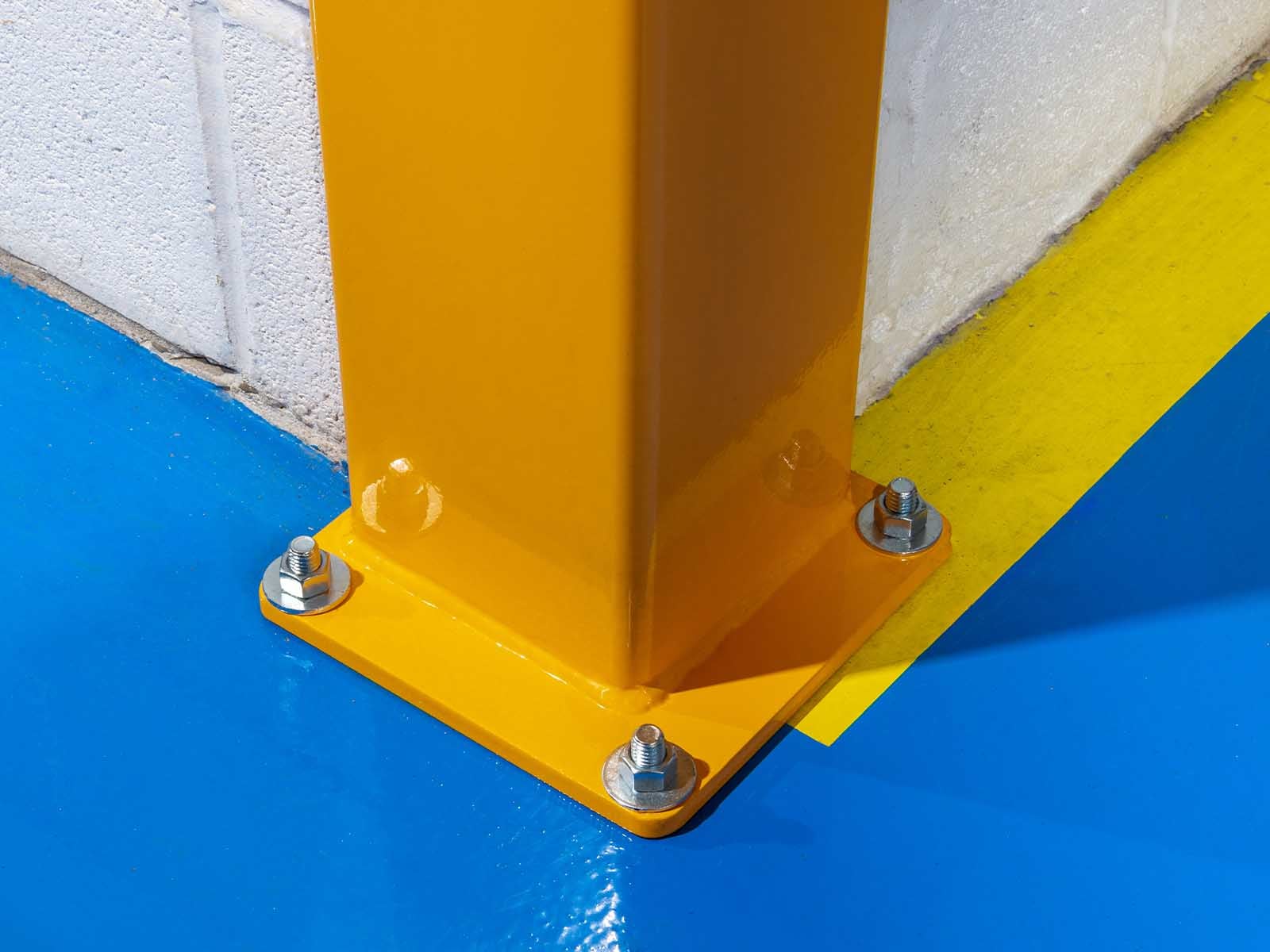
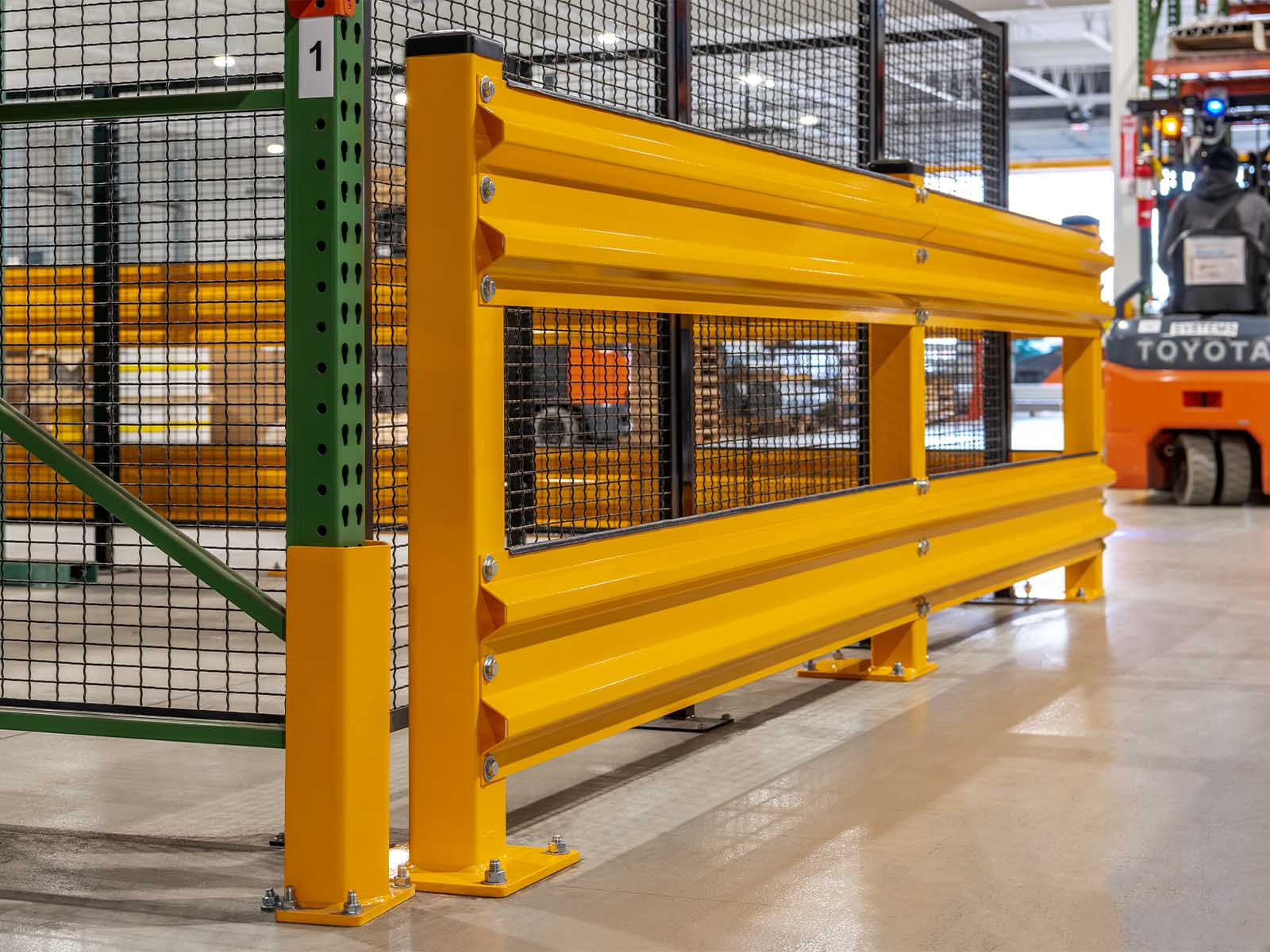
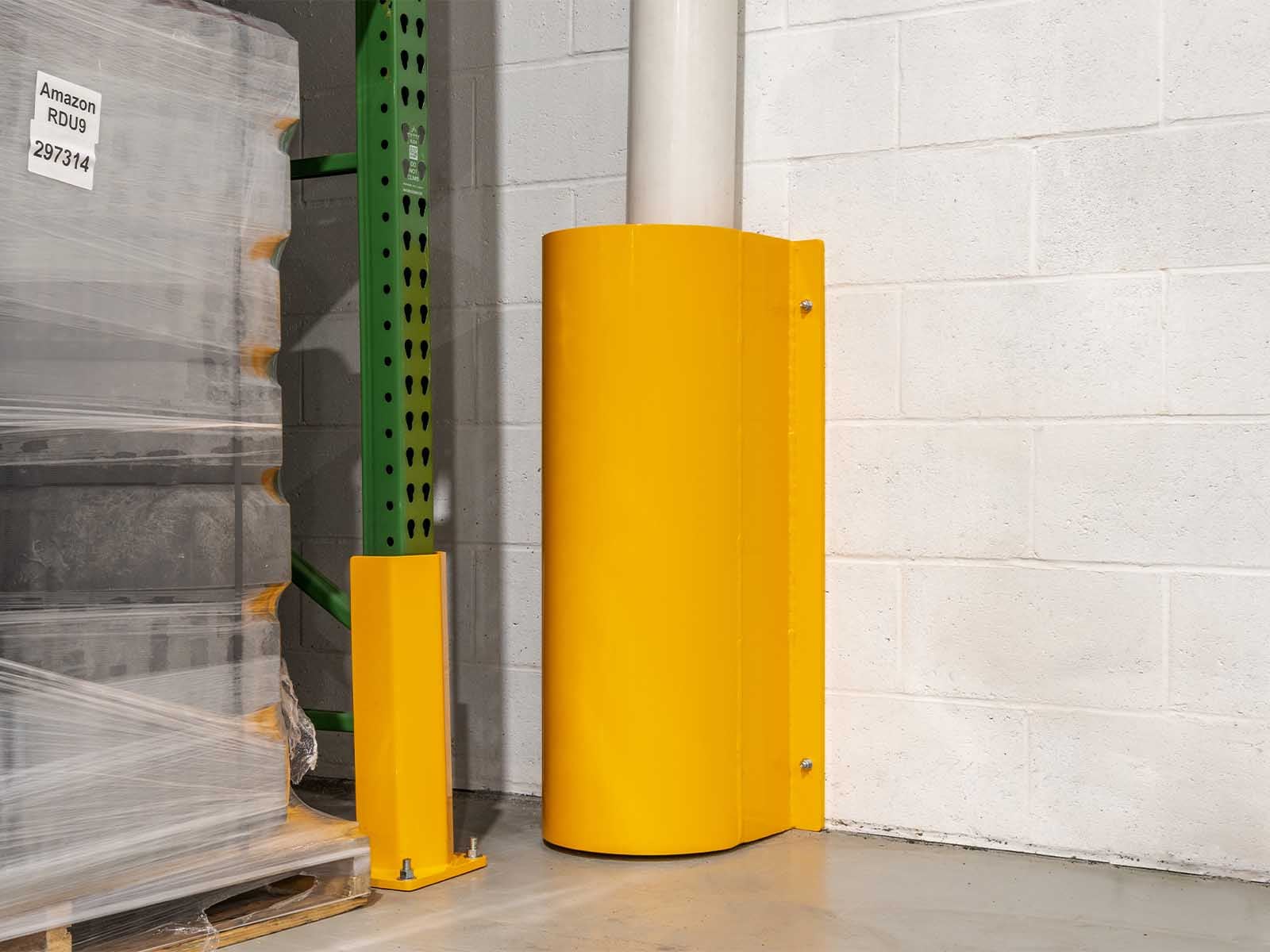
Constructed from high-strength steel or heavy-duty polymer, these barriers absorb impacts from forklifts and other warehouse vehicles, minimizing damage to infrastructure and equipment.
Highly Visible & Modular
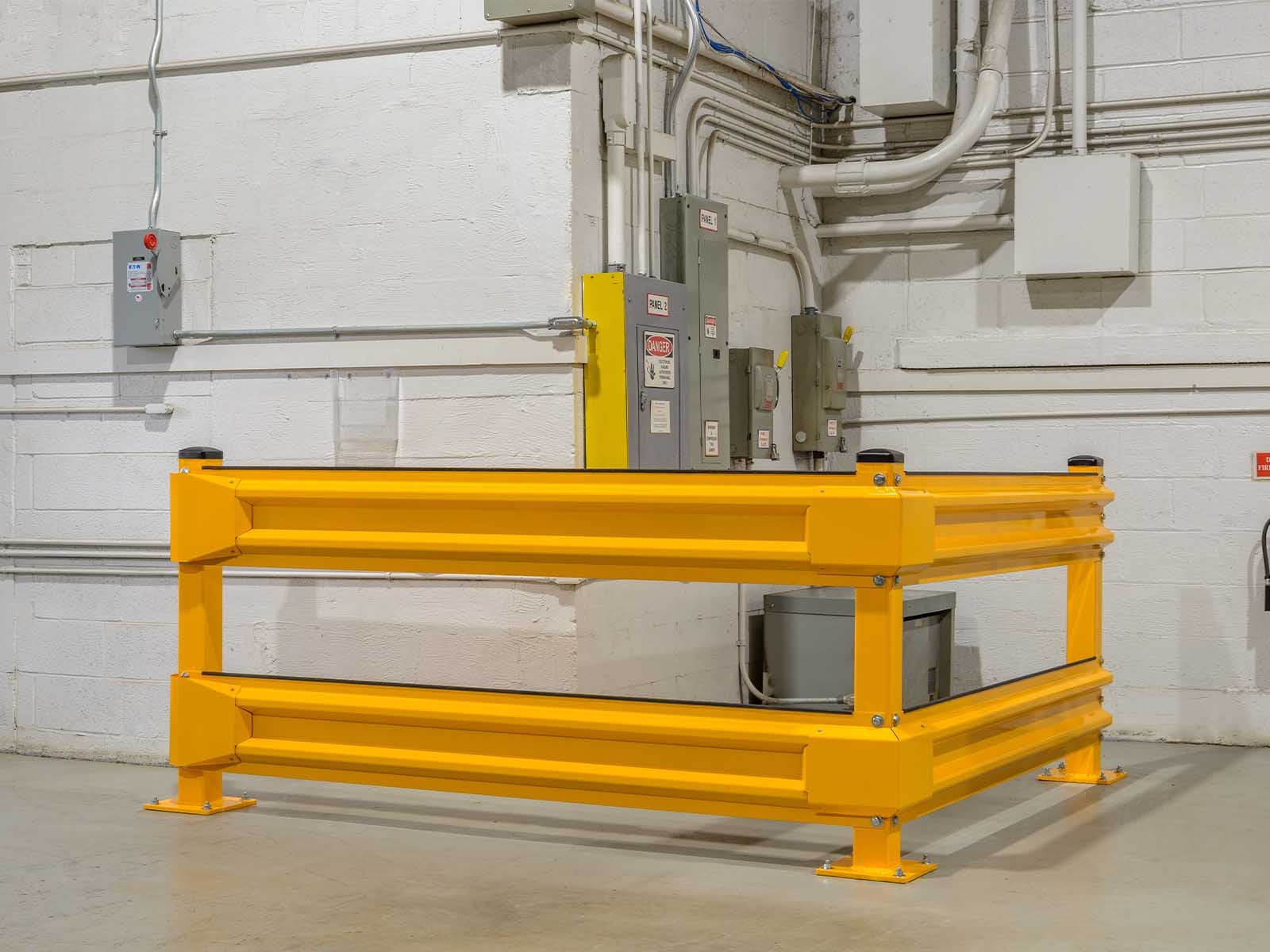
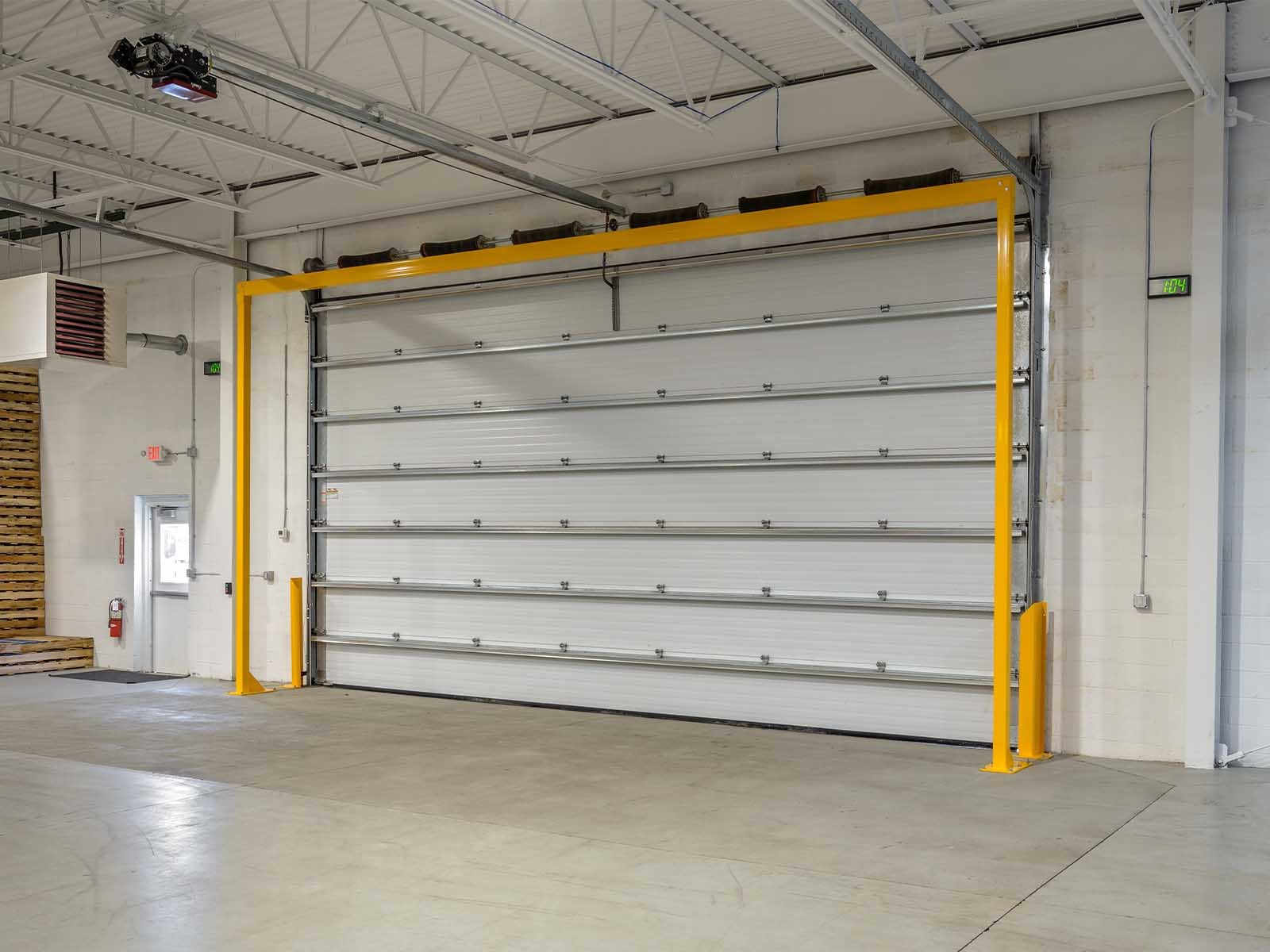
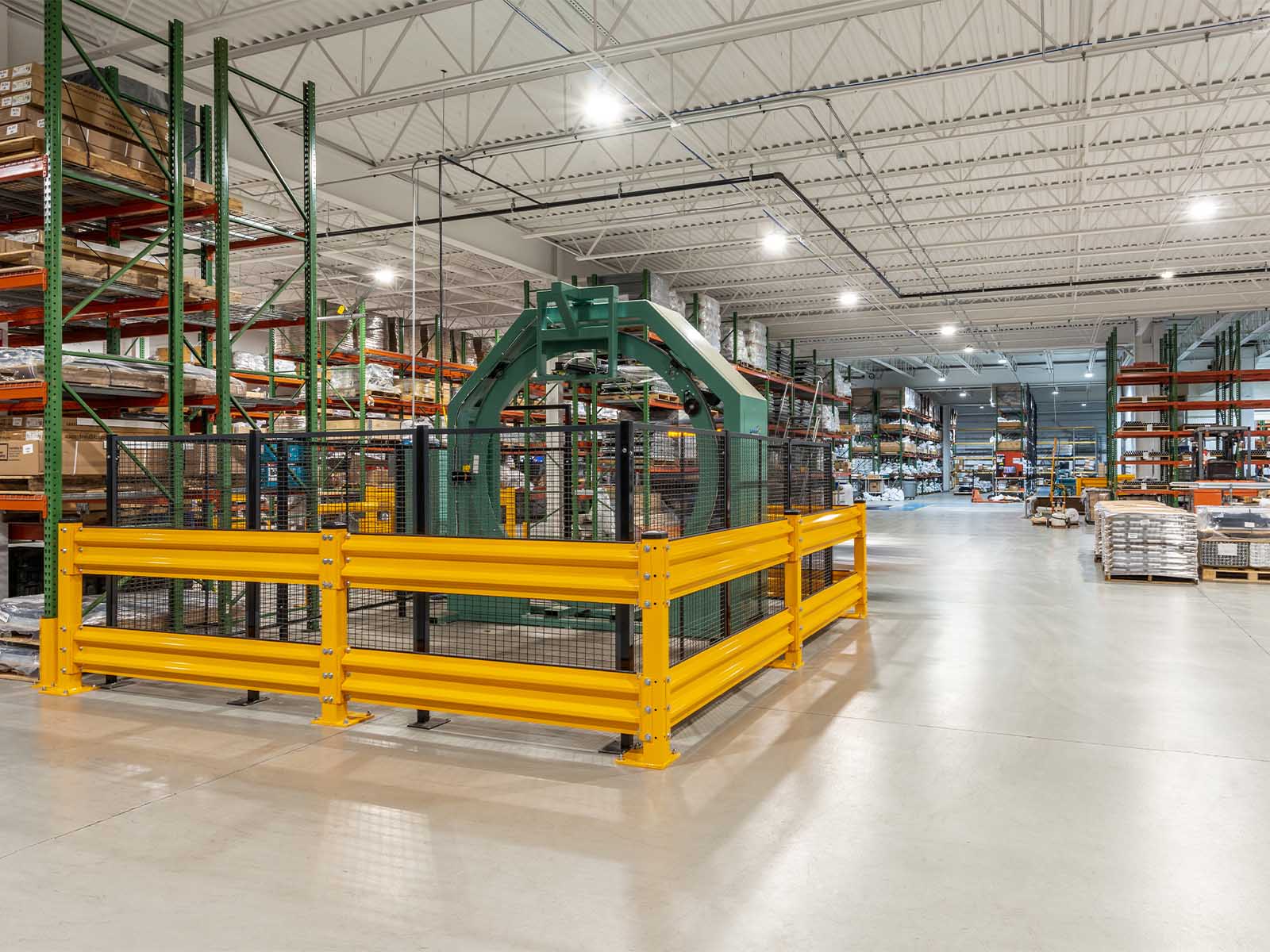
Designed in high-visibility colors, the system clearly defines walkways, work zones, and restricted areas. The modular design allows for easy expansion or reconfiguration as warehouse layouts change.
OSHA Compliance
This system helps facilities meet OSHA for material handling safety and OSHA for workplace fall protection, ensuring compliance in warehouse and logistics environments.


PROBLEMS WE SOLVE
Preventing Warehouse Accidents, Injuries & Damage
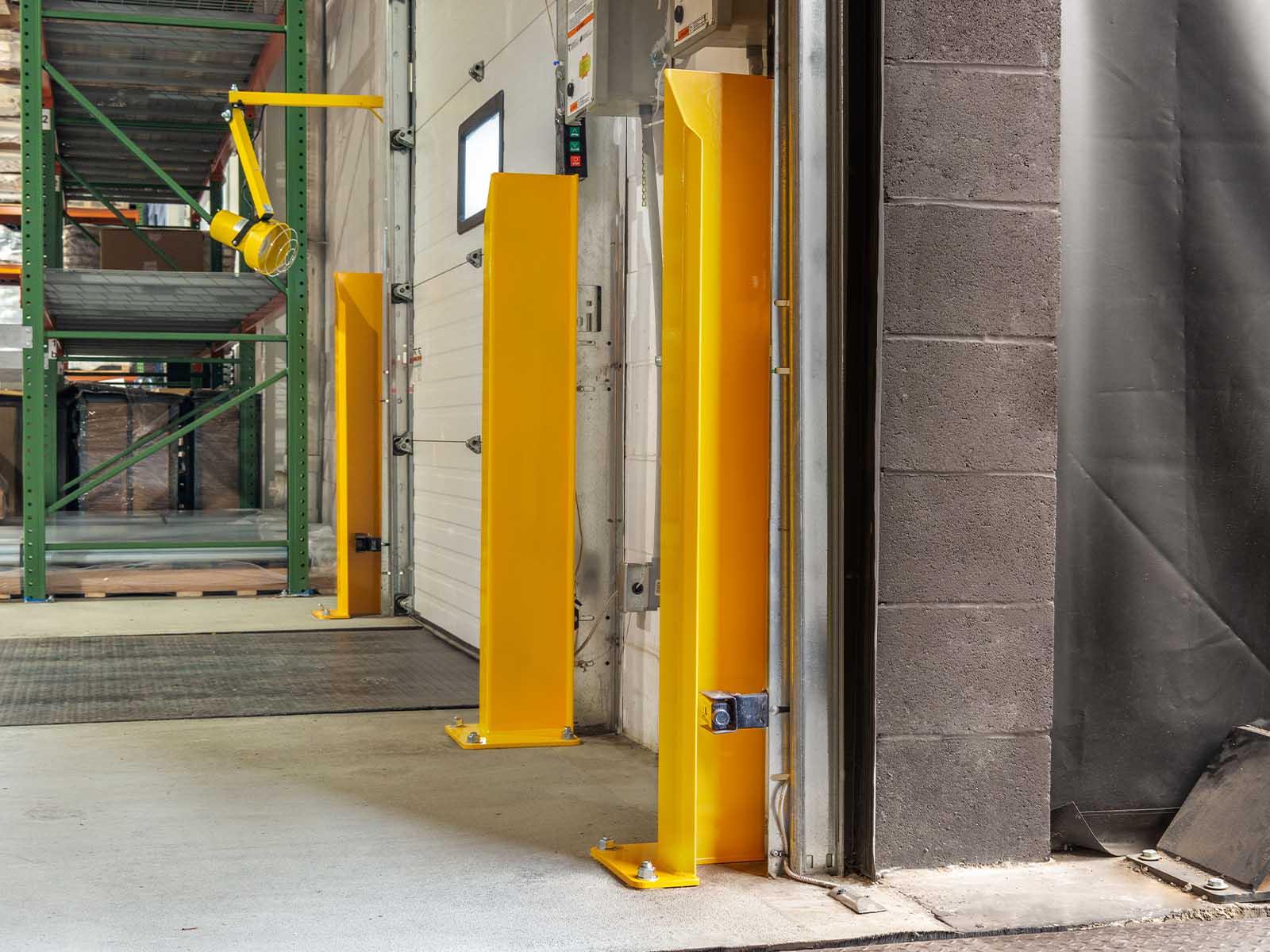
Forklift collisions, falling inventory, and unprotected pedestrian areas pose significant safety risks in warehouses and distribution centers. Warehouse traffic barriers reduce impact risks, define clear pathways, and separate work zones, keeping employees safe while keeping warehouse operations efficient.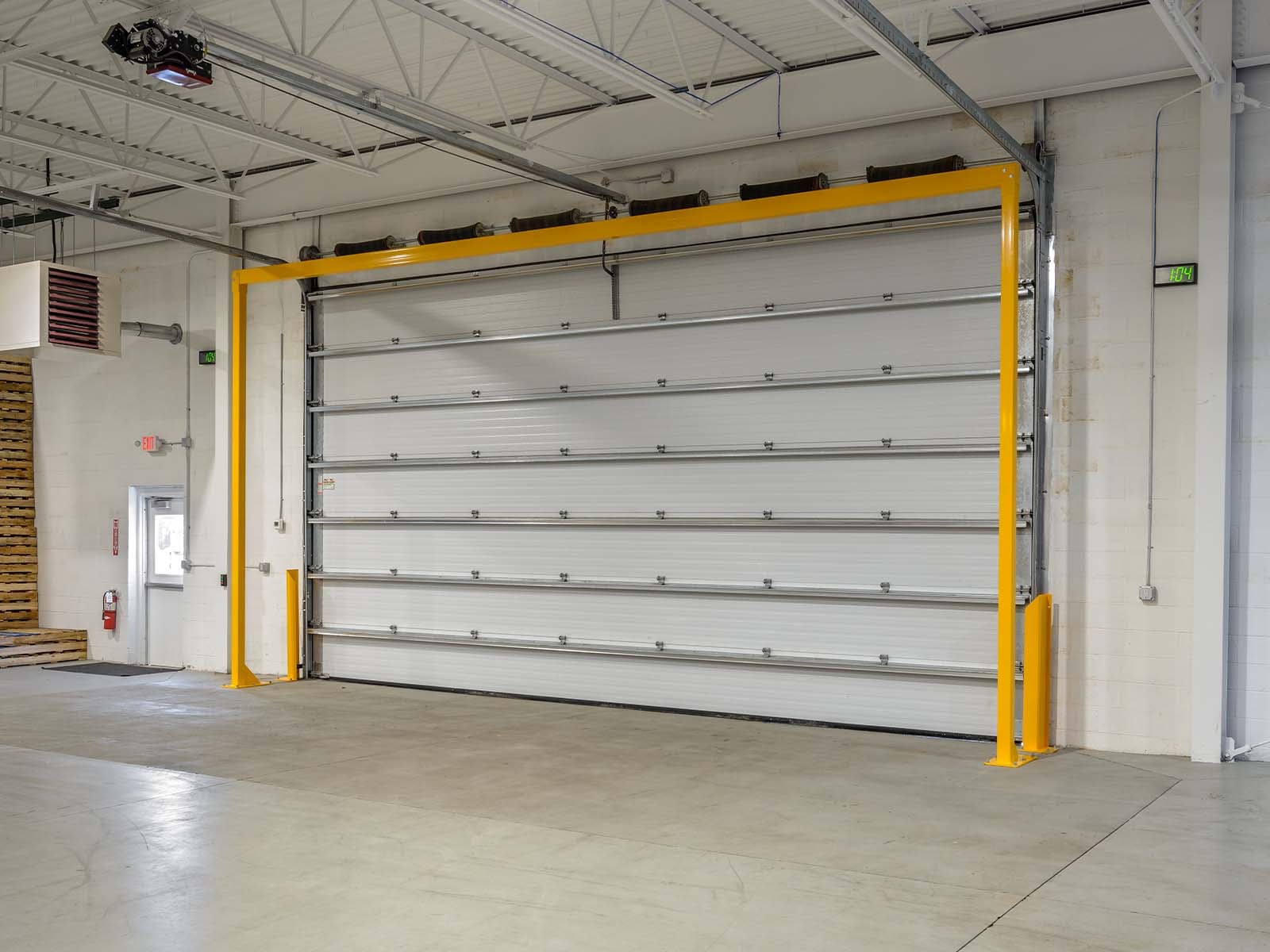
Areas of Application for Warehouse Traffic Barriers
- Manufacturing
- Supply Chain Management
- Railcar and Transportation
- Infrastructure Development
- Government and Military

Manufacturing

Supply Chain Management

Railcar and Transportation

Infrastructure Development
Government and Military


Answers to
Key Questions
What are the 4 types of fall protection?
Fall protection is usually grouped by the hierarchy of controls: elimination, passive prevention (guardrails, covers, and other physical barriers that need no worker action), active fall restraint or fall arrest (harness-and-anchor systems), and administrative controls (warning lines, training, and procedures). A warehouse traffic barrier is not fall protection: it applies the same passive-barrier principle to a different hazard, separating pedestrians from forklifts and other mobile equipment. The logic is identical, a fixed physical barrier that works without any action from the worker, which is why facilities specify traffic barriers and guardrail together in the same safety program.
What are the OSHA standards for mezzanines?
Under general industry rules, any open side or edge of a mezzanine 4 feet or more above the floor below must be protected (29 CFR 1910.28(b)(1)), and guardrails must meet the criteria of 29 CFR 1910.29(b). Traffic barriers do the companion job on the warehouse floor below: keeping lift trucks away from pedestrian routes, racking, and the structure that supports the mezzanine. The rail protects the person on the edge; the barrier protects the people and structure around the traffic.
What is the OSHA requirement for the top guardrail?
For a guardrail protecting workers from a fall, the top rail must sit 42 inches, plus or minus 3 inches, above the walking-working surface and withstand 200 pounds of outward or downward force (29 CFR 1910.29(b)). A warehouse traffic barrier is specified for a different load case, vehicle impact rather than a person leaning or falling against a rail, so one is not a substitute for the other. Tritech installs both, matched to the hazard each one guards.
CONTACT
Warehouse Safety with Impact-Resistant Traffic Barriers
Our team is ready to help you implement a code-compliant, durable, and highly visible safety solution for your warehouse or distribution center.
Let’s Discuss Your Project
"*" indicates required fields