Industry Case Study | Engineered Fall Protection Systems
Roof Fall Protection for Healthcare Facilities
Compliant Engineered Fall Protection for Florida Hospital Campuses & Medical Facilities
Prepared by Tritech Fall Protection Systems | Orlando, Florida | tritechfallprotection.com | Truly Turnkey Since 1993
Executive Summary
Florida’s healthcare sector is among the largest in the nation, driven by the state’s aging population and year-round medical tourism. Hospital campuses, medical office complexes, surgical centers, and long-term care facilities present a distinct set of fall protection challenges that are frequently overlooked—yet require the same rigorous approach to compliant fall protection as any industrial environment.
This case study examines the specific roof fall protection and safe access challenges facing Florida’s healthcare facilities and demonstrates why a turnkey, single-source approach to engineered fall protection systems delivers measurably better outcomes than fragmented strategies. Tritech Fall Protection Systems provides in-house engineering, custom design, professional installation, system certification, worker training, and ongoing inspection services for fall arrest systems, horizontal lifeline systems, guardrail systems, anchor points, and every component of a comprehensive fall protection program—under one roof, one point of accountability.
The Challenge: Roof Fall Protection in Florida’s Healthcare Sector
Florida presents a unique convergence of factors that elevate fall protection from a routine safety requirement to a critical engineering discipline. The state’s subtropical climate, hurricane exposure, and coastal proximity create an operating environment where fall arrest systems designed for temperate, inland conditions simply do not hold up. Healthcare facility maintenance personnel routinely face fall hazards compounded by environmental stressors that demand purpose-engineered solutions.
Rooftop HVAC and Mechanical Systems
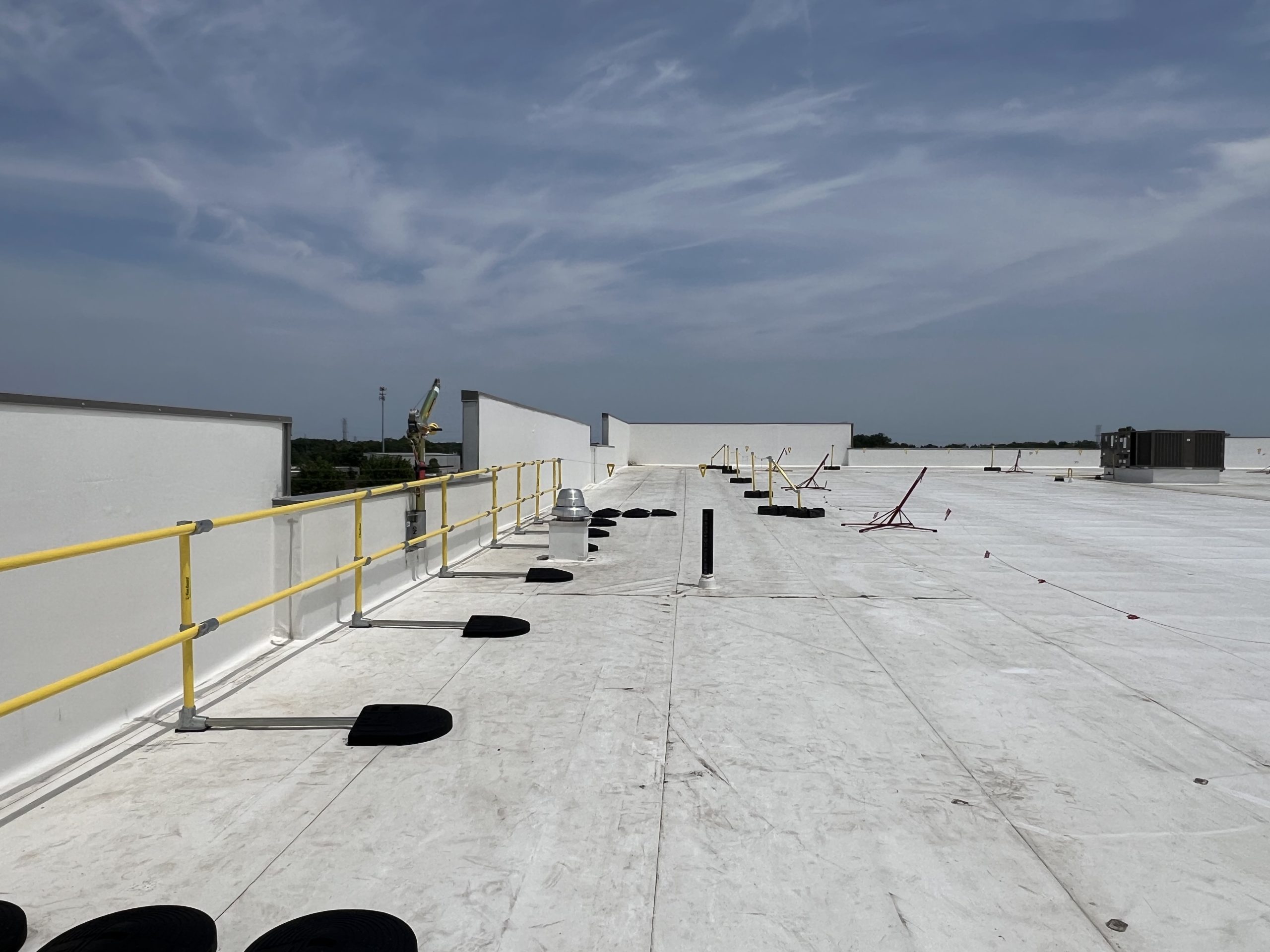
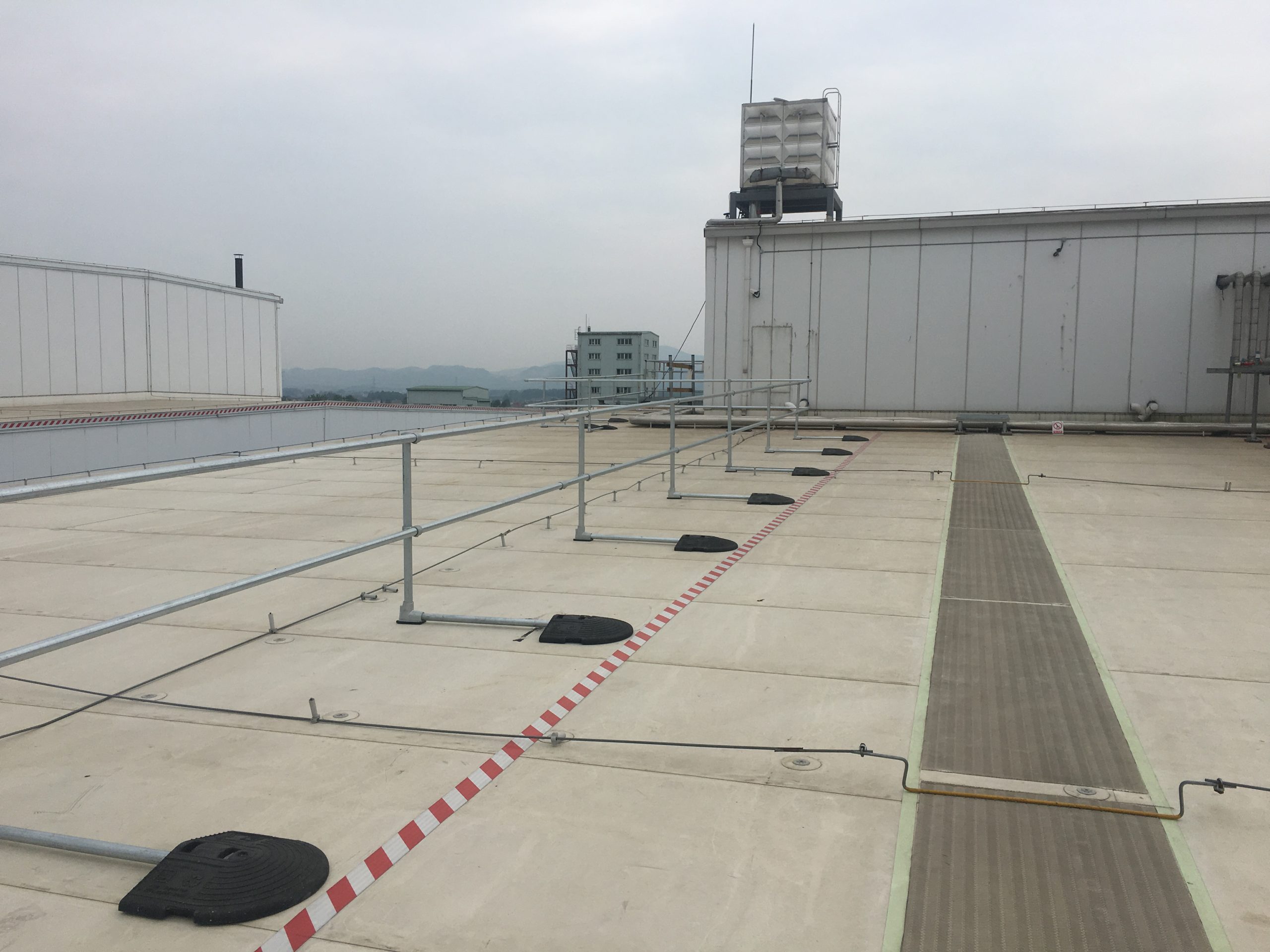
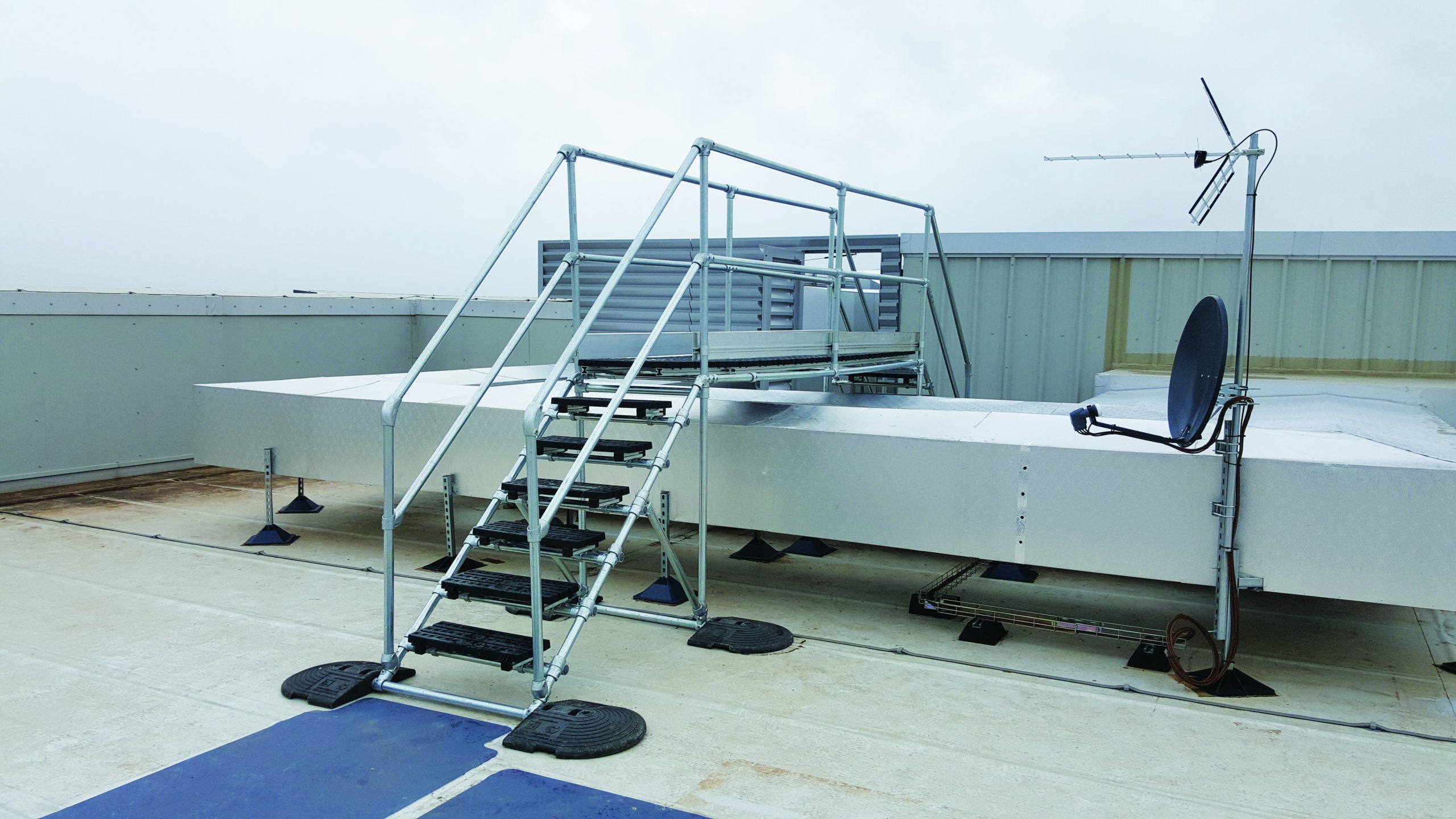
Healthcare facilities depend on some of the most complex and mission-critical mechanical systems of any building type. Rooftop equipment including large-capacity chillers, cooling towers, variable air volume (VAV) air handling units, exhaust fans, and building automation controls must operate continuously to maintain the precise air quality, temperature, humidity, and pressurization standards required in operating rooms, isolation wards, sterile processing areas, pharmacies, and patient care environments. The sensitivity of these systems means that even brief service interruptions can compromise infection control protocols, disrupt surgical schedules, or affect regulatory compliance—making routine and preventive maintenance not just important, but urgent. Maintenance crews access these rooftop units frequently, often on multi-story buildings with multiple roof levels, equipment wells, and mechanical penthouses. The combination of complex roof layouts, heavy foot traffic around equipment pads, and the critical nature of the work being performed makes engineered fall protection—including guardrail systems, horizontal lifeline systems, and designated safe access pathways—essential to protecting the technicians who keep these vital systems running.
Elevator Penthouses and Equipment Rooms
Multi-story hospitals require elevator maintenance at rooftop penthouse level, exposing technicians to fall hazards during routine service and emergency repairs. Permanently installed anchor points and self-retracting lifeline (SRL) systems provide reliable tie-off points that eliminate reliance on ad-hoc fall protection measures.
Facade and Window Maintenance
Large hospital complexes require exterior maintenance, window cleaning, and caulking at elevation. Without engineered davit systems or permanent anchor points certified to applicable standards, these tasks rely on improvised rigging that introduces unnecessary risk and falls short of fall protection compliance requirements.
Helipad Access and Maintenance
Trauma centers and major hospitals with rooftop helipads require safe access systems for pad maintenance, lighting inspection, and debris removal—all at the highest point of the building, fully exposed to wind and weather, requiring roof fall protection solutions engineered specifically for these extreme conditions.
Florida’s Environmental Factors for Healthcare Facilities
“Florida’s unique combination of hurricane-force winds, coastal corrosion, extreme heat, and high lightning density demands engineered fall protection systems that are custom-designed for healthcare environments—not improvised.”
Hurricane and High-Wind Engineering
Florida is the most hurricane-prone state in the nation. Fall protection systems installed on hospital rooftops must be engineered to withstand sustained wind loads and wind-driven debris associated with major hurricane events. Guardrail systems, horizontal lifeline systems, safety railing, and anchor points that perform adequately in calm conditions can become projectile hazards in hurricane-force winds if not properly engineered for the specific Florida wind zone in which they are installed.
Coastal Corrosion and Material Selection
With over 1,350 miles of coastline and a significant concentration of healthcare facilities within coastal zones, corrosion is a persistent threat to fall protection system integrity. Salt-laden air accelerates oxidation of carbon steel components, degrades cable assemblies used in horizontal lifeline systems and self-retracting lifelines, and compromises the structural integrity of anchor points over time. Facilities within 15 miles of the coast require fall arrest systems engineered with marine-grade stainless steel, hot-dip galvanized structural members, and corrosion-resistant hardware.
Extreme Heat and Lightning Exposure
Florida’s combination of sustained high temperatures, intense UV radiation, and the highest lightning density in the United States creates additional engineering considerations. UV degradation of synthetic webbing in personal fall arrest systems and cable coatings on self-retracting lifelines must be accounted for in material selection and inspection scheduling. Lightning risk at exposed rooftop positions requires grounding considerations and operational protocols that address when elevated work must be suspended during electrical storms.
Compliance for Healthcare Facilities
Florida operates under federal OSHA jurisdiction. OSHA General Industry standards mandate fall protection at qualifying heights for maintenance personnel. Beyond OSHA minimums, ANSI fall protection standards establish comprehensive program requirements. Healthcare facilities must also consider Joint Commission accreditation requirements and state health department regulations that intersect with fall protection during facility maintenance and construction activities.
The Tritech Solution: Truly Turnkey Healthcare Fall Protection
Tritech Fall Protection Systems has been delivering custom-engineered fall protection solutions across North America since 1993. Headquartered in Orlando, Florida, with territory managers serving the entire state, Tritech is a full-service, vertically integrated fall protection partner that designs, engineers, supplies, installs, and certifies every type of fall arrest system, horizontal lifeline system, guardrail system, self-retracting lifeline, anchor point, and safe access platform—owning every phase of the fall protection lifecycle.
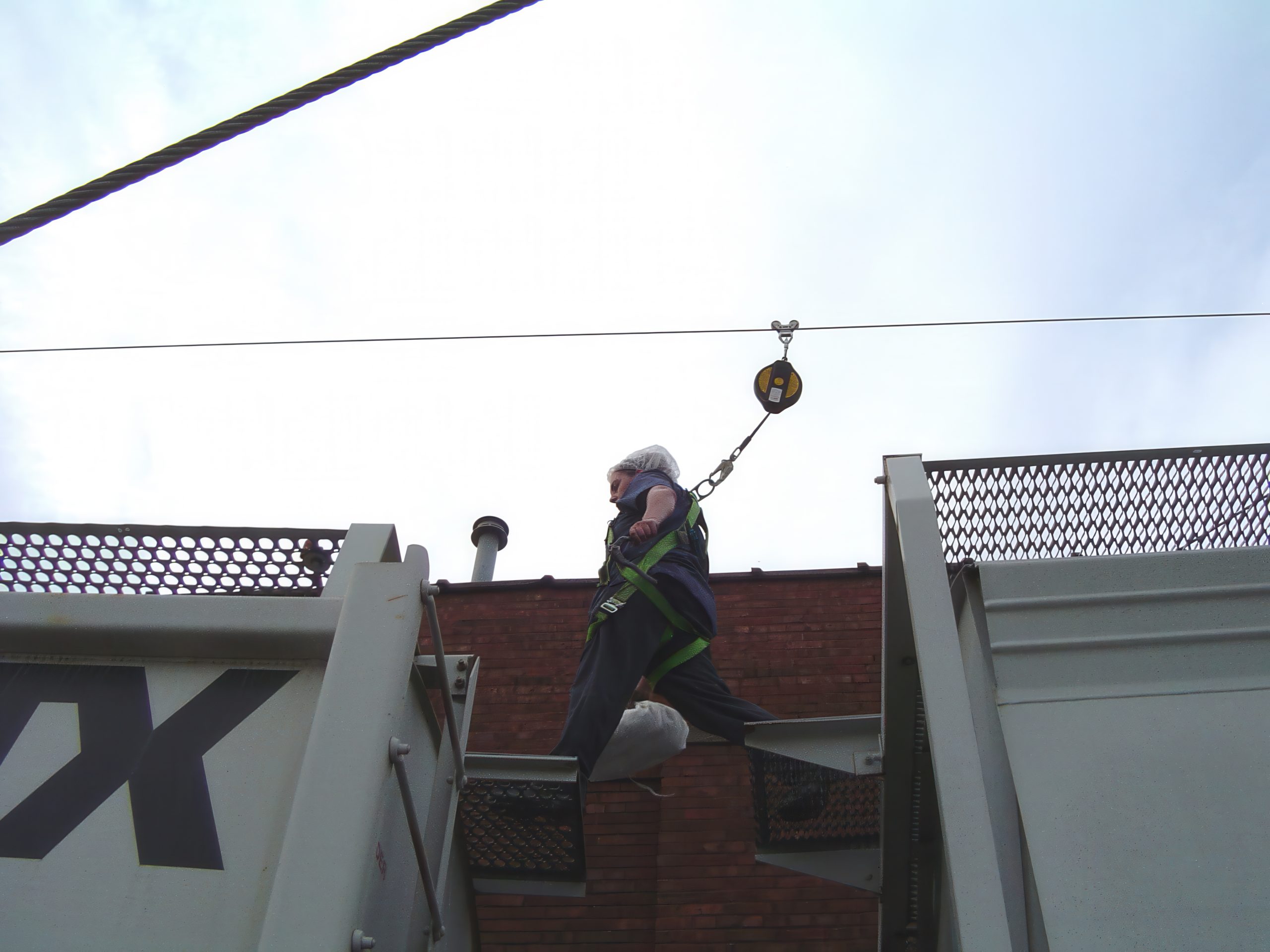

Our 10-Step Turnkey Process
Comprehensive site evaluations identifying every fall hazard on hospital rooftops—from leading edges requiring guardrail systems to equipment pads needing overhead anchor points and tie-off points.
Custom proposals specifying the right mix of engineered fall protection systems aligned to your facility’s operational requirements, maintenance schedules, and budget.
A dedicated PM coordinates around your facility’s operational schedule—minimizing disruption to patient care and critical hospital systems during installation.
Qualified persons engineer fall arrest systems and anchor points using advanced structural analysis, accounting for Florida wind loads, coastal corrosion, and building-specific structural capacity.
Fall protection systems designed for ease of use by healthcare maintenance crews, tailored to how workers actually access rooftop HVAC, penthouse equipment, and helipads.
Marine-grade stainless steel anchor points, corrosion-resistant SRLs, and hurricane-rated safety railing selected for Florida’s specific environmental conditions.
Manufacturer-trained installers execute every horizontal lifeline, guardrail system, and fall arrest system installation to exact engineering specifications.
Rigorous testing ensures every fall protection system meets or exceeds applicable standards.
On-site, hands-on training on proper use of personal fall arrest systems, SRLs, and all installed equipment. Electronic training records provide audit-ready compliance documentation.
Complete electronic documentation, annual inspection and recertification programs, plus emergency response capability—one call for any fall protection need.
Measurable Outcomes
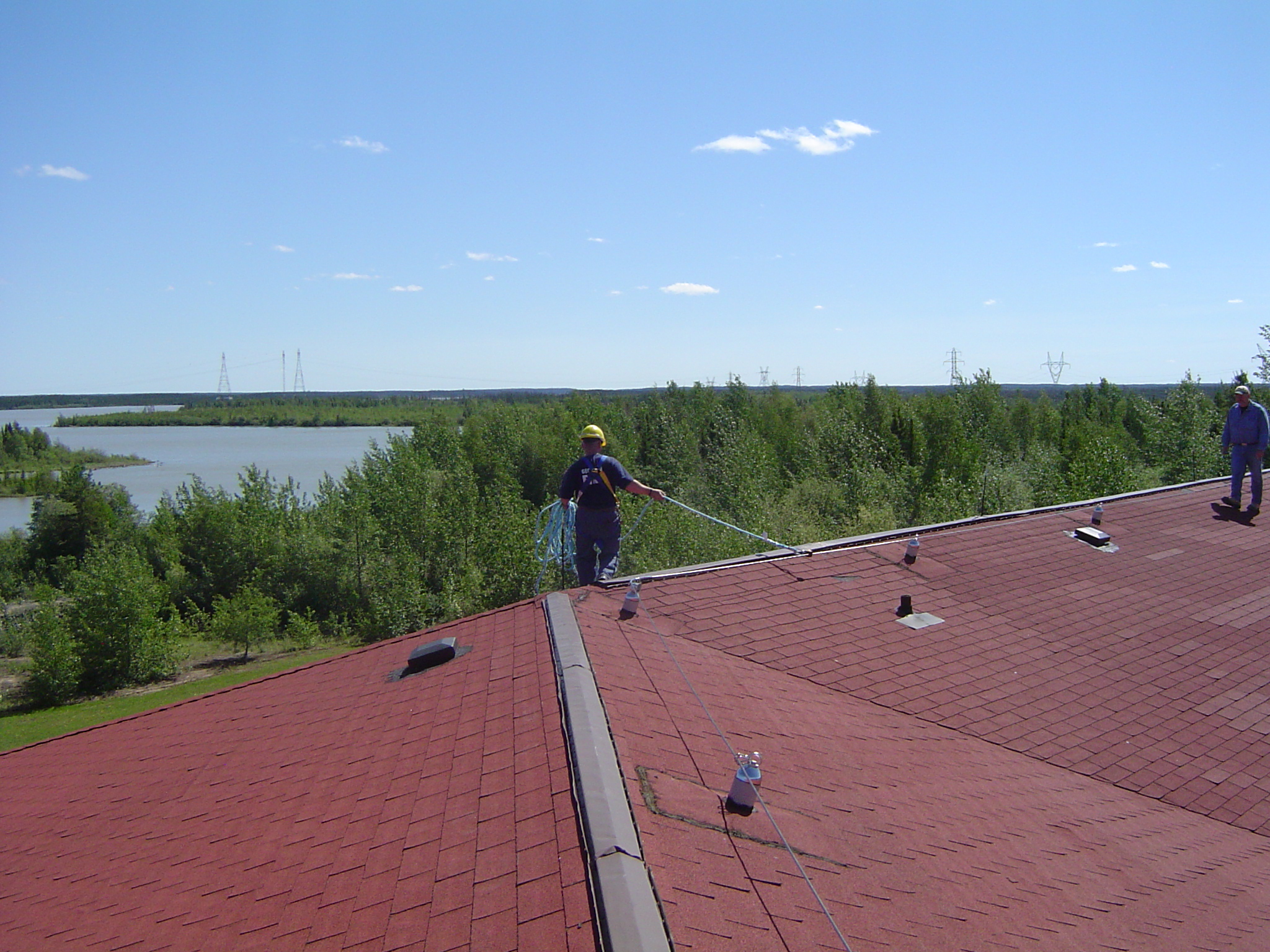
Unified Liability and Fall Protection Compliance
One partner accountable for every anchor point, horizontal lifeline system, guardrail system, and personal fall arrest system—from engineering through annual recertification—eliminates the documentation gaps that plague multi-vendor programs.
Reduced Fall Incident Rates
Custom-engineered fall protection systems designed around actual healthcare maintenance tasks and Florida’s environmental conditions provide more reliable protection than generic, catalogue-sourced systems.
Extended System Lifespan
Proper material selection for Florida’s coastal and subtropical conditions—including corrosion-resistant anchor points, marine-grade SRLs, and UV-resistant guardrail systems—combined with proactive inspection, significantly extends service life.
Lower Total Cost of Ownership
Consolidated procurement, consistent compliance documentation, reduced incident rates, and extended equipment life deliver measurable cost savings over the full lifecycle.
Conclusion
Florida’s healthcare facilities operate in an environment where compliant fall protection is complicated by factors most other states simply do not face. Hurricane-force winds that stress guardrail systems and anchor points, aggressive coastal corrosion that degrades horizontal lifeline systems and self-retracting lifelines, extreme heat affecting personal fall arrest system components, and lightning exposure—these realities mean that roof fall protection for healthcare facilities must be engineered with the same rigor applied to the critical patient care environments inside.
Tritech Fall Protection Systems delivers this level of rigor through a truly turnkey process refined over three decades and thousands of installations. With in-house engineering, manufacturer-trained teams, an Orlando headquarters, and a 10-step process that covers every phase of the fall protection lifecycle, Tritech provides Florida healthcare facilities with single-source liability, complete compliant fall protection, and the peace of mind that comes from knowing every component was designed, installed, and certified by one team.
Ready to protect your healthcare facility?
Contact Tritech Fall Protection Systems to schedule a comprehensive rooftop hazard assessment. One call. One partner. Complete compliant fall protection.