SOLUTIONS
Skylight Covers
A Strong, Non-Penetrating Solution for Skylight Safety
Heavy-Duty Protection
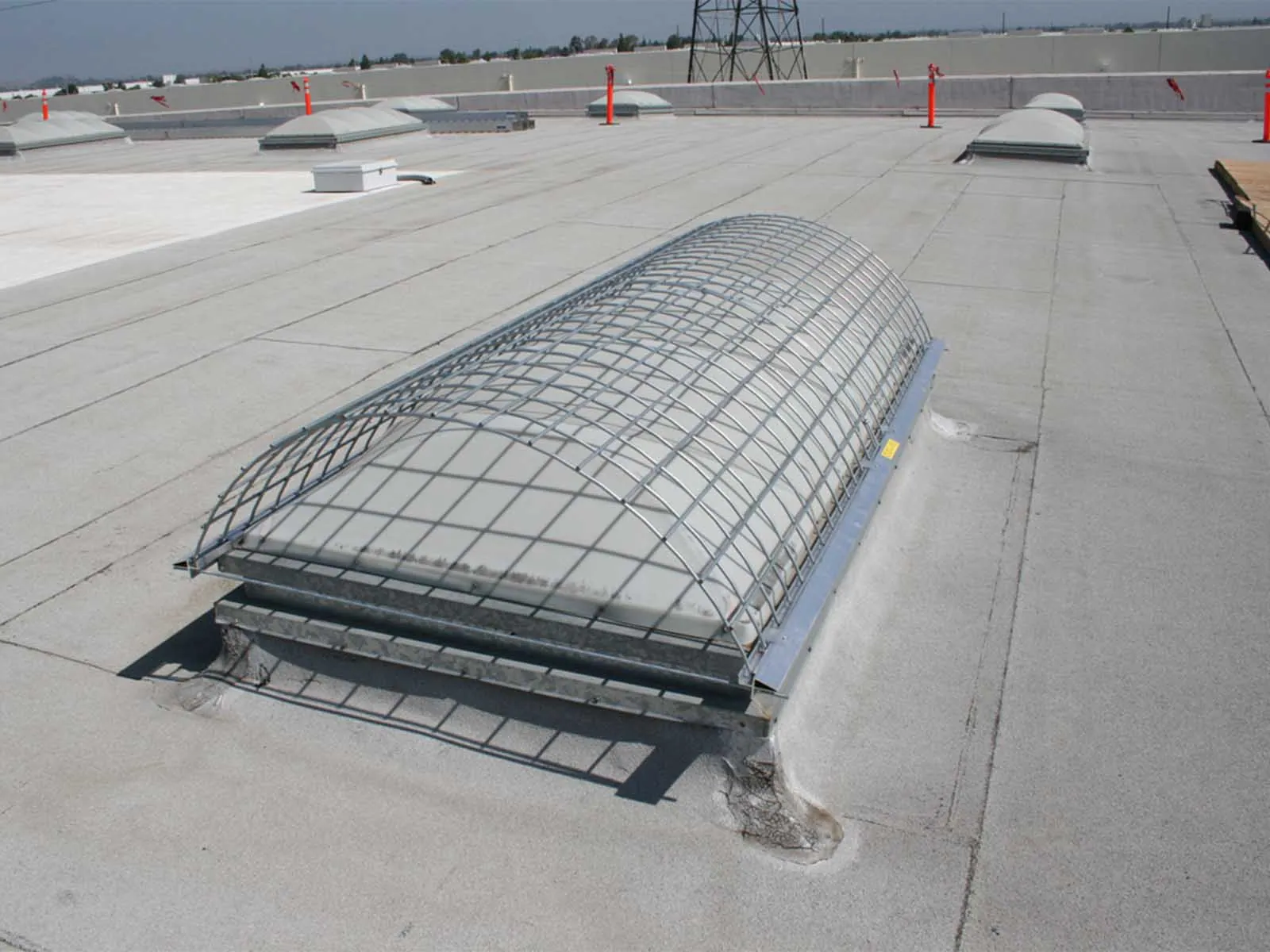
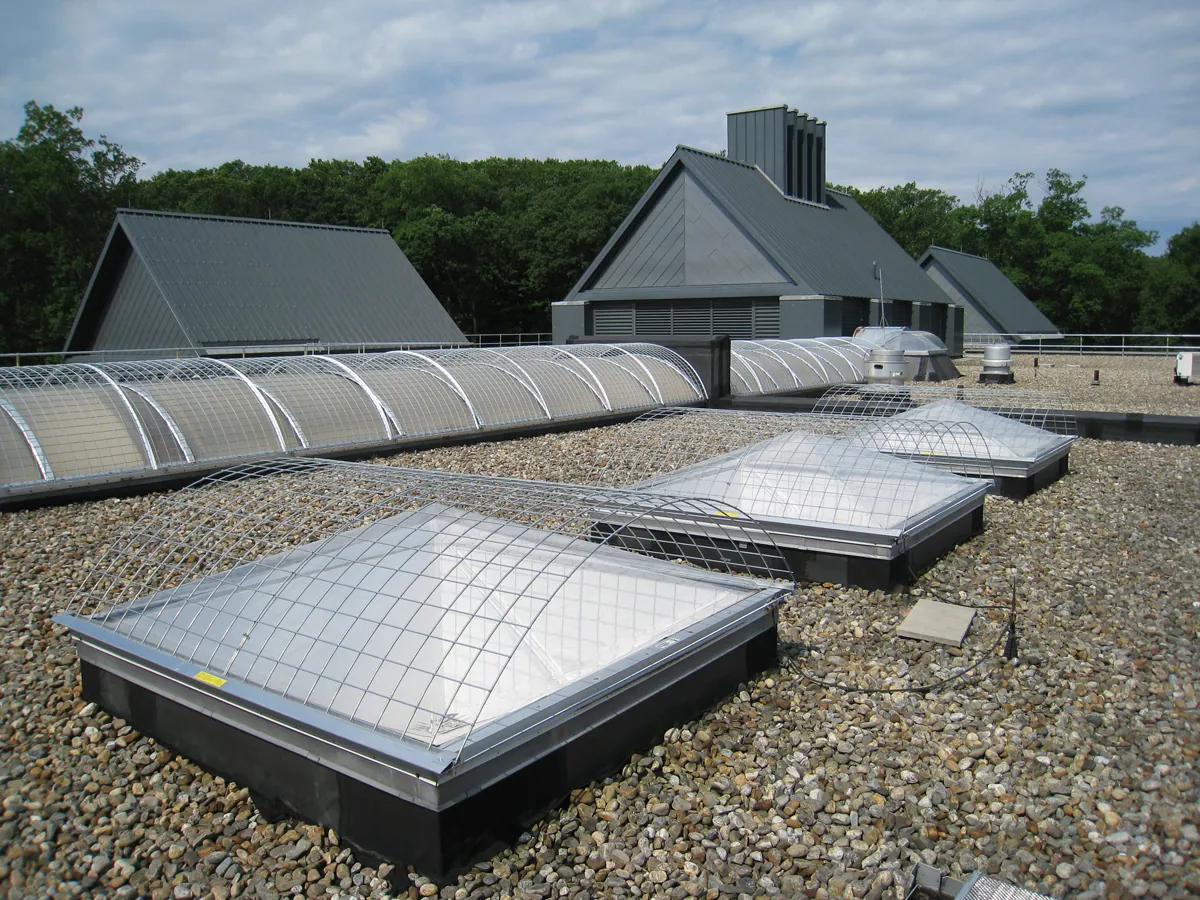
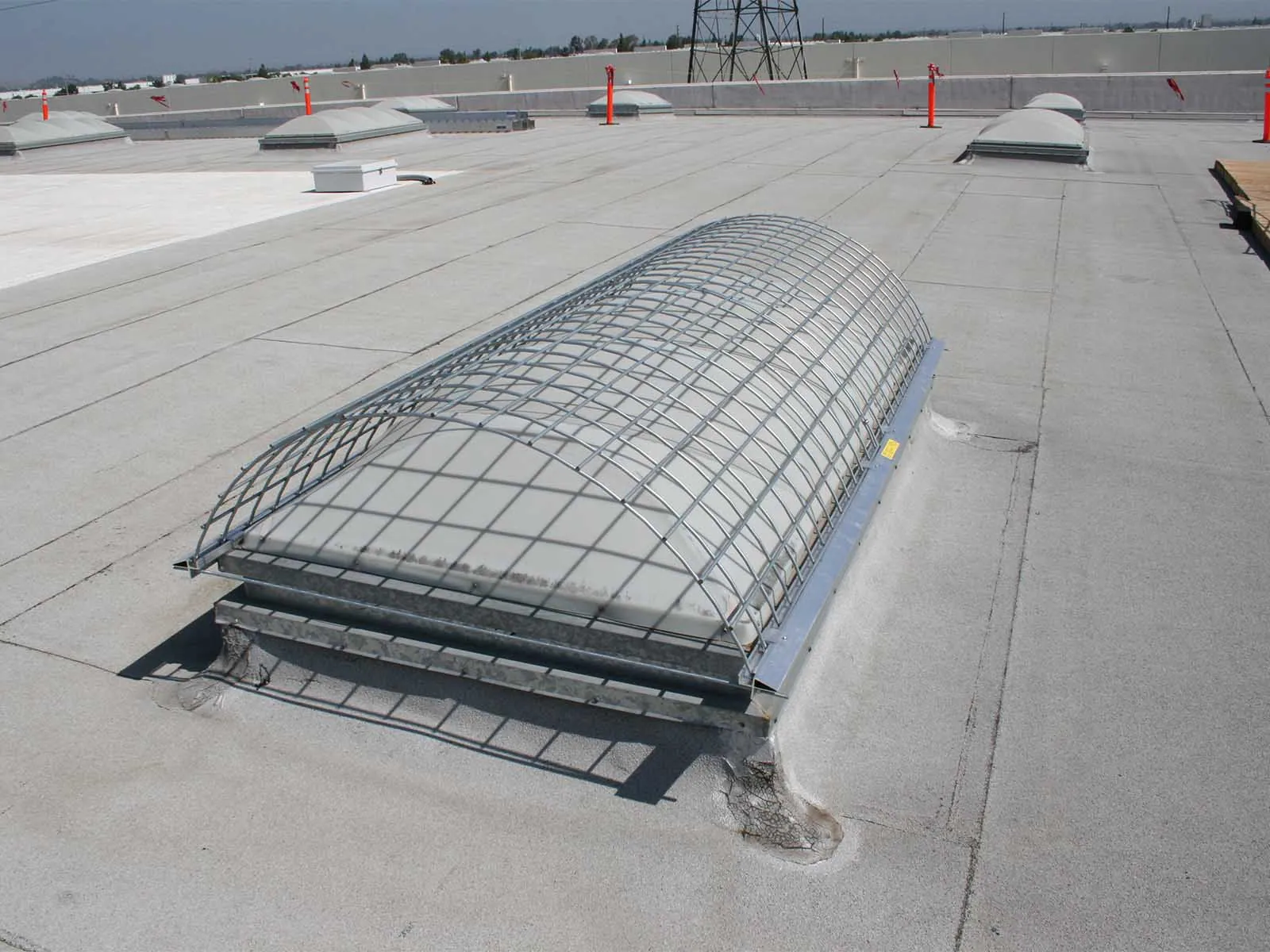
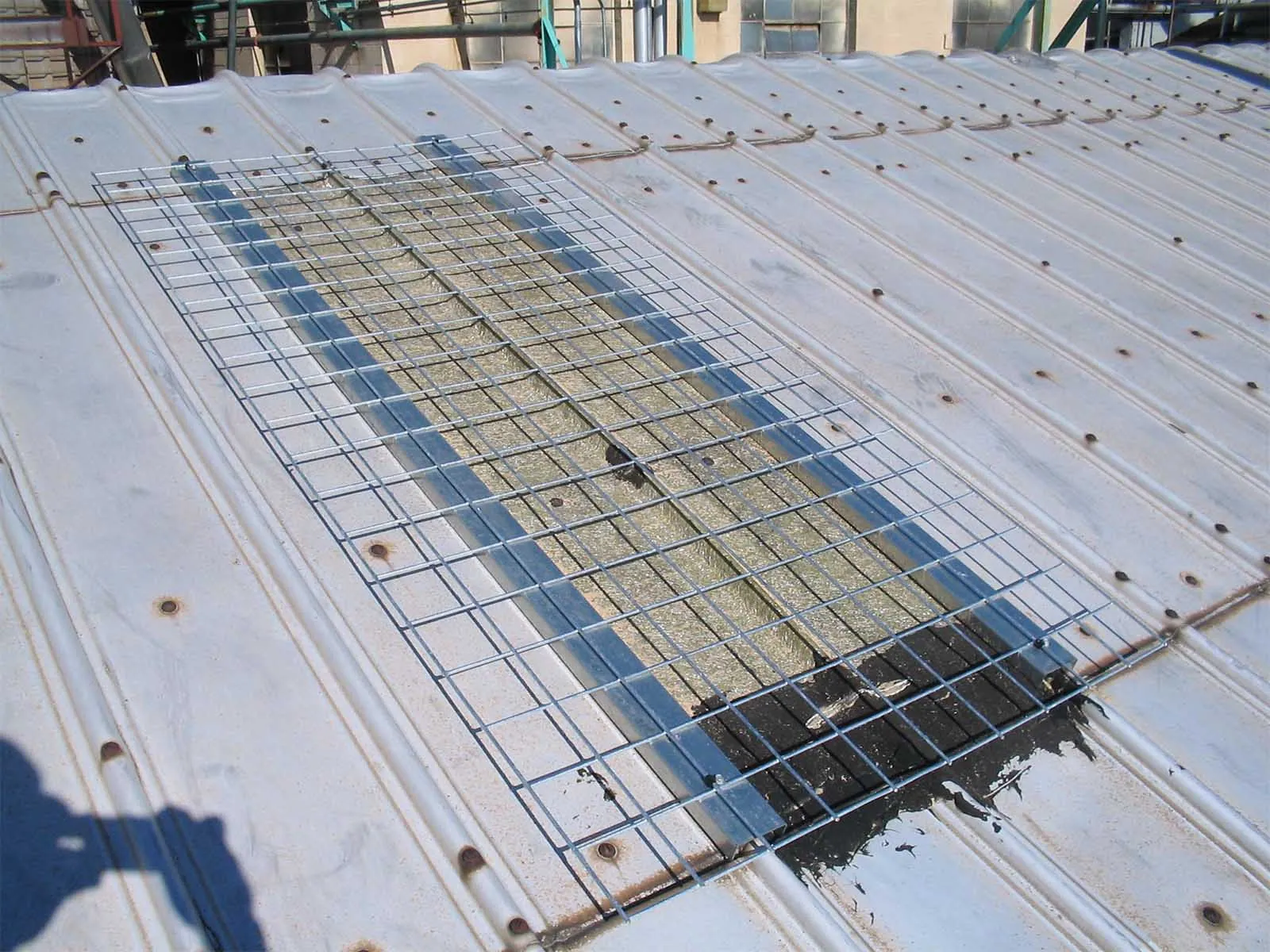
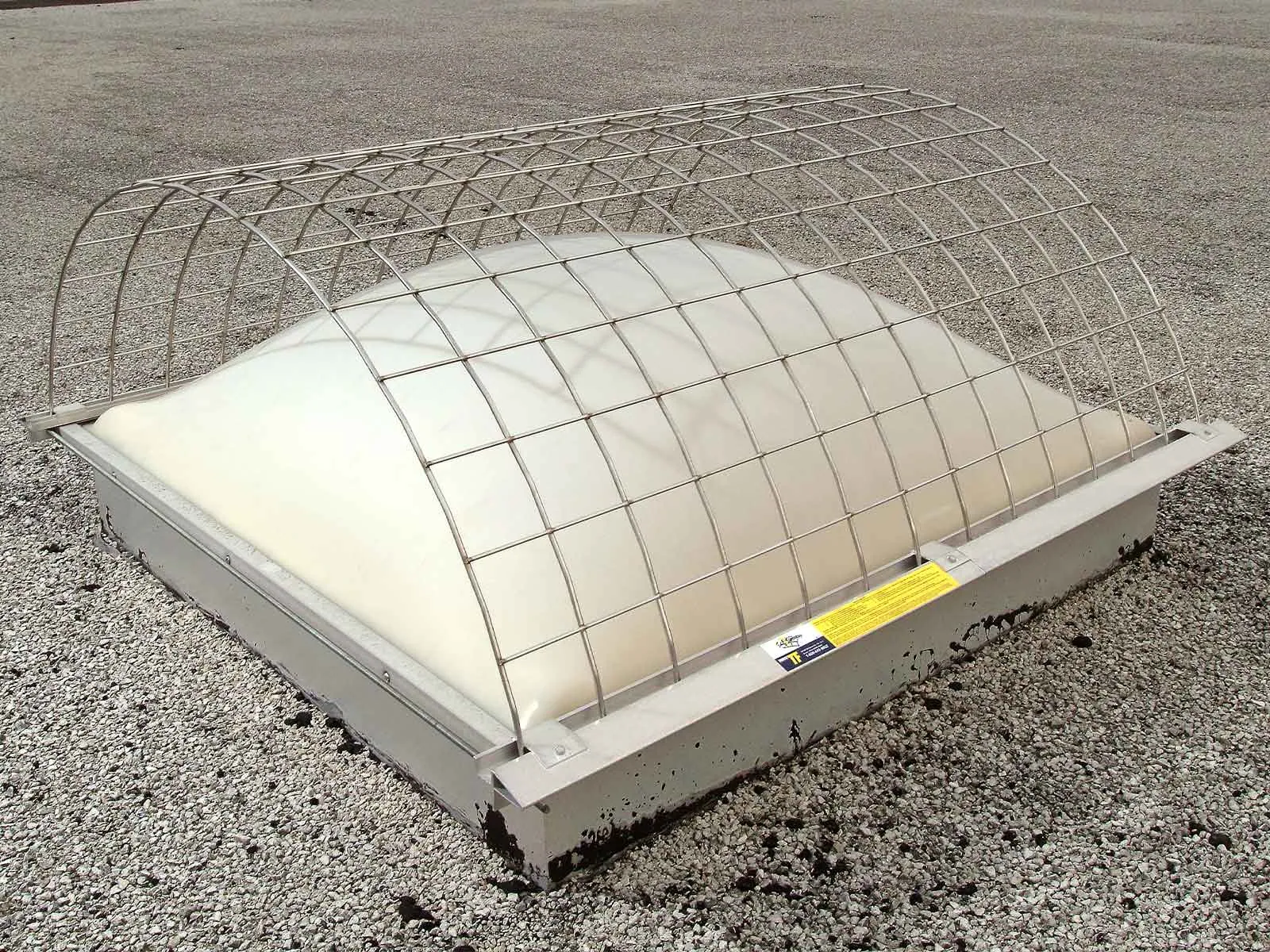
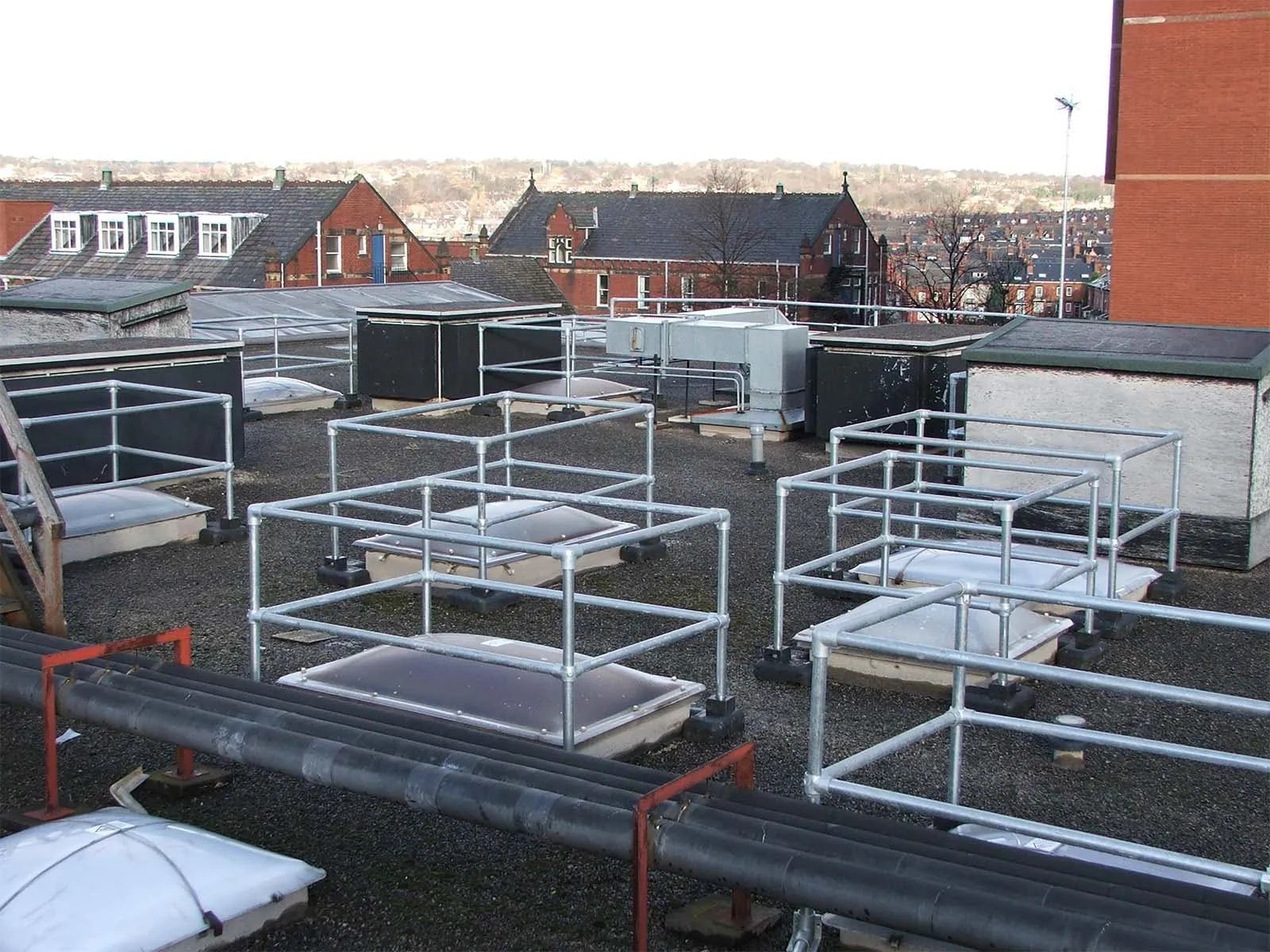
Manufactured from high-strength steel or aluminum, these covers provide rigid fall-through protection, securing skylights against accidental worker falls.
Non-Penetrating Design
Skylight covers are clamped or fastened directly to the skylight frame without drilling, ensuring the roof remains leak-free and structurally preserved.
OSHA Compliance
Meets and exceeds OSHA regulations for skylight protection, ensuring a safe, compliant rooftop work environment.
PROBLEMS WE SOLVE
The Hidden Danger of Unprotected Skylights
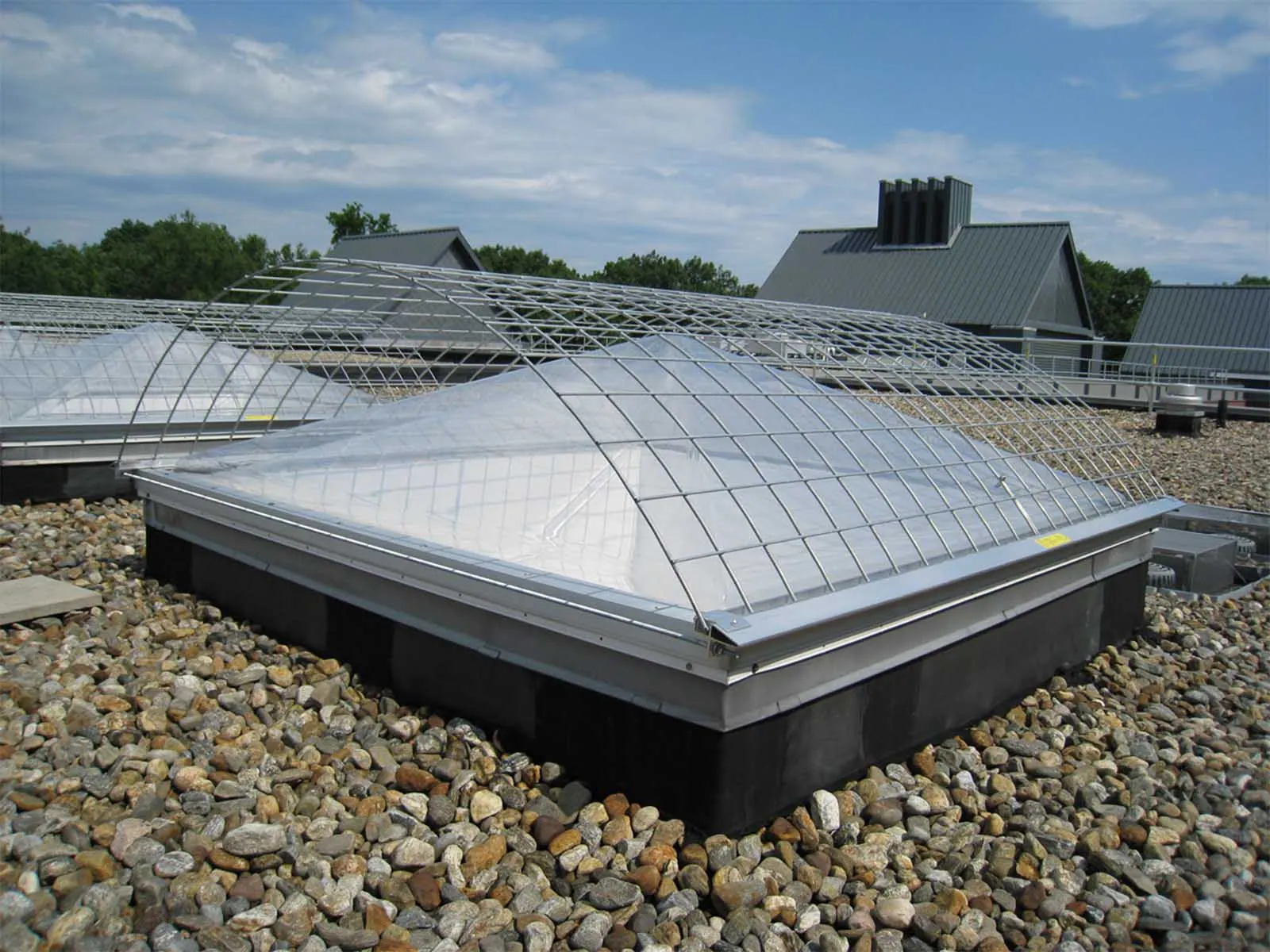
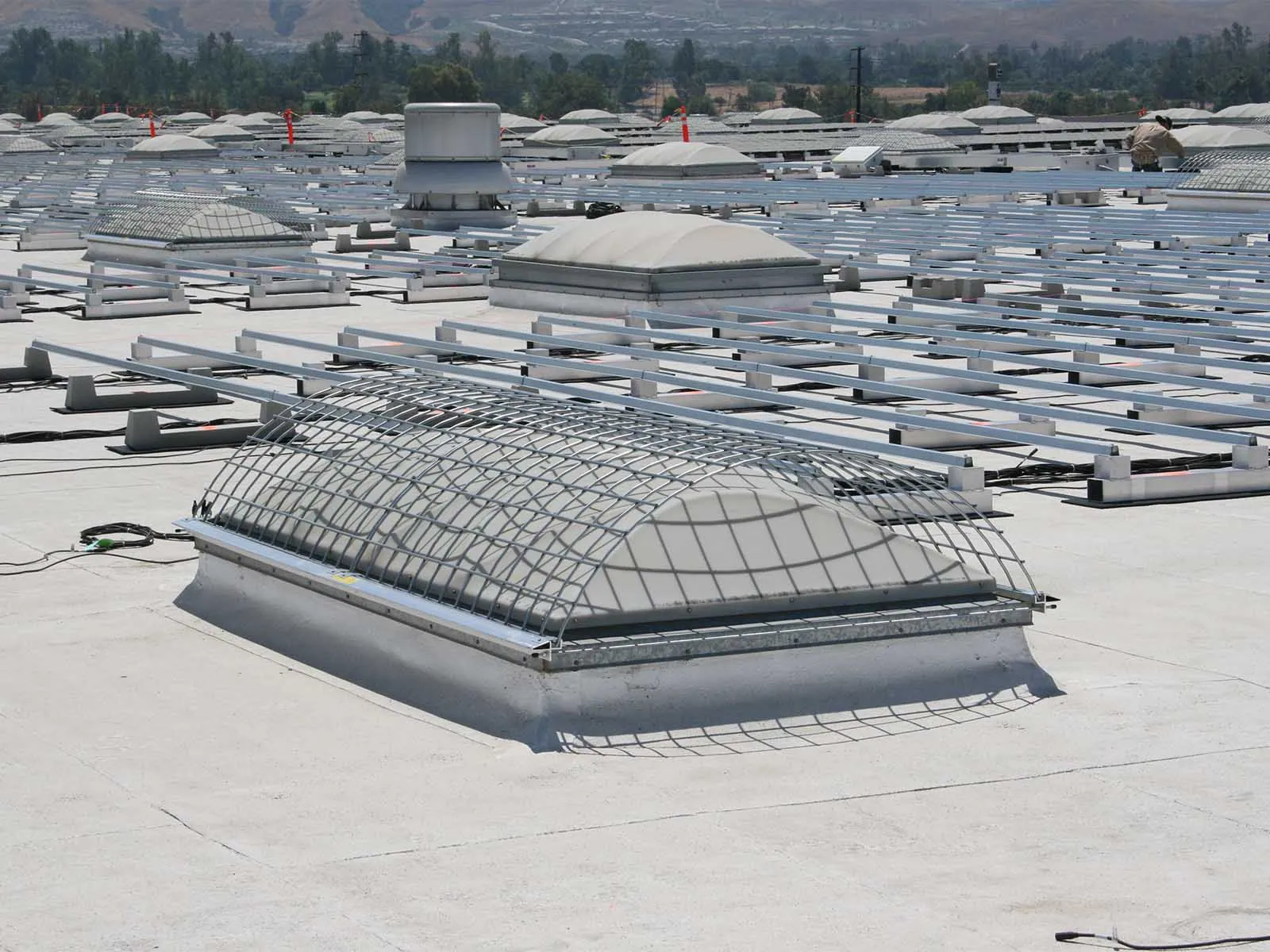
Skylights can blend into the roof surface, making them difficult to spot—especially in low-visibility conditions like rain or snow. Without proper protection, workers could unknowingly step onto them, leading to fatal falls. Skylight covers provide a reliable, permanent, and passive safety solution that eliminates this risk.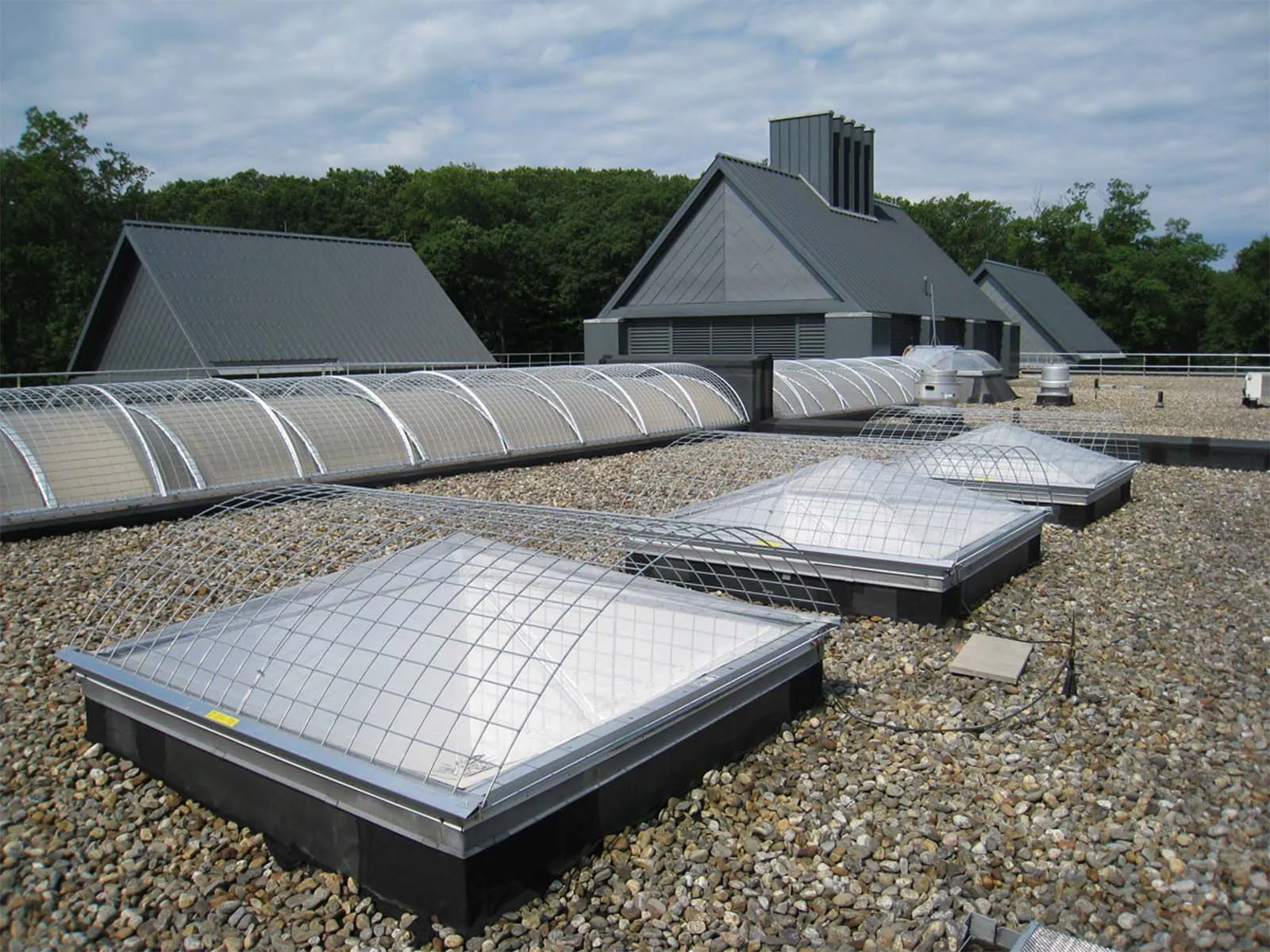
Areas of Application for Skylight Covers
- Building Access and Maintenance
- Energy and Utilities
- Manufacturing
- Infrastructure Development
- Government and Military
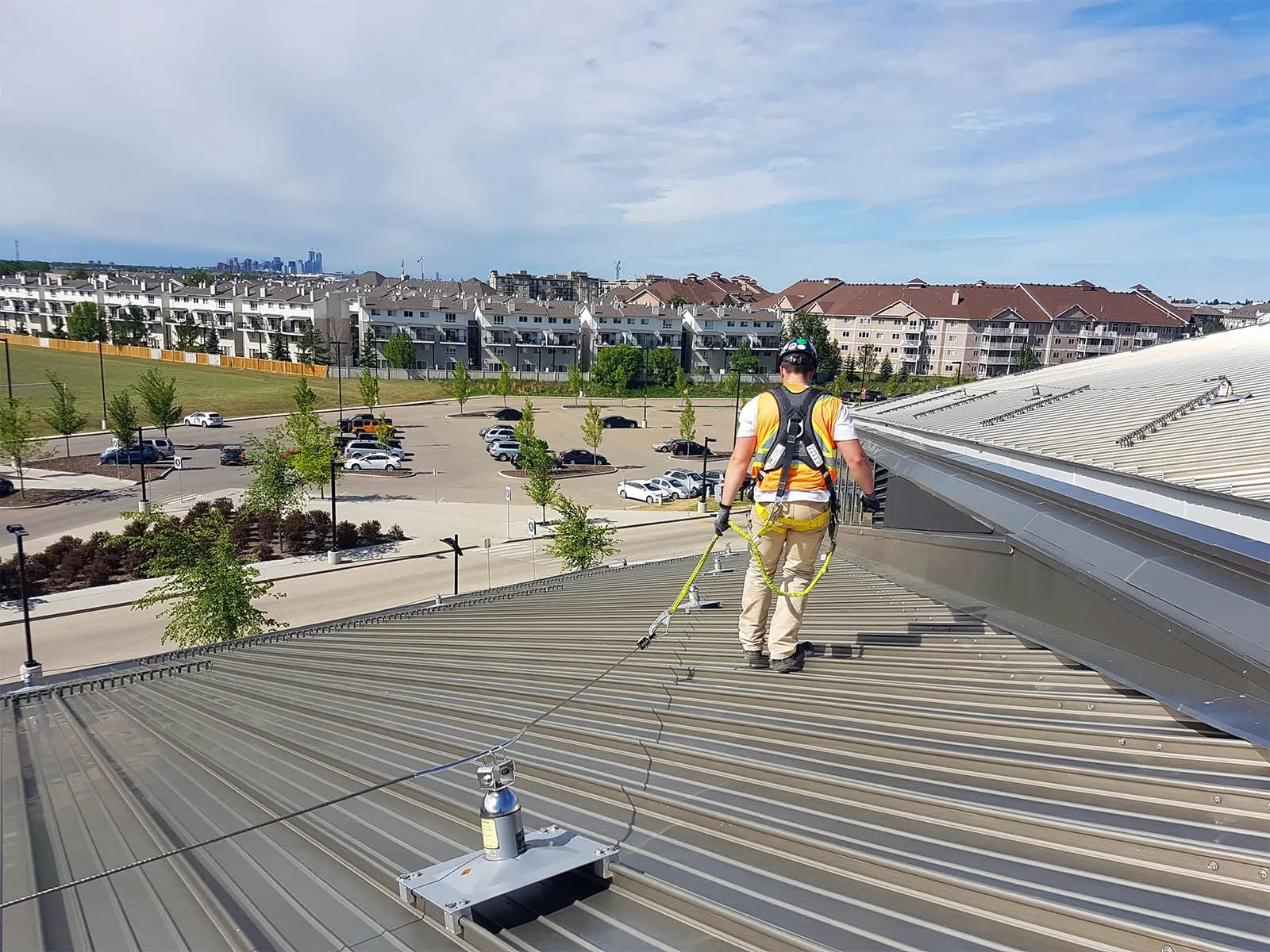
Building Access and Maintenance
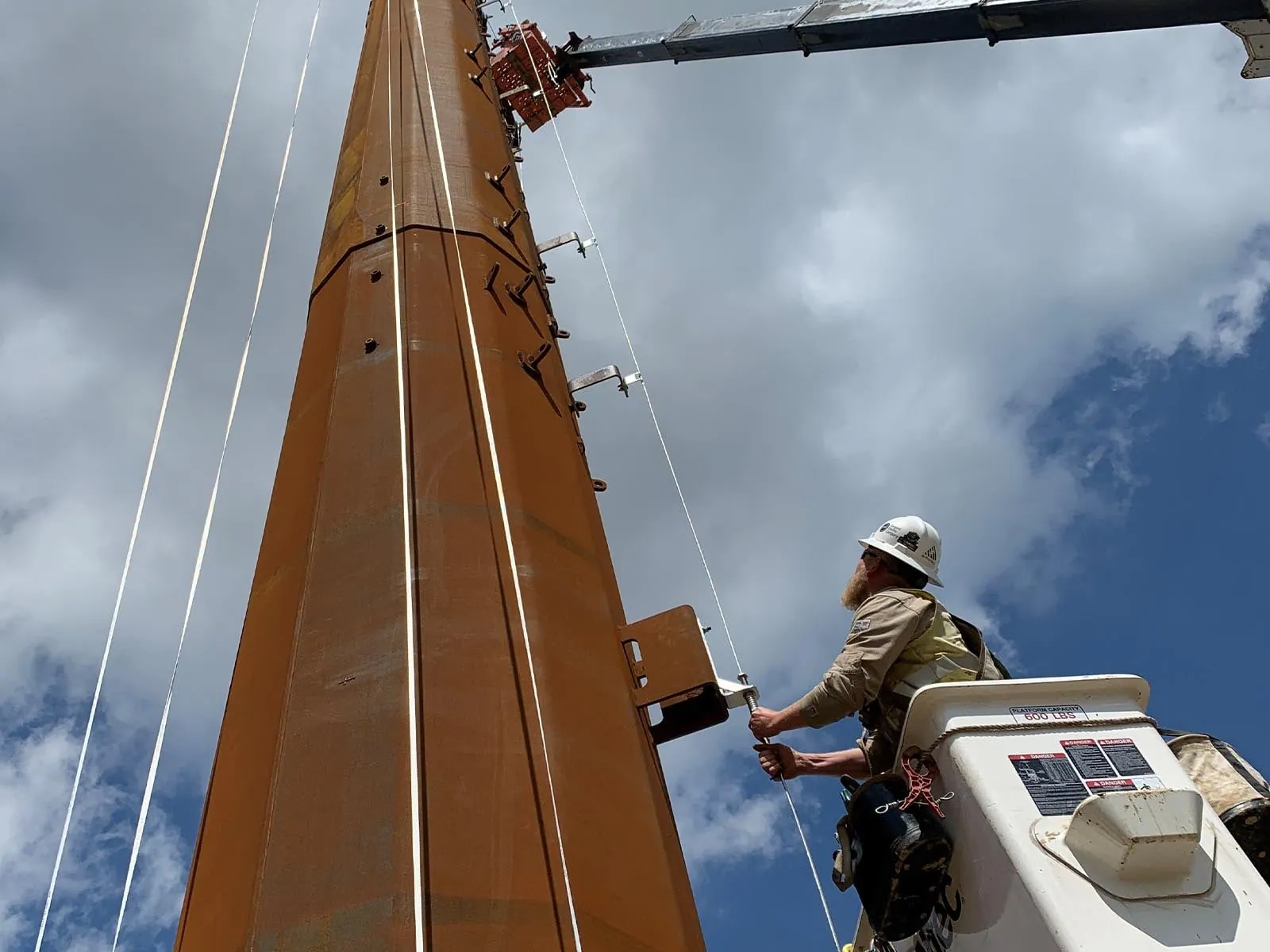
Energy and Utilities
Manufacturing
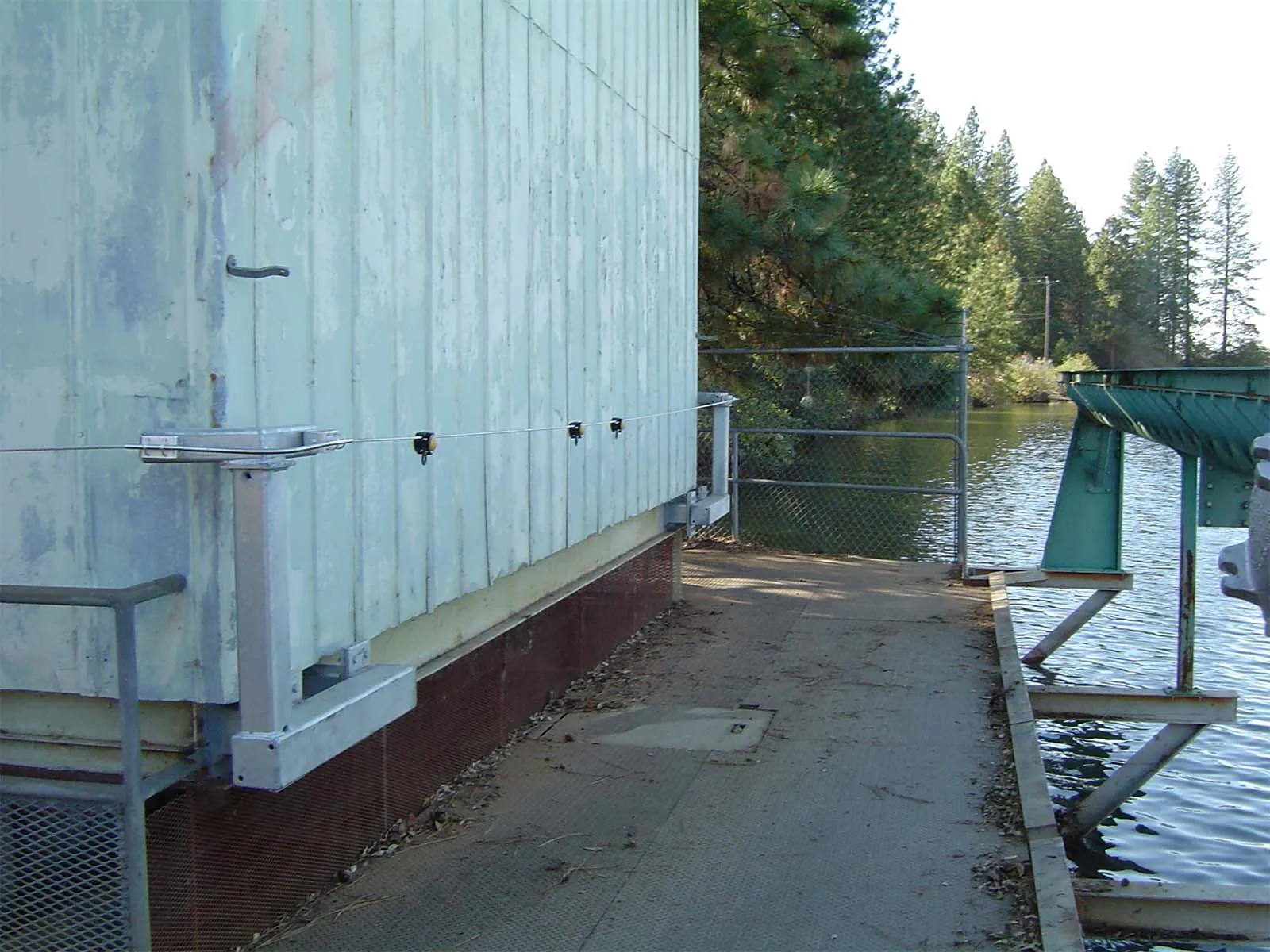
Infrastructure Development
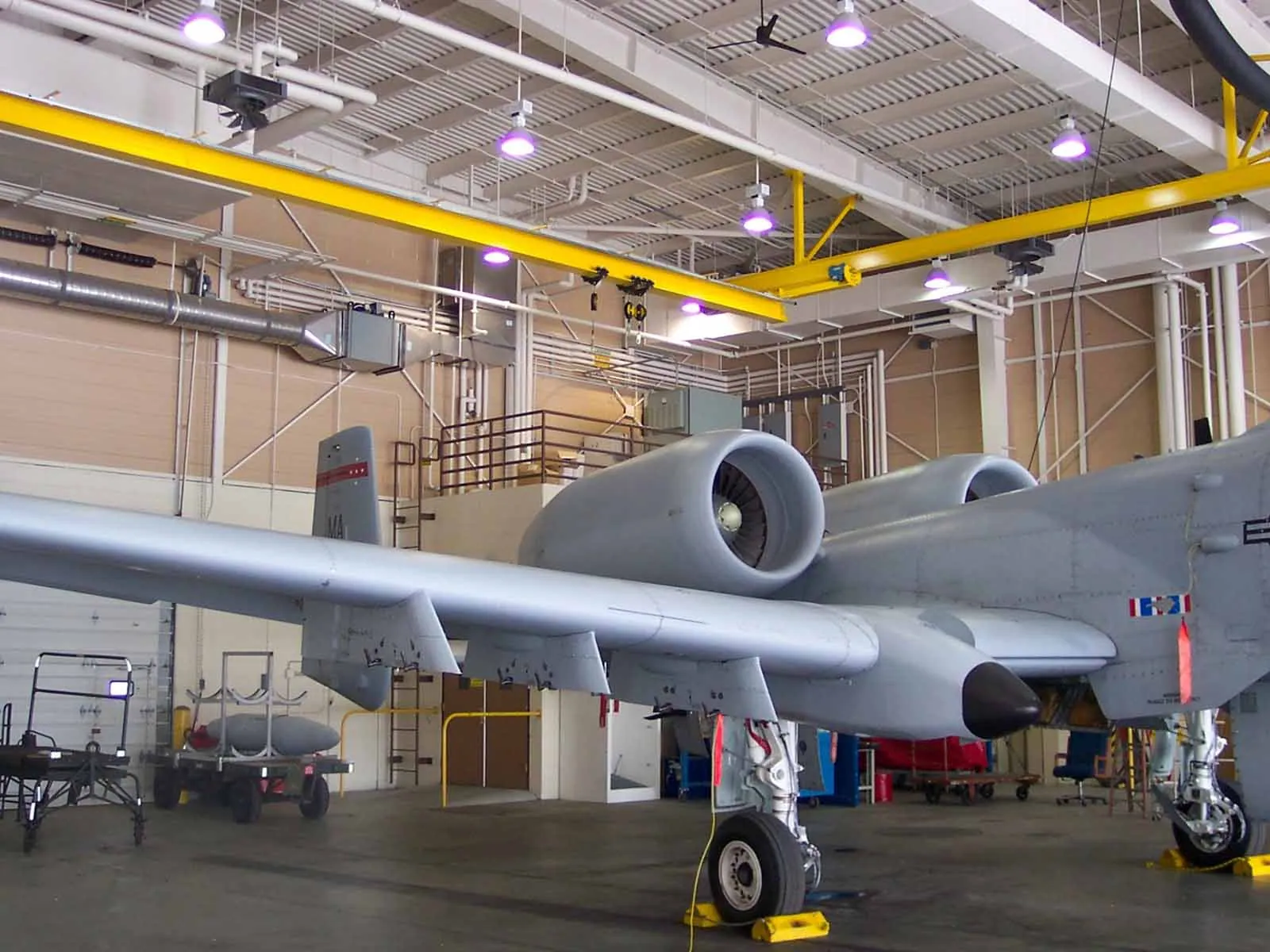
Government and Military
Answers to
Key Questions
Do skylights require fall protection?
Yes. OSHA classifies a skylight as a hole in a walking-working surface. Under 29 CFR 1910.28(b)(3), any worker who could fall 4 feet or more through that hole must be protected by a cover over it, a guardrail around it, or a personal fall arrest system. A skylight that is not covered or guarded is an open OSHA violation on any roof workers access. Tritech engineers and installs load-rated skylight covers sized to the specific skylight and roof.
What are the OSHA requirements for a roof access hatch?
A roof hatch is an opening, and where it sits near skylights the two are usually protected together: the hatch is typically guarded with a fixed rail, and the nearby skylights are covered or guarded. For the covers specifically, the 29 CFR 1910.29(e) criteria are the test that applies to any cover placed over an opening in that landing zone: support at least twice the maximum intended load, secured against displacement, and marked.
What are the 4 types of fall protection?
In OSHA’s order of preference: elimination or substitution, passive prevention (covers and guardrails that need no worker action), fall restraint, and fall arrest. A load-rated skylight cover is passive prevention: it protects every worker who walks the roof without depending on training, and it ranks above the harness-and-anchor systems most people picture first.
At what height is fall protection required?
In general industry, OSHA requires fall protection at 4 feet above a lower level (29 CFR 1910.28). In construction, the trigger is 6 feet (29 CFR 1926.501). For a skylight, the fall is through the dome to the floor below, so the governing height is the drop to that lower level, almost always far past either trigger on an industrial roof.
CONTACT
Protect Your Rooftop, and Your Personnel with Skylight Covers
Our team is ready to help you implement a code-compliant, durable skylight fall protection solution.
Let’s Discuss Your Project
"*" indicates required fields