SOLUTIONS
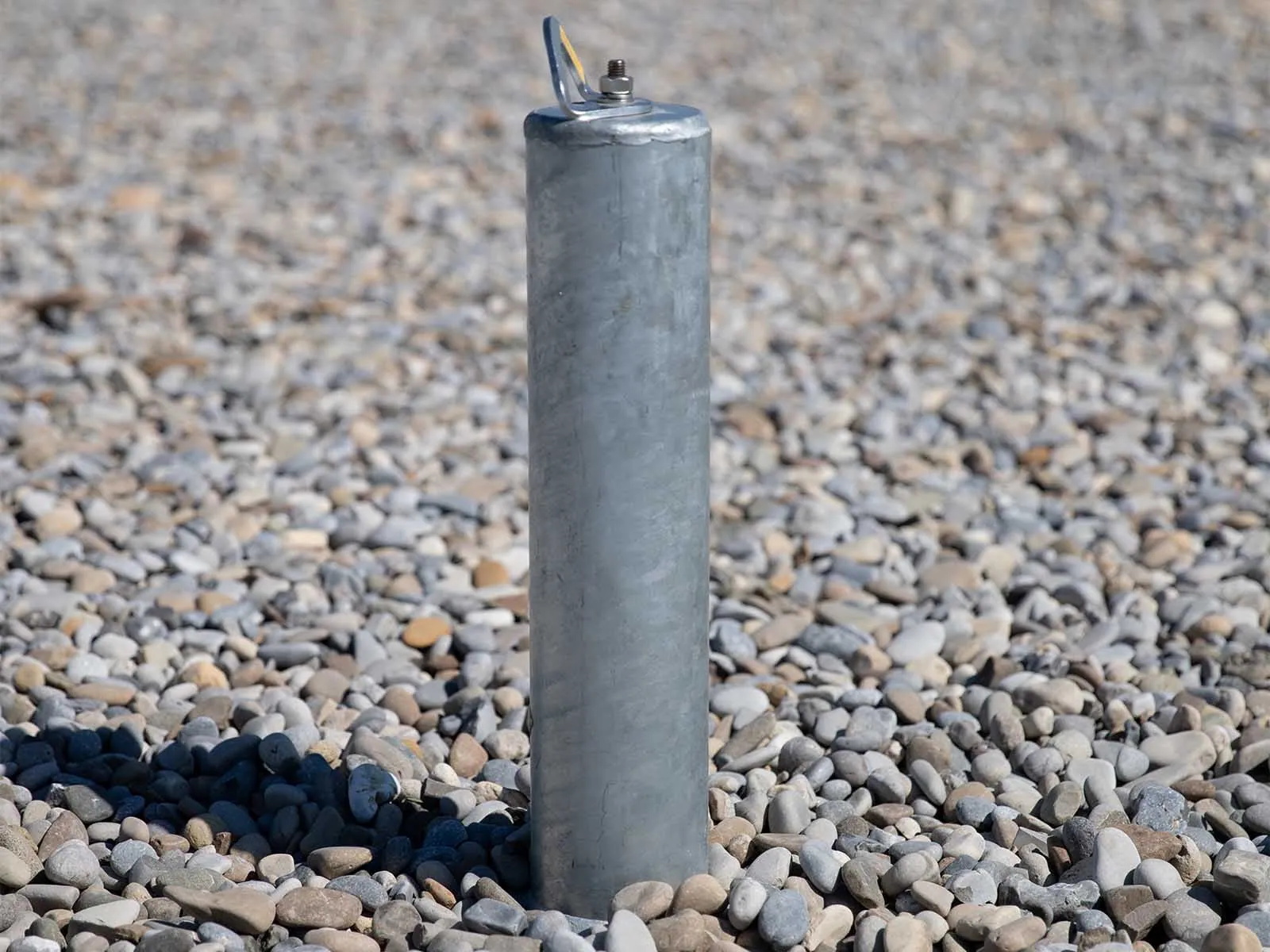
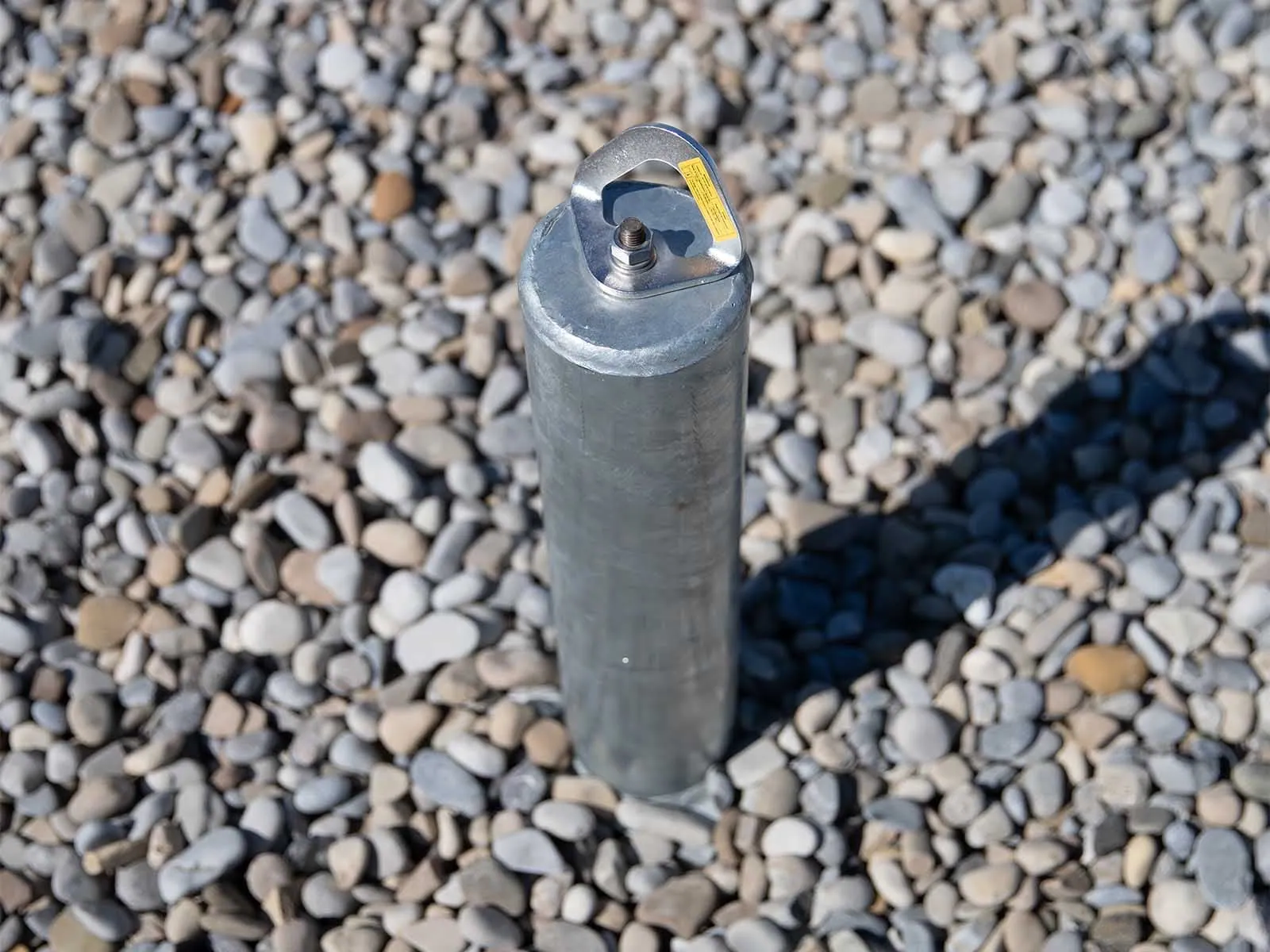
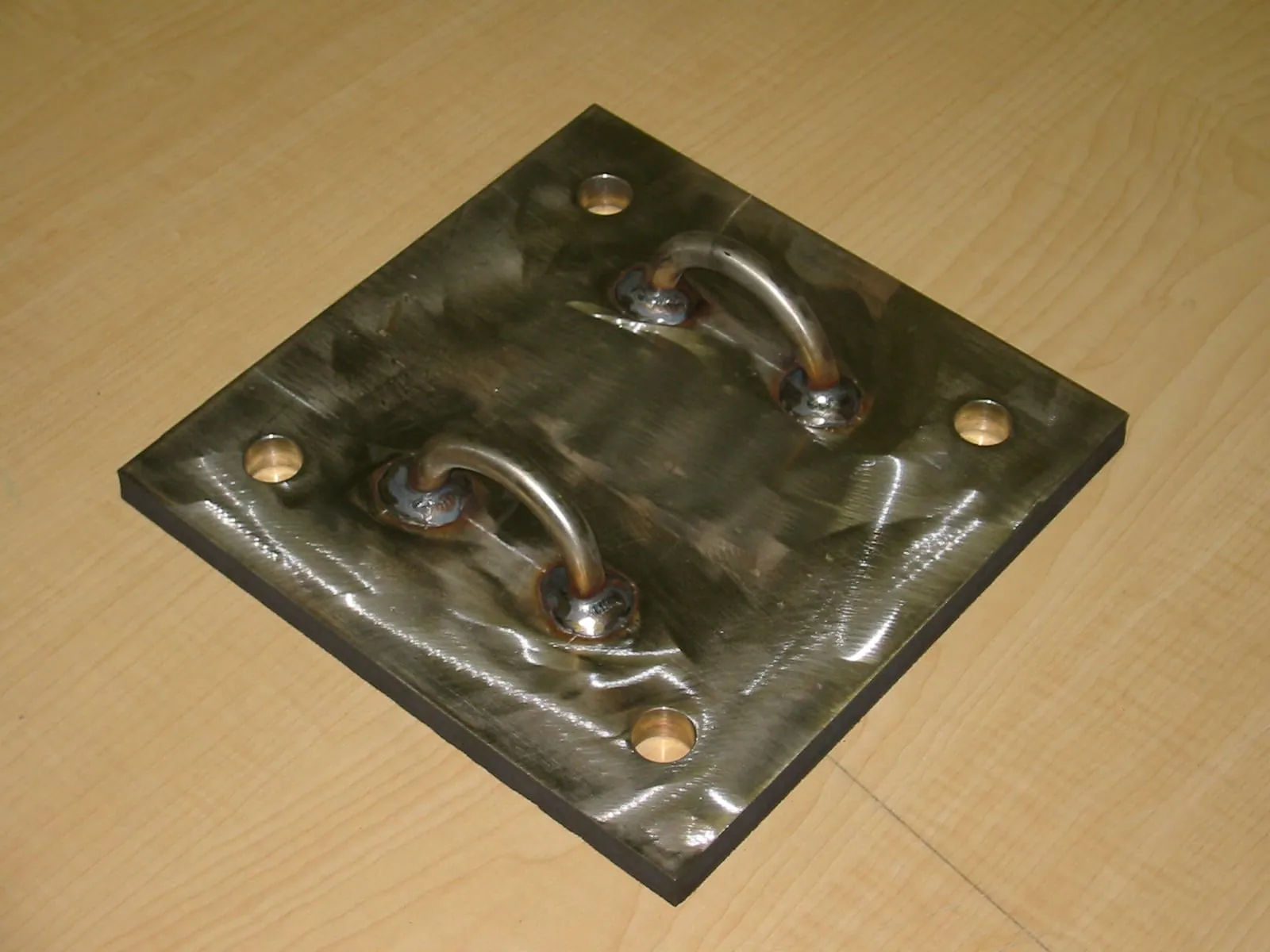
Fixed Anchor System
A Long-Lasting, OSHA-Compliant Anchor for Regular Work at Height
Engineered for Ongoing Safety
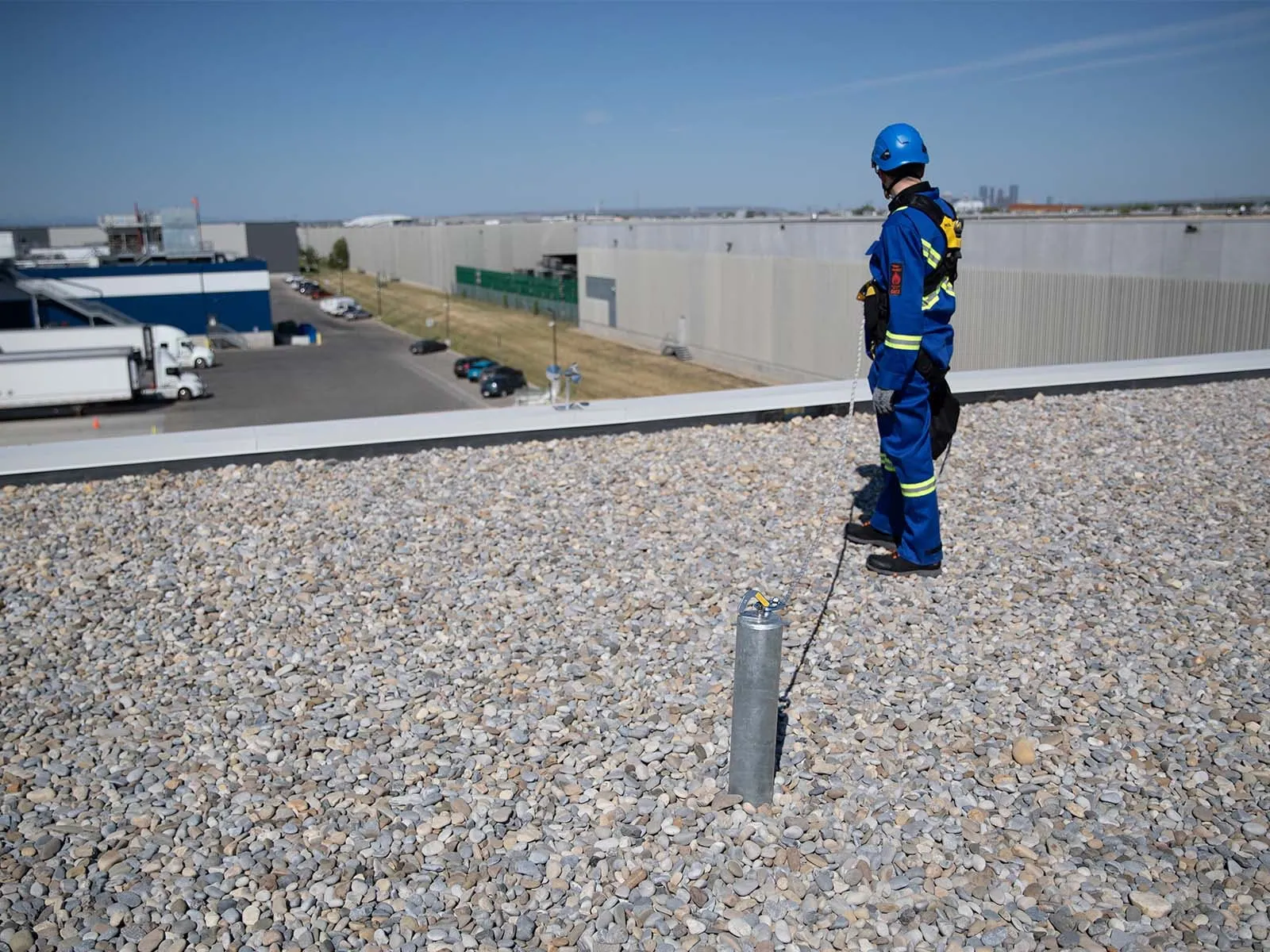
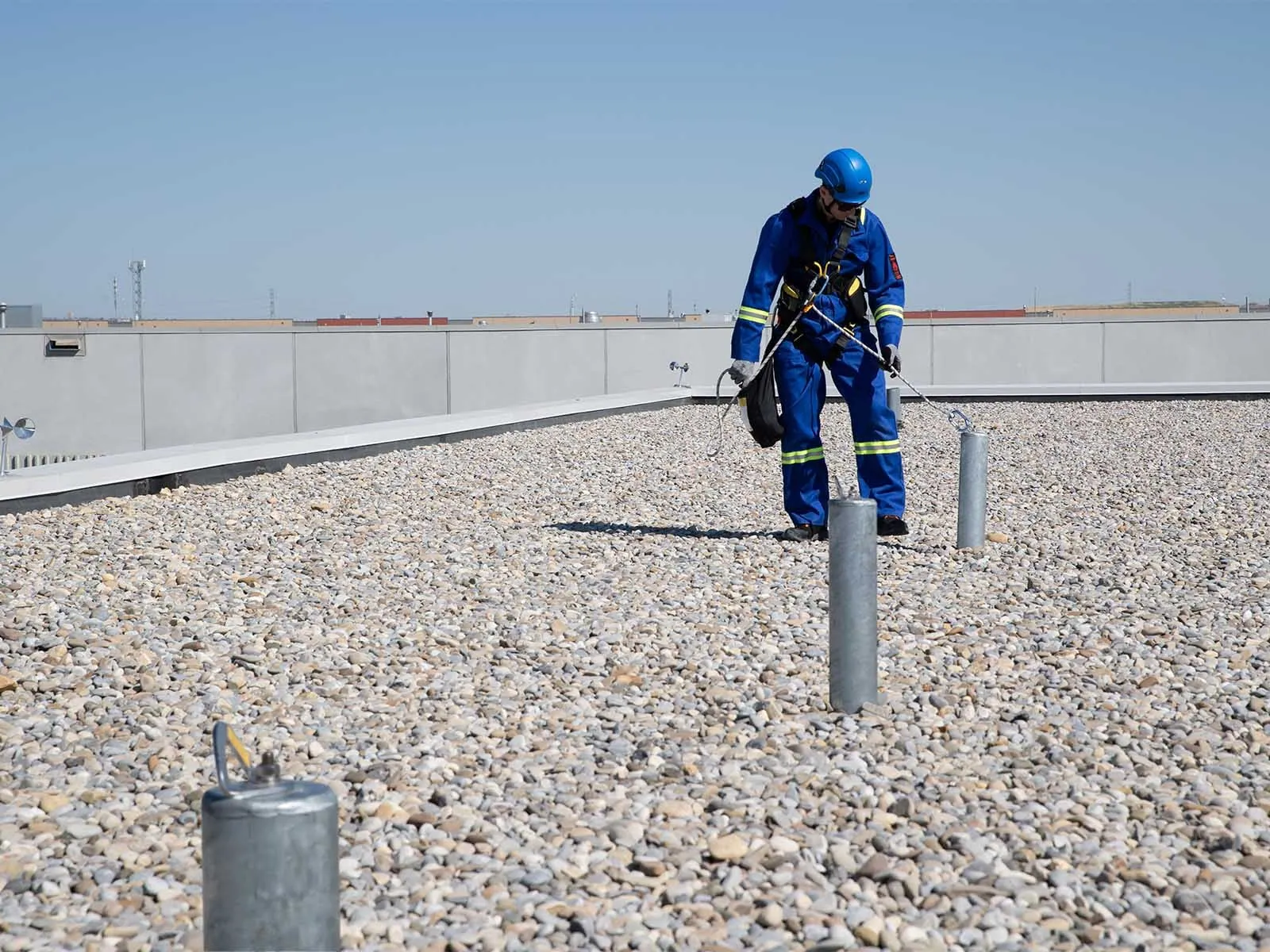
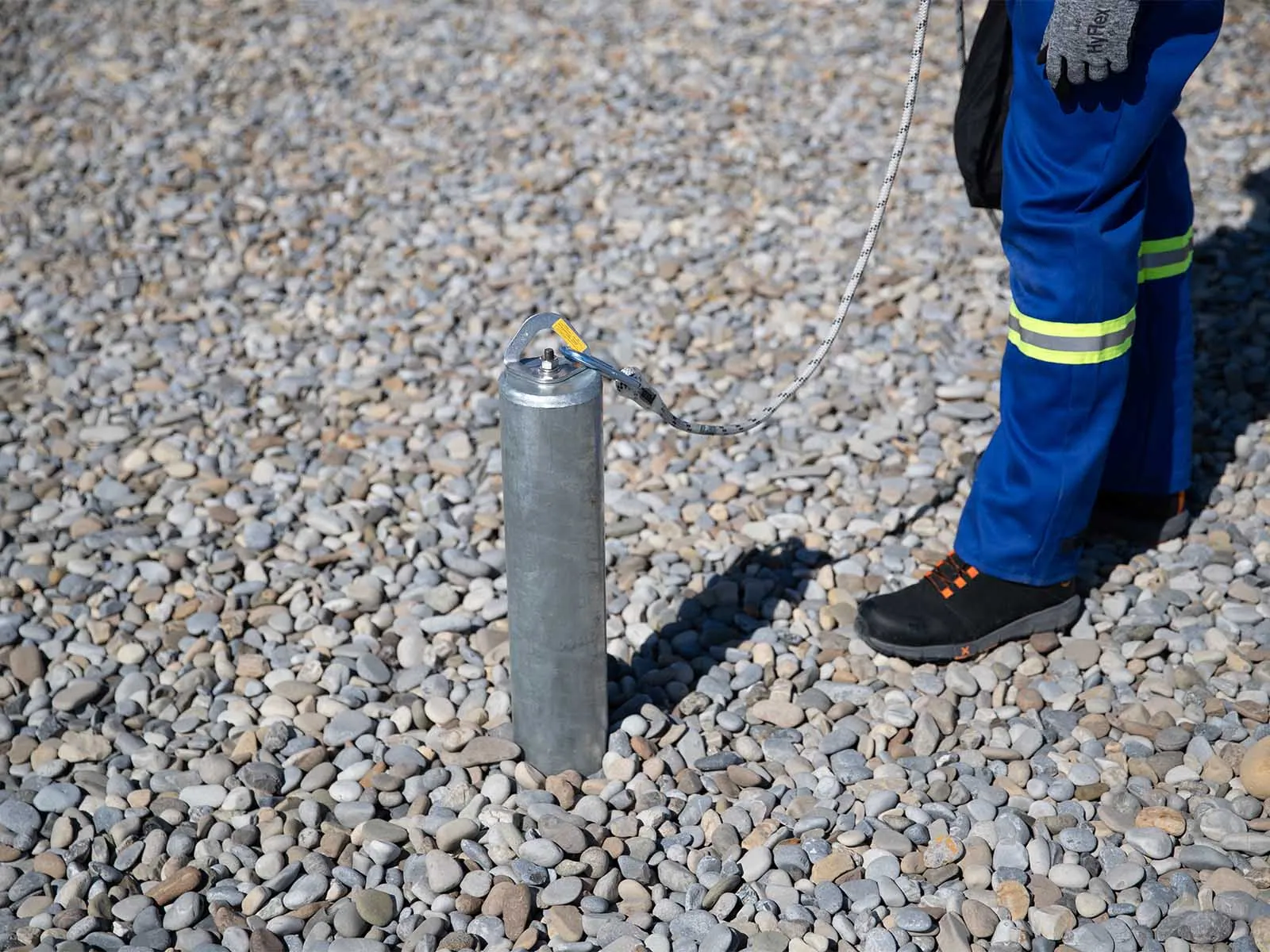
Fixed anchors are built to stay in place and provide consistent fall protection for routine rooftop or elevated access.
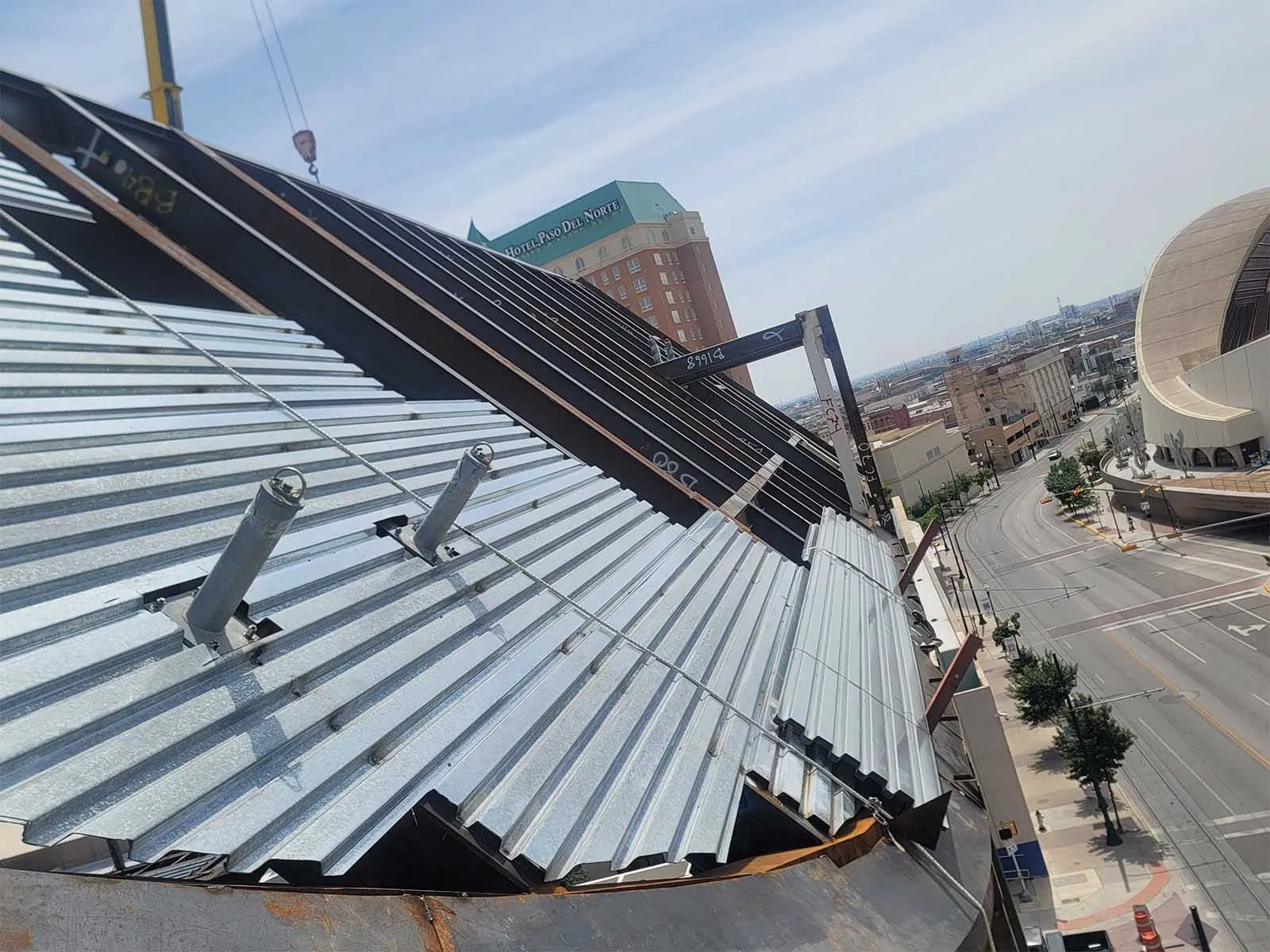
Installed on Structural Surfaces
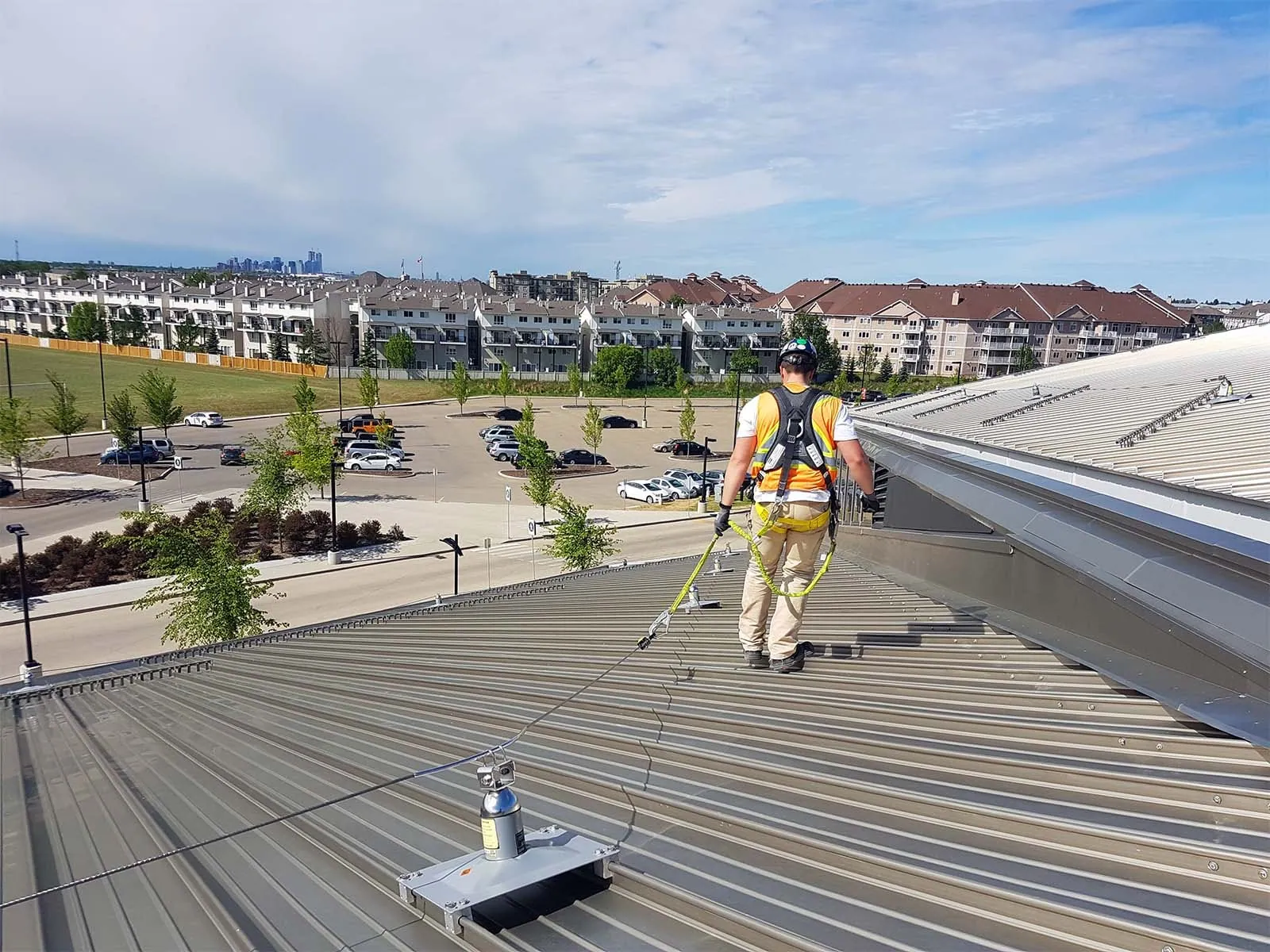
Can be mounted on concrete, steel, or other structural elements ideal for both flat and sloped roofs.
Fully Compliant with Safety Standards
Meets or exceeds OSHA 29 CFR 1926.502(d) and ANSI Z359.18 requirements for fixed anchorage systems supporting lifelines, lanyards, or self-retracting lifelines (SRLs).
PROBLEMS WE SOLVE
Safe, Secure Access for Routine Elevated Work
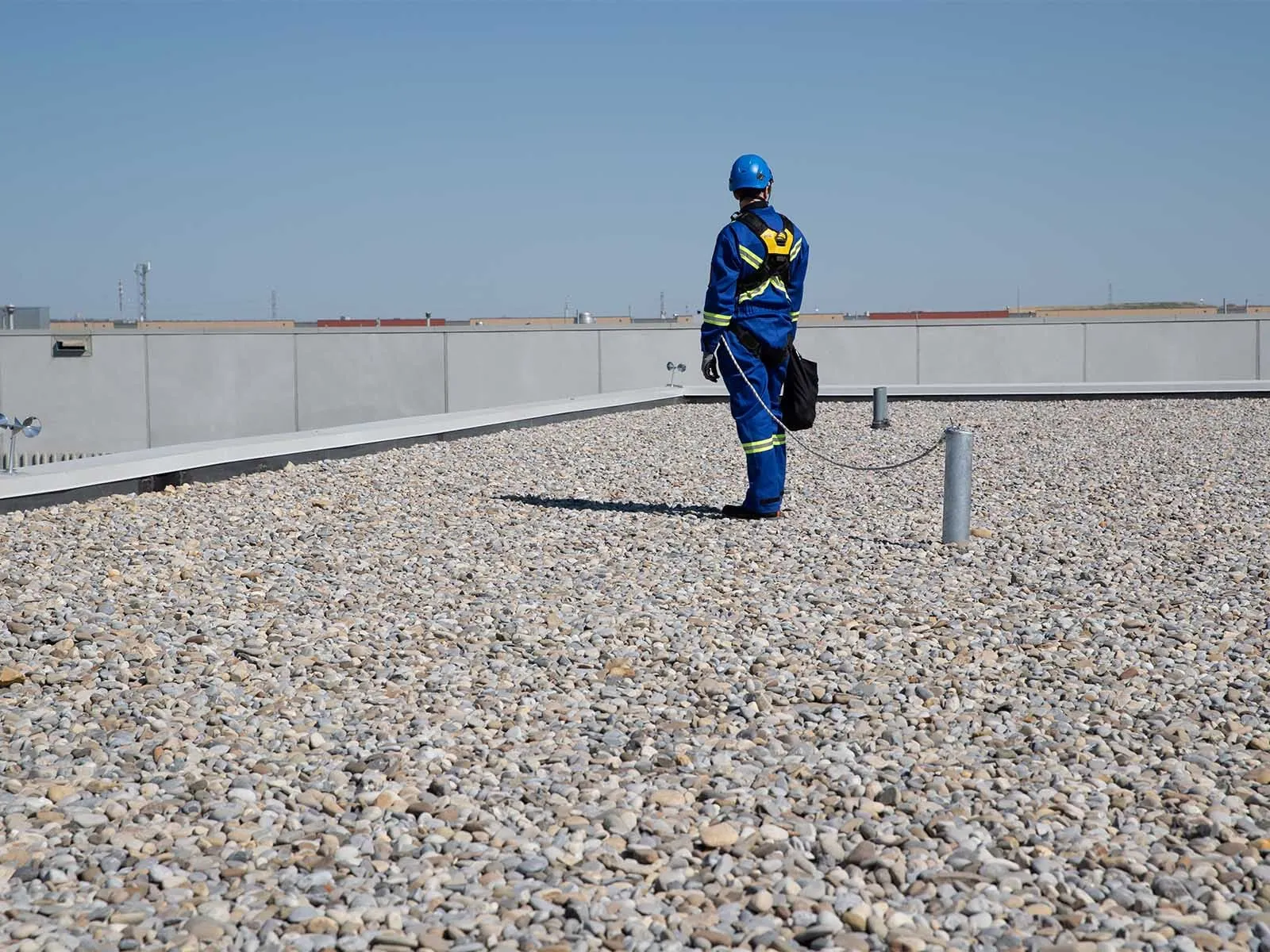
For buildings or sites that require frequent rooftop maintenance or inspections, fixed anchor systems provide reliable fall protection that’s always ready to use. Once installed, they become a key part of a long-term safety plan no need for setup each time work begins.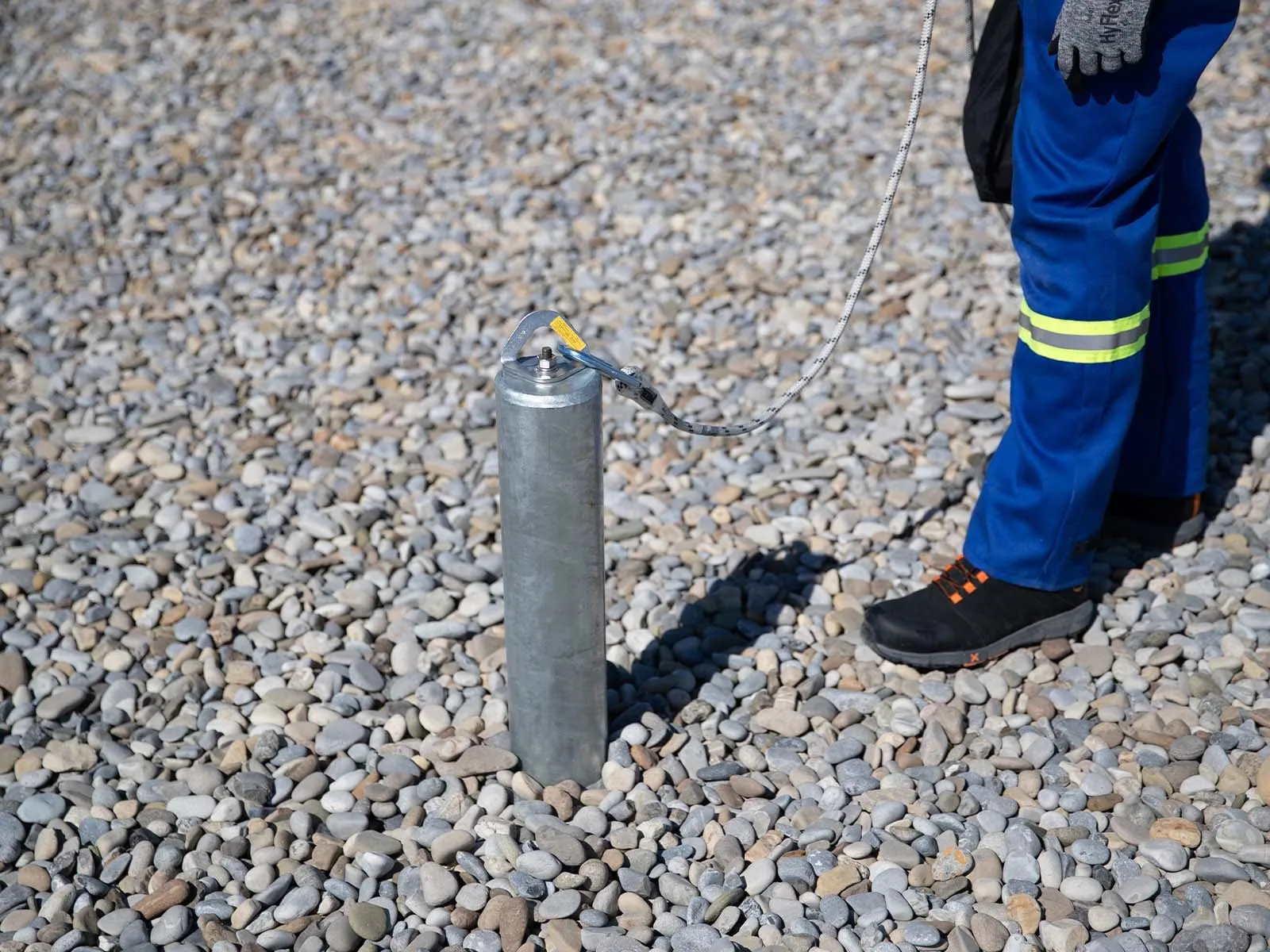
Areas of Application for Fixed Anchor System
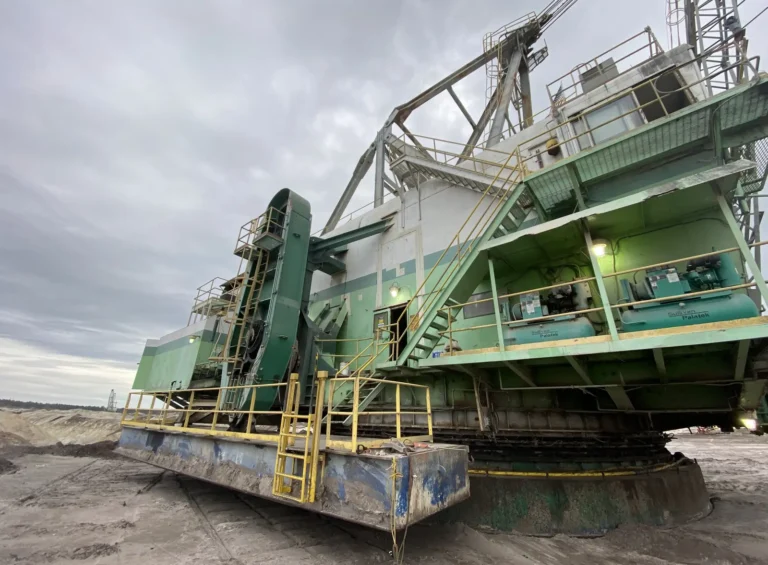
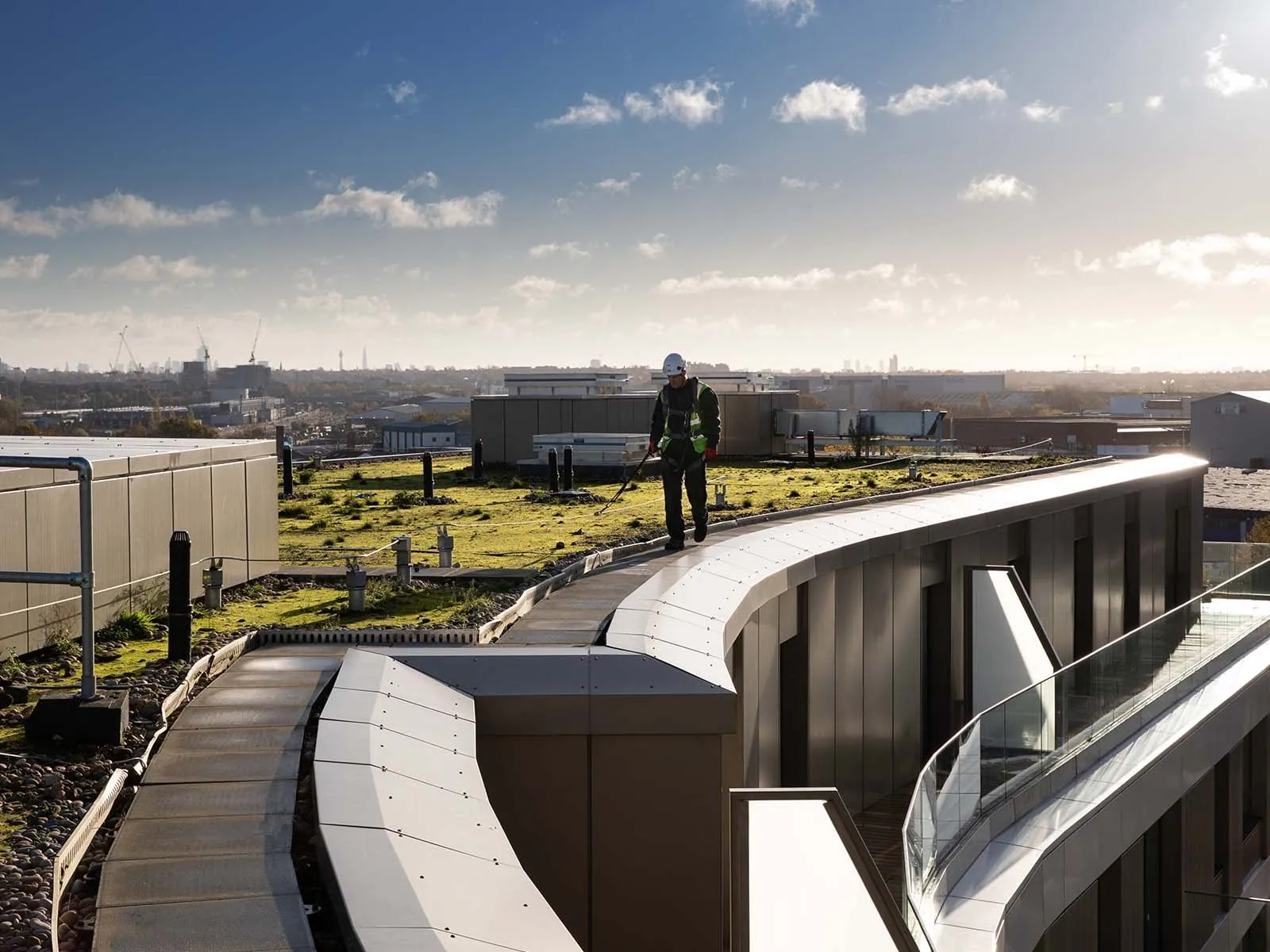
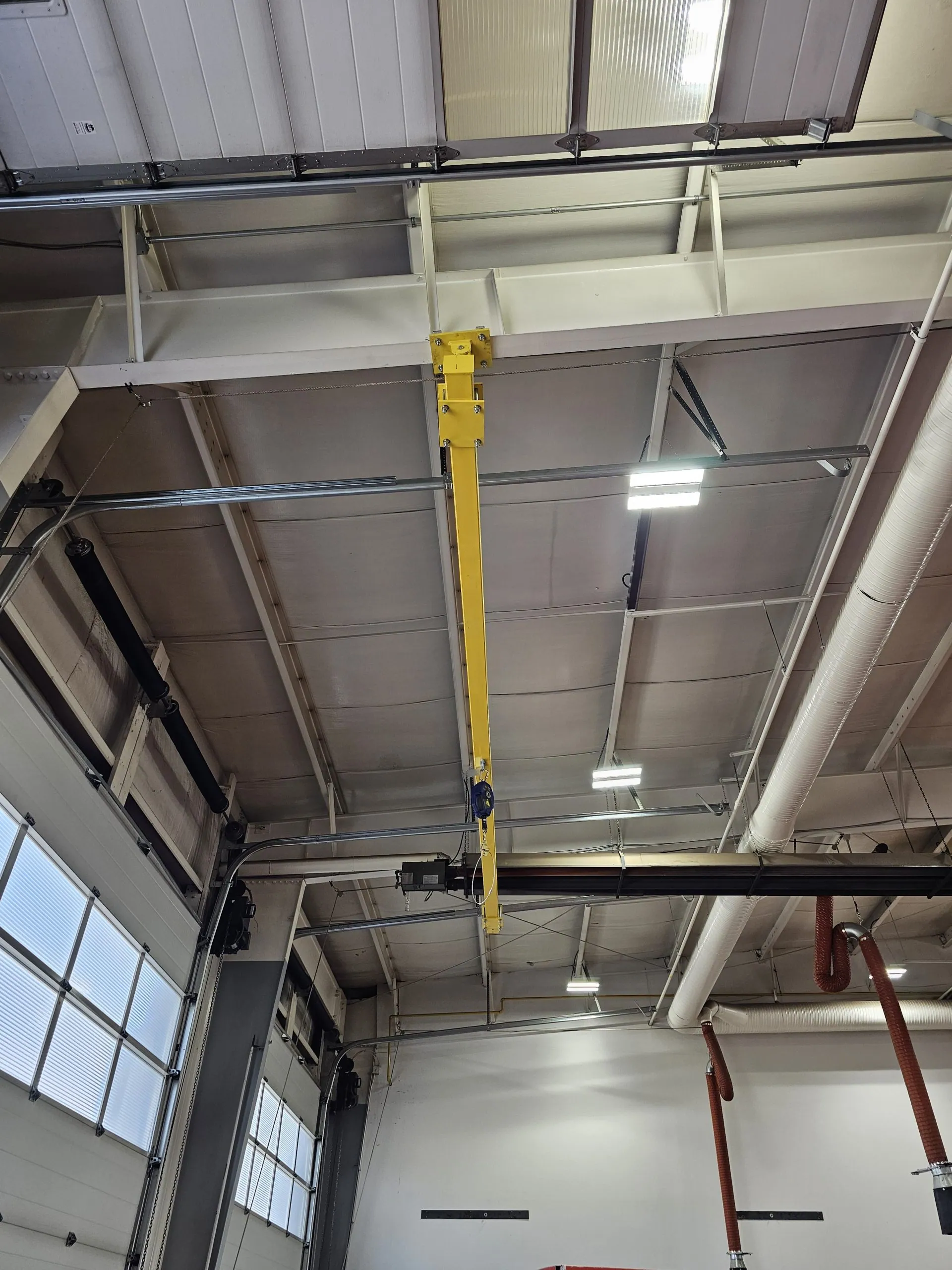
- Building Access & Maintenance
- Manufacturing & Industrial Facilities
- Energy & Utilities
- Infrastructure Development
- Government & Military
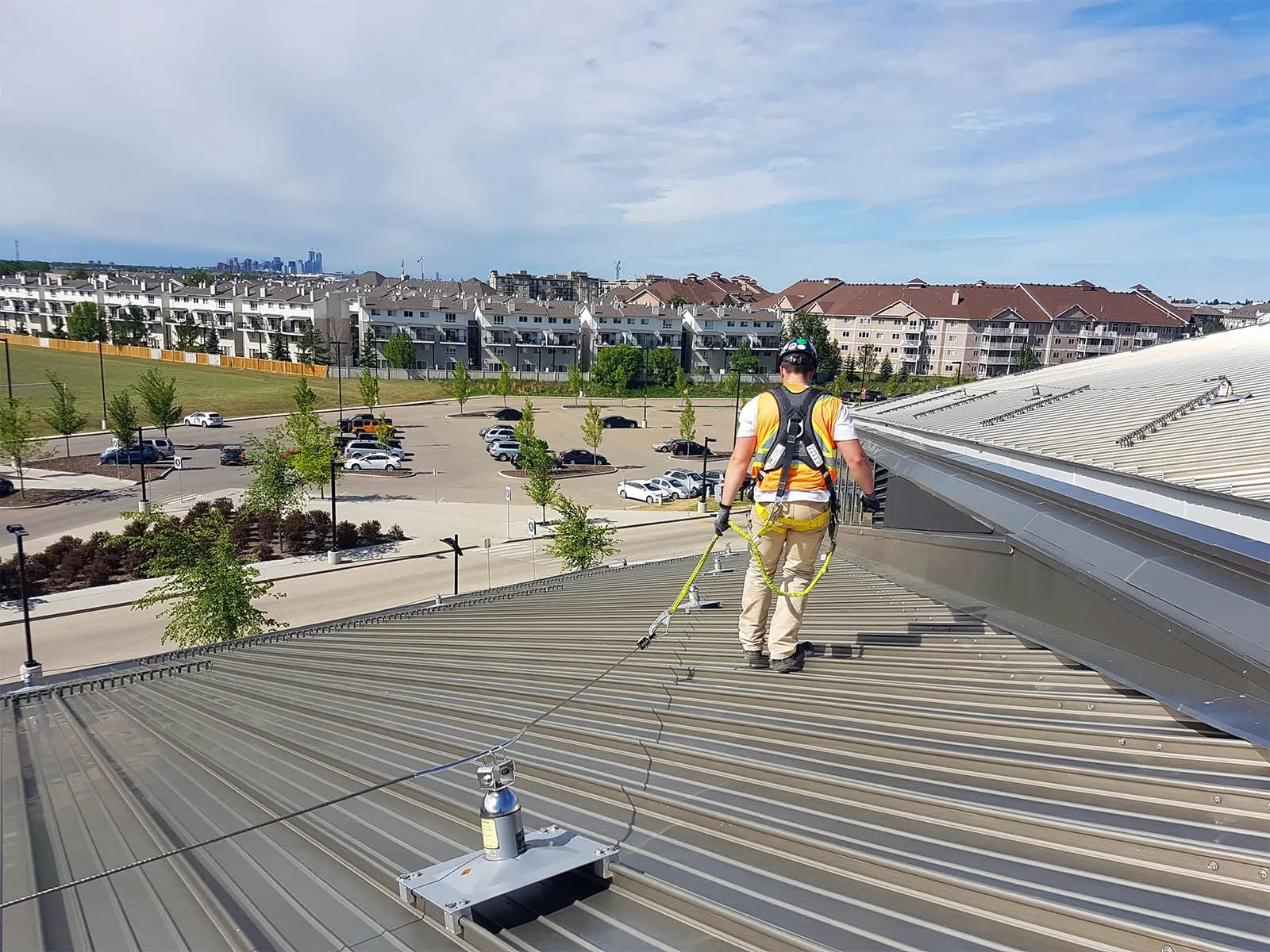
Building Access & Maintenance

Manufacturing & Industrial Facilities
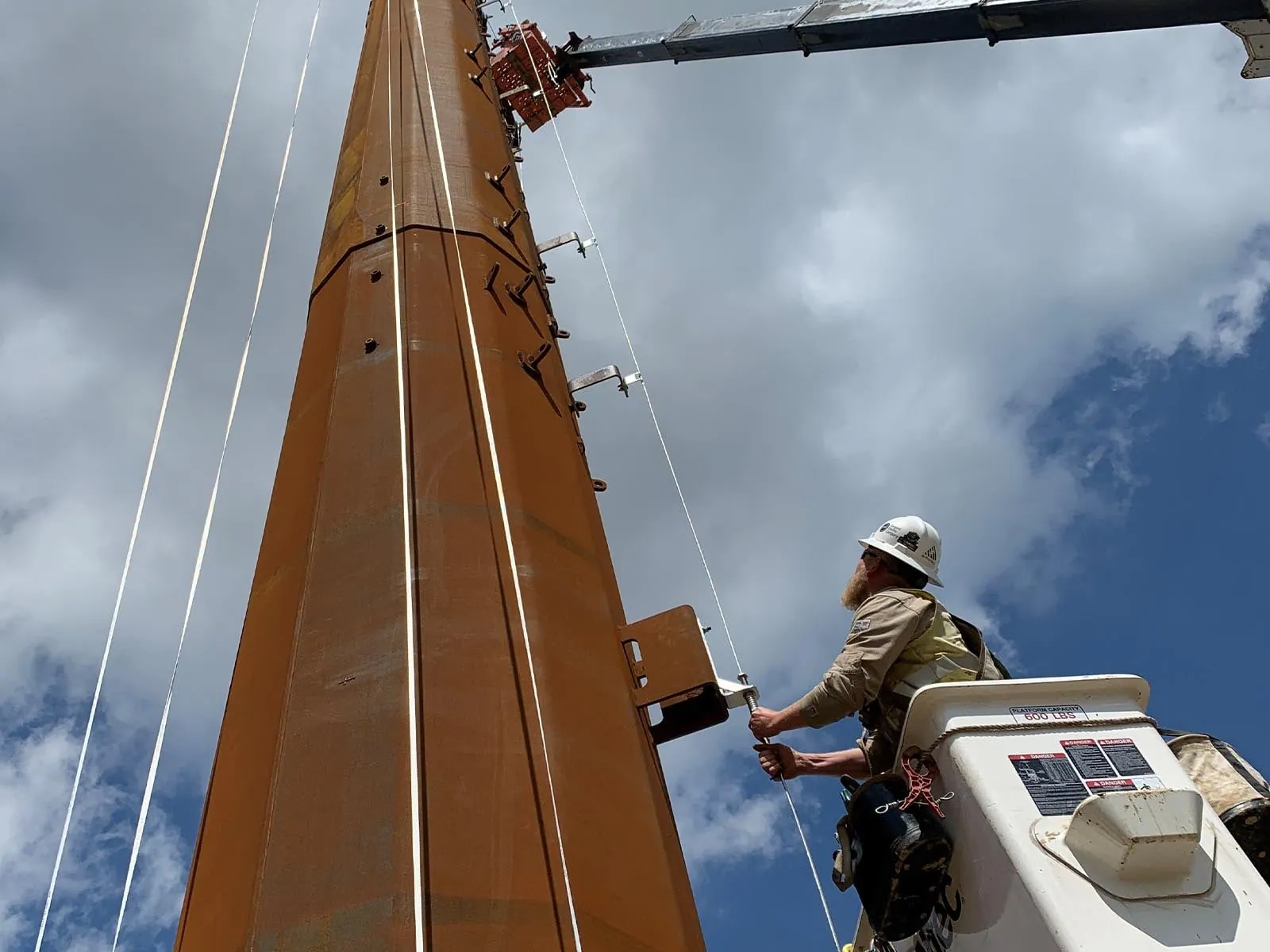
Energy & Utilities
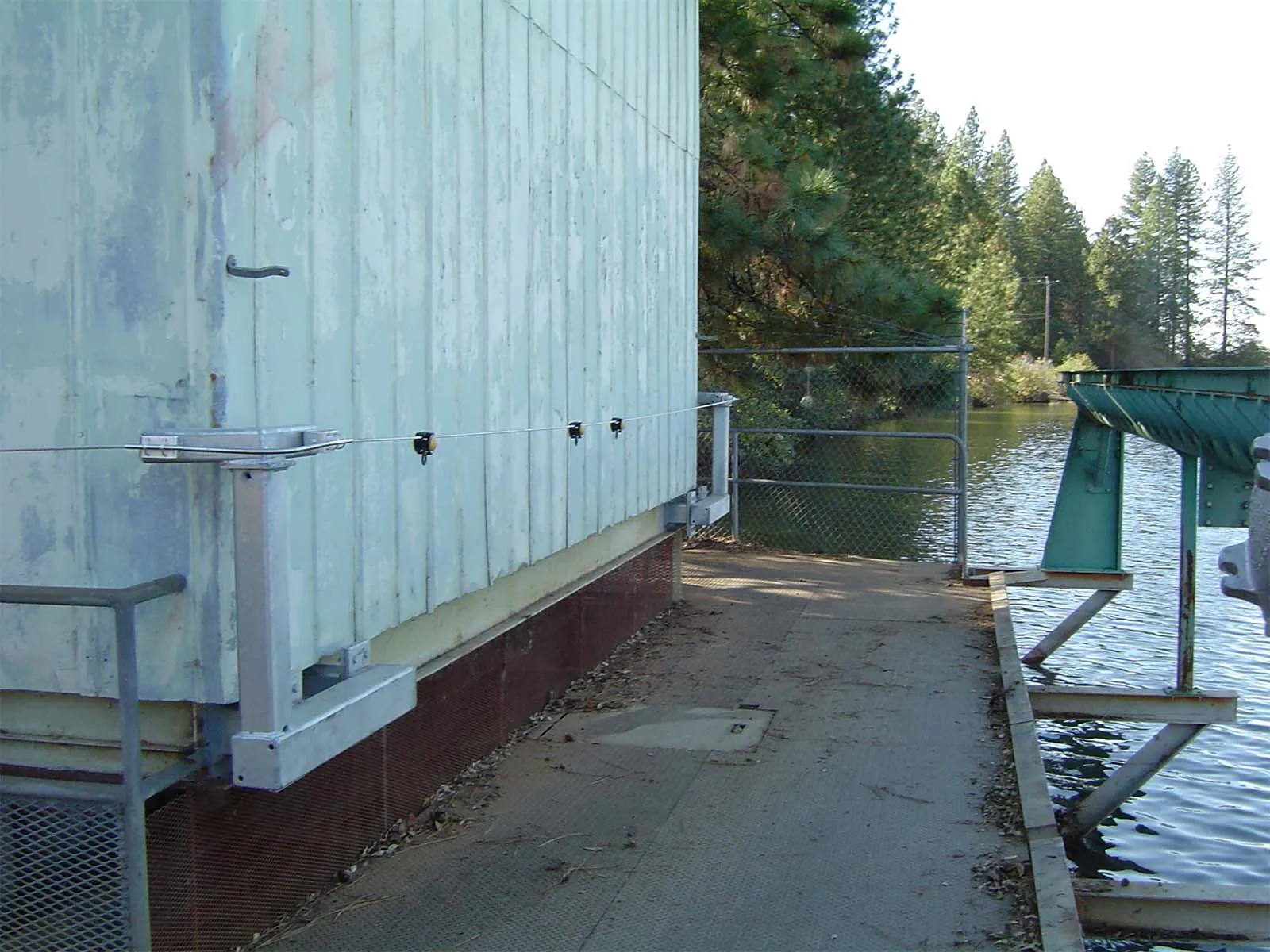
Infrastructure Development
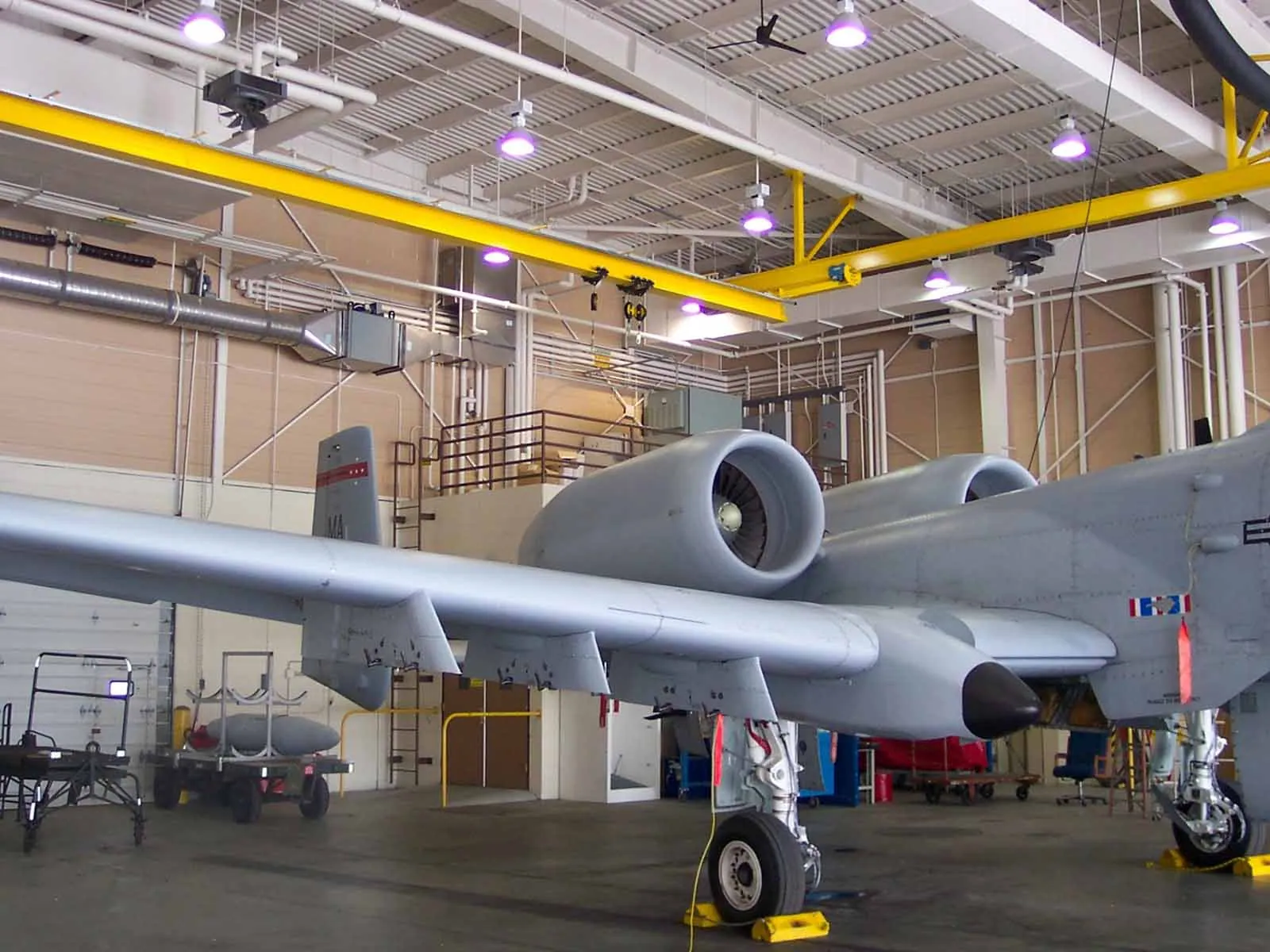
Government & Military
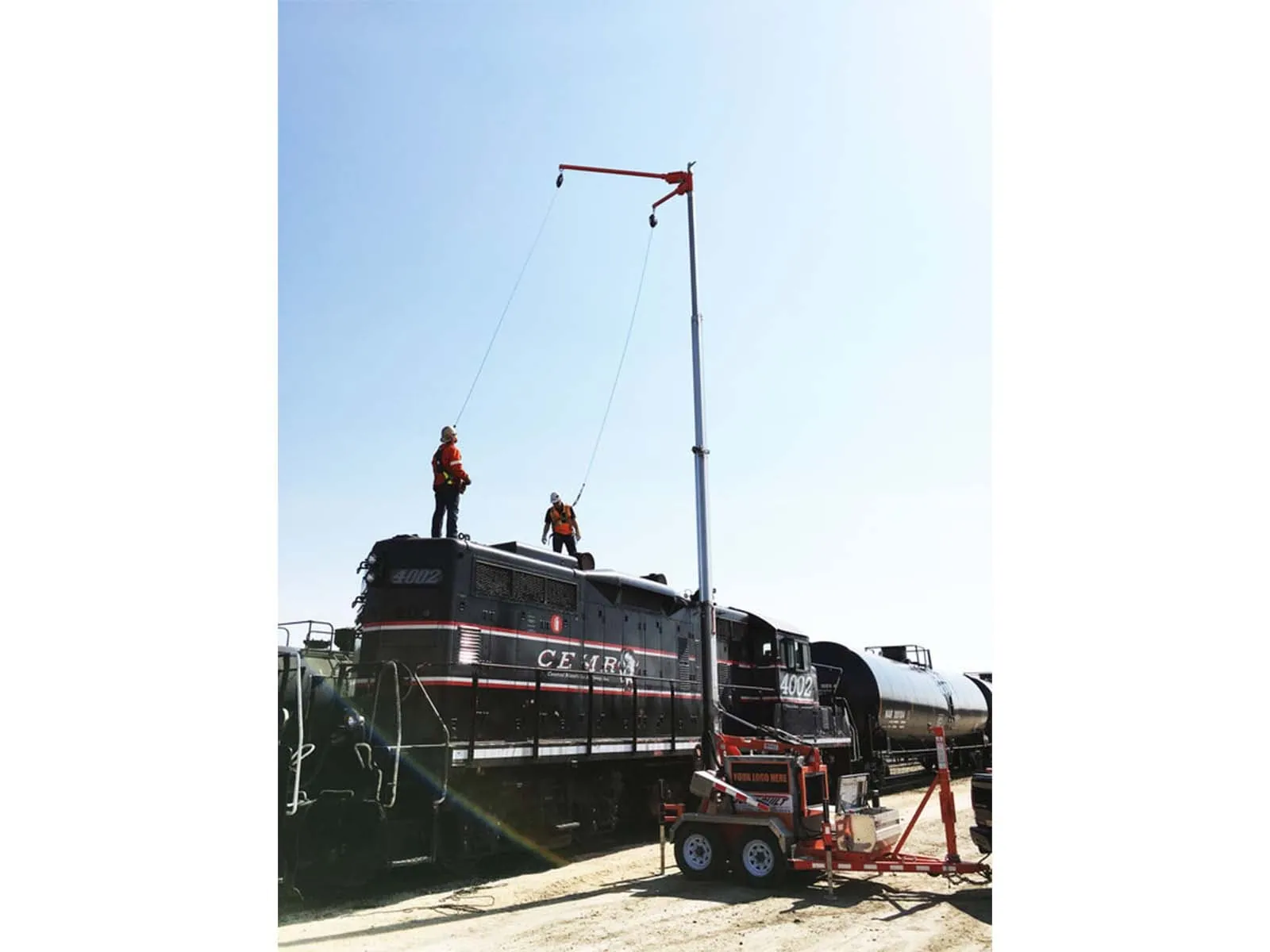
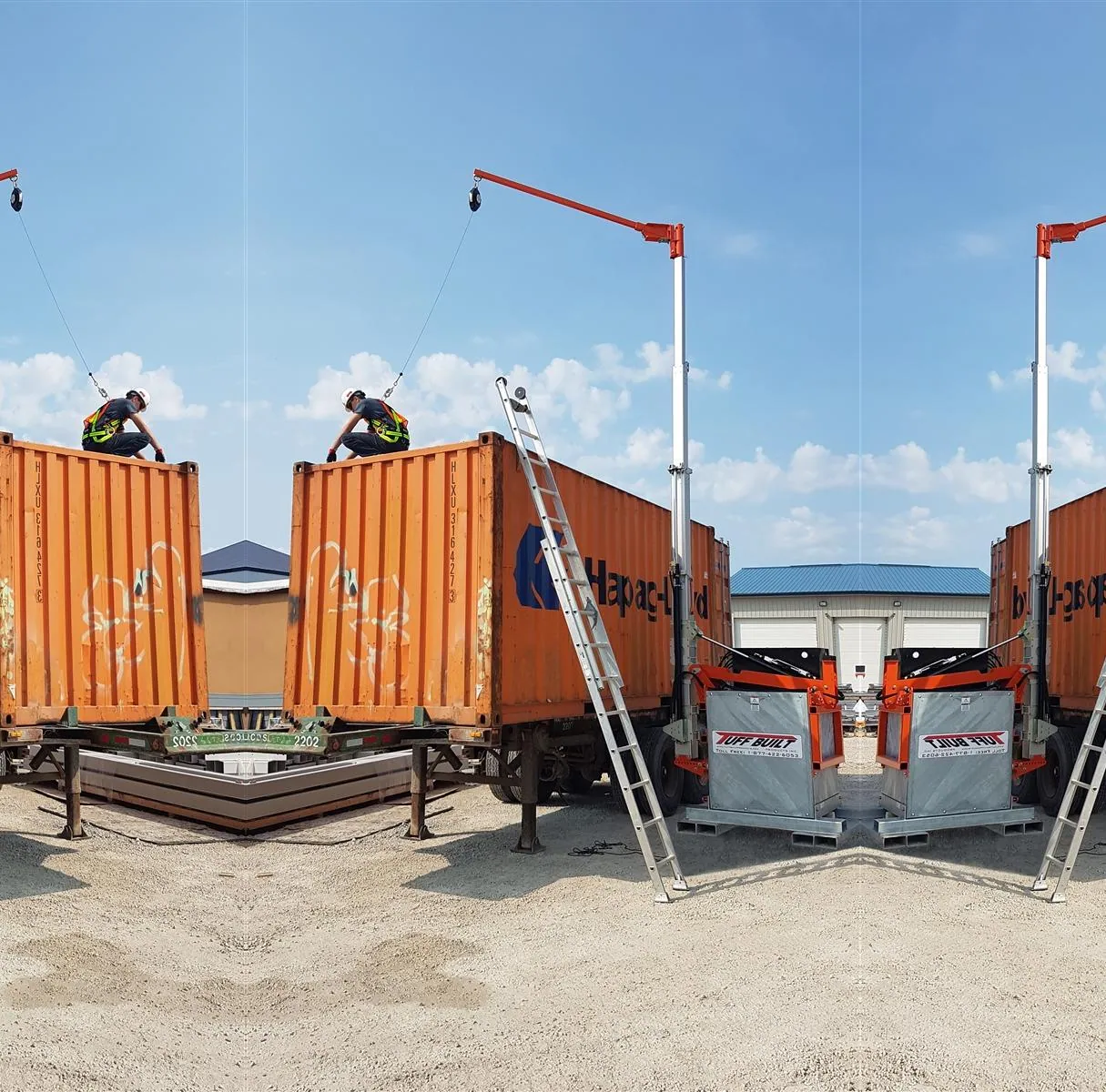
Where this system is used
Industries and applications that run on Permanent Anchor System
Downloads
Brochures & downloads
Brochure
Tritech Fall Protection Company Brochure
Tritech's company brochure: who engineers, supplies, installs and certifies your fall protection, and the 12 industries and applications we cover.
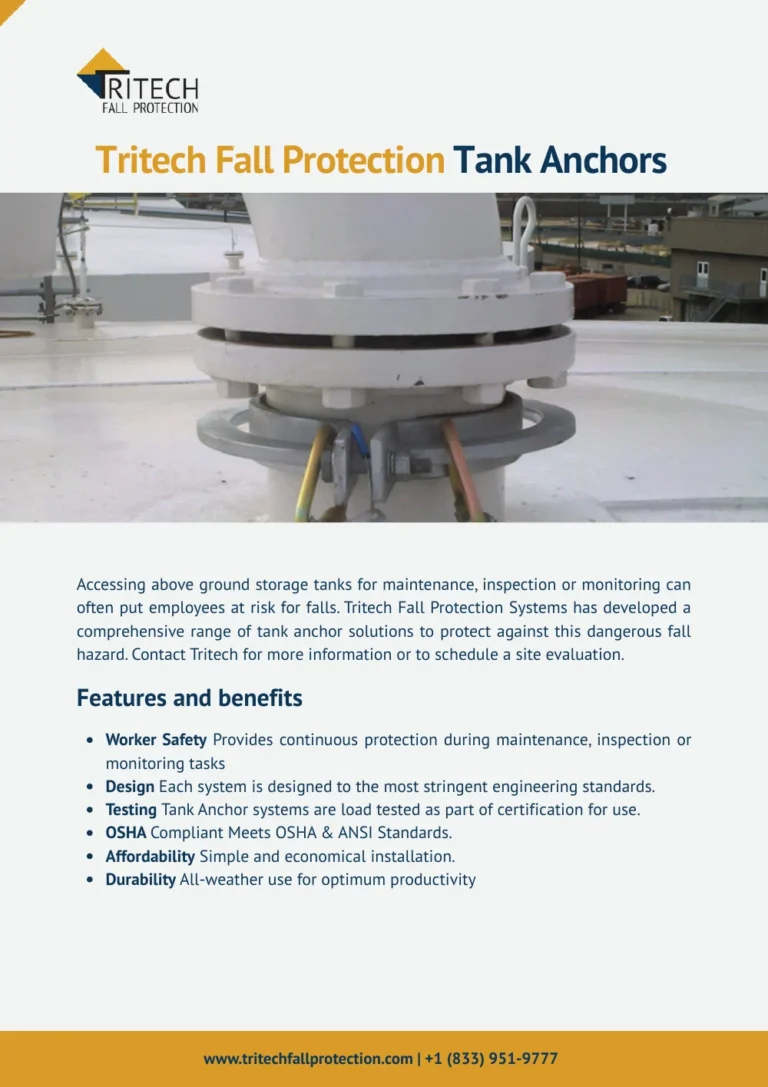
Product sheet
Tank Anchors Product Sheet
Product sheet for Tritech tank anchors: clamp-on anchors for above-ground storage tank flanges, plus a rail-and-trolley system for large flanges.
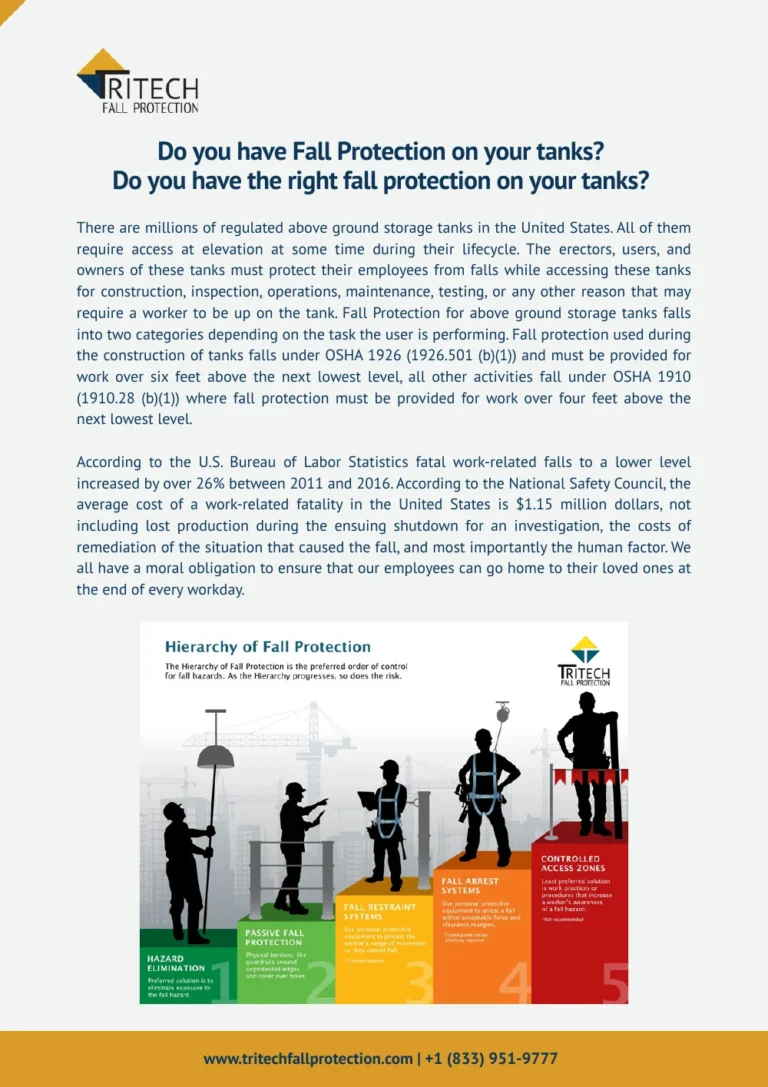
Guide
Above-Ground Storage Tank Fall Protection Guide
A guide for tank owners and operators on OSHA fall protection for above-ground storage tanks and where tank anchors fit in the ANSI Z359 hierarchy.
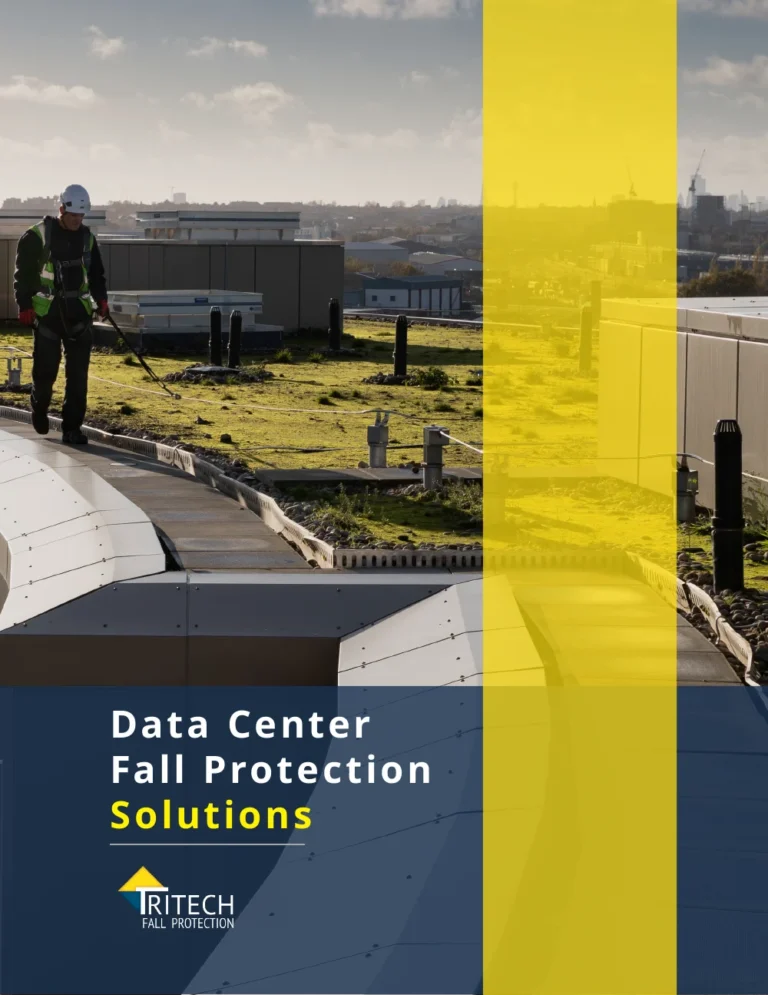
Brochure
Data Center Fall Protection Brochure
How Tritech protects data center roofs and yards: non-penetrating guardrail, access platforms, crossovers, stairs and ladder safety for mechanical equipment.
Answers to
Key Questions
What is the OSHA 5000 lb requirement?
OSHA requires an anchorage used for personal fall arrest to support at least 5,000 pounds for each employee attached, or to be designed, installed, and used under the supervision of a qualified person as part of a complete personal fall arrest system that maintains a safety factor of at least two (29 CFR 1910.140(c)(13) general industry; 29 CFR 1926.502(d)(15) construction). A permanent anchor system typically complies through the engineered path: the anchor and its connection to the structure are designed by a qualified person and documented so the rating holds for the life of the installation. Tritech designs, installs, and recertifies permanent anchor systems on that basis.
What does PE stamped drawing mean?
A PE-stamped drawing is an engineering drawing signed and sealed by a licensed Professional Engineer, certifying that the design meets the governing standards and the loads at the specific site. OSHA’s qualified-person provisions (for example, 29 CFR 1926.502(d)) are commonly satisfied by PE-engineered designs. For a permanent anchor system, the stamped drawing ties the anchor, its structural connection, and its rating to one accountable design, and it stays with the building as the system’s compliance record.
What is the OSHA 6 foot rule?
The OSHA 6-foot rule comes from the construction standard, 29 CFR 1926.501(b)(1): construction work requires fall protection at an unprotected side or edge 6 feet or more above a lower level, with a guardrail system, personal fall arrest system, or safety net system as the compliant options. Permanent anchors are often installed during construction so crews can tie off at that trigger, then remain in service for the building’s maintenance life.
What is the OSHA 4 foot rule?
The OSHA 4-foot rule is the general industry trigger under 29 CFR 1910.28(b)(1): employers must protect workers exposed to a fall of 4 feet or more to a lower level in permanent facilities. Once a building is occupied, rooftop and interior maintenance falls under this standard, and a permanent anchor system gives those crews a certified tie-off point where guardrails are not feasible.
CONTACT
Build Long-Term Safety into Your Facility
Talk to us about installing fixed anchor points that provide dependable fall protection year after year.
Let’s Discuss Your Project
"*" indicates required fields
Not ready to talk yet? Download the Tritech Fall Protection Company Brochure