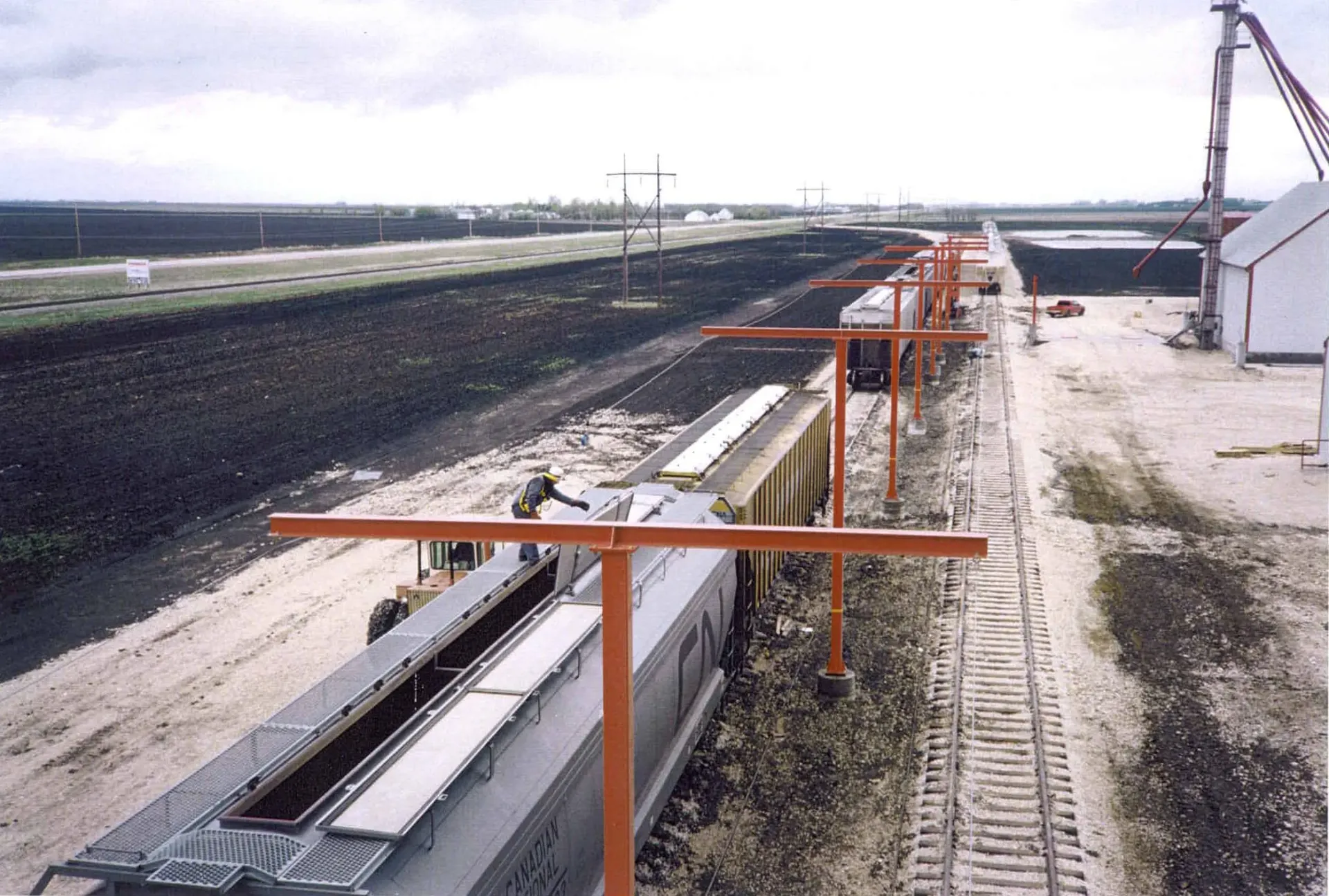

Significant fall incidents do not happen often, but when they do, the physical and emotional toll is catastrophic. While we often look for a single, disastrous mistake in the wake of an accident, the reality is usually far more complex. In most cases, fall protection systems fail not because of a single faulty component, but because critical elements of the system are overlooked, misunderstood, or completely disconnected from the broader safety strategy.
At Tritech Fall Protection, our profound responsibility to our customers, end-users, and the public demands that we view safety through a lens of absolute governance and seriousness. Compliance requires understanding the requirements that apply to the work and putting them into practice across the complete system. Equipment selection, safe access, training, inspection and rescue planning must work together.
The Trap of Fragmentation
One of the most critical challenges organizations face today when addressing work-at-height hazards is system fragmentation.
Consider a scenario where an anchorage is structurally sound, but is positioned in a way that workers cannot realistically access it. Alternatively, personal protective equipment may technically meet regulatory standards but introduce severe swing-fall hazards or fail to account for inadequate fall clearance. Newly installed hardware may meet its design specifications while the wider program still lacks the use procedures, inspection schedules and rescue planning needed for safe operation.
In these cases, the failure is not the quality of the hardware. The failure is the fragmentation of the solution. When engineering, equipment procurement, installation, training, and inspection are managed in silos by different vendors with different expertise levels and different priorities, the result is increased liability and fatal gaps in safety.
Focus on Complete Solutions, Not Just Products
Protecting lives means moving beyond the simple transaction of buying equipment. Designing an effective fall protection solution requires engaging directly with the workers, understanding the specific environmental challenges, and rigorously applying the appropriate control techniques.
Following ANSI/ASSP Z359 guidance and the Hierarchy of Controls, organizations must evaluate hazards deeply rather than defaulting to quick hardware purchases. The most reliable solutions often involve engineering and administrative controls that are less easily defeated than relying entirely on user-operated gear. We must always seek meaningful ways to reduce fall risk, such as:
- Eliminating exposure through facility redesign
- Installing passive, engineered guardrail systems
- Modifying access methods for safer positioning
- Elevating anchorages to reduce fall distances
- Limiting worker exposure duration
Equipment is only one component of a functioning safety program. While active fall arrest systems are often necessary and highly effective, they must be selected as part of a comprehensive, meticulously engineered evaluation.
At Tritech Fall Protection, we approach every project with the professionalism and genuine care required to bridge these gaps. Integrating hazard assessment, precise engineering, equipment selection, user training, and comprehensive rescue documentation is not just a best practice; it is our moral obligation to ensure that every worker relying on our systems returns home safely.
The Domino Effect of Safety Decisions
A coordinated, expertly governed process is essential because decisions made in one phase dictate the success of the next. When fall protection programs evolve through disconnected decisions across different vendors or departments, dangerous gaps emerge.
| Strategic decision | System impact |
|---|---|
| Anchorage placement | Determines fall clearance requirements, swing fall risks, and rescue viability. |
| Equipment selection | Directly shapes emergency rescue planning and procedures. |
| Installation methods | Dictates the long-term structural performance and integrity of the system. |
| Worker procedures | Governs the actual, day-to-day usability and effectiveness of the system. |
The Documentation Imperative
While documentation does not physically catch a falling worker, the rigorous exercise of creating it consistently exposes critical weak links. Without structural analyses, design calculations, rescue procedures, and thorough training records, organizations cannot demonstrate that systems are safely maintained. Missing documentation leads to increased liability and, most importantly, compromised safety when personnel change or facility operations are modified.
Understanding and Applying Compliance
Compliance is essential, and understanding what it requires takes expertise. OSHA regulations and applicable consensus standards address more than an individual product. The correct requirements must be identified for the task, system and working environment, then carried through design, installation, training, inspection and rescue planning. Tritech helps facility teams understand these obligations and maintain the documentation and procedures needed to put them into practice.
Asking the Right Questions
To eliminate dangerous gaps in fall protection, organizations must shift from simply asking, “What equipment do we need?” to asking rigorous operational questions:
- Are these systems designed and evaluated by a formally qualified person?
- Has the required fall clearance been meticulously calculated for every user?
- Will our workers realistically and consistently use this system as intended?
- What is the necessary training for our team to maximize safe operations?
- How exactly will a rescue be performed in this specific environment?
At Tritech Fall Protection, our commitment to unwavering professionalism and strict engineering ensures that structures, procedures, and safety systems work as one cohesive unit to bring every worker home safely.
