SOLUTIONS
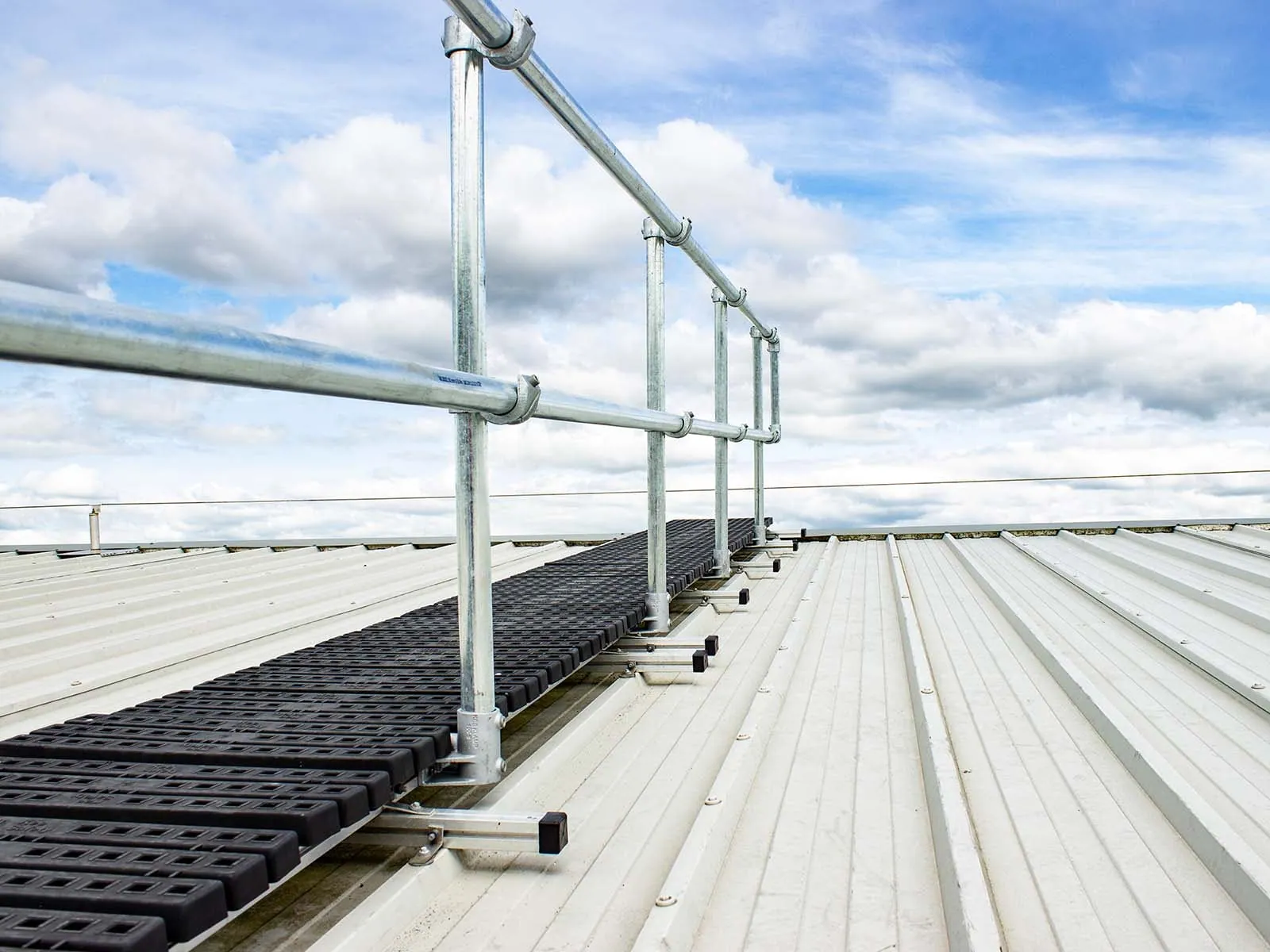
Catwalk System
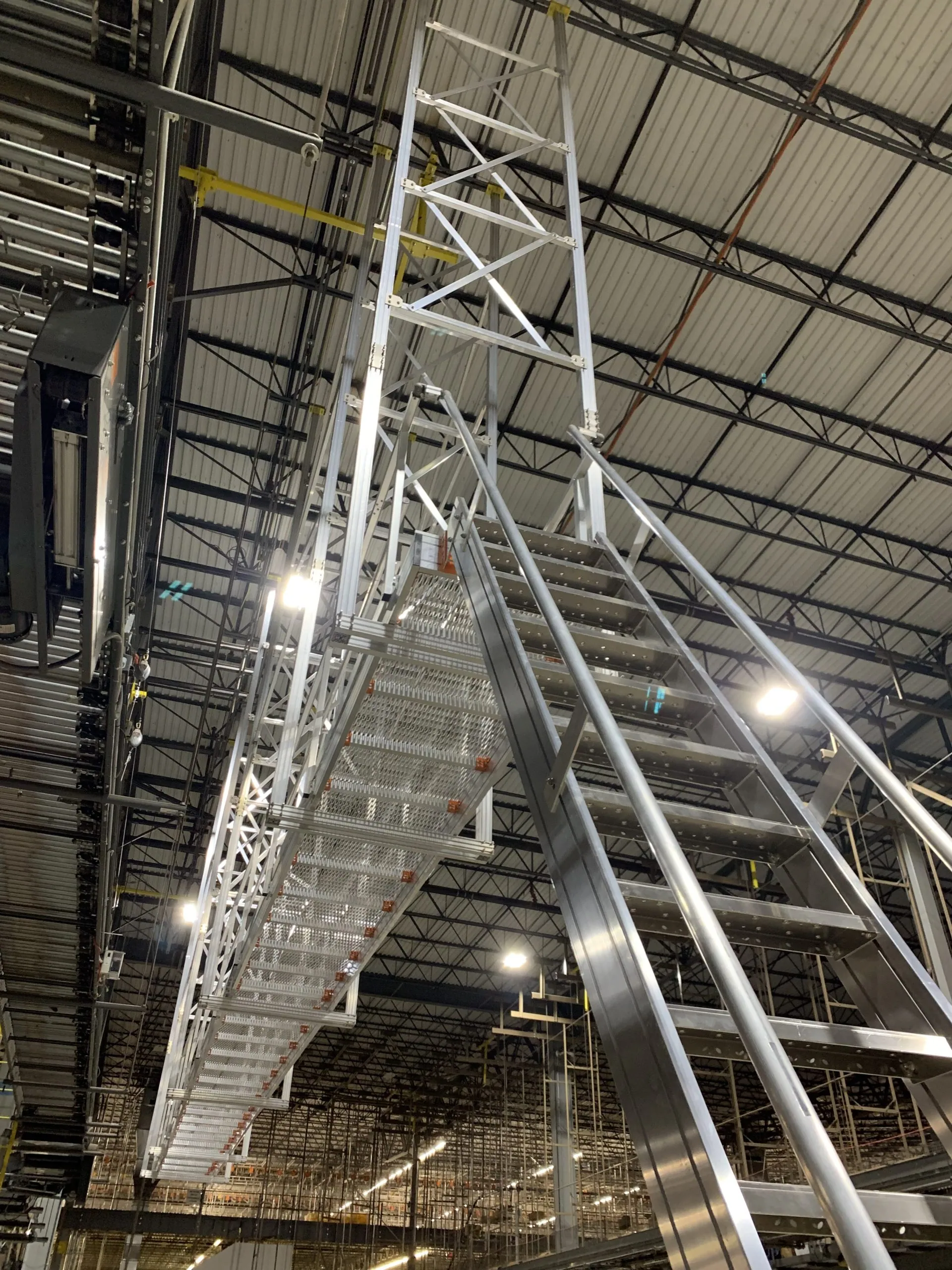
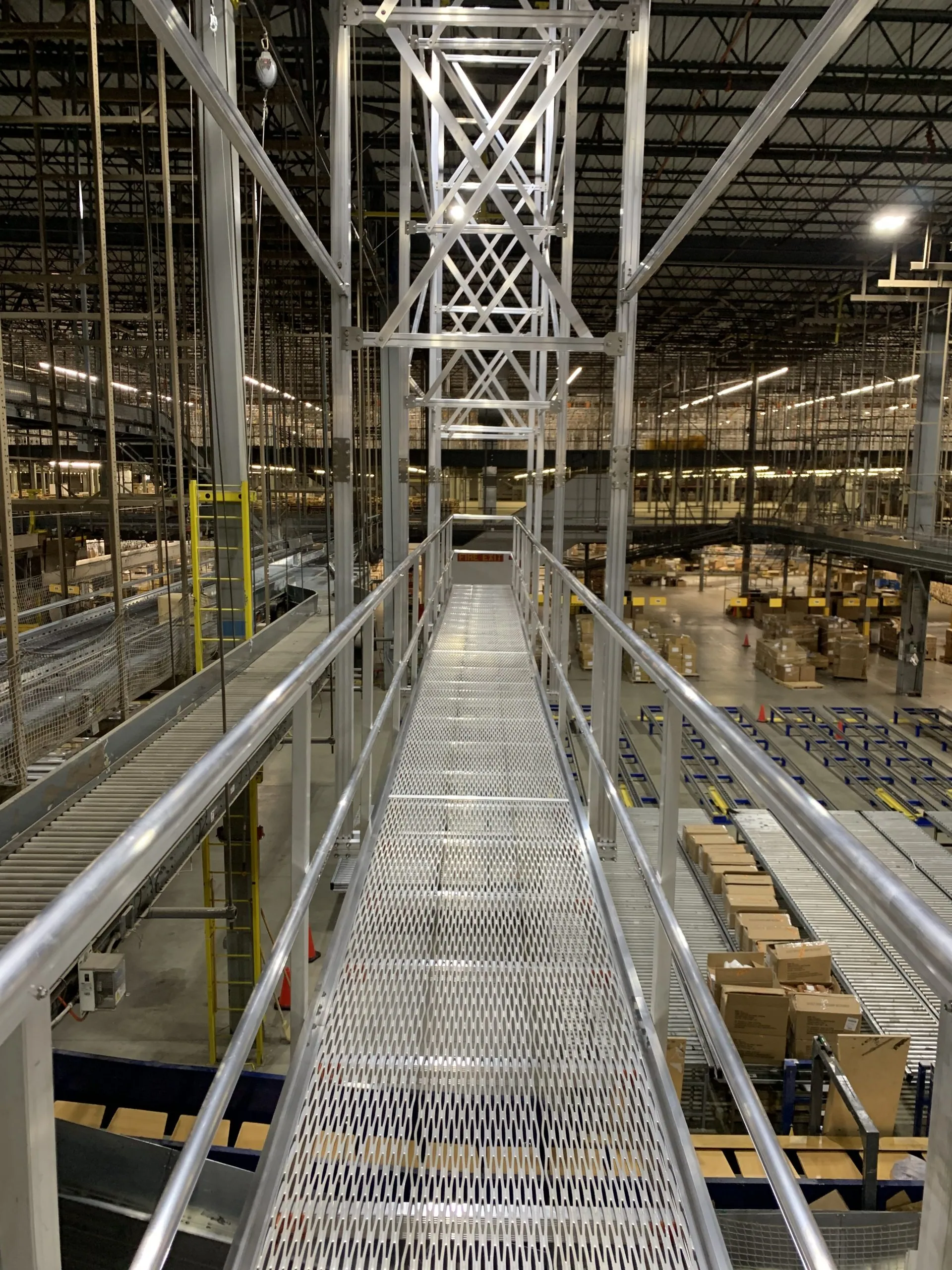
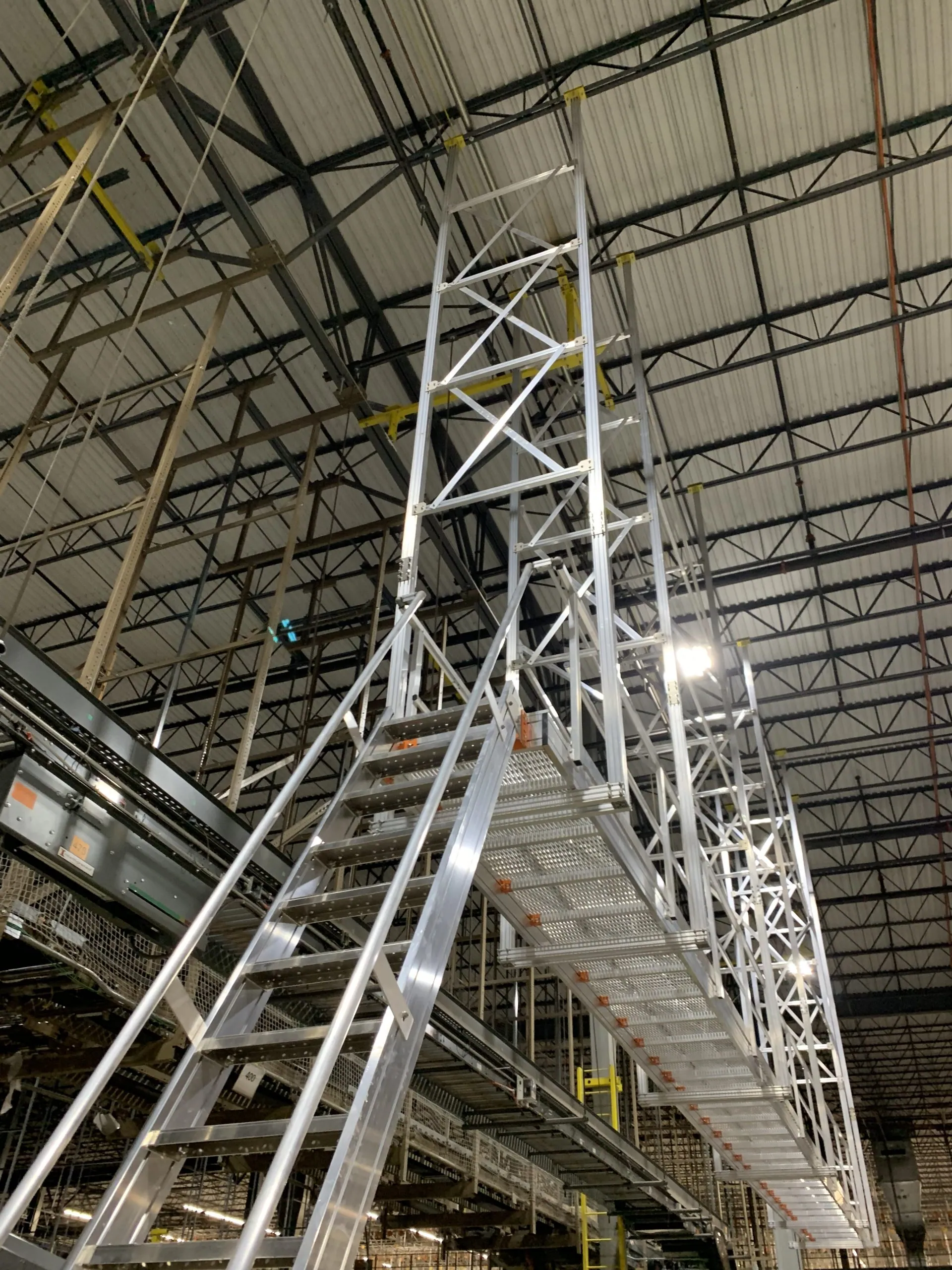
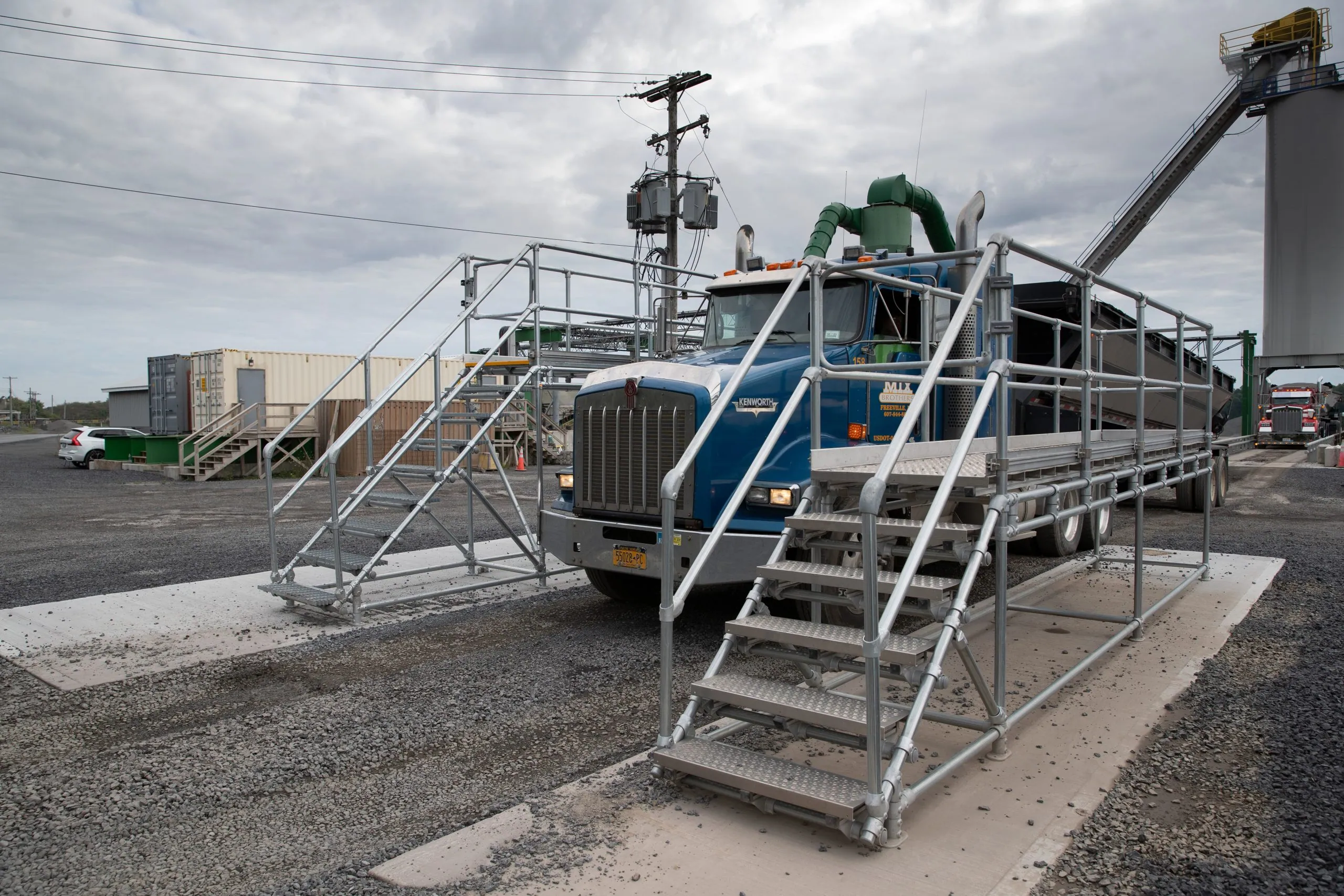
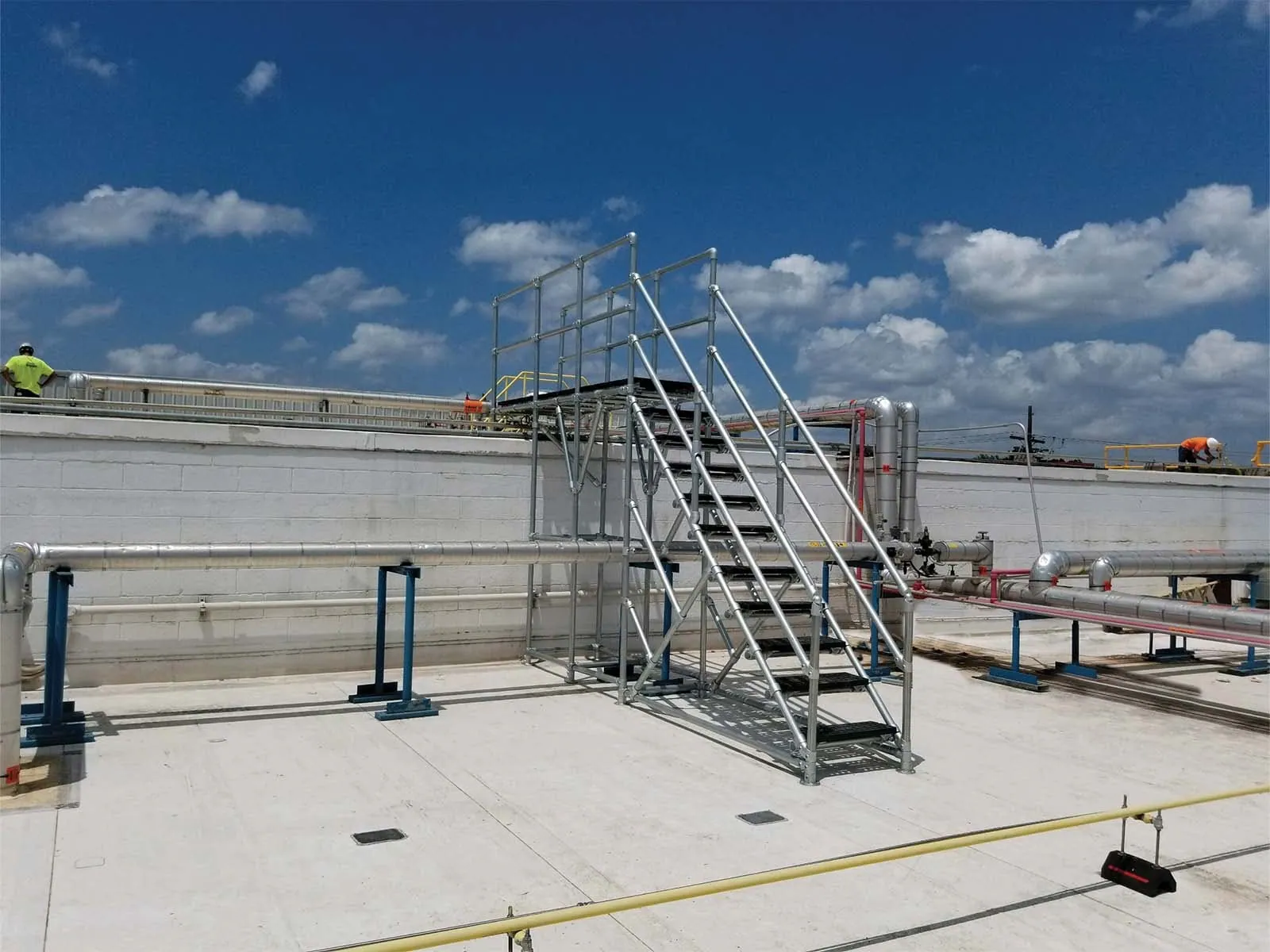
Modular, Guardrail-Protected Access for Elevated Work Areas
Stable, Elevated Access
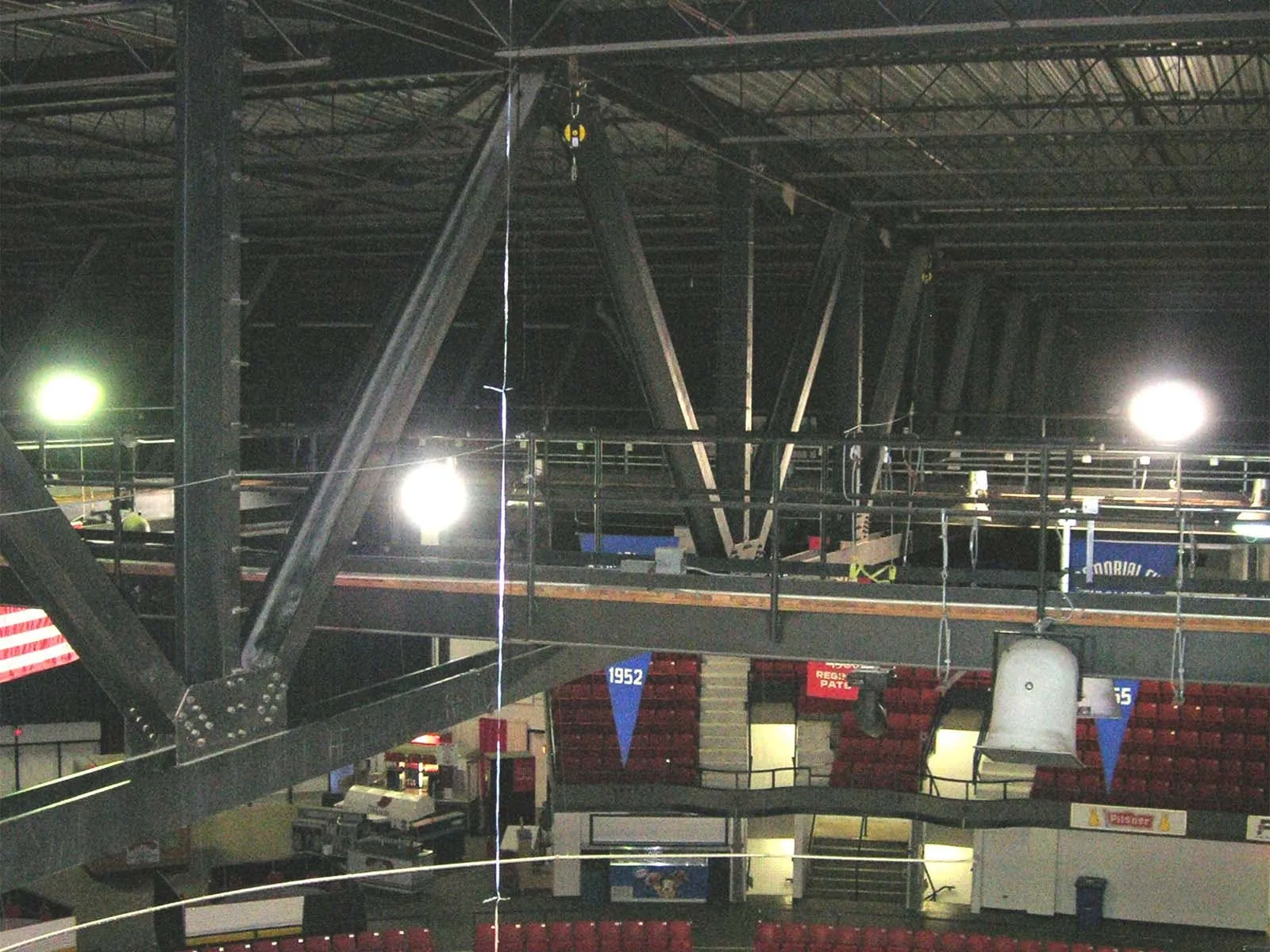
Provides a dedicated overhead route through busy facilities ideal for navigating safely above machinery, storage areas, or for inspection/maintenance.
Durable, Customizable Construction
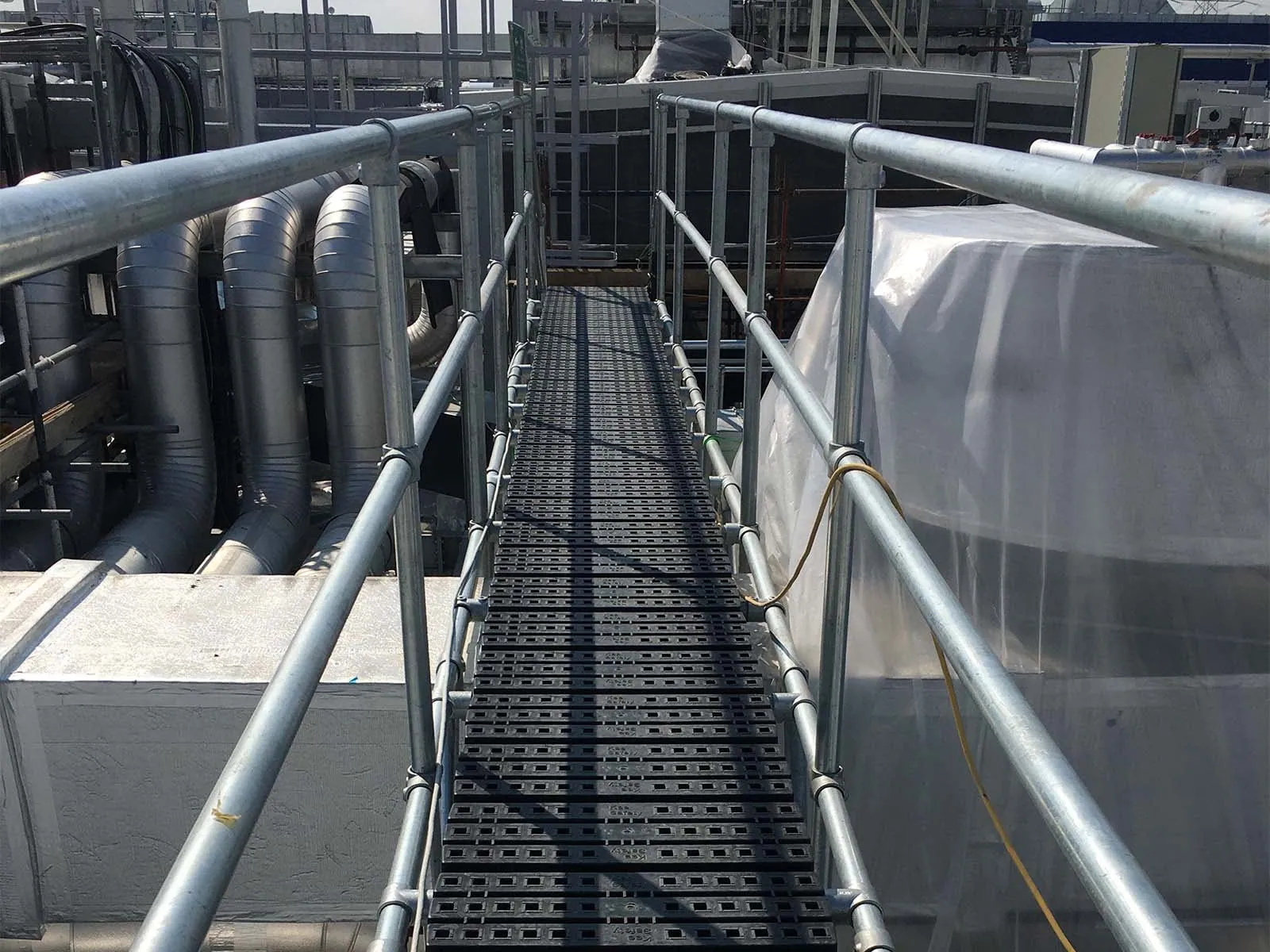
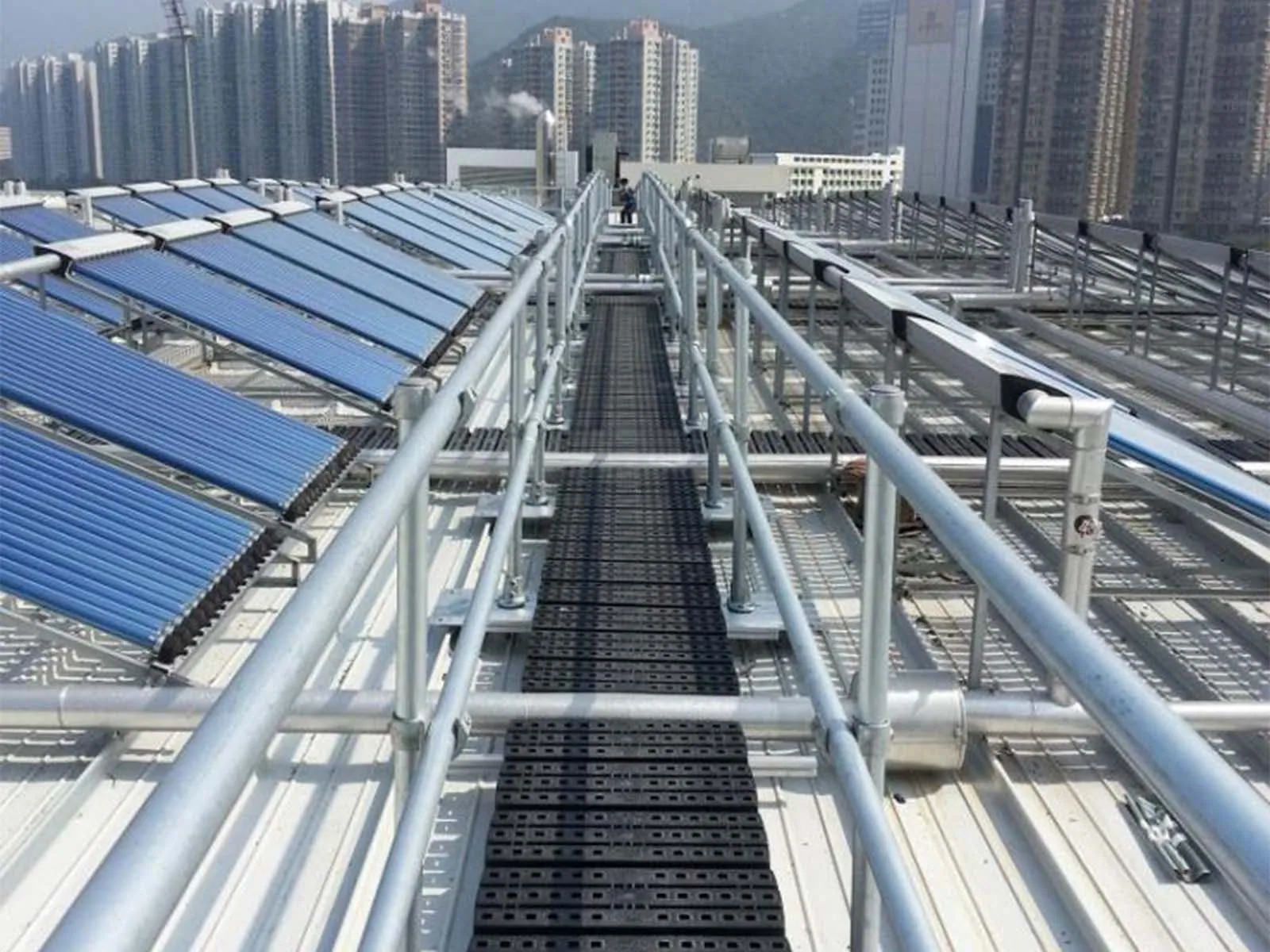
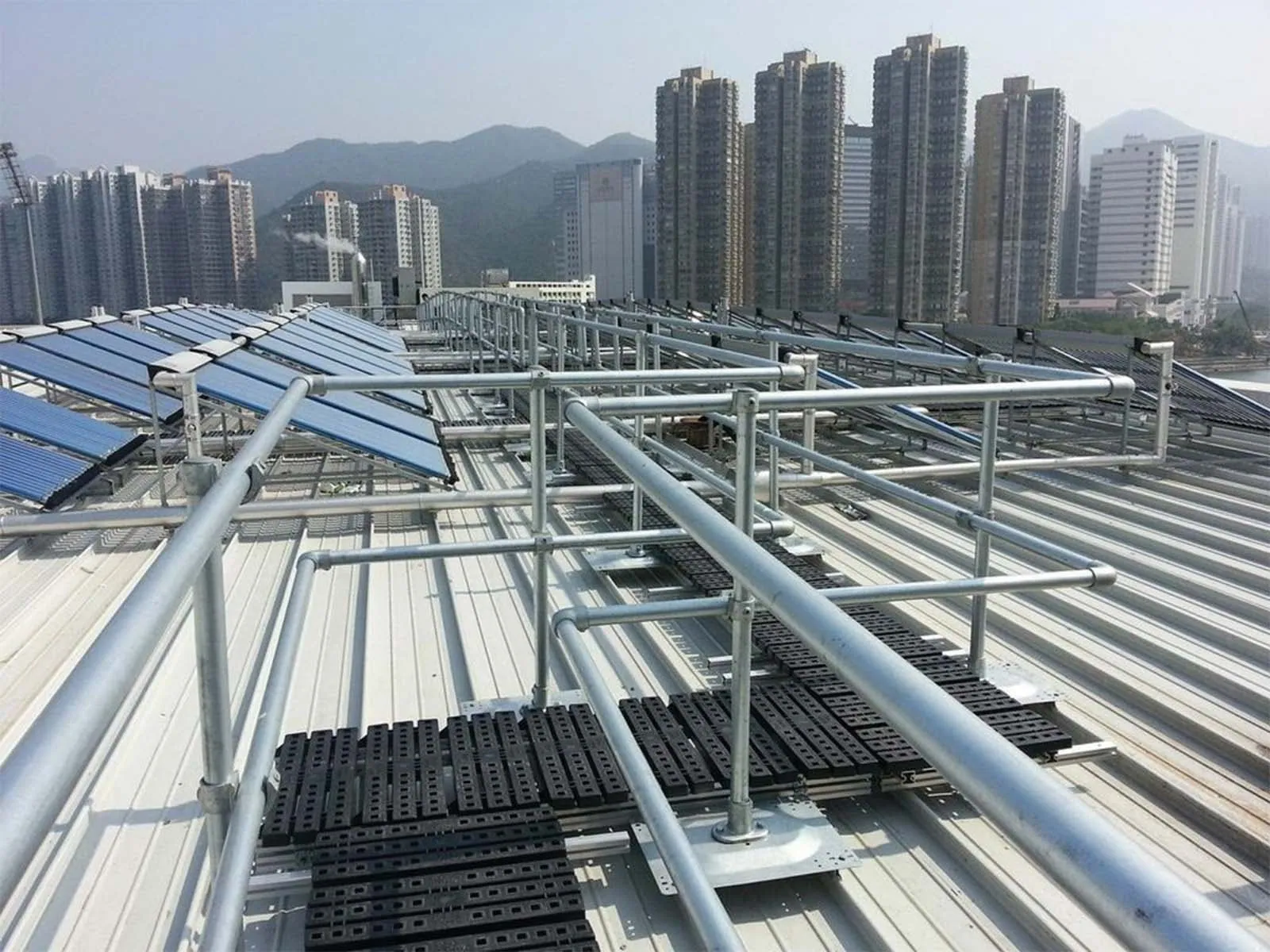
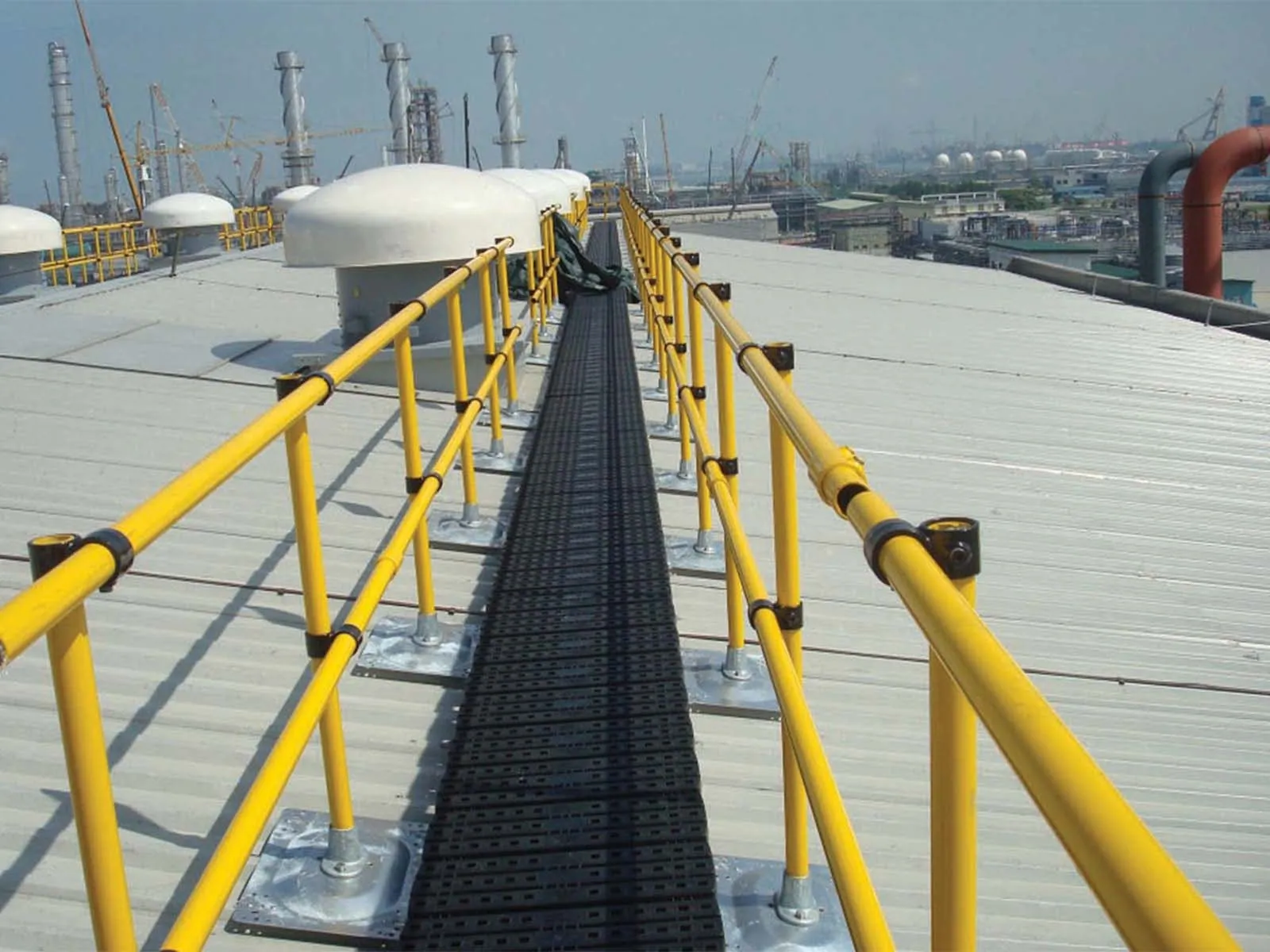
Made from aluminum, steel, or fiberglass with guardrails, anti-slip decking, and toe boards to support safety and long-term use.
Fully OSHA & ANSI Compliant
Built to meet OSHA and ANSI standards for fall protection, and guardrail systems.
PROBLEMS WE SOLVE
Navigate Equipment and Busy Workspaces in Safety
In busy, high-risk environments, catwalk systems allow teams to reach what they need without climbing over equipment or navigating unsafe routes. They’re essential for reducing fall hazards, improving workflow, and keeping operations compliant.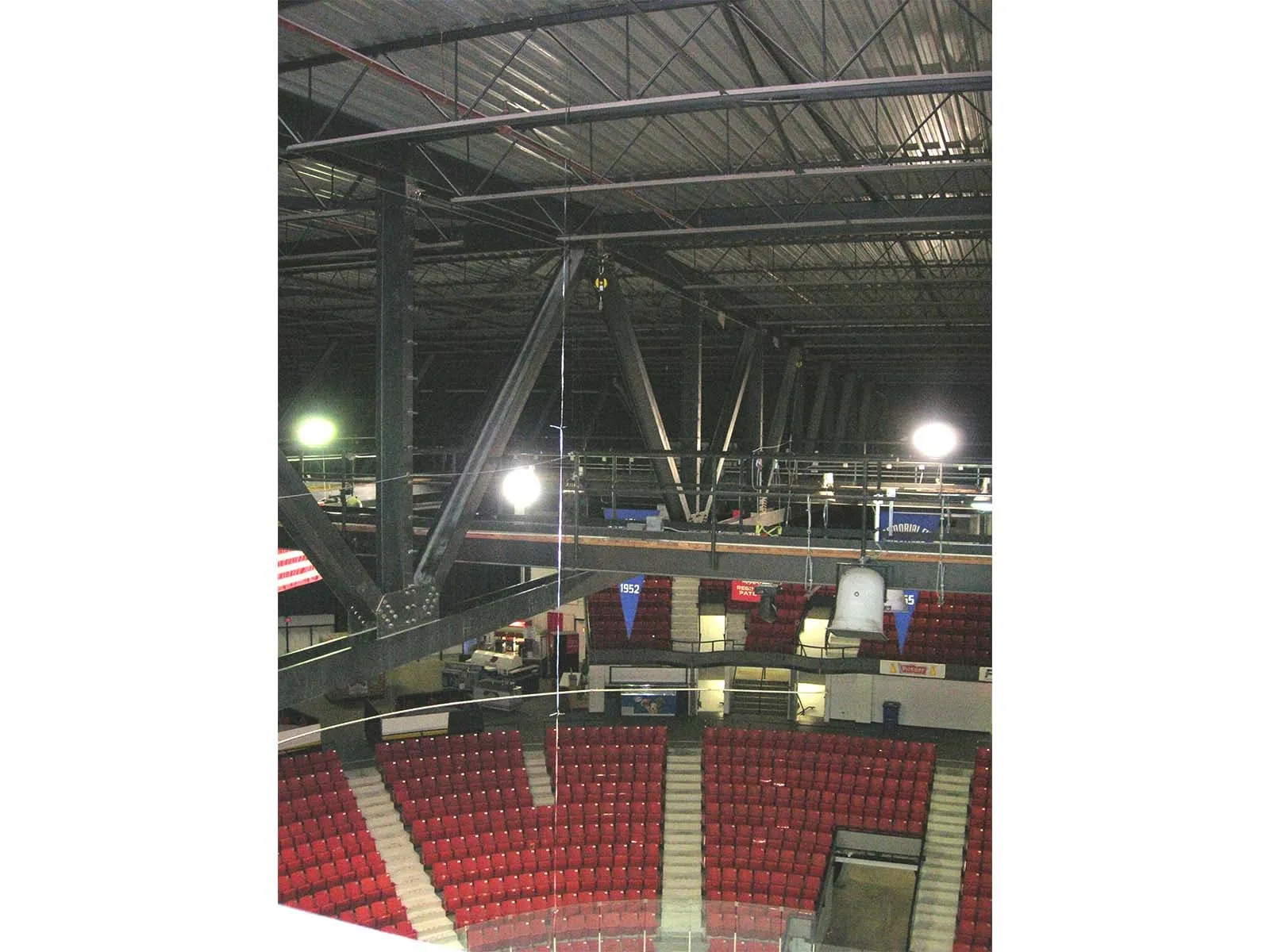
Areas of Application for Catwalk Systems
- Manufacturing & Industrial Facilities
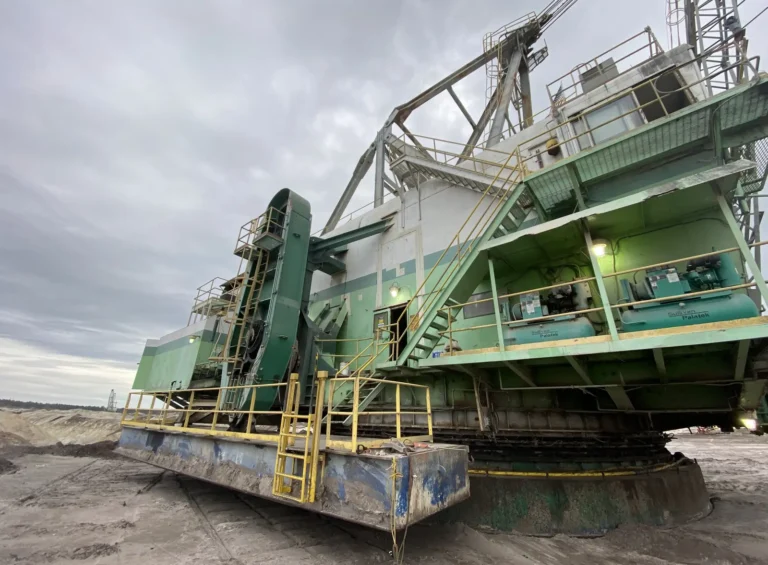
- Energy & Utilities
- Infrastructure Development
- Government & Military
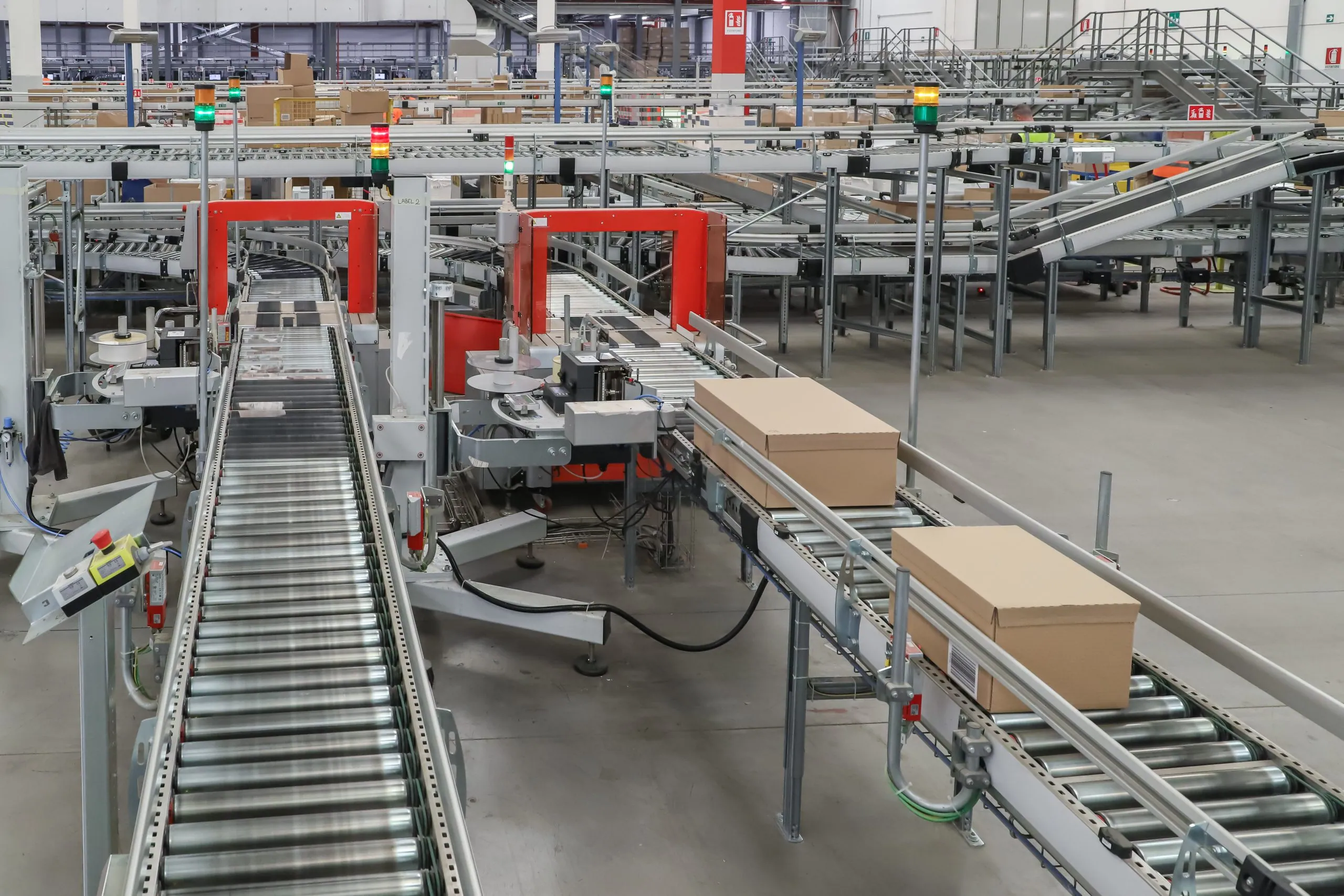
Manufacturing & Industrial Facilities
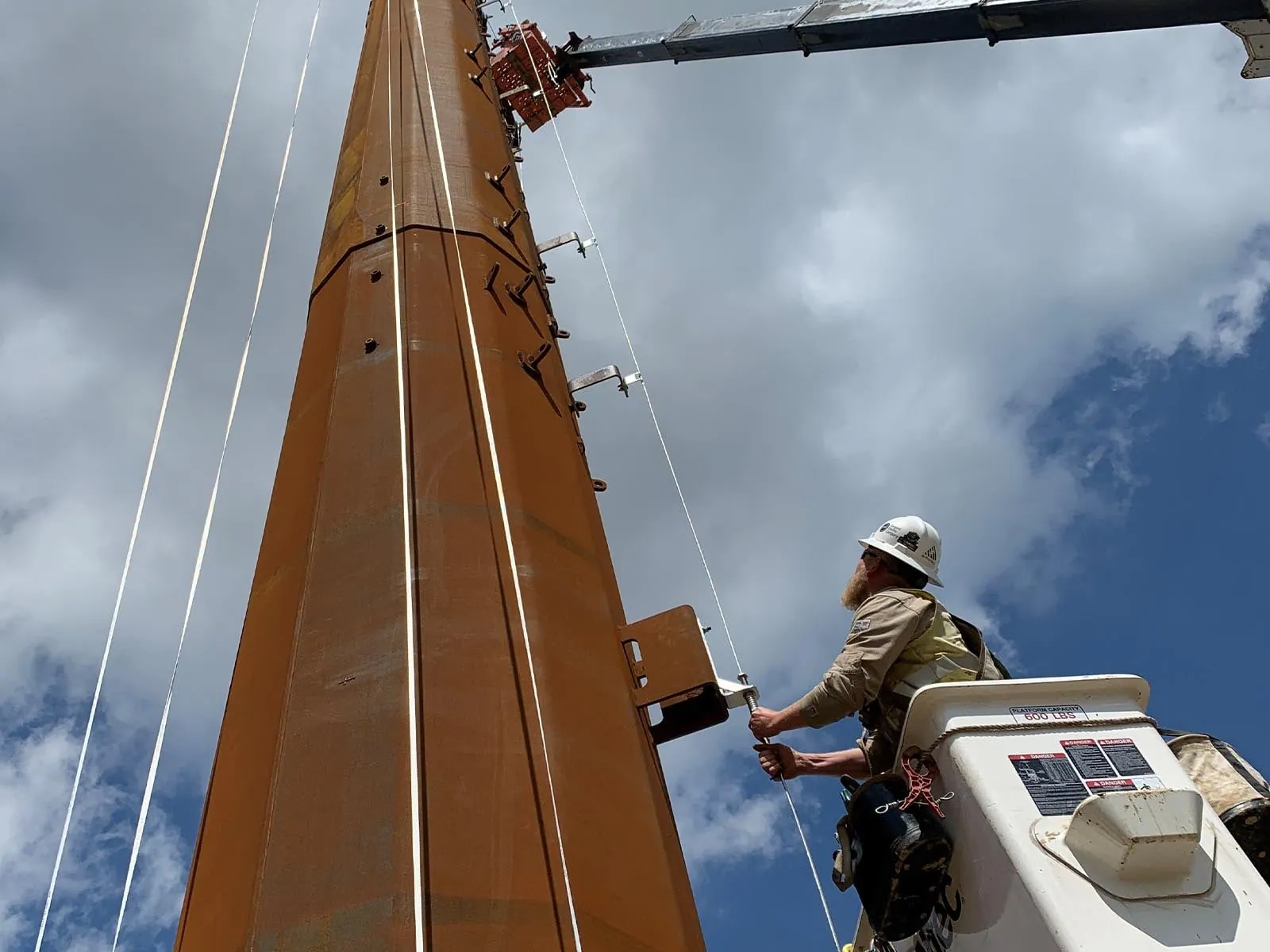
Energy & Utilities
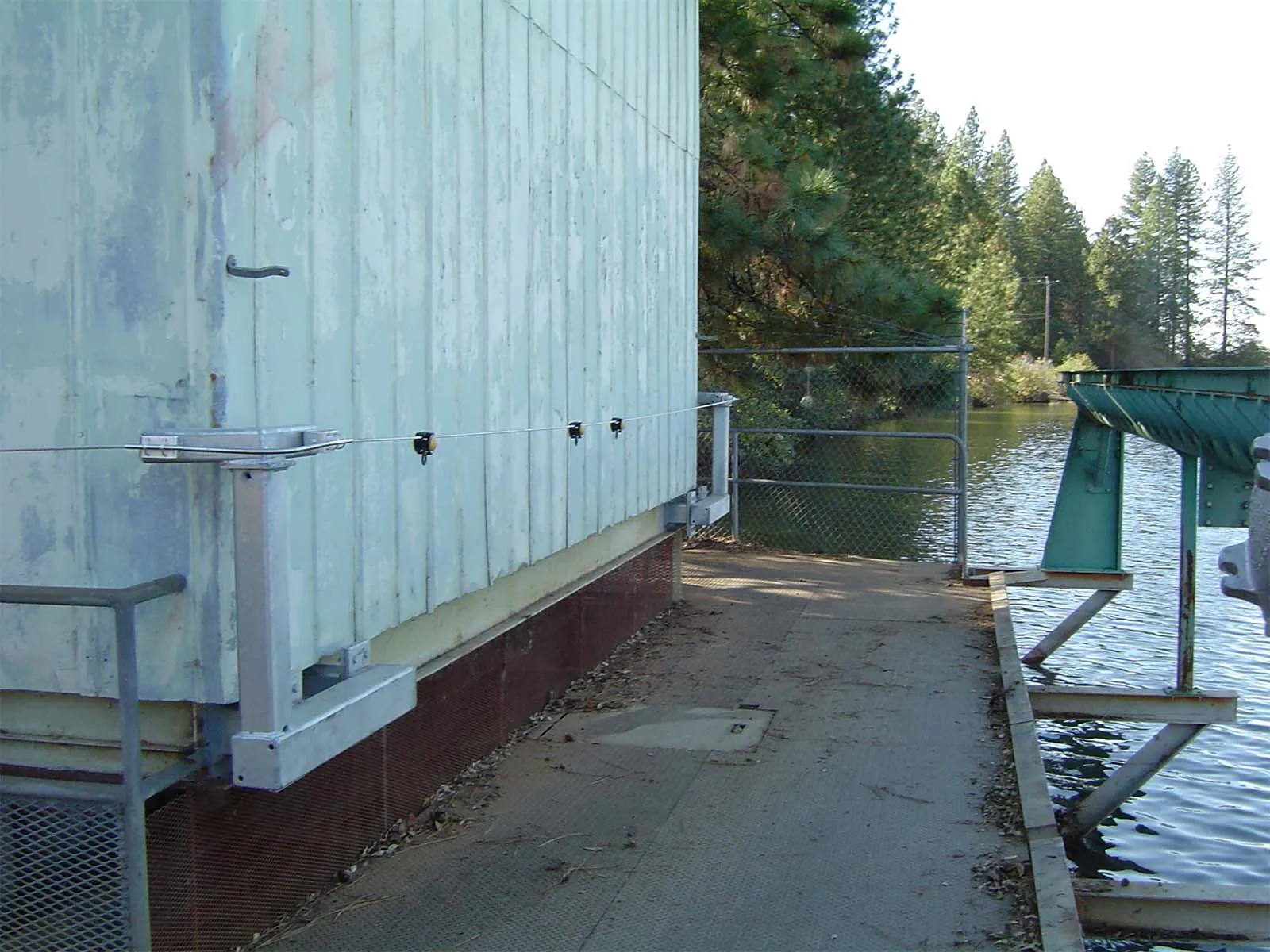
Infrastructure Development
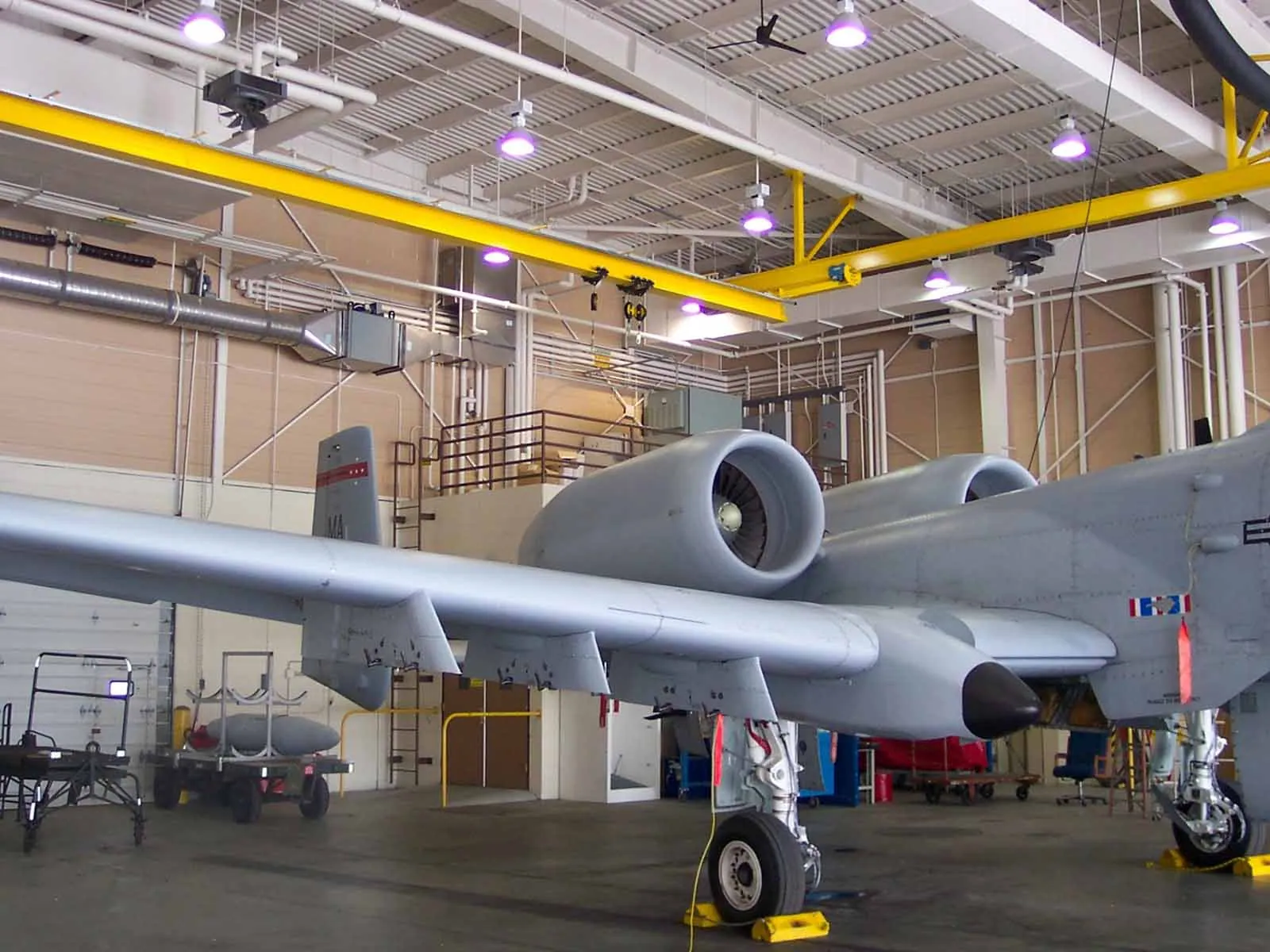
Government & Military
Where this system is used
Industries and applications that run on Catwalks
Downloads
Brochures & downloads
Brochure
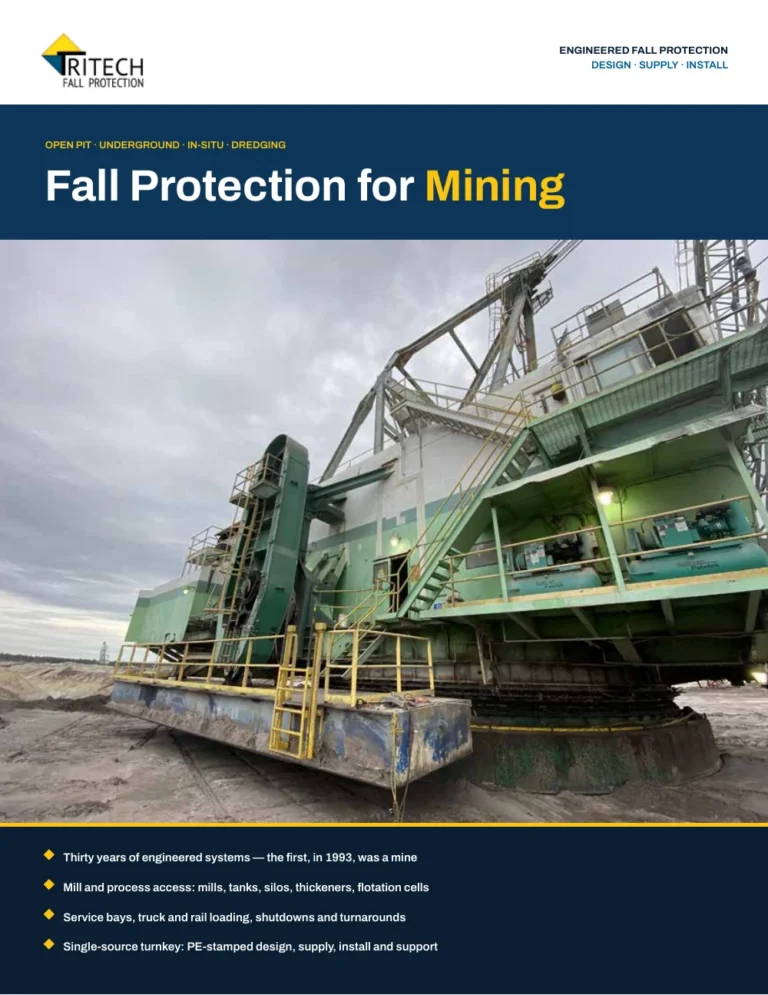
Mining Fall Protection Brochure
Fall protection for open pit, underground, in-situ and dredging sites: where mine exposure concentrates and the engineered systems Tritech installs for it.
Brochure
Tritech Fall Protection Company Brochure
Tritech's company brochure: who engineers, supplies, installs and certifies your fall protection, and the 12 industries and applications we cover.
Guide
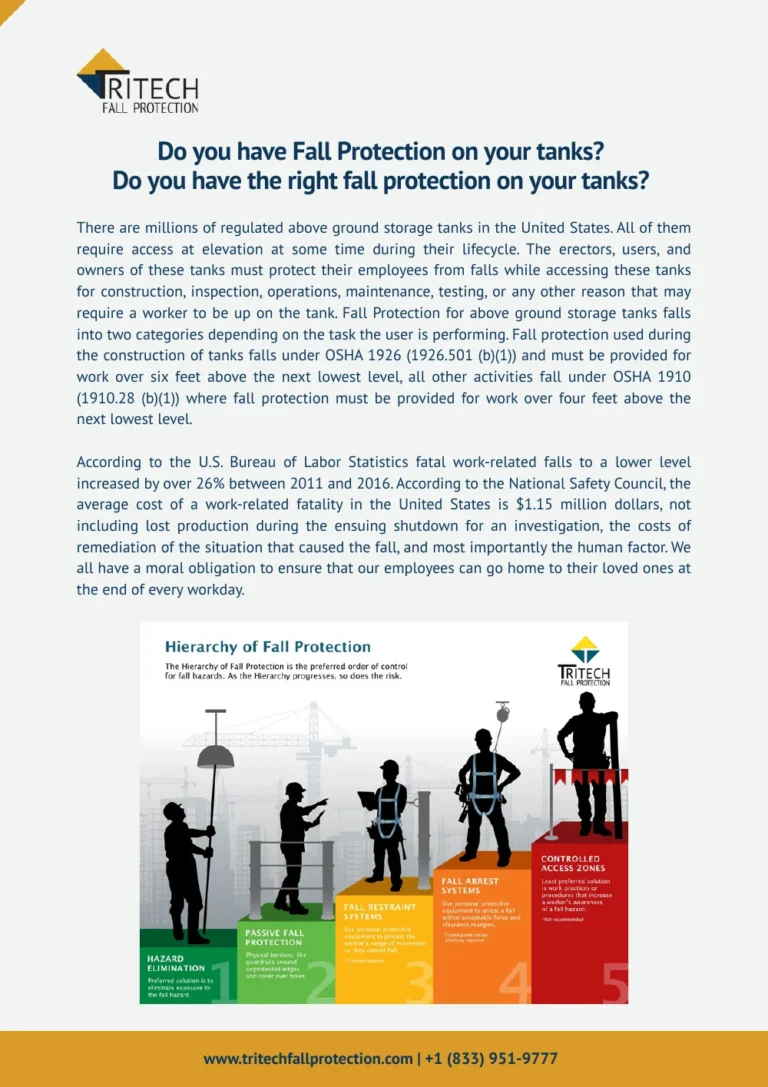
Above-Ground Storage Tank Fall Protection Guide
A guide for tank owners and operators on OSHA fall protection for above-ground storage tanks and where tank anchors fit in the ANSI Z359 hierarchy.
Brochure
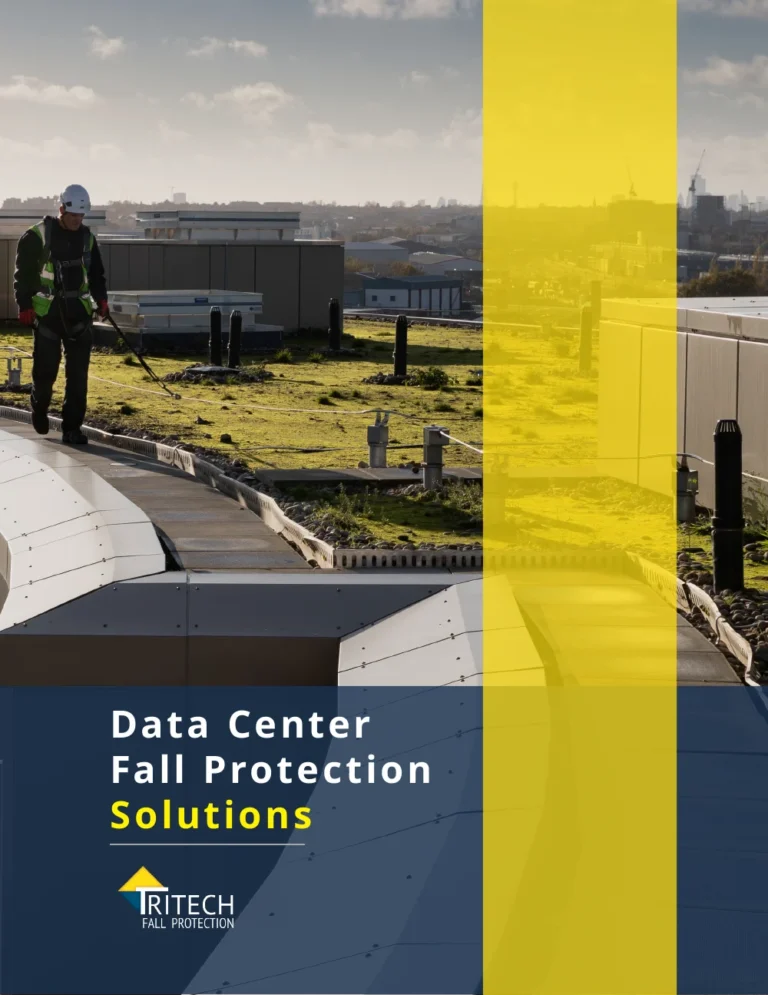
Data Center Fall Protection Brochure
How Tritech protects data center roofs and yards: non-penetrating guardrail, access platforms, crossovers, stairs and ladder safety for mechanical equipment.
Answers to
Key Questions
What are the OSHA guidelines for platforms?
OSHA regulates catwalks and platforms as walking-working surfaces under 29 CFR 1910 Subpart D. In general industry, any catwalk with an unprotected side or edge 4 feet or more above a lower level requires fall protection (29 CFR 1910.28(b)(1)), and a guardrail system is the standard control: top rail at 42 inches, plus or minus 3 inches, able to withstand 200 pounds of outward or downward force (29 CFR 1910.29(b)). An industrial catwalk built to those criteria protects every worker who crosses it, with no harness program required for routine use.
Are elevated platforms considered fall hazards?
Yes. OSHA treats any walking-working surface with an unprotected side or edge 4 feet or more above a lower level as a fall exposure the employer must protect (29 CFR 1910.28(b)(1)). A catwalk spanning equipment, tanks, or a production floor sits well past that trigger, so its edges must be guarded. With compliant guardrail, the catwalk itself becomes the fall protection.
What is the OSHA 4 foot rule?
The OSHA 4-foot rule is the general industry trigger under 29 CFR 1910.28(b)(1): the employer must protect each worker on a walking-working surface with an unprotected side or edge 4 feet or more above a lower level. It governs permanent facilities such as manufacturing plants and warehouses, which is where most industrial catwalks are installed.
What are the 4 types of fall protection?
The four types are fall elimination, fall prevention (passive barriers such as guardrails and covers), fall arrest (harness-based systems), and administrative controls (warning lines, training, and procedures). A guarded catwalk is passive prevention, the type preferred wherever feasible because it works without any action by the worker. Tritech engineers and installs catwalk systems with integrated guardrail, so the access route and the fall protection arrive as one structure.
CONTACT
Create a Safer Path Over Every Obstacle
Contact Tritech to design a catwalk system that works with your space, protects your people, and keeps your operations running smoothly.
Let’s Discuss Your Project
"*" indicates required fields
Not ready to talk yet? Download the Mining Fall Protection Brochure